Vol. 52 | October 2025 – 8 minute read | | UT Southwestern Sustains Competitive Edge for Federal Funding | | |
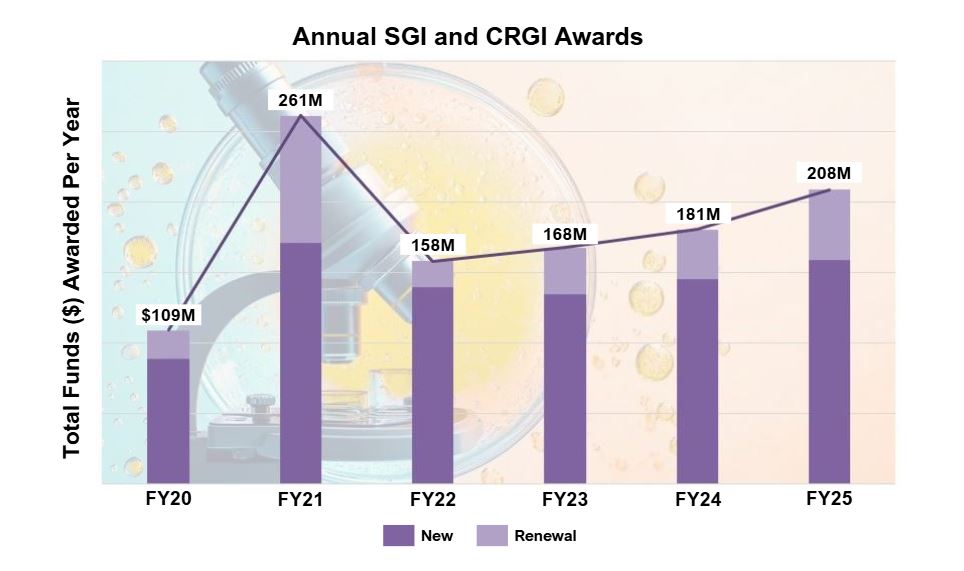
The Special Grant Incentive (SGI) and the Collaborative Research Grant Incentive (CRGI) programs continued their upward trend in FY25. A total of 32 incentives were awarded in its last quarter – the highest number in a single quarter since the programs began.
In FY25, grants that met the program’s criteria – including from the National Institutes of Health (NIH), Department of Defense, and National Science Foundation – surpassed $208 million. Almost 83% were new grants, while the remainder were competitive renewals, highlighting growth in new projects and new funding streams.
In NIH funding specifically, the projected year-to-year increase for all UT Southwestern investigators was nearly $20 million or over 6% as of late September. While many of our peer institutions have experienced declines in funding, UT Southwestern’s performance reflects the strength of our research enterprise and the competitiveness of our investigators.
A total of 94 SGIs and CRGIs were allocated to 74 faculty members – and two earned the maximum three incentives – in FY25. The top five departments receiving awards were Internal Medicine, Molecular Biology, Psychiatry, Biophysics, and Immunology.
Between FY20 and FY25, the SGI and CRGI programs have collectively granted 537 incentive awards providing over $5.3 million to UT Southwestern faculty.
| |
About the SGI Program
Established in FY20, the SGI provides an incentive of $10,000 – either as personal compensation or as discretionary academic or laboratory development funds – to faculty who are awarded a second or third federally funded research grant.
SGI eligibility criteria
| |
About the CRGI Program
Launched in FY23, the CRGI awards incentives ranging from $15,000 to $40,000 to faculty who are overall PIs, co-PIs/MPIs, or project leaders of NIH program projects (P), cooperative research agreements (U), or collaborative program grants for multidisciplinary teams (RM).
CRGI eligibility criteria and payment tiers
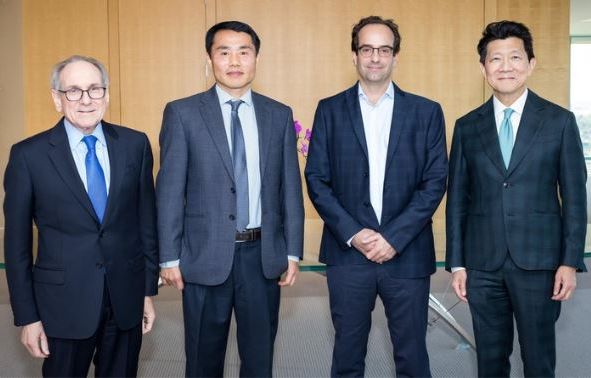
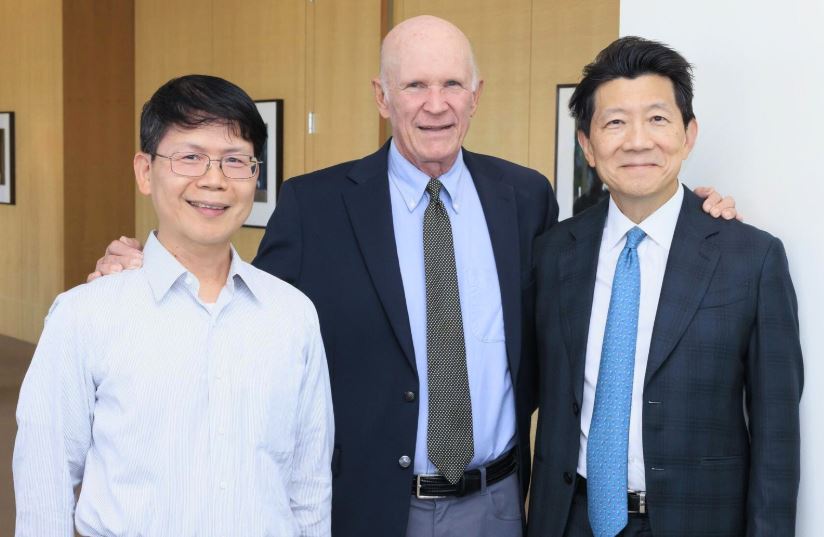
| | Daniel K. Podolsky, M.D., Duojia Pan, Ph.D., Joshua Mendell, M.D., Ph.D., and W. P. Andrew Lee, M.D. | | Zhijian “James” Chen, Ph.D., Steven McKnight, Ph.D., and W. P. Andrew Lee, M.D. | | |
UT Southwestern faculty members have been recognized recently with some of the most esteemed honors in medicine and science including election to the National Academy of Medicine (NAM) and the 2025 Albert Lasker Basic Medical Research Award.
On Oct. 27, Daniel K. Podolsky, M.D., UT Southwestern President, and W. P. Andrew Lee, M.D., Executive Vice President for Academic Affairs, Provost, and Dean of the Medical School hosted a reception to celebrate our newest NAM members: Joshua Mendell, M.D., Ph.D., Professor of Molecular Biology, and Duojia Pan, Ph.D., Chair and Professor of Physiology. UT Southwestern now has 25 members of the NAM – more than any other institution in Texas.
A reception was held on Sept. 25 to honor Steven McKnight, Ph.D., Professor of Biochemistry, who accepted the Lasker Award earlier that month. His recognition marks the second consecutive year and fifth time that a UT Southwestern scientist has earned a Lasker Award, following Zhijian “James” Chen, Ph.D. (2024), and Nobel Laureates Alfred Gilman, M.D., Ph.D. (1989), Michael Brown, M.D. (1985), and Joseph Goldstein, M.D. (1985).
| | Drs. Orth, Phillips Earn Top ASBMB Awards | | |
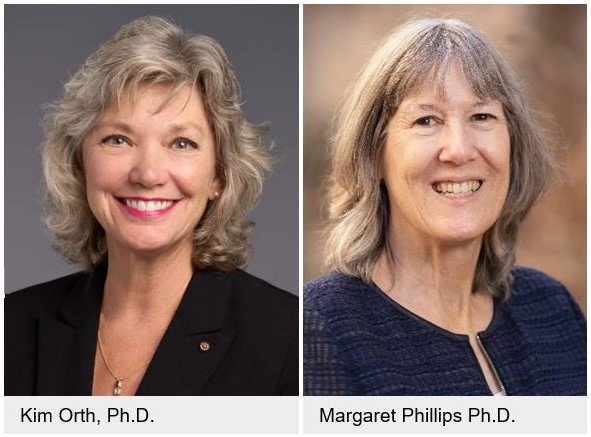
Two of UT Southwestern’s trailblazing scientists are being honored with national awards from the American Society for Biochemistry and Molecular Biology (ASBMB).
Kim Orth, Ph.D., Professor of Molecular Biology and Biochemistry and a Howard Hughes Medical Institute Investigator, will receive the 2026 Earl and Thressa Stadtman Distinguished Scientist Award for her work uncovering multiple biochemical mechanisms used by bacteria to disrupt cellular processes. Her lab’s insights have improved the understanding of diseases such as Type 1 diabetes and neuromuscular disorders.
Margaret Phillips, Ph.D., Chair and Professor of Biochemistry and Professor of Pharmacology, will be awarded The 2026 Alice and C.C. Wang Award in Molecular Parasitology for her significant contributions to advancing the understanding of parasitic diseases. The Phillips Lab has also developed promising drug candidates for malaria prevention and proteasome inhibitors with species-specific activity.
They will receive their awards and deliver lectures at the ASBMB Annual Meeting, which is scheduled March 7-10, 2026, in the Washington, D.C. area.
| | NIH Director’s New Innovator Award | | |
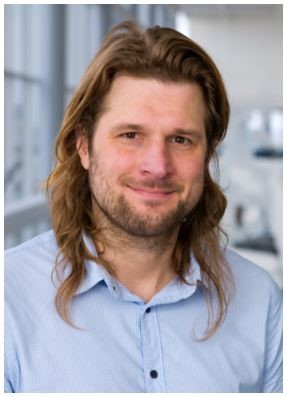
David Sanders, Ph.D., Assistant Professor in the Center for Alzheimer’s and Neurodegenerative Diseases and of Molecular Biology, has been awarded $2.4 million over five years from the NIH to support his research into the role of RNA/protein assemblies in neurodegenerative diseases.
The NIH Director’s New Innovator Award is part of the NIH Common Fund’s High-Risk, High-Reward Program, which supports early-career investigators pursuing bold projects with broad potential impact on biomedical, behavioral, or social sciences.
Dr. Sanders, a member of the Peter O’Donnell Jr. Brain Institute, investigates how cells organize proteins and RNA into liquidlike structures called biomolecular condensates. The New Innovator Award will fund his lab’s studies on how these structures regulate messenger RNA (mRNA) during stress and how their dysfunction may drive neurodegenerative and neuromuscular diseases. Read more.
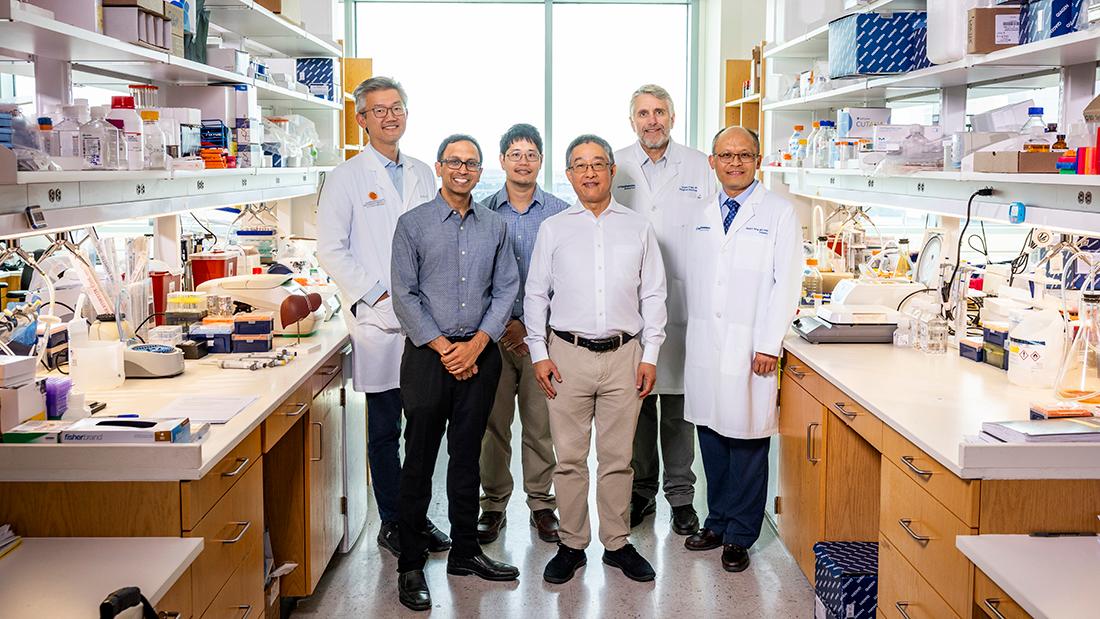
| | UTSW Awarded its Third SPORE | | The principal investigators at UT Southwestern Medical Center involved in the Specialized Program of Research Excellence (SPORE) for liver cancer are (from left) Hao Zhu, M.D.; Amit Singal, M.D., M.S.; David Hsieh, M.D.; Yujin Hoshida, M.D., Ph.D.; Adam Yopp, M.D.; and Daolin Tang, M.D., Ph.D. | | |
UT Southwestern’s Liver Tumor Program has been selected by the National Cancer Institute as a Specialized Program of Research Excellence (SPORE), making it the institution’s third SPORE.
This highly competitive federal award brings together multidisciplinary teams of scientists and clinicians to accelerate the translation of scientific discoveries into innovative therapies and diagnostic tools. The Harold C. Simmons Comprehensive Cancer Center is home to two other SPOREs, focused on kidney and lung cancers.
Led by Amit Singal, M.D., M.S., and Yujin Hoshida, M.D., Ph.D., Professors of Internal Medicine in the Division of Digestive and Liver Diseases, the new SPORE will receive $12 million over five years to focus on hepatocellular carcinoma, which is prevalent in Texas and accounts for more than 85% of liver cancer cases nationwide.
The grant will support three major projects: testing a chemoprevention strategy in high-risk patients; exploring polyploidy induction to prevent HCC recurrence; and enhancing immunotherapy effectiveness. Read more.
| | Empowering Early-Career Investigators | | |
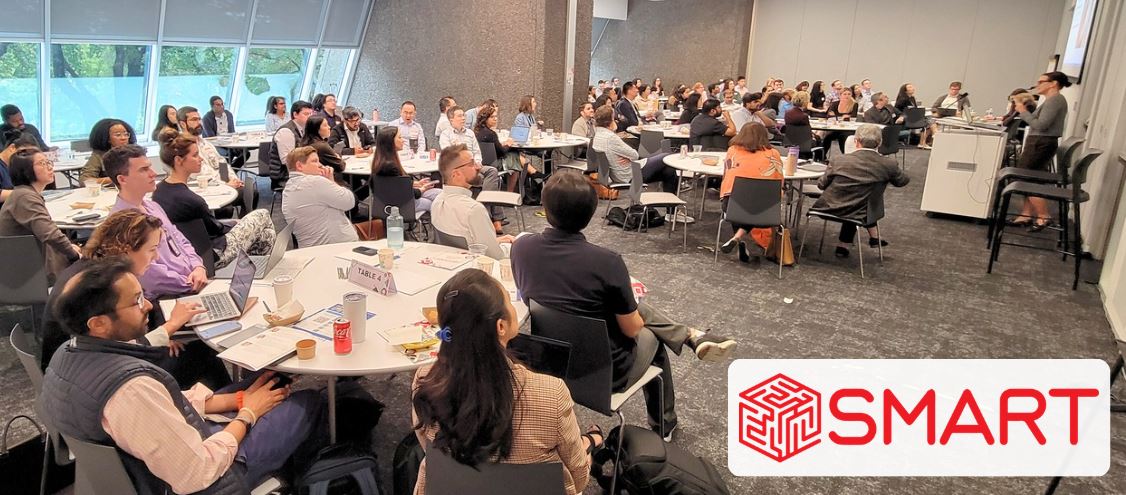
Late last month, 59 faculty and eight trainees representing 21 departments and two centers took part in the Scientific Management Accelerating Research & Tenure (SMART) program.
The daylong scientific workshop included panel discussions and expert-led interactive sessions. It provided newly appointed principal investigators access to experienced mentors, leadership insights, and proven strategies to accelerate their research success. It also promoted interactions and collaboration among early-career investigators – helping them move from silos to synergy.
SMART was originally launched in 2019 by four basic science assistant professors who developed the idea as their capstone project for the Leadership Emerging in Academic Departments (LEAD) program. Their goal was to create a space where first-time, research-intensive faculty could learn practical ways to effectively build their laboratories, lead their teams, and implement their scientific vision.
The program was relaunched in 2025 under the leadership of Alyssa Hasty, Ph.D., Vice Provost and Senior Associate Dean for Faculty Affairs and Career Development, and Helen Yin, Ph.D., Associate Dean for Women’s Careers, in partnership with an expanded team of basic and clinical research faculty. With this broader scope, SMART aims to help investigators on the tenure-accruing or clinical scholar tracks build a supportive peer community that will jumpstart interdisciplinary collaborations.
For more information, contact Faculty Development.
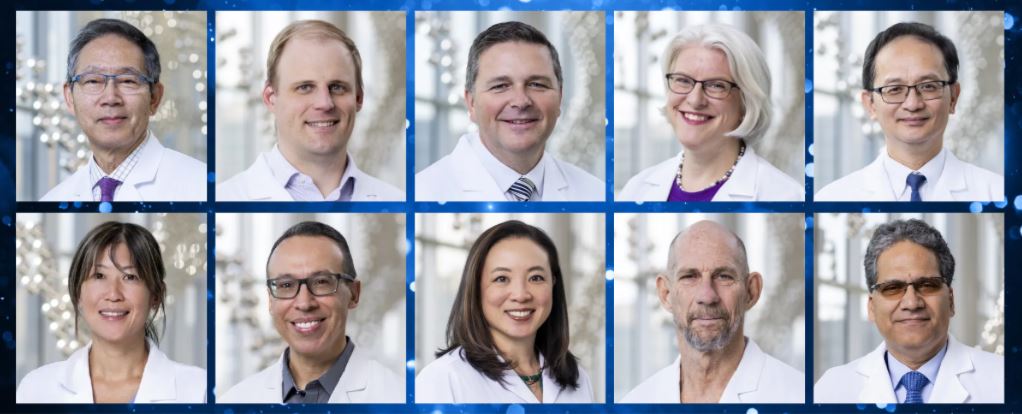
| | 2025 Leaders in Clinical Excellence Awards Ceremony | | Top row, from left: Yu-Guang He, M.D.; Nicholas Hendren, M.D.; Samuel Mandell, M.D.; Susan Matulevicius, M.D.; and Benjamin Nguyen, M.D. Bottom row, from left: Caroline Park, M.D.; Gilberto Salazar, M.D.; Melanie Sulistio, M.D.; James Thornton, M.D.; and Sidarth Wakhlu, M.D. | | The annual Leaders in Clinical Excellence Awards recognize clinical faculty across our many sites of service for their exceptional contributions to the care of our patients, to the education and training of the next generation of health care professionals, and to the advancement of UT Southwestern overall. Learn more about this year’s recipients and register to attend the ceremony on Nov. 5. | | Professional Development for Educators | | | | |
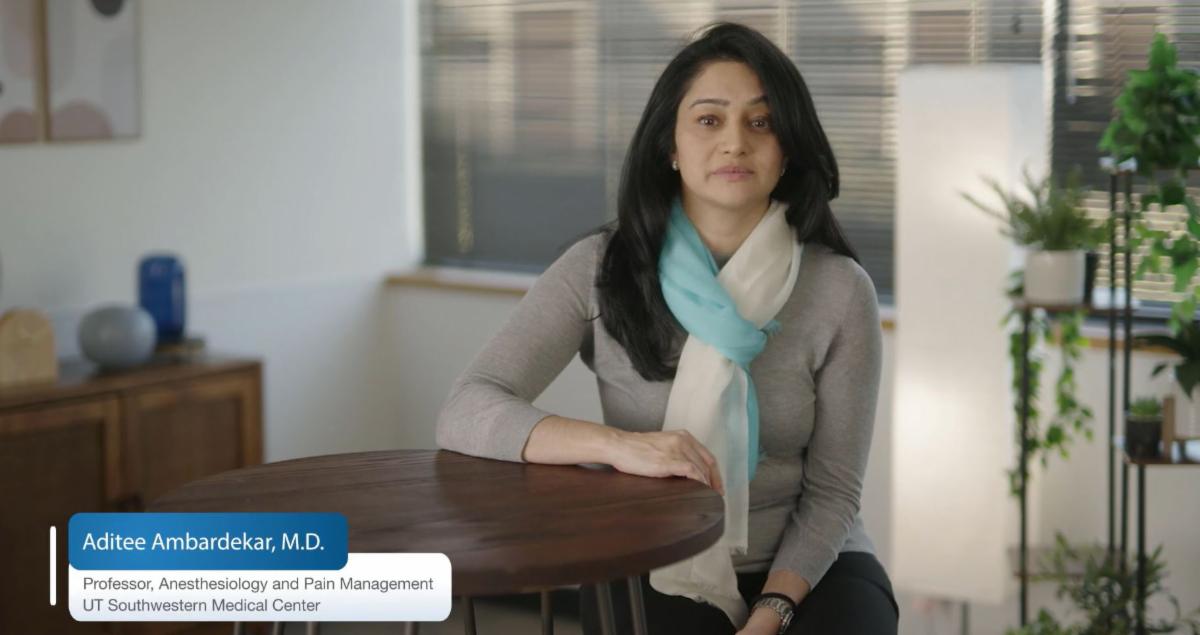
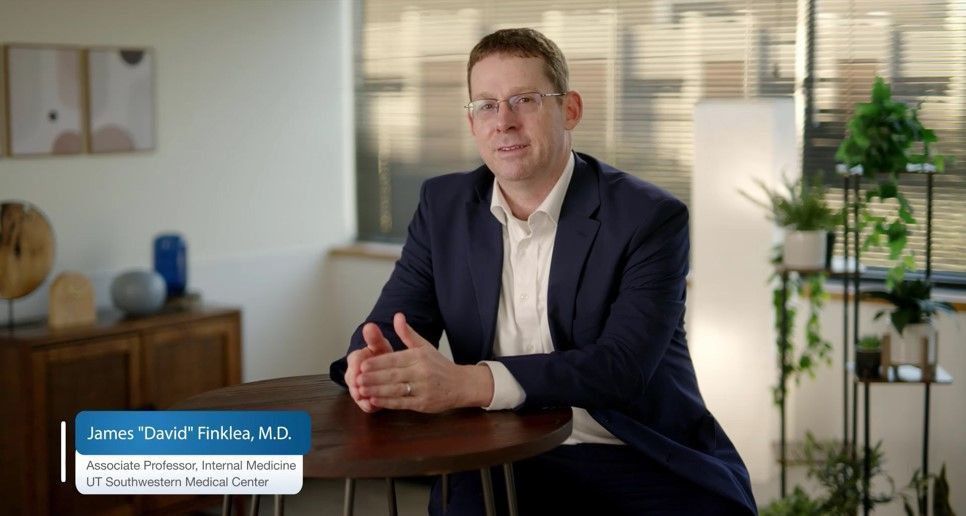
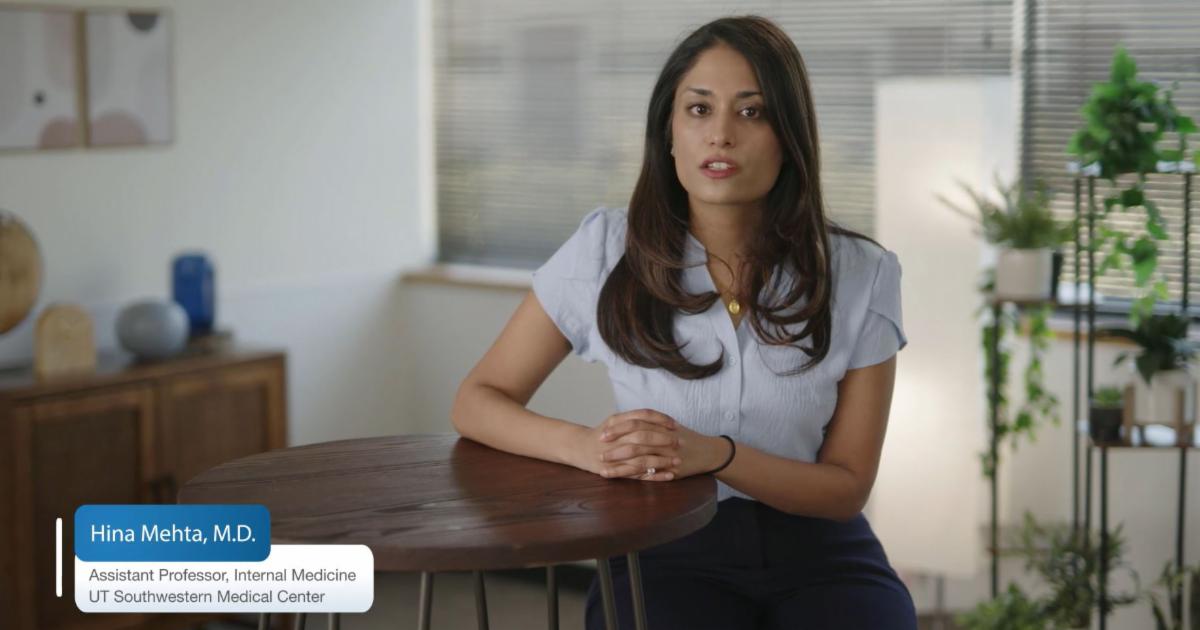
The Office of Faculty Development, in partnership with the Southwestern Academy of Teachers (SWAT), has developed an Educator Development at UTSW (EDU) course that provides faculty members at all levels with helpful tips to become better educators, scholars, and academic medicine professionals.
The course has ten video modules that take under 2.5 hours to complete. Access the series on Taleo Learn by searching for “EDU2025.”
| | |
Debriefing Techniques
Aditee Ambardekar, M.D.
| | |
Writing Test Questions
David Finklea, M.D.
| | |
Integrating Podcasts
Hina Mehta, M.D.
| | Make Academic Content Digitally Accessible by April | | |
The Department of Justice approved new digital accessibility standards last year that apply to a wide range of public-facing and internal-facing digital assets, including laboratory webpages and educational content for academic courses. To prepare to meet the April 24, 2026, deadline:
- Ask questions during the Digital Accessibility Office Hours on Nov. 4, Nov. 18, Dec. 2, Dec. 16, and Dec. 30, from noon to 1 p.m. on Microsoft Teams.
- Learn how to create and restructure Microsoft Word documents for accessibility using semantic structure and built-in tools during upcoming workshops on Nov. 10 and Nov. 17.
For more information, contact Glenn Philp, Information Resources Accessibility Officer.
| | Important Dates and Upcoming Events | | |
ENACT Network Information Session*
Learn how the ENACT Network and its platform can assist in developing and managing multisite studies.
The Scholar’s Edge Workshop Series
Jaclyn Albin, M.D., Associate Professor of Internal Medicine, Pediatric, and Public Health, presents “The Hustle, the Garden, and the Harvest: Recipes for Sustainable Program Development.”
Pathways
A new career development workshop for clinicians who want to strengthen their academic focus while maintaining their clinical practice. Designed for late assistant and early associate professors, the program provides guidance on developing a niche in medical education, clinical research, or quality improvement.
School of Health Professions Virtual Open House
The Master of Science in Nutritional Health online program will host an open house from noon to 1 p.m.
Women’s Health Research Symposium
This symposium will feature talks from internal and external scientists and clinicians on cutting-edge research in women’s health.
NORC Pilot and Feasibility Grant Opportunity
As a part of the Nutrition and Obesity Research Center Grant (NORC), UTSW has established a Pilot and Feasibility (P&F) granting opportunity for investigators conducting research in fields related to obesity, metabolism, and nutrition. Four $50,000 awards are available. View criteria and guidelines.
- Submit an application by Nov. 12.
Transformational Communication Seminar
As part of a new Faculty Development initiative that will support professional growth for Research Track faculty, this event will explore communication strategies such as active listening, presence, and asking effective questions, with time included for networking.
BERD Quarterly Seminar Series*
This Biostatistics, Epidemiology, and Research Design (BERD) session explores potential research questions and the feasibility of answering them using Merative MarketScan Research Databases.
Didactic Session: From Question to Query – How to Find and Manage Data at UTSW*
Learn the basic process for requesting data and get data management tips.
MSHI Information Session
Discover how the Master of Science in Health Informatics Program at UT Southwestern can help you elevate your career.
Show Me the Money: Finding Funding Opportunities through the Library
This session will highlight the Grants and Funding Guide and discuss how to search for and manage funding opportunities in the Pivot database.
*Sponsored by the UT Southwestern Clinical and Translational Science Award Program
| | | | |