Investing Long Beach's Oil Revenue Locally

Greetings!


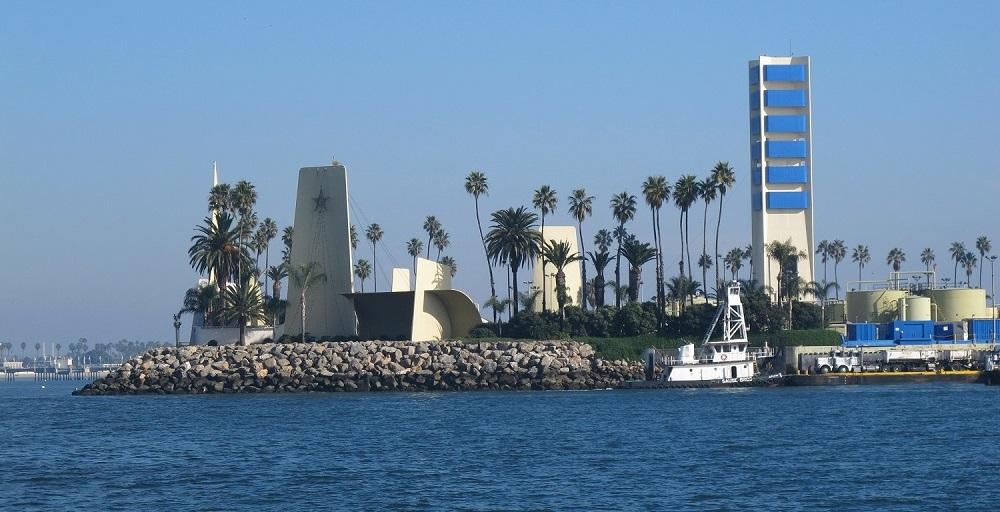
On Tuesday, August 19, I am asking the City Council to take the first step in urging the State to keep more of the oil revenue from Long Beach’s tidelands invested locally. This funding is essential to care for our beaches, marinas, and coastline without shifting the burden to local tax payers. 


In 1964, the State determined it was “economically impractical, unwise, and unnecessary” to spend all of Long Beach’s tidelands oil revenue on our local coastline, labeling the rest surplus for Sacramento. Today, circumstances are very different. The City Auditor projects $300 million in lost oil revenue over the next decade and there is more than $1 billion in unfunded coastal projects.


Currently, the State takes 42.5% of oil revenue as surplus, while the City receives just 8.5% to maintain its coastal obligations. Since 2004, nearly $6 billion has gone to the State as surplus to the needs of Long Beach’s coast. 


For the first time, local tax dollars are being used to maintain the same waters where hundreds of millions in oil revenue is generated and sent to the State as surplus. 


It is time to update this outdated arrangement so that more of the revenue generated in Long Beach is reinvested here. Join us on August 19 to say: There is no more surplus. 


If you can’t attend the meeting, please email the City Council and share your support for keeping more of Long Beach’s oil revenue in Long Beach.


Please read my proposal here.

Kristina Duggan

Councilmember | District 3

Why Everyone Should Care

Long Beach tax dollars are now helping to maintain the same waterways where the State continues to generate hundreds of million of revenue from oil production. Every local dollar spent on the coast is a dollar that could have supported police, fire, parks, libraries, street repairs, and other citywide needs. This reliance on local taxes could grow to tens of millions a year by 2035. This is not just a tidelands issue. It is a Long Beach issue that can affect every neighborhood.

Why It's Urgent

The City Auditor's 2024 analysis shows the state’s projected cost of closing out the oil operations in Long Beach is more than their remaining share of revenue. If the State dedicated all of its remaining Long Beach oil revenue to the State's Oil Abandonment Liability Fund, there would still be a projected $466 million shortfall by 2035.


Despite this, only half of the State’s remaining Long Beach oil revenue is going toward abandonment costs, with the rest still directed to the State's General Fund.


The state is failing to meet it’s obligations as the largest oil beneficiary of oil production in Long Beach. This means the State can no longer rely on future oil revenue from Long Beach to address the debt owed to the local public trust after nearly a century of oil production.

Why We Believe the State Should Act

The 1964 surplus finding was based on a 1955 California Supreme Court case, Mallon v. City of Long Beach. In this case, the court allowed the State to take a share of Long Beach’s tidelands oil revenue because there was no evidence that it would impair the public trust at the time. In 1955, Long Beach received $24 million a year for tidelands purposes, or $300 million in today’s dollars. 


Now we are making a lot less oil revenue and our trust needs are projected to cost more than projected revenues. Based on current evidence, we are asking the State to update its surplus finding to reflect the City’s 2025 coastal realities, not a 60 year finding based on different conditions.

What Tideland Funds Pays For

Long Beach

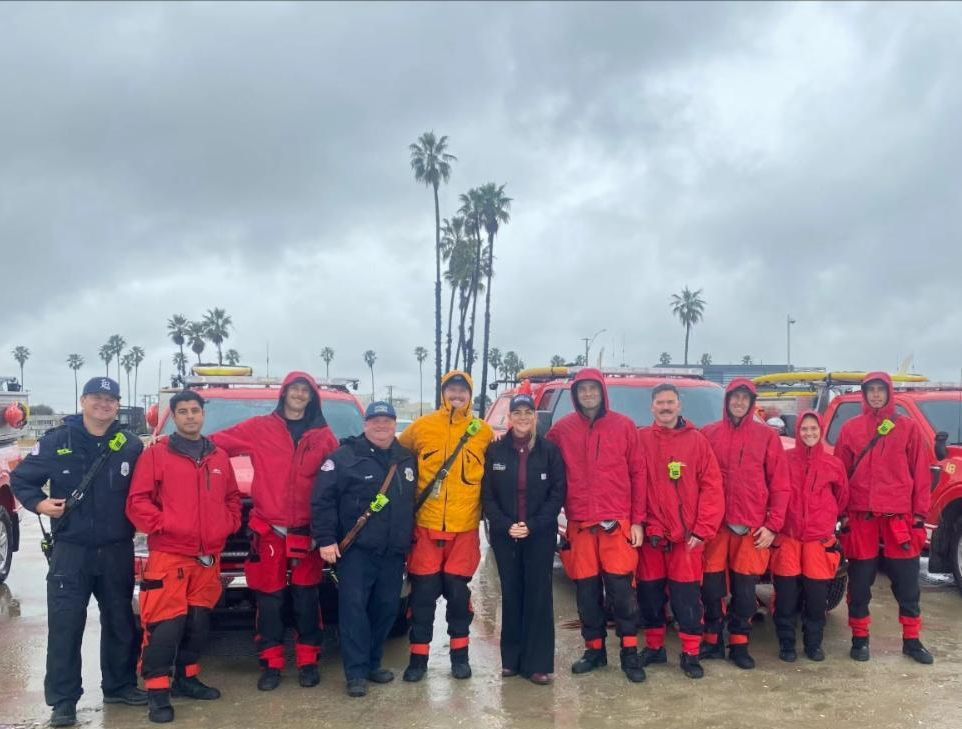
Lifeguards

Police Officers in our Tidelands and Marina

Firefighters in our Tidelands and Marina

Nature and Habitat Education

Emergency

Preparedness

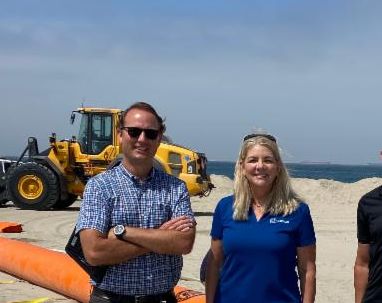
Beach and Marina Maintenance

Olympic Readiness


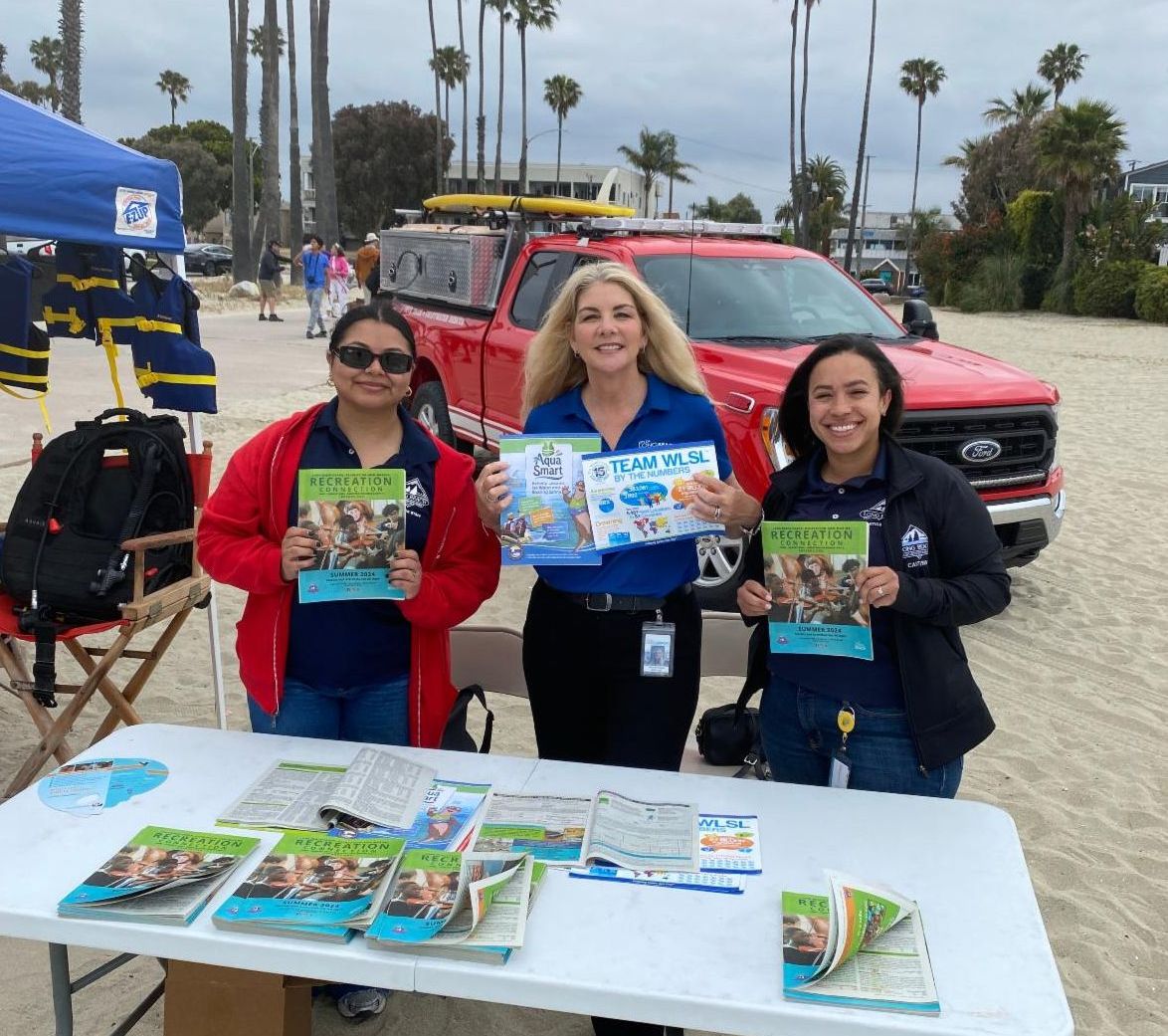
Coastal Recreational Programs

Unfunded Coastal Capital Needs

Long Beach has more than $1 billion in unfunded coastal capital needs — all essential to fulfilling the City’s public trust responsibility to maintain safe navigation, protect natural resources, ensure public access, and support recreation along the coast. Key projects include, but are not limited to:

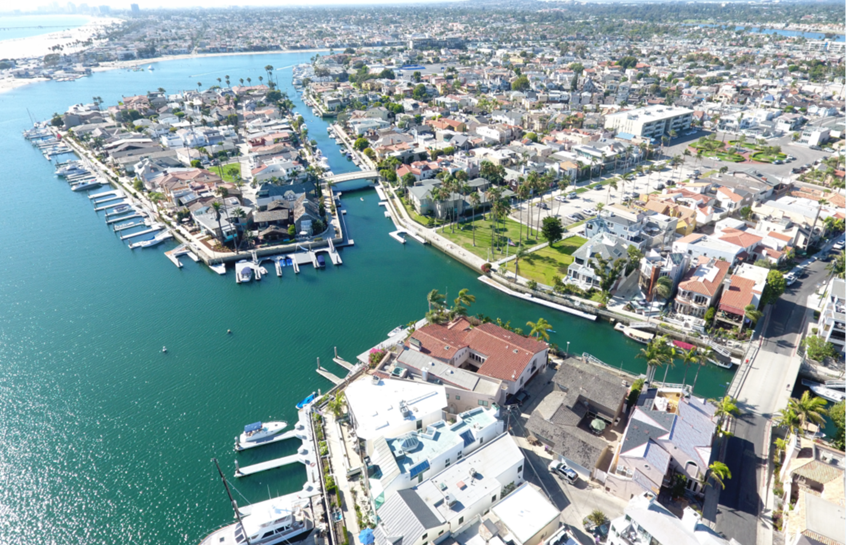
Naples Seawall Replacement


Protects navigation in the canals, prevents flooding, and preserves public walkways.


Projected Cost: $125 million


View the latest presentation here


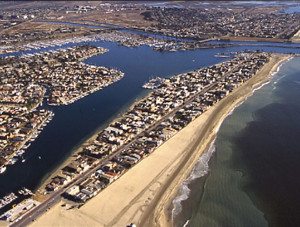
Peninsula Living Shoreline & Erosion Control Project


Addresses sea-level rise and safeguards public beaches.


Projected Cost: $111-$237 million


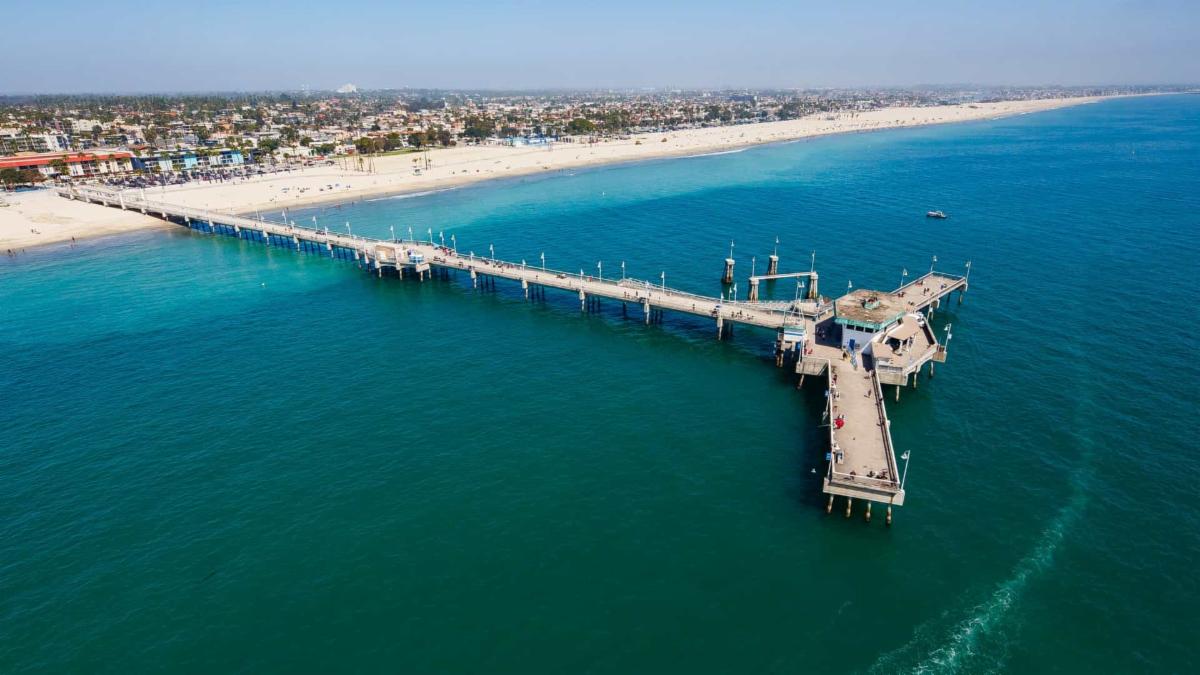
Belmont Veterans Memorial Pier Replacement Project


Maintains public fishing, recreation, and coastal access.


Projected Cost: $100+ million


View project website here.


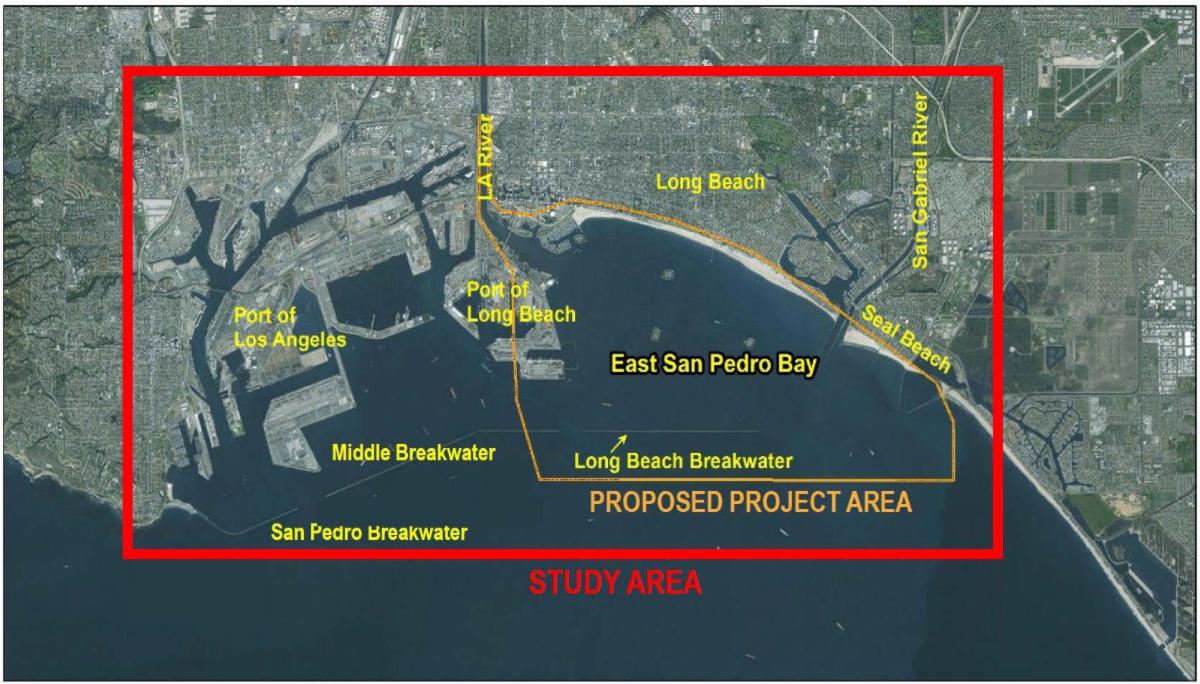
East San Pedro Bay Ecosystem Restoration Project


Restores wetlands, fish habitat, and improves water quality.


Projected Cost (Local Share): $98 million


View the project report here.


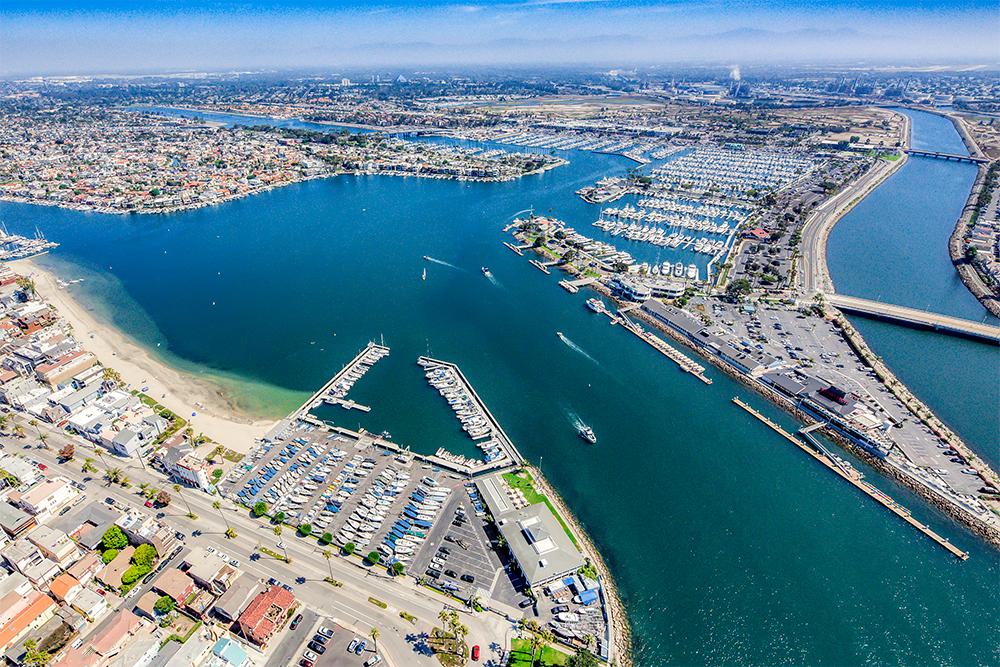
Alamitos Bay Water Quality Enhancement Project


Keeps waterways safe for swimming, boating, and marine life.


Projected Cost: Unknown


View the project's website here.


Removal or Repurposing of the THUMS Islands


Restores open water and improves navigation safety.


Projected Cost: $156-$401 million to remove 2 of 4 THUMS Islands


View cost estimates here.


Belmont Beach and Aquatics Center Project


Supports public swimming, recreation, and youth programs.


Projected Cost: In bidding process


View the project's website here.

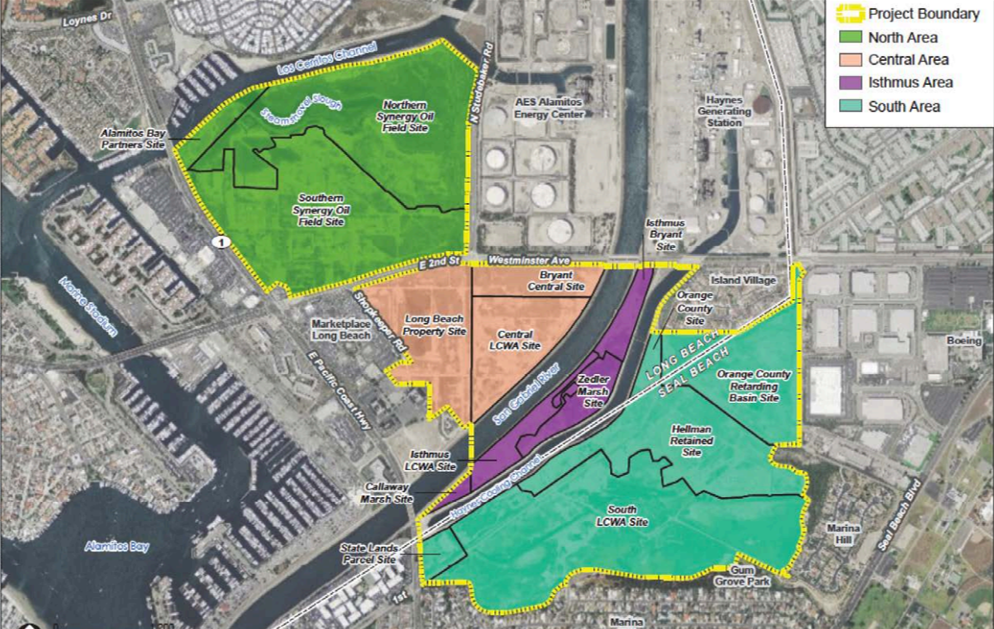
Restoration of City-Owned Oil Fields into Wetlands


Restores habitat and fisheries.


Projected Cost: Unknown


View wetland's website here.

These projects are vital to protect the public’s use and enjoyment of our coastline.


411 W. OCEAN BOULEVARD

11TH FLOOR LONG BEACH, CA 90802

CITY HALL OFFICE: 562.570.6300

DISTRICT WEBSITE

NEWSLETTER SIGNUP