While your support is helping strengthen communities across Madagascar, there are also powerful ways to create healthier, more resilient communities right where you live—further advancing United Nations Sustainable Development Goal 3. | |
What makes a community healthy?
It starts with the quality of the air we breathe, the food we eat, the water we drink, and the systems our communities depend on every day.
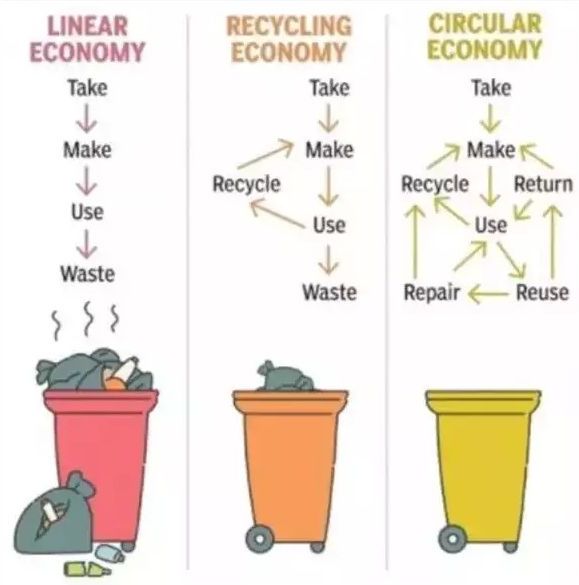
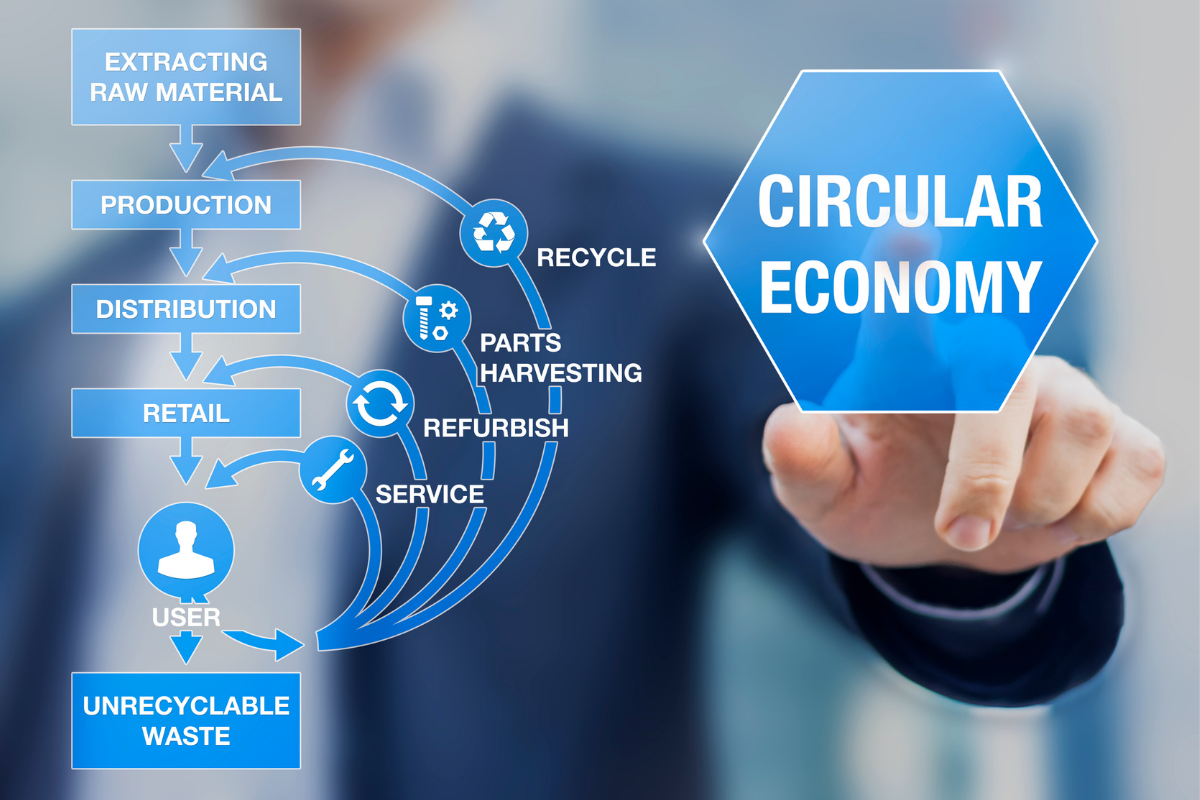
That's why the circular economy is emerging as one of the most promising frameworks for creating healthier, more resilient communities in the 21st century.
By designing out waste and pollution, keeping materials in use, and regenerating natural systems, families and communities can help address some of the root causes of poor public health while building a more sustainable and resilient future for all.
| | |
Healthy people depend on healthy systems. | |
The connection between the circular economy and SDG 3 becomes clear when we look at the simple, practical actions families can take every day to reduce pollution, conserve resources, and help regenerate the natural systems that support human health.
|
🗑️➖ ELIMINATE: Design Out Waste and Pollution
Reducing waste and pollution at the source helps create cleaner air, cleaner water, and healthier communities.
|
Reduce Single-Use Plastics & Toxic Household Waste
Choose reusable bags, bottles, containers, and non-toxic household products whenever possible.
Why it matters: Cleaner environments mean fewer pollutants in the air, water, and places where families live, work, and play.
Waste Less Food
Plan meals carefully, store food properly, and use leftovers before they spoil.
Why it matters: Reducing food waste decreases landfill methane emissions while building more sustainable and resilient food systems.
Choose Cleaner Transportation for Short Trips
Walk, bike, carpool, or combine errands whenever practical.
Why it matters: Lowering vehicle emissions helps improve local air quality while reducing long-term climate and respiratory health risks.
|
There’s an App for That 📱
Today's technology can help make these actions easier and more impactful.
-
JouleBug – Encourages low-waste, energy-saving, and pollution-reducing habits through community challenges
-
Transit – Helps users choose lower-emission transportation options including buses, trains, biking, and shared mobility
|
🔄 CIRCULATE: Keep Products in Use
When products are reused, repaired, shared, and redistributed, communities waste less, conserve resources, and become more resilient in times of economic or environmental stress.
| |
Donate or Share Household Items
Pass along clothing, toys, furniture, or household goods instead of throwing them away.
Why it matters: Sharing usable items helps reduce waste while supporting families and organizations in your community.
Repair Before Replacing
Fix clothing, appliances, bicycles, or electronics whenever possible.
Why it matters: Repairing products reduces pollution from manufacturing and disposal while conserving valuable resources.
Borrow or Rent Occasionally Used Items
Use community sharing programs or borrow items that are only needed occasionally.
Why it matters: Communities that share resources often become more connected, resilient, and better prepared to support one another.
|
There’s an App for That 📱
Today's technology can help make these actions easier and more impactful.
-
Freecycle – Helps communities give away and reuse items locally, reducing waste and supporting equitable access
-
Nextdoor – Strengthens local sharing networks and community resource exchange
|
🌱 REGENERATE: Restore Natural Systems
Healthy ecosystems are the invisible foundation of public health—providing cleaner air, safer water, healthier food systems, and greater climate stability for communities everywhere.
|
Plant Native Trees, Flowers, or Pollinator Gardens
Support biodiversity by planting native species that help pollinators and local ecosystems thrive.
Why it matters: Healthy ecosystems improve air quality, strengthen food systems, and create healthier environments for communities.
Compost Food Scraps & Yard Waste
Turn organic waste into nutrient-rich compost for gardens and soil restoration.
Why it matters: Composting reduces landfill waste, lowers methane emissions, and helps regenerate healthy soil that supports stronger food systems.
Participate in Local Environmental Restoration
Join tree plantings, river cleanups, or neighborhood conservation projects.
Why it matters: Healthy rivers, forests, and green spaces help communities thrive by providing cleaner water, cleaner air, and greater climate resilience.
| | |
There’s an App for That 📱
Today's technology can make these actions easier and more impactful.
-
iNaturalist – Helps communities document and protect local ecosystems and biodiversity
-
AllTrails – Encourages engagement with parks, trails, and natural spaces that support healthier environments and communities
| | |
|
The circular economy isn't just about reducing waste—it's about creating systems where people, communities, and nature can thrive together.
In just one minute, THIS VIDEO ➡️ reveals how nature already models the regenerative systems that can help create healthier communities, healthier ecosystems, and a healthier future for all.
| | | | | |
Purpose on the Planet is an approved 501(c)(3) non-profit organization.
The ReWrite Our Story program is also recognized on the UN website as a 2030 SDG Acceleration Action.
| | | | |