|
Dry Laws and Wet Realities
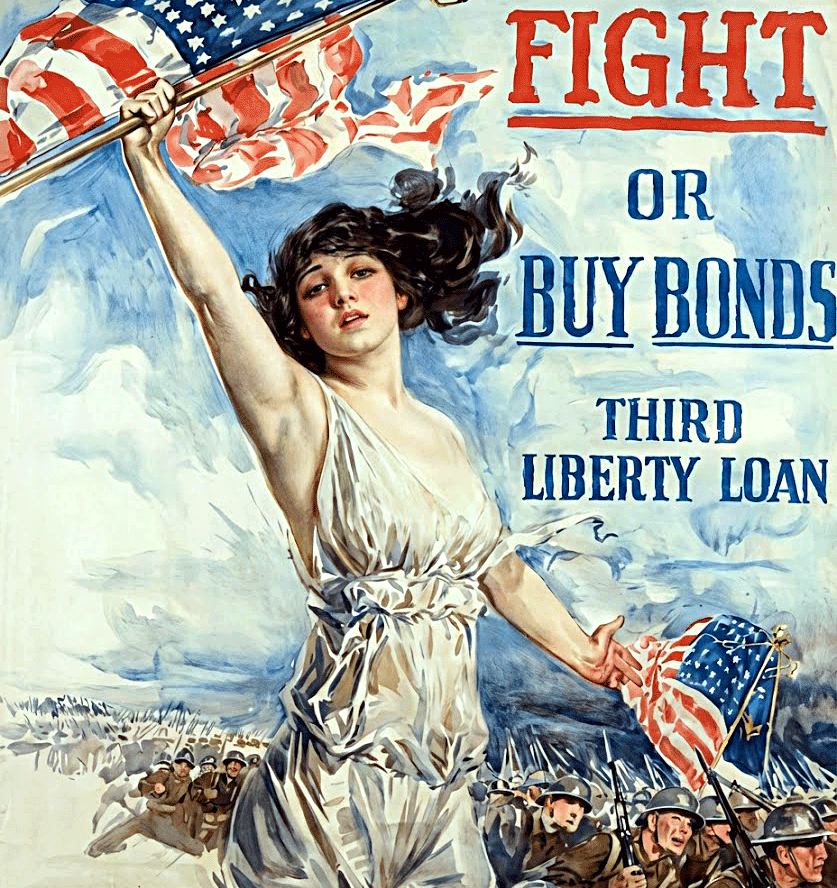
As Nevada labored to supply a nation at war another battle unfolded at home. The temperance movement which had simmered for decades surged forward using wartime patriotism as fuel. Grain was needed for bread not beer reformers argued and sobriety became framed as a civic duty.
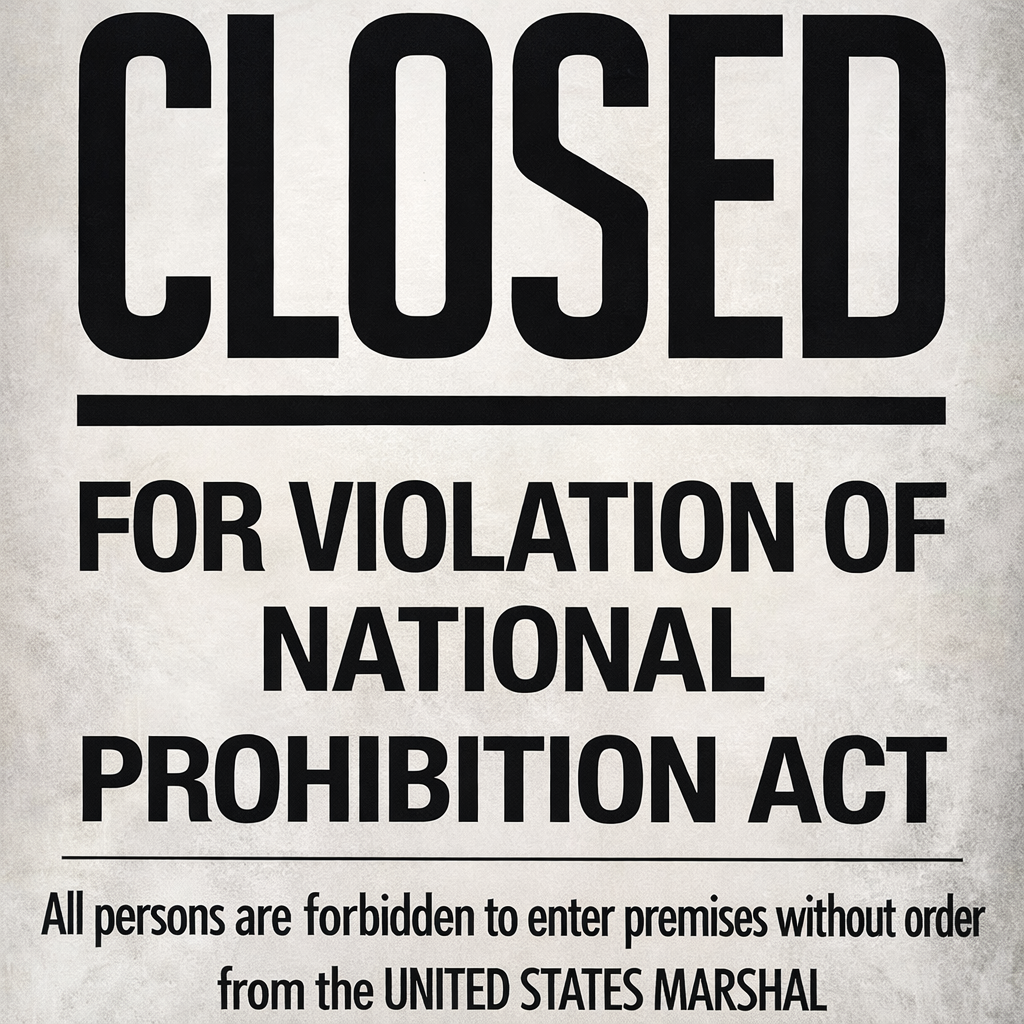
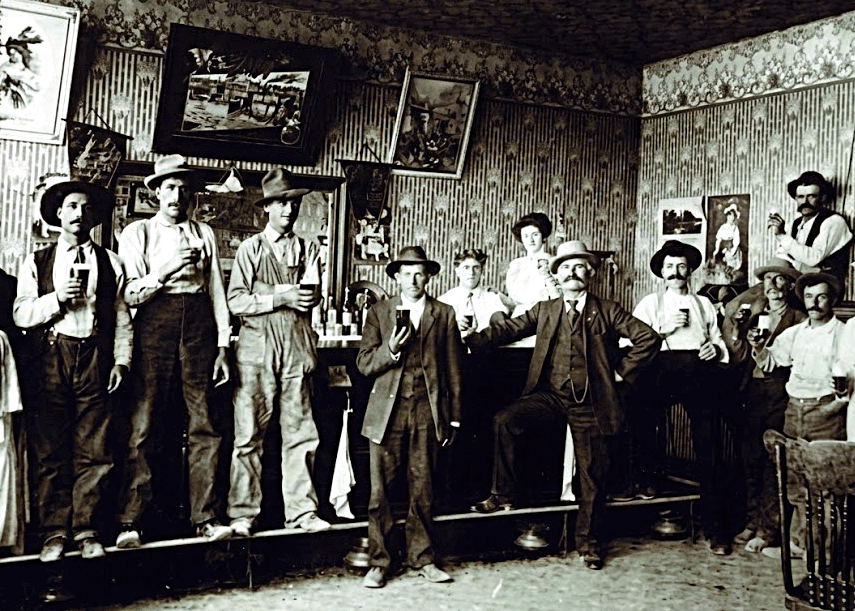
Nevada passed its own prohibition law even before national prohibition took effect. The vote was close and compliance was reluctant. Drinking had long been woven into Nevada life from mining camps to railroad towns. When legal liquor vanished demand did not. It simply moved underground.
Doctors wrote thousands of prescriptions for medicinal alcohol. Bootleggers filled the gap moonshiners fired up stills and speakeasies appeared behind false walls and unmarked doors. Corruption followed swiftly. Lawmen accepted bribes. Jurors refused to convict. Federal agents clashed with locals who saw prohibition as an outside imposition.
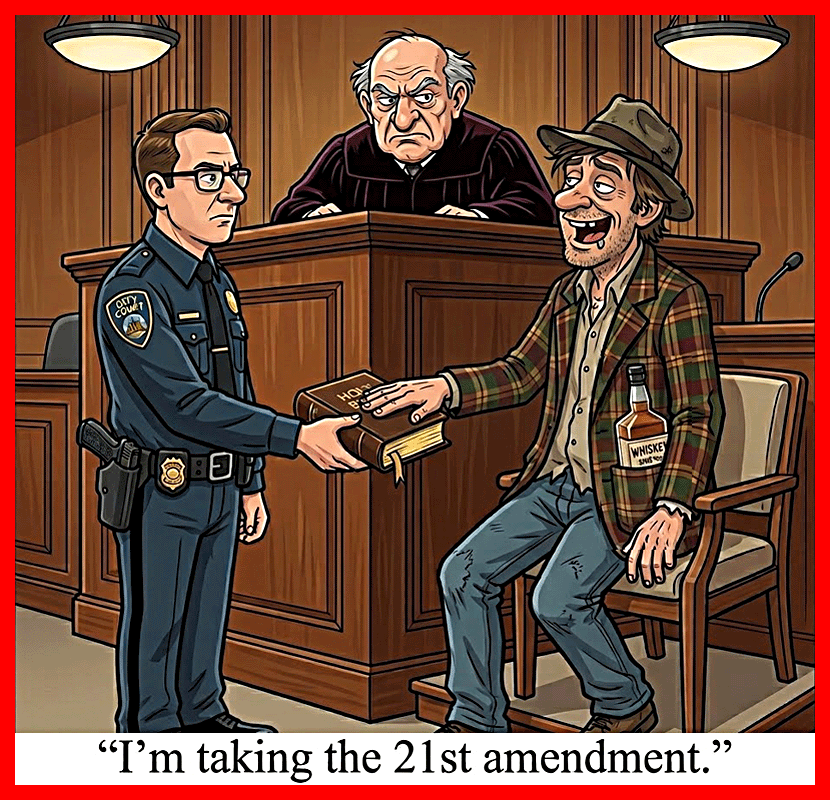
The consequences were sometimes deadly. Poorly made liquor poisoned drinkers. Violent encounters erupted between rival bootleggers and between smugglers and agents. Folklore flourished with tales of drunken burros in Tonopah and staggering pigs in Battle Mountain. Humor softened the story but the damage was real.
By the early 1920's many Nevadans openly opposed the law. Public officials ignored it. Reno’s mayor ordered police not to enforce federal prohibition. The experiment had failed in Nevada as it did nationally. When repeal finally came in 1933 it was met with relief rather than regret.
|