|
April 2025
Skinny Water Charters Newsletter
| | | | |
Hello James,
I know I know, it's been a long time since I published a newsletter. A bunch of reasons some good, some not so much. I only guided a little bit in May of 2024, just for the Rhode Island Worm Hatch, that was essentially a bust, and more on that later in this newsletter.
Additionally I was pretty laid up in 2024 with low back pain that had been steadily advancing in the last several years. That has been remedied for the most part and I'm guiding once again (on a limited basis however), and a bit more on that later.
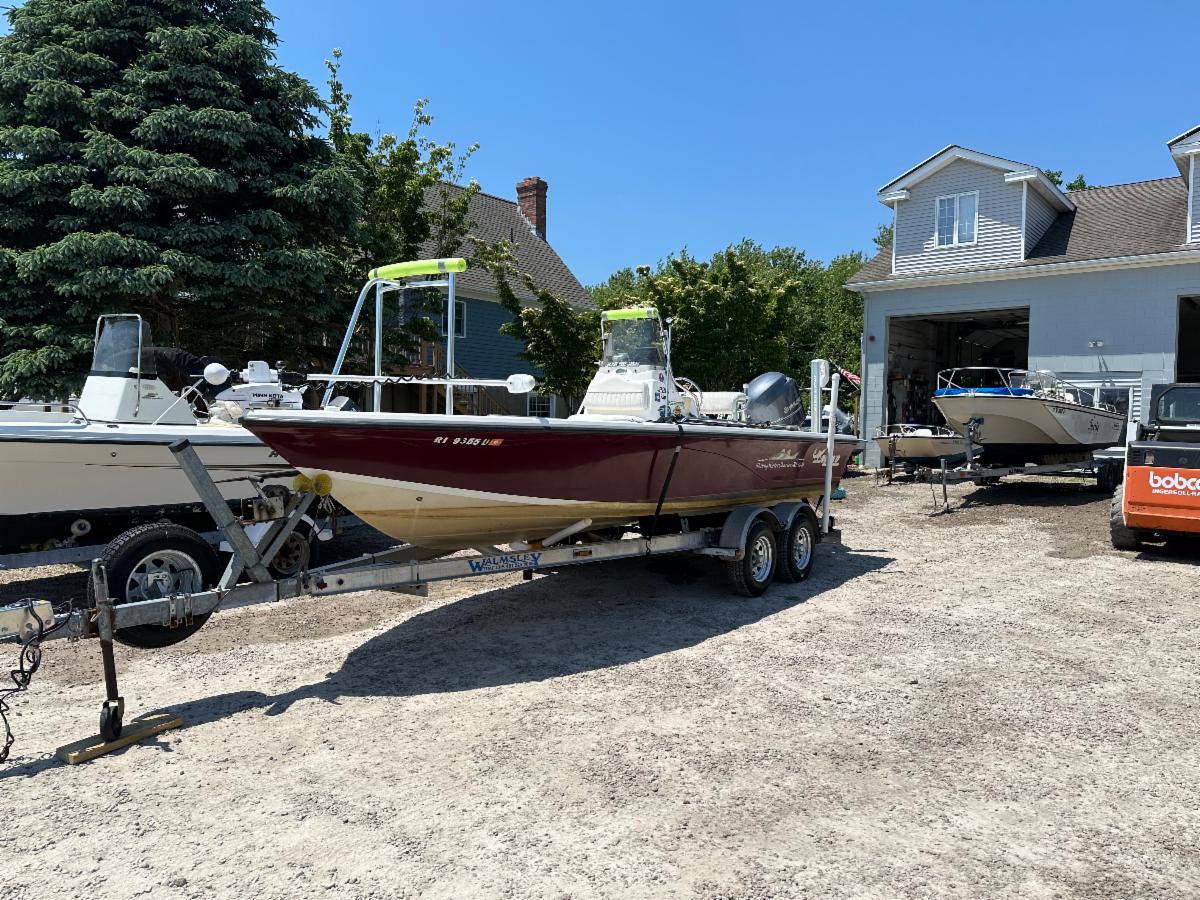
The Mako and her little sister, the Lund are still covered and dying to get wet again this season. It was a long and very cold winter here in Rhode Island and they and moi are dying to get into the salt and freshwater once again.
So, in short, the plan is to uncover 'em, spruce 'em up, fire 'em up and get 'em in the water by the end of the month to clear out the cobwebs.... then fish.
2025 will be a mixed year- some guiding, and a lot more personal fishing. Also, more on that note a bit later.
I hope you are well and will enjoy this abbreviated newsletter.
My Best,
Captain Jim
| | |
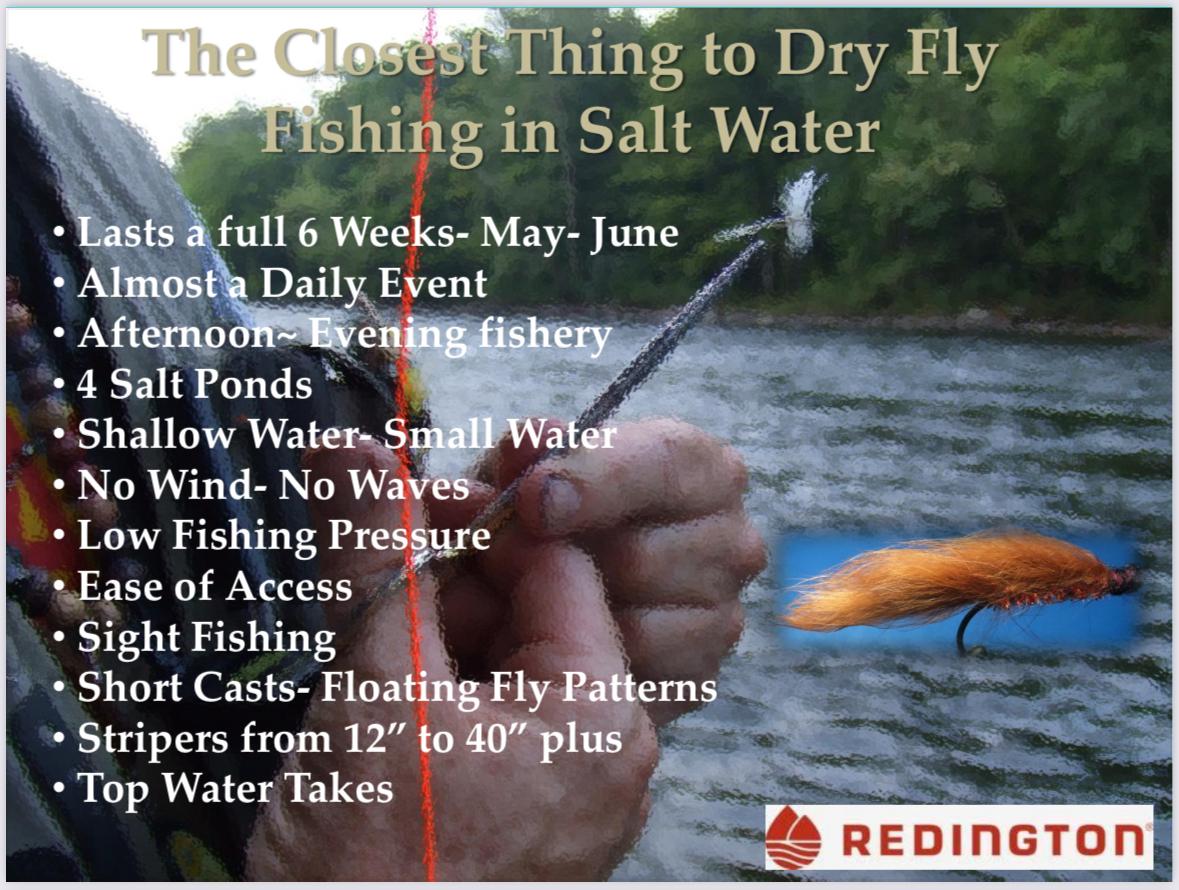
In the interest of full transparency, the 2024 and 2023 worm hatch seasons were abysmal inside of Ninigret Pond in Charlestown, RI. That's not to say the worm hatch fishing in other Rhode Island estuaries was also poor, clearly that was not the case. But in Ninigret, it was the worst I have experienced in the roughly thirty years I have fished it, recreationally and as a guide.
I had about 20 charter reservations in the worm hatch guiding calendar last year starting the second week of May. By the last week in the month, I had only fulfilled two of them as I advised clients that it wasn't worth their hard earned money to cast to empty water. I had many "personal" trips in May and early June scouting the pond for activity, but the cinder worms just weren't home with the exception of a couple of coves at the north end of the pond early in the month. In one of shallower coves we had several decent worm emergences with stripers feeding semi-aggressively. I was hopeful that as the days progressed towards month's-end we would see activity pick up. It did not. 2023 had been an off year as well, but nothing like last spring. What was very noticeable was the amount of algae in the water and water temps at the eastern end of the pond were above seasonal norms. >>
|
|
OK, so we have two years (2023 and 2024) of poor worm hatch fishing in Ninigret and we have a compromised breachway wall and channel, combined with a lot of floating and suspended algae. So is there any good news to this longwinded dissertation?... I think there is.
In October of 2024 Stage 1 of the breachway rehabilitation was completed. The west wall was rebuilt, so water could no longer flow into and out of the breachway from the beach. So, essentially we're back to normal (pre 2023), ebb and flood tides enter the breachway and Ninigret Pond the way it's supposed to. However the breachway is heavily silted in (worse than before the destructive storms).
Here's some optimism. The following paragraph is an excerpt from the Town of Charlestown newsletter... take note.
February 18, 2025
"Across the southern coast of Rhode Island, the tides in our coastal ponds are heavily influenced by wind direction and intensity. Sustained north winds tend to push water out, resulting in extreme low tides, while south winds drive water in, significantly increasing water depth.
Recently, a persistent, high-speed north wind caused a substantial outflow of water from Ninigret Pond through the channel and into the ocean. As a result, large areas of sand were exposed within the channel. Although this may appear to be a setback in our progress, it is actually a positive development.
As the water was pushed out of the breachway, it carried with it a considerable amount of sediment, effectively eroding the sand deposits located near the mouth. This natural movement of sand has contributed to the ongoing deepening of the channel, advancing our efforts to maintain navigable water depths."
So here's my hope... now with tons of fresh salt water again flowing in and out of Ninigret, it may breathe new life into the pond. Granted the nitrogen problem is still there but it will be lessened by increases in strong tidal flows, and the fresh, highly oxygenated salt water will help to retard algae growth, and cinder worms, fish and other marine life will be restored to prior levels. We can only hope.
So, I am cautiously optimistic that 2025 could be a good worm hatch/striped bass season in Ninigret Pond.
I have plenty of traditionally good dates in May and early June. Feel like giving it a try?.... contact me and we'll get you into the schedule.
| | |
So what was going on? The following is my theory:
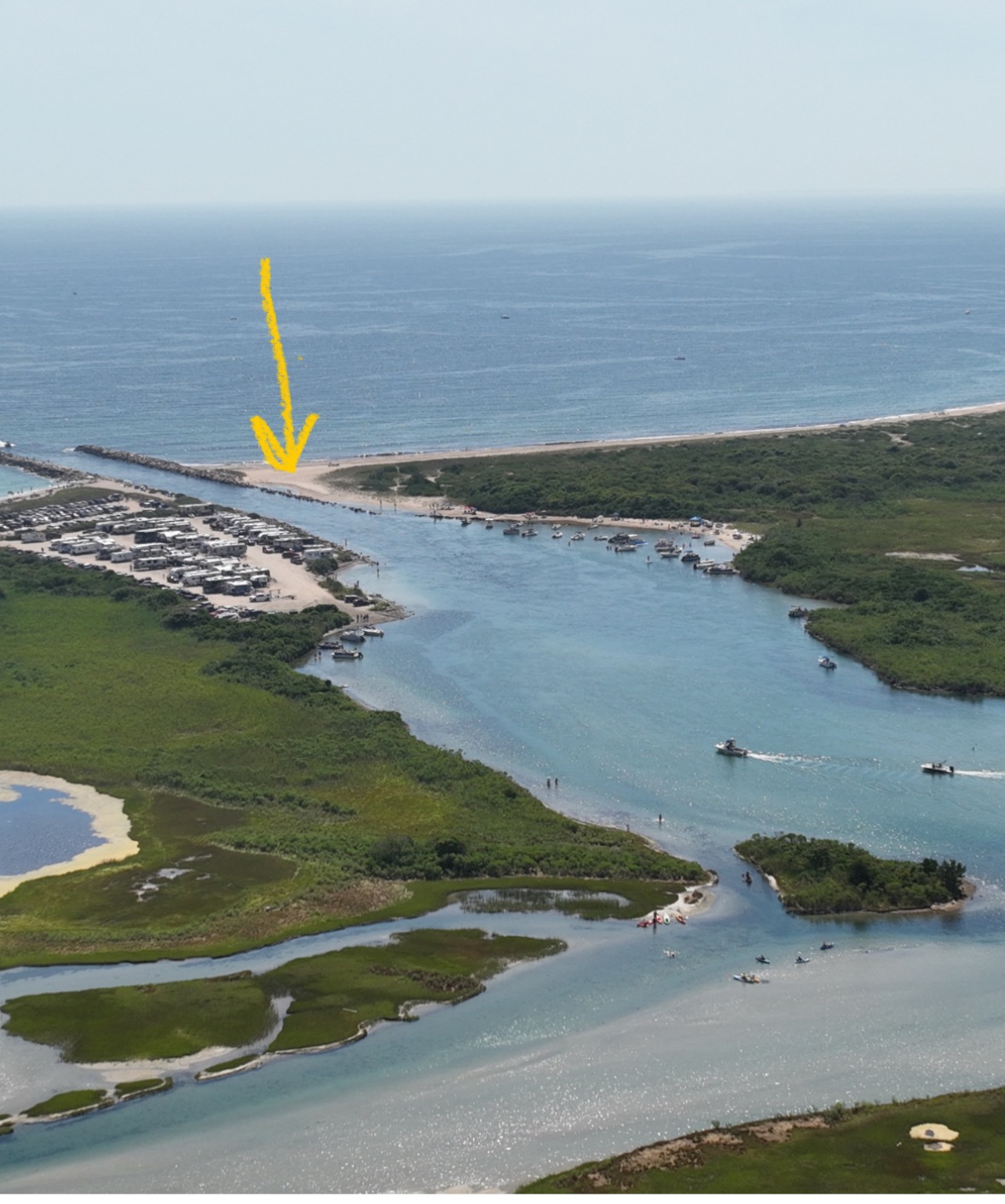
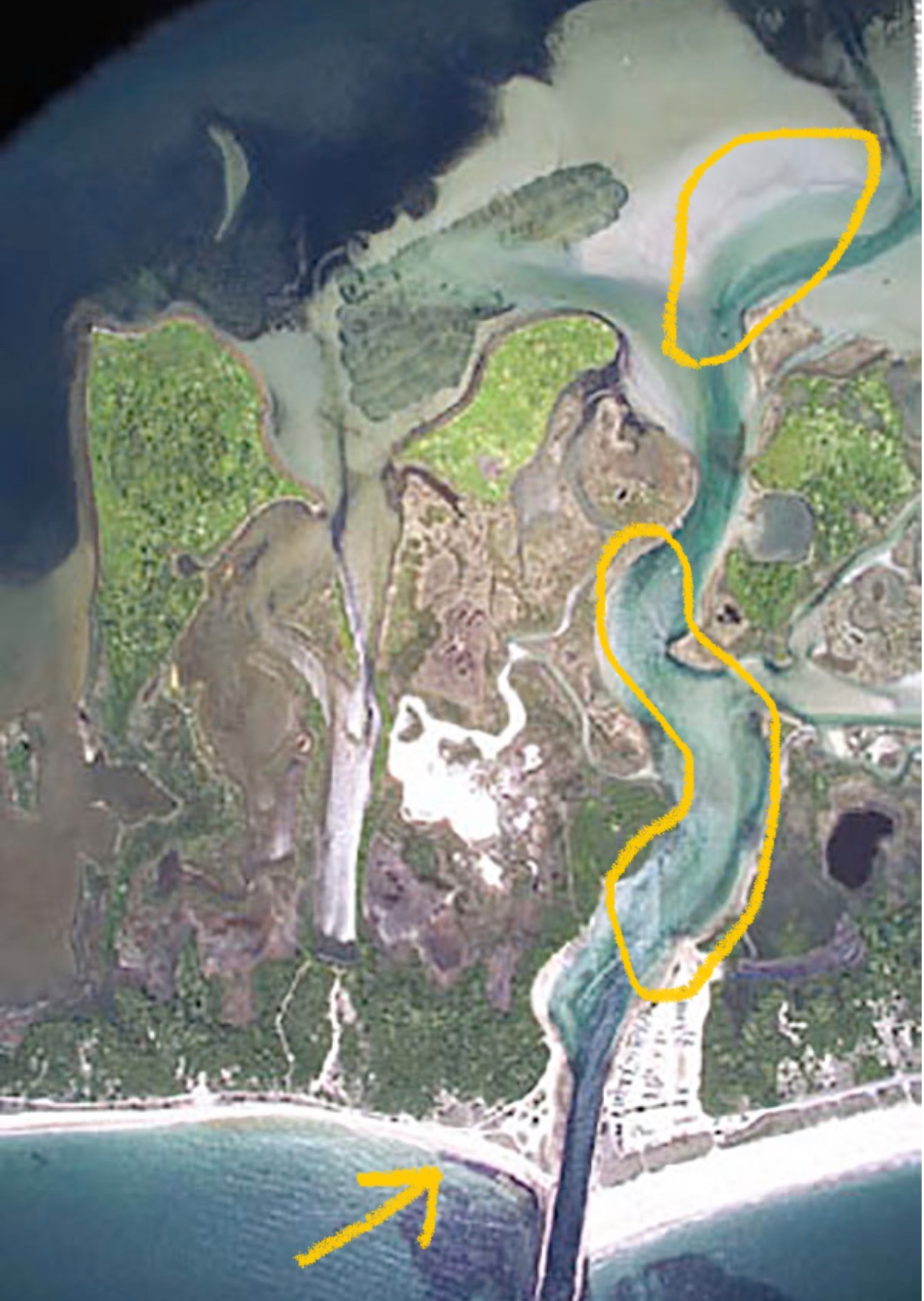
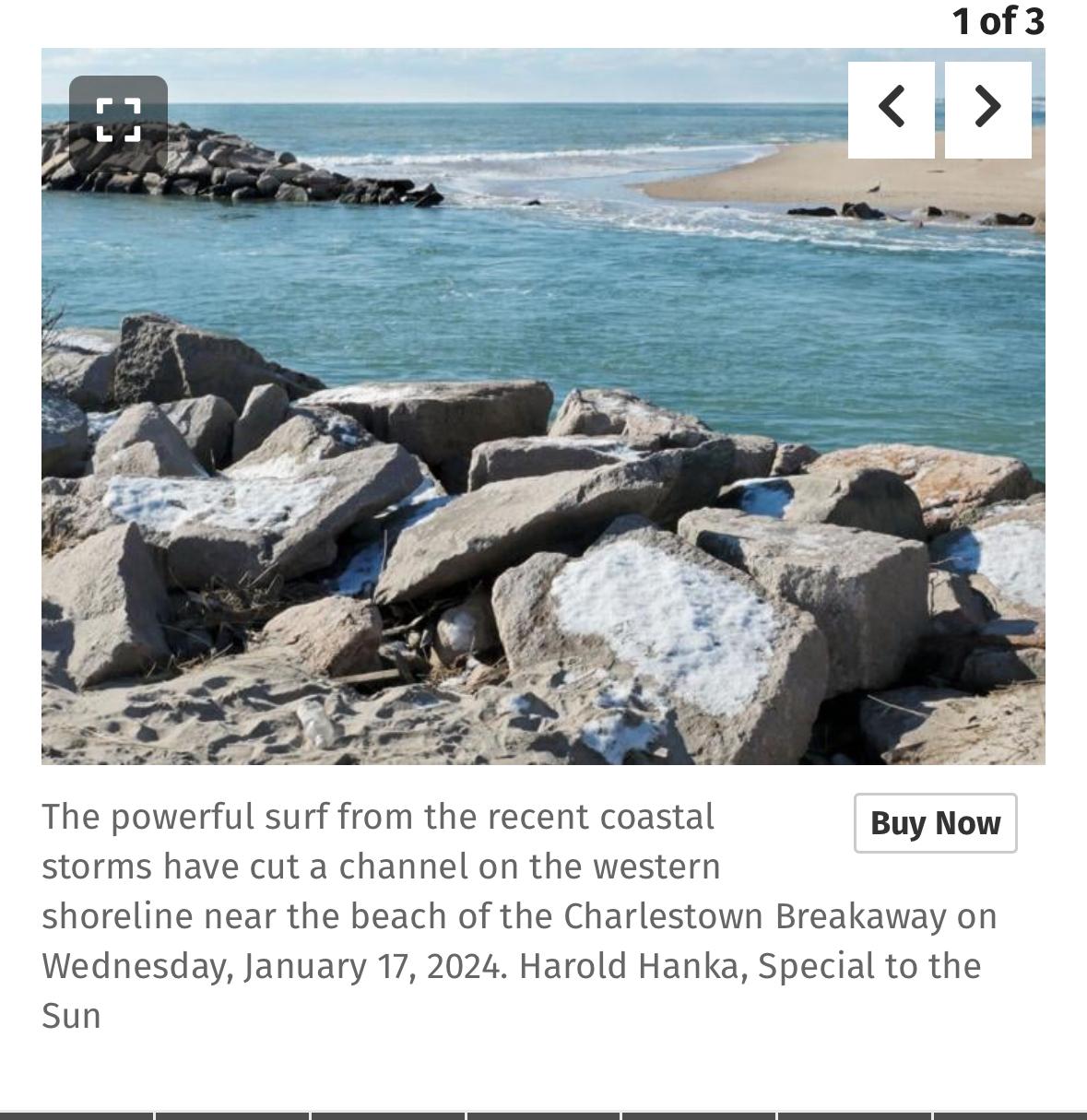
During the winter of 2023 the Rhode Island south coast was battered by multiple storms that damaged the west wall of the Charlestown Breachway. The initial compromise of the west wall occurred in December of 2023. This damage permitted high tides and storm tides to flood into the breachway carrying-in sand from East Beach. (see the arrow in the photo above).
You can see in the photo below the gap between the remaining portion of the west wall, and the beach. Take another glance at the aerial photo above of the breachway and channel into Ninigret Pond. That photo was taken before the breachway wall was damaged. Note the circled areas and you can readily see the very shallow silted-in sections of the channel that impede the flood and dropping tidal exchanges. Without periodic dredging of the channel it doesn't take long for the channel to be almost totally occluded by sand, making the breachway difficult to navigate and additionally, restricting the volume of water entering the pond. What happens when the pond does not get good tidal exchanges of fresh, cold and highly oxygenated water... it cannot "breathe" and the water temps inside the pond warm too quickly and cannot deliver/sustain dissolved oxygen. Fish and cinder worms can't breathe. When water temps are higher than normal it fosters the growth of algae. Algae growth is accelerated by nitrogen from surface runoff of fertilizers, and further "infection" from failed septic systems that penetrate into ground water from many of the houses surrounding the north shorelines of the pond. A perfect cocktail of problems.
<<
| | Worm Hatch Charters Overview | | |
- Meet at Ninigret Landing Marina, Charlestown, RI https://ninigretlanding.com
- Departure time 3:30pm- Return to dock at 8:30
- Vessel: 22’ Mako Inshore Bay Boat- 150HP Yamaha 4-Stroke, Minn Kota 112 lb. bow-mounted trolling motor
- We will be fishing on Ninigret Pond, a large saltwater estuary
- Catch and Release- all fish
- Two guest maximum
- Fly Fishing Only- no light tackle without consulting first with Capt. Jim Barr
- Fly Rods (7- 9 weight) with floating lines. Capt. can provide fly rods if you don’t bring your own
- No fishing license required. Under Rhode Island law guests are covered by Captain's license
- Charter fee is $450. Personal checks and cash only. No credit cards or electronic banking (Venmo, PayPal etc)
- Captain will take photos
- Minimum age of anglers- 10 years
- Apparel: Dress for cold, windy and damp conditions. Wear non-marking footwear and eye protection (sunglasses etc)
|
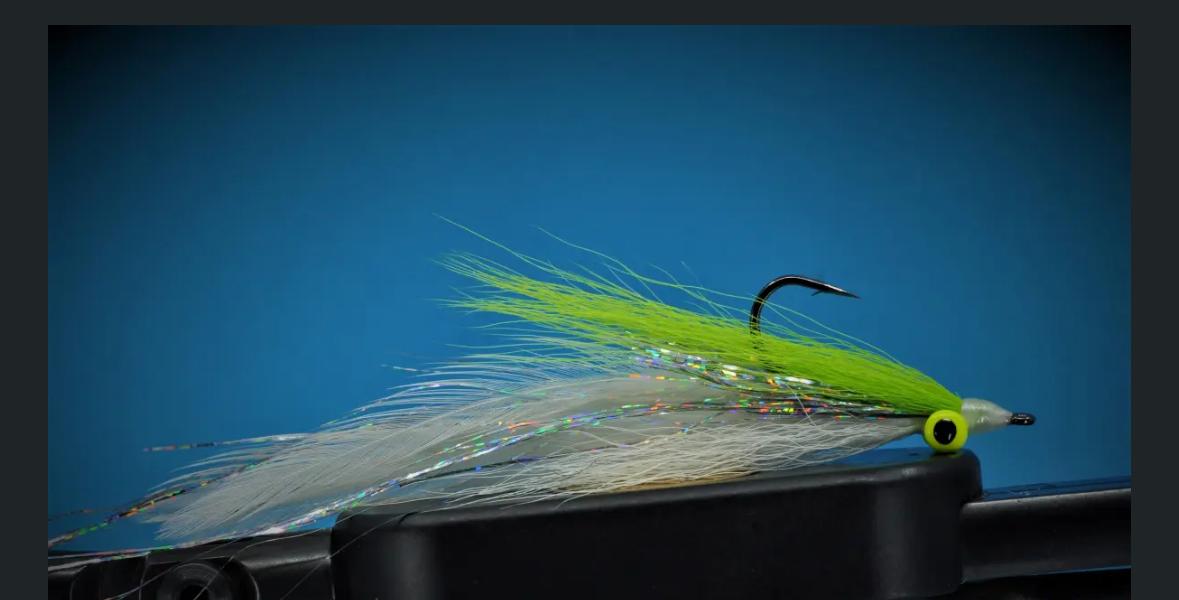
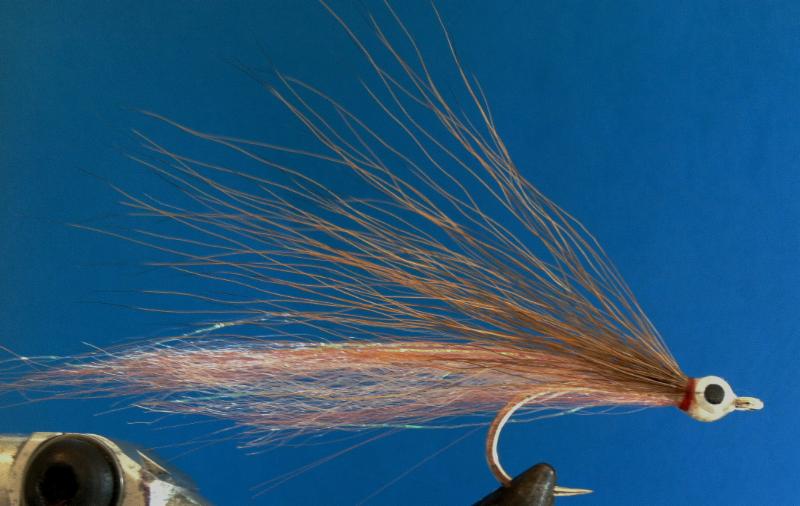
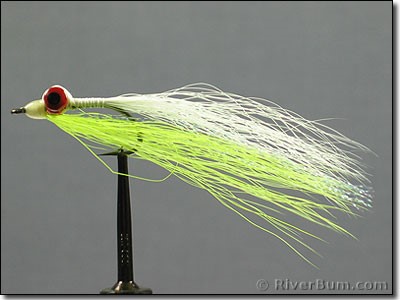
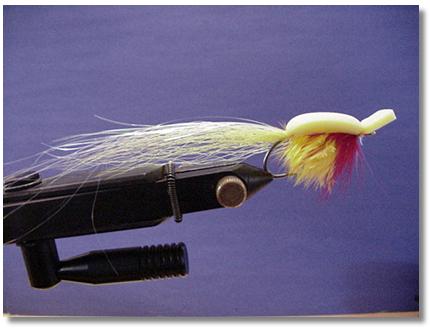
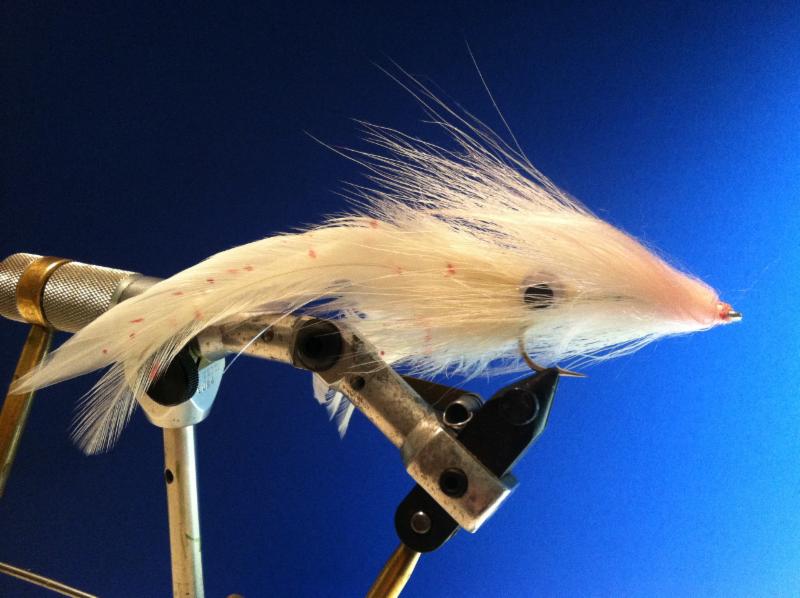
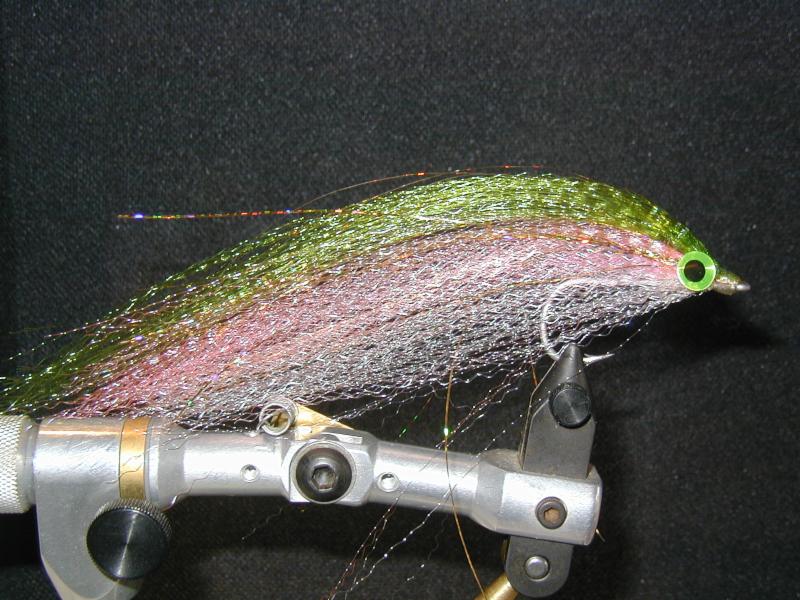
| What Fly Patterns Do You Really Need? | | |
Prepare now for the season ahead
It only stands to reason, that if you can REACH more fish, you can CATCH more fish. One might argue that this may not be the case when fishing in freshwater for trout or bass or northern pike, however when fly fishing in saltwater- the elements of distance, speed and accuracy of your casts will have a direct bearing on your catch rate. As a Fly Fishers International (FFI) Certified Fly Casting Instructor I can in short order significantly improve your fly casting abilities, enabling you to be more successful whether you are casting from shore or from a boat, in saltwater or fresh.
I will conduct these lessons in Morton Park in Newport, RI. I also use top quality Sage, Temple Fork Outfitters, Edge, Lamson, and Orvis equipment (and yours if you would like). I may also relocate to a shallow body of water in order that you can experience the "loading" effect that water will have on your flyrod, and your casting techniques. I will show you casting techniques for fresh and saltwater. Lessons (and learning) are best if they are spread out over a couple of 2 1/2 -hour sessions for the beginning caster. If you are more advanced, typically many casting faults can be cured in one lesson.
FFI is the only organization with a certified fly casting instruction program. The Casting Instructor Certification Program began in 1992 for the purpose of enhancing the overall level of instruction in fly casting, including instructor knowledge, casting proficiency, and teaching ability. FFI certified instructors are nationally recognized as highly competent.
In 2009 I attended the LLBean FFI Casting Instructor Preparation Workshop in Freeport, ME and had the pleasure of being instructed by Rod McGarry and Macauley Lord, both FFI Master Fly Casting Instructors. Rod and Macauley are both recognized world-wide as being the best of the best in flycasting instruction. Following that workshop I studied under Rod McGarry to prepare for my Certified Casting Instructor written and practical exam.
In January of 2010 I was examined by Dr. Gordon (Gordy) Hill, also a Master Fly Casting Instructor and at the time, part of the FFI's Casting Board of Governors.
Beginner Lessons will cover:
- Rod, Reel, Line review & assembly
- Pick Up and Laydown cast
- Overhead cast
- False Casting
- Static Roll cast
- Loop control
- Shooting line
- Slipping line
Intermediate/ Advanced Lessons will cover the following casts:
- Saltwater Quick
- Single Haul
- Double Haul
- Off Shoulder
- Dynamic Roll
- Single Water Haul
- Double Water Haul
- Long-line Pickup
- Casting with the Wind at your Back
- Casting into the Wind
- Belgian
- Change of Direction
- Extra High cast/ Wide loop and high trajectory
- Barnegat Bay
- Dapping
Rates
$70 per hour (minimum 2 hours) for up to 2 students
Group rates available
Location- Newport, RI
| | The Six Million Dollar Man | |
Remember Colonel Steve Austin portrayed by Lee Majors, you know- the former astronaut injured in a NASA test flight crash. That's right, the guy who was rebuilt with bionic implants that gave him superhuman strength, speed and vision.Well I'm no former astronaut however I have been rebuilt a couple of times. I have been plagued by low back pain for about five years and it's gotten worse every year, and 2024 became my pivotal year.
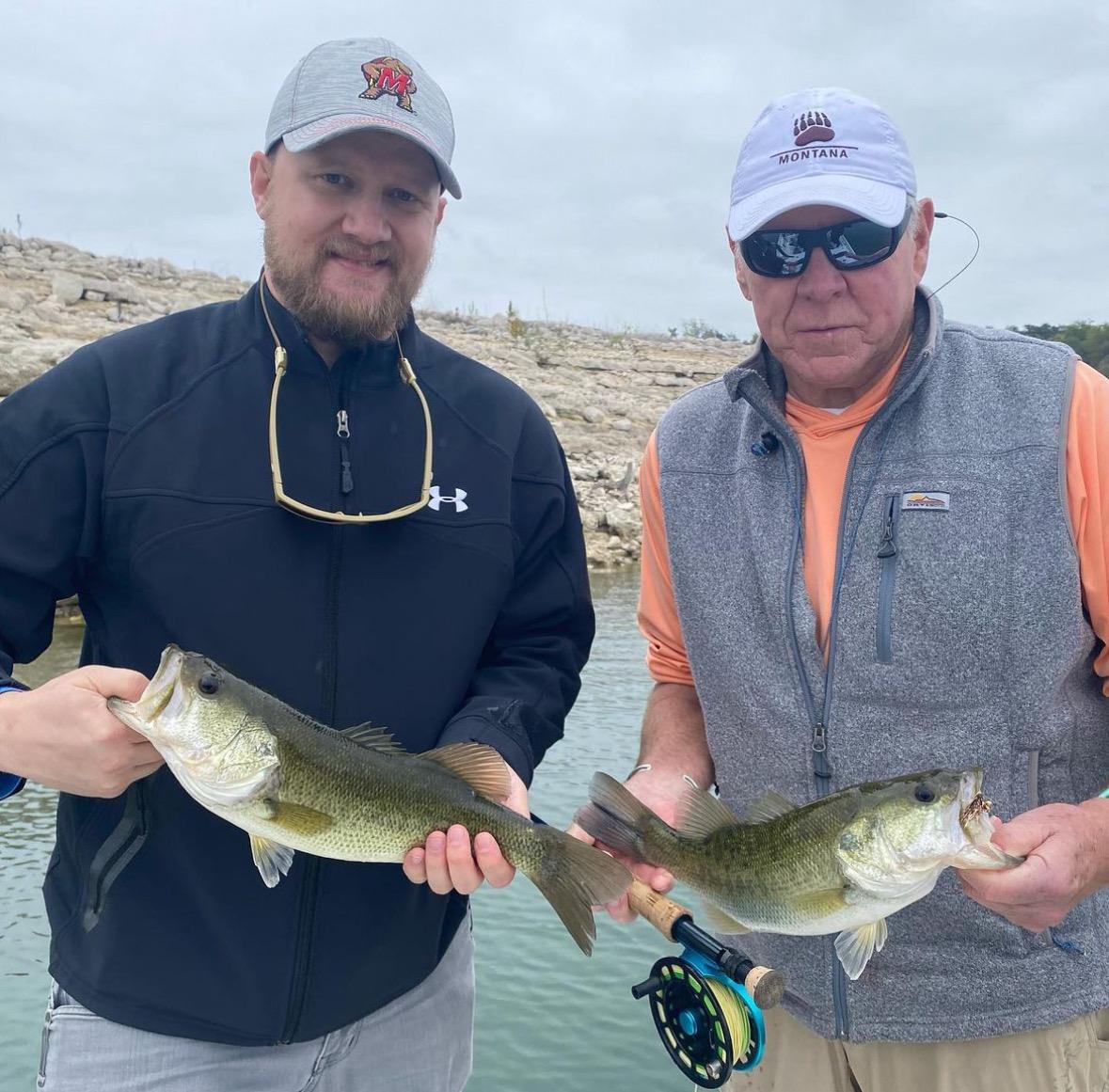
A very little history. In late 2023 I visited my daughter and family in Austin, TX and while there I hired Grahame Jones https://grahamejones.com/ through All Water Guides https://www.allwaterguides.com to take me and my son-in-law, Erik Hohl, bass fishing on Lake Travis, just north of Austin. (Grahame is the retired Director of Law Enforcement for the State of Texas Parks and Wildlife Department). We had a really fun trip but my back was killing me the entire time.
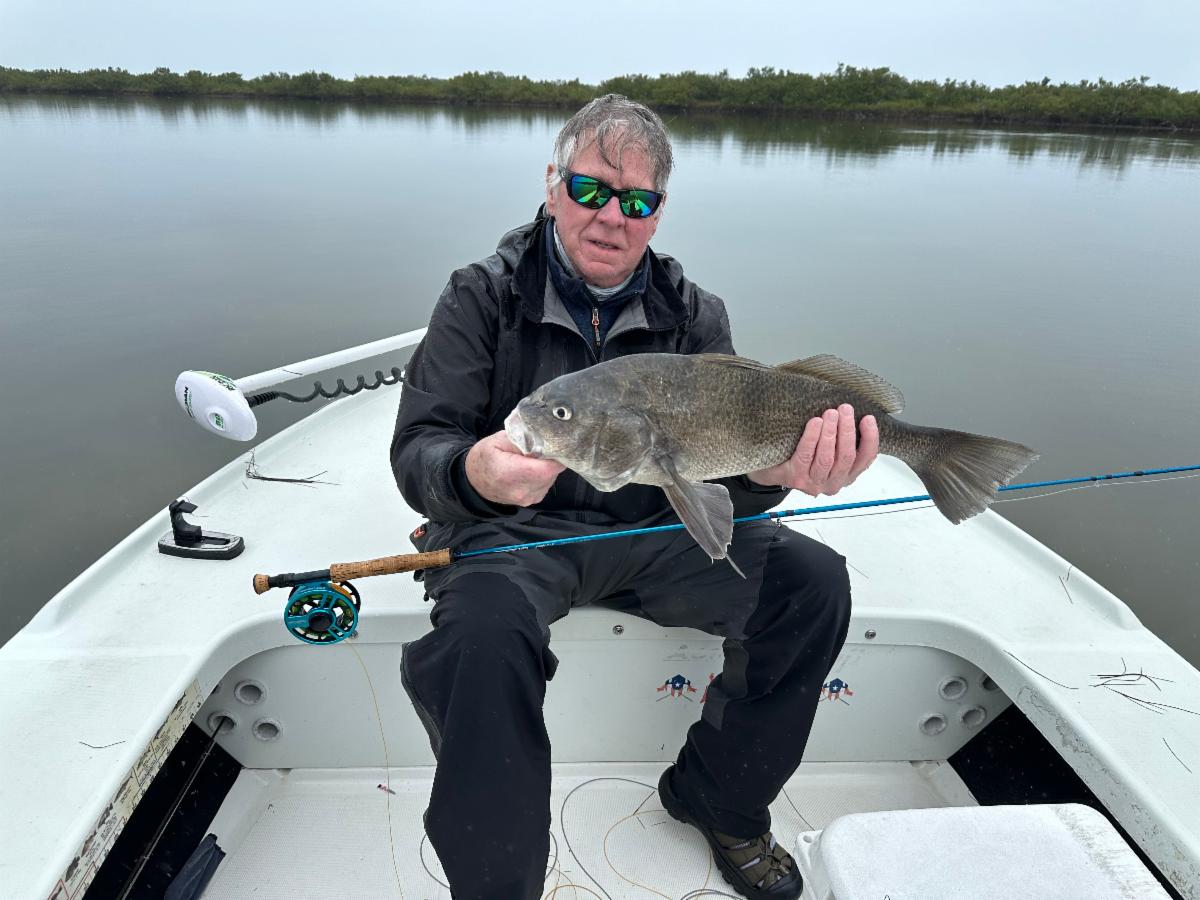
Just after New Year '24 I met up with my friend Dr. Frank Farraye who lives in Jacksonville, FL and we fished one day on the Mosquito Lagoon in Titusville, FL and another day in St. Augustine on a tidal creek... both days we caught redfish, black drum and sea trout... the weather was cold but the fish cooperated, but my back did not.
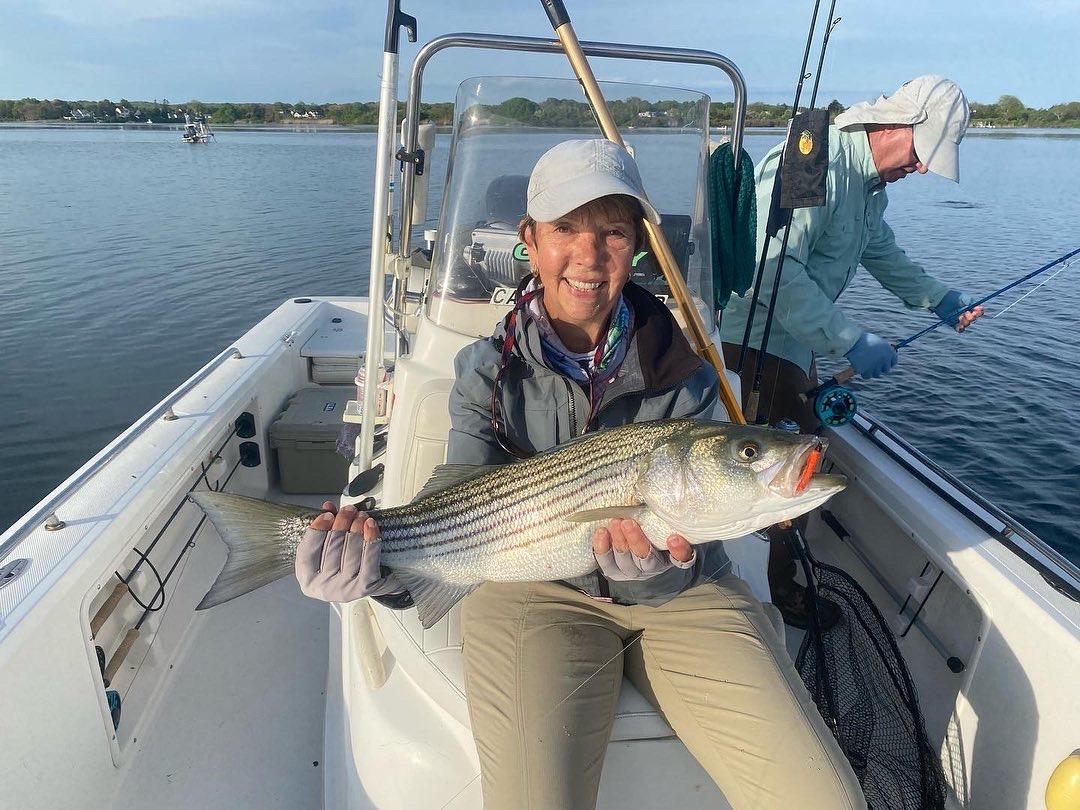
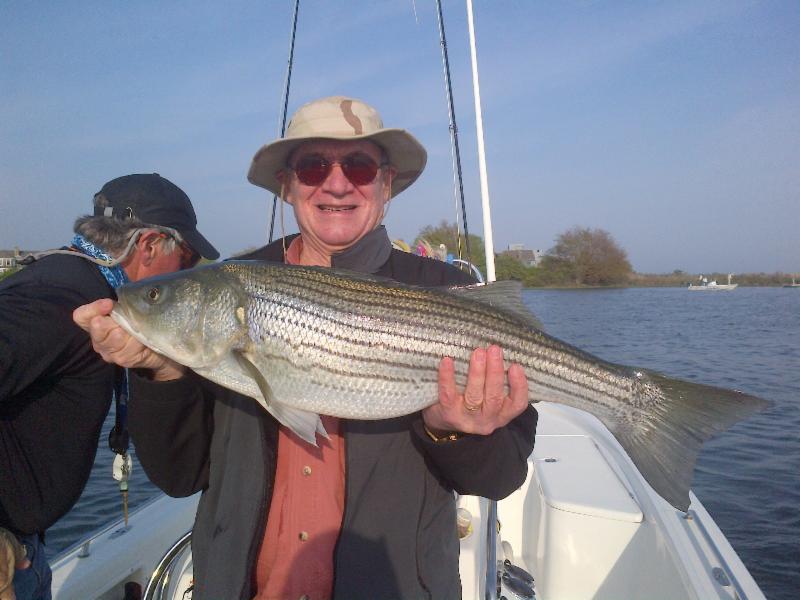
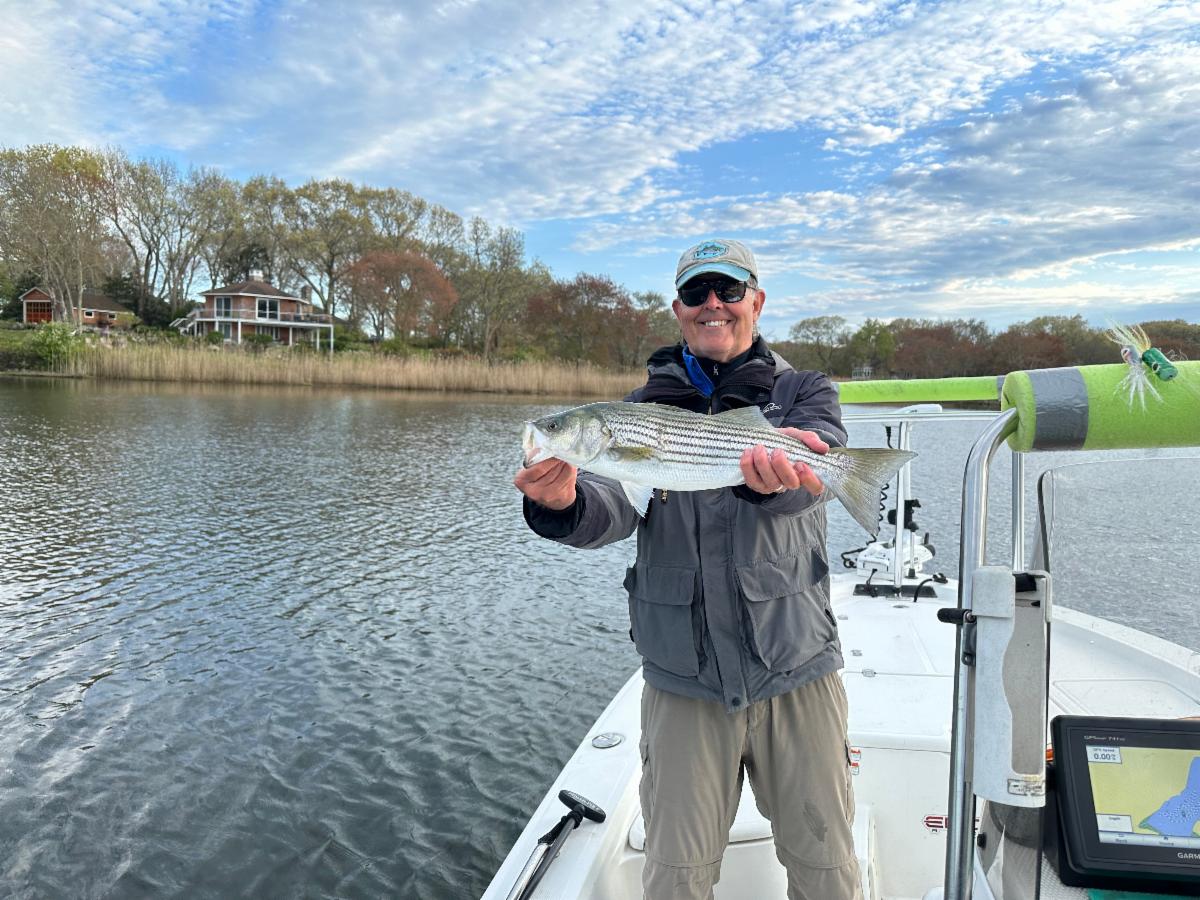
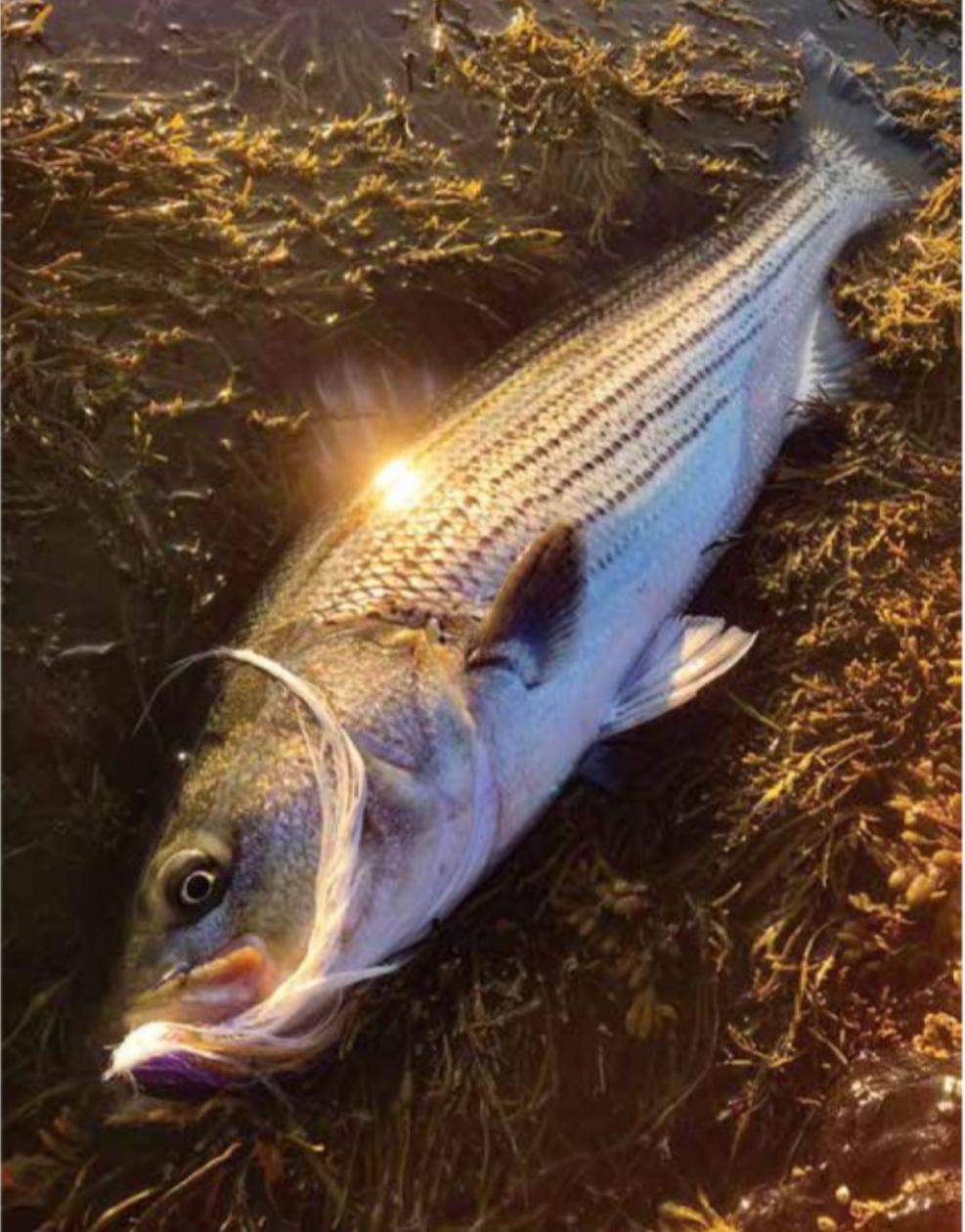
Well of course then I had my spring '24 worm hatch charters ahead of me and in some respects it was good that the fishing was lousy because it permitted me to be fair to my clients and advise them that it didn't make sense to fish in empty water, and the silver lining for me- although I didn't make any money, I also didn't have to stress the back. (See Dr. David Deitz holding a Ninigret Pond worm hatch striper.)
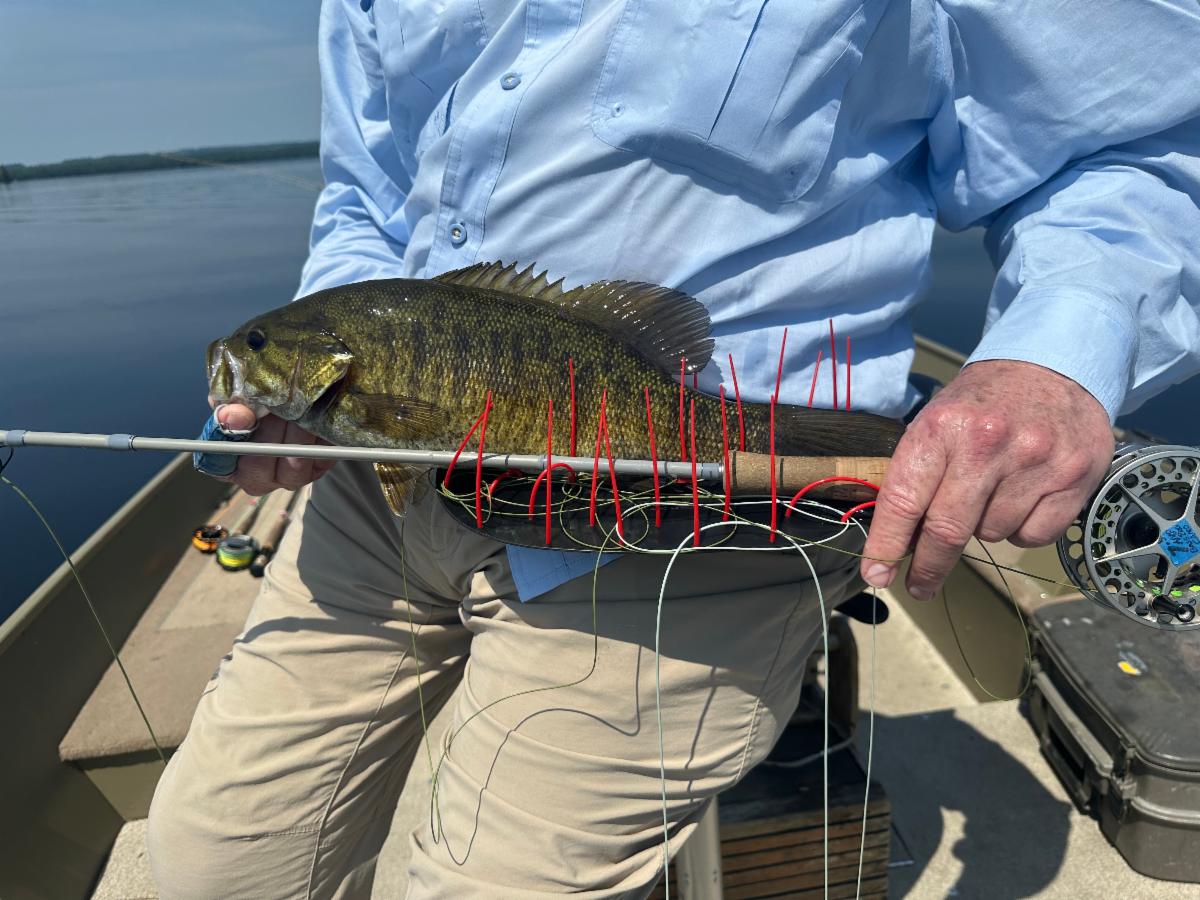
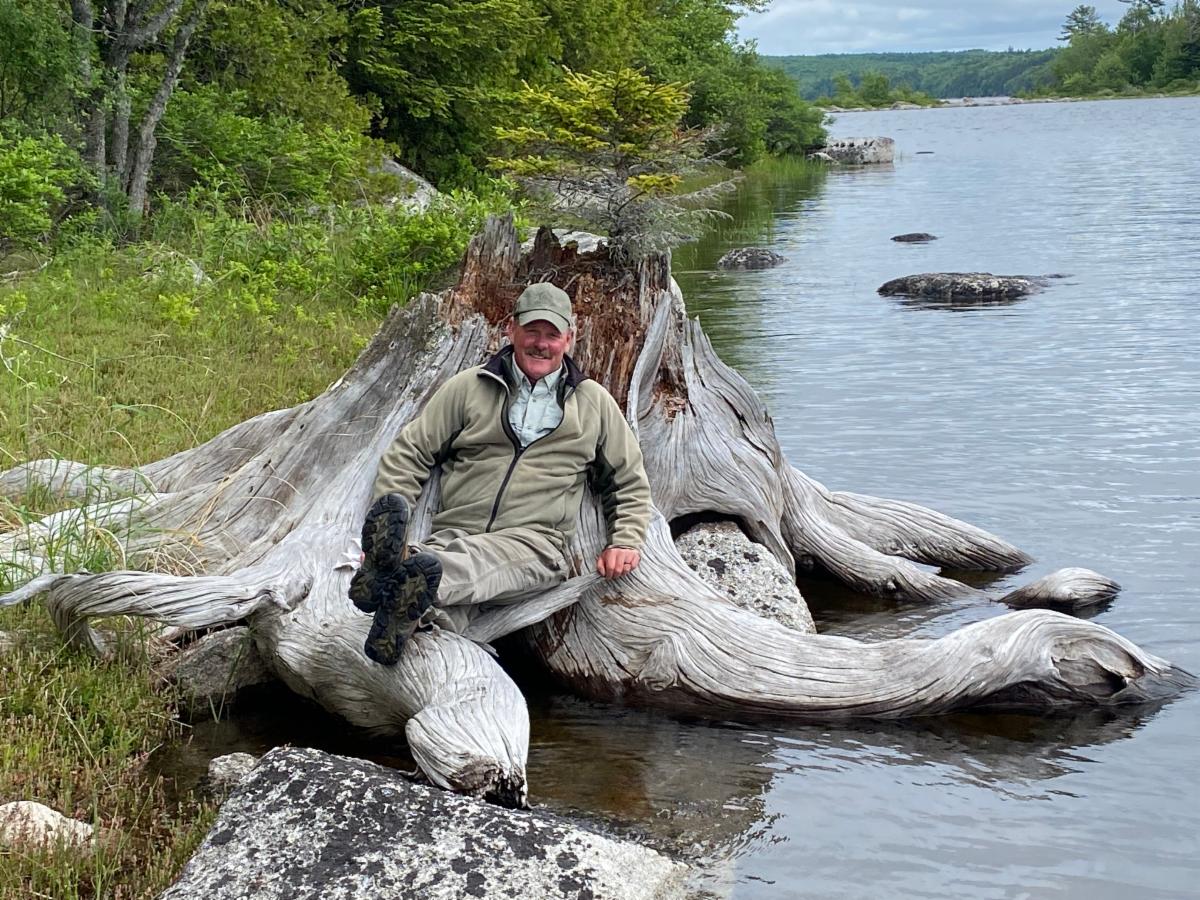
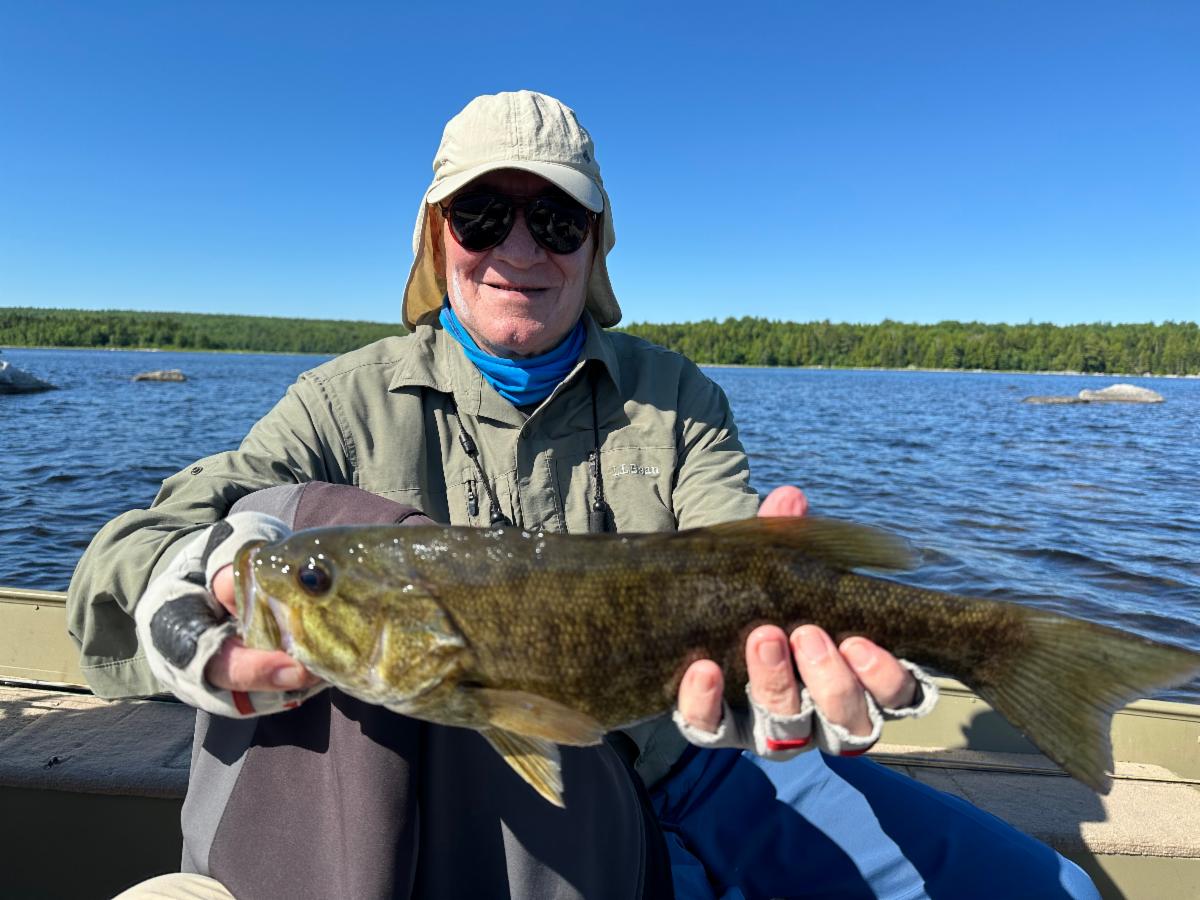
So to make matters worse, I went off to Maine in mid-June for a week of smallmouth bass fishing at Wheaton's Lodge https://www.wheatonslodge.com/ in Forest City, ME. That's an annual trip I take with my good friend Steve Key, and there was no way I was going to cancel out of that trip on account of back pain.... grin and bear it, right? Well, Capt. Mark Danforth, our guide and good friend (sitting in the tree stump chair), again put us on beaucoup smallmouth bass. As usual it was a great trip, lots of bass, great wine that Steve always brings, and way too much food. The back continued to be very angry but Mark's Lund Alaskan 20 afforded me a comfortable seat when I needed to sit down. The drill... cast for five minutes, sit down for five, stand up again to cast for five... you get it. But a good time it was and I rediscovered how alcohol at dinner made the back feel a bit better.
After returning to Rhode Island I was fortunate to have my good friend Capt. Neal Vitullo, take most of my summer and fall charters that were already in the books. I was simply in too much pain to drag the boat to the ramp at Ft. Adams, push her off the trailer, be on the water with clients for six hours, load the trailer following the charter, then washing it down back at the house... rinse and repeat... no way. Better to give up the income and be "relatively" comfortable than over-taxing the spine.
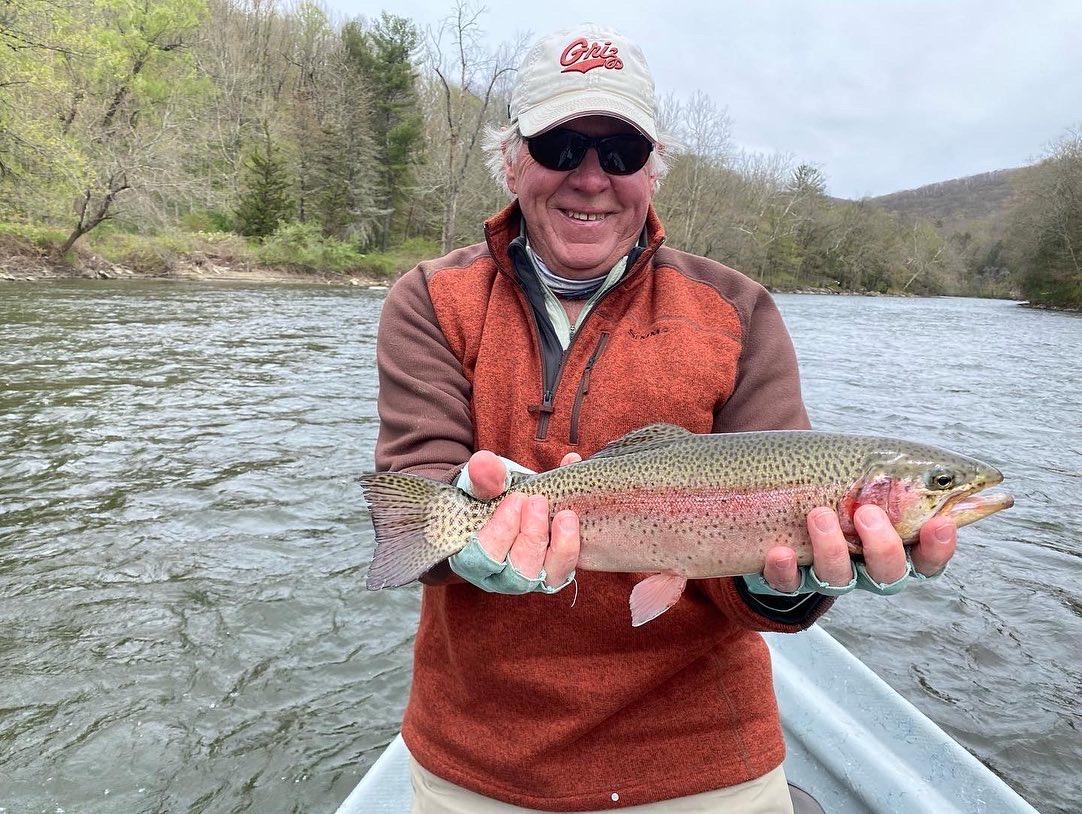
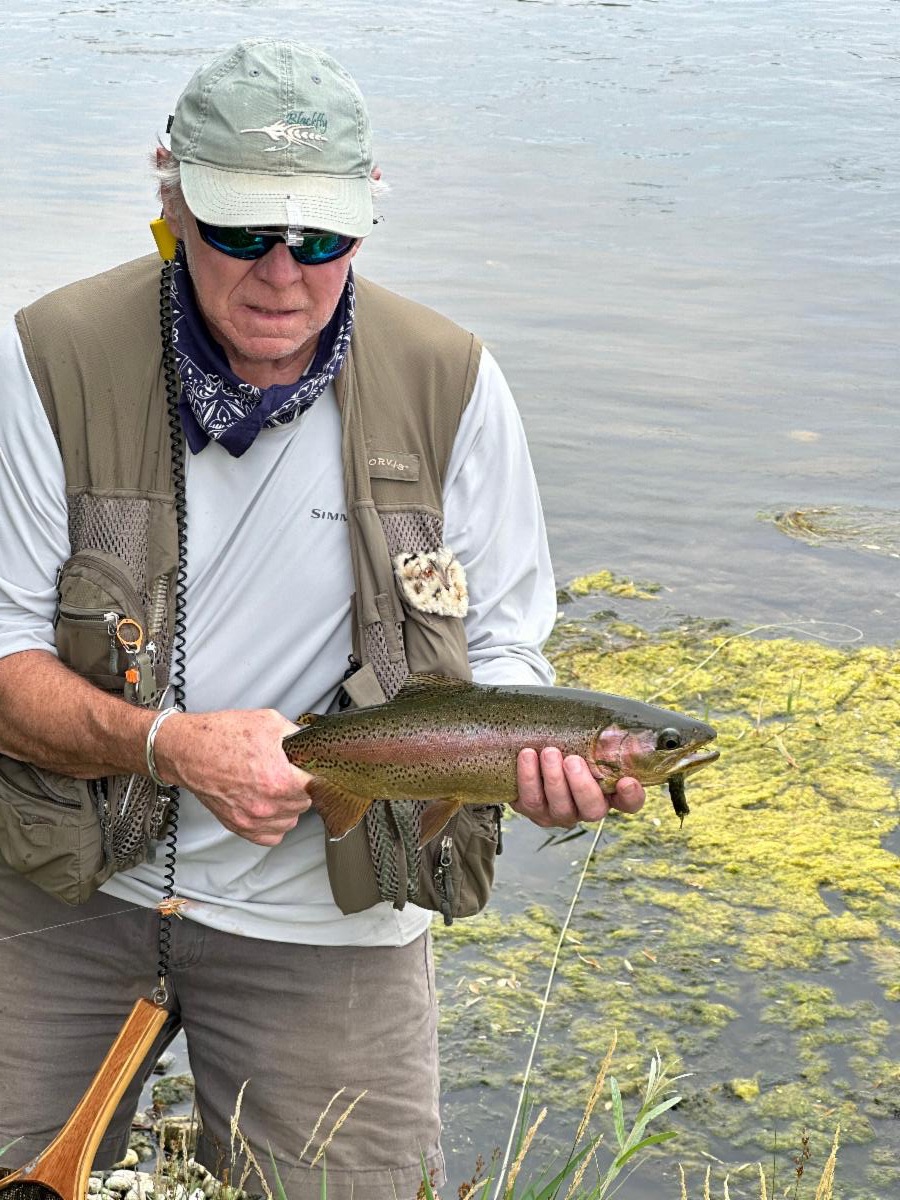
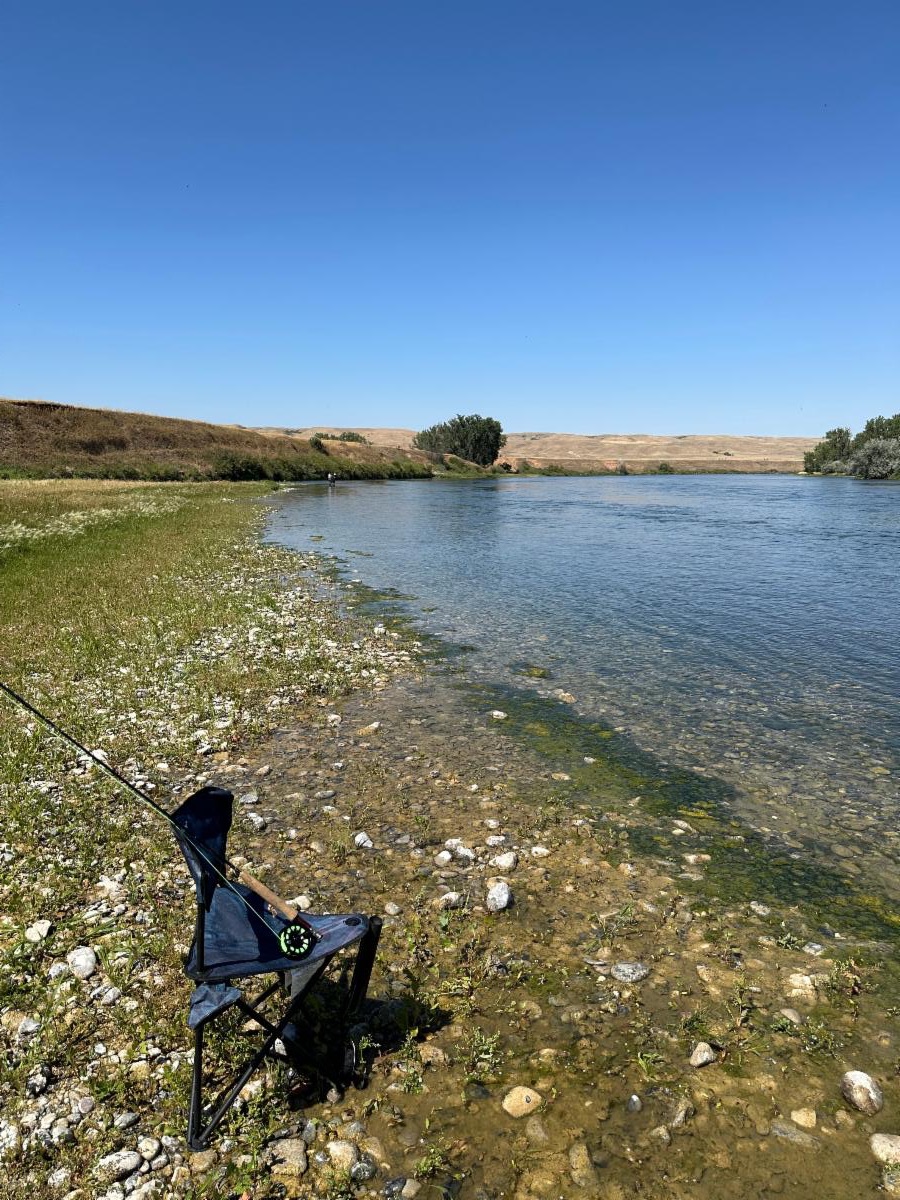
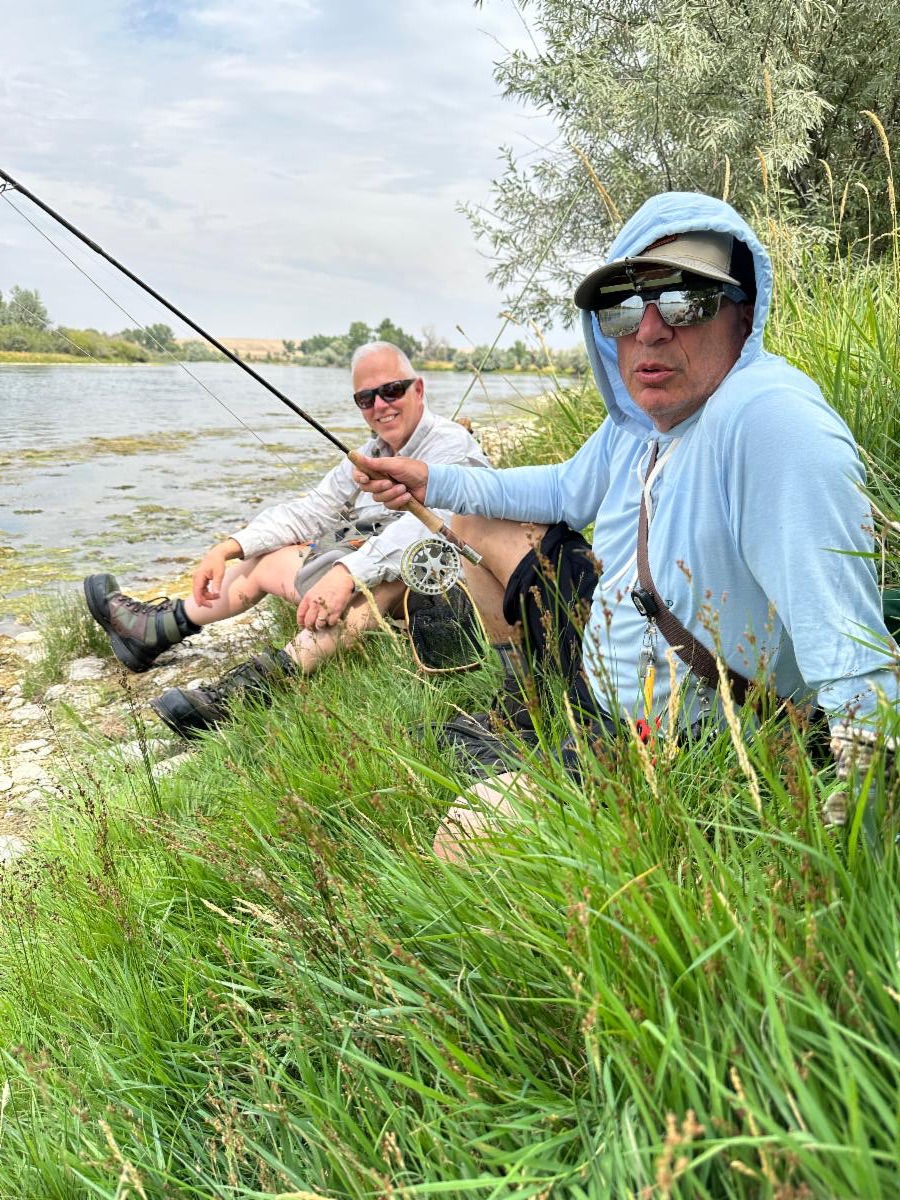
I then went through two multi-week physical therapy sessions at Newport Hospital, followed by two lumbar spinal injections of cortisone which helped for a couple of days, then a prescription for Gabapentin- but still no relief. I spiraled down to the point where I couldn't walk a city block before looking for a chair to relieve the pain. Before the second spinal injection I felt that I might be good enough to follow through with an August trip I had planned with two friends, to fish the Bighorn River near Hardin, MT. We went and of course the back acted up and I was only able (and barely) to fish two days of the seven we were there. Shoot me. I did however manage to catch a few very nice rainbow and brown trout on a dry-dropper setup but I did so from a sitting position on the river bank and from a collapsable stool we brought "for the invalid" for those two days that I grinned and beared it. Shoot me again.
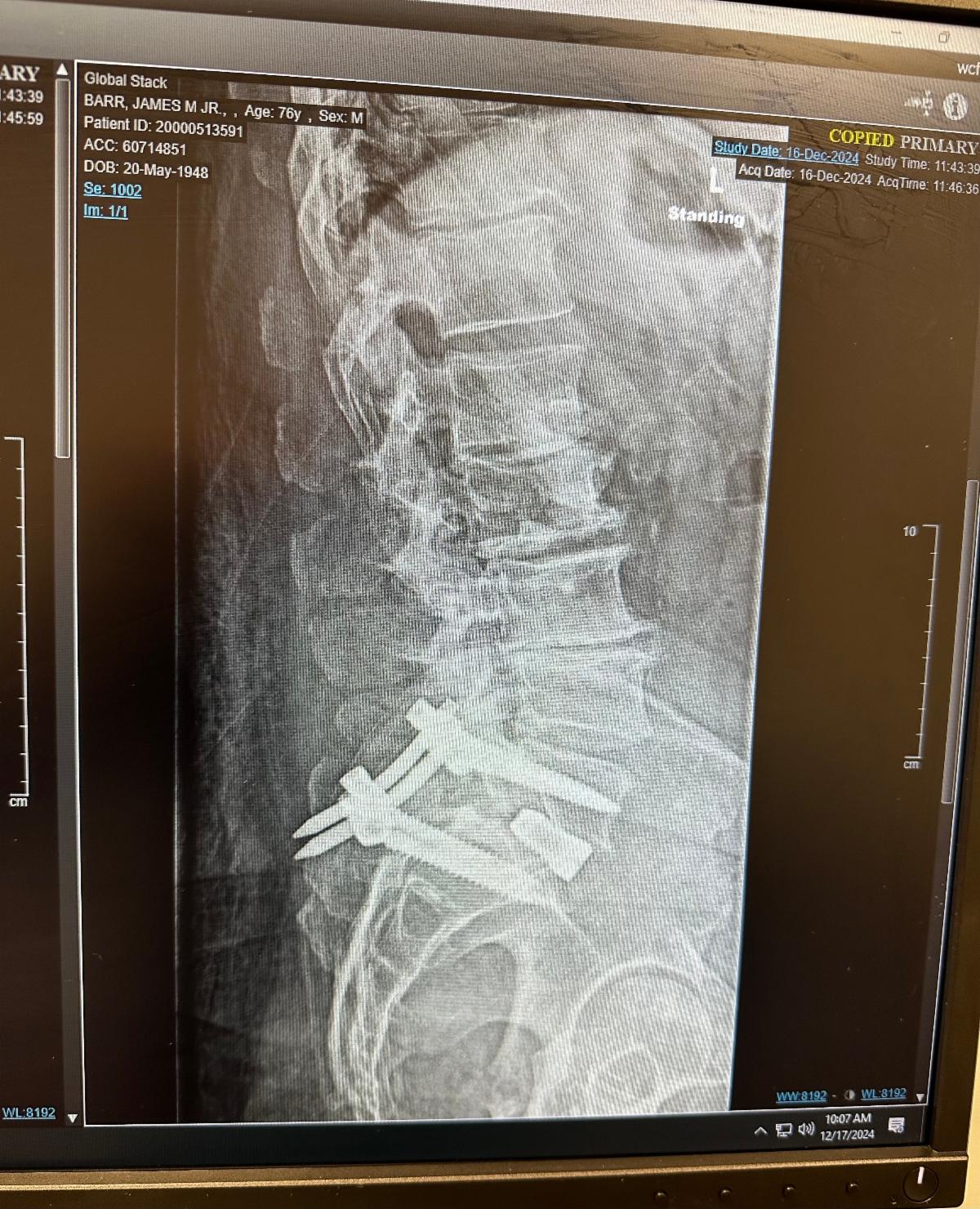
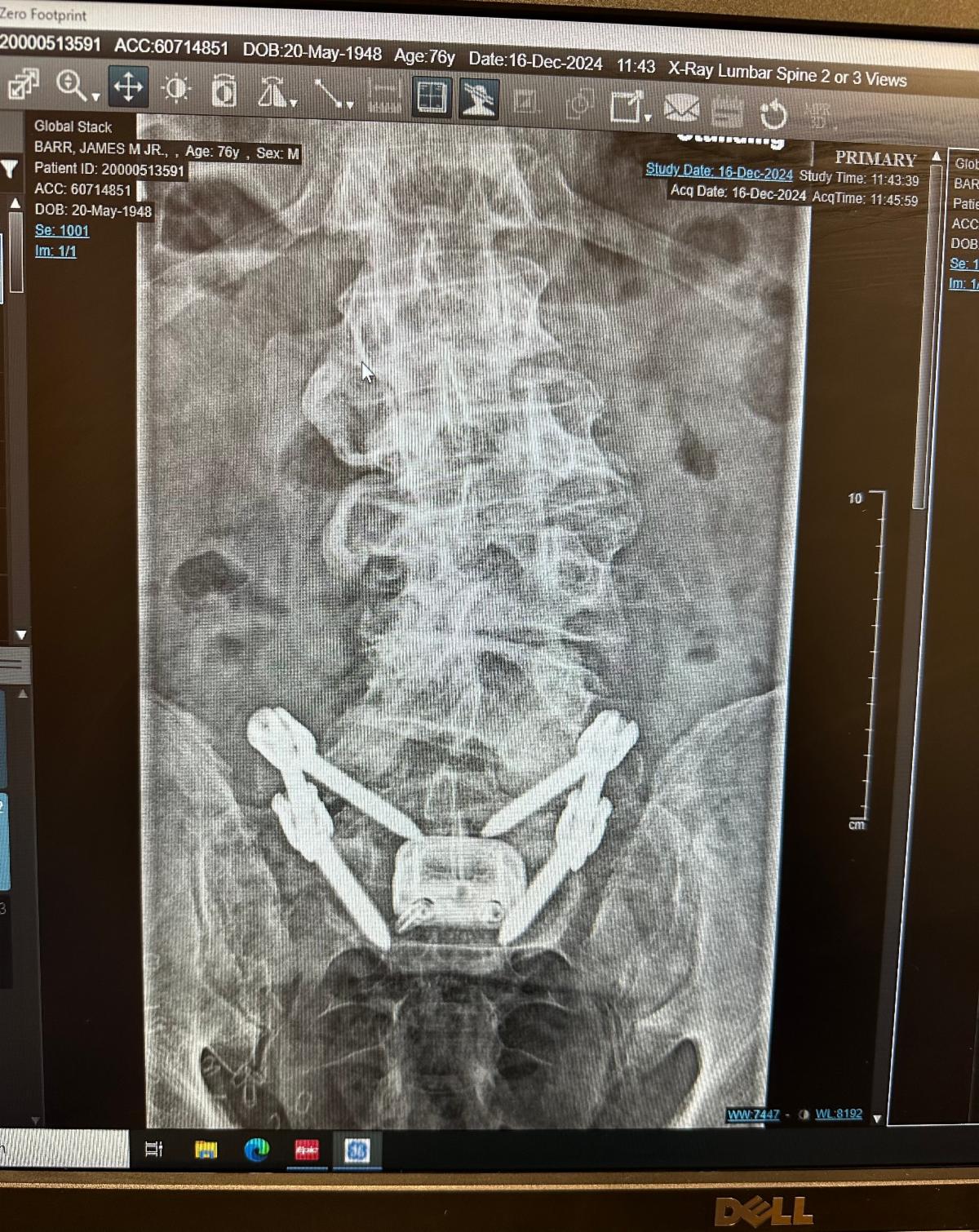
Following my return from Montana I had X-rays taken of my spine and it was very clear to my spine surgeon that I had a decision to make, either continue for the rest of my life with meds, injections, physical therapy and a shit-ton of pain, or undergo a lumbar interbody fusion of the L-5 and S-1 vertabrae. The decision was an easy one... I was not ready for a permanent seat on the couch.
So, in early December I underwent the two-day surgery with a long road of recovery ahead. Now with titanium screws and rods and a synthetic disc supporting my spine, I feel like a less costly Colonel Steve Austin. I may set off the metal detecting alarms at the airport, but I am largely pain free. So with fingers crossed and continuing exercises, hopefully I'll return to the land of the truly living and some guiding this season.
| | |
John Field- Fly Fishing for Trophy Striped Bass
| |
| |
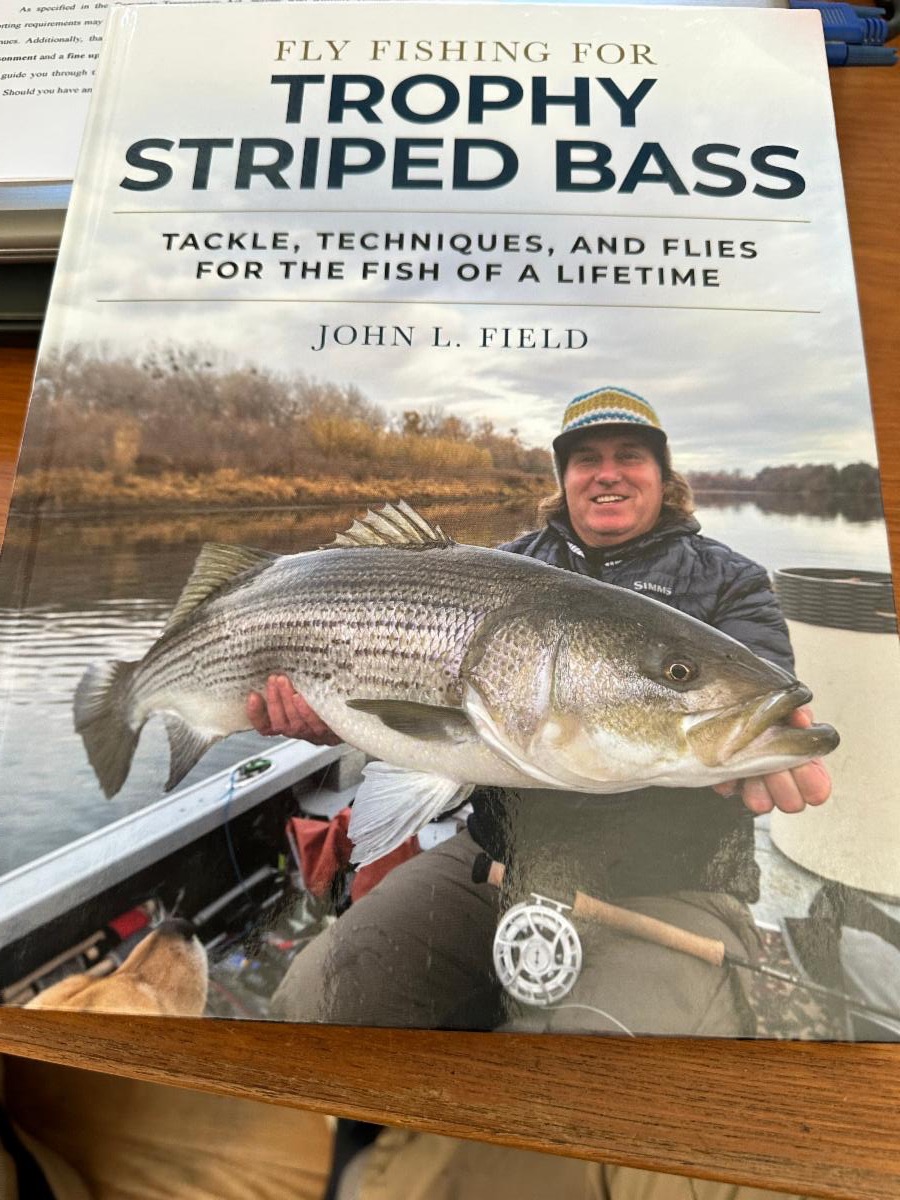
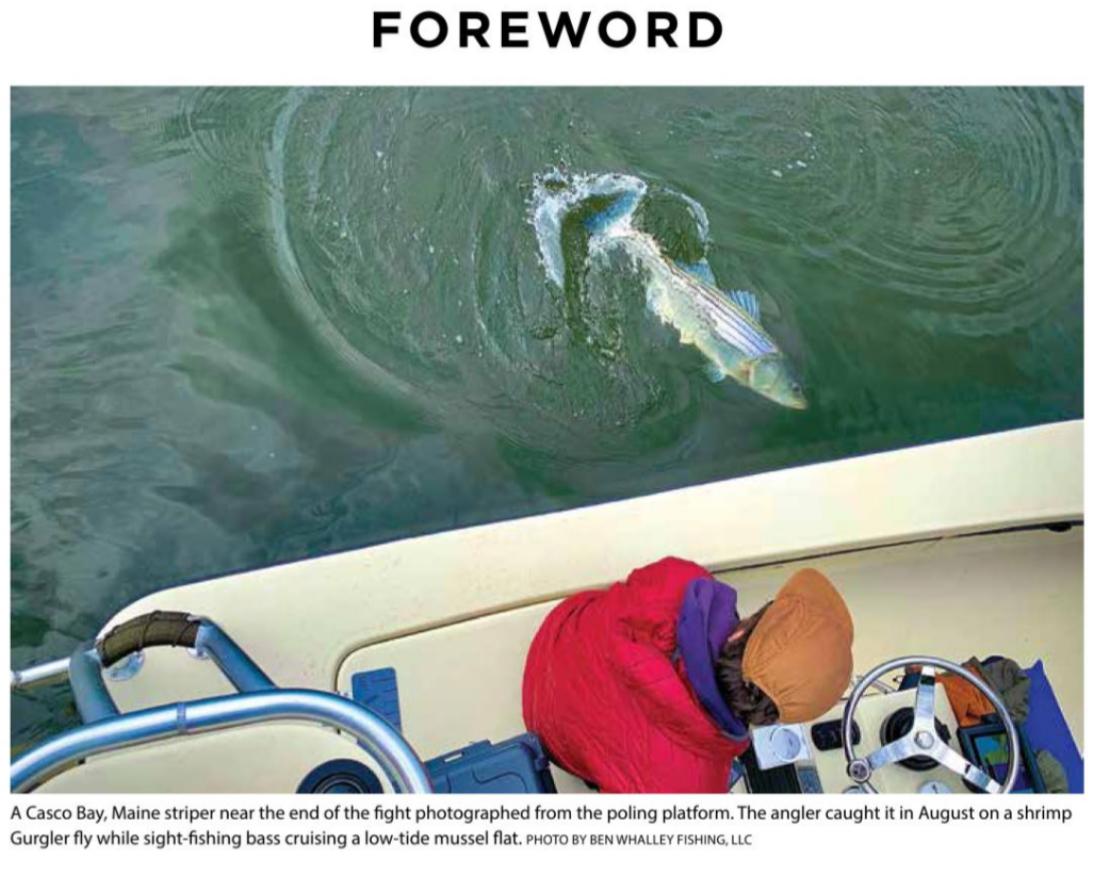
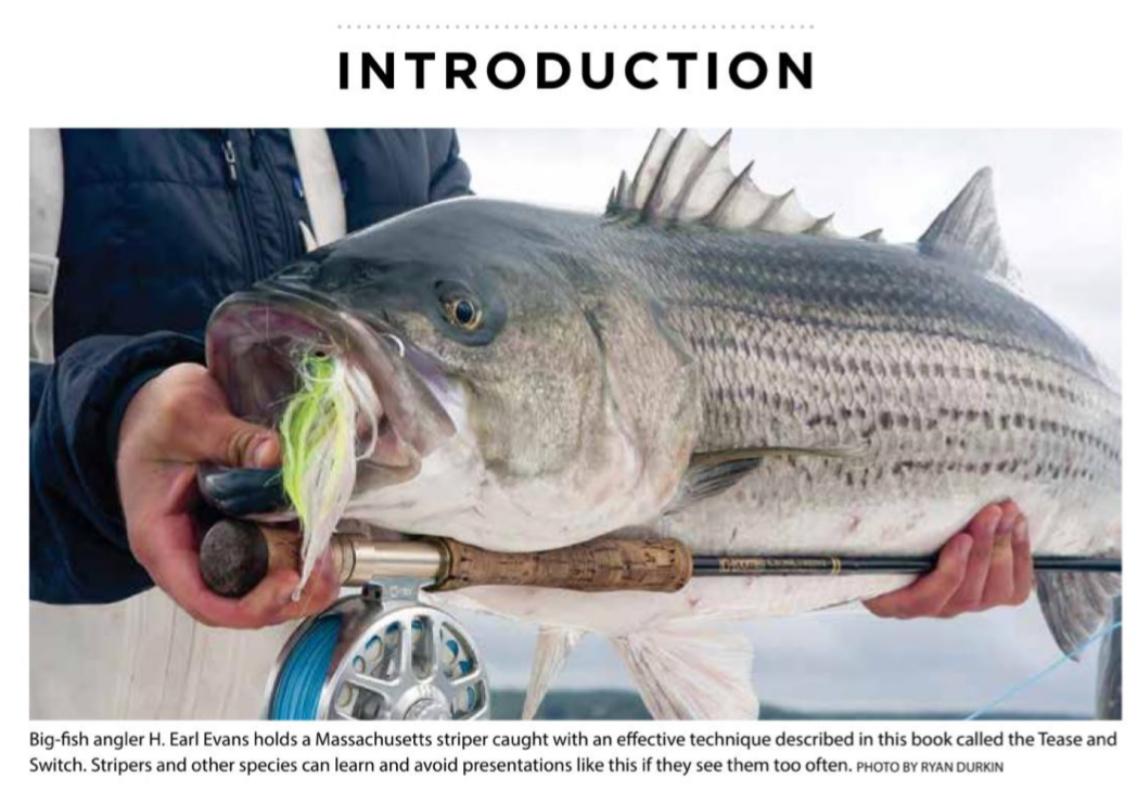
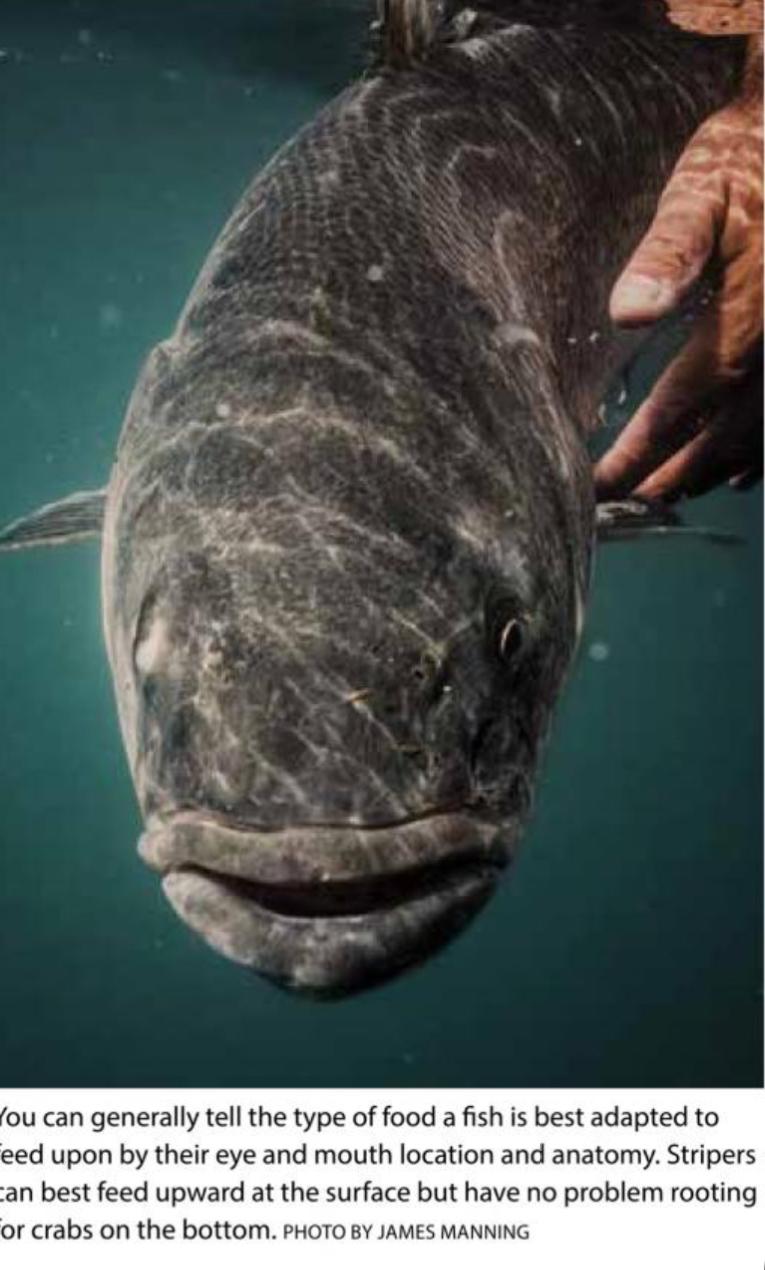
John Field is a good friend. He has written another astounding book, Fly Fishing for Trophy Striped Bass. I'm not saying this because John asked me to contribute to the book, but because I honestly feel the knowledge shared in his book is a game changer. I highly recommend this treatise on how to up your game when seeking to land big stripers.
Available though Amazon
"Urban Angler" Review
Striped bass, or simply “stripers,” are a premier saltwater sportfish that can grow to over 50 pounds and swim in giant schools that will churn the surface of the water to a froth as they feed on baitfish, creating heart-pumping, fast-paced fly fishing. Originally native to coastal Atlantic States and eastern Canada, they have also been introduced to the Pacific as well as many inland reservoirs and the rivers that flow into them, making stripers arguably the most accessible and popular saltwater species in North America. In this comprehensive guide, author John L. Field describes their behavior, foods they eat, the best flies and methods to imitate those foods, and where today’s angler stands the best chance of catching a trophy fish. Top guides, creative fly tiers, and marine biologists contribute their experience and expertise to this book.
John L. Field (fieldflyfishing.com) is a writer, photographer, and FFI (Fly Fishers International) Master Casting Instructor. He has decades of experience fly fishing the waters of the Florida Keys and Florida’s east coast and has spent hundreds of days fly fishing for striped bass in the Northeast from shore and from boats. He has written for Fly Fisherman magazine, In-Fisherman, North American Fisherman, Chevy Outdoors, and Canadian Sportfishing, among other publications. John is a popular presenter and casting demonstrator at fly-fishing shows and clubs. FFI awarded him the Jay Gammel Award for Fly Casting Instruction in 2019. John has served as president of the American Casting Association and president of the New York Chapter of Trout Unlimited and is the author of Fly-Casting Finesse and ACA’s Beginner’s Guide to Fly Casting. He lives in Weston, Connecticut.
| | | | "The great charm of fly-fishing is that we are always learning." -Theodore Gordon | | | |
I hope this short newsletter was fun and perhaps contained information of interest to you, and again I welcome input for future topics you may be interested in knowing more about.
Sorry for any misspelled words and lousy sentence structure. I try!
Newsletters are produced whenever I can find the time. An archive of prior issues can be found on my website.
My best, and I hope to see you on the water.
Jim
Capt. Jim Barr
Skinny Water Charters
401-465-8751
www.SkinnyWaterChartersRI.com
JamesBarrRI@gmail.com
| | | | |