|
Anarchist ‘Angry Bird Kommandos’ Arson of Critical Train Cables
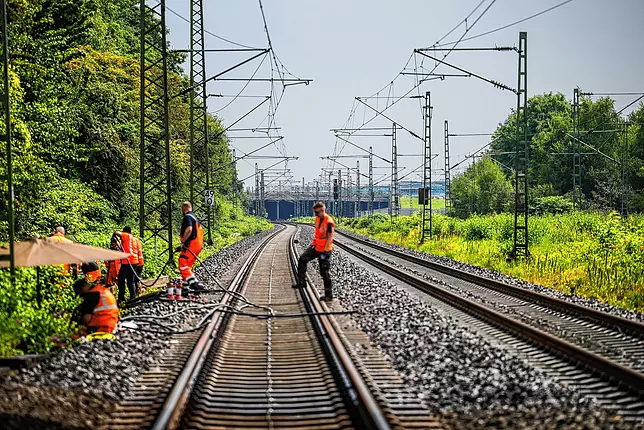
On 31 July 2025, the anarchist group Kommando Angry Birds carried out a deliberate act of sabotage by setting fire to a Deutsche Bahn (DB) cable duct, effectively paralysing rail traffic along the vital Duisburg–Düsseldorf axis. The attack targeted a roughly 60-meter stretch of signalling and communications cabling, resulting in a complete shutdown of one of the most critical freight and passenger corridors in Europe. The consequences were immediate and widespread: hundreds of trains were delayed or cancelled, freight routes were forcibly diverted via Dortmund and Wuppertal, and thousands of commuters, including those transiting through Düsseldorf Airport, were left stranded. The disruption rippled across the Rhine-Alpine corridor, affecting logistics chains from Rotterdam to Milan.
While Deutsche Bahn has long been a symbolic and practical target for German anarchist and far-left extremist groups, the scale and precision of this attack mark a concerning escalation. Kommando Angry Birds, who claim to reject industrial civilisation and technological infrastructure as inherently oppressive, have demonstrated growing sophistication over the past year. Their targeting of railway infrastructure reflects a strategic understanding of how relatively simple acts of sabotage can cause disproportionate economic, logistical, and societal disruption.
This incident highlights the alarming ease with which critical infrastructure in Germany, and across Europe, can be sabotaged with minimal resources. Cable ducts, electrical substations, pylons, and other publicly accessible infrastructure are often poorly protected and widely documented in public records or mapping systems, not to mention the numerous how-to manuals being freely passed around. Saboteurs require little more than flammable materials, basic tools, and a knowledge of railway schematics to inflict millions of euros in economic losses and hours of logistical chaos. Such low-tech attacks bypass conventional security measures and surveillance systems, making them extremely difficult to prevent in advance.
TRAC has consistently warned about the expanding threat posed by left-wing extremist groups, particularly anarchists, whose ideology revolves around dismantling state structures and industrial society. While right-wing extremism often dominates public discourse in Europe, far-left actors continue to quietly build capacity, networks, and experience, particularly in Germany, France, Italy, and parts of North and South America. The DB sabotage shows how this threat is evolving from symbolic vandalism into strategic, high-impact disruption.
The implications of this attack go beyond transportation delays. Disruption of railways not only affects commuters and freight but can also impact emergency response times, access to hospitals, and the movement of goods critical to national supply chains. In a worst-case scenario, such actions, if coordinated or repeated, could become part of a broader effort to destabilise state functions or exploit civil unrest. The combination of ideological radicalisation, soft infrastructure targets, and the growing normalisation of sabotage within certain anarchist circles presents a real and growing security risk.
| | | Al-Shabaab Militants Carried Out Dual Suicide IED Bombings Targeting Ugandan Army Forces in Barire | | |
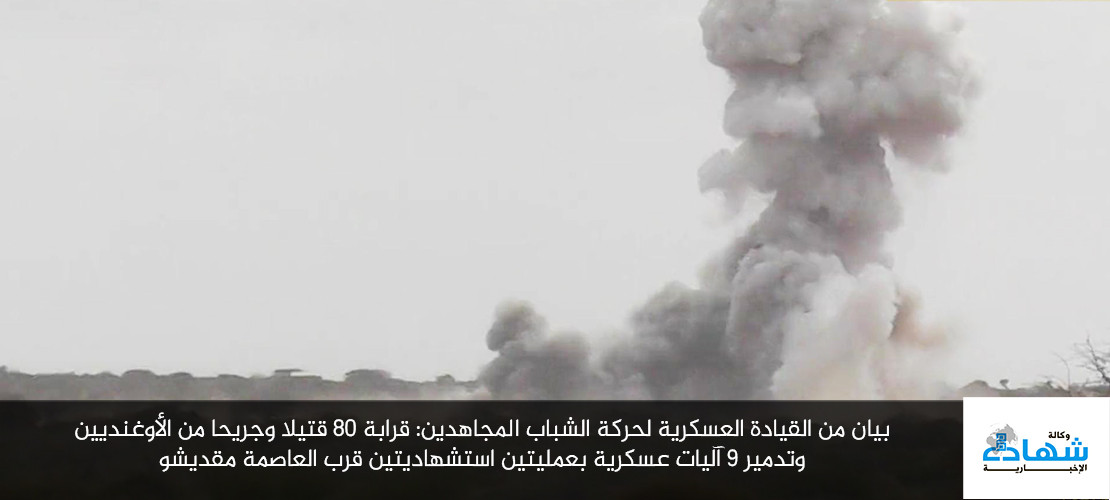
On 4 August 2025, al-Shabaab militants executed a coordinated dual suicide bombing targeting Ugandan People’s Defence Forces (UPDF) near the town of Barire, located close to Afgooye in Somalia’s Lower Shabelle region. The attack inflicted heavy casualties and material damage, with multiple military vehicles destroyed. According to al-Shabaab’s media wing, nearly 80 Ugandan troops were killed or wounded, and nine vehicles, including armoured assets, were obliterated. While the casualty figures remain unverified, the scale and timing of the assault reflect an intensifying campaign by the group against African Union Transition Mission in Somalia (ATMIS) forces.
This attack follows a pattern of repeated strikes in the Barire-Afgooye corridor, particularly targeting Ugandan forces. The area remains of strategic significance for al-Shabaab, given its proximity to Mogadishu and its role as a key artery for military logistics and movement. Afgooye, positioned along a critical route west of the capital, acts as a chokepoint through which nearly all military traffic must pass. By destabilising this area, al-Shabaab can limit the flow of reinforcements and supplies to Mogadishu, effectively tightening its grip on the capital’s outskirts.
The choice of suicide bombings, one of al-Shabaab’s most characteristic and devastating tactics, demonstrates the group's commitment to high-impact operations, regardless of personnel cost. Suicide bombings offer the group agility and surprise, often bypassing traditional checkpoints and heavily fortified areas. While the death of a militant is guaranteed, the tradeoff is considered worthwhile when the resulting damage weakens state military capacity or deters future operations.
Moreover, the scale of the attack points to al-Shabaab's deeply entrenched logistical infrastructure. Producing and delivering improvised explosive devices (IEDs), particularly vehicle-borne ones, requires more than just manpower; it involves bomb-making expertise, secure facilities, and well-coordinated supply chains. The existence of such capabilities near a contested zone like Afgooye underscores the depth of the group’s local entrenchment and freedom of movement in southern Somalia.
TRAC continues to stress that al-Shabaab is not being seriously fought or considered as a global threat. It can’t be overstated that al-Shabaab is one of the two most successful al-Qaeda franchises. As the worldwide goodwill towards Somalia is fading rapidly, the potential that al Shabaab will wreak even more havoc on the already susceptible population is greater than ever.
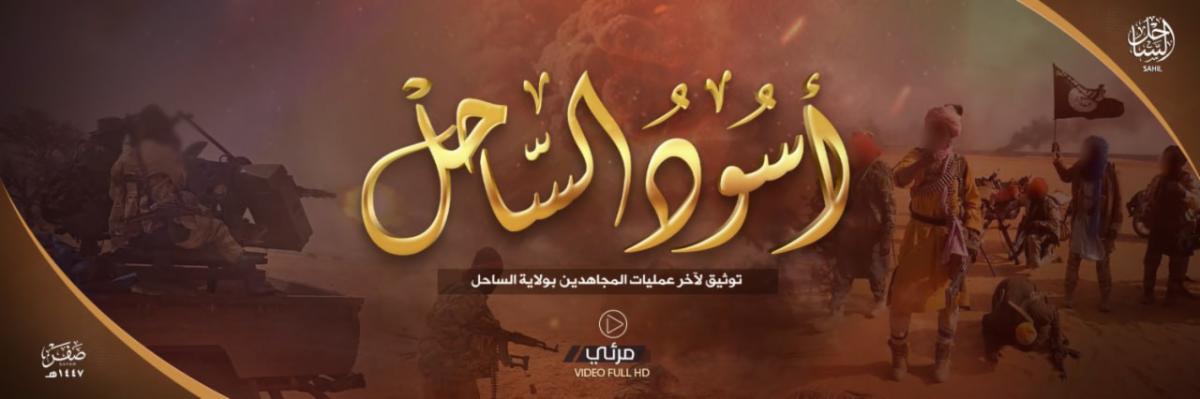
| | (Video) Islamic State Greater Sahara (ISGS) Militants Released a Video Titled “Lions of the Coast” Featuring Their Exploits | | |
Islamic State at large has been making a push for propaganda videos recently, with a focus on their activities in an attempt to increase recruitment and strike fear into the local civilian populations. The last one of these propaganda films was from ISWA, featuring a 7-person execution and beheading video.
The latest video, also from an African franchise, Islamic State Greater Sahara (ISGS), mirrors much of the activity in ISWA’s video as well, putting a significant focus on armed assaults, “confessions” from those opposed to ISGS, and executions as well. The video also features a series of coordinated attacks on the armed forces of Niger and Mali. These assaults, carried out by highly mobile groups of militants on motorcycles supported by pickup trucks mounted with ZU-23-2 anti-aircraft guns, reflect the group’s tactical evolution. Notably, the footage shows foreign fighters participating in several attacks, further underscoring ISGS’s international connections. One particularly noteworthy segment documents the deadly 5 May 2025 attack on Nigerien troops, in which 18 soldiers were killed. This incident also marks what analysts believe is the first appearance of militants from the Lakurawa group, who recently pledged allegiance to IS(GS).
Similar to ISWA, these videos serve a significant purpose for ISGS as they use their fear-based campaign to ensure cooperation amongst locals. ISGS must not only compete for support with the government forces, but also with JNIM, making recruitment or financial support often a competitive field. in these regions. This makes the production of these videos critical, as appearing strong is usually one of the few identifiers that individuals will make when considering which group to support, if any at all.
| | (Video) Suspected Jama’at Nusrat al-Islam wa al-Muslimin (JNIM) Militants Storm the Chinese-Owned Sakula Sugar Factory and Kidnap Six Chinese Workers, Dougabougou, Ségou Region, Mali | | |
On 01 August 2025, suspected Jama’at Nusrat al-Islam wa al-Muslimin (JNIM) militants raided the Sukula sugar factory in Dougabougou, located in Mali’s Ségou Region. During the operation, the assailants reportedly abducted six Chinese workers before setting the facility ablaze. The attack marks a significant escalation in JNIM’s ongoing campaign to undermine foreign investment and disrupt critical infrastructure in central Mali. By striking at industrial operations, JNIM is not only disrupting local economies but also signalling its ability to penetrate and destabilise areas where both state and private security forces are present.
It is particularly notable that, on the same day, JNIM also launched an armed assault on a nearby military post in Dougabougou. While the group publicly claimed responsibility for the military engagement, it conspicuously omitted any mention of the factory raid and kidnappings in its official communications. This is consistent with JNIM’s pattern of withholding operational details when abductions are involved, particularly in cases where the group anticipates sensitive hostage negotiations or seeks to avoid international backlash.
The abduction of foreign workers, especially Chinese nationals, aligns with JNIM’s broader strategy of targeting foreign economic interests in contested regions. The group’s likely objective is twofold: first, to pressure companies into halting operations in JNIM-dominated areas, and second, to extract financial concessions through ransom payments. However, China has a longstanding policy of refusing to pay ransoms for its nationals, which may complicate any negotiation process and prolong the hostages’ captivity.
This incident is part of a broader trend of targeted kidnappings by jihadist factions across Mali. In recent months alone, JNIM has kidnapped at least 12 Chinese workers, three Indians, and one Turkish national. Similar abductions occurred in May and July 2025, underscoring the persistent threat posed to foreign personnel and investments, particularly in the extractive and infrastructure sectors.
JINM is the other most successful al-Qaeda franchise in the world, and like al-Shabaab, the global impact that JNIM has on the world is completely underestimated. TRAC continues to stress that the Sahel nations are not seriously fighting or dismantling the threat the JNIM poses to the raw, rare, earth materials that are needed for the global supply chain.
| |
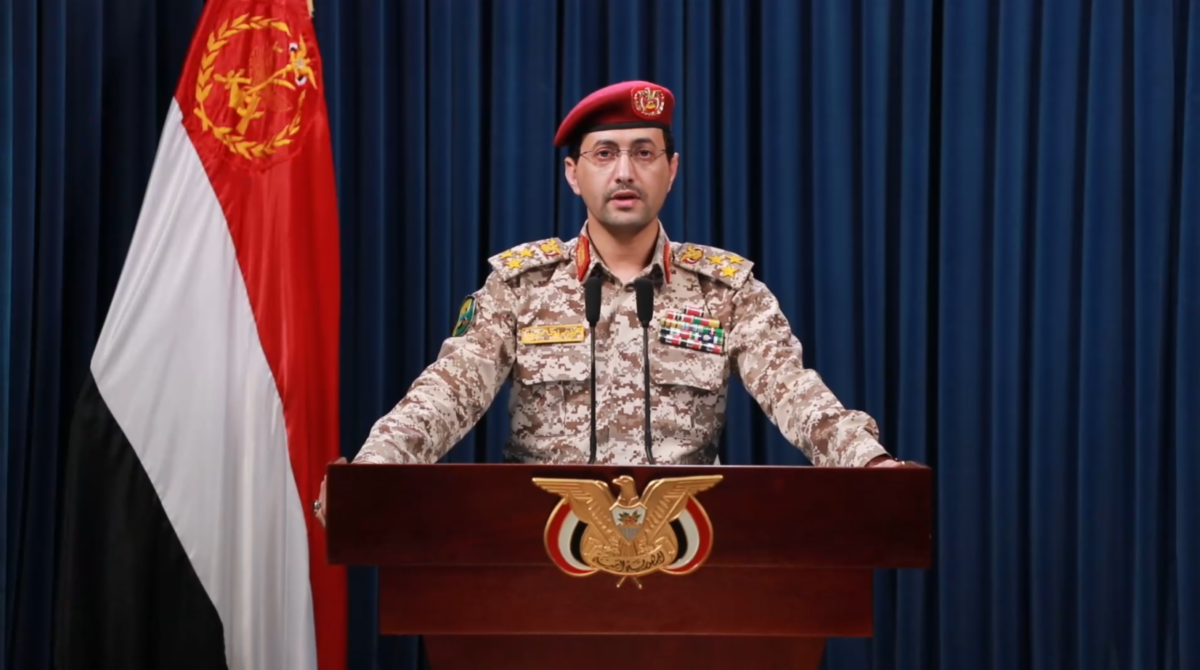
(Statement) Houthis (Ansarallah) Announce ‘Fourth Phase’ of Red Sea Blockade, Yemen
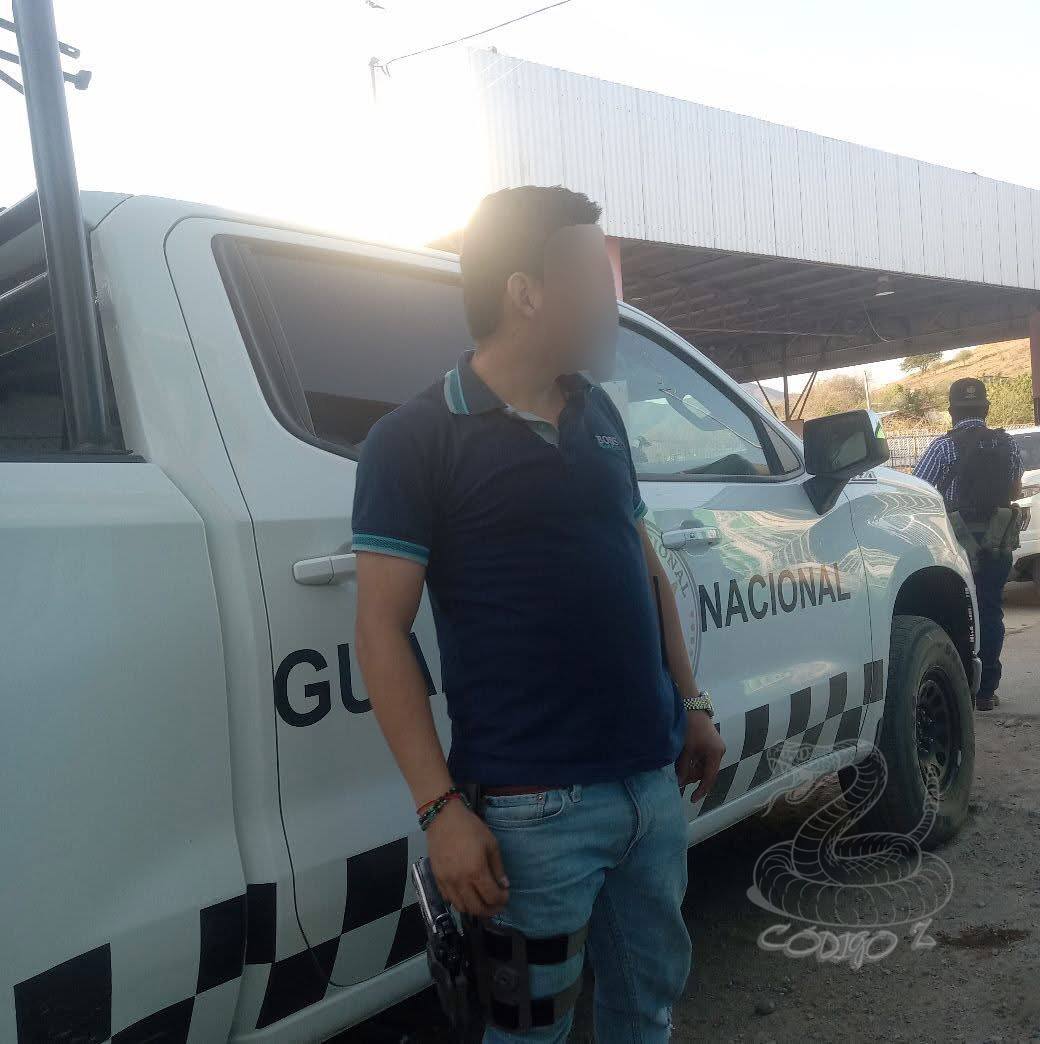
| | (Videos) Gente Del Serio (CJNG-Alligned) Sicarios Using Cloned National Guard Vehicles & Military-Style Uniforms, in the Michoacán–Guerrero Border Region, Mexico | |
TRAC Incident Report: Nordic Resistance Movement (NRM) Members Protested Against Stockholm Pride, Stockholm, Sweden
| | | | |