-
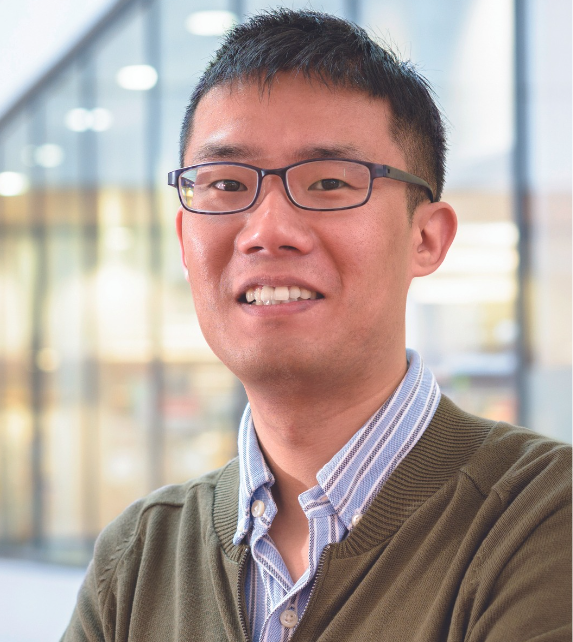
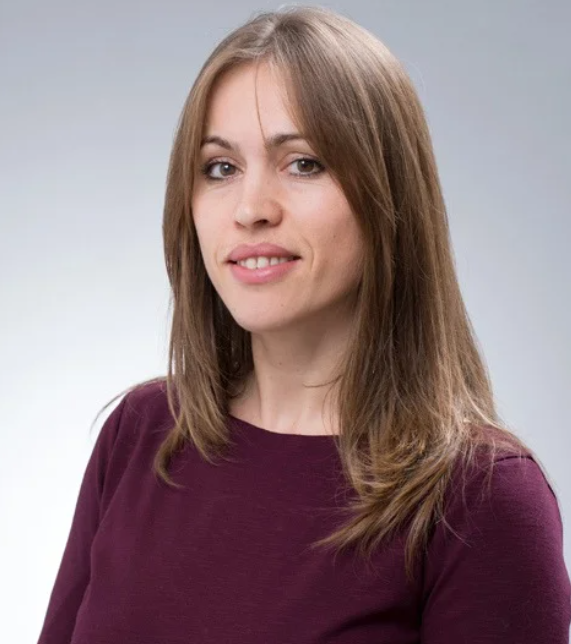
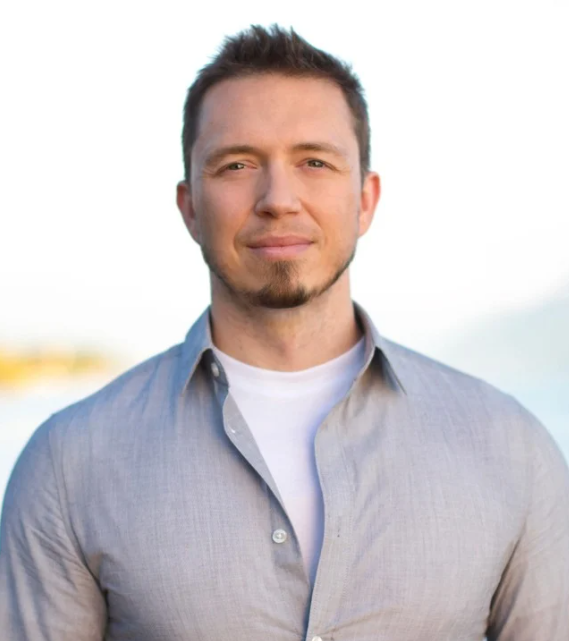
Researchers led by Ludwig Harvard’s Alex Toker and alumnus Alissandra Hillis report in Cancer Research that treatment with AKT inhibitors makes triple-negative breast cancer cells vulnerable to disruptions in their cholesterol homeostasis and how existing drugs might be used to exploit this synthetic lethality for therapy.
-
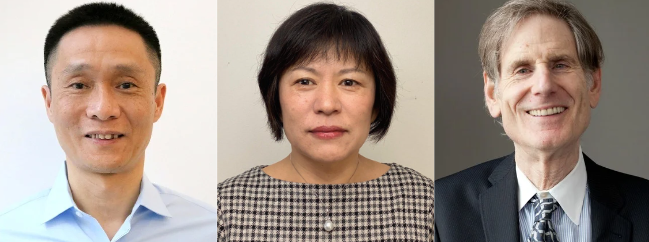
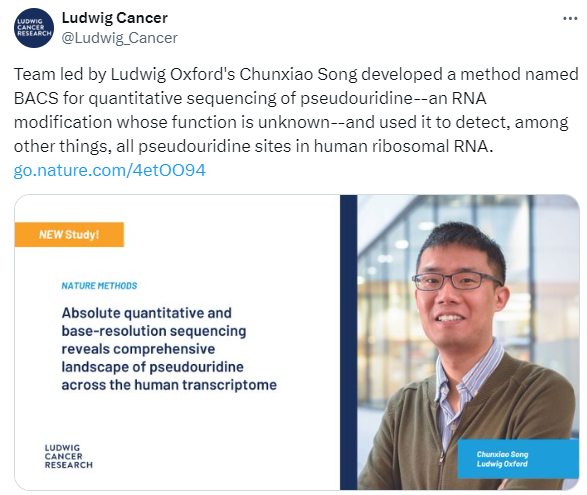
Team led by Ludwig Oxford's Chunxiao Song describes in Nature Methods a method for quantitative profiling of pseudouridine at single-base resolution and applies it to identify all pseudouridine sites in ribosomal RNA and generate the first quantitative map of the RNA modification on human small nucleolar RNA and transfer RNA.
-
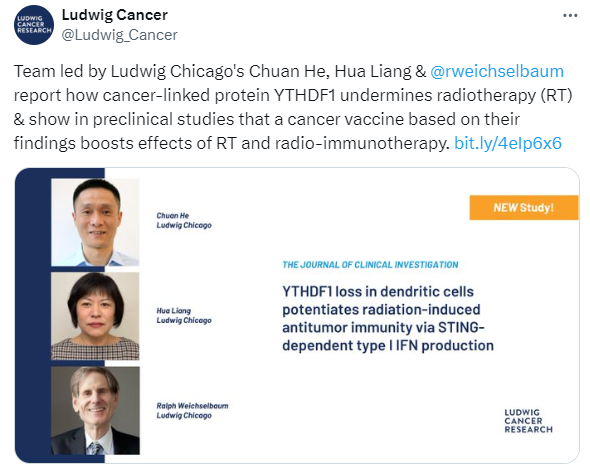
A team led by Ludwig Chicago's Chuan He, Hua Laura Liang and Director Ralph Weichselbaum reports in The Journal of Clinical Investigation that YTHDF1 loss enhances the antitumor effects of radiotherapy by boosting priming and activation of CD8+ T cells by dendritic cells in multiple mouse models of cancer.
| |
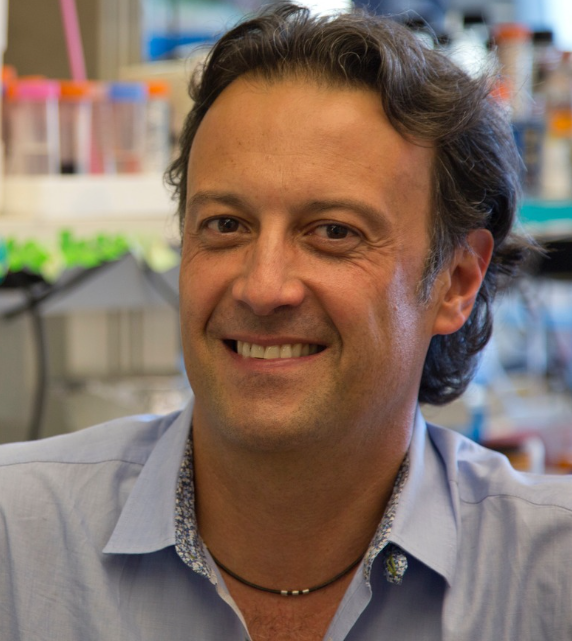 |  | Dysregulation of the PI3 kinase/AKT intracellular signaling pathway is seen in about half of all patients diagnosed with triple-negative breast cancer (TNBC), which is very difficult to treat and is by far the deadliest subtype of breast malignancies. Researchers led by Ludwig Harvard's Alex Toker and alumnus Alissandra Hillis conducted a genome-wide CRISPR/Cas9 screen with PI3Kα and AKT inhibitors to expose synthetic lethalities that might be exploited for TNBC therapy. They report that treatment with AKT inhibitors makes TNBC cells exceptionally vulnerable to disruptions in their cholesterol balance (homeostasis) and decipher the molecular biology underlying this effect. Combining an FDA-approved AKT inhibitor with a statin drug (pitavastatin) kills TNBC cells in patient-derived estrogen receptor (ER)–negative breast cancer organoids and impairs tumor growth and decreases tumor size in mice bearing xenografts of TNBC tumors. Toker and colleagues suggest the findings support a clinical trial to evaluate the benefits of the drug combination for TNBC therapy, especially since both drugs involved are already in clinical use today.
| |
|
Pseudouridine is one of the most common chemical modifications made to RNA, but its biological function remains largely unknown, in large part due to the lack of sufficiently sensitive methods for its detection. Researchers led by Ludwig Oxford's Chunxiao Song report here a method for quantitative sequencing of the modification at single-base resolution. They applied their method, 2-bromoacrylamide-assisted cyclization sequencing (BACS), to detect all pseudouridine sites in human ribosomal RNA. They also used BACS to generate the first quantitative pseudouridine map of human small nucleolar RNA and transfer RNA, identify the sequence motifs and targets of three enzymes that generate the modification and an abundant pseudouridine site in Epstein–Barr virus-encoded small RNA EBER2.
| |
|
YTHDF1, which reads the N6-methyladenosine RNA modification, has been implicated in cancer progression. Researchers led by Ludwig Chicago's Chuan He, Hua Laura Liang and Director Ralph Weichselbaum report here that in cancer patients, radiotherapy (RT) increases YTHDF1 expression in dendritic cells (DCs) but not in other types of immune cells they examined. Elevated YTHDF1 expression in DCs is associated with poor outcomes in patients receiving RT. They show that loss of the RNA reader enhances the antitumor effects of ionizing radiation by boosting DC-mediated priming and activation of cytotoxic T cells across multiple mouse models of cancer. RT elevates YTHDF1 expression in DCs through STING-IFN-I signaling, which in turn triggers STING degradation. A prototype YTHDF1-deficient DC vaccine the researchers devised significantly improved the therapeutic effect of RT and radio-immunotherapy in a mouse model of melanoma.
| |
|
Trends in Pharmacological Studies — October 1, 2024
| |
|
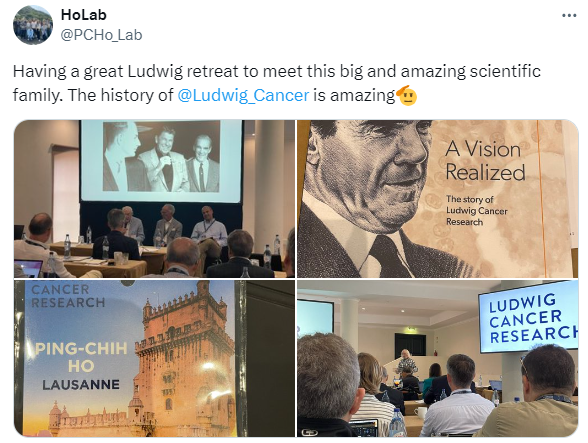
Tumor-associated macrophages (TAMs) can play an important role in suppressing immunotherapy. This Spotlight article by Ludwig Lausanne's Ping-Chih Ho, Jie Ting Low and Mai Matsushita discusses a recent study that found TAMs that express the molecules TIM3 and VISTA dominate mouse and human tumors that resist immunotherapy and demonstrated in preclinical models how these TAMS might be reprogrammed to target tumor cells instead.
| |
|
Trends in Cancer — September 27, 2024
| |
|
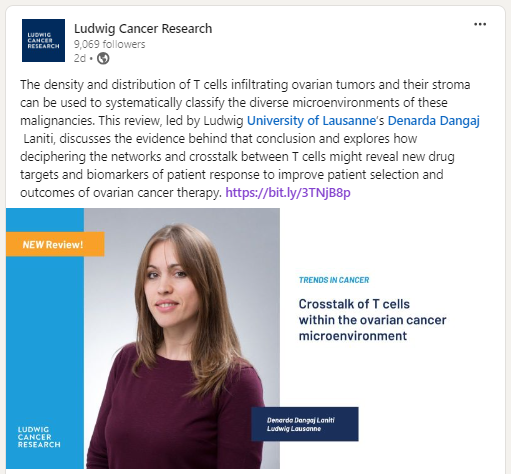
The density and distribution of T cells infiltrating ovarian tumors and their stroma can be used to systematically classify the diverse microenvironments (TMEs) of these malignancies. This review, led by Ludwig Lausanne’s Denarda Dangaj Laniti, discusses the evidence behind that conclusion and the computational and imaging methods used to profile the spatiotemporal heterogeneity of ovarian tumor TMEs. It also explores how deciphering the networks and crosstalk between T cells using ex vivo tumor model systems like organoids might reveal new drug targets and biomarkers of response to improve patient selection and outcomes of ovarian cancer therapy.
| |
|
The Brain Tumour Charity — September 25, 2024
| |
|
This brief article profiles recent work by Ludwig Lausanne’s Spencer Watson, a postdoc in Johanna Joyce’s lab. The Cancer Cell study, co-led by Watson and Joyce and featured on the journal’s cover, detailed how fibrotic scarring enables the resurgence of brain tumors following therapy. It also demonstrated in that combining drugs that inhibit scar formation with anti-CSF-1R immunotherapy extends survival in mouse models of glioblastoma.
Additional coverage: Ludwig Cancer Research
| |
|
AAASE — September 24, 2024
| |
|
Our congratulations to Ludwig Harvard’s Rakesh Jain on his selection as an inaugural fellow of the Asian American Academy of Science and Engineering, which recognizes a distinguished group of Asian American scientists and engineers for exceptional contributions to their respective fields. The Jain Lab focuses on the tumor microenvironment and the challenge of improving the delivery and efficacy of anti-cancer therapeutics. Jain has also won the National Medal of Science and is a member of the National Academy of Medicine, the National Academy of Sciences and the American Academy of Arts and Sciences.
| |
Registration is now open for the 39th edition of this fascinating annual course on the tumor microenvironment. Directed by Ludwig Harvard’s Rakesh Jain, it includes lectures by leaders in multiple related fields of inquiry, including many Ludwig researchers. The course will cover subjects ranging from novel chimeric antigen receptor (CAR) T-cell therapies to tumor metabolism to the microbiome’s influence on the tumor microenvironment. This year, it includes two new lectures on cancer neuroscience and the use of artificial intelligence in cancer research. Conducted via highly interactive webinars, the course runs this year from October 28-31. Click on the hyperlink above for more information, including a list of speakers, or email Taylor Uccello at TUCCELLO@mgh.harvard.edu with your questions. | |
ICYMI: In case you missed it... | |
|
Get involved
Events, careers and collaboration opportunities
| |
|
Critical Issues in Tumor Microenvironment: Angiogenesis, Metastasis and Immunology
Register for the course, "Critical Issues in Tumor Microenvironment: Angiogenesis, Metastasis and Immunology", directed by Ludwig Harvard’s Rakesh Jain and taking place from October 28-31, 2024. Contact Dr. Taylor Uccello, TUCCELLO@mgh.harvard.edu, for more information.
MD-PhD position in oncology
The Petrova Lab at the University of Lausanne is seeking applications for an MD-PhD position to investigate the mechanisms behind heterogeneous chemotherapy responses colorectal cancer.
Assistant, Associate or Full Professor
Princeton University seeks applications for an assistant, associate or full professor to contribute to a major new initiative at the interface between cancer, immunity, and metabolism (Ludwig Princeton Branch). We welcome applications from candidates using biological, chemical, physical, engineering and/or computational approaches to tackle questions at this interface.
Postdoctoral Research Associate - AI/Machine Learning for Mass Spectrometry
The Skinnider Lab at Princeton University aims to recruit between 1 to 2 postdoctoral or more senior research positions to work on projects related to machine-learning for mass spectrometry-based metabolomics data.
| |
Do you know of any news, studies or events that would be relevant to the Ludwig community? Please contact us! | |
Ludwig Cancer Research | www.ludwigcancerresearch.org | |
Please note these clips are not intended to be a comprehensive overview of the news, but a compilation of Ludwig coverage, as well as topics and issues considered to be most relevant to our scientific community. Any views or opinions presented in the news clips are solely those of the cited news sources. When available, a link to the original study is provided. *Asterisk indicates a subscription or login may be required.
| | | | |