Center for Healthy Eating and Activity Research logo

Dear Collaborators,


Community organizations play an important role in helping individuals recognize when they may need support for eating concerns.


Many people experiencing binge eating disorder feel uncertain about whether their experiences are “serious enough” to seek help. In reality, binge eating disorder does not exist in isolation—it is often influenced by emotional, social, and environmental factors. In the same way, treatment and support are not meant to happen in isolation either. Community awareness, connection, and access to accurate information all play a meaningful role in helping individuals take that first step.


One of the most impactful things communities can do is provide clear, supportive information about what treatment looks like and how approachable the process can be.


This month’s CHEAR blog post explains what happens when someone reaches out for help—from the first conversation through screening and treatment planning.


We hope this resource helps community leaders feel more confident guiding individuals toward support and reinforces the important role communities play in making that support more accessible.


With much appreciation,

Dr. Kerri Boutelle

Director, CHEAR

Would you like CHEAR to attend your upcoming event? Call us 855-827-3498!

Recognizing the Signs:

When Someone May Be Struggling with Binge Eating

One of the most meaningful ways community members can offer support is by recognizing when someone may be struggling.


Binge eating disorder is not always visible, and many individuals experience symptoms privately or silently. Because of this, early signs can be easy to miss—especially without clear awareness of what to look for.


Understanding these patterns can help create opportunities for support, conversation, and connection.


Common Warning Signs May Include:

  • Eating large amounts of food when not physically hungry
  • Feeling a loss of control during eating episodes
  • Eating more quickly than usual
  • Eating alone or in secret due to embarrassment
  • Expressing distress, guilt, or shame related to eating
  • Noticeable changes in eating patterns or routines
  • Withdrawing socially or avoiding situations involving food


It’s important to remember that these signs are not about labeling or diagnosing. Instead, they can serve as indicators that someone may be experiencing distress and could benefit from additional support.


Approaching these situations with empathy, curiosity, and without judgment can make a meaningful difference. Sometimes, simply creating a safe space for conversation is the first step.


Awareness is a powerful starting point—and recognizing the signs can help make support more accessible when it’s needed most.


Want to learn more about what happens when someone reaches out for help? Read our full blog post below.


Looking for resources to support someone in your community? 👉Explore CHEAR programs and educational materials.

Balanced Morning Green Smoothie

Establishing consistent, balanced eating patterns is an important part of supporting overall well-being. For many individuals, mornings can feel rushed or unpredictable, which may lead to skipping meals or choosing options that don’t provide sustained energy. A simple, nutrient-rich breakfast can help create structure, support energy levels throughout the day, and reduce the likelihood of extreme hunger later on.


This Balanced Morning Green Smoothie offers a convenient, approachable option that combines protein, fiber, and healthy fats—key components that help promote satiety and support more regular eating habits.


Ingredients

  • 1 cup unsweetened almond milk
  • 1 scoop clean protein powder (vanilla works best)
  • 1 large handful fresh spinach
  • ½ frozen banana (for creaminess)
  • ½ cup frozen berries (blueberries or strawberries)
  • 1 tbsp chia seeds or flax seeds
  • Ice (optional, for thickness)


Instructions

  1. Add almond milk to your blender first (this helps everything blend smoothly).
  2. Add spinach, protein powder, banana, berries, and seeds.
  3. Blend until completely smooth and creamy.
  4. Taste and adjust:
  • Want it sweeter? Add a few more berries
  • Want it thicker? Add more ice or frozen fruit
  • Want it lighter? Add a splash more almond milk


Why This Recipe Supports Balanced Eating

  • Protein helps promote fullness and stabilize energy levels
  • Fiber from fruits and seeds supports digestion and satiety
  • Healthy fats contribute to sustained energy
  • Convenience makes it easier to maintain consistent meal timing


Incorporating simple, balanced meals like this smoothie can support more regular eating patterns, which is an important component of many evidence-based approaches to improving relationships with food.


Small, consistent steps—like starting the day with a balanced meal—can play a meaningful role in supporting long-term well-being. Recipes like this one are designed to make nourishing choices feel more accessible, flexible, and sustainable.

CURRENT STUDIES

FRESH-FR

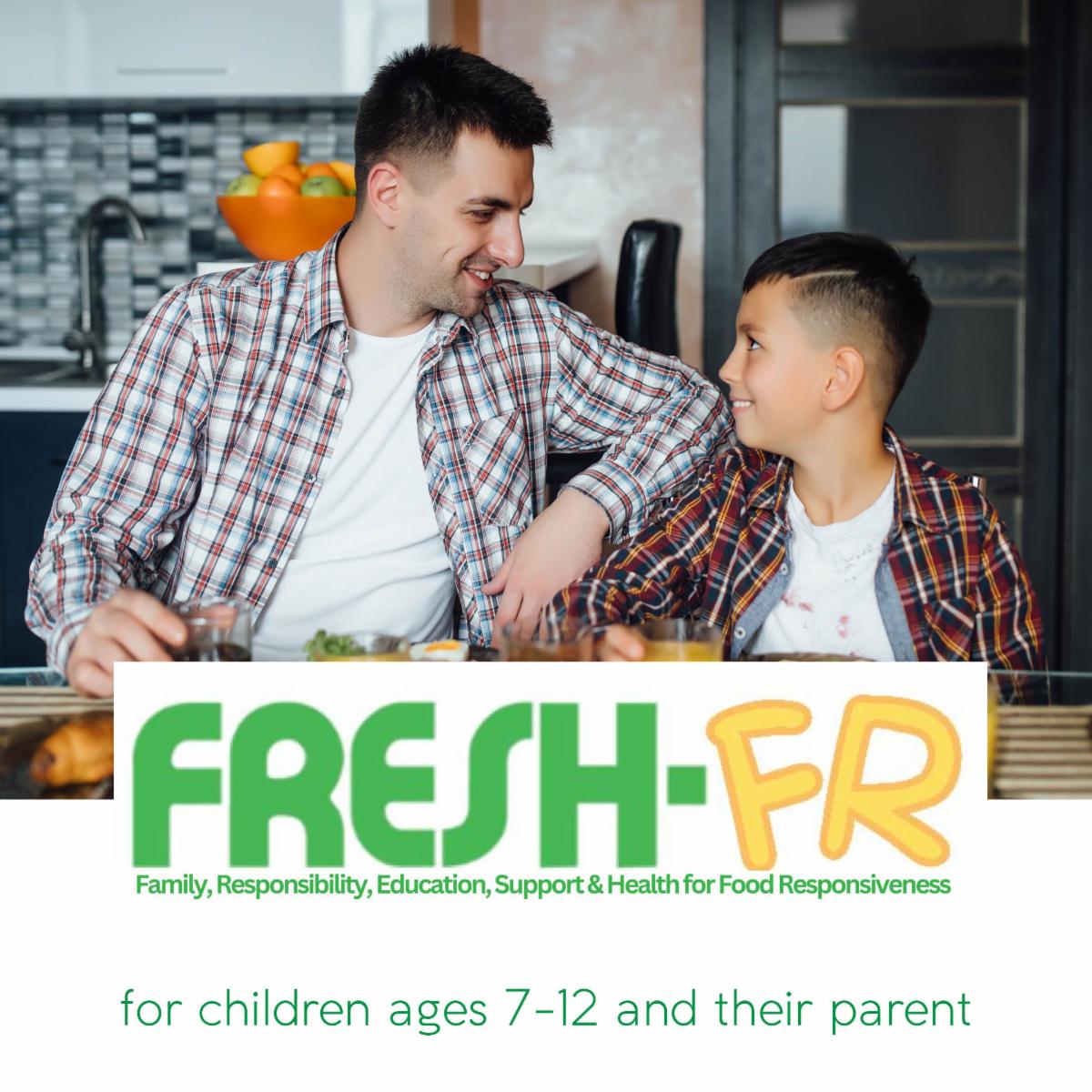
The FRESH-FR program is a no-cost weight loss program for children ages 7-12 with obesity & their parent who tend to think and talk about food a lot and overeat. The FRESH-FR program examines 4 different treatments that may help children reduce their overeating and lose weight.

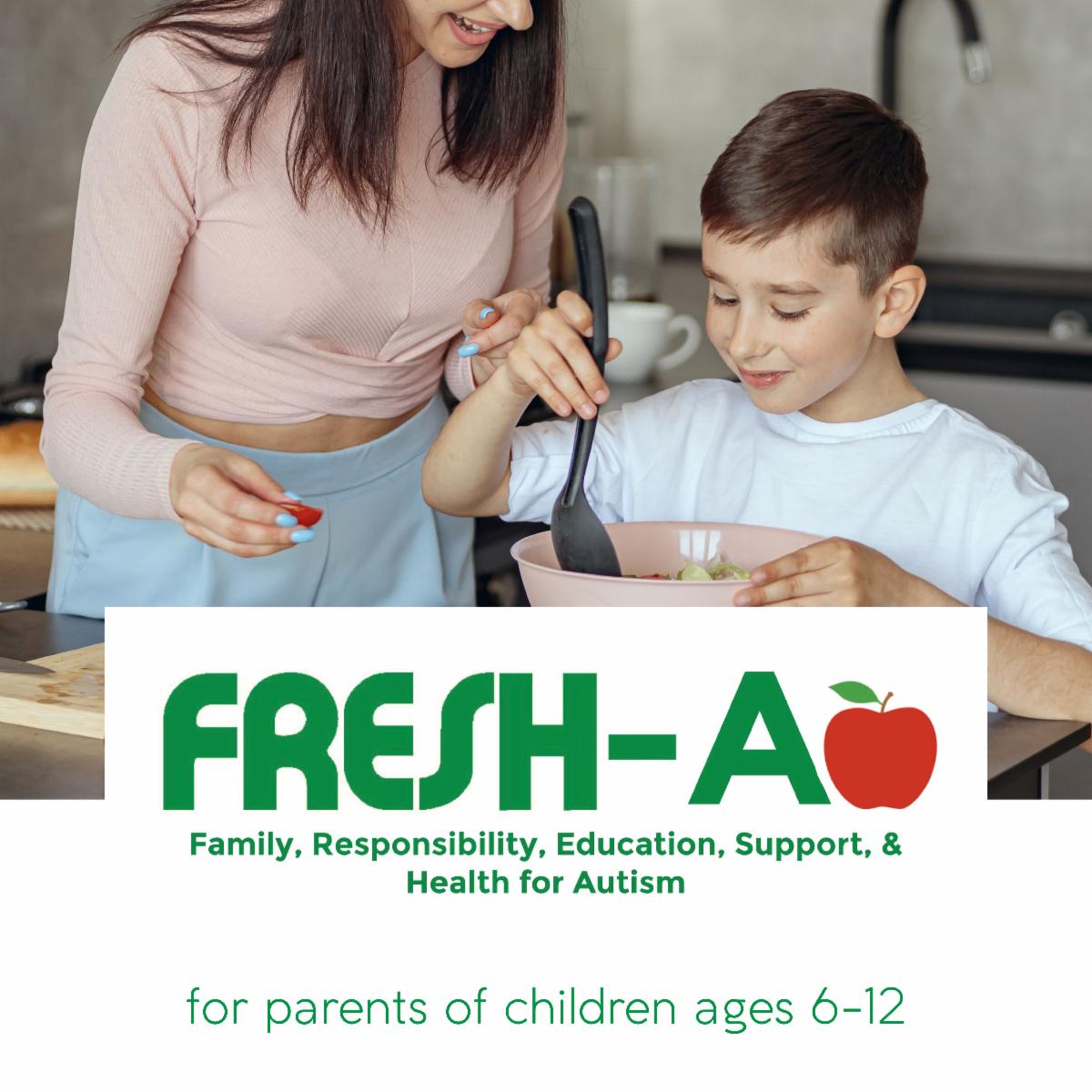
Family, Responsibility, Education, Support and Health for Autism

The FRESH-A study is a telehealth program for parents of children ages 6-12 with autism and overweight or obesity that focuses on developing healthier eating and activity behaviors. The no-cost treatment program is 6-months and only parents attend weekly groups.


April is Stress Awareness Month, offering an opportunity for communities to recognize how stress can influence overall well-being—including patterns related to eating.


Stress is a common part of daily life, but when it becomes ongoing or overwhelming, it can begin to affect behavior in ways that may not always be immediately visible. For some individuals, stress may contribute to changes in eating patterns, such as eating when not physically hungry, feeling a loss of control around food, or using eating as a way to cope with emotional distress.


These experiences are more common than many people realize and are not a reflection of willpower. Instead, they are part of the complex interaction between emotional, psychological, and biological factors associated with binge eating disorder.


Because these patterns often develop quietly, community awareness can play an important role. When educators, leaders, and organizations understand how stress may influence eating behaviors, they are better equipped to recognize potential concerns and respond with empathy and appropriate resources.


At CHEAR, research and treatment approaches often focus on helping individuals:

  • Recognize emotional and environmental triggers
  • Build awareness around eating patterns
  • Develop coping strategies that support overall well-being


Encouraging awareness—both individually and within the community—can help create environments where individuals feel more comfortable seeking support.

GET INSPIRED!

Follow Us On Social Media

Facebook  Twitter  YouTube  Instagram
X Share This Email
LinkedIn Share This Email