Quarterly Newsletter
October 2026
| | |
"A friend is someone who gives you total freedom to be yourself"
-Jim Morrison
| | |
Letter from the Editor
Paġlagivsi! (welcome in Inupiaq),
Friendship is an important part of students’ social-emotional development. Having friends allows students to practice social skills such as sharing, taking turns, and resolving conflicts. Friends help give students a sense of belonging and reduce loneliness.
For many students with low-incidence disabilities, building and maintaining friendships needs to be explicitly taught. Peers often need direct instruction on how to interact with students who communicate differently. Children with disabilities can and do create meaningful friendships. In this newsletter, we will look at specific supports that can help students with disabilities create and maintain friendships.
Happy Fall,
Jennifer Schroeder
Multiple Disabilities Specialist | Newsletter Editor
| | Paraprofessional Spotlight | | |
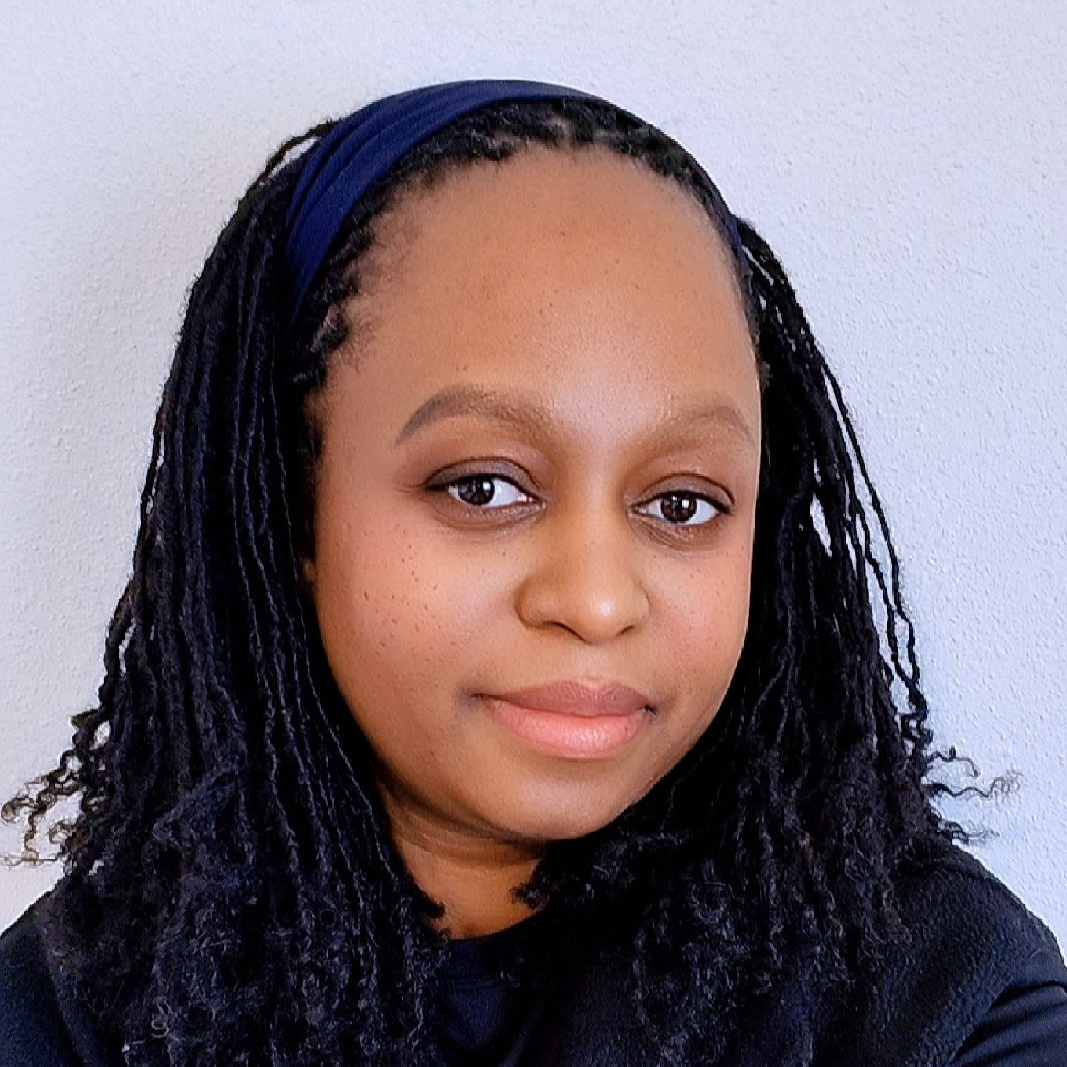
Faith is a great paraprofessional because:
- She is extremely patient
- She meets kids where they are at
- She is willing to try different things
- She holds kids accountable
- She builds relationships with the students
- She works hard and always gives her best effort
| |  | |
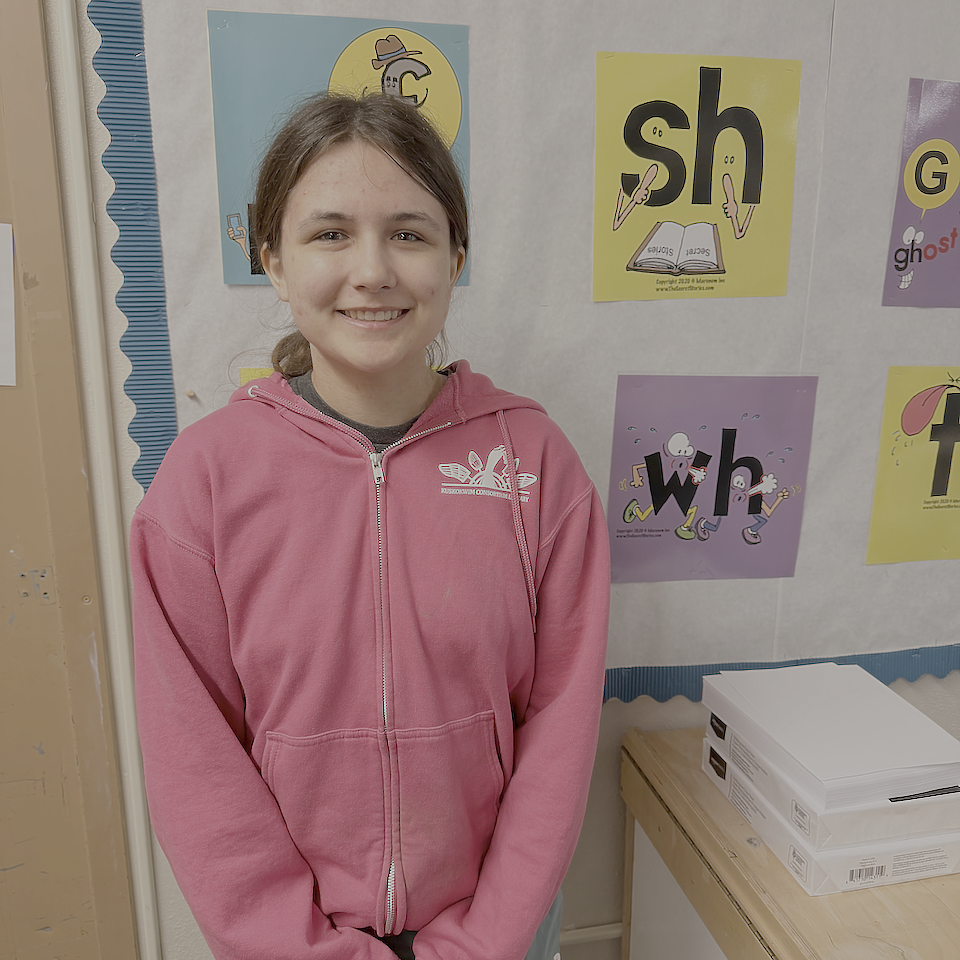
Sam is a great paraprofessional because:
- She meets kids where they are at
- She is patient and looks for the positive moments
- She is a team player, always doing what is best for the kids
- She provides steady, daily support
- She encourages students to try hard things
| | | |
The Path to Friendship: Exploring the Challenges of Building and Maintaining Friendships By Christy Eli-Piercy, Emotional Disabilities Specialist
What is friendship? The simple response is that friendship can be defined in a few words with a multitude of adjectives or be a deep philosophical discussion based on an individual’s personal and/or professional perspective. In the educational realm, this question in one form or another arises on a whim in the most unique of circumstances. In general, many educational professions are ingrained to have a fundamental response. While responses vary from one professional to the next, they rarely depend on strict contexts or hidden variables; instead, they stem from a foundational blend of human nature, core principles, and personal experience. The precise definition from the Merriam-Webster Dictionary’s website defines friendship as “the state of being friends; the quality or state of being friendly.” Being friendly and open to having friends is essentially where “The Path to Friendship” begins.
| | | |
Friendship Inclusion
By Samantha Weiland, M.A., Multiple Disabilities Specialist
School provides an opportunity for students of all ages and abilities to learn critical social skills in structured and unstructured environments. Making friends at school is critical for students to develop connections, empathy, and lifelong social skills. Friendships are critical for building mental health and self-worth. Friendships for students with low-incidence disabilities do not always come naturally or easily. Barriers that inhibit friendship progression include limited physical accessibility, alternative communication methods, and a lack of inclusive social activities, which often lead to misunderstanding and stigma. Sometimes our students require teacher facilitation to develop inclusive friendships.
| | |
Building Positive Relationships for Deaf and Hard of Hearing Students By Abby Steer, Deaf and Hard of Hearing Specialist
Friendships are an important part of every student’s social-emotional development, but D/deaf and hard of hearing students can face barriers to building and maintaining relationships with peers. Background noise, missed conversations, difficulty following fast-paced group discussions, and limited access to incidental social learning can make it harder to join activities, understand social cues, and feel included. These challenges do not mean students lack the desire or ability to form meaningful friendships; they highlight the importance of creating accessible opportunities for connection.
| | | Peer Support in Building Friendships with Students with Autism By Raedean Van Werven, Autism Impairment Specialist | |
Autism is defined by deficits in social communication and the presence of stereotypical behaviors (American Psychiatric Association, 2022). Students with autism have deficits in social reciprocity, nonverbal communication, and developing, maintaining, and understanding relationships. Stereotypical behaviors include repetitive motor movements, insistence on sameness, fixations, and sensory differences.
Between social communication differences and stereotypical autism behaviors, there is often a delay of neurotypical peers initiating interactions with students with autism (Sam & AFIRM Team, 2025). The barriers of relying too much on paraprofessionals and using functional skill curricula in the general education classroom while peers are accessing the general education curriculum have also been identified as a limit to social interactions with non-disabled peers (Carter et al., 2009).
| | | Supporting Friendships for Students with Visual Impairments By Angel Black, M.S.Ed., TSVI, COMS, Vision Impairment Specialist | |
One of the questions I hear most often from families is some version of, “Does my child have friends”? It's a fair question to sit with. For students who experience low vision/blindness, friendship doesn't always develop the way it does for their sighted peers. Not because these students are less social, but because so much of how children learn to connect with each other (a glance across the room, a smile, body language) is picked up visually, without anyone ever teaching it directly. When that pathway isn't fully available, friendship-related skills need the same kind of thoughtful, direct instruction we'd give to any other important life skill.
The good news is that this is a teachable skill. A 2023 review looked at 32 studies on teaching social skills to children and adolescents who are blind or have low vision, and found that most of them, especially those focused on peer relationships specifically, reported real improvement after the direct instruction (Caron et al., 2023).
| | |
Thank You!
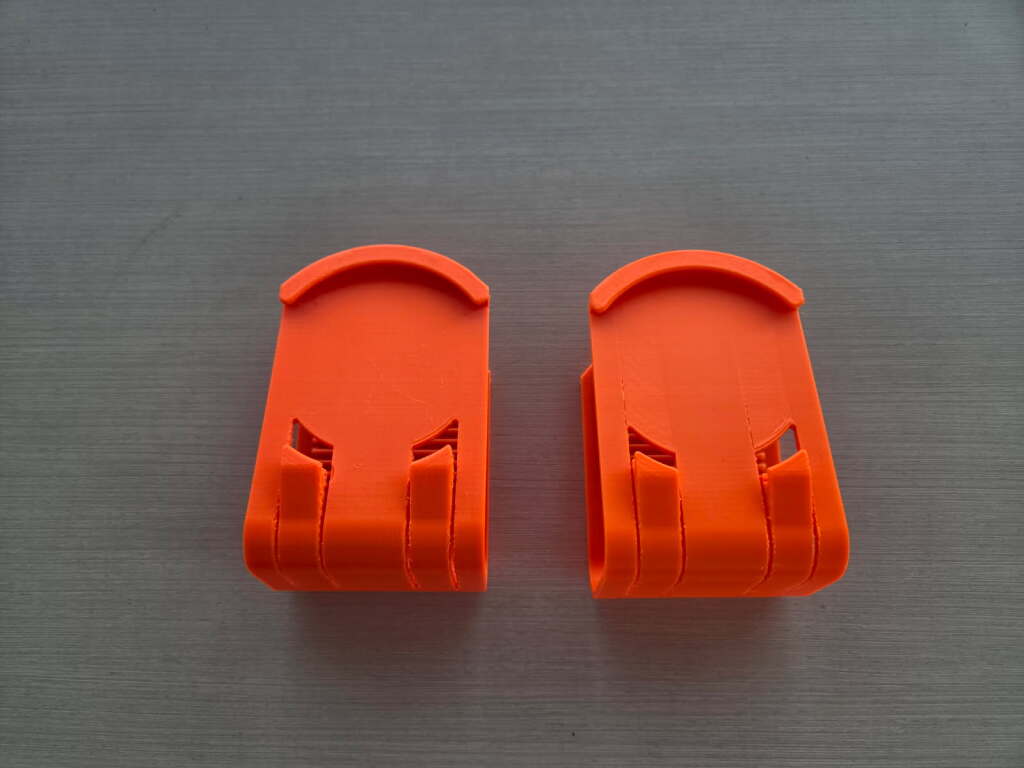
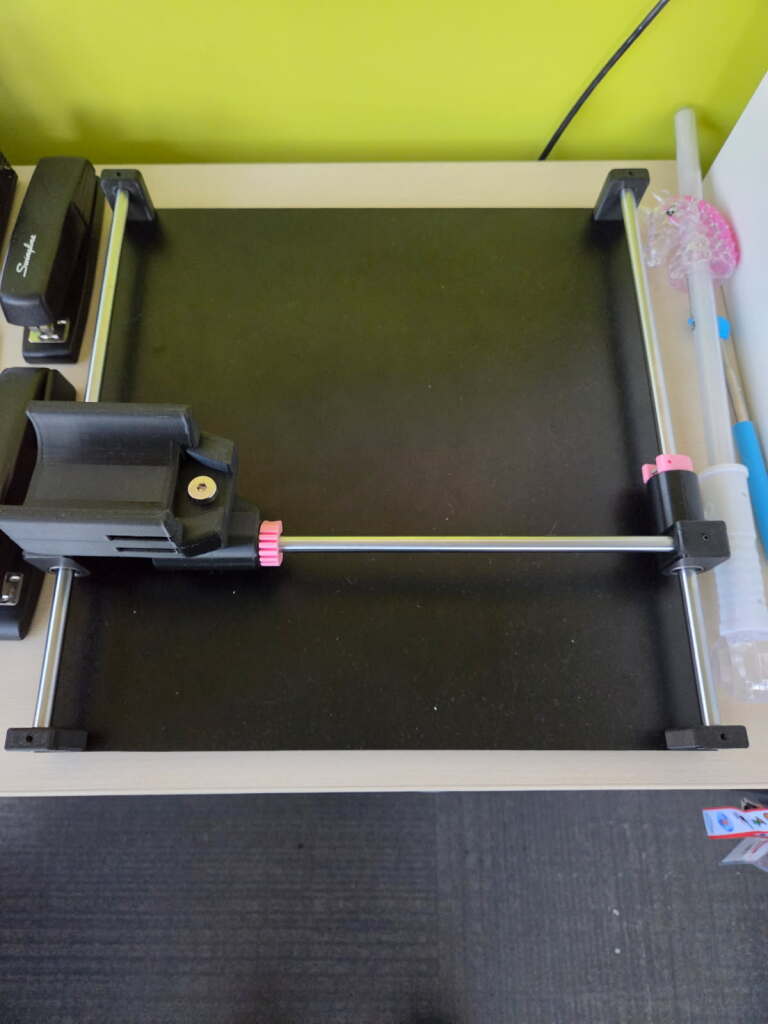
Special thanks to Trent Land for taking the time, using his skills, and using his 3D printer to create supports for students with physical disabilities.
The materials he created will allow students with complex bodies to engage with leisure and academic activities independently.
| 3D Printed Jelly Bean Switch Holders | 3D Printed Writing Support | | | | | |