Province of the Immaculate Conception
Order of Friars Minor
Provincial Newsletter
September 2026
| | |
Rite of Investiture and Admission of Novices
September 8, 2026
Sanctuary of San Damiano, Assisi
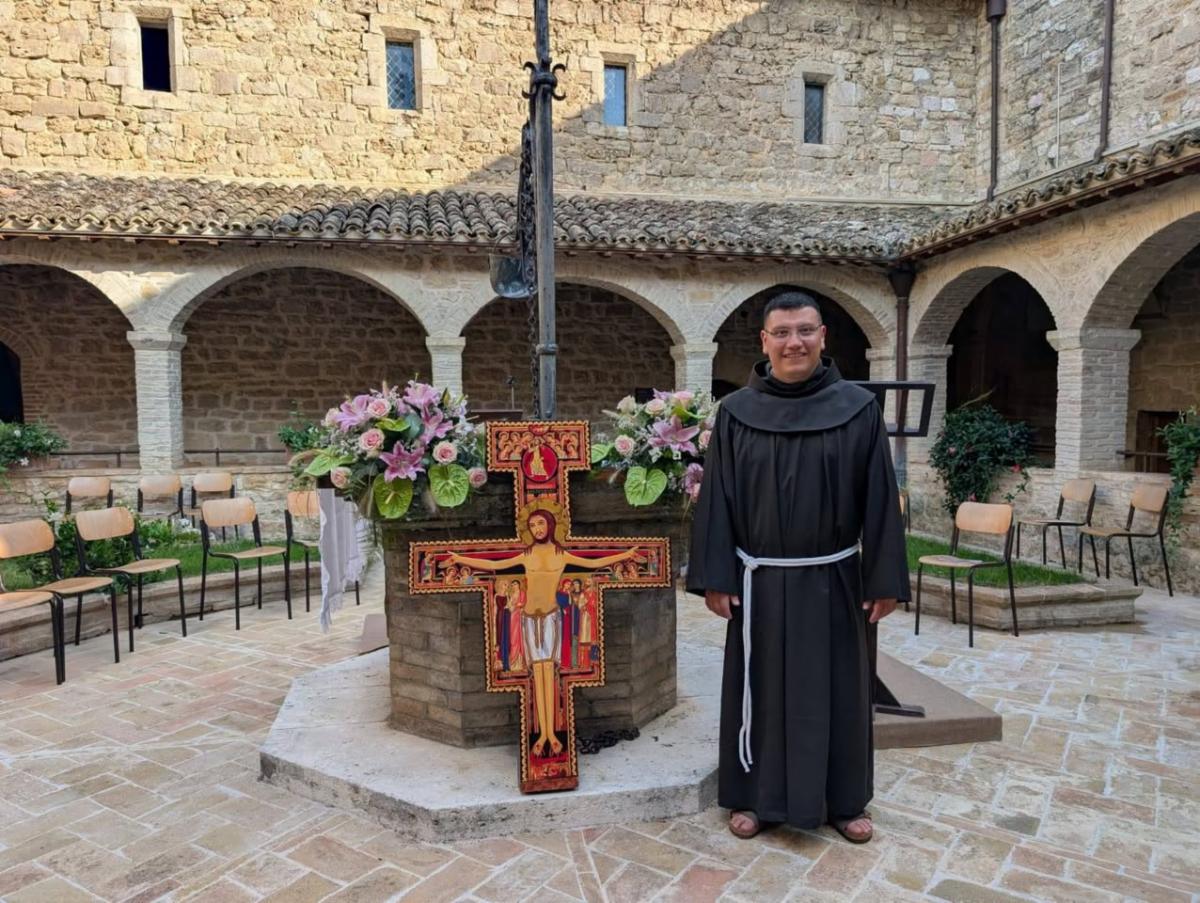
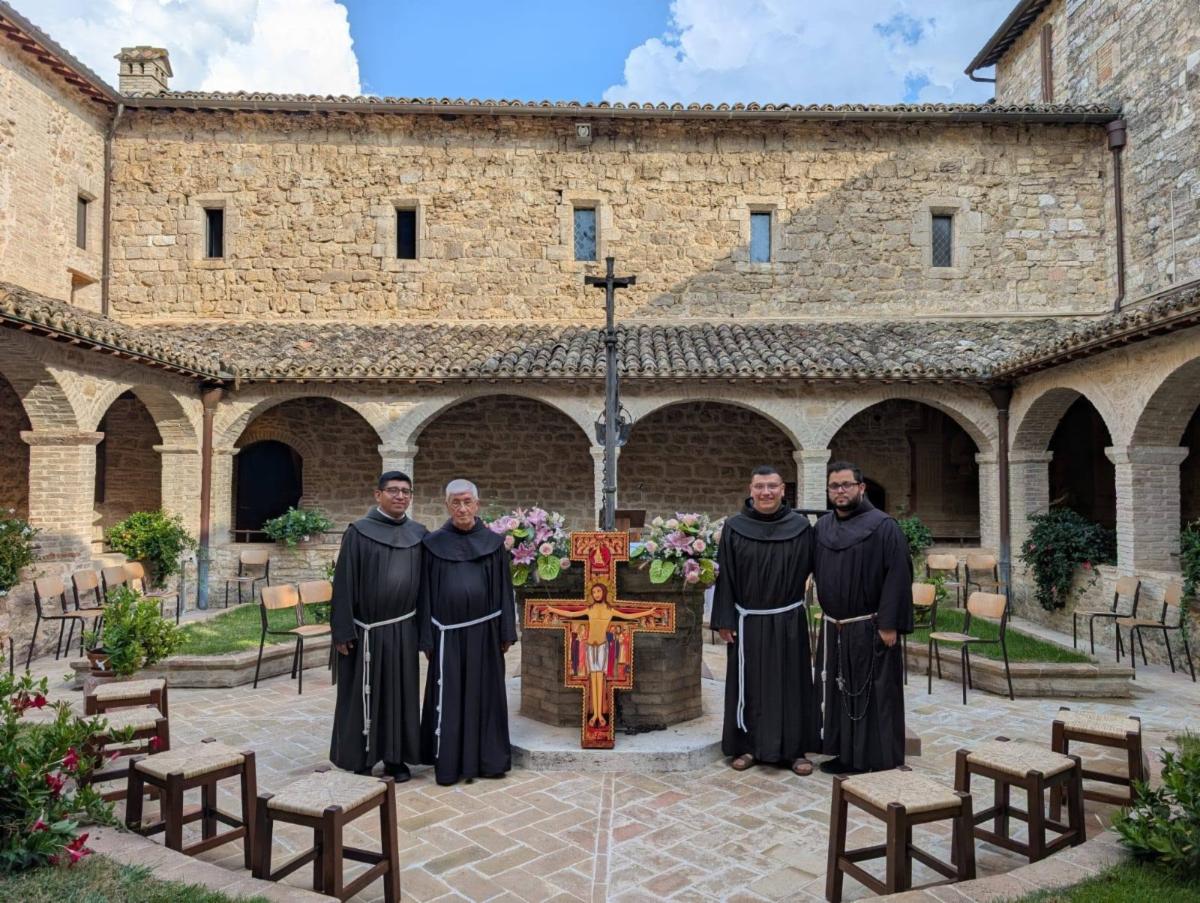
Thirteen novices from the Province of St. Francis of Assisi of Umbria and Sardegna and several other Italian provinces as well as our own province were received into the novitiate and vested with the Franciscan habit. Br. Oscar Eduardo Gomez Ramirez was received from our own Province of the immaculate Conception. He was received by Fr. Antonio Riccio, O.F.M., Guardian of our formation house, Convento San Francesco in Rome. Also attending from our province were Fr. Marco Antonio Gómez and Fr. Luis Hernandez. Congratulations Br. Oscar. Many blessings.
| | |
From the Formation Office
Dear brothers, peace and all good!
As we draw closer to the solemn profession and ordination of our brothers Gabriel, Dagoberto, and Kevin O., our thoughts and hearts are filled with joy and gratitude for the goodness the Lord has shown to each of them throughout their journey of initial formation. These are important moments not only in their own lives but also in the life of our fraternity, and we accompany them with our prayers as they prepare to take these significant steps in their Franciscan vocation.
At the same time, we are grateful to have Eduardo, Jimmy, and Manuel continuing their formation with us here in Rome as they begin their second year. Each of them had the opportunity this summer to spend time abroad in different assignments, living fraternity, experiencing ministry, and getting a taste of Franciscan life outside the formation house. They have returned to Rome enriched by these experiences and grateful to the brothers and communities who welcomed them so warmly.
Each of our brothers would like to share a brief greeting and a few thoughts about his summer experience.
From Manuel:
Hello brothers! My name is Brother Manuel Alejandro Chavarria Blanco, a temporarily professed friar at the Convent of St. Francis in Rome. This summer, after spending a couple of weeks with my family in Moyuta, Guatemala, I traveled to the Convent of St. Jane Frances in Toronto, Canada, where I spent 50 days with Brothers Rohwin, Peter, and Jack. I felt truly welcomed and was deeply grateful for the fraternity, affection, and many lessons they shared with me. I especially appreciated witnessing their pastoral ministry among the parishioners of the three language communities: English, Italian, and Vietnamese. I hope that someday I will have the opportunity to return. For now, I am preparing to begin another year of theological studies at the Antonianum in Rome. I send my warmest greetings to all the brothers and thank you sincerely for the support you give to our formation. May God bless you all!
| | |
From Jimmy:
I am very grateful to have spent my summer at FMA. It was an awesome experience to be able to learn and do the work firsthand with the wonderful people who dedicate their time to raising funds to keep our missions going. On an even more personal level, they raise funds that keep our formation house open and alive. It was a feeling of great joy to be able to work alongside those who do the work at FMA and to contribute the little bit of time I had to learn and do the work that keeps our formation going. I will forever be grateful, and rest assured that they and our benefactors are in our prayers.
| | |
From Eduardo:
I spent this summer at St. Peter Parish in Woodbridge, Canada.
These were intense days, during which I first had the opportunity to get to know the friars, with whom I spent most of my time. I am grateful to Fr. Charles and Fr. Joshua for their warm welcome, kindness, and gestures of brotherhood that made me feel at home.
Secondly, it was a very enriching pastoral experience, where—through weekday Masses, baptisms, weddings, funerals, and so on—I was able to engage with the parish community very openly, while being mindful of the tremendous work that goes into meeting people’s spiritual needs.
I am left with a deep sense of gratitude for this experience and hope to return in the future to share in the life and mission of St. Peter Parish with them. Peace.
| | |
And there you have it, brothers! On behalf of our formation fraternity here in Rome, a sincere thank-you to all the brothers who so generously opened their fraternities, ministries, and lives to our temporarily professed friars this summer. Your hospitality and fraternity have meant a great deal to them, and the fruits of these experiences continue long after they return to Rome.
A special word of thanks also to Patrick and Robert for making these opportunities possible. Each summer, we are reminded just how valuable it is for our brothers in initial formation to spend time in one of our houses, sharing in the ordinary rhythm of Franciscan fraternity and ministry. It gives them an experience that no classroom can provide and helps them gain a clearer and more realistic sense of the life and mission that await them once their initial formation is completed.
Thank you, brothers, for the many ways you continue to support our men in formation—not only through these summer experiences but also through your prayers, encouragement, fraternity, and interest in their journey. Please continue to keep all of them in your prayers, and in a particular way Gabriel, Dagoberto, and Kevin O. as they approach these important days of solemn profession and ordination.
Peace and all good!
Pierre
Upcoming dates
October 10, 2026 Basilica of Saint Anthony of Padua, Rome
Solemn Profession of Vows of Br. Dagoberto Hernandez Lopez, O.F.M.; Br. Efrain Gabriel Rojas Mendieta, O.F.M; and Br. Kevin Ottoniel Hernandez, O.F.M.
October 11, 2026 Basilica of Saint Peter, Vatican City
Ordination to the Diaconate of Br. Dagoberto Hernandez Lopez, O.F.M.; Br. Efrain Gabriel Rojas Mendieta, O.F.M; and Br. Kevin Ottoniel Hernandez, O.F.M.
Ordaining Bishop: Most Rev. Mauro Cardinal Gambetti, O.F.M. Conv., Archpriest of the Basilica of St. Peter.
| | |
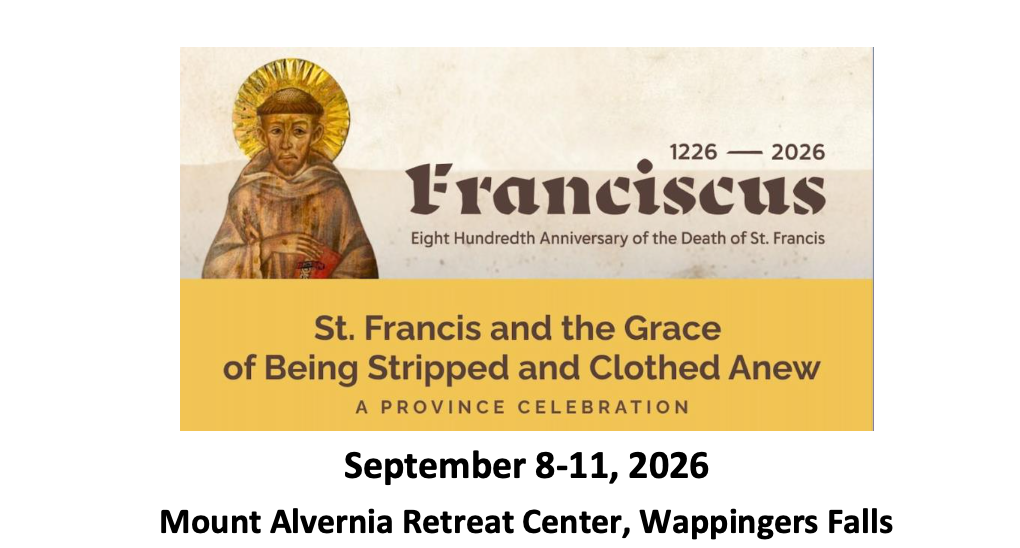
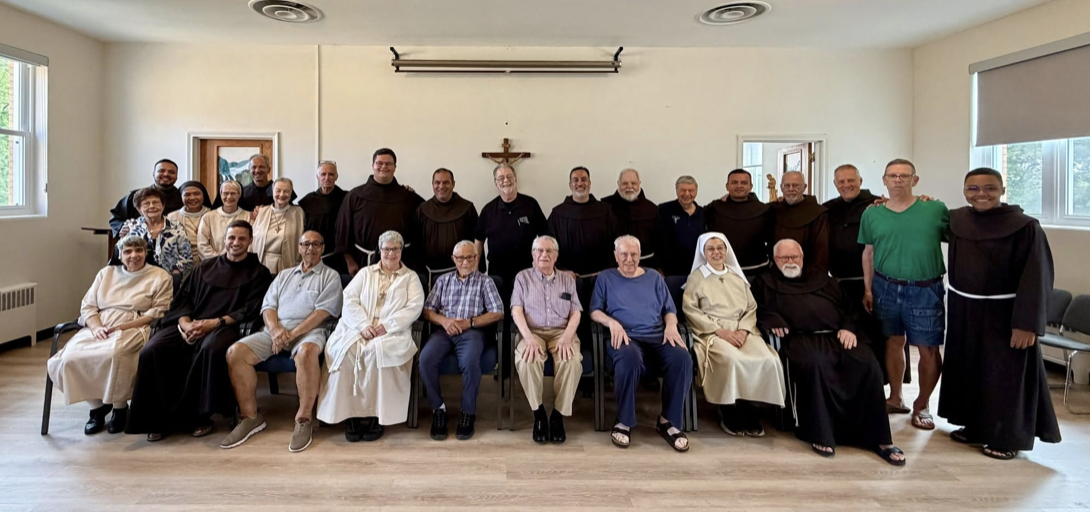
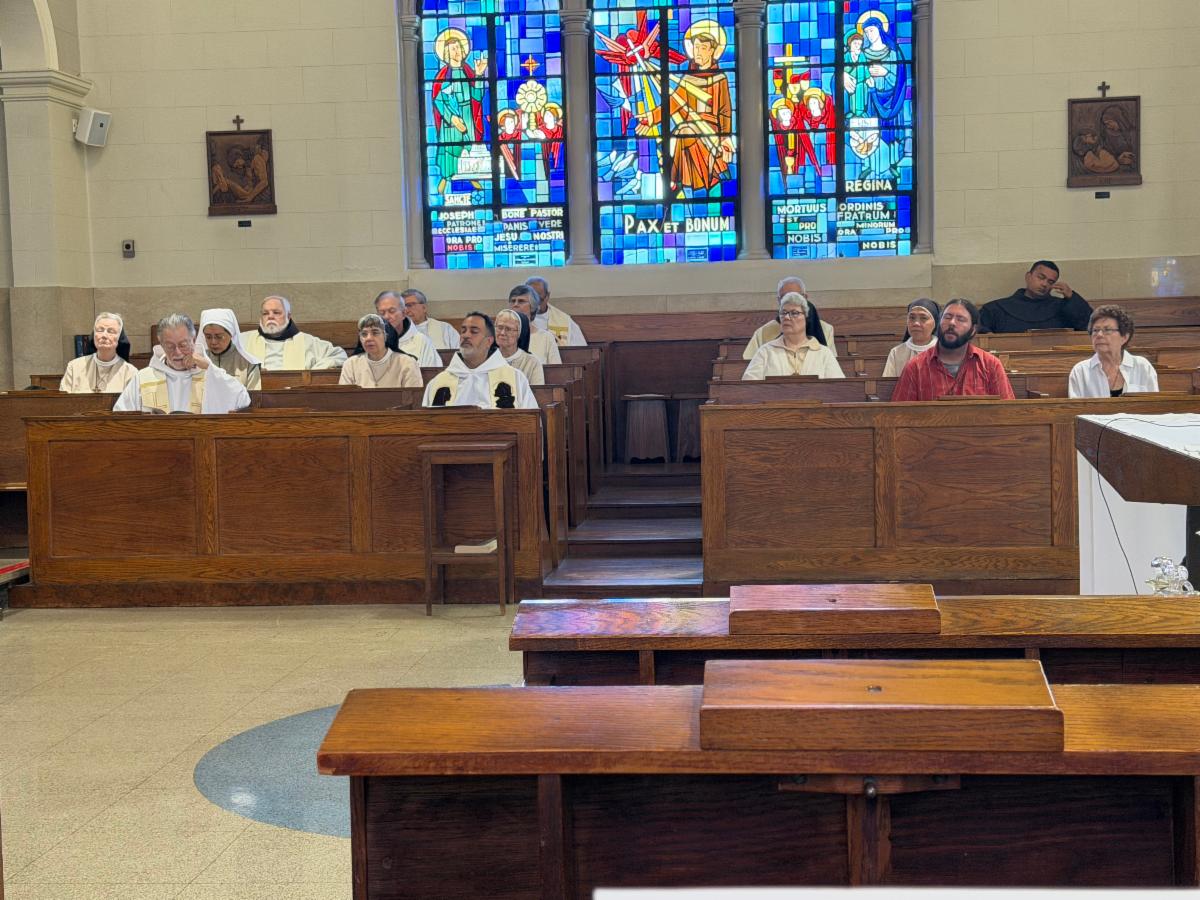
From Monday, September 7 through Friday, September 11, brothers from throughout the Province gathered at Mt. Alvernia Retreat Center in Wappingers Falls, New York, for a provincial retreat and gathering centered on the theme, “Francis and the Grace of Being Stripped and Clothed Anew.”
This year’s gathering held particular significance as we prepare to commemorate the 800th anniversary of the Transitus of St. Francis of Assisi. Joining the friars were the Poor Clares and members of the Third Order Franciscan community from Wappingers Falls, making the retreat a special occasion of prayer, fraternity, and celebration encompassing all three Orders of the Franciscan family.
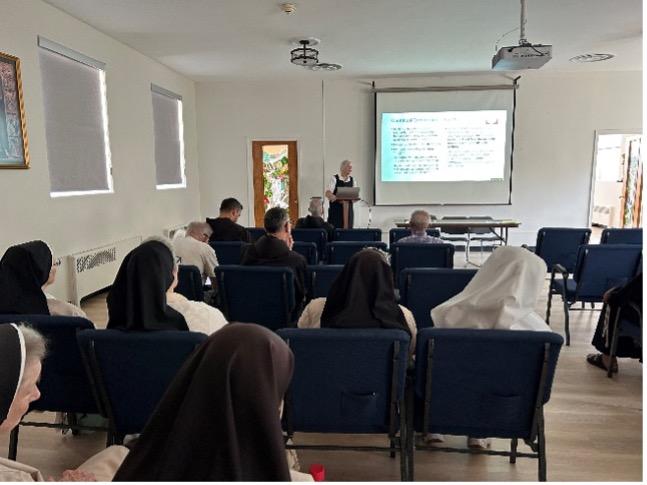
The days were filled with prayer, reflection, listening, discussion, and fraternal celebration. Each morning began with breakfast, followed by Lauds and the morning retreat conference and discussion. At 11:00 a.m., we gathered in the chapel for the celebration of Mass, followed by lunch at noon. The afternoon conference began at 3:00 p.m. and was followed by discussion and the celebration of Vespers before we gathered in the refectory for dinner. And, in true Franciscan spirit, each day concluded with an evening Gaudeamus in the friary—a welcome opportunity simply to enjoy one another’s company.
Altogether, the retreat was a beautiful opportunity to spend time together as brothers and as members of the wider Franciscan family. As Fr. Patrick reminded us, the gathering was intended to be more than simply a retreat; it was also an opportunity to experience a renewed sense of fraternity as we prepare to commemorate the Transitus in our various communities and ministries.
A special word of gratitude goes to our facilitators, Sr. Mary Elizabeth , Fr. Michael Della Penna, and Fr. Rick Martignetti, for preparing and leading the retreat conferences and reflections.
Our sincere thanks also go to Fr. Mario Julian and the fraternity of Mt. Alvernia Retreat Center for their generous hospitality throughout our stay. Many of the friars—myself included—could not stop praising the excellent food and the warmth with which we were welcomed and cared for.
It was truly a memorable experience: a time to pray together, reflect together, celebrate together, and renew the bonds of Franciscan fraternity as we approach this significant 800th anniversary of the Transitus of our Seraphic Father, St. Francis.
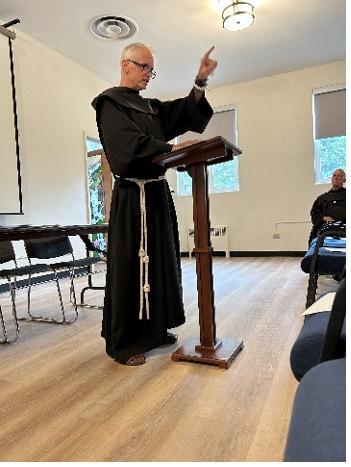
The first conference day was led by Sr Mary Elizabeth Imler OSF, the second by Fr. Michael and the third by Fr. Rick. Fr. Jack presided at the first Eucharist, Fr. Michael at the second, Fr. Rick the third, and Fr. Daniel celebrated the closing Eucharist. We are also grateful for all of the gifts that our Provincial, Father Patrick, generously gave to each friar. And finally, we were blessed to have with us the Poor Clares of the Wappingers Falls Monastery and a few Secular Franciscans which meant that the retreat included members of the entire Franciscan family.
As we approach the 800th anniversary of Saint Francis’s passing into eternal life, we are invited to look again at the final chapter of his earthly journey. Sister Mary Elizabeth Imler, OSF, reminded us that the years 2023–2026 form a remarkable Franciscan centenary:
+ the approval of the Later Rule and Christmas at Greccio in 2023;
+ the stigmata in 2024;
+ the Canticle of the Creatures in 2025;
+ and, in 2026, Francis’s Transitus—his passing into eternal life.
| | |
As we approach the 800th anniversary of Saint Francis’s passing into eternal life, we are invited to look again at the final chapter of his earthly journey. Sister Mary Elizabeth Imler, OSF, reminded us that the years 2023–2026 form a remarkable Franciscan centenary: the approval of the Later Rule and Christmas at Greccio in 2023; the stigmata in 2024; the Canticle of the Creatures in 2025; and, in 2026, Francis’s Transitus—his passing into eternal life.
In 1226, weakened by illness and bearing the wounds of Christ, Francis asked to be carried to the Portiuncula, the little chapel he loved. There, he let go of everything: strength, reputation, possessions, even clothing. He lay naked upon the ground, as he had once stood naked before Bishop Guido in Assisi, placing himself without reserve in the hands of God.
Father Michael reflected on the profound connection between Francis’s nakedness and the nakedness of Christ. In the paired frescoes of the Lower Basilica in Assisi, Francis freely removes his clothing before the bishop while Christ is violently stripped upon the Cross. Yet in both scenes, stripping does not finally mean loss. It reveals identity. Jesus, stripped of garments, dignity, rights, and even life, is revealed as Love poured out for the world. Francis, stripped of wealth, family expectation, status, and personal ambition, is revealed as a son wholly free for God.
Francis’s final act was therefore not despair, but trust. He had spent his life learning from Christ, who “though he was rich, for your sake he became poor” (2 Corinthians 8:9). Father Michael described this lifelong process as the Franciscan meaning of penance: not punishment, but purification, a mechanism for metanoia—a radical turning of the heart. It is the continual stripping away of the old self so that one may become more fully conformed to Christ.
Near the end of his life, Francis could still say to his brothers, “Let us begin, brothers, to serve the Lord God, for up until now we have done little or nothing.” Sister Mary Elizabeth drew our attention to this extraordinary spirit of continual conversion. The saint who had transformed the Church did not think he had reached the goal. He remained a beginner in humility, mercy, service, and joy.
| | |
From Bitterness to Sweetness
Sister Mary Elizabeth also led us back to Francis’s Testament, where he remembered how his conversion began. “When I was in sin,” Francis wrote, “it seemed to me very bitter to see lepers, and the Lord Himself led me among them and I showed mercy to them. And when I left them, that which had seemed to me bitter was changed for me into sweetness of body and soul.”
This is at the heart of Franciscan spirituality. God does not always take away what frightens us or makes us uncomfortable. Often, as Francis discovered among the lepers, the Lord leads us directly toward the suffering we would prefer to avoid. When we enter that place with mercy, what had seemed bitter can become sweetness. The encounter changes not only the person we serve, but our own heart.
Father Michael extended this insight through the image of San Damiano. Francis rebuilt the crumbling chapel with stones gathered door to door— with the left over, chipped, broken, and unwanted stones. This was not simply a mistaken initial interpretation of Christ’s command, To physically “Rebuild my Church” but a metaphor for rebuilding fraternity. It was Therefore a symbol of the mission.
Christ rebuilds his Church from living stones. He gathers not only the strong, successful, secure, or socially acceptable, but the poor, wounded, lonely, overlooked, and broken. In the parable of the banquet, the master sends servants into the streets and lanes to bring in “the poor, the crippled, the blind and the lame” (Luke 14:21). The Church is not a monument made of flawless marble. It is a household of grace, revealed in the naked, broken, bleeding body of Christ, built from persons who need mercy and are learning to give it.
Our wounds do not exclude us from Christ. In the crucified body of Jesus, Father Michael noted, divine love does not wait for human perfection. Christ’s wounds become the doorway to healing; by his wounds, we are healed. Our own cracks and fractures, when entrusted to God, can become places of compassion, service, and witness.
| | |
Sister Death and Easter Hope
Sister Mary Elizabeth brought us close to Francis in his final days. His brothers sang the Canticle of the Creatures, and Francis added the verse praising “Sister Death.” He did not deny sorrow, pain, or fear; rather, he entrusted them to God. He wanted the grief of his brothers to be transformed by Easter hope.
Lady Jacoba of Rome—whom Francis affectionately called “Brother Jacoba” because of her courage, loyalty, and strength—came to care for him. She brought practical signs of friendship and tenderness: food, cloths, candles, a pillow, and the almond confection Francis enjoyed. Francis’s poverty was never loneliness. His final hours were surrounded by prayer, friendship, service, and praise.
Sister Mary Elizabeth reminded us that Francis was an Easter person. Even as he grew blind, sick, and weak, he spoke words of consolation. Because he had learned that God was with him, he could face death without surrendering joy. His Transitus was not merely an ending; it was a crossing over into the glory promised by the risen Christ.
The Freedom of Praise
Father Rick called us to recover the joy that belongs to people who know that God is good. Reflecting on Francis’s Praises of God, he emphasized the saint’s prayer: “You are all good, supreme good.” Francis did not see goodness as something to possess for himself. He saw human beings as channels through whom God’s goodness flows. Our hearts become fertile soil when we keep the “floodgates” open through gratitude, humility, patience, forgiveness, and praise.
Father Rick also challenged us to examine the false gods that often govern our lives. When we lose patience because someone has not followed our plans, respected our authority, or given us the recognition we expect, we may discover that we are worshipping our own ego, control, or power. To lose patience, he suggested, can reveal where we have lost sight of God.
Francis’s great prayer was Deus meus et omnia—“My God and my all.” Father Rick recalled the young Francis praying through the night with his hands raised in surrender. That prayer changed Bernardo, his first companion. It also expresses the truth Francis learned through poverty, illness, disappointment, and loss: God is all we truly need.
We will eventually be stripped of much that we take for granted—health, independence, recognition, possessions, relationships, and security. Yet Father Rick reminded us that we do not lose the love we have given away. God does not strip us in order to humiliate us, but to free us from the false gods that cannot save us, so that we may finally pray with truth: “You are all we need.”
| | |
A Rule for Everyday Life
Father Rick showed how practical and enduring the Franciscan Rule remains. Beneath its thirteenth-century language lies a deeply human and Gospel-centered way of life:
• Treat one another as family, with a mother’s tenderness and care.
• Let leaders be servants and foot-washers rather than masters.
• Live and travel simply, while refusing to judge those who live differently.
• Pray daily, fast regularly, and do not make a display of gloominess.
• Be meek, humble, courteous, and ready to wish peace to every person.
• Work faithfully, avoid idleness, and claim nothing as your own.
• Resist pride, jealousy, greed, detraction, and complaining, which can wound a community like a disease.
• Above all, seek to have the Spirit of the Lord within you and guiding your actions.
Father Rick also offered a simple Gospel response to conflict: meet the vice directed toward you with its opposite virtue. If someone is greedy, answer with generosity. If another speaks words of war, act peacefully. If someone curses you, bless them. If a person takes your cloak, offer your tunic as well. This is not weakness; it is the strength of Christ, who is kind and merciful even toward the ungrateful and wicked.
As we remember Saint Francis in this centenary year, the speakers’ reflections converge in one invitation: begin again. Let go of what prevents love. Draw near to the wounded and forgotten. Make room for joy. Become a living stone in the Church Christ is rebuilding. And, with Francis, learn to pray from the heart: “My God and my all.”
| | |
From the Provincial Office
ATTENTION ALL FRIARS!
Photos Needed
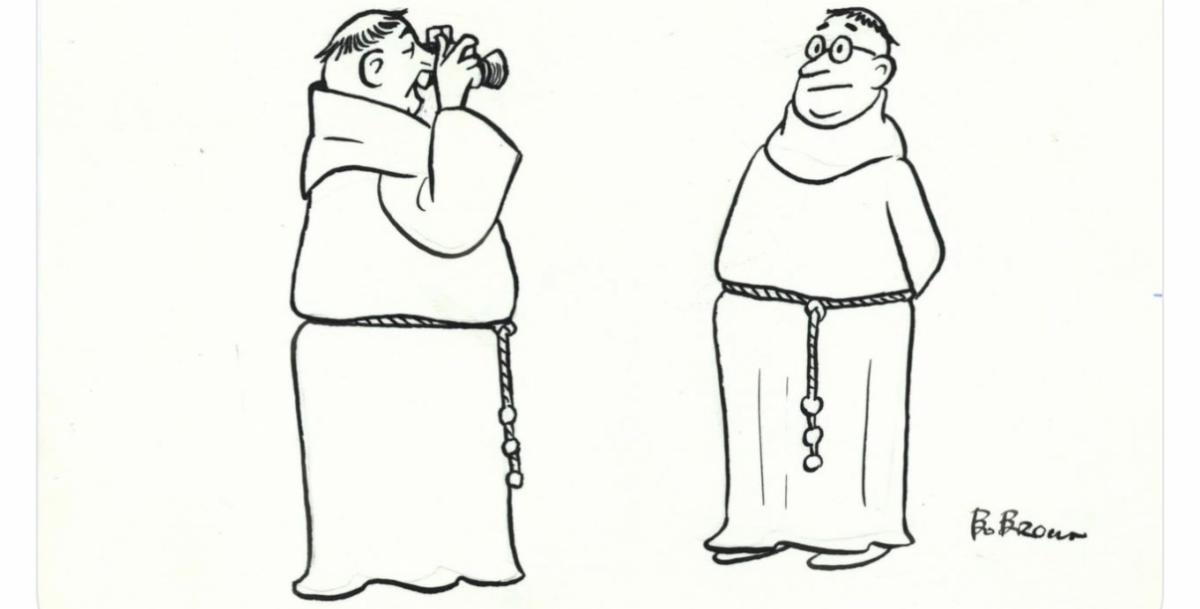
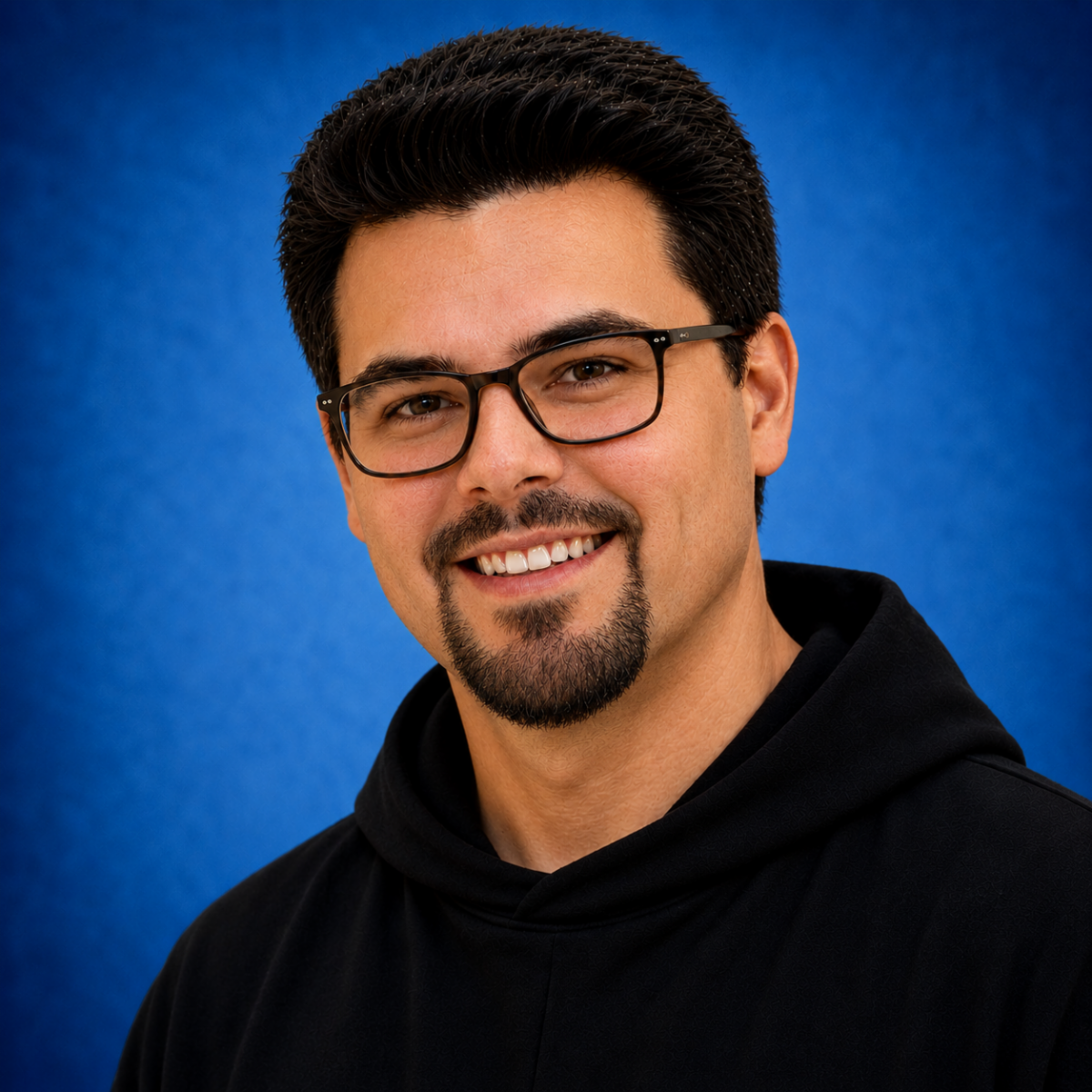
We are in need of CURRENT photos for our files. In many of the files of our friars, photos are very outdated. Some photos are from ordination or first professions, even those of us who are in our 70's or 80's. (No first communion pics please)
Please supply for the Provincial Curia files as soon as possible a current photo. Photo requirements:
Head and shoulder shot In Habit
Plain background (no scenes)
JPEG format preferred
(email to jlorenzo@icprovince.org)
Hard Copies will be accepted
Sample Photo Below (Created by A.I)
| | |
UNDER TEN EXPERIENCE SHARING
Br. Dan Cavalieri, OFM
I came away from these two experiences convinced of something that I find both simple and incredibly encouraging:
YOUNG FRIARS DESIRE FRATERNITY!
Under Ten Chapter of Mats — Assisi
One of the most powerful aspects of the VI Under Ten Chapter of Mats in Assisi was seeing friars from different countries, cultures, languages, and realities united by the same desire: to understand who we are as Franciscans through the thread that animated Francis and his first followers—fraternity.
The theme of the Chapter, “You are all brothers,” was not simply something we talked about. We experienced it. We lived it.
For me personally, the Chapter of Mats was an entirely new experience. Hearing from and learning from brothers from around the world, and seeing the many different realities in which we live our Franciscan vocation, was both challenging and encouraging. We discussed fraternity, formation, integral care, the joys and struggles of Under 10, the future of our Order, evangelization in today’s world, right use of AI, and our presence in the digital world.
Those conversations moved from the larger group into smaller groups, and eventually into the work of developing proposals at different levels of the Order.
At the same time, my experience had a bit of a double edge. I was there to serve the brothers, organize, and facilitate the Chapter, while also trying to listen, participate, and receive what the Chapter was offering. I often felt like I was seeing myself in 120 or 130 different faces and cultures. There were different languages and experiences, but so many of the same hopes, struggles, questions, and desires.
It was life-giving to realize that I am not alone in my journey, nor in my convictions about what makes me a friar and what is important to my vocation.
Bringing Assisi Home
As Marco Antonio and I returned from Assisi, we did not want to keep that experience for ourselves. We wanted to share it with our brothers here in the Province. And Lynn showed us that there was already a desire for it.
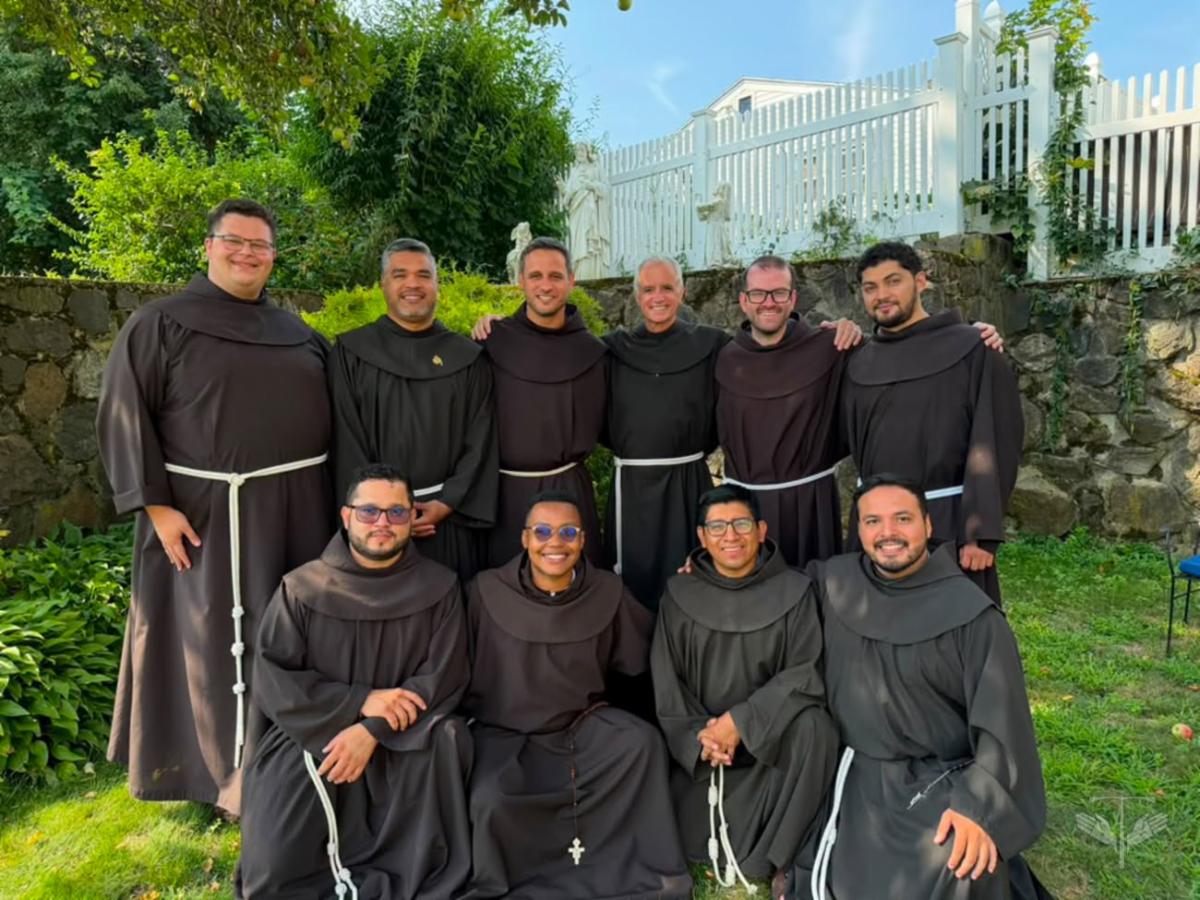
Nine of the ten Under Ten friars of the Province were able to attend. Brothers came from significant distances because they wanted to be there. They came with openness and a willingness to encounter one another—to spend time together and celebrate brotherhood.
What struck me most was that what happened in Assisi was not simply an isolated experience. It became an invitation to return to the reality of our vocation: to be brothers.
In Lynn, we spoke about strengthening our bonds, trust and accompaniment, integral care, the joys and struggles of this stage of our vocation, and how we can continue building fraternity among the Under Ten.
Fraternity did not happen because we had a perfect program. It happened when brothers listened to one another—really listened. It happened when we shared our lives with one another, the joys and challenges of our vocation, and recognized how much we have in common.
It happened around the table, while cooking, at the beach, in conversation, in laughter, in tears, and in the simple joy of being together. And this is important.
We all know that our Province has its own history, nuances, wounds, and difficult situations. We are not naïve about that, and we did not pretend those realities disappeared during our days together in Lynn. But they did not prevent us from being brothers.
We were able to listen to one another, share honestly, pray together, embrace one another, and simply enjoy being together. For me, this was one of the most encouraging parts of the experience. Fraternity does not require that everything be resolved first.
We do not have to agree on everything or have every difficulty figured out before we can choose to encounter one another as brothers or walk together in our vocation and ministry.
The trust and vulnerability of the brothers opened something in me as well. Being in a place where I could listen and be listened to allowed me to share some of my own difficult experiences. I experienced something we had talked about in Assisi: our fraternities can be places where we support and accompany one another, where we do not have to walk alone.
What Do We Do With This?
I do not think any of us believe things will change overnight. Building fraternity takes time, patience, forgiveness, humility, and intentional effort.
We are willing to work at it, and we hope the whole fraternity will walk with us. We desire to make fraternity not simply a theme for a gathering or something we talk about in a document, but a real part of our life and our reality as a Province.
The proposals that came out of Lynn are concrete fruits of what we experienced, prayed about, discussed, and discerned together:
Continue gathering as Under Ten
- Quarterly: one in person and three virtual gatherings.
Province-wide mentorship program
- Connect younger friars with brothers who can accompany them.
Leadership formation
- Prepare younger brothers who will increasingly take on responsibilities.
Ongoing formation for Guardians and Formators
- Support those responsible for accompanying and forming brothers.
Prioritize fraternity
- That younger friars live in fraternities of at least three friars, even when this may require restructuring ministries or assignments.
These proposals are not about creating another program for the sake of having a program. They are an attempt to keep alive something that we experienced as real and reignite the flame of who we are as friars.
Assisi allowed us to experience the universality of being brothers. Lynn allowed us to experience that same fraternity in our own Province, with all of its beauty and difficulties.
We cannot fix everything overnight, and we do not pretend to have all the answers. But we have experienced something that we do not want to lose. We are willing to work at it.
The proposals are now in the hands of the Provincial Board and the Provincial.
Our hope is simply that what we experienced will not remain only a good memory, but become the beginning of something that continues to grow.
We are all brothers.
We experienced that in Assisi. We experienced it again in Lynn. Now we desire to live it.
Dan Cavalieri, OFM
Report to the Provincial Definitorium
September 2026
| |
| |
SHARING FRATERNITY IN ONTARIO
| | |
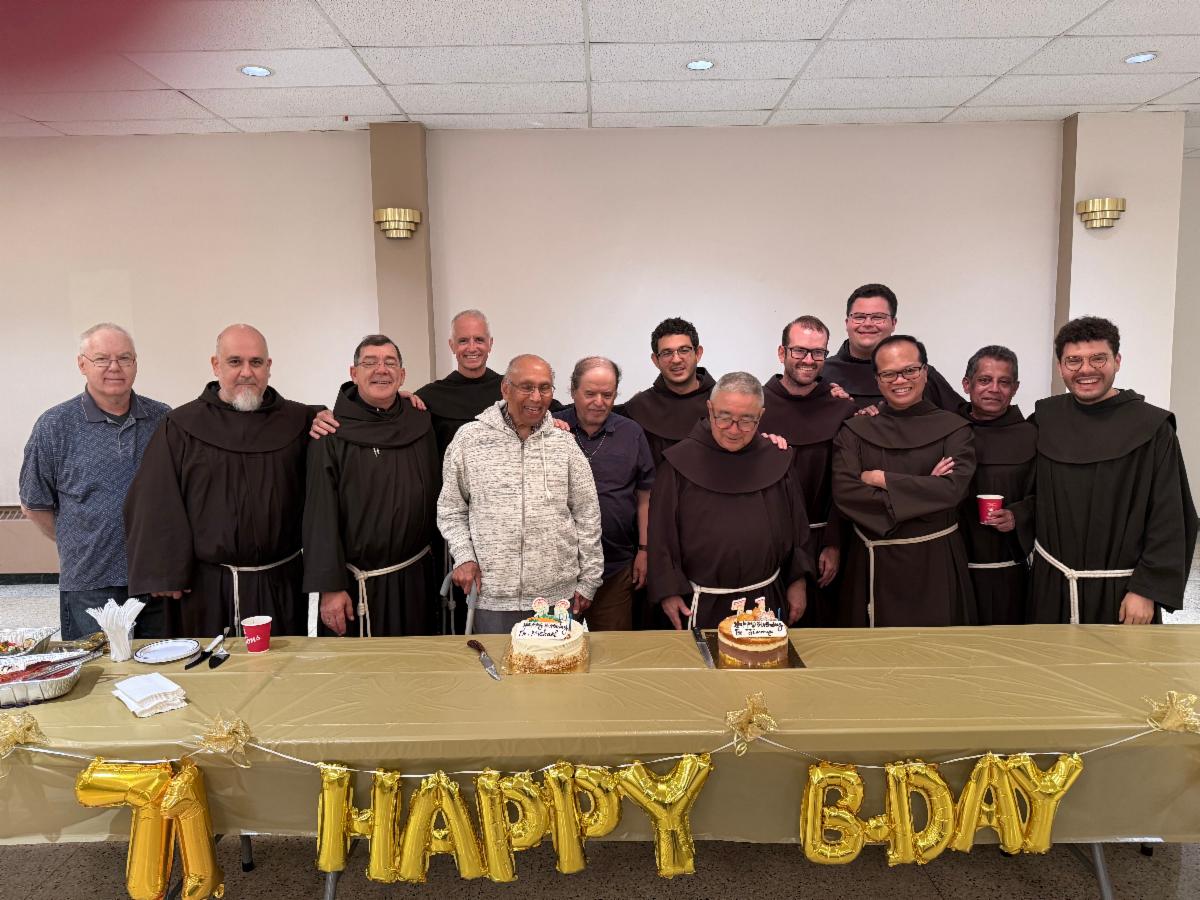
August 14th was a moment when we friars in Toronto had the opportunity to meet and celebrate Br. Jimmy's 71st birthday and Br. Michael De Cruz's 96th birthday.
This was also a moment to welcome Br. Michael Della Penna, who has been assigned to the St. Francis Retreat Centre. At the same time, we also welcomed Bro. Manuel and Bro. Eduardo, who have been assigned for their summer assignment to St. Jane Frances de Chantal and St. Peter's parishes respectively.
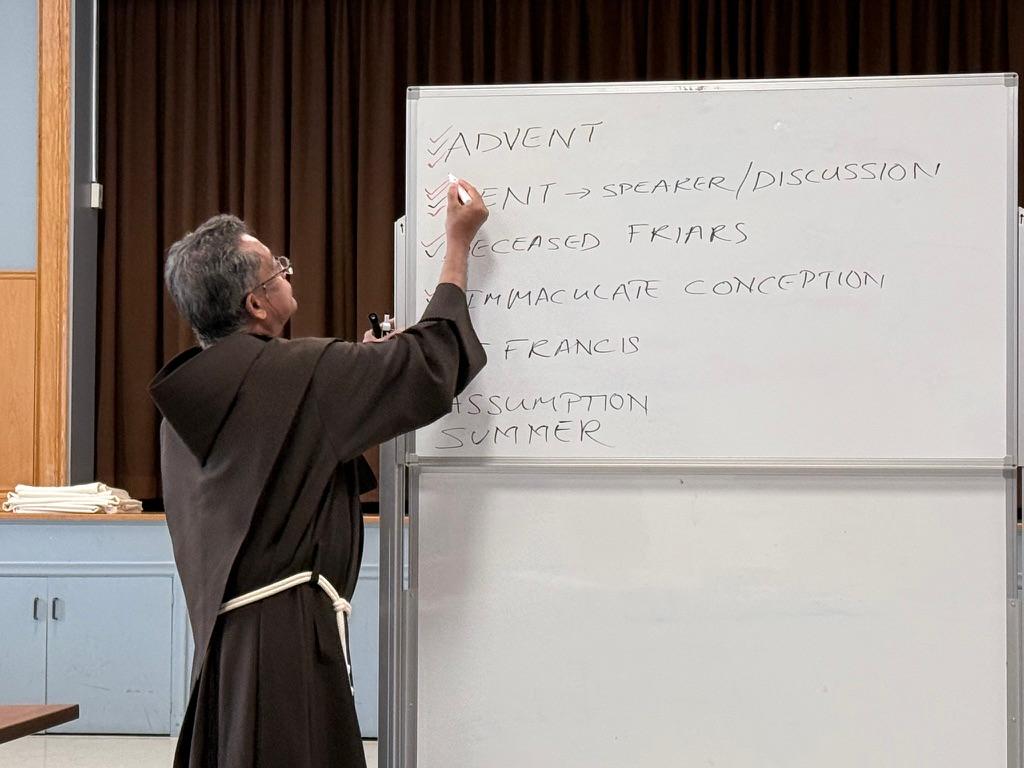
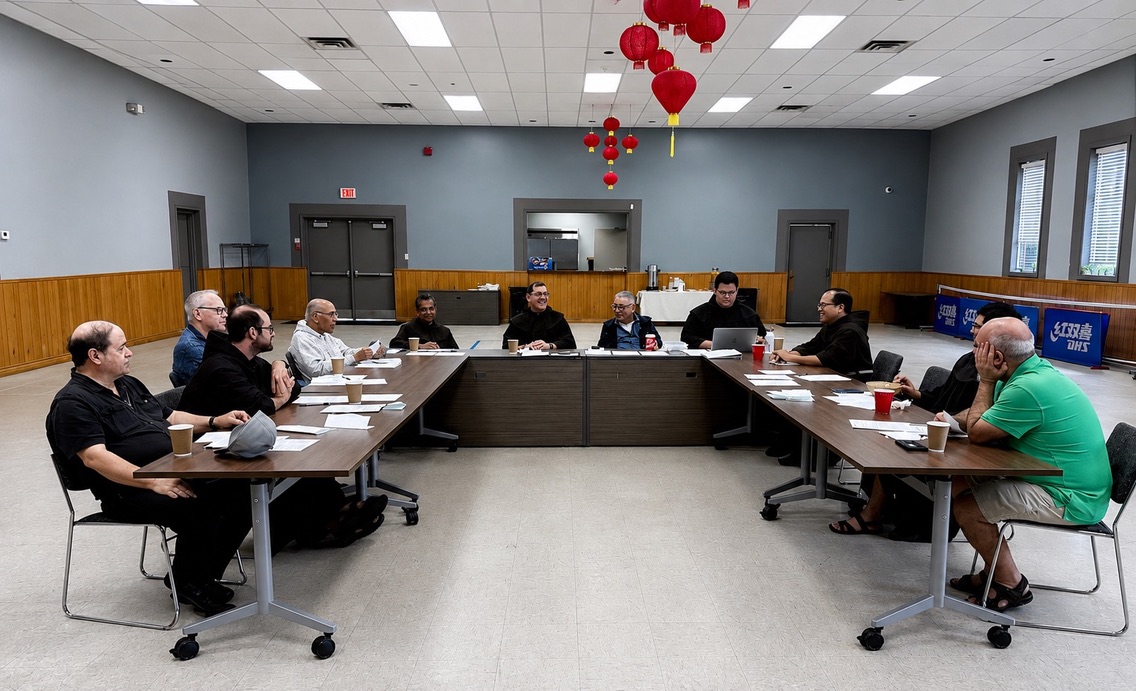
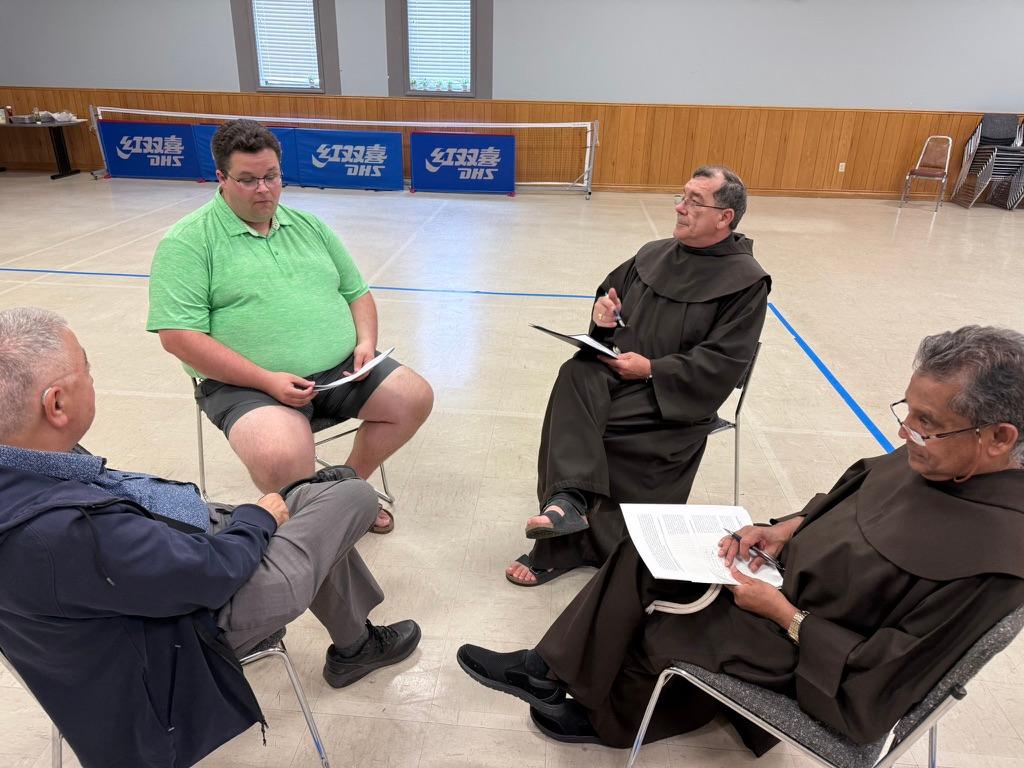
We also had the Regional meeting on the 19th of August hosted at St. Frances de Chantal parish with this program
10:30 Midmorning Prayer / Session One
Selection of Regional Coordinator & Secretary
Plans for regional gatherings
◦ Province Retreat
◦ Celebrating the 8th Centenary of the Transitus
◦ Regional Days of Recollection and Prayer
◦ Memorial for Deceased Friars
◦ Future Meetings
◦
Begin discussion of General's Letter to the Province
12:00 Break
12:45 Lunch
1:45 Session Two
Continued discussion of the General's letter
Other items from the group
2:30 Dismissal
During this time, Br. Jack elected secretary and Br. Joshua as co-ordinator.
Thanks to Br. Jimmy Zammit, general definitor, who moderated this meeting.
While thanking all the friars, I would like to thank both fraternities, Immaculate Conception and St. Jane Frances de Chantal, who hosted these gatherings with a fraternal lunch.
Br. Charles Grech, OFM
Foundation President
| | |
SAN GENNARO FEAST CELEBRATES 100 YEARS
| | |
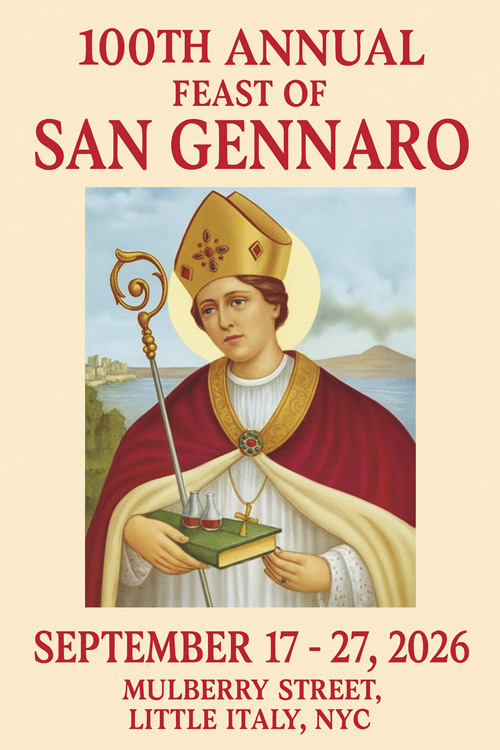
For two weeks in September, everyone wants to be Italian – at least judging by the crowds at the annual Feast of San Gennaro in New York City’s Little Italy. Founded in 1926 through our own friars, the largest and longest-running Italian festival in the United States celebrates its 100th anniversary this year, with locals and tourists alike descending upon Mulberry Street in Manhattan to celebrate the patron saint of Naples.
Between 1881 and 1920, over 4.5 million Italians immigrated to America. Thousands, most of whom hailed from southern Italy, settled on Manhattan’s Lower East Side to form what became Little Italy. These immigrants faced all sorts of difficulties: overcrowded tenements, trouble finding work, racial discrimination and suspicion of their religious practices, even from fellow Catholics. The procession of religious statues and the street celebrations that followed looked far too pagan and idolatrous to be considered “real” Catholicism.
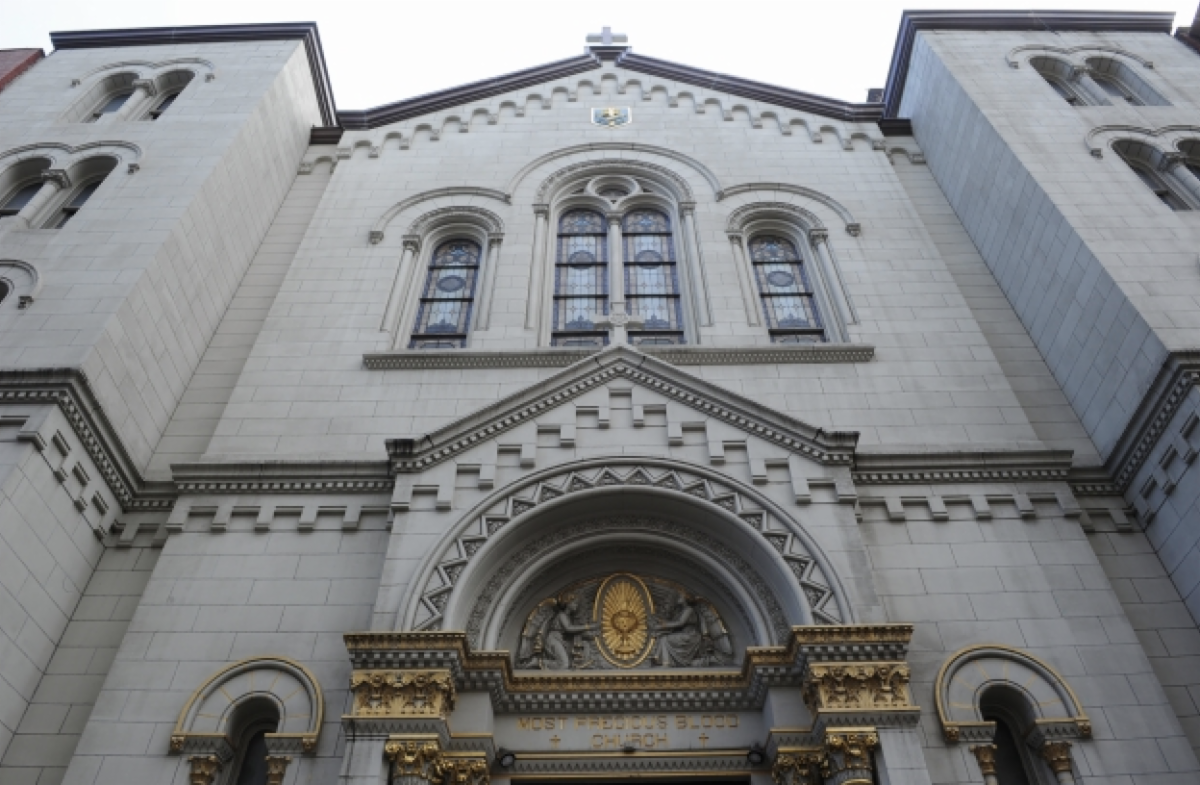
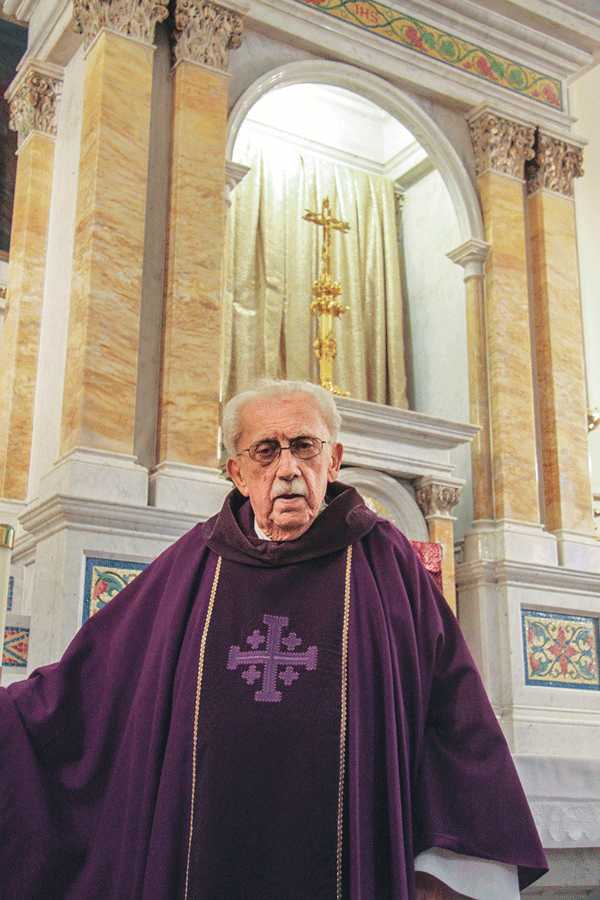
But by the early 20th century, Italian communities had grown so large that they could fund their own Italian-speaking churches. One such parish was the Church of the Most Precious Blood. In 1894, Archbishop Michael Corrigan entrusted this parish to the Franciscans of our Province, since they were successful in building up St. Anthony of Padua Church on Sullivan Street. Most Precious Blood Church was very successful, baptizing about 2,000 babies each year and performing some ten weddings each week. The Franciscans had supplied the church with a relic of San Gennaro and devotion to him spread. Through the years, the local Italian population diminished as many people moved to Staten Island and New Jersey. Eventually, the numbers were reduced to such an extent that the parish could no longer sustain itself. In 2014 Most Precious Blood was united with the Basilica of Old Saint Patrick’s Cathedral and the Franciscans left the parish. The final Mass was offered by Fr. Fabian Grifone, O.F.M., the last Franciscan pastor of the church. Even with that, the ties to the Friars Minor continue. Our own Vicar Provincial, Fr. Robert Campagna, O.F.M., continues to be a presence there, celebrating Sunday Mass.
In 1926, a group of parishioners organized a tribute to one of the most popular holy figures from southern Italy: St. Januarius, known in Italian as San Gennaro. An early Christian bishop, Gennaro was brutally beheaded outside of Naples on Sept. 19 in AD 305 on account of his faith. His execution was one of several that took place during the Diocletian Persecutions, a systematic campaign against Christians by the Roman Empire. Since then, southern Italians have attributed all sorts of miracles to his intercession, including extinguishing the volcanic fires of Mount Vesuvius in 1631.
He is also seen as something of a prophet. Since at least 1389, two vials purportedly containing the saint’s blood have been venerated in Naples because of their inexplicable ability to liquefy on his feast days. The liquefaction has long been interpreted as a sign of the saint’s protection. On the other hand, Italians viewed the blood staying solid as the sign of a looming catastrophe. The Allied bombings of Naples in 1943, for example, occurred after the blood failed to liquefy.
For hundreds of years, St. Gennaro’s feast on Sept. 19 has been one of the most important dates in Naples. The religious services and Masses were often accompanied by great festivities and outdoor celebrations. During medieval and Renaissance celebrations, pork was the meal of choice, with pigs often awarded to the winners of street games. Young men might wrestle a greased-up pig with the victor cooking the animal for supper.
Centuries of devotion transformed San Gennaro into a symbol of Neapolitan identity. New York’s festival was designed to preserve those traditions.
That first Feast of San Gennaro in 1926 gave Italian immigrants a rare opportunity to publicly profess the cultural identity they had left behind in Italy.
It began with a procession featuring a 3-foot statue of San Gennaro. Hoisted upon men’s shoulders, the saint traveled around the church and the surrounding streets. While en route, devotees pinned dollar bills to his statue, as many still do today. The relic of San Gennaro was placed in a circular container called a reliquary and hung around the saint’s neck. Afterward, the Italians of Little Italy gathered around plates of roasted chicken to toast to their shared heritage and traditions.
The event was a big success. Just two years later, in 1928, The New York Times reported that thousands of Neapolitans were congregating for a festival that had already extended from one day to a full week.
But with triumph came trouble. That same year, New York Police Commissioner Joseph Warren prohibited the procession, arguing that the dollar bills pinned to the statue represented the “profanation of sacred religious symbols.” The decision was ultimately reversed by a New York Supreme Court judge, on the grounds that Warren violated the populace’s religious liberties.
Warren’s attempt to suppress the procession exemplifies the sort of religious prejudices plaguing Italian communities during that period. But it was not the only form of discrimination Italians faced.
Some of the prejudices were racial in origin. Others had to do with the suspicion of criminal behavior and organized crime. These prejudices, combined with the establishment of Italian churches and feasts, led to the belief that Italian immigrants clung too strongly to the traditions of their homeland and refused to assimilate into American culture. It was not until after World War II that outsiders no longer hesitated to participate in Italian culture and festivities.
In 1949, local newspapers reported that thousands of people of various ethnic backgrounds attended the feast, where they watched Italians dance to folk songs in the streets and bands parade through the neighborhood beneath a new innovation: colored string lights of green, white and red along the city streets. Food played a big role: Stalls piled high with fresh clams, pasta and pastries promised non-Italians an authentic taste of Italy.
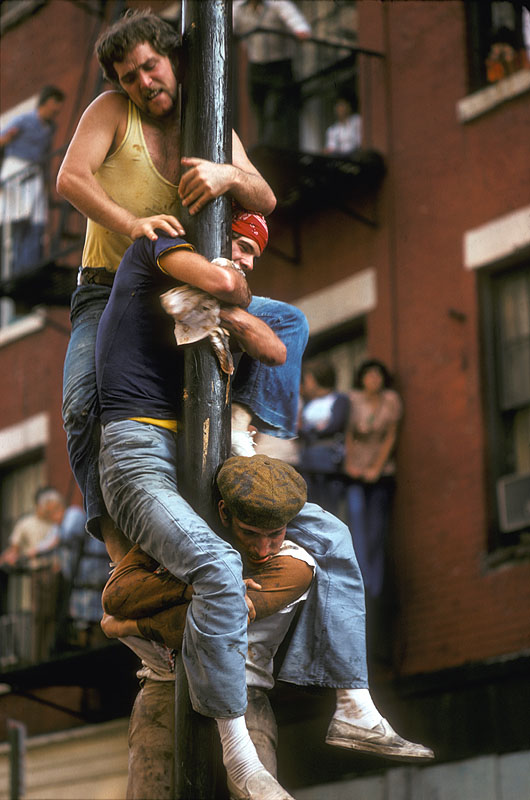
From there, attendance ballooned. During the 1960s, chartered buses ushered in Italians from states as far away as Maine and Ohio. By the 1970s, the feast had some 3 million visitors a year. Many locals today still recall how, in the 1960s and 1970s, young men climbed greased-up steel poles set out in the street in hopes of claiming a cash prize. The oily affair was squashed over safety concerns in the 1980s.
Over the years, the feast has faced its own challenges from within the Italian community. In 2007, some inhabitants of Little Italy petitioned Mayor Michael Bloomberg to cancel the festival, citing the strain that tourists placed on the local neighborhood. Other complaints centered on organized gangs conducting gambling events and even stealing from the church. Nevertheless, Bloomberg declined to interfere. The event, he said, was a part of New York itself.
No one understands this more than the organizers of this year’s feast. When discussing the plans for 2026, the committee declared that this event was not just an Italian festival, but a tribute to New York’s cultural melting pot.
The 100th festival is dedicated to the Italian Americans who contributed to the city’s birth.
The controversy underscores the question fueling the centenary: How should the immigrants who built the city of New York be honored, even as the descendants of many of those immigrants have left their old neighborhoods for different parts of the country?
Perhaps the answer is this year’s grand marshal, San Gennaro himself, who continues to serve as a bridge between the children of the Italian diaspora and their forefathers, just as he did in 1926.
| | Precious Blood Church, National Shrine of San Gennaro | | | |  | Fr. Fabian, last Franciscan pastor | | | |
October Birthdays
Take time to wish our brothers a Happy Birthday!
Kevin Ottoniel Hernandez- October 1st- 36
Mario Julian - October 2nd – 72
Nery Aguirre - October 6th - 82
Joseph Powell - October 10th - 39
Rohwin Pais - October 13th - 65
Bishop Angelo Falzon - October 15th - 69
Roger Hall - October 16th - 72
Paschal DeMattia - October 19th - 91
Angelo Monti - October 21st - 84
Michael Dominic Ledoux- October 23rd- 69
| | |
For our friars in skilled nursing facilities
Friar Lawrence Stumpo, OFM
Friar Phillip Adamo, OFM
Friar Louis Troiano, OFM
Friar Claude Scrima, OFM
Friar Charles Gingerich, OFM
Friar Brennan Egan, OFM
Friar Paschal DeMattia, OFM
Friar Alfonse Ferreira, OFM
For the friars who have recently died
Friar Dominic Monti, OFM
Friar Edward Sarrazin, OFM
Friar Joseph Ricchini, OFM
For our infirm family and friends:
David Luongo (Son of former friar Rick Luongo)
For our recently deceased family and friends:
Sr. Annette Seiter, OSF (Former Teacher at St. Anthony NYC)
James Gaffrey (Uncle of Fr. Christopher Gaffrey, OFM)
Susan Martini (Cousin of Glenn Barbieri- Curia Staff)
Br. Richard Therrien, OFM Cap.
Dennis Baum (Former Friar)
Stephen Morganelli (Cousin of Fr. Robert Campagna, OFM)
Please pray for all friars, families, friends, and benefactors,
living and deceased.
PLEASE PRAY FOR PEACE,
| | |
BROTHERS:
Please print out a copy of this newsletter to share with those in your community who do not have email. We hope that every friar in our province will have access to the Newsletter and that a printed copy will be posted on your friary bulletin board.
Thank you
| |
Province of the Immaculate Conception, New York NY
125 Thompson Street New York NY 10012
212-674-4388
NEWSLETTER CONTACT
Please send any articles, news items, or photos to
Friar Joseph F Lorenzo, O.F.M.
Provincial Secretary/Communications Director
125 Thompson Street New York NY 10012
Cell: 917.337.9833
Office: 212.674.4388 Xt. 113
jlorenzo@icprovince.org
VISIT OUR WEBSITE AND FACEBOOK PAGES FOR MORE NEWS AND INFORMATION
https://www.facebook.com/ICprovince.org www.ICProvince.org
| | | | |