|
| |
School Hours
Monday through Thursday
9:30 a.m. to 5:00 p.m.
Friday 9:30 a.m. to 2:00 p.m.
| | |
|
Upcoming Events
May
5/15 Field Day
5/21 Last day of school!- End of Year Activity (Boondocks)
5/22 Graduation Day
5/25 Memorial Day (No school)
5/26 Report Card Day (no students)
5/27 Kenny's Birthday
5/27 Summer Session Begins
June
6/7 John's Birthday
6/19 Juneteenth (No school)
6/21 Father's Day
July
6/29-7/3 Summer Break
(NO STUDENTS OR STAFF)
| | |
Decluttering?
Accelerated Schools is always looking for gently used items we can use, such as sports equipment, art supplies, books, bikes, ski/snowboard gear, or even fresh ingredients for our cooking class! Please keep us in mind if you are downsizing or clearing out your space.
We also rely on donations for our silent auctions during annual fundraising events such as our event in December!
Email us at info@acceleratedschools.org for more information. We provide receipts for tax purposes for donations.
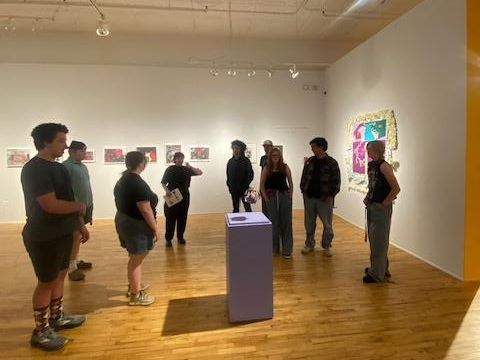
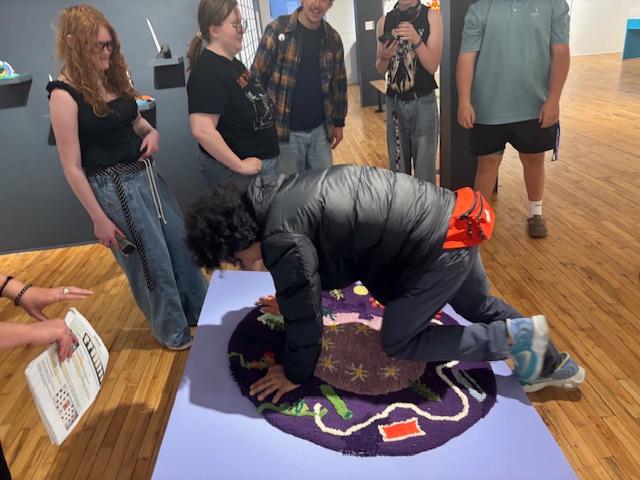
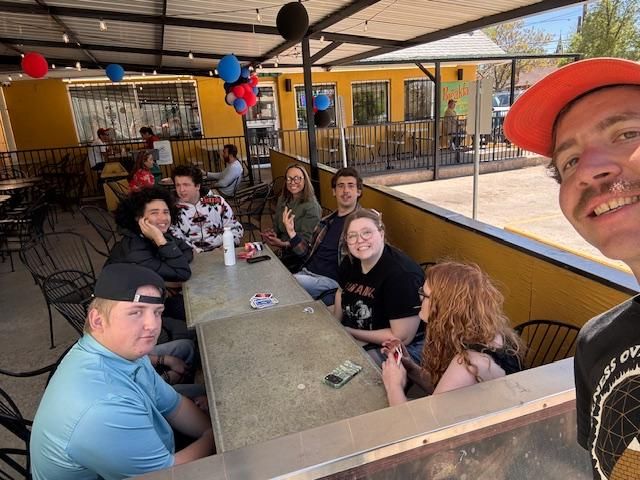
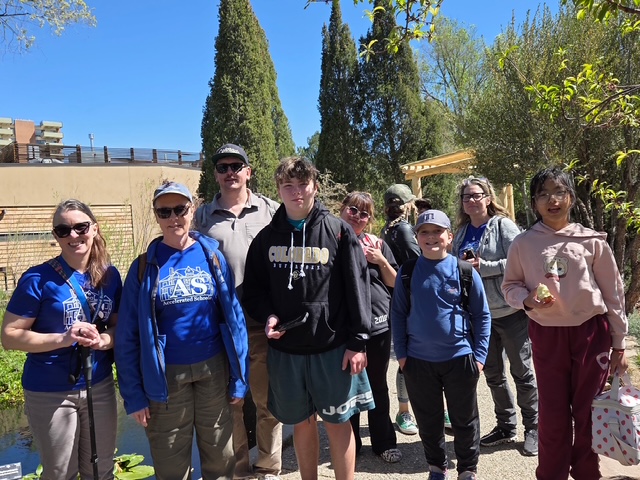
| | 4/15 El Museo de Las Americas & El Taco de Mexico | |
Twenty Minute Tuesdays
Josh Warren, Mathematics Instructor
Summer is almost here, and with it comes a well-earned break. It is also a time when math skills can fade without regular practice.
The good news is that a very small amount of time can make a big difference.
Spending just twenty minutes on math each Tuesday and Thursday can help your child maintain the skills they worked so hard to build this year. Short, consistent practice is far more effective than long sessions once in a while.
This time can include reviewing old skills, practicing facts, playing math games, or solving a few problems together. Keeping it low stress and routine helps students stay confident and ready for the next school year.
A little goes a long way. Twenty minutes twice a week can make all the difference.
| |
Celebrating Our International Students
Kate Oh, Instructor and Enrollment Counselor
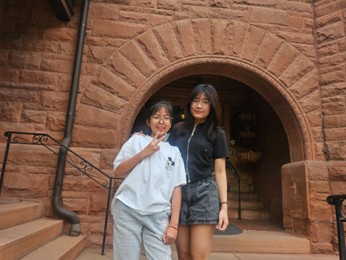
Accelerated Schools has a fantastic program for international students. Our program is designed to support students both academically and personally through individualized instruction, strong English language support, college counseling, and opportunities for cultural exploration through trips and community experiences. We strive to create a close-knit environment where every student feels supported, connected, and prepared for life beyond school.
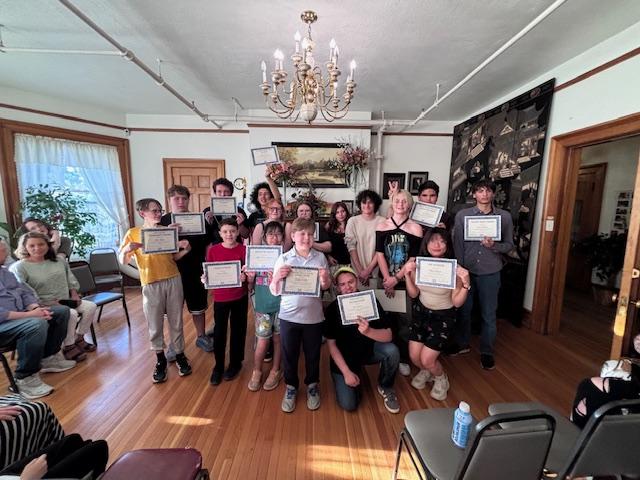
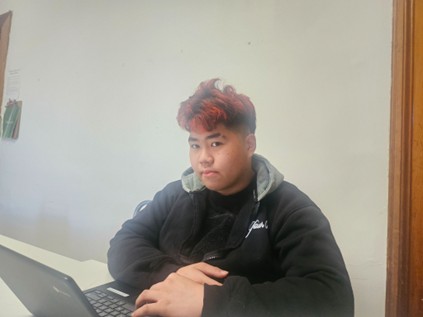
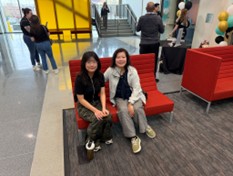
We are proud to have four international students in our community this year, and three of them. Ni, Pink, and Thanh will be graduating and preparing to take their next steps into college life. Their journey at Accelerated Schools has been about so much more than academics. Over the past years, they have grown not only in their studies, but also culturally and socially. Coming to a new country without their families is never easy, yet they have shown remarkable resilience, courage, and determination.
Each of them has worked hard to find their place within a new culture, build meaningful friendships, and adapt to a different educational system. Through these experiences, they have developed a strong sense of independence. They understand what needs to be done, take initiative, and demonstrate responsibility in both their academic work and daily lives. These qualities will serve them well as they pursue their dreams beyond high school. We are especially excited to share that Thanh will be continuing his journey right here in Colorado as he begins college this fall.
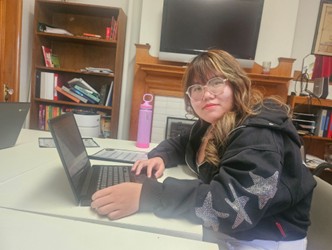
We would also like to recognize Hang, one of our middle school students, who has been a wonderful addition to Accelerated Schools. Over time, her English has improved tremendously, and she has grown into a confident student who is not afraid to speak in front of others. Hang asks thoughtful questions and demonstrates a strong eagerness to learn. She is also developing a strong sense of responsibility and independence, showing great awareness of what she needs to do to succeed. Hang will continue her journey with us through graduation, and we look forward to watching her grow throughout her time at Accelerated Schools.
Ni, Pink, Thanh, and Hang truly embody the spirit of perseverance, growth, and responsibility. We are incredibly proud of all they have accomplished and look forward to seeing the amazing paths they will create in the future.
| |
Fire Prevention
Debby Sharp, Middle School Instructor
Yay for May! Both Middle School classes have finished our books and watched the movies. Of course, there was a healthy discussion on which was a more accurate portrayal of the author’s purpose. 4th period English enjoyed watching The Boy in the Striped Pajamas but thought the book was a better portrayal of the story plot. However, the movie did clear up some uncertainties from the book. First Period English loved reading Hatchet. The author’s sense of humor was evident in his writings and made some intense moments from the book laughable. We weren’t impressed with the movie because it was so different from the book.
Moving on, It is obvious to everyone who lives in Colorado that we are heading into a serious drought for this summer. We have had an incredibly warm and dry winter so that means water shortages and fire danger. As Middle School has finished both their books, we will start a writing project. I feel it is super important for everyone to be educated on how to prevent fires in our dire, dry situation. Therefore, Middle Schoolers will be writing a procedural essay on how to prevent fires in the situation we are in. We will research what causes droughts and consequently, the effects of droughts and how to prevent the negative effects.
| |
Jean Piaget’s Stages of Psychosocial Development
Raechel Kimsey, Instructor
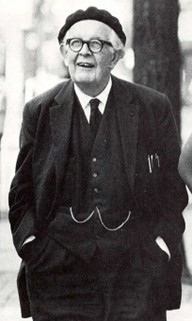
Over the past couple of months, Psychology students have been learning about Human Development. One of the theorists we learned about was Jean Piaget. For those who are unfamiliar or would like a refresher, Piaget was a pioneer of childhood psychology. His work has deeply impacted the understanding of how children learn. Piaget began theorizing about human development when he was a proctor for a school in Paris, France. He noticed that children of the same ages tended to make the same mistakes on tests. While these tests were meant to measure intellectual ability, he wondered whether these results were demonstrating something else. He wondered if the wrong questions were being asked about cognitive development in childhood. Maybe, just as children learn to walk and speak in a stepwise manner, so too do cognitive abilities develop within the mind.
To test this theory, Piaget observed his own young children. He noted their actions and reactions at different ages while during different stages of their growth. Through this process he identified four basic stages of cognitive development.
Sensorimotor~ Birth - 2 years
During this stage, children are learning about movement and senses
Preoperational ~ 2-7 years
Learning to appreciate other people’s point of view as well as think symbolically (ex: a drawing of an apple is a symbol of the literal fruit rather than an actual fruit).
Operational ~ 7-11 years
Children think logically about concrete events, but still struggle with abstract thought and concepts.
Formal Operational ~11 and up
Children acquire the ability to think about complex subjects, read between the lines, use logic and critical thinking.
There is not enough space in this short newsletter article to go into depth about Piaget’s theory, but if you are interested, you may be able to ask our Psychology students for more information!
| |
Congratulations Students! You’ve Come SO far
Julia Potocnjak-Overn , Science Instructor
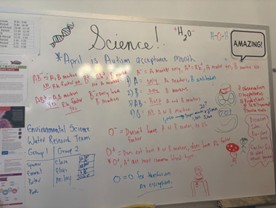
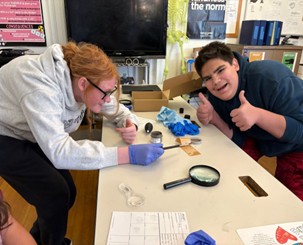
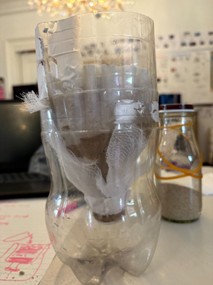
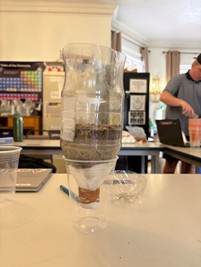
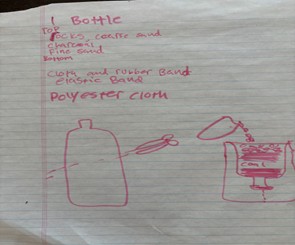
Students are finishing the year strong with learning about blood components and blood types in Biology and MS Science, lifting fingerprints in Forensic Science (kudos to Elias for showing Zia, Lars and Nora how to effectively collect and lift a fingerprint!). Several students have completed their masteries (special shout-out to Emmet who gave an awesome presentation on the power unit net zero conversions underway in Formula 1 racing while providing some really cool F1 racing history). And finally, kudos to students in Environmental Science who have been participating in field testing of pilot curriculum in partnership with the Smithsonian Science Education Center. Students have been working in research teams to analyze, develop and engineer solutions to water issues. The teams recently developed water filtration designs and tested their ideas by filtering pond water collected in Broomfield. Students also ran bacterial and pH tests on their samples in addition to samples collected from drinking water stations at the school. *The water is safe to drink at the school, and students filtered out the majority of potential contaminants in their pond water samples.
While summer time can offer students a much deserved break, it can also be challenging to find activities or programs that are budget friendly while also being fun and educational. Additionally, progress made during the school year in terms of behavior regulation, social interactions and academics can suffer if not nurtured in some way. I am sharing a list of options for families (the list is not exhaustive) that may be enjoyable experiences for students and their families. Enjoy the beautiful weather, don’t forget to wear your sunscreen, layers and a hat when spending a lot of time outdoors. Be safe this summer, adventure is out there!
NSF NCAR Mesa Laboratory Public Tour
https://www.eventbrite.com/e/nsf-ncar-mesa-laboratory-public-tour-tickets-409383556237?aff=ebdssbdestsearch
Tour NOAA Boulder
https://www.boulder.noaa.gov/outreach/tour-noaa-boulder/
Denver Museum of Nature and Science FREE Days
June 19, 2026, August 24th, 2026
https://www.dmns.org/programs-and-events/freedays/
STEM Camp Offerings in The Denver Area
https://denver.kidsoutandabout.com/content/stem-nature-and-history-camps-denver-area
South Park Rail Society
https://www.southparkrailsociety.org/
James F. Bailey Assay Office Museum (Open May through October, the 3rd Saturday of each month)
https://bouldercounty.gov/open-space/education/museums/assay-office/
CU Wizards 2025-2026 Schedule (May and June shows remaining)
https://www.colorado.edu/cuwizards/media/471
CSU Spur Second Saturdays (Free and open to the public from 10am-2pm)
https://csuspur.org/2nd-saturdays-at-csu-spur/
| |
College Visit to Community College of Denver (CCD)
Kyle Pepper, Instructor and Enrollment Counselor
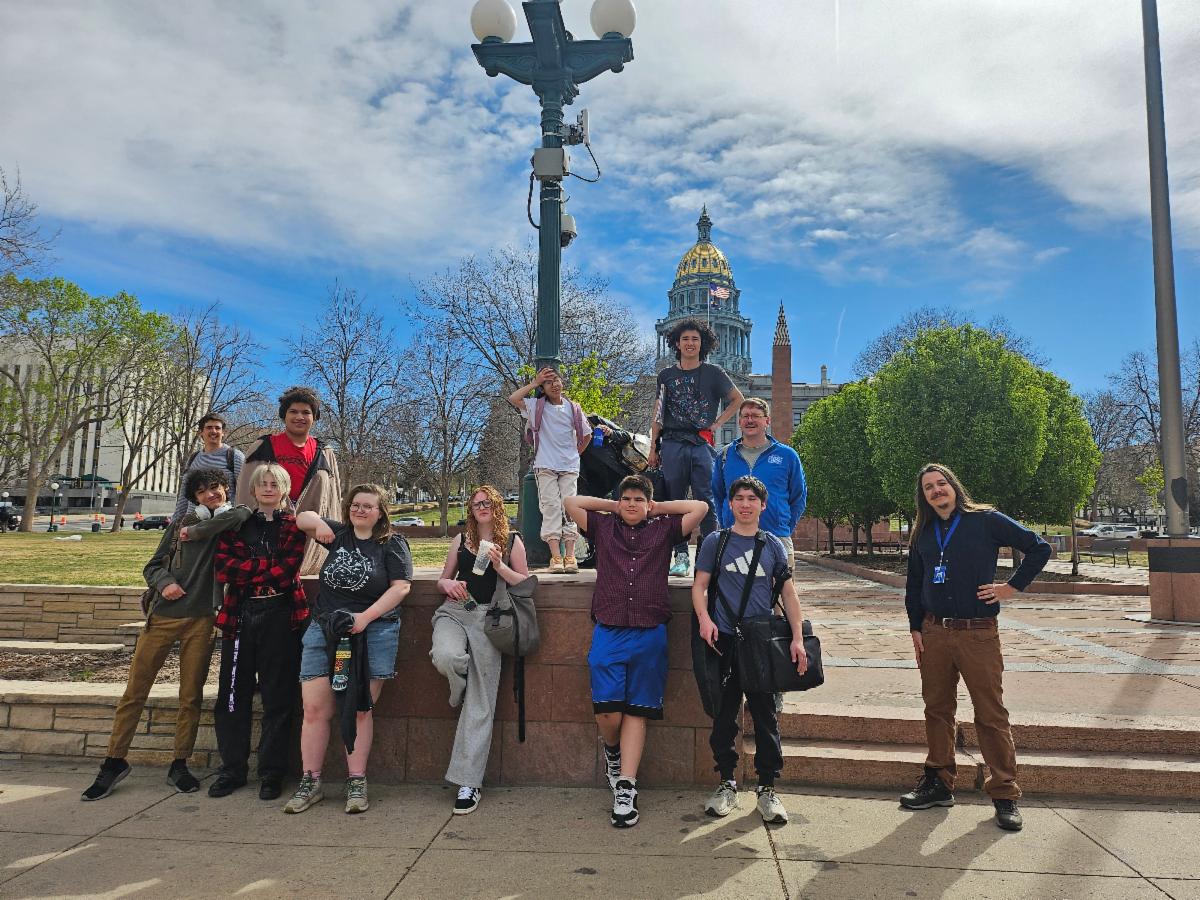
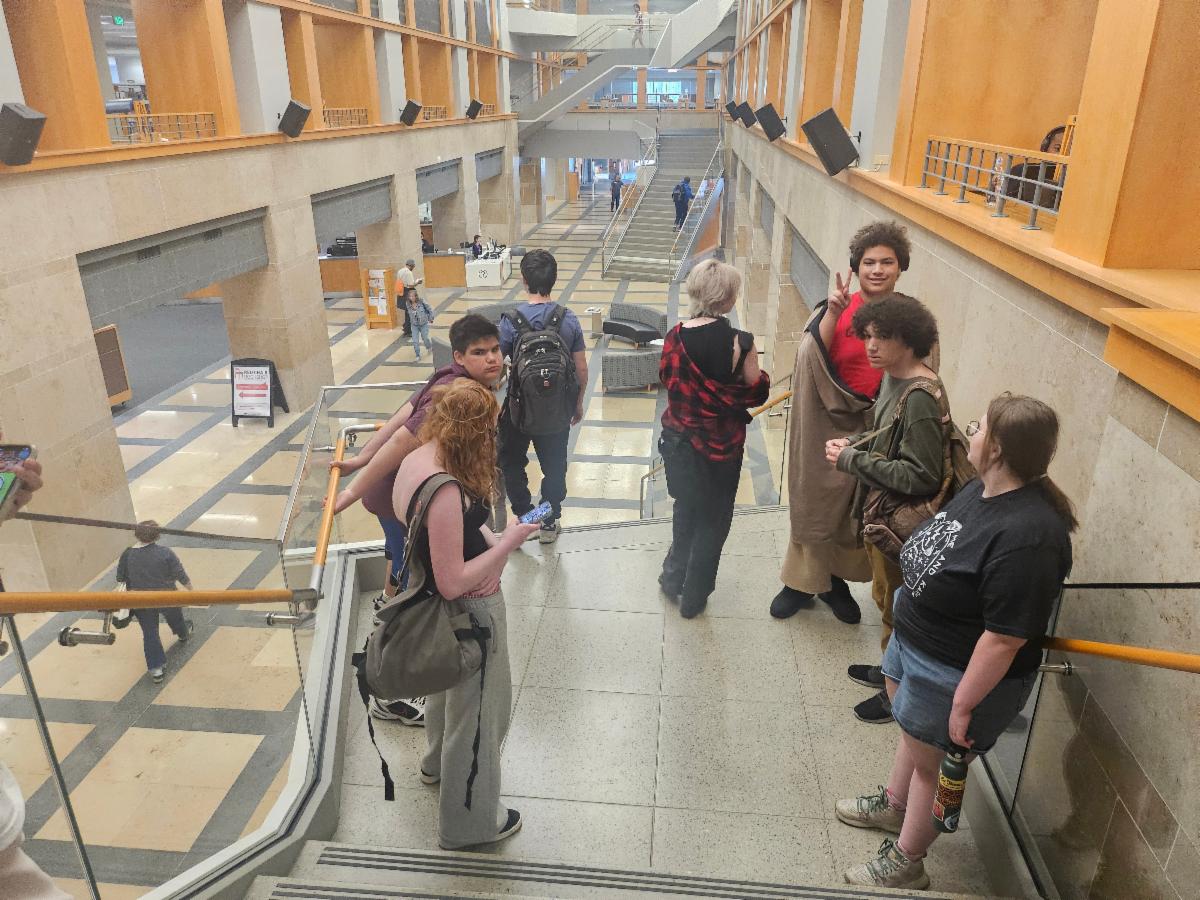
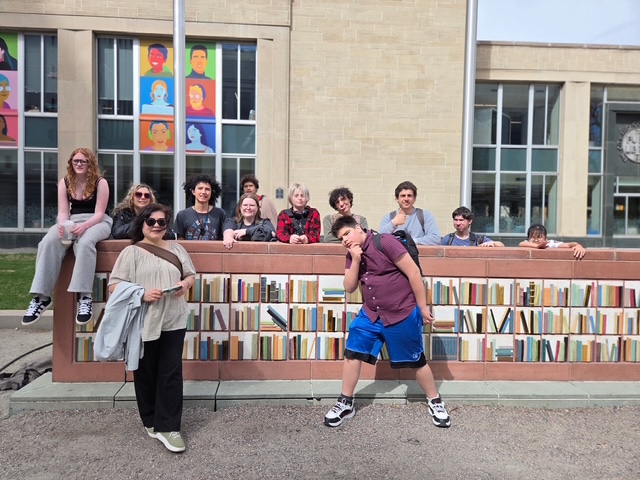
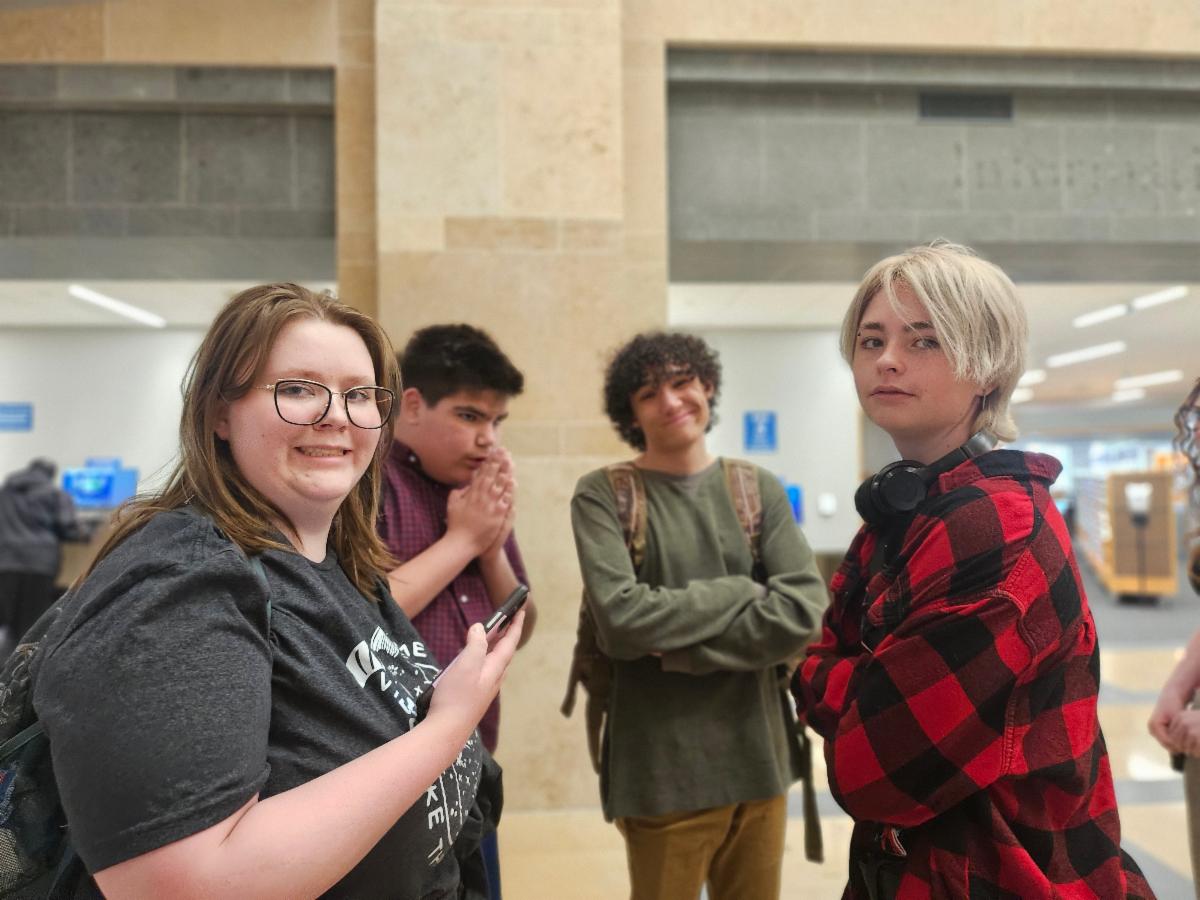
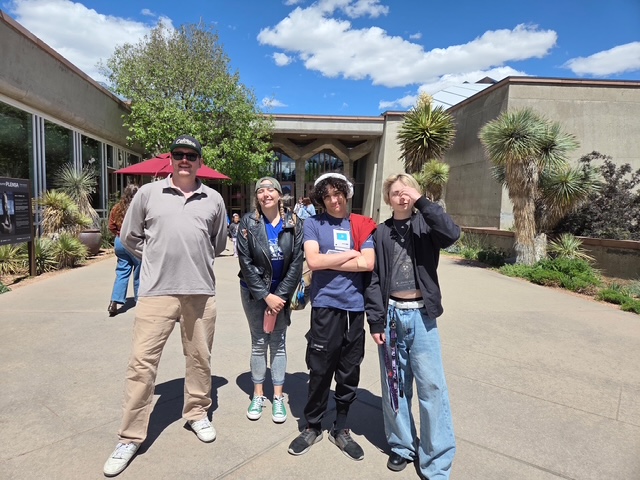
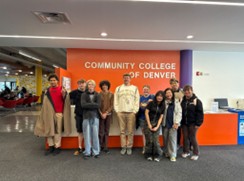
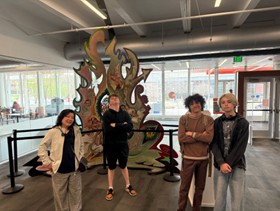
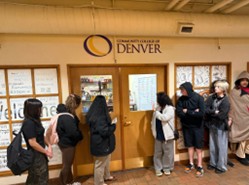
On Tuesday, March 31st, Accelerated Schools Sophomores, Juniors, and Seniors went on a college visit to explore the Community College of Denver (CCD), discovering an affordable, high-quality pathway in downtown Denver. Students toured the unique campus shared with Metropolitan State Univeristy (MSU) and Univeristy of Colorado Denverexplored CTE programs like welding, and learned about debt-free graduation options. T he visit highlighted flexible, hands-on learning opportunities tailored for career success.
I have included some photos of the college trip to Community College of Denver below:
| |
Museo de Las Américas Printmaking and El Taco de México
Zach Saipe, Instructor
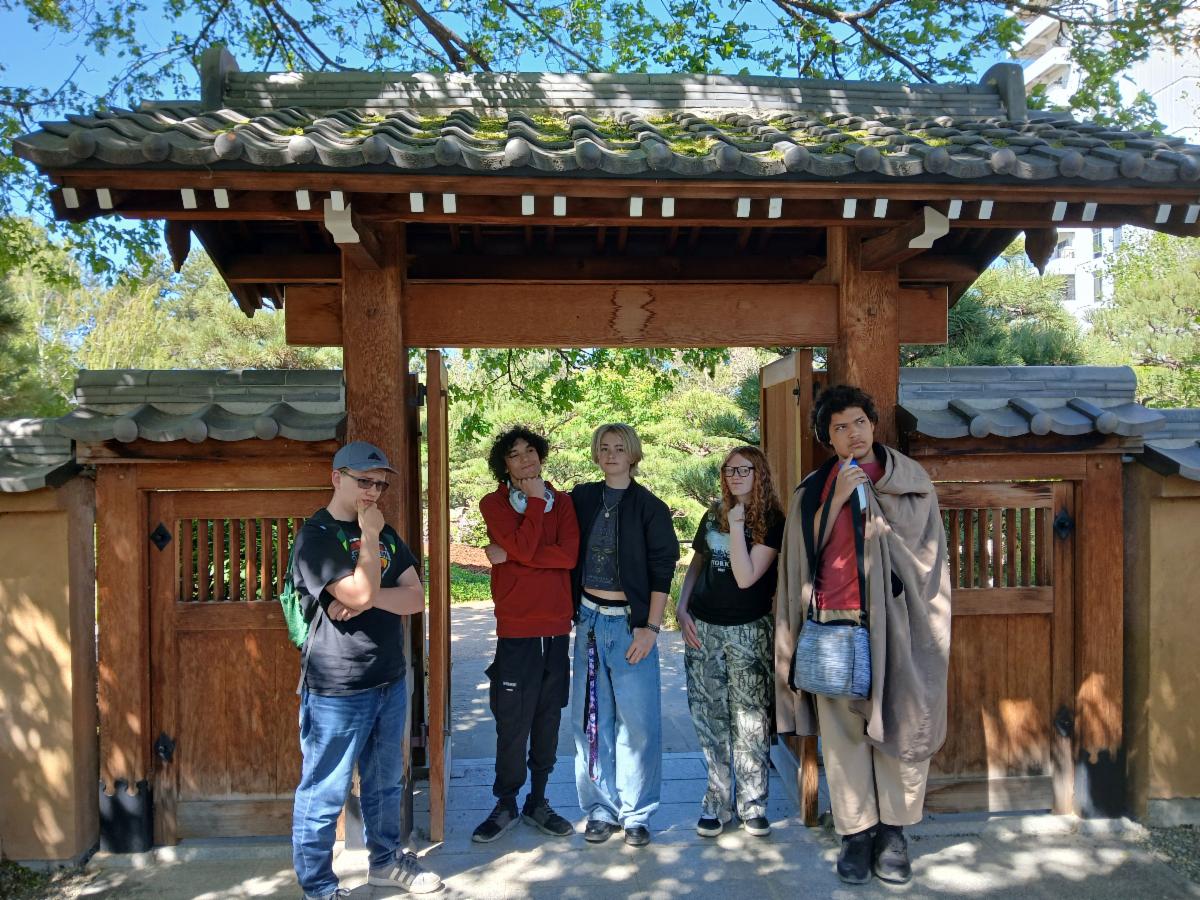
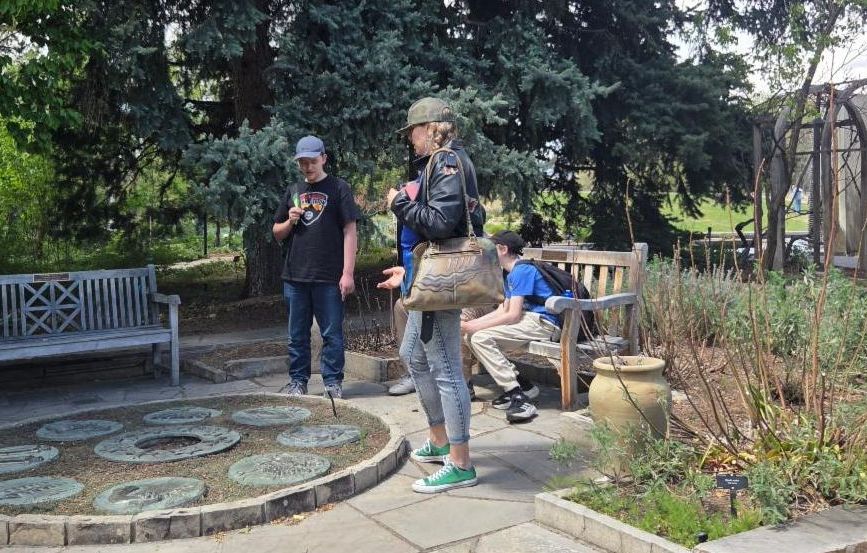
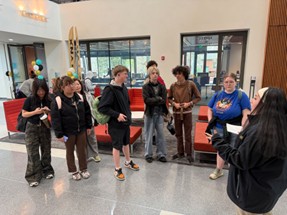
The Spanish class and I took a field trip to Museo de Las Americas this week to take a Jose Posada printmaking workshop. Jose Posada is a famous Mexican artist from the late 1800s who revolutionized print making as a form of artistic expression and political critique. The process and popularity of printmaking has grown in Mexico and throughout Latin America, and it’s not uncommon to see satirical prints pasted of this type around many major cities in South and Central America.
The workshop we took taught a little about the history of printmaking through the lens of Latin America, as well as taught us how to make our own prints. We were encouraged to think of something important to us, something we’re passionate about or something we’d like to make a statement about, etch it into pieces of foam, and use that foam to make prints on pieces of construction paper. Many of the students chose environmental and social topics that concerned them, keeping in the spirit of using printmaking to make a statement.
As we’ve been using our Spanish class to learn about social issues in Latin America and The United States, there are a lot of connections the students are making between the curriculum and how it connects to the larger world outside of the classroom. To finish the year, we will be taking what we’ve learned and figuring out how to make visual and written statements to express a critique of a situation. The printmaking that we learned about El Museo served a tangible example of what students could do to make such a statement.
|
Redefining Strength in a Mental Health Crisis
Jessica Machetta, Instructor
At Accelerated Schools, we are constantly working to expand our students’ Social and Emotional Learning (SEL) toolkits. We aren't just teaching them how to analyze literature or understand government; we are teaching them how to navigate the complex internal landscape of being human in 2026.
Recently, our students have been diving into the fascinating science of biochemistry—specifically, the chemistry of tears.
The Science of the "Release"
In our Life Skills discussions, we’ve explored a surprising truth: emotional tears are a biological "detox." They carry stress hormones like ACTH out of the body and release enkephalin, a natural painkiller chemically similar to morphine.
For decades, our society—and particularly our young men—have been governed by "old rules" of masculinity that suggest crying is a sign of weakness. However, the biology tells a different story. Suppressing these tears keeps toxic stress chemicals trapped inside the body. Telling a boy to "be a man" and to not cry is effectively telling them to reject their body’s natural healing process.
Mental Health and the National Crisis
We cannot ignore the context of the world our students are entering. Our country is currently facing a significant mental health crisis, and the statistics tell us that the "old rules" aren't working.
When emotions are bottled up because they don't fit a traditional mold of "masculinity," that internal pressure often transforms into outward aggression. Historically, the vast majority of domestic violence and violent crimes are committed by men who were never taught how to process pain, empathy, or vulnerability. By teaching our students that emotional expression is a biological necessity rather than a character flaw, we are actively working to break that cycle.
Strength Re-Imagined
In our homeroom, we are redefining what a "Real Man" or a "Strong Citizen" looks like. Instead of pushing the narrative that “Strength is silence and stoicism,” we are teaching them that “Strength is facing your emotions and processing them healthily.”
Rose-Lynn Fisher, creator of the "Topography of Tears”, gives us visuals to actually see the microscopic and chemical makeup of different types of tears. Sometimes seeing the science behind an emotion makes it easier to embrace and understand what’s going on with our bodies. I encourage you to talk with your families and friends about these "chemical landscapes." Let them know that their body is built to heal itself, and that true strength lies in the courage to be authentic. We are proud to support a generation that is choosing health over "stoicism" and connection over conflict. Whether they are tears of pain, loss, joy or cutting onions, let those suckers flow! They are doing what they are made to do, which is to heal our bodies and minds.
| | Helpful Forms and Links for Accelerated Families | | | |  | |
For more than 40 years, concerned parents have turned to Accelerated Schools for individualized learning programs helping students overcome challenges, and excel academically. The fact is, a traditional school system is not designed to meet the needs of every child. When a student is not being successful, or is not thriving in a traditional environment, parents must often look elsewhere for a solution. This is were Accelerated Schools comes in.
Accelerated Schools begins by creating a learning program designed specifically for a student. Our work points are toward changing the ratio of failure to success and by cultivating an environment of accountability. Our students are given attainable goals and are rewarded by celebrating their accomplishments. Once a student starts experiencing success, their attitude, motivation and effort improve dramatically. This ends the negative cycle and leads to positive academic progress and positive self-esteem.
| | If you have comments and/or suggestions about our newsletter, email Kayla Presnal | | | | |