October 2026
NBGA Newsletter Vol. 5, #10
| | |
Greetings, and welcome to NBGA's October 2026 newsletter!
Fall is a great time of year for beans. Not only are dry beans harvested around the beginning of autumn, but so many comforting, warming bean dishes fit perfectly with the cooler weather.
Northarvest Bean Growers Association has had a productive month since our September e-newsletter, as you will see below. First of all, we want to thank all of our growers for working so hard to produce this year's crop of dry edible beans. In addition to all the harvest time activity, several of our Directors have participated in video interviews and roundtables to advocate for the dry bean industry. NBGA sponsored and had a table at the recent Teaching Kitchen Research Conference, the NBGA annual scholarship application is live, new Dry Bean Scene episodes have been released, and much more. You can read all about it in this newsletter, along with many timely and important announcements, in the Announcements section of this newsletter.
If you can, please consider sharing this newsletter with someone else to help us spread the word. Anyone can subscribe to our monthly e-newsletter here.
Happy reading, and we wish everyone a nice fall!
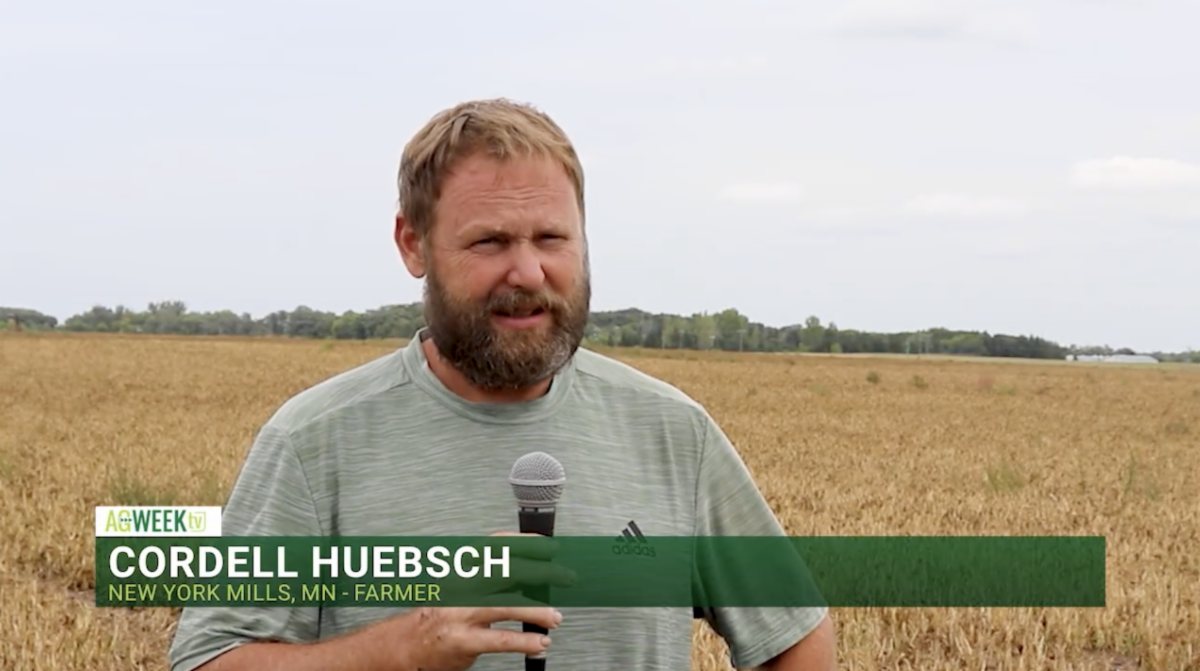
| | NBGA Vice President Cordell Huebsch shares about this year's dry bean season | | |
October 2026 Newsletter Table of Contents:
- USDA Weekly Dry Bean Market Review
- Northarvest in the News and on the Move
- The Dry Bean Scene
- Bean Institute: Comfort Food Starring Beans
-
Bean Nutrition Corner: Teaching Kitchen Research Conference Takeaways
- Announcements
| | |
Below, you can find links to the most recent USDA Weekly Dry Bean Market Reviews. Click on the date to see the report.
-
The next USDA Weekly Dry Bean Market report will be released soon. You will be able to find that report here.
-
October 5, 2026: Compared to last week: Trade remained light. According to the NASS Progress report September 27, 2026, Minnesota has 51%, North Dakota has 51%, Colorado has 30%, Michigan has 40%, and Nebraska has 33% dry edible beans harvested.
-
September 28, 2026: "Compared to last week: Trade remained light. According to the NASS Progress report September 20, 2026, North Dakota has 92% lentils harvested and Minnesota has 43%, Montana has 95%, North Dakota has 36%, Colorado has 21%, Michigan has 19%, and Nebraska has 23% dry edible beans harvested."
-
September 21, 2026: "Compared to last week: Trade remained light. According to the NASS Progress report September 13, 2026, North Dakota has 84% lentils harvested and Minnesota has 22%, Montana has 90%, North Dakota has 17%, Colorado has 5%, Michigan has 2%, and Nebraska has 8% dry edible beans harvested."
-
September 14, 2026: "Compared to last week: Trade remained light. According to the NASS Progress report September 6, 2026, North Dakota has 83% lentils harvested and North Dakota has 97% dry edible peas harvested and Minnesota has 9%, Montana has 68%, North Dakota has 5%, and Nebraska has 1% dry edible beans harvested."
|
| Northarvest at the Northern Crops Institute Pulse & Dry Bean Opportunities Course | |
The recent Production Opportunities with Pulse & Dry Bean Ingredients Course developed by the Northern Crops Institute (NCI) has been receiving positive attention. Many attendees posted about the course on LinkedIn, and NCI shared a nice summary.
➡️ Read NCI's post about the course here.
➡️ Watch a video about the course here.
|
Northarvest Sponsors A Chef's Table - Day on Our Farm | The Northarvest Bean Growers Association sponsored A Chef's Table - Day on Our Farm, held on Doubting Thomas Farms. In the Facebook video below, you can watch an interview with Jennifer Hansen (NBGA Finance Director and Education & Sponsorship Committee Staff Lead) and Jon Hansen (NBGA Educational Outreach Associate). The interview starts around 30 seconds, and they share about the bean taste test they were leading at this event. |
|
Teaching Kitchen Research Conference
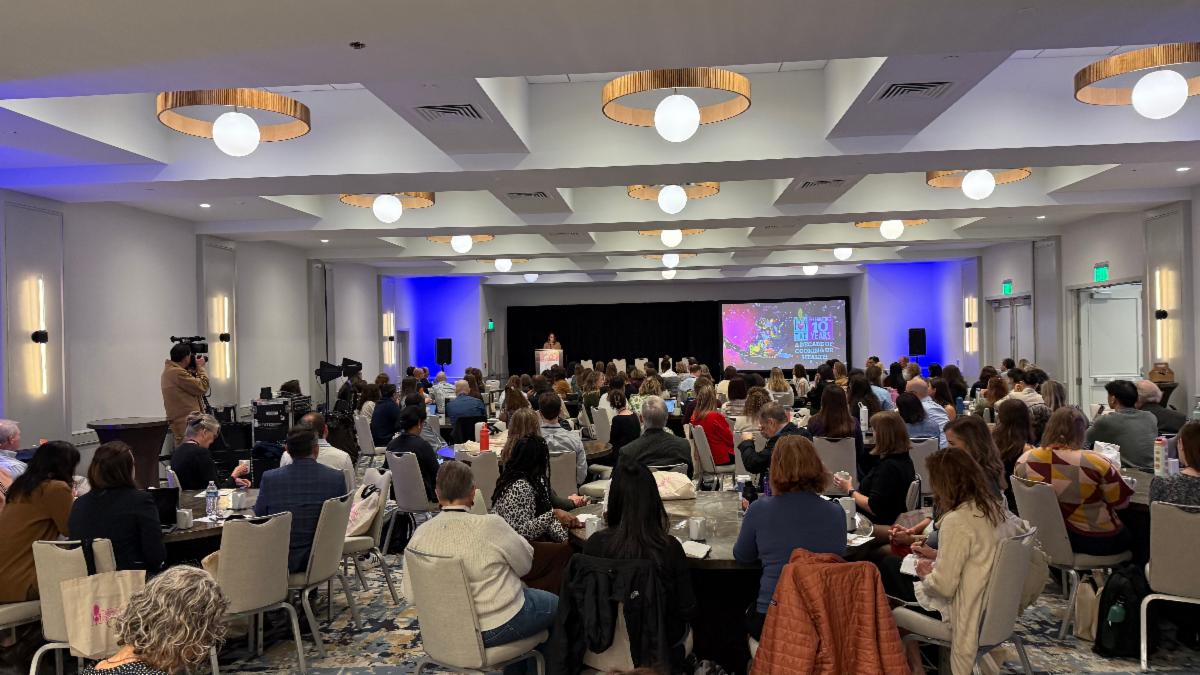
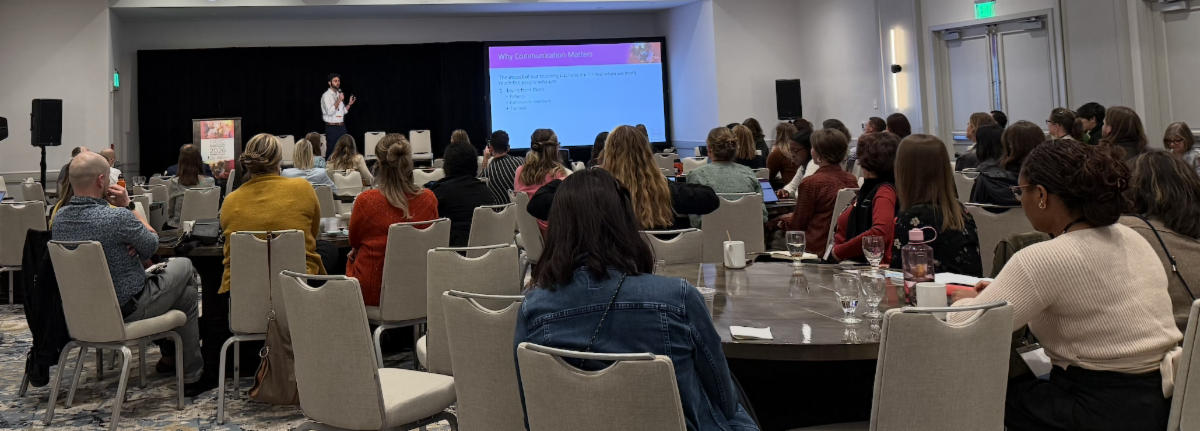
In September, the 2026 Teaching Kitchen Research Conference was held in Boston, Massachusetts. Researchers, Extension professionals, healthcare leaders, educators, chefs, and culinary innovators gathered to advance the science and practice of teaching kitchens. There were approximately 230 in-person and 130 virtual attendees, from 39 states and 11 countries.
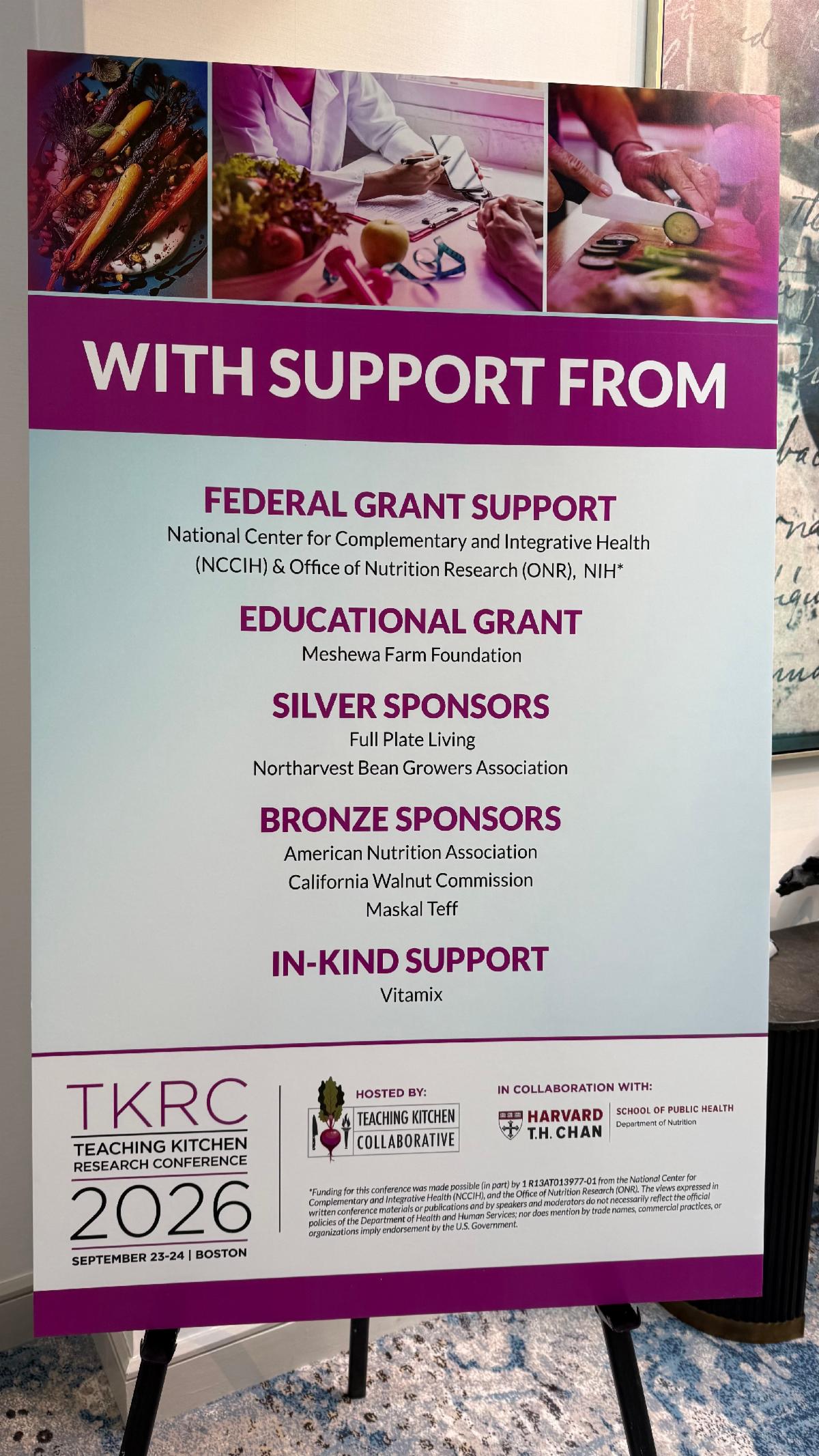
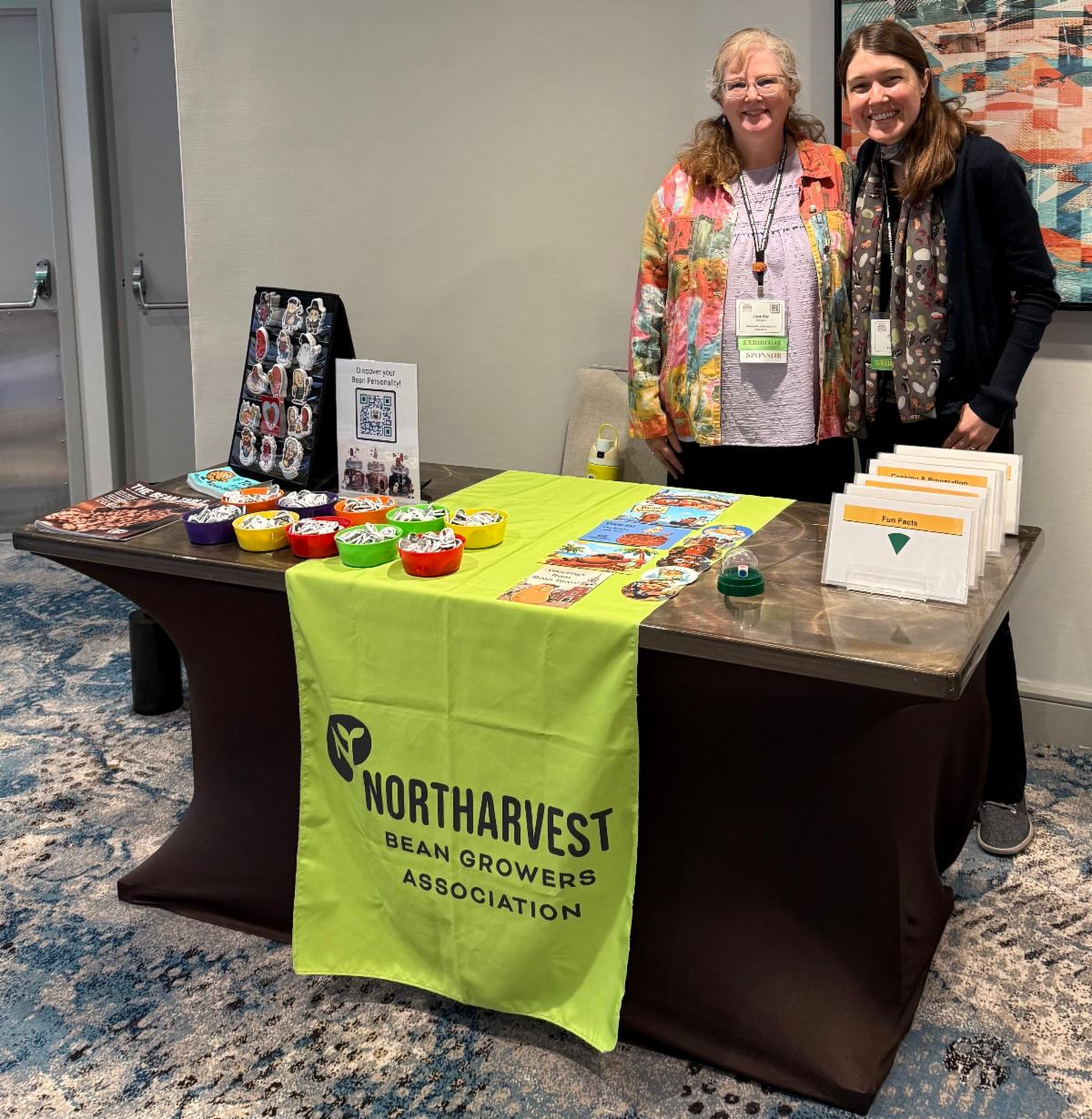
| NBGA was a Silver Sponsor of the 2026 Teaching Kitchen Research Conference | |
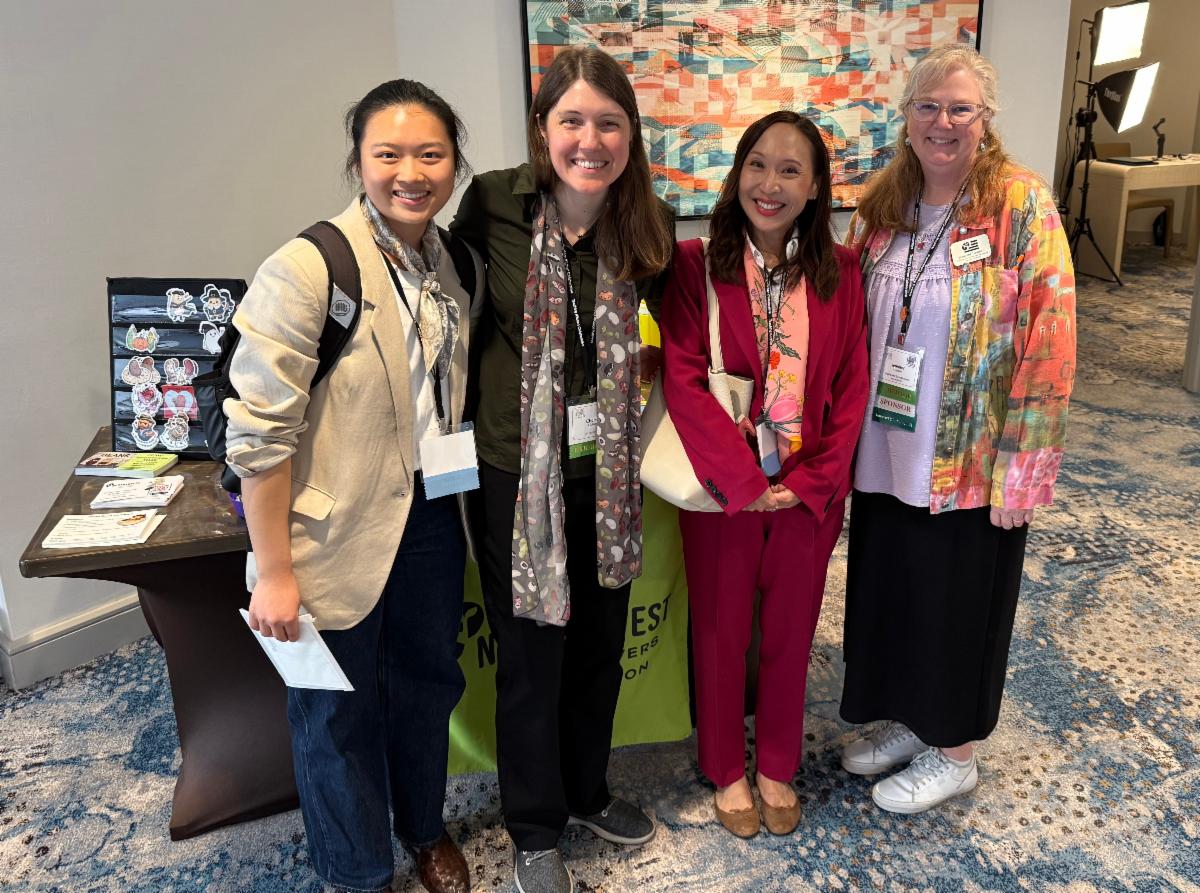
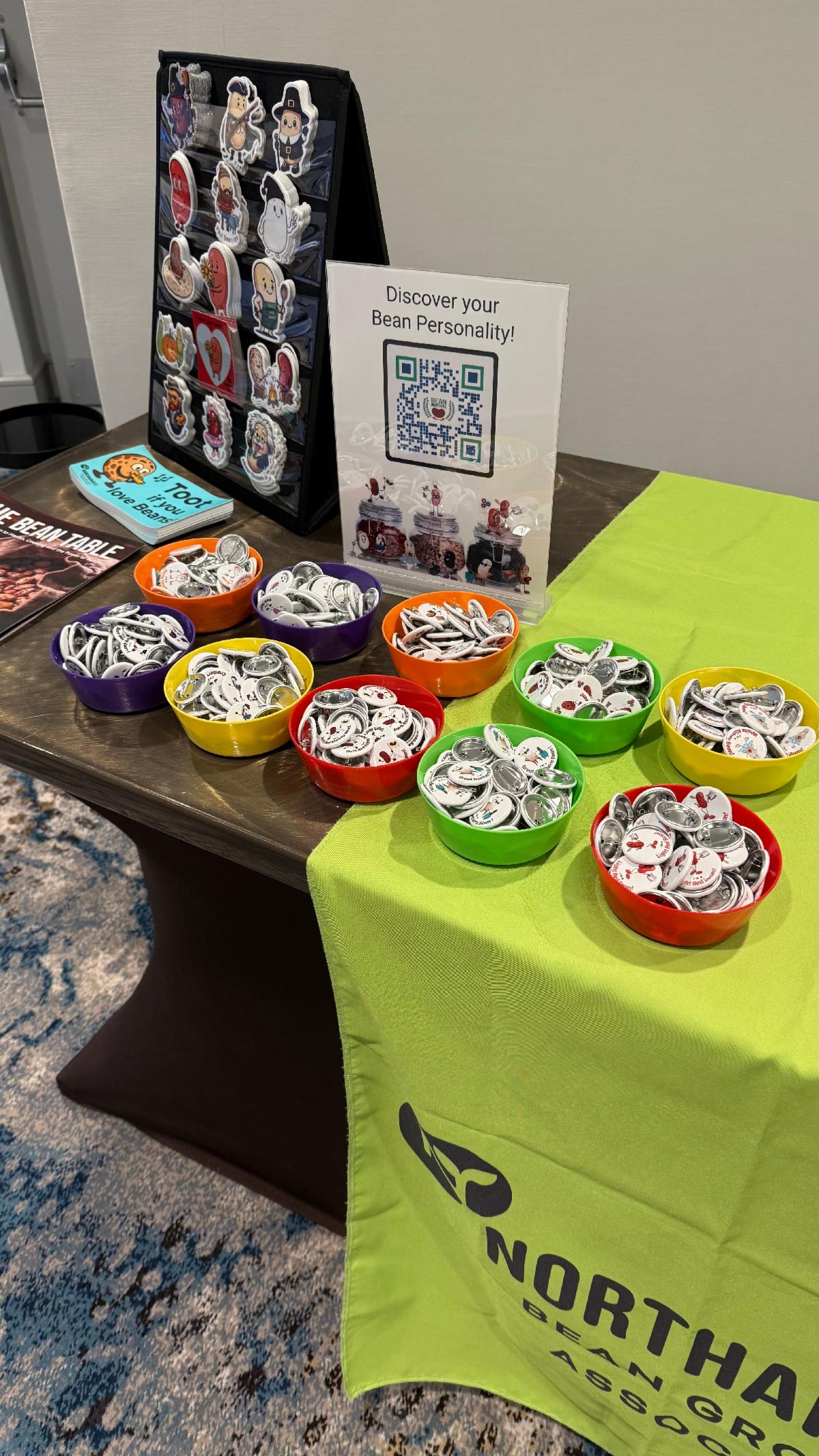
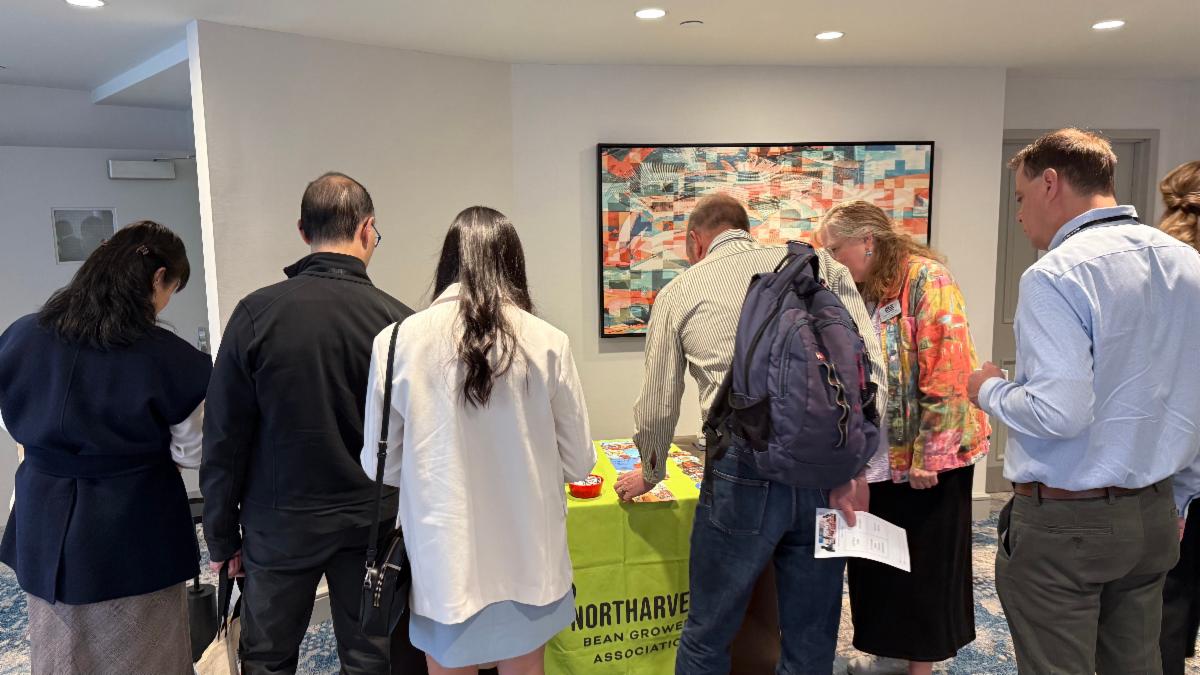
Northarvest sponsored the event and had an exhibitor table. Jennifer Hansen (NBGA Finance Director and Education & Sponsorship Committee Staff Lead) and Chelsea Didinger (A Legume a Day) represented Northarvest at the conference.
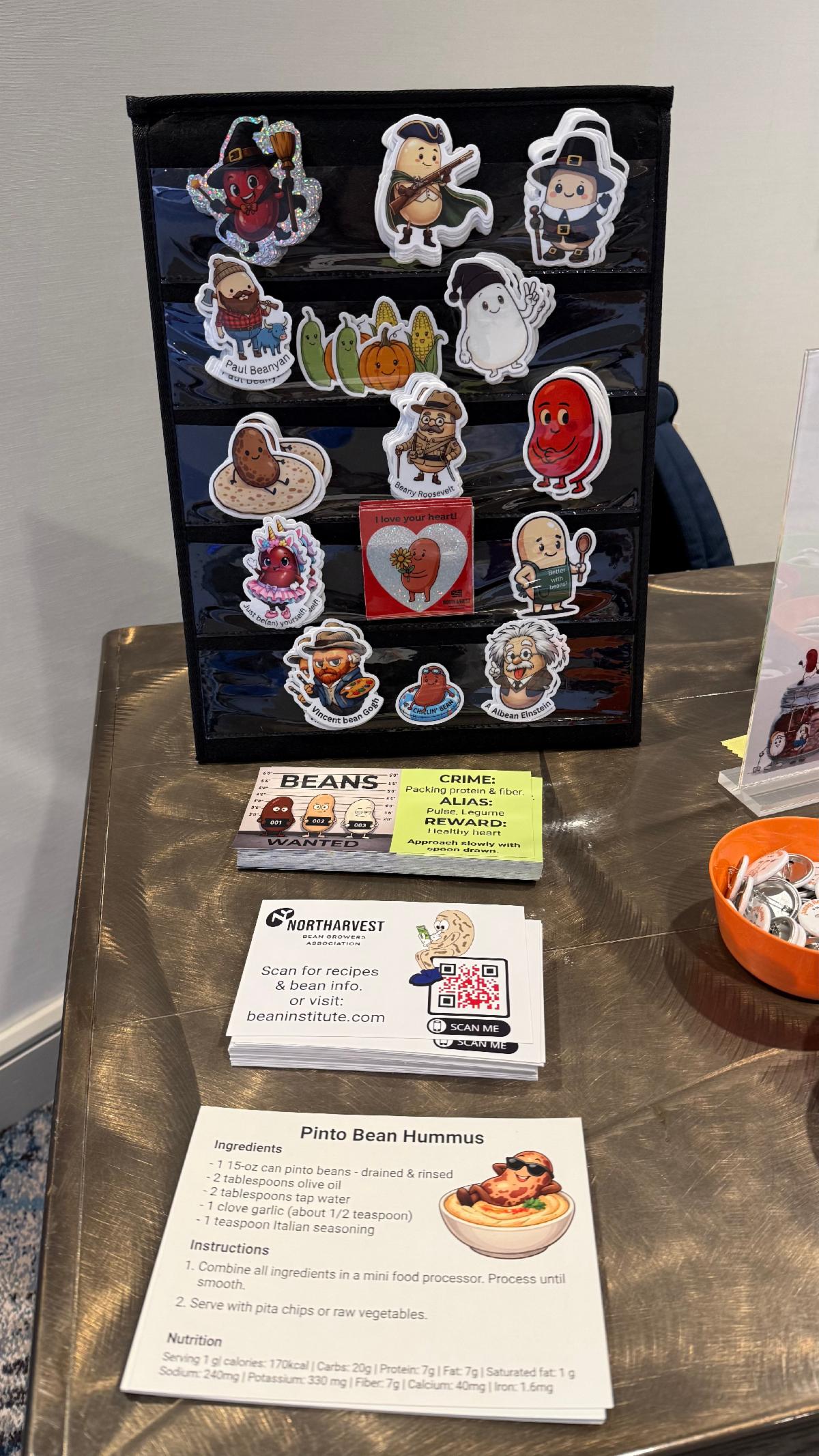
Hansen had prepared a bean trivia game, a matching game, pins of the different bean personalities (from the Bean Institute bean personality quiz), and information about Northarvest and the Bean Institute. She also had created stickers, coasters, and postcards. The fun bean swag from Northarvest was a huge hit with attendees!
| |
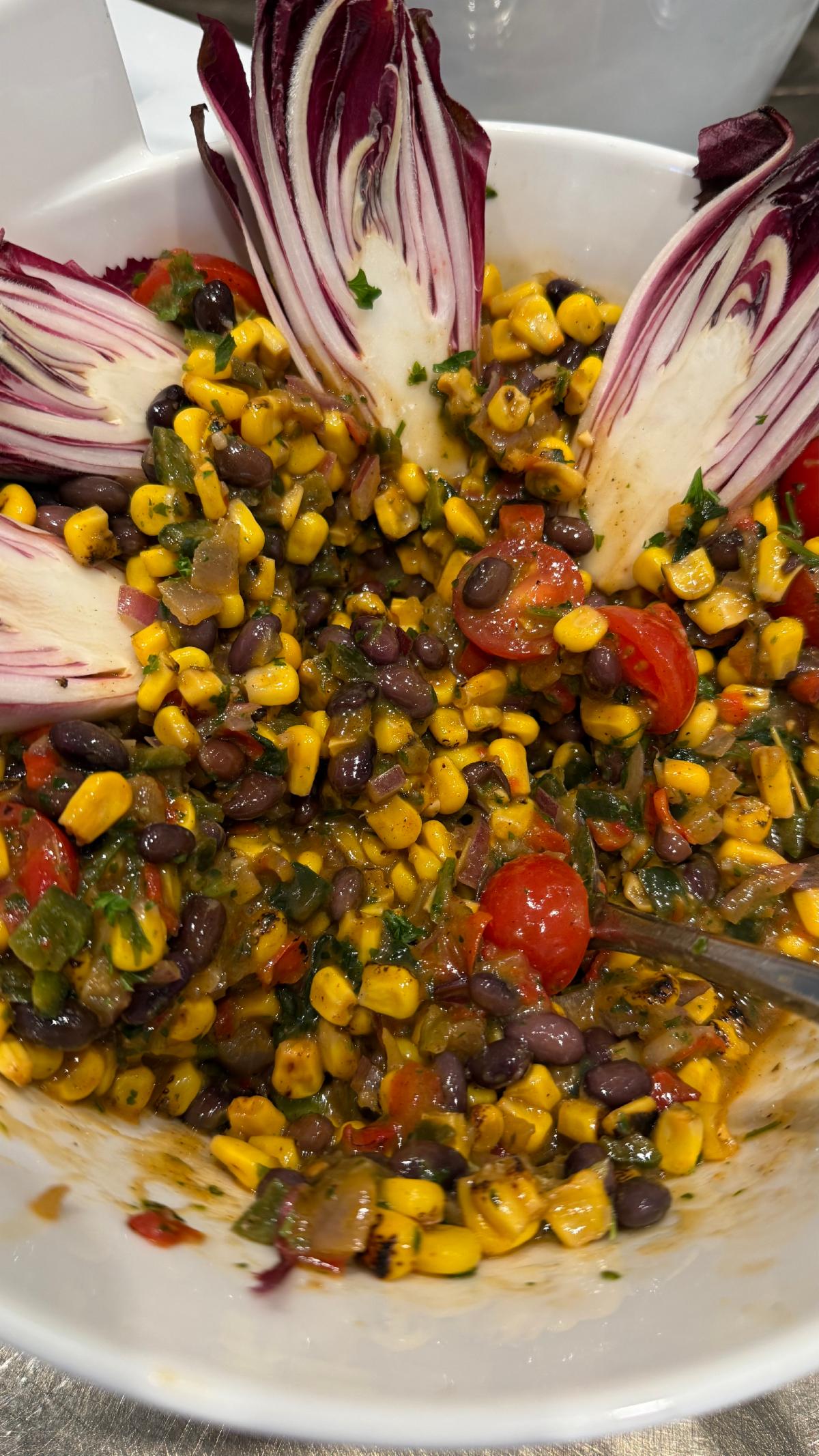
During the conference, the program showcased 81 scientific abstracts—37 oral presentations and 44 posters—alongside plenary and breakout sessions highlighting emerging research, innovative programs, implementation strategies, and opportunities to advance the teaching kitchen field. There were also lots of delicious beans served during lunch!
Hansen and Didinger engaged with attendees at the Northarvest booth and attended presentations and sessions to learn more about the teaching kitchen community and current research. You can find more information in this month's Nutrition Corner section of the newsletter.
|
|
Northarvest Participates in Roundtable Discussions
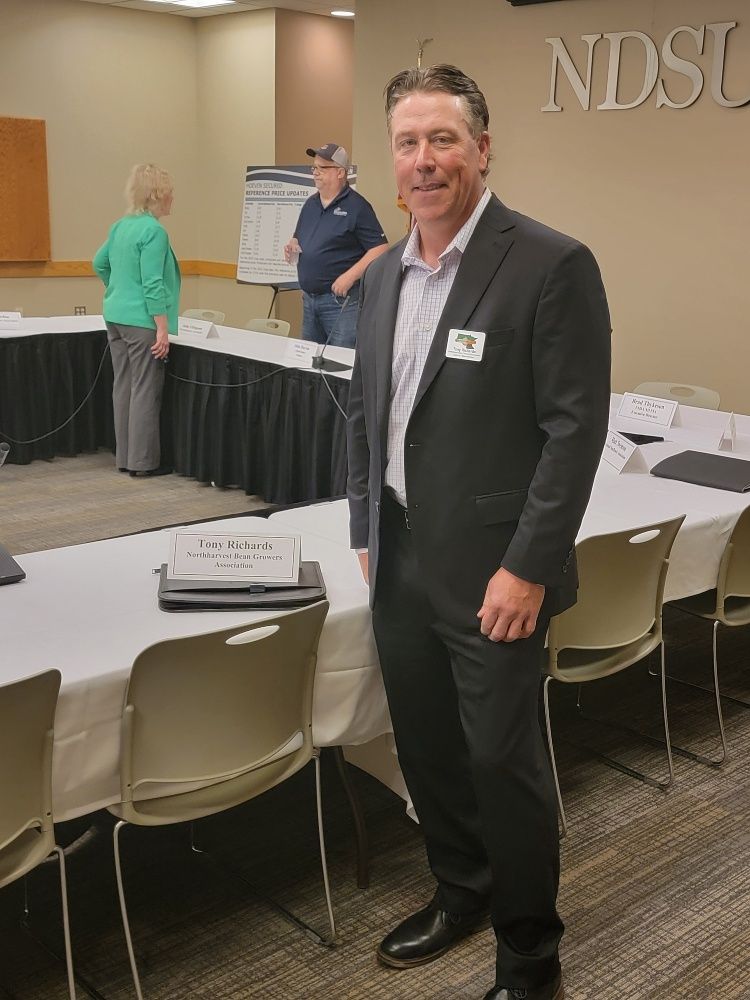
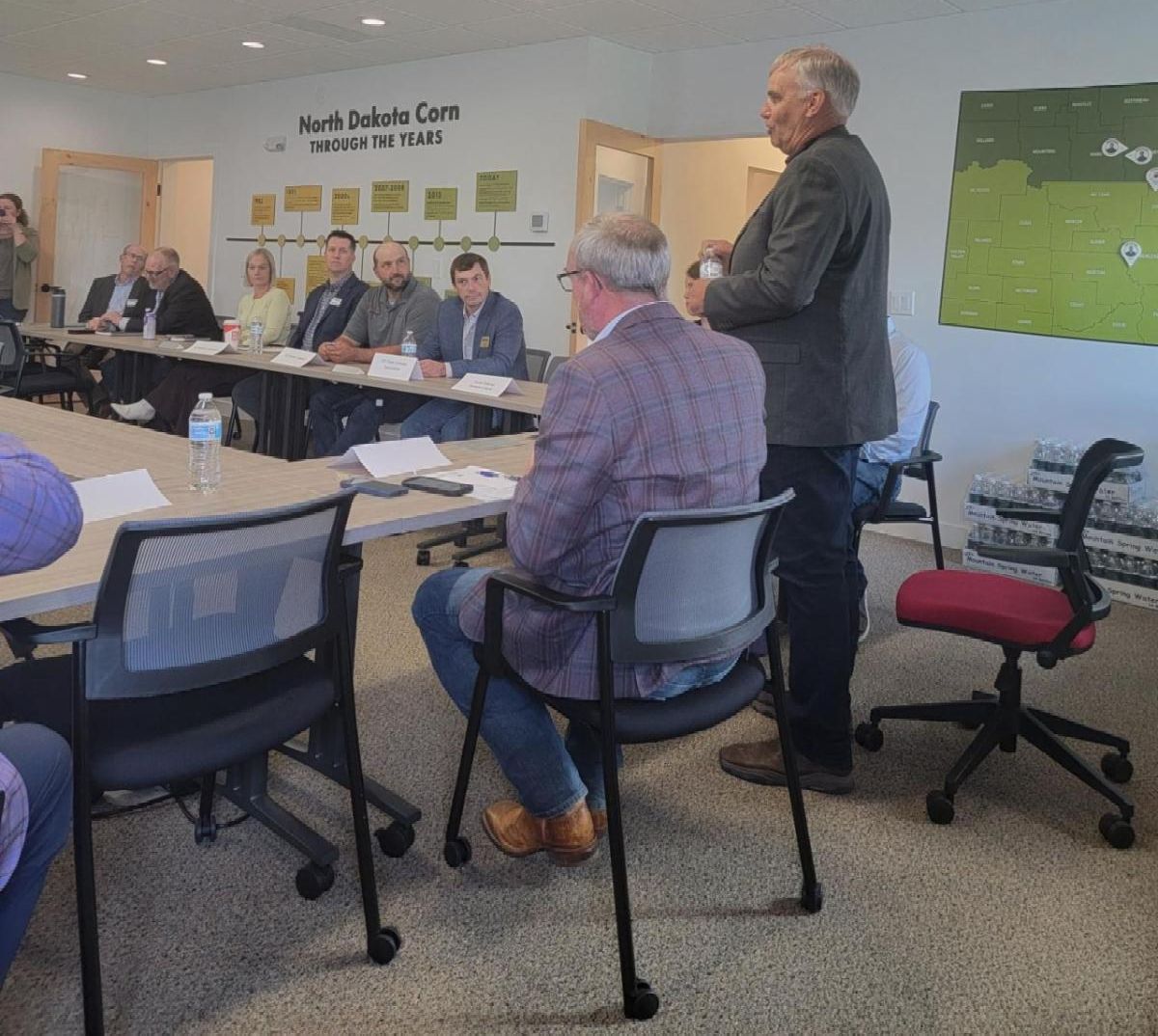
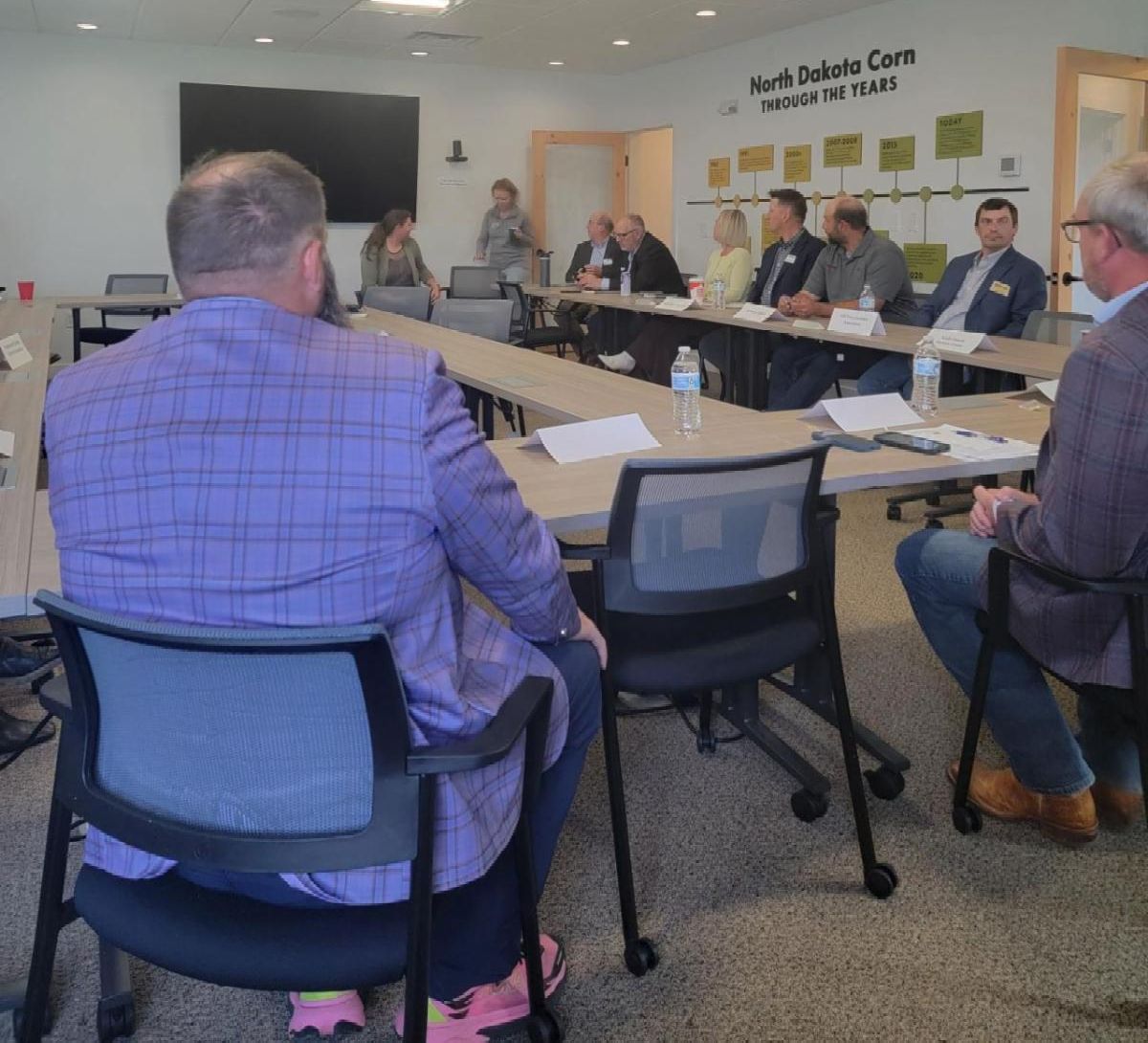
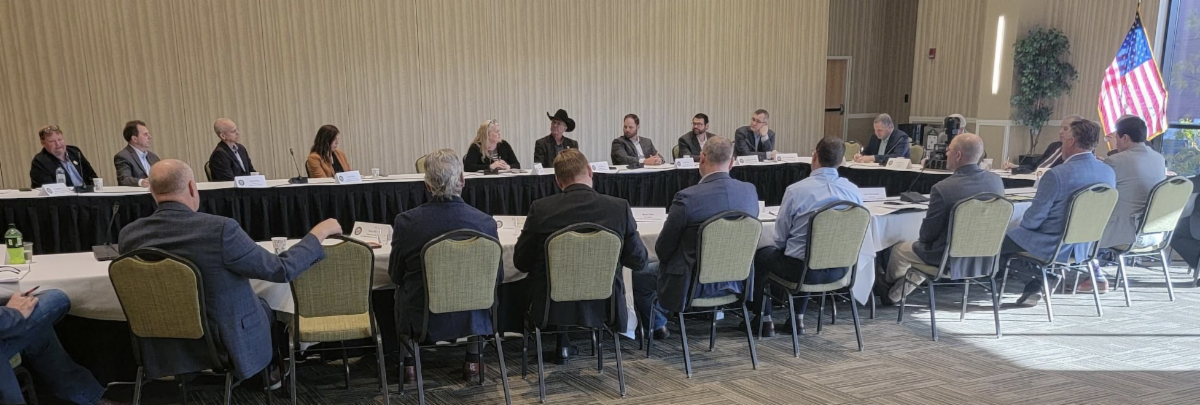
The Northarvest Bean Growers Association would like to thank North Dakota Farm Service Agency State Executive Director Brad Thykeson and his staff for the invitation to participate in a roundtable conversation with USDA-FSA Deputy Administrator of Farm Programs Jared Hagert. Thykeson also invited Minnesota Farm Service Agency State Executive Director Kurt Blomgren.
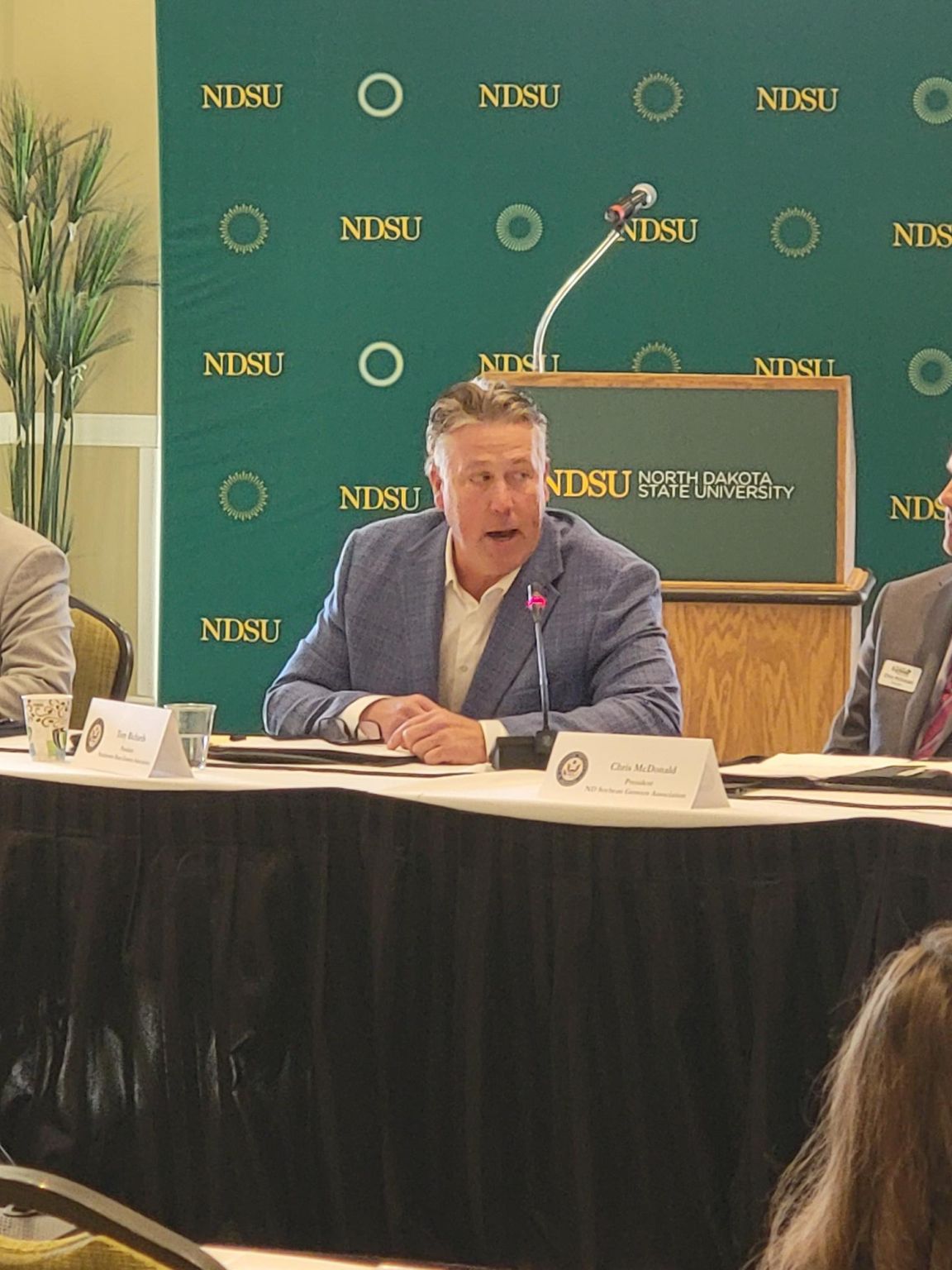
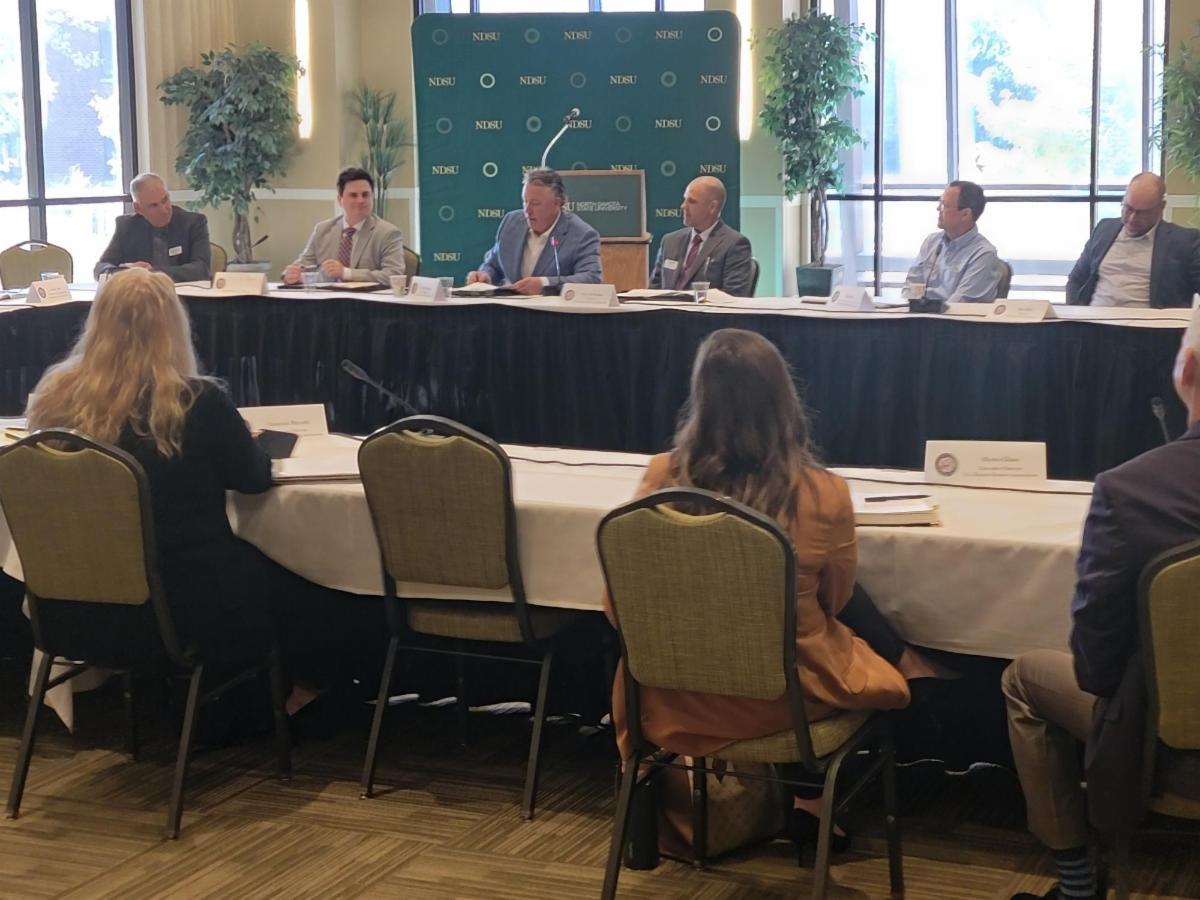
NBGA President Tony Richards led our organization with questions about SDRP Stage I & II, base acres, Assistance for Specialty Crop Farmers (ASCF), FSA "One Farmer, One File Initiative", and access to farm credit. Thank you for the opportunity to have open conversation with Farm Service Agency leadership. It was a great roundtable!
| |
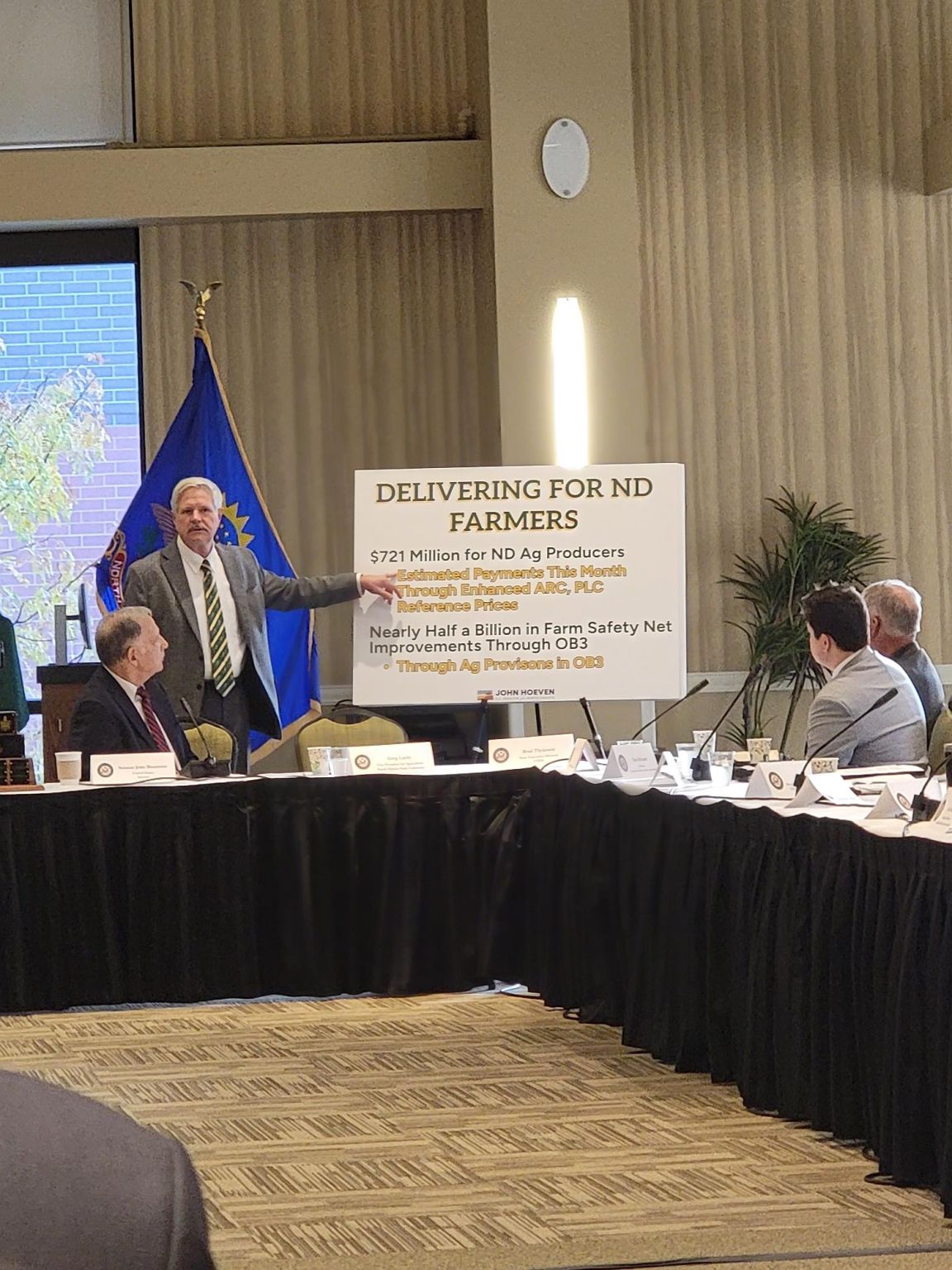
The Northarvest Bean Growers Association would like to thank Senator John Hoeven for inviting NBGA President Tony Richards to participate in a Farm Bill 2.0 roundtable discussion with Senate Agriculture Committee Chair Senator, John Boozman (Arkansas).
President Richards thanked both Senators for meeting with us face to face countless times over the past couple of years to include dry bean farmers in the American Relief Act (ECAP & SDRP), providing tax provisions that support farmers made permanent in the One Big Beautiful Bill, and providing Farmer Bridge Assistance.
| President Richards remarked that dry bean farmers received only half of the payment needed for farmers to meet the cost of production research published by the NDSU Risk Policy Center. President Richards suggested our processors in the region need additional food aid support as we have a plethora of old crop inventory that could serve this need and lastly finalization of Farm Bill 2.0 is critical for Food Aid Mitigation program and including dry edible beans in title I. NBGA appreciates the hard work of both Senators for the agriculture community! |
|
Cordell Huebsch Interviews from the Field
The Northarvest Bean Growers Association would like to sincerely thank the AgWeek TV team and news anchor Emily Beal for covering dry bean harvest. Beal traveled to New York Mills, MN to interview NBGA Vice President Cordell Huebsch. Huebsch shared about the importance of dry beans to their farm, how the season went, and what he expects from this year's harvest. You can watch the full interview below.
Thank you for sharing your experience and insights, Cordell!
|
|
NDSU Researchers Share About Beans
Two recent podcasts have gone live, with NDSU researchers sharing about dry edible beans. Check the links below to listen.
| | |
The Crop Science Podcast Show
In this episode of The Crop Science Podcast Show, Dr. Juan Osorno, Professor at North Dakota State University, explains how dry bean breeding addresses disease, flooding, nutrition, and market demands. He discusses the value of pulses, biological nitrogen fixation, consumer preferences, genetic diversity, and the challenge of combining multiple traits into commercially successful varieties.
➡️ Listen here.
| | |
UMN Extension Nutrient Management Podcast
Dry edible beans are an important Minnesota crop, and we explore them further on today's Nutrient Management Podcast. We talk with four experts from around the Midwest about your dry bean questions: What are some similarities and differences managing for dry edible bean versus soybean, for example? What should farmers keep in mind about growing in the Red River Valley, or Southern Minnesota, or elsewhere in the Midwest? What does recent research indicate pertaining to dry bean? What major yield-limiting factors do farmers need to be aware of when growing dry edible bean? All of this and much more on today's episode of Nutrient Management Podcast.
Guests:
- Kristin Simons, research agronomist, North Dakota State University
- Ana Carcedo, broadleaf agronomist, North Dakota State University
- Bijesh Maharjan, Extension specialist, University of Nebraska-Lincoln
- Daniel Kaiser, Extension nutrient management specialist (St. Paul)
➡️ Listen here.
| | |
|
Applications Are Open for NBGA Scholarships!
Applications are open through January 5, 2027 for the Northarvest Bean Growers Association scholarships.
Two $2,000 scholarships are available to the children or grandchildren of current participating Northarvest producer members. Applicants must be planning to enroll in a university, college or technical school. Previous recipients of the NBGA scholarship are not eligible.
Along with filling out the application, applicants are asked to fill out a brief questionnaire about their scholastic achievement, leadership, community service and career plans.
Applications also may be requested via email at info@northarvestbean.org or mail at the following address: Northarvest Bean Growers Association, 4844 Rocking Horse Circle S, Suite 2, Fargo, ND 58104.
Please scan the QR code below or click here to view the application.
| | |
The Dry Bean Scene is sponsored, in part, by NBGA. Click on the links below to listen to the most recent episodes.
-
➡️ October 10, 2026: Northarvest Bean Growers Association Executive Director Mitch Coulter talks about the challenges seen in the past growing season and the current conversations with the crop insurance sector.
-
➡️ October 5, 2026: In the Dry Bean Scene, we learn about enhancing demand for pulses. Dr. Chelsea Didinger, founder of A Legume a Day, met with health professionals, researchers and others at a major conference in Boston.
-
➡️ September 28, 2026: NDSU dry bean breeder Dr. Juan Osorno talks about harvest on research plots.
-
➡️ September 19, 2026: Could dry edible beans become a Title I crop? The farm bill passed by the Senate Agriculture Committee puts that idea on the radar screen. Northarvest Bean Growers Association Executive Director Mitch Coulter talks about this provision in the Dry Bean Scene.
-
➡️ September 14, 2026: Jason Mewes, a dry edible bean grower from Colgate, North Dakota, talks about his crop and how the harvest is looking.
| | Comfort Food Starring Beans | | |
As the weather cools, warm, hearty meals really hit the spot. Making comfort food with beans boosts the satiation factor thanks to the protein and fiber, along with that wonderful creamy texture beans have.
Looking for some nice comfort food recipe inspiration? Check out the recipes and photos below, all from the Bean Institute website.
| | |
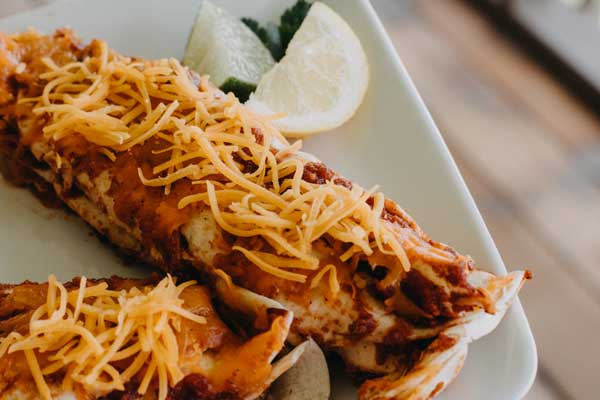
Bean & Cheese Enchiladas
These smell delicious coming out of the oven, and it helps warm the home. The recipe calls for pinto or kidney beans, but you could also use a mix of several different beans!
➡️ Find the recipe here.
| | |
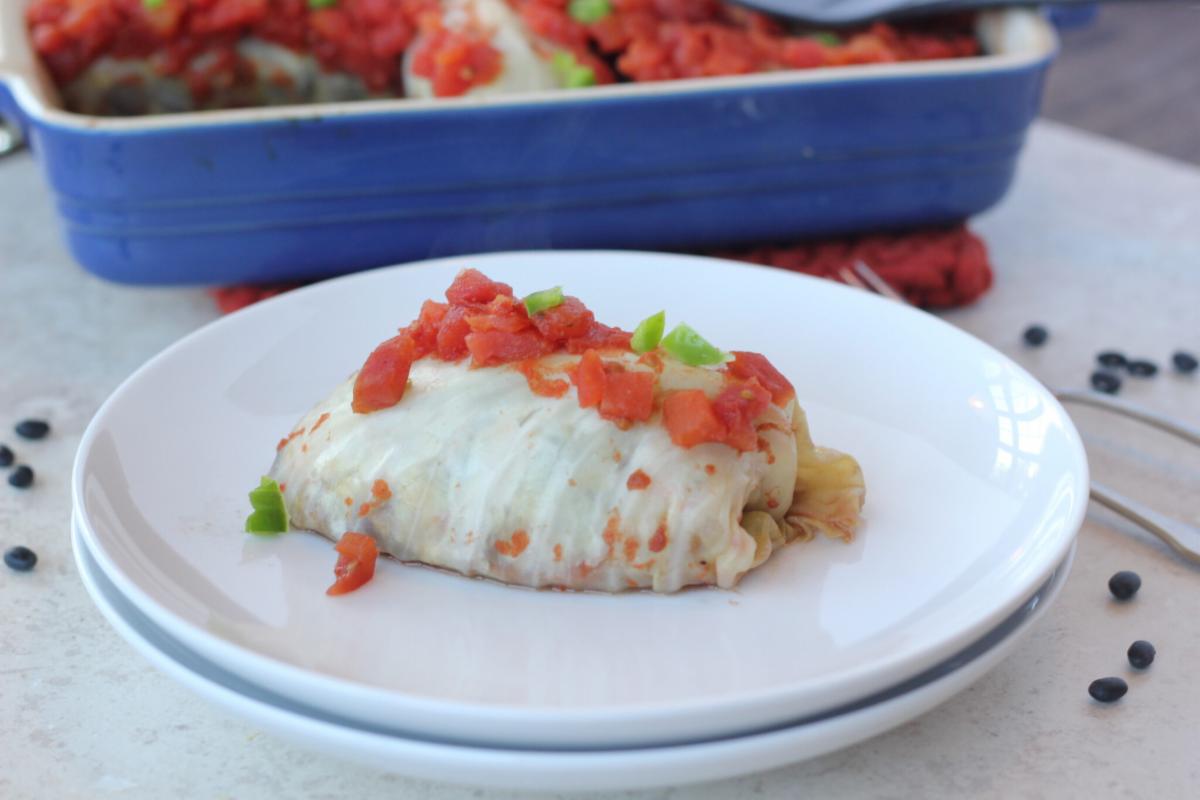
Black Bean Cabbage Rolls
These cabbage rolls are stuffed with black beans, brown rice, corn, carrots, walnuts, and more. They make a satisfying meal, and leftovers store well in the fridge or freezer.
➡️ Find the recipe here.
| | |
Pork & Pinto Loaf
This pork and pinto loaf is a fun spin on meatloaf, using that classic pairing of pork and beans.
➡️ Find the recipe here.
| |
|
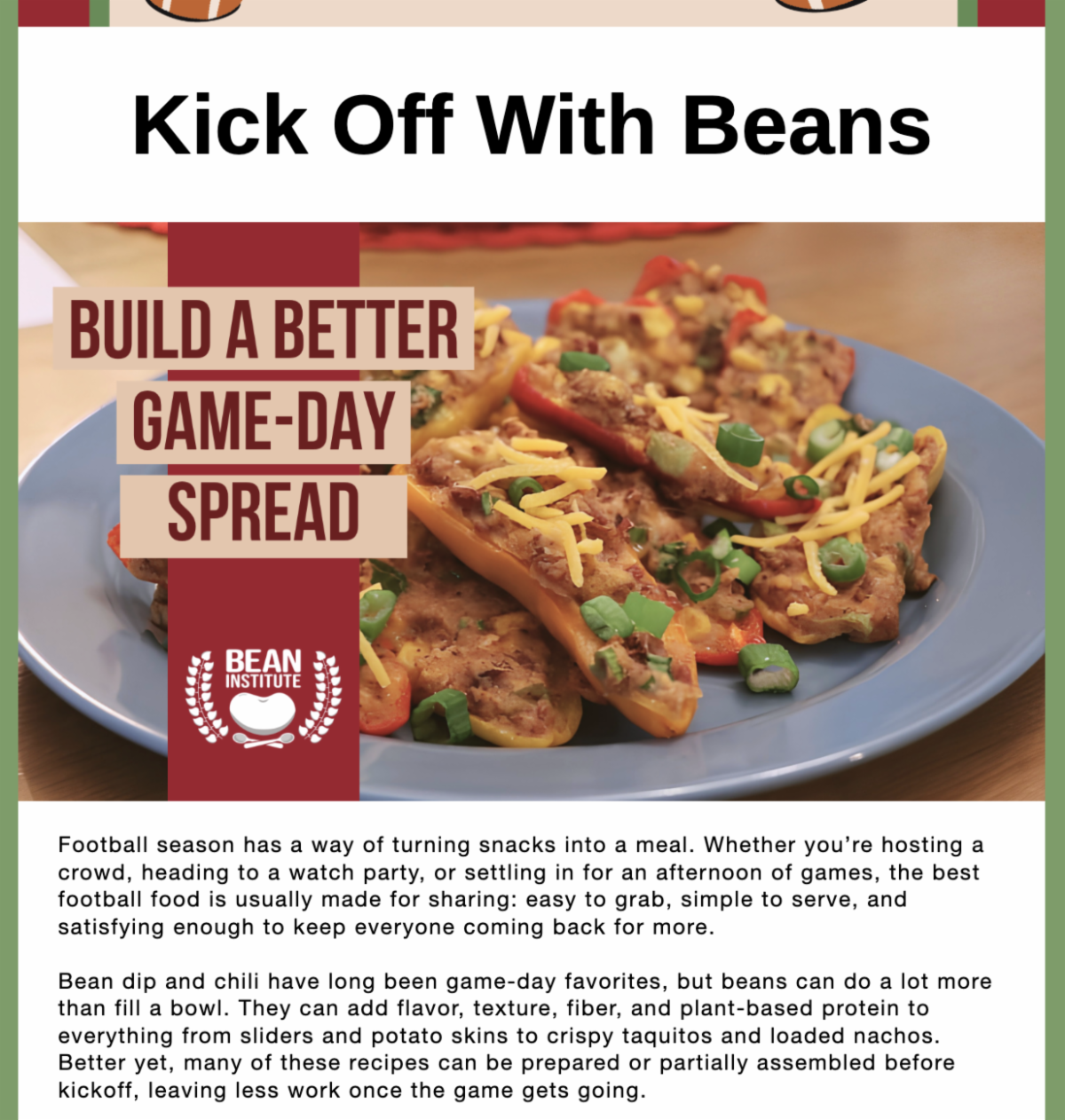
In their September 2026 newsletter, the Bean Institute highlighted how beans are a perfect match with football season and game-day spreads. "Bean dip and chili have long been game-day favorites, but beans can do a lot more than fill a bowl. They can add flavor, texture, fiber, and plant-based protein to everything from sliders and potato skins to crispy taquitos and loaded nachos. Better yet, many of these recipes can be prepared or partially assembled before kickoff, leaving less work once the game gets going."
➡️ Read the full post - Beyond the Bean Dip - here. You will find several delicious recipe ideas linked in the post, too!
| | | |
More from the Bean Institute
Are you looking for more helpful and fun bean information and some bean recipe inspiration? Subscribe to the Bean Institute's newsletter: The Bean Bulletin.
➡️ Sign up by clicking here!
| | | |
Did you know you can follow the Bean Institute on Facebook, Instagram, Pinterest, TikTok, and YouTube?
Click the icons below to follow on your favorite platform!
| | Teaching Kitchen Research Conference Takeaways | | The Northarvest Bean Growers Association was a proud sponsor of the recent Teaching Kitchen Research Conference. The conference offered many insights and food for thought about the power of teaching kitchens to positively promote health. We gained numerous insights from presentations, panels, posters, and conversations. Below, we share some of the key conference takeaways. | | The Teaching Kitchen Research Conference | | |
What Are Teaching Kitchens?
According to the Teaching Kitchen Collaborative, "Teaching kitchens are dynamic, hands-on learning environments where people gain essential life skills. They offer engaging, practical experiences that empower participants with healthy cooking techniques and nutrition along with self-care practices like mindfulness, physical activity, and behavioral health coaching."
Essentially, teaching kitchens go beyond just teaching people how to cook with recipes. Teaching kitchens recognize that factors such as people's confidence in their ability to cook, availability of kitchen equipment, and ongoing support all are key to long-term success and the sustained behavior change of regularly cooking healthy meals.
| |
Multidisciplinary Work Is Impactful
The Teaching Kitchen Collaborative does a wonderful job of bringing together a wide variety of stakeholders and changemakers, from researchers to chefs, healthcare practitioners to dietitians, food systems thinkers to foodservice, and Extension professionals and other educators. Working in a transdisciplinary fashion is critical because although cooking may happen in the kitchen, our eating patterns are also impacted by many other factors and aspects of our lives.
One point that was brought up several times during the conference was that nutrition education in medical training is starting to expand due to growing national expectations and policy changes. This is an important time for teaching kitchens to take an active role in educating healthcare professionals, who will then be more empowered to help their patients.
Speakers at the conference also repeatedly emphasized the importance of collaboration and partnerships. For instance, partnerships between researchers, hospitals, or teaching kitchens with community partners can help reach more community members. Community organizations already have longevity and roots within a community and know their audiences, so they can help reach more community members in practical, meaningful ways.
| Yaxuan (Kate) Chen (left) and Melissa Lee (second from the right) conducted research on the role of chefs | |
The Power of Chefs & Digital Messaging
In a poster by Melissa Lee, Yaxuan Chen, and other researchers, they presented data about the important role that chefs can play as cultural mediators. From interviews with chefs, they distilled several key recommendations: get products into chefs' hands, and allow chefs to co-create instead of only conducting a product pitch. By including chefs in the development of a dish, product, and the storyline, they can share insights about what their customers and audiences are looking for, and the chefs become more invested in the success of the product. Having a storyline is also important to appeal to a wider audience.
Another presentation was by Dr. Nate Wood, who is trained as both a chef and a physician. He teaches and studies culinary medicine as the Director of Culinary Medicine at Yale School of Medicine. He presented about the power of digital media to help expand the reach of our messages, and how important it is to have people sharing evidence-based messages, as opposed to clickbait not based in science.
Another example of the power of digital media was demonstrated in a presentation from the University of Memphis. In their study with student athletes, when they combined digital media messaging - such as recipe videos with nutrition information - with nutrition education, it was more effective than nutrition education alone.
| |
Integration of Teaching Kitchens
One great example of integration of teaching kitchens is the Veterans Health Administration. They share that, "The Healthy Teaching Kitchen (HTK) program provides Veterans with nutrition knowledge, cooking skills, and guided practice to build confidence in cooking at home with healthy, minimally processed foods. VA facilities across the country offer Healthy Teaching Kitchen (HTK) programs which teach Veterans and their support persons about food, nutrition and how to prepare and store balanced, healthy dishes."
There is also new research coming out about the impact of teaching kitchens. For instance, Dr. Megu Baden presented about her research on how a Teaching Kitchen program for Japanese patients with type 2 diabetes demonstrated real impacts on reducing HbA1c levels (high HbA1c levels indicate high blood glucose due to diabetes). Having strong evidence about the benefits of teaching kitchens will better support their integration in hospitals, universities, and more.
It is exciting to active research and advocacy in the teaching kitchen space! Of course, nutrient-dense, healthy foods like beans play a key role in healthy diets, and there were many bean advocates at the conference.
| | Below are excerpts from a September 15, 2026 USDA news release. Click the button that follows to view the full press release. | |
USDA Announces 2026 and 2027 Enrollment for Key Price and Revenue Safety Net Programs, Completes First Base Acre Increase in Two Decades
(WASHINGTON, D.C., Sept. 15, 2026) – Agricultural producers can soon begin enrolling in the Agriculture Risk Coverage (ARC) and Price Loss Coverage (PLC) programs, which the U.S. Department of Agriculture (USDA) recently updated to include more than 30 million new base acres. This expansion, the first in 20 years, was made possible by the Working Families Tax Cuts Act and is part of USDA’s efforts to put Farmers First.
Base Allocation Notifications
The opportunity for landowners to review their base allocation summaries and take necessary action ended Aug. 31, 2026. This included correcting inaccurate information, designating subsequent acres or opting out of adding base acres. Landowners did not lose base acres through the base allocation process.
If landowners did not notify FSA of changes, the base allocation summary is considered accurate and complete; however, an across-the-board factor will apply. FSA determined the base allocation percentage reduction using all acreage reported as eligible, and new base acres will automatically be allocated to farms after applying the 3.69% reduction.
Base allocation notifications will be available beginning Sept. 16, 2026. Landowners can access notifications online at fsa.usda.gov/arc-plc using a Login.gov account. Landowners who do not currently have a Login.gov account can contact their FSA county office to obtain their base allocation notification beginning Sept. 16, 2026.
Enrollment Period
Producers can now change their election and enroll in ARC-County (ARC-CO) or PLC, which both provide crop-by-crop protection, or ARC-Individual (ARC-IC), which protects the entire farm. Although election changes for 2026 are optional, producers must enroll through a signed contract each year. Existing multi-year contracts ended in 2025, but producers have the option to sign a new multi-year contract for 2026 through 2031. Producers who opt out of a multi-year contract can enroll for the 2027 crop year starting Nov. 2, 2026, through March 15, 2027.
If producers do not submit their 2026 election by Dec. 11, 2026, their election remains the same as their 2025 election for crops on the farm, and the farm is ineligible for payments for the 2026 program year. Landowners cannot enroll in either program unless they have a share interest in the farm.
| | |
|
Governor Signs Executive Order
Northarvest Bean Growers Association thanks Governor Kelly Armstrong for providing relief on diesel fuel for the farmers in North Dakota to get harvest completed. You can read the announcement and executive order below.
| |
Tuesday, September 29, 2026 - 04:33 pm
BISMARCK, N.D. (SEPT. 29, 2026) – Gov. Kelly Armstrong today declared a state of emergency in North Dakota for conditions affecting the supply and availability of diesel fuel and took action to provide temporary relief for farmers by expanding the permitted uses of red-dyed diesel fuel to allow for on-highway use.
Under North Dakota law, the state charges an excise tax of 23 cents per gallon on regular diesel fuel but only 4 cents per gallon on red-dyed diesel, which is authorized to be used only for certain off-highway agricultural, industrial and railroad purposes.
An executive order issued by Armstrong today temporarily expands the use of dyed diesel fuel to licensed motor vehicles used in connection with ag operations. This allows farmers to use the cheaper diesel not only for field work in their tractors and harvesting equipment but also for on-highway uses such as hauling grain, livestock, feed, seed, fertilizer, equipment and other ag inputs and products, as well as for storing and processing ag products.
“Record high diesel prices are squeezing our ag producers, and this is a meaningful and timely step we can take to provide temporary relief and help our farmers and ranchers through the harvest season,” Armstrong said, noting he’s been working closely with state Agriculture Commissioner Doug Goehring on the action.
“Farmers burn more diesel during harvest than at any other time of year, and saving 19 cents per gallon can make a meaningful difference when margins are razor thin. This translates into lower transportation costs to suppliers and processors, which hopefully will be passed on to the consumer,” Goehring said. “I remain committed to working with the governor and the ag community to identify ways to provide additional relief for producers during this time of high input costs and low commodity prices.”
The order takes effect immediately and will remain in effect through Nov. 30. It does not affect the federal government’s 24.4-cent-per-gallon excise tax on diesel fuel.
|
|
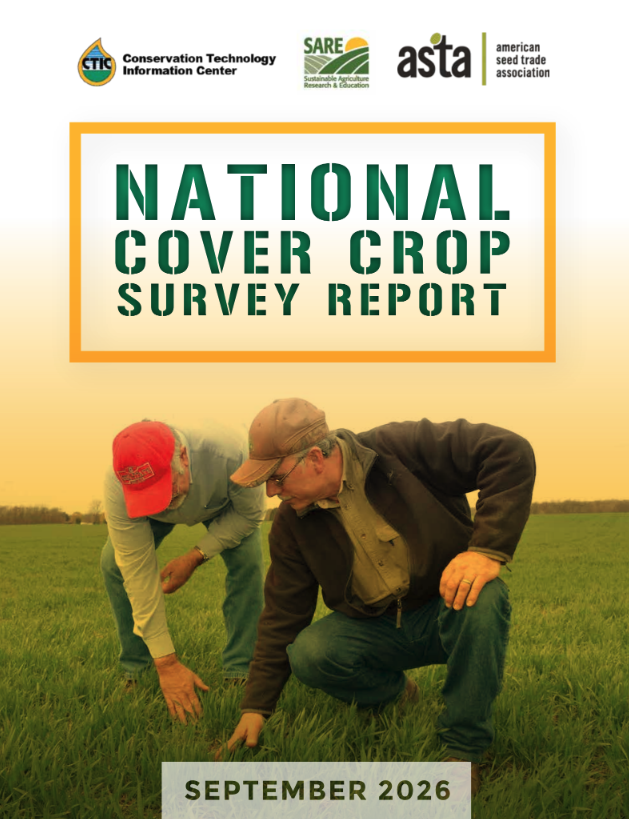
Northarvest Bean Growers Association would like to thank the Conservation Technology Information Center (CTIC), Sustainable Agriculture Research & Education, and American Seed Trade Association for publishing the 2026 National Cover Crop Survey Report.
On the CTIC website, you can find the full report, watch the 2026 National Cover Crop Report Webinar, and explore other helpful resources.
|
Below are excerpts from a September 29, 2026 USDA press release. Click the button that follows to view the full press release. | |
USDA Increases Investment in Regenerative Pilot Program to Lower Farmer Production Costs and Advance MAHA Agenda
(Washington, D.C., September 29, 2026) – The U.S. Department of Agriculture (USDA) announced increased financial assistance for the Regenerative Pilot Program from $700 million to $1 billion in fiscal year 2027, providing more producers with the opportunity to adopt conservation systems that improve soil health, water quality, and long-term farm resilience. Producers can now apply for assistance with regenerative practices.
“Farmers are on the front line of our effort to Make America Healthy Again,” said Health and Human Services Secretary Robert F. Kennedy, Jr. “Under Secretary Rollins’ leadership, USDA is increasing funding for this program to $1 billion to help farmers build soil health, reduce dependence on costly chemical inputs, and adopt regenerative practices.”
Producers can bundle multiple regenerative practices into one application, streamlining the process and increasing flexibility for operations. The program is designed for both beginning and advanced producers, ensuring availability for all farmers ready to take the next step in regenerative agriculture.
|
| |
Free Soybean Cyst Nematode Test Kits!
Soybean cyst nematodes affect more than soybeans.
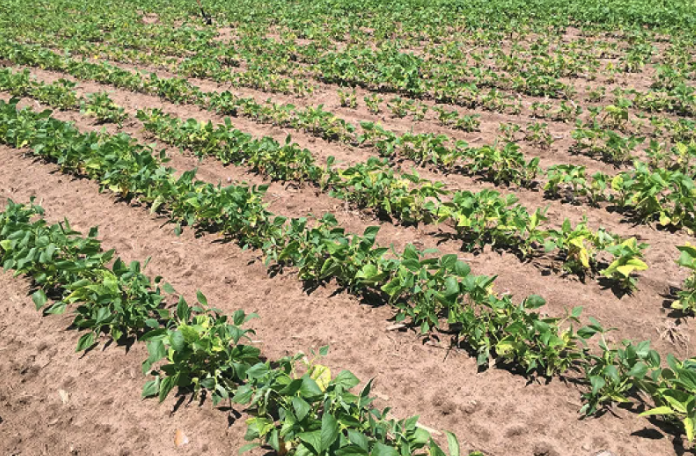
Want to know if you have soybean cyst nematodes in your dry bean fields? Northarvest Bean Growers Association is funding test kits and instructions. The best time to test your soil is late summer/early fall (before or after harvest) and before the ground freezes.
To request a free test kit, send your name and address to NBGA Finance Director and Education & Sponsorship Committee Staff Lead Jennifer Hansen at jennifer@northarvestbean.org.
You can also read more about soybean cyst nematode (SCN) in dry beans and SCN soil sampling on the NDSU website.
| | |
NSF AgTech Engine Announces
Seed Fund Applications Open
See below for details about a startup seed fund opportunity.
| |
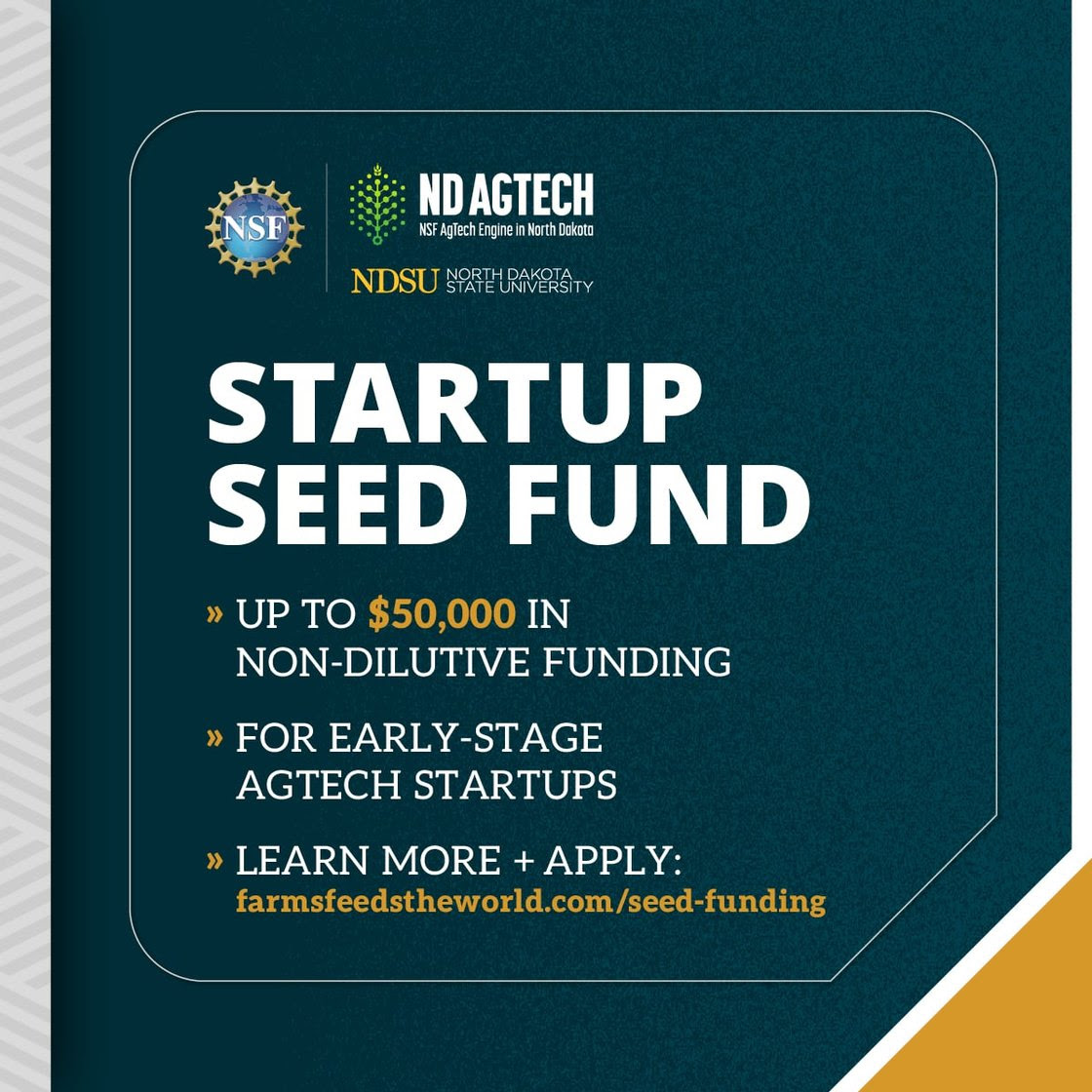
NSF AgTech Engine in North Dakota Launches Startup Seed Fund
to Advance Early-Stage AgTech Innovation
The fund is seeking early-stage AgTech startups that can clearly identify an agricultural problem or market need that creates value for producers, demonstrate engagement with a producer or end user, describe the technology and its current stage, and present a credible approach to solving the identified problem.
Funding can support activities such as prototype development or refinement; data collection, model development and technical testing; field, lab or user validation; customer discovery and market validation; intellectual property and commercialization strategy; product or pilot readiness; regulatory, manufacturing or adoption-readiness planning; and preparation for follow-on funding.
The Seed Fund is designed to help early-stage AgTech companies validate, de-risk and advance technologies addressing real agricultural challenges.
Selected startups may each receive up to $50,000 in non-dilutive, milestone-based funding to pursue clearly defined technical, validation, market or commercialization objectives.
Applications will be accepted SEPT. 14 through OCT. 16, 2026.
Funding: Up to $50,000 | Non-dilutive | Milestone-based
Apply/Learn More: farmsfeedstheworld.com/seed-funding/
Questions: award@farmsengine.com
Award Notifications: November 6, 2026
| |
MDA Opens Grant to Help Specialty Crop Growers Prepare for Extreme Weather
Growers may apply for up to $10,000 for equipment and on-farm improvements
September 24, 2026
St. Paul, Minn: The Minnesota Department of Agriculture (MDA) is now accepting applications for the Agricultural Growth, Research, and Innovation (AGRI) Specialty Crop Preparing for Extreme Weather (Prepare) Grant. The program helps specialty crop growers in Minnesota to purchase and install supplies or equipment that make their operations more resilient to drought, flooding, hail, severe storms, and other extreme weather events.
New for fiscal year 2027, the AGRI Prepare Grant will focus solely on specialty crop projects. Previously, livestock-related projects were also eligible. Applicants seeking support for livestock-related improvements should instead apply through the AGRI Livestock Investment Grant, which is accepting applications through 4 p.m. on Tuesday, Nov. 17.
“Right now, nearly half of our state is experiencing drought, and specialty crop growers know how quickly these conditions, hail, or severe storms can undo months of hard work,” said MDA Commissioner Thom Petersen. “This grant helps farmers invest in practical improvements that protect their crops, manage water, and make their operations more resilient for whatever comes next.”
Up to $500,000 is available for the AGRI Prepare Grant. Applicants may request $500 up to $10,000 for their project, and a dollar-for-dollar match is required. Priority will be given to applicants who have farmed for 10 years or less.
Eligible expenses include, but are not limited to, water tanks, wells, pipelines, irrigation equipment, rain barrels, hail netting, and frost protection. Visit the AGRI Prepare Grant webpage for eligibility requirements and application instructions. Applications must be submitted by 4 p.m. on Tuesday, Nov. 17.
Funding for the AGRI Prepare Grant is made available through the MDA’s AGRI Program, which administers grants to farmers, agribusinesses, schools, and more throughout Minnesota to advance the state’s agricultural and renewable energy sectors.
| | |
Do you know someone who would enjoy Northarvest News? Forward to a fellow bean grower, family, and friends so they can sign up and be in the NBGA know, too! |
|
Thank you for reading. NBGA wishes you a good rest of October, and we look forward to sharing more news and updates in November! | | |
|
4844 Rocking Horse Circle S, Suite 2
Fargo, ND 58104 • info@northarvestbean.org
www.northarvestbean.org
| | | | | |