|
|
Monthly Newsletter October 2026 | |
| |
By Baquer Namazi - Former Hostage in Iran
A Life for People, A Prison Without Freedom
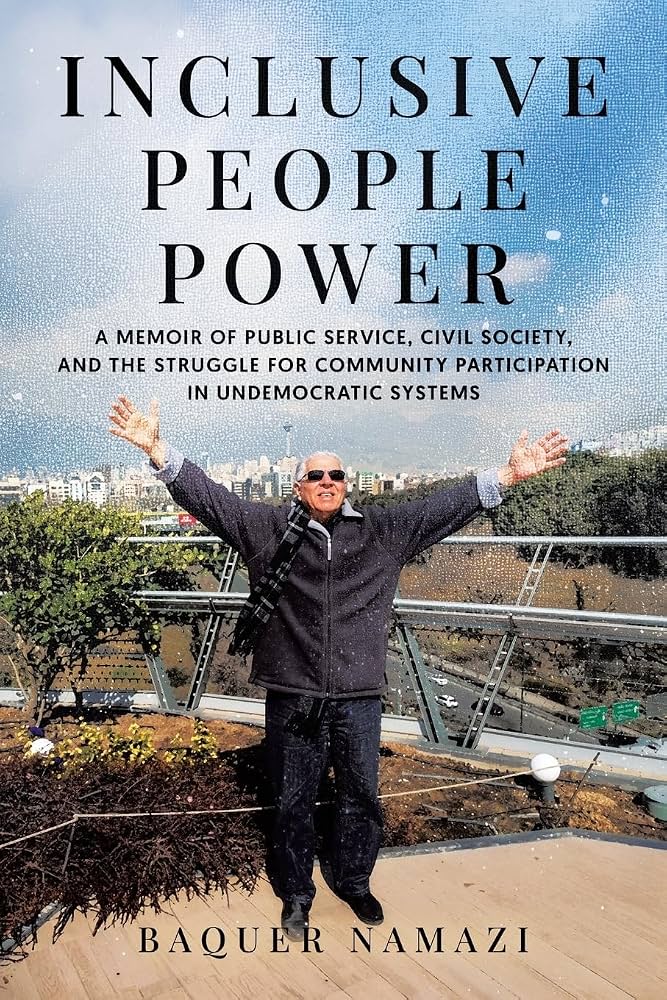
Excerpt from “Inclusive People Power”
| |
| |
I have spent much of my life believing in a simple idea: people are not the subjects of our work; they are the reason for it.
That belief began early in my professional life and stayed with me through decades of public service, international humanitarian work and civil society. It became the guiding principle of my life: to listen to people, particularly those whose voices were least likely to be heard, and to try, in whatever way I could, to help them shape a better future for themselves and their children.
I came to understand the meaning of freedom very differently many years later, when I myself became a prisoner.
Before that happened, freedom was something I had largely taken for granted. I had travelled extensively, worked in different countries, met people from very different cultures and backgrounds, and spent much of my career trying to bring people together around common human needs.
I had worked with the United Nations Children's Fund and devoted much of my life to issues affecting children, poverty and disadvantaged communities. Later, I became involved in strengthening Iranian civil society and encouraging greater participation by ordinary citizens.
My experience taught me that participation is not a luxury. It is a fundamental expression of human dignity.
A person who is allowed to speak, to participate, to make choices about his or her own life and to be heard has something precious. Take those freedoms away, and the world becomes a very different place.
I did not fully understand how precious freedom was until it was taken from me.
In 2016, after returning to Iran in the hope of seeing my son Siamak, who was imprisoned there, I was arrested and eventually imprisoned in Evin Prison. My life, which until then had been defined largely by service to others, suddenly became a life governed by locked doors, restrictions, uncertainty and the decisions of people over whom I had no control.
I was an old man by then.
But inside a prison, age, professional experience and one's previous life have little meaning. A prisoner becomes a number, a body behind a door, a person waiting for someone else to decide what happens next.
That experience changed me.
It did not change my belief in people. If anything, it strengthened it.
During the darkest periods, what sustained me was the knowledge that somewhere outside those walls there were people who cared. Family members, friends, former colleagues, humanitarian workers, advocates, journalists and ordinary people who had never met me were trying to help.
That realization taught me something that I believe every hostage and unlawfully detained person understands with particular force:
Hope is not an abstract idea. Hope is a lifeline.
When a person is deprived of freedom, the knowledge that the outside world has not forgotten him or her can make an enormous difference.
The same is true for the family.
A prisoner may be behind one locked door, but the consequences of that imprisonment reach far beyond the prison walls. A wife waits. Children wait. Parents wait. Brothers and sisters wait. Friends wait.
Every telephone call can bring hope or fear.
Every unexpected knock on the door can produce anxiety.
Every rumor can become a source of desperate expectation.
And time takes on a completely different meaning.
For families of hostages and unlawfully detained people, there is often no ordinary passage of time. Days become weeks, weeks become months, and months become years. Birthdays arrive without the loved one. Family celebrations take place around an empty chair. Children grow older. Parents grow older. And the family continues to live with a question that cannot be answered:
When will our loved one come home?
My own family lived through this nightmare.
| |
| |
After more than five years of wrongful detention, Australian engineer Robert Pether & his Egyptian colleague Khalid Radwan were finally allowed to leave Iraq on October 12, months after their release from prison.
Robert is now reunited with his wife, Desree, & their three children in Ireland. Throughout his ordeal, Hostage Aid has followed his case closely, working with his wife to support his return & keep his case in the spotlight.
Welcome home, Robert & Khalid!
| |
| |
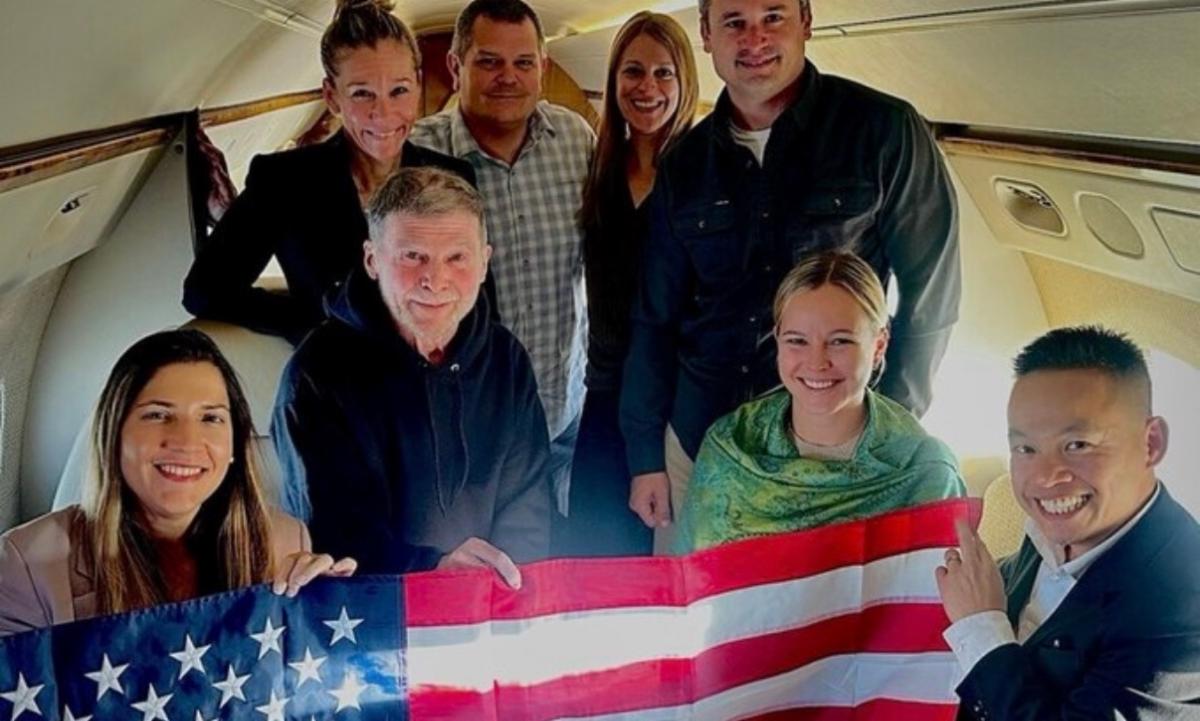
Stephen Hubbard is finally free. The 74-year-old American veteran and former teacher was unlawfully detained by Russian forces in Ukraine in April 2022 and sentenced to nearly seven years in prison. He was the only American held in Russia designated by the U.S. government as wrongfully detained.
Throughout his ordeal, his sister, Patricia “Trisha” Hubbard Fox, refused to give up, working closely with Hostage Aid to secure his release, amplify her calls for his freedom & keep his case in the spotlight.
On October 21st, 2026, it finally paid off and Steve went home.
| |
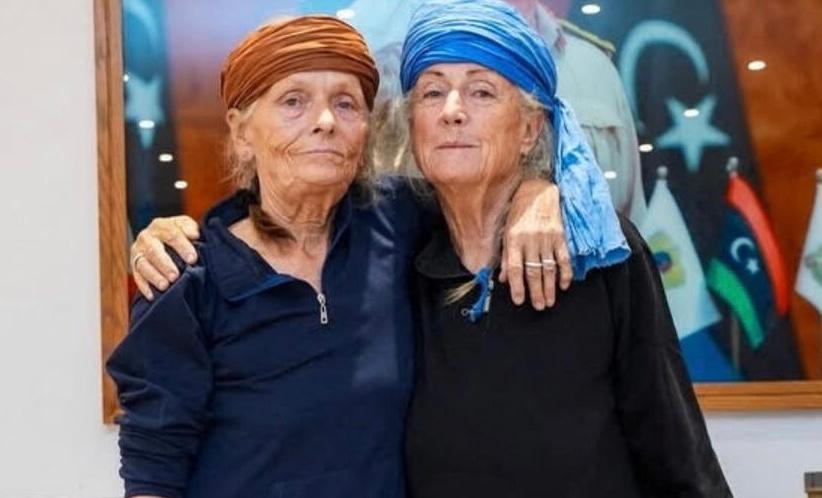
| Freedom at last for Austrian aid worker Eva Gretzmacher & Swiss national Claudia Abbt after more than 18 months in captivity. Both were abducted separately in Agadez, Niger, in January & April 2025, and thankfully were released on October 22, 2026. They arrived in Benghazi, Libya, before returning to their respective countries. Their release brings long-awaited relief to their families after months of uncertainty, marking the end of a harrowing chapter for two women whose lives were shattered by this abduction. | |
| |
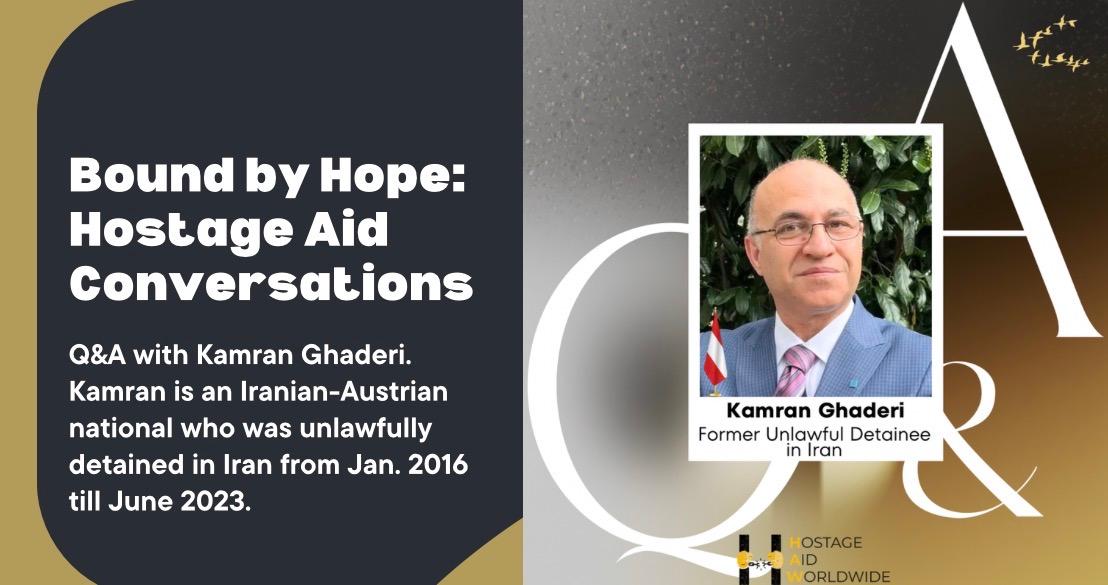
Former Unlawful Detainee
Iranian - Austrian
Kamran Ghaderi
| |
| |
In an October 2026 interview with Hostage Aid, Austrian former wrongful detainee Kamran Ghaderi reflected on his 2,707 days in Iranian prison and the importance of family, hope, and perseverance in surviving years of isolation and uncertainty. He spoke about the profound impact of hostage-taking on detainees and their families, stressing the need for stronger government support during captivity and after release. Ghaderi also addressed the international community’s responsibility to confront Iran’s use of hostage diplomacy and hold those responsible accountable. Today, he is determined to use his experience to advocate for those still imprisoned in Iran, particularly Ahmadreza Djalali, and to help prevent others from enduring the same ordeal.
How are you adjusting to being back home? Many people assume coming home is the end of the struggle. What can you clarify about this misconception?
Many people believe that the release of a hostage also ends their suffering. This is a big mistake.
When I finally returned to Austria after 2,707 days in Iranian prison, I was overjoyed to be back with my family. But seven years of imprisonment, including long periods in solitary confinement, daily interrogations, torture and constant uncertainty, do not simply disappear with release.
In prison, you fight for survival every day. After release, another struggle begins: you have to learn to live a normal life again. The body is free, but the memories and the consequences of imprisonment remain.
In addition, there are health, professional and financial difficulties. During captivity, one's own life comes to a standstill, but outside the world goes on. After seven years, you have to try to catch up again.
I am very grateful that I can live in freedom again. But I want people to understand: The release is not the end of the story. It is the beginning of a long road back to life.
Is there anything you felt your family or friends should have done differently while you were captive?
I don't think you can expect family members or friends in such a situation to always make the right decisions. They themselves are in an extraordinary situation, characterized by fear, insecurity and helplessness.
While I was in prison, my family had to live outside with the consequences of my imprisonment. They often didn't know how I was doing, what would happen to me, or when I could come home. At the same time, daily life had to go on.
In retrospect, it's easy to say what you might have done differently. But under these circumstances, there are no easy decisions and no guidance on how to deal with such a situation.
What I find particularly important today is that the relatives of hostages need support themselves, especially financially and psychologically. A hostage-taking can push a family to its limits, not only emotionally, but also economically. While the relatives live with fear, uncertainty and worries on a daily basis, they also have to cope with everyday life, care for the children and meet their financial obligations.
That is why they need not only compassion, but also concrete help. They must not be left alone with their worries, their responsibilities and their difficult decisions. A hostage-taking does not only affect the person who is held captive. It affects the whole family.
Looking back, what helped you get through the toughest moments of your captivity? And what helps you get through the toughest moments after your return?
During my imprisonment, the hope of one day seeing my family again was one of my most important sources of strength. Especially in the most difficult moments, during solitary confinement, interrogations and complete uncertainty about my future, I could not lose this hope.
I tried to occupy my mind and give meaning to my everyday life as far as it was possible under the conditions. I read, wrote, learned and even gave German lessons to other prisoners. This helped me not only to be a prisoner, but to continue to be a person with my own thoughts, abilities and goals.
After my return, the challenges are different. Today, it is mainly my family, my work and my projects that help me. Writing my books, my commitment to human rights and working for people who are still innocent in prison give my life meaning.
I can't get back the lost seven years. But I can decide for myself what to do with the years that lie ahead of me.
For me, resilience does not mean not showing fear or weakness. It means moving on despite everything and giving your own life a direction again.
| |
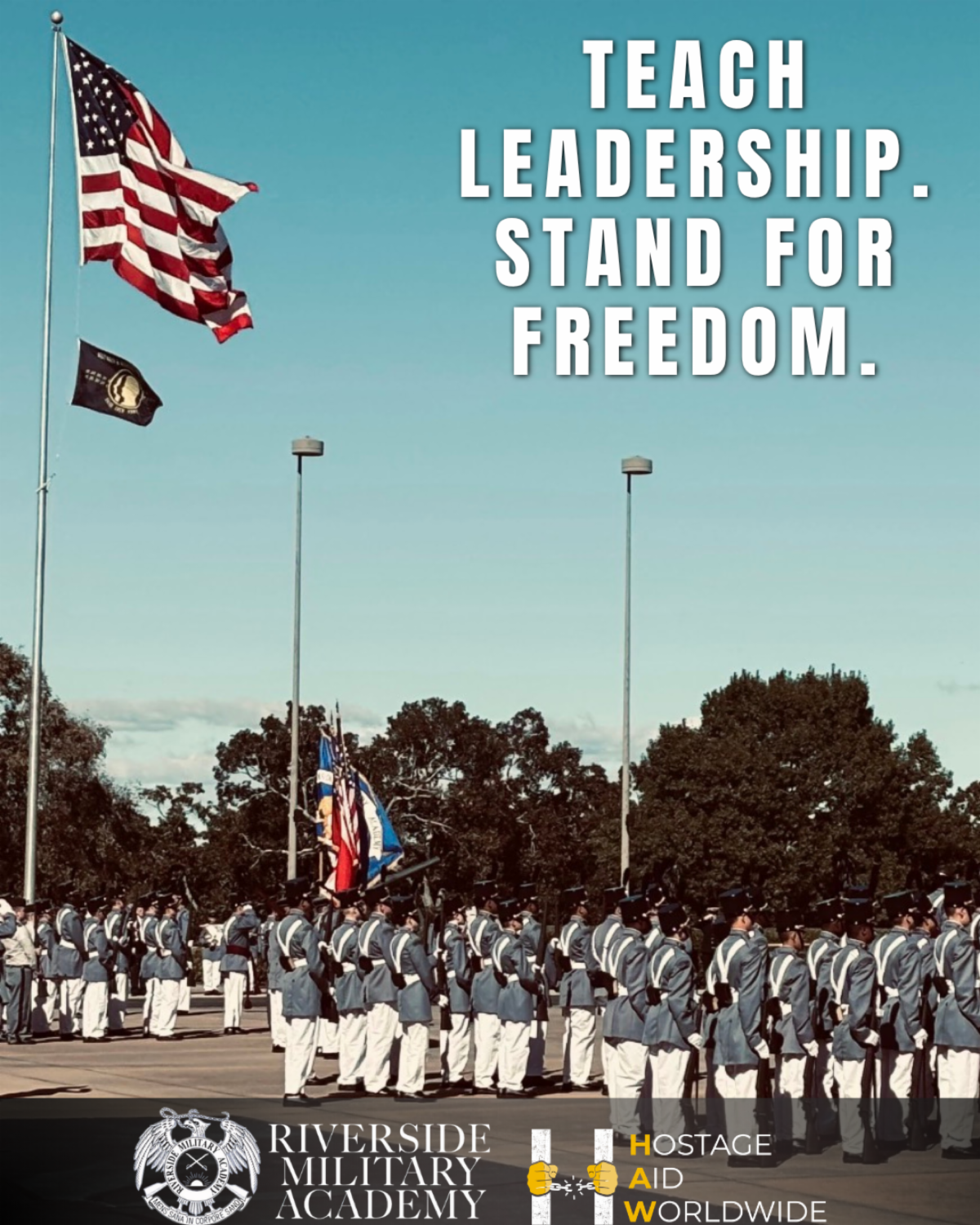
| Hostage Aid Worldwide & Riverside Military Academy: Teach Leadership. Stand for Freedom. | |
Hostage Aid Worldwide and Riverside Military Academy joined forces to raise awareness of hostages and wrongful detainees among the next generation of leaders. With the American flag and the Hostages and Wrongful Detainees flag flying above Riverside, the collaboration connected the Academy’s commitment to leadership and service with HAW’s mission to advocate for those deprived of their freedom. The initiative highlights the importance of teaching young leaders the responsibility to stand for freedom, justice, and those wrongfully held captive. | |
| Former Hostage Shoshan Haran Shares Her Story of Captivity & Freedom | |
|
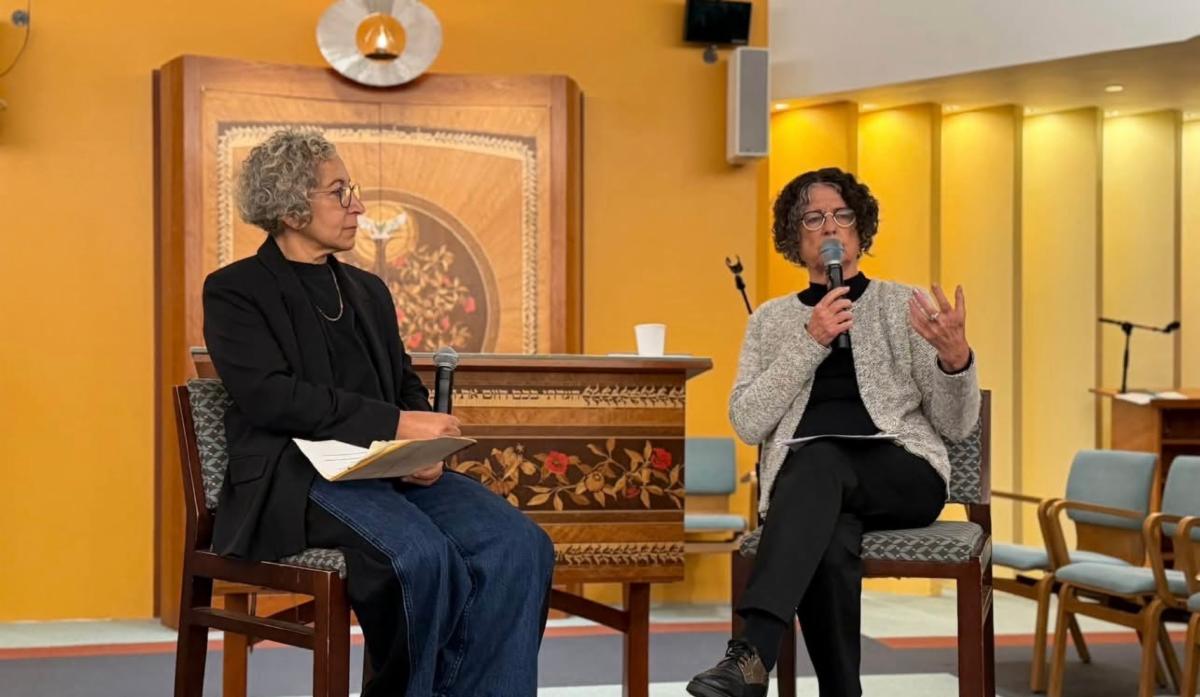
Hostage Aid Worldwide, in partnership with Adas Israel Congregation and the American Jewish Committee (AJC), hosted an author book talk at Adas Israel Congregation on October 11 in Washington, D.C., for Hostage Aid board member and former hostage in Gaza, Shoshan Haran.
In a conversation moderated by Hannah Rosin, journalist and host of Radio Atlantic, Shoshan discussed her memoir, Mission in Captivity, in which she recounts her experience in captivity in Gaza, the circumstances surrounding her release, and the events that unfolded throughout her journey. The event also included an interactive Q&A session, during which audience members had the opportunity to ask Shoshan questions and engage with her directly about her experiences and the themes explored in her book.
| |
| A European Initiative for Former Hostages & Their Families | |
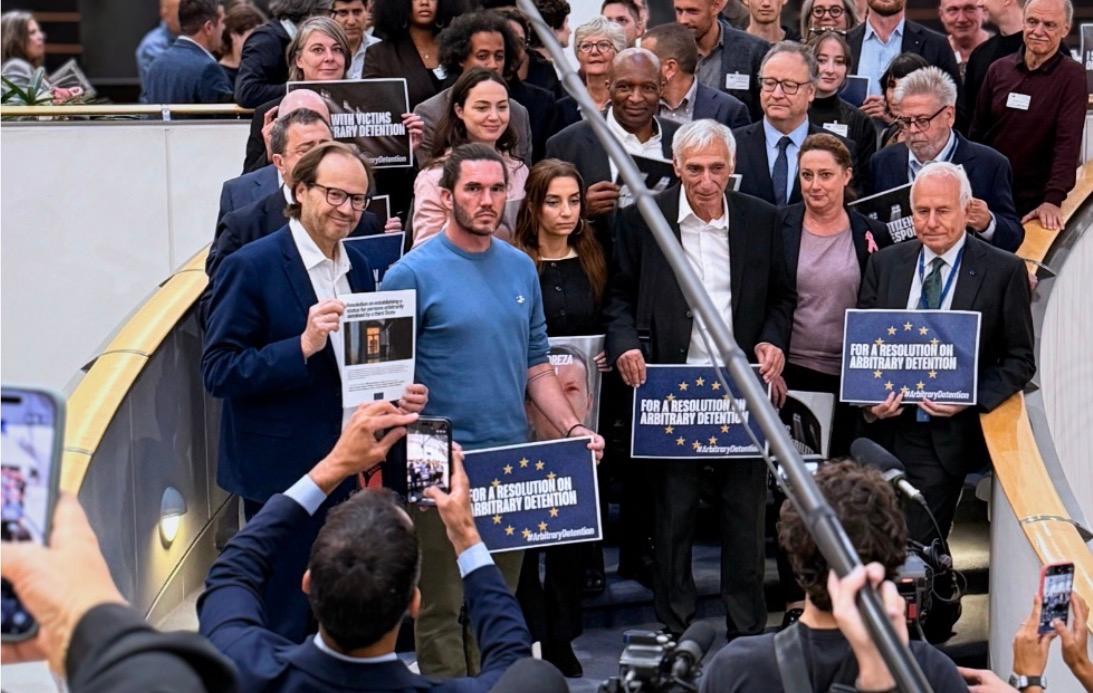
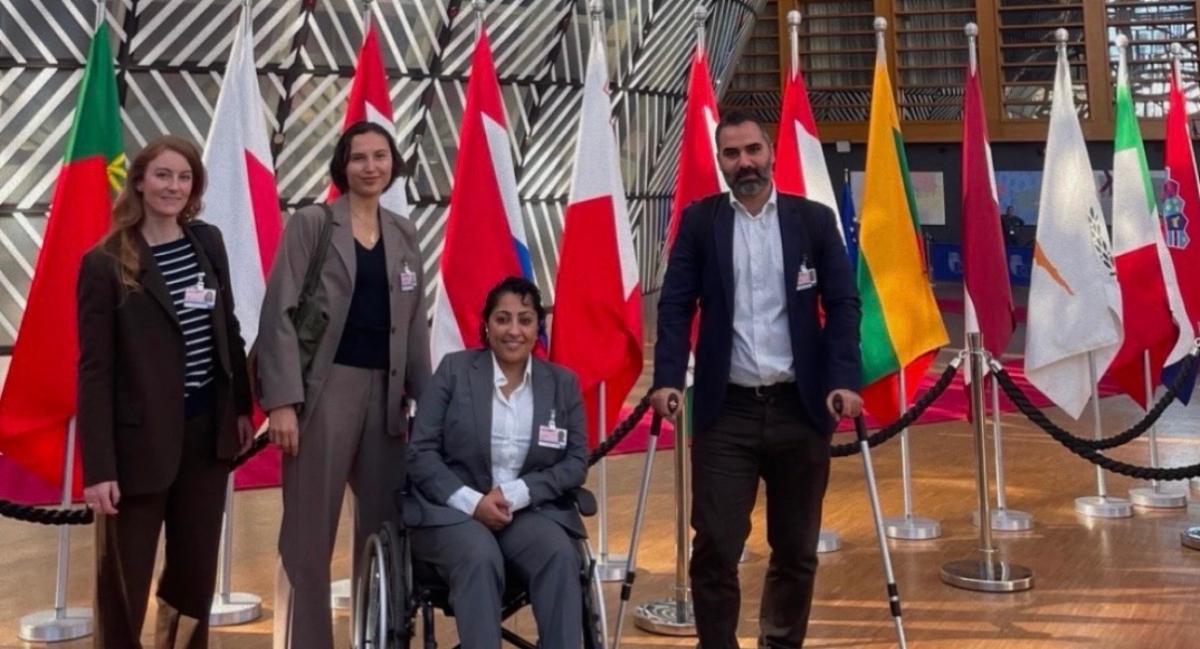
French MEP Jean-Marc Germain brought together more than twenty former state hostages and their loved ones at the European Parliament to mark the submission of a motion for a resolution, co-signed by nine fellow MEPs. The proposal calls for legal recognition of arbitrary detention, dedicated support for former hostages and their families, and the appointment of a Special Representative to coordinate European diplomatic efforts to secure the release of those still detained. Germain is urging European Parliament President Roberta Metsola to allow the motion to proceed to committee examination. | |
| The Campaign to Free Lindsay & Craig Foreman Gains Momentum | |
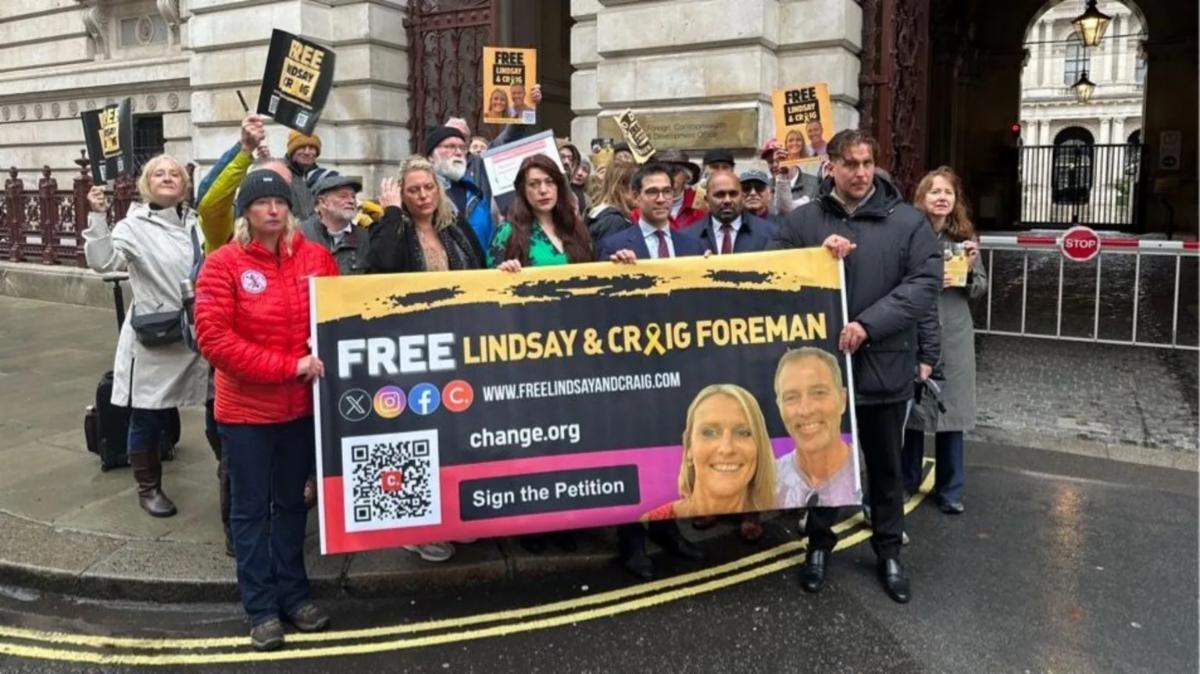
Joe Bennett, son of Lindsay and Craig Foreman, delivered a petition to 10 Downing Street, bringing the voices of thousands of supporters directly to the government and calling for his parents’ release. He was joined by former Iranian hostage Anoosheh Ashoori, Richard Ratcliffe, husband of Nazanin Zaghari-Ratcliffe, Ashoori’s daughter Elika, and MPs Alicia Kearns and Tony Vaughan, among others. | |
| The Free Al-Khawaja Campaign Takes Its Advocacy to Brussels | |
As the EU moves forward with negotiations for a new Strategic Partnership Agreement with Bahrain, the Free Al-Khawaja Campaign brought its demands to Brussels. Abdulhadi Al-Khawaja’s daughter, human rights defender Maryam Al-Khawaja, joined the advocacy efforts, meeting with EU representatives and allies in the European Parliament alongside Danish civil society organizations. The visit called on European leaders to make human rights a priority in their growing relationship with Bahrain and use the negotiations to press for concrete progress, including Abdulhadi’s release after more than 15 years of imprisonment. | |
| |
American Academic
Min Zin
| |
| |
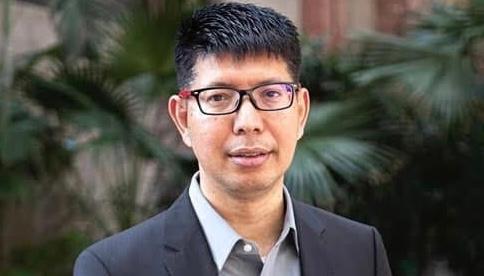
Min Zin, an American academic, Myanmar political analyst, and Executive Director of the Institute for Strategy and Policy–Myanmar, has been unlawfully detained in China since his arrival in Kunming on June 3, 2026. He had travelled to attend an academic conference at the invitation of a Chinese institution when he was arrested. Chinese authorities have accused him of espionage and endangering national security, without providing credible evidence to substantiate the allegations.
Min Zin is reportedly being held in an undisclosed detention facility under China’s Residential Surveillance at a Designated Location system, without access to his lawyer or direct contact with his family. His wife, Sylvia Zin, has been unable to speak with him and depends on brief, closely monitored monthly consular visits for updates. Her concerns about his well-being have grown amid reports of weight loss and knee pain.
The U.S. government has formally designated Min Zin as wrongfully detained, with Secretary of State Marco Rubio making the announcement in August. Sylvia has also taken her appeal directly to President Trump, urging him to intervene and secure her husband's freedom. Washington has since confirmed raising his case with Beijing, but Min Zin remains in custody. His family continues to demand his immediate release.
| |
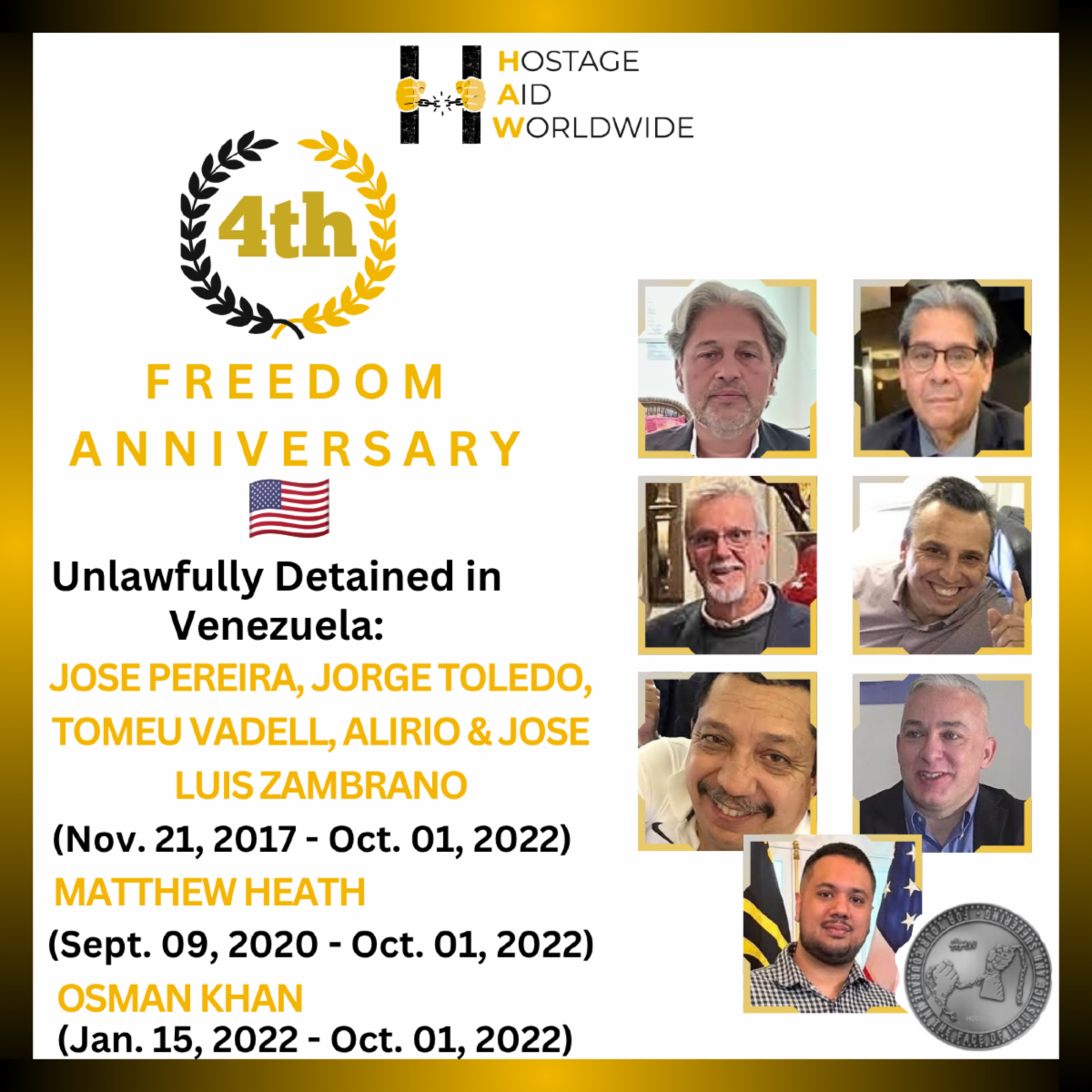
| | | Oct. 1st marked the 4th freedom anniversary of 🇺🇸 Jose Pereira, Jorge Toledo, Tomeu Vadell, Alirio & Jose Luis Zambrano, Osman Khan & Matthew Heath, who were freed after years of unlawful detention in Venezuela. | |
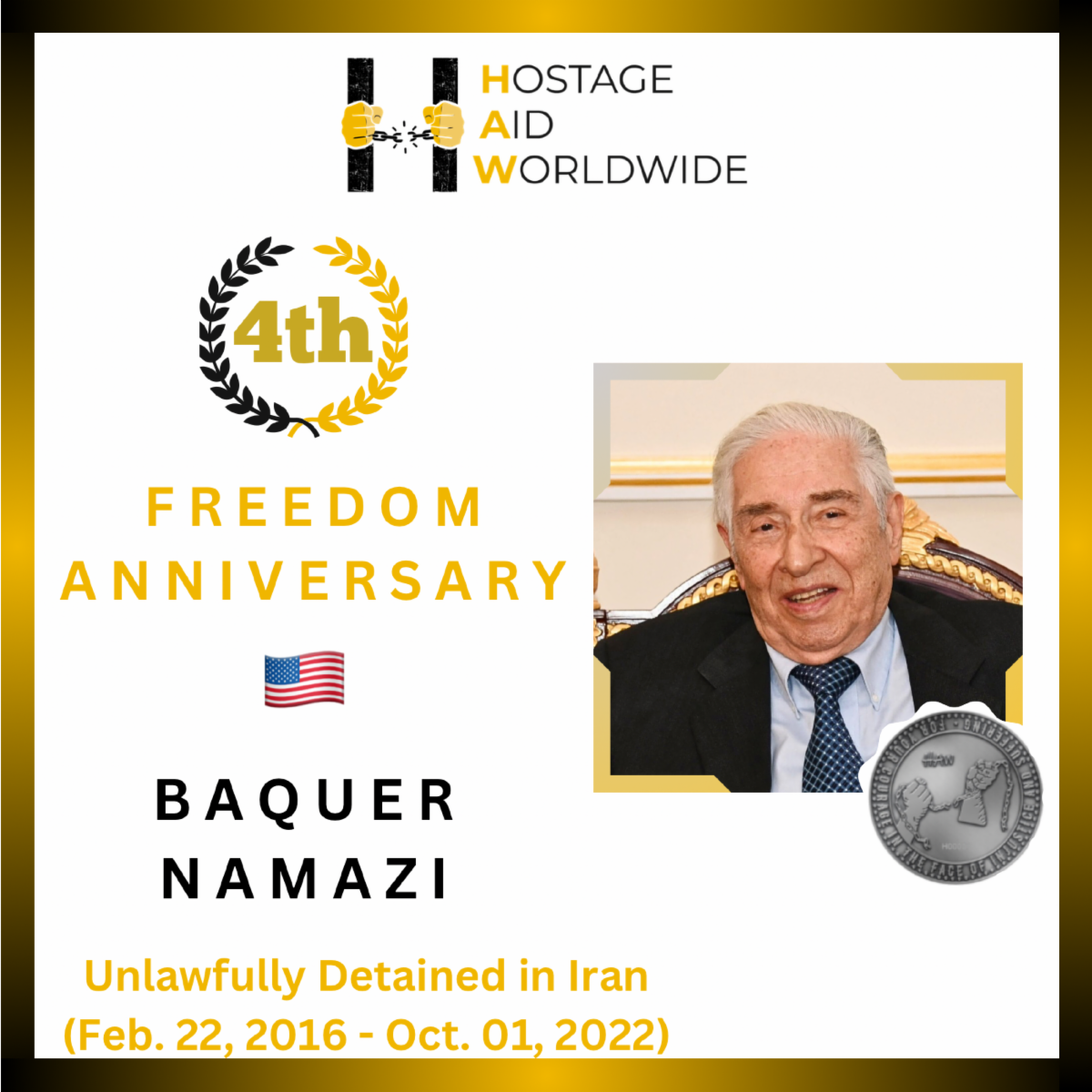
| | | | Oct. 1st also marked the 4th freedom anniversary of 🇺🇸 Baquer Namazi, who was wrongfully detained in Iran on Feb. 22, 2016, & thankfully released on Oct. 1, 2022, after years of suffering. | |
| | | | |
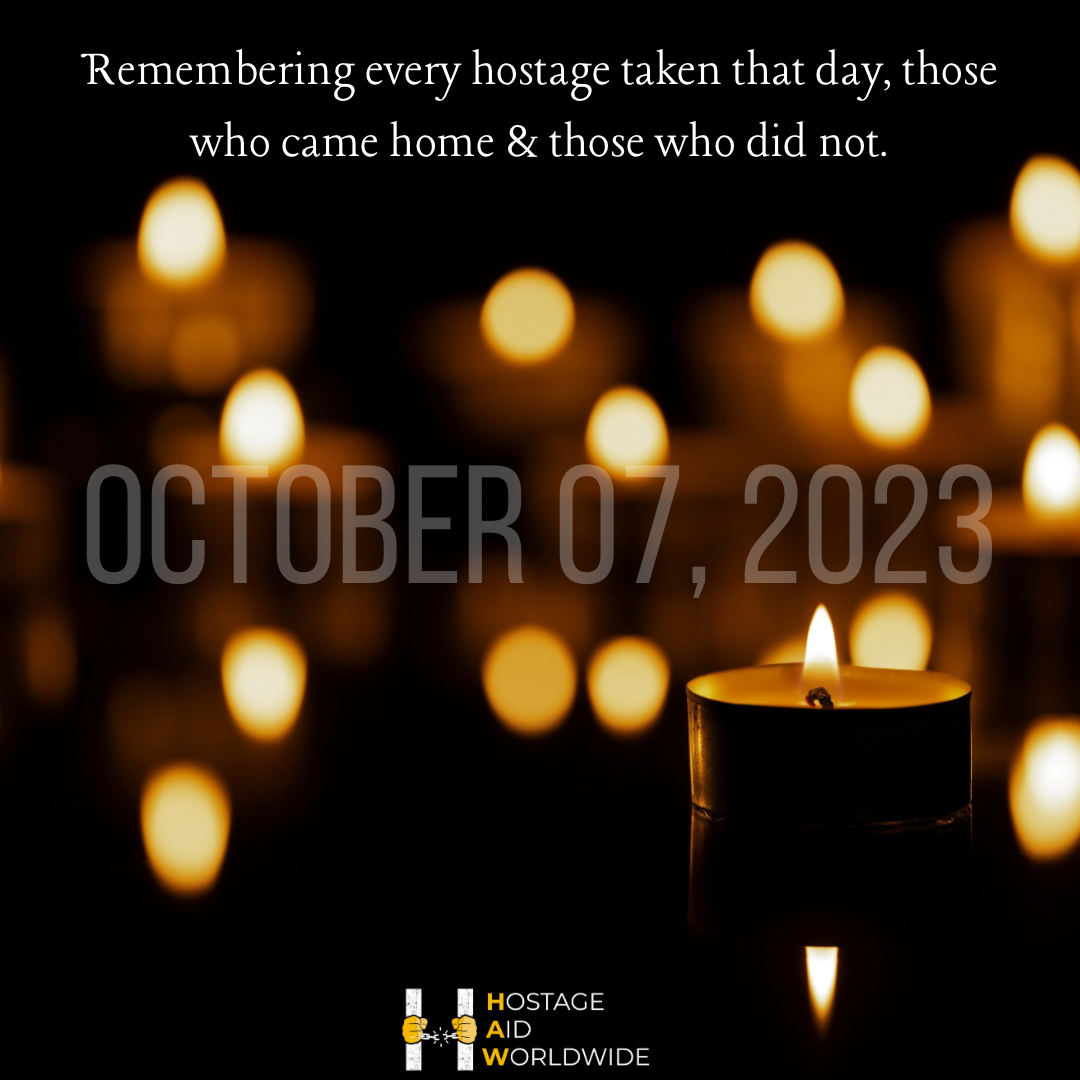
Oct. 7th, 2023 changed the lives of hundreds of families forever when 251 people were taken hostage by Hamas & brought to Gaza. For those taken, captivity meant unimaginable suffering. For their families, it meant months & years of fear, uncertainty & waiting.
We remember every hostage taken that day & are grateful for all the efforts of President Trump & the administration to bring them home.
| |
| | | | |
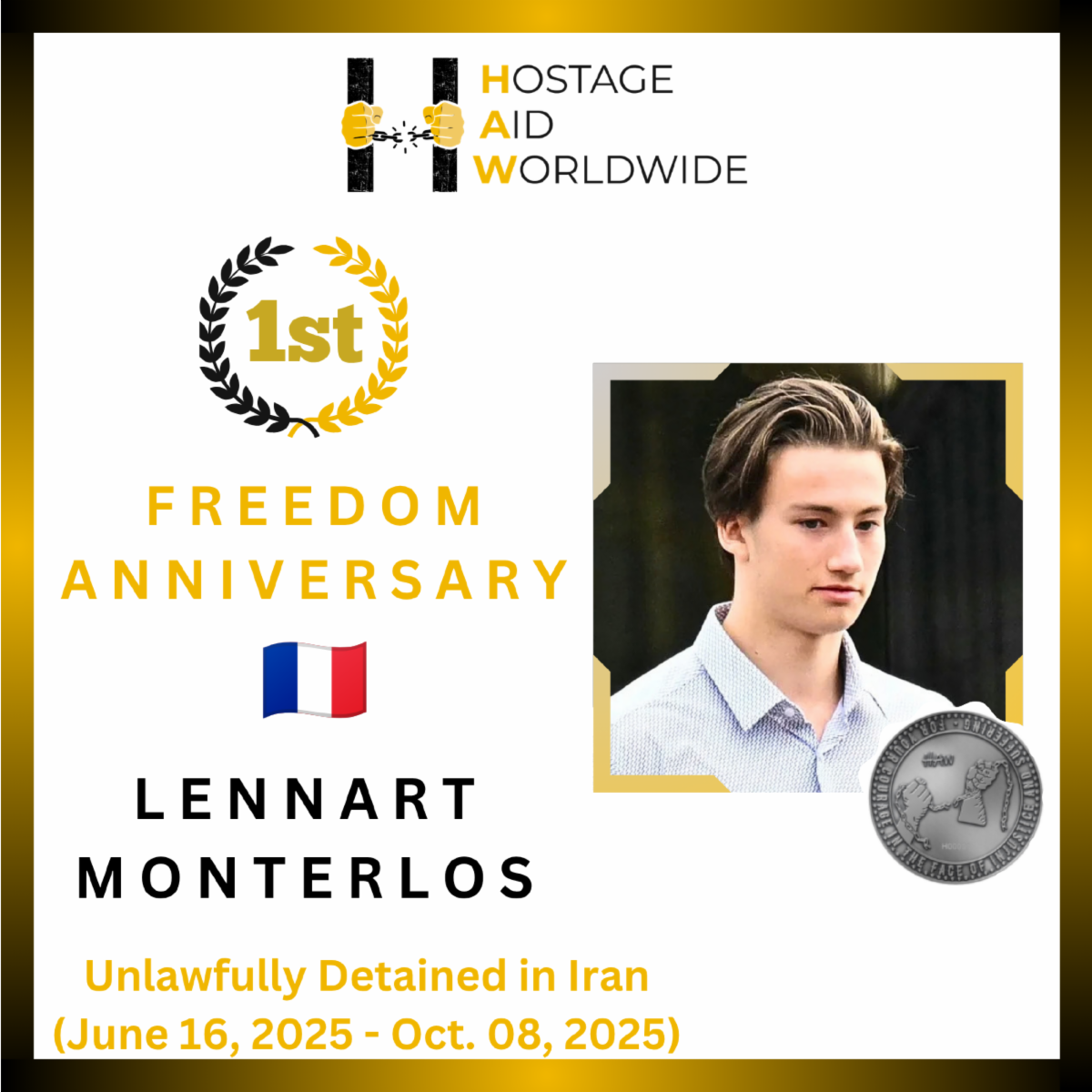
French national Lennart Monterlos on Oct. 8th marked his 1st freedom anniversary.
Lennart was detained in Iran on June 16, 2025 while cycling across the country. After nearly 4 months in detention, he was finally released on Oct. 8, 2025.
| |
| | | |
|
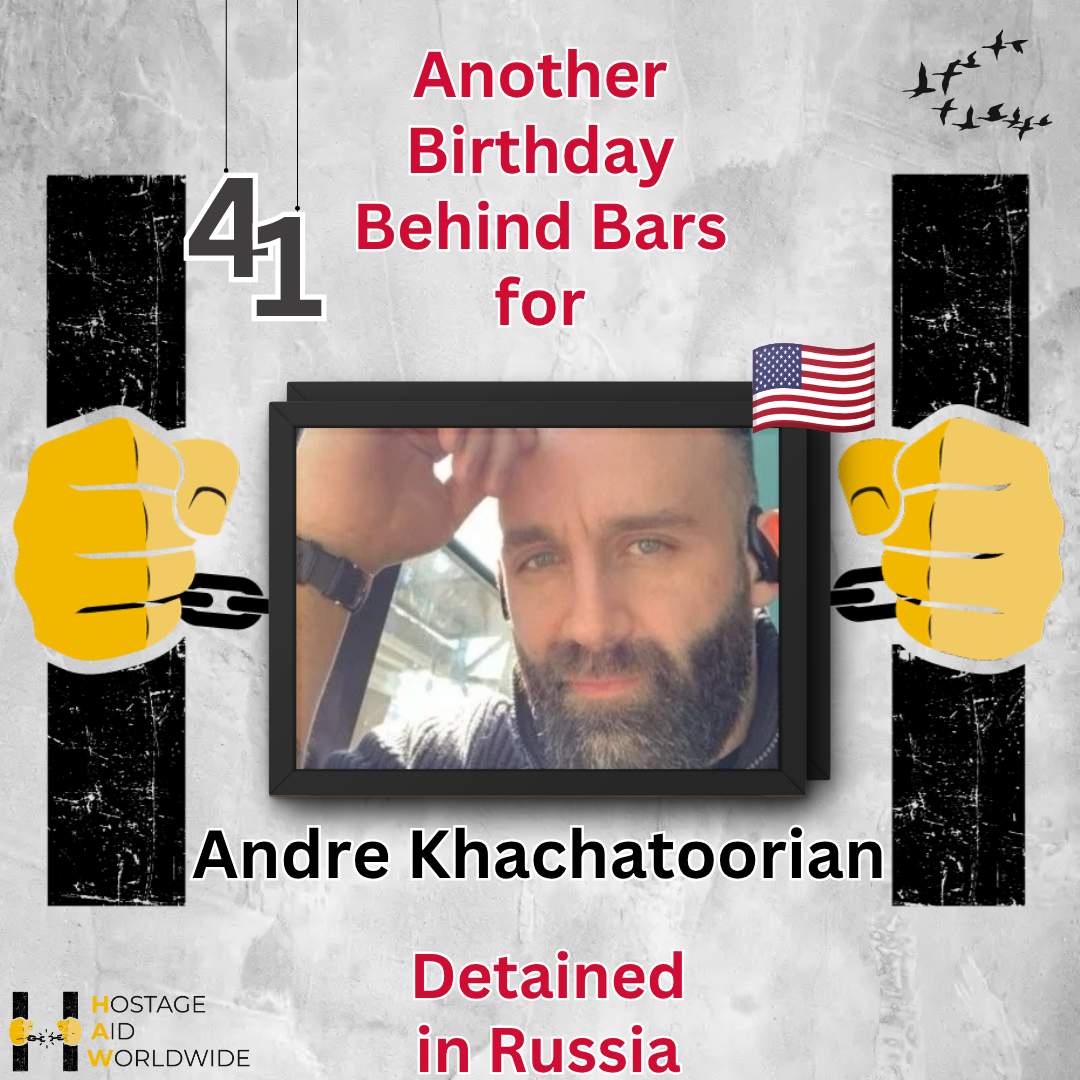
Andre Khachatoorian turned 41 on Oct. 8th. It is his 5th birthday in detention.
Five birthdays, various milestones & many joyous moments that Andre has been forced to miss while imprisoned in Russia.
| |
| | | |
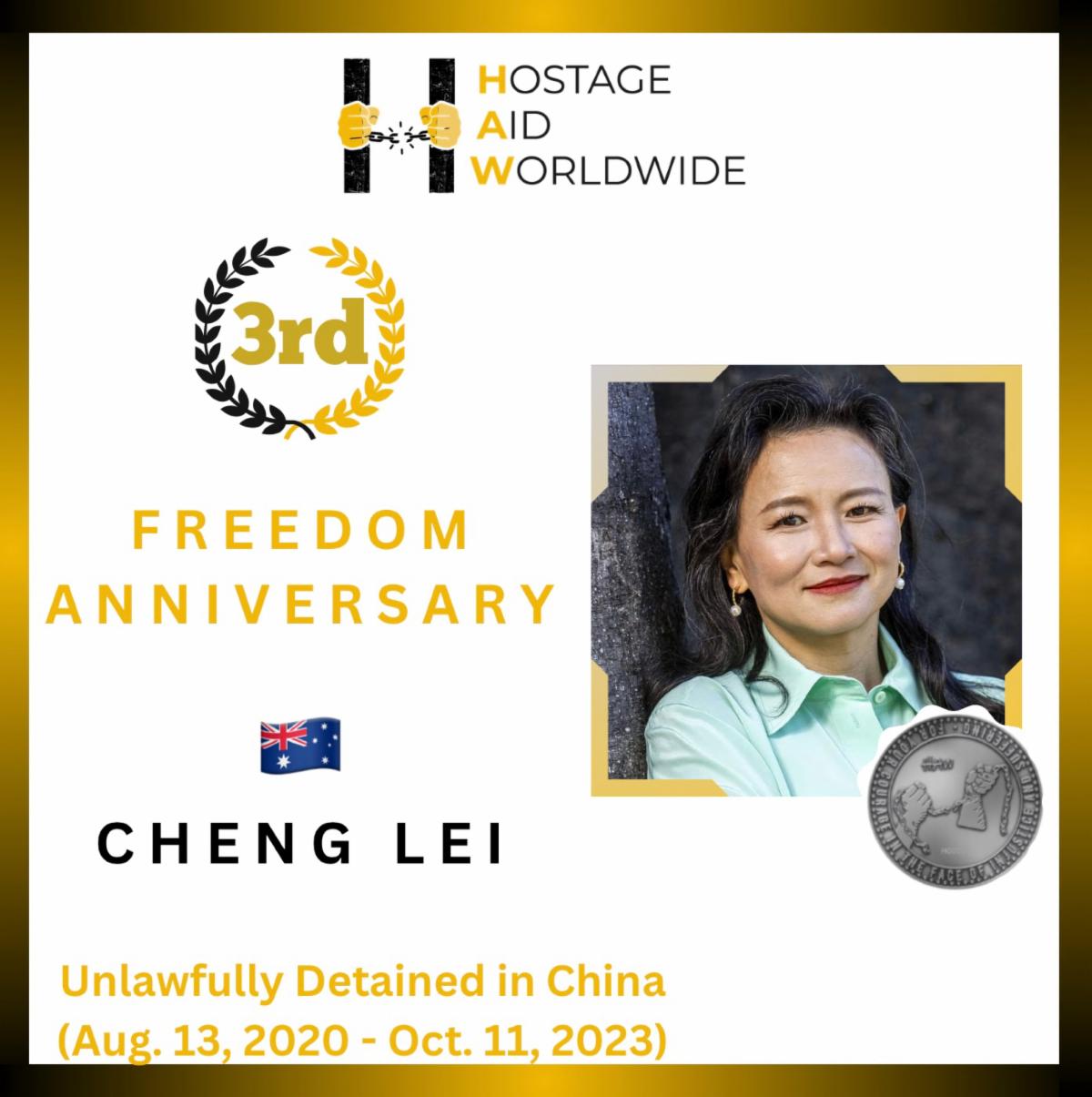
Australian journalist Cheng Lei marked 3 years free on Oct. 11th, 2026. She was unlawfully detained in China from Aug. 13, 2020 till Oct. 11, 2023. | |
| | | | |
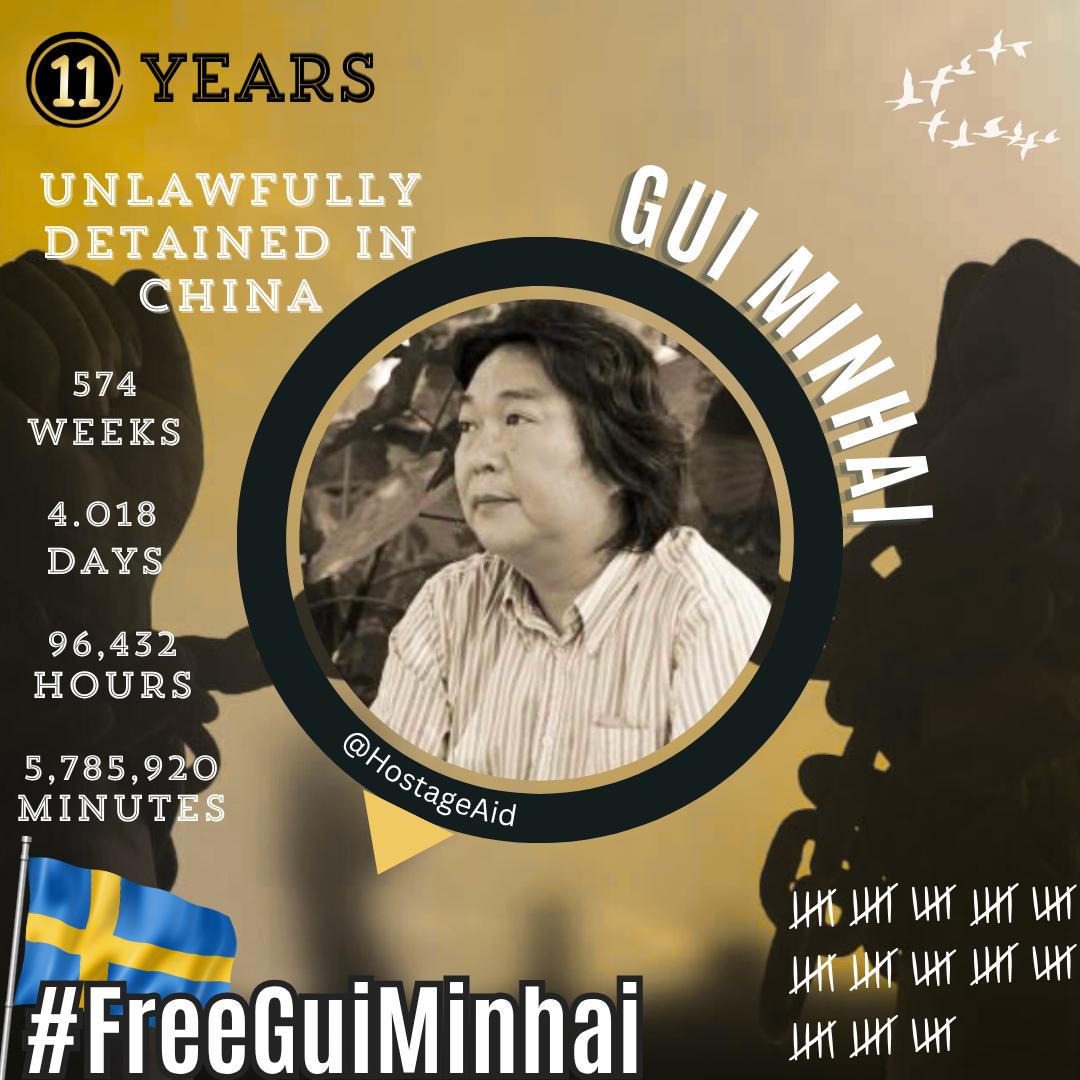
Oct. 15th marked 11 years since China abducted Swedish publisher Gui Minhai. 11 years behind bars. 11 years of words calling for his release.
To mark this milestone, Sweden’s PM & FM marked another anniversary with statements. Both have previously raised Gui’s case with China. But words do not free prisoners. Action does.
| |
| | | |
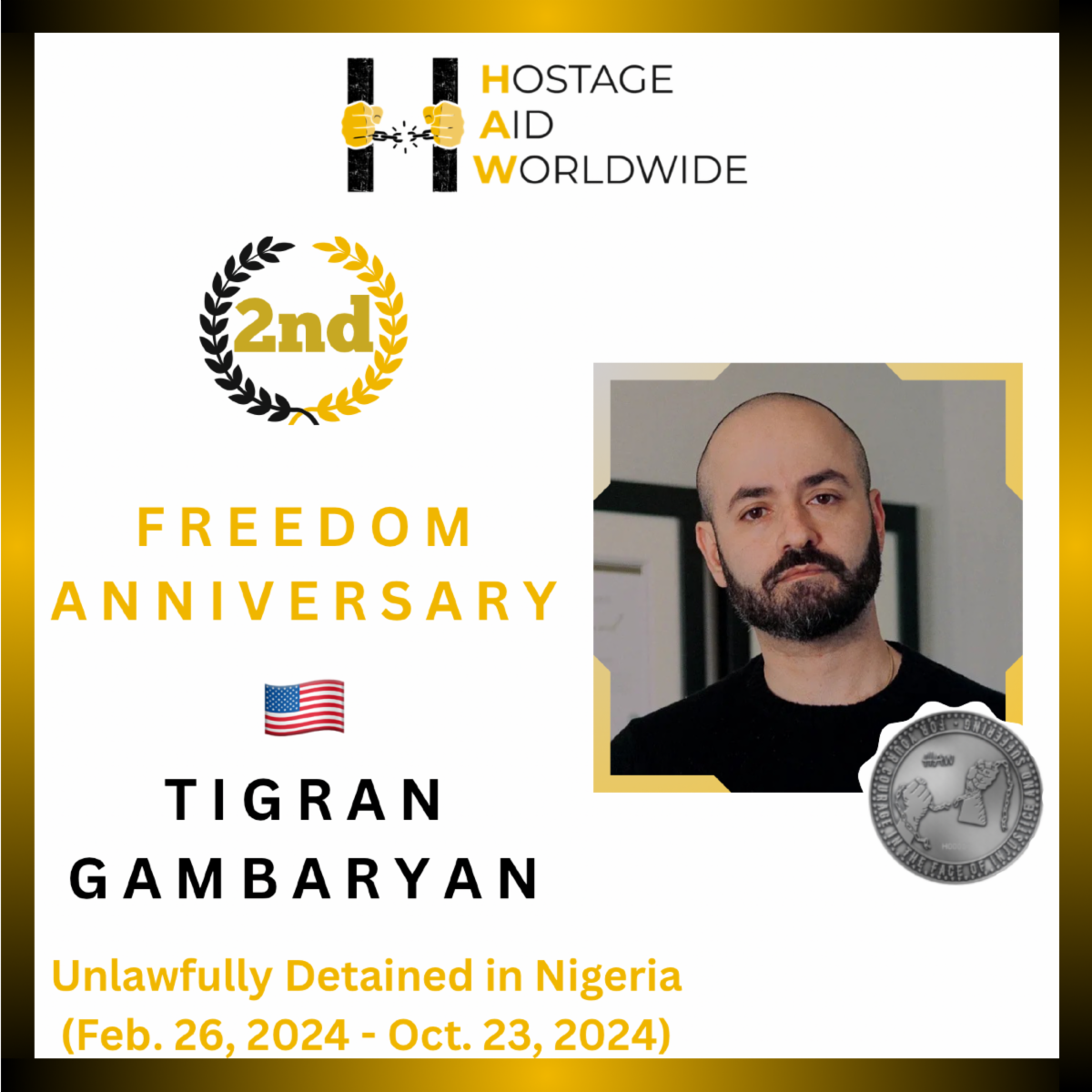
Two years ago, on Oct. 23rd, Tigran Gambaryan was released from wrongful detention in Nigeria. Detained on Feb. 26, 2024, he was finally freed on Oct. 23, 2024 after 8 months in captivity. | |
| | | | |
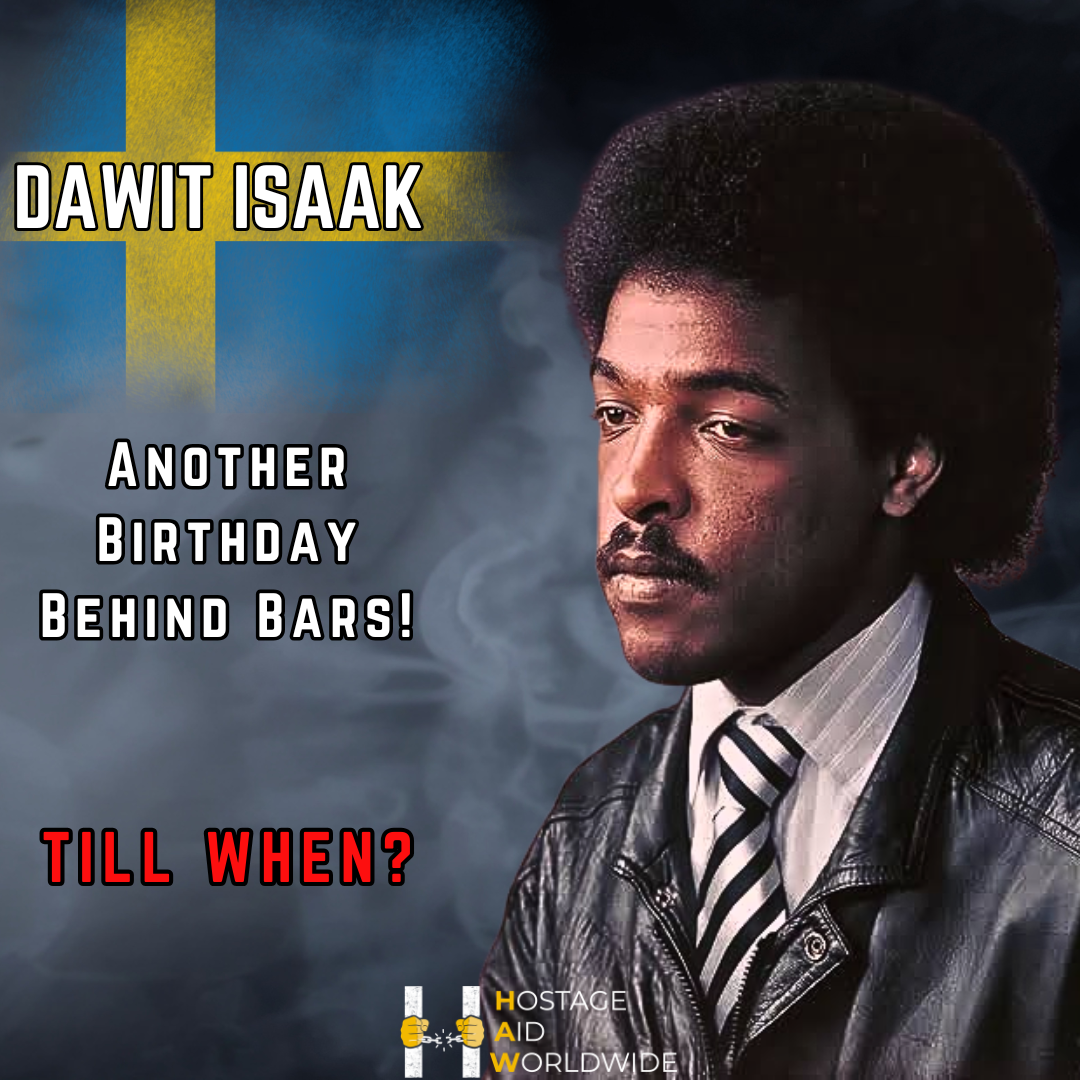
On Oct. 27th, 🇸🇪🇪🇺 Dawit Isaak spent another birthday behind bars instead of celebrating surrounded by his children. They don’t even know if their father is alive.
For 25 years, Eritrea has stolen his freedom & every chance to make new memories with his family. His children grew up. Life moved on. But Dawit is still missing.
| |
| | | | |
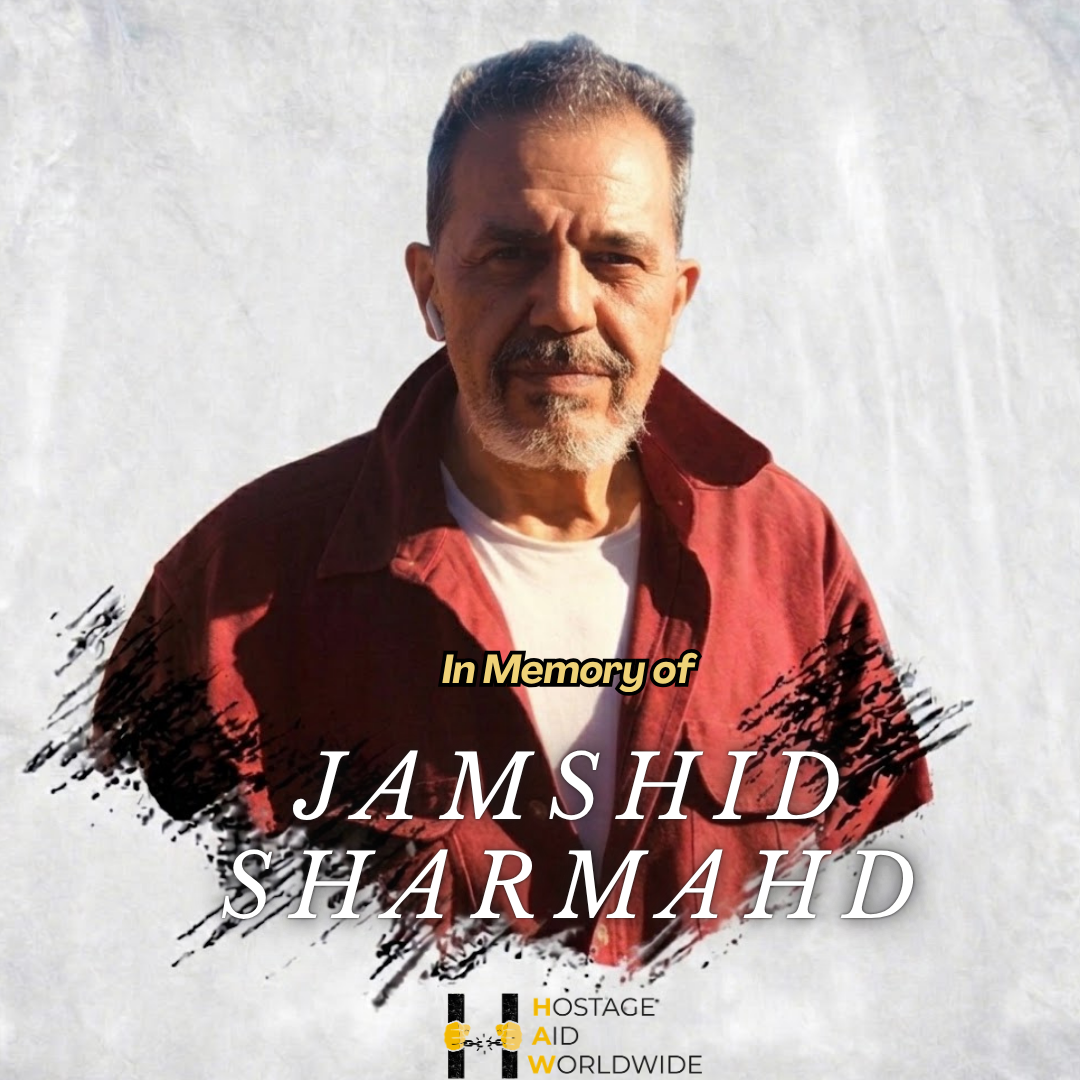
Two years ago on Oct. 28th, Iran announced the execution of Jamshid Sharmahd. This father was taken from his family, denied a fair trial, & killed after four years of captivity.
Jamshid was abducted in 2020, held arbitrarily for years & executed on October 28, 2024. Germany vowed consequences. The EU said it would consider targeted & significant measures.
Two years later, where is the accountability? Where is the justice his family has fought for?
| |
| | | | |
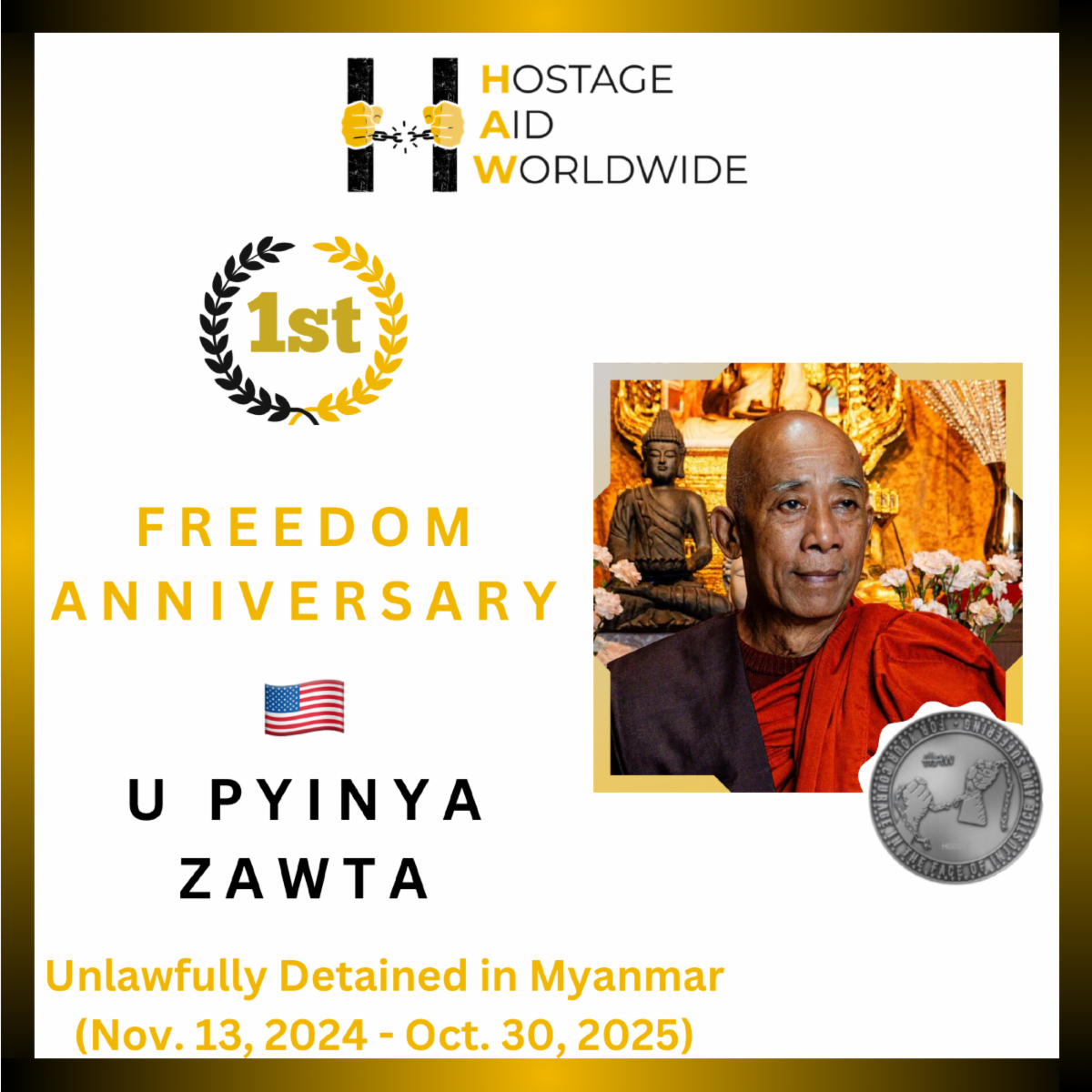
One year ago on Oct. 30th, U Pyinya Zawta was released from unlawful detention in Myanmar after 351 days in captivity.
A U.S. citizen, Buddhist monk & prominent figure in Myanmar’s 2007 Saffron Revolution, he was arrested in Nov. 2024 after returning to the country for religious & charitable work. He was later sentenced to 15 years in prison before being freed on Oct. 30, 2025.
| |
| |
- The U.S. Senate unanimously passed the End Tax Penalties on American Hostages Act, introduced by Senator Chris Coons and championed by Representative Dina Titus. The bipartisan legislation aims to protect Americans returning from wrongful detention or captivity abroad from tax penalties incurred while they were held.
- President Donald Trump appointed John Coale as Special Presidential Envoy for Hostage Affairs on Oct. 4th, replacing Adam Boehler. Boehler, who helped secure the release of 196 hostages during his tenure, will remain involved as a senior adviser.
- Venezuelan human rights activist Rocío San Miguel announced on Oct. 2nd that a court acquitted her of the charges of terrorism, conspiracy, and treason brought against her.
- The family of British couple Lindsay and Craig Foreman intensified its campaign for their release throughout October. On Oct. 7th, British officials met with the couple for the first time since June, and the family was promised weekly phone calls. However, their son, Joe Bennett, expressed frustration over assurances that had yet to translate into meaningful progress.
- Norwegian citizen and human rights advocate Nguyen Duc Thuan and Vietnamese-Australian democracy campaigner Tran Hiep remain detained in Vietnam following their reported abduction and rendition. On Oct. 7th, Media Defence filed an urgent appeal with the UN Working Group on Arbitrary Detention concerning their cases.
- Japanese journalist Yuki Imai, who works for the Hokkaido Shimbun newspaper, was arrested by Russian authorities in the Sakhalin region on Oct. 13th on suspicion of espionage. Accused of gathering information about Russia’s defense capabilities for Japan, Yuki was transferred to Moscow, where a court ordered his pretrial detention.
- On Oct. 16th, Christian Democrat MP Magnus Oscarsson submitted a parliamentary motion urging the Swedish government to take more active measures to secure Ahmadreza Djalali’s release and reunification with his family. Citing his deteriorating health and the UN's assessment of his detention as politically motivated, the motion called for stronger government action to bring him home.
- The U.S. State Department updated its travel advisory for mainland China in October, warning Americans of the risk of wrongful detention, arbitrary enforcement of local laws, and exit bans imposed without fair and transparent procedures.
- El Salvadoran President Nayib Bukele announced on Oct. 22nd that his government had launched a military operation to rescue four air force personnel who had gone missing in Haiti. Bukele emphasized that the personnel were assigned to medical evacuations and humanitarian missions rather than combat.
- Russia's Federal Security Service announced on Oct. 15th that it had detained a 35-year-old Swedish national identified as Freddy Lindholm, accusing him of planning attacks and sabotage on behalf of Ukraine. Lindholm is reported to have entered Russia under the pretext of joining the Russian military and was charged with illegally crossing the border, with further terrorism-related charges possible. The FSB released a video purporting to show his confession, although the allegations have not been independently established.
- Imprisoned Iranian journalist Reza Valizadeh reported on Oct. 27th that he has been waiting six months for authorization to receive medical treatment outside Evin Prison. Till today, his request has not been approved.
- Lithuania's Foreign Ministry confirmed on Oct. 27th that Iran had officially informed it of the detention of two Lithuanian citizens, Daiva Zakažauskaitė and Erika Šlimaitė. The women, who had traveled to Iran from Turkey as tourists, had been missing since their relatives lost contact with them on Oct. 11th. Although Iranian authorities have not disclosed the reasons for their detention, Lithuania said it was working to provide consular assistance and obtain further information about their situation.
- The UK's first Special Envoy for Complex Consular Affairs, Alistair Burt, warned on Oct. 27th that state hostage-taking is increasing and called for stronger international cooperation to counter the practice. Speaking to Parliament's Foreign Affairs Committee, Burt said he had been engaging with counterparts from the Five Eyes intelligence-sharing partnership and Gulf states to strengthen coordination among countries affected by state hostage-taking.
| |
| DOWNLOAD THE NEW HOSTAGE AID MOBILE APP |
| |
Hostage Aid has released its latest mobile app version for Apple and Android devices! Included in the app are the powerful Hostage Metrics Engine and the Hostage Risk Predictor at your fingertips!
The Hostage Metrics Engine provides real-time data on unlawful detentions, kidnappings, and releases back to 1977. Leveraging the vast dataset from the Hostage Metrics Engine, the Hostage Risk Predictor uses sophisticated algorithms to analyze patterns and relevant factors and predict the likelihood of individuals being taken hostage or unlawfully detained.
Download the app today to stay informed on the latest news on hostages and unlawfully detained persons around the world!
| | | | |