South San Francisco Parks and Recreation Logo. Purple circle of text around a purple iris

Sign Hill Restoration Project

Sign Hill Stewards

Fall 2026 Newsletter

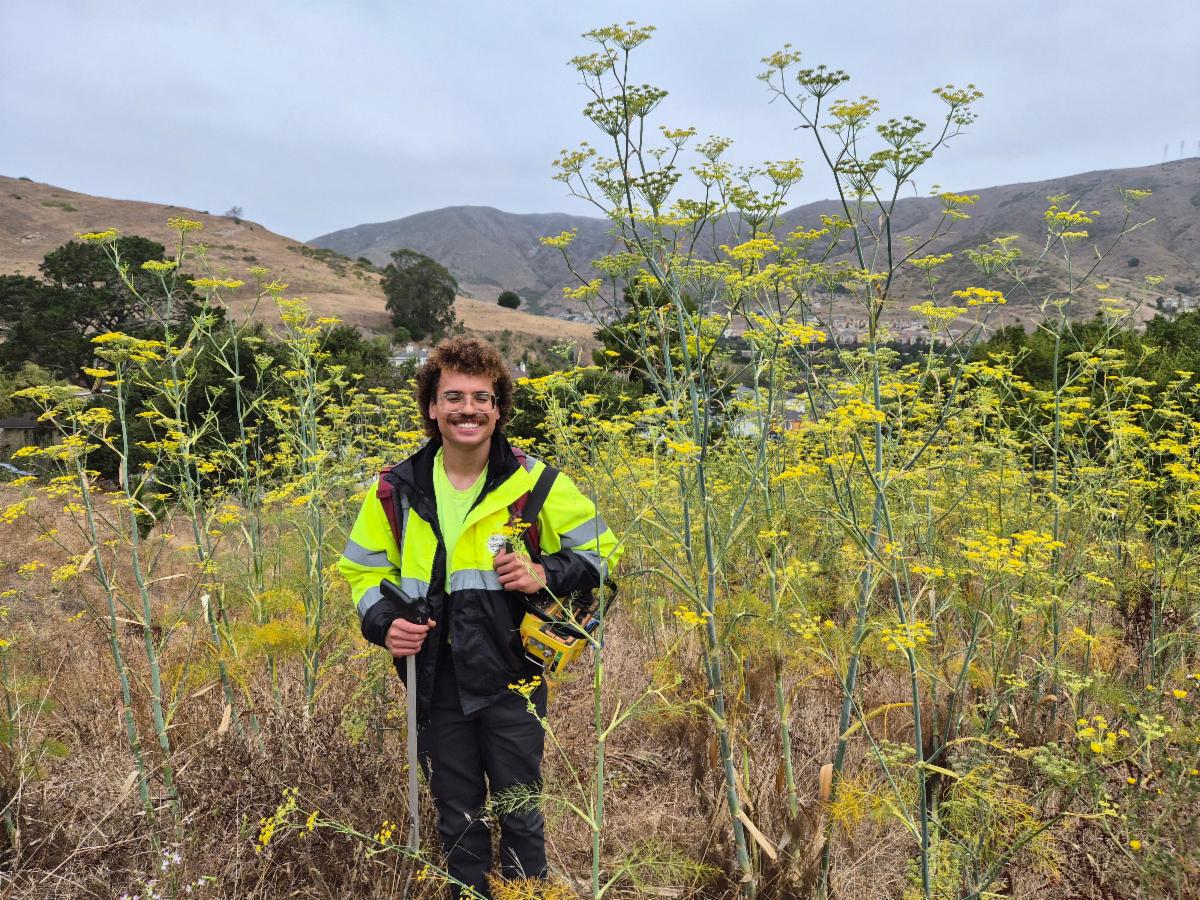
A Joe Batom stands in field of very tall fennel plants with a cloudy sky above.
 

Greetings Sign Hill Stewards,


As the sun begins to set earlier by the day and the brisk winds of autumn return to Sign Hill, it comes time to reflect upon our hard work this summer. Between SSF parks staff and Sign Hill Stewards volunteers, over 232 person-hours were spent diligently removing invasive weeds and restoring native grassland on the Hill! These continued efforts have been instrumental in preventing the dispersal of invasive seed.


During fall, the growing season dwindles. Grasses that once grew tall and emerald during the spring and early summer have since dried and released their seeds, leaving behind a golden landscape characteristic of California’s coastal prairies. Without the looming threat of invasive weed encroachment, we can shift our focus to other projects as we prepare for the next wet season.


Invasive eucalyptus and black acacia, however, continue to grow through the fall, suckers sprouting vigorously from the stumps of trees felled years prior. In the past, Sign Hill Stewards have assisted with sucker abatement projects by tarping–applying landscape fabric to cut stumps to block light and suppress regrowth. With time, tarping has proved to be an effective method to control invasive tree regrowth on the Hill. Stands of untreated suckers await–we will be hard at work cutting these down!


With the potential for increased rainfall this wet season due to El Niño, another one of our top priorities will be assessing areas that are at risk of washing out and installing erosion control measures as needed. Following a torrential rainfall event years back, SSF parks staff took emergency measures to remedy land washout around the infamous hillside letters. By preemptively identifying and addressing these issues, we can ensure that the Hill stays in its place this wet season.


Thank you for your continued support of our program. The work we do on the Hill would not be possible without it! If you’re looking for opportunities to get outdoors and enjoy the autumnal air, we welcome you to join a Sign Hill Stewards workday in the coming months!


Joe Batom

Natural Resource Aide

Assisting in the Sign Hill Habitat Restoration Project


Sign Hill Stewards in Summer


Oh fennel sticks! They just seem to pop up everywhere this time of year. Sign Hill Stewards dedicated a great deal of effort to controlling invasive sweet fennel (Foeniculum vulgare) this summer.

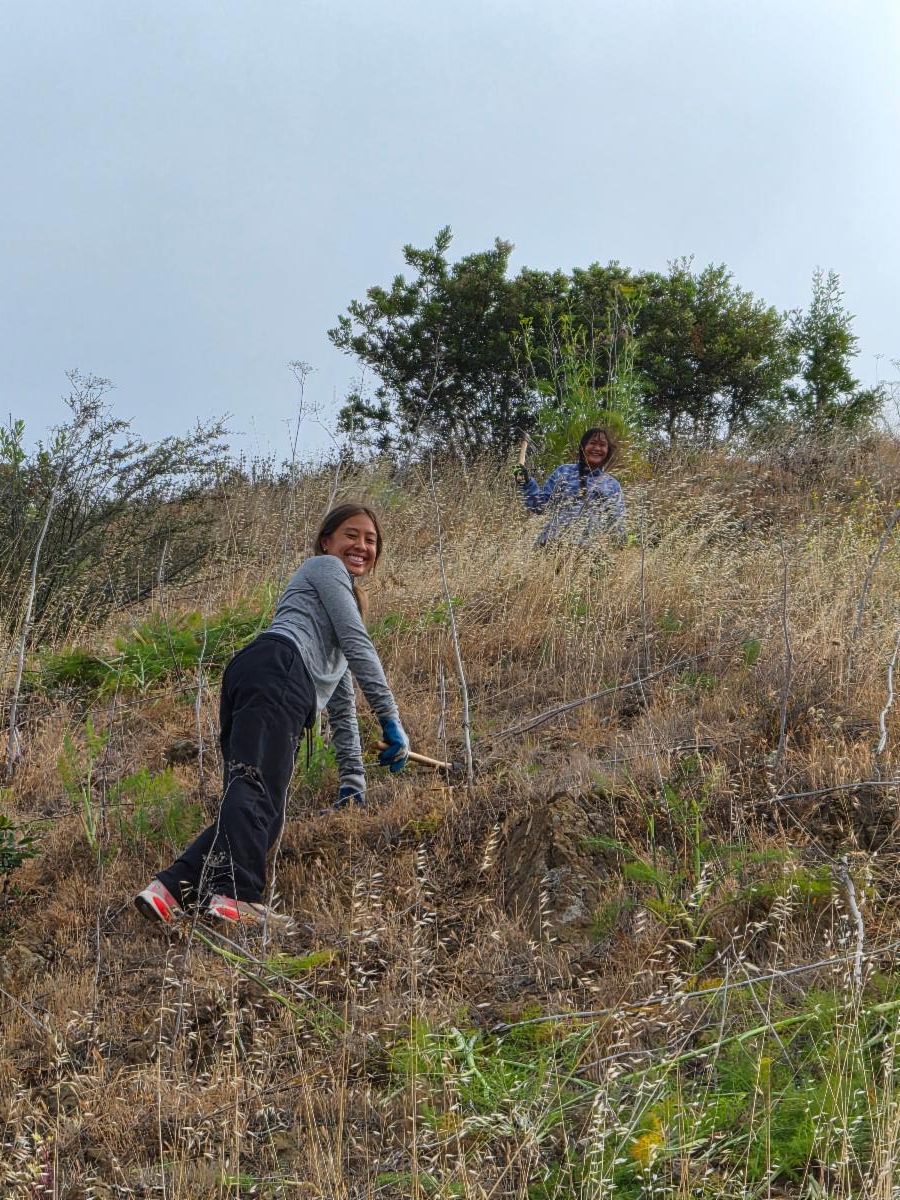
Two volunteers weed a steep slope.

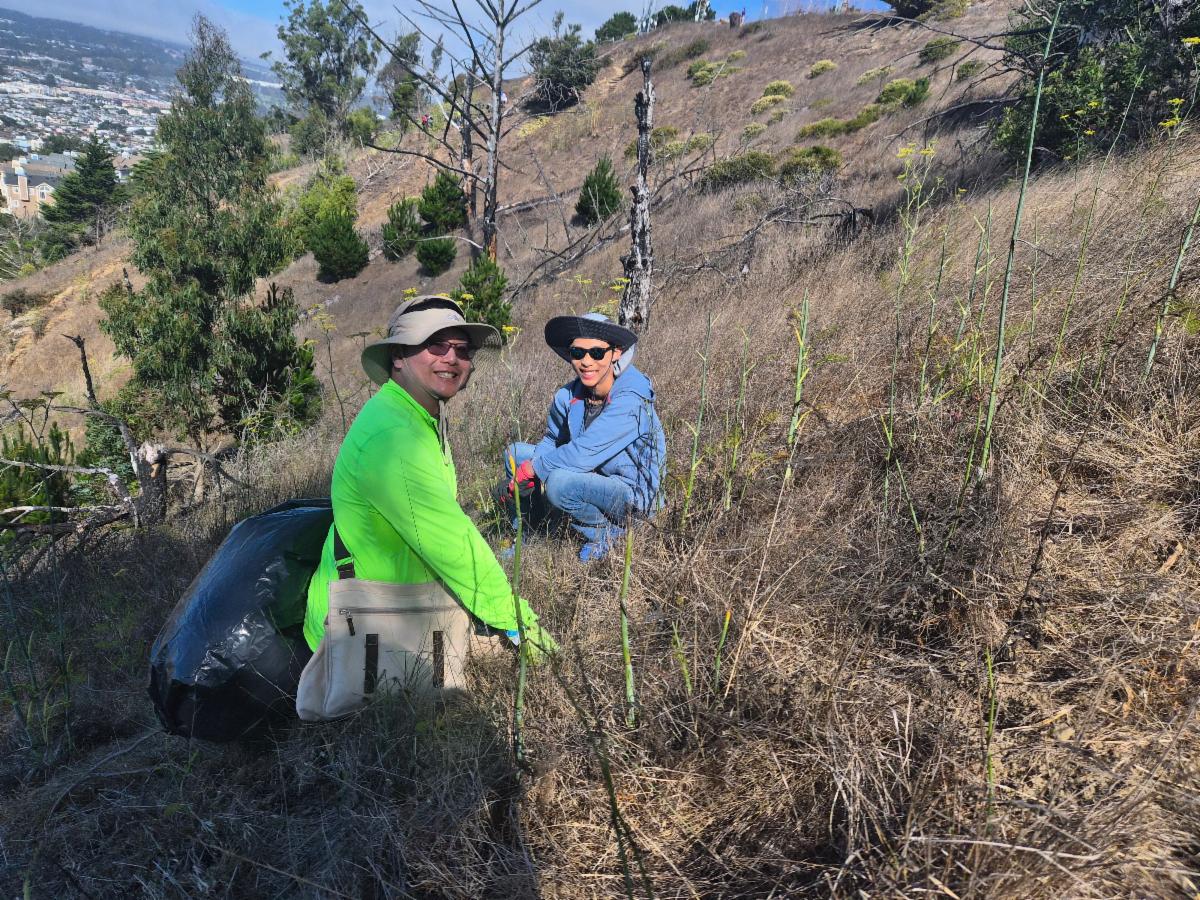
The work involved climbing some very steep slopes, but our volunteers were up for the challenge!

Two volunteers wearing sun protection hats crouch and rest on a steep hillside
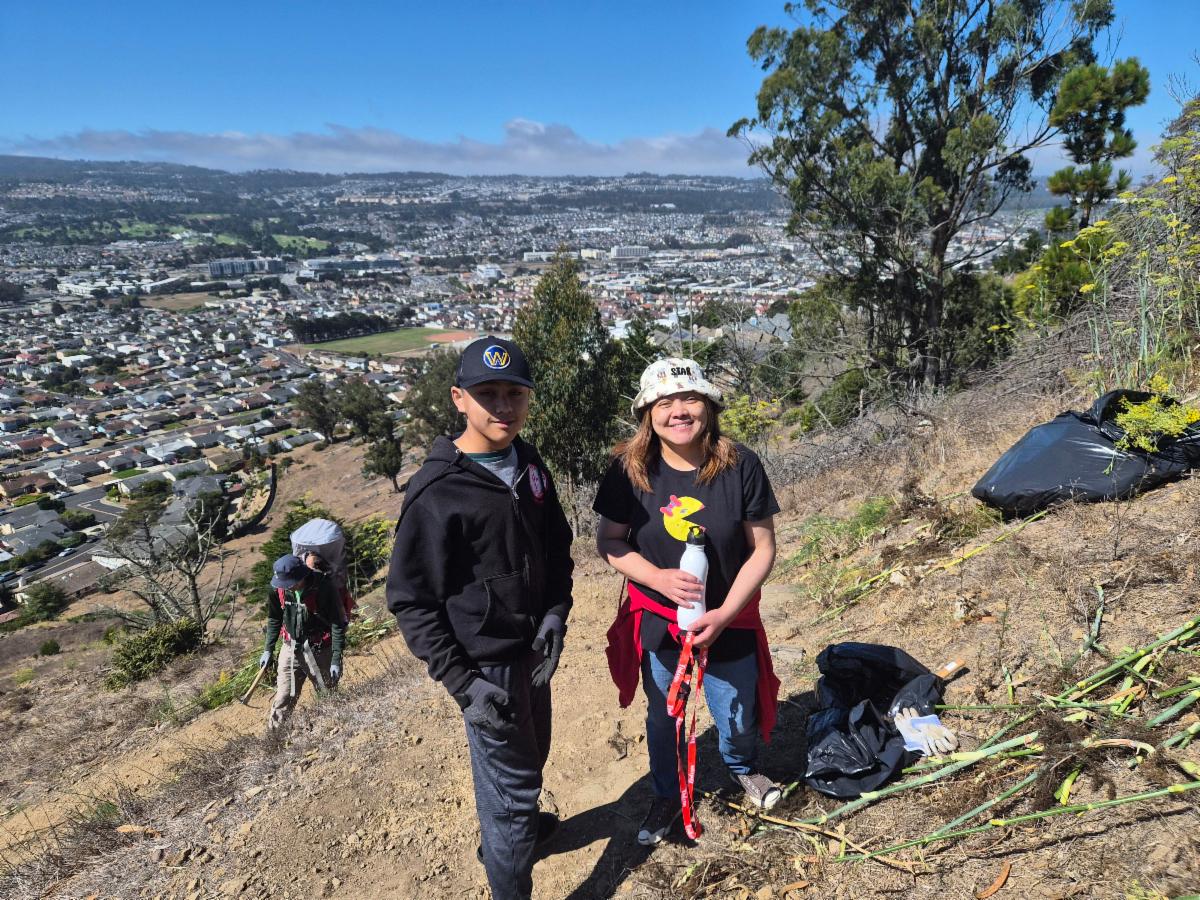
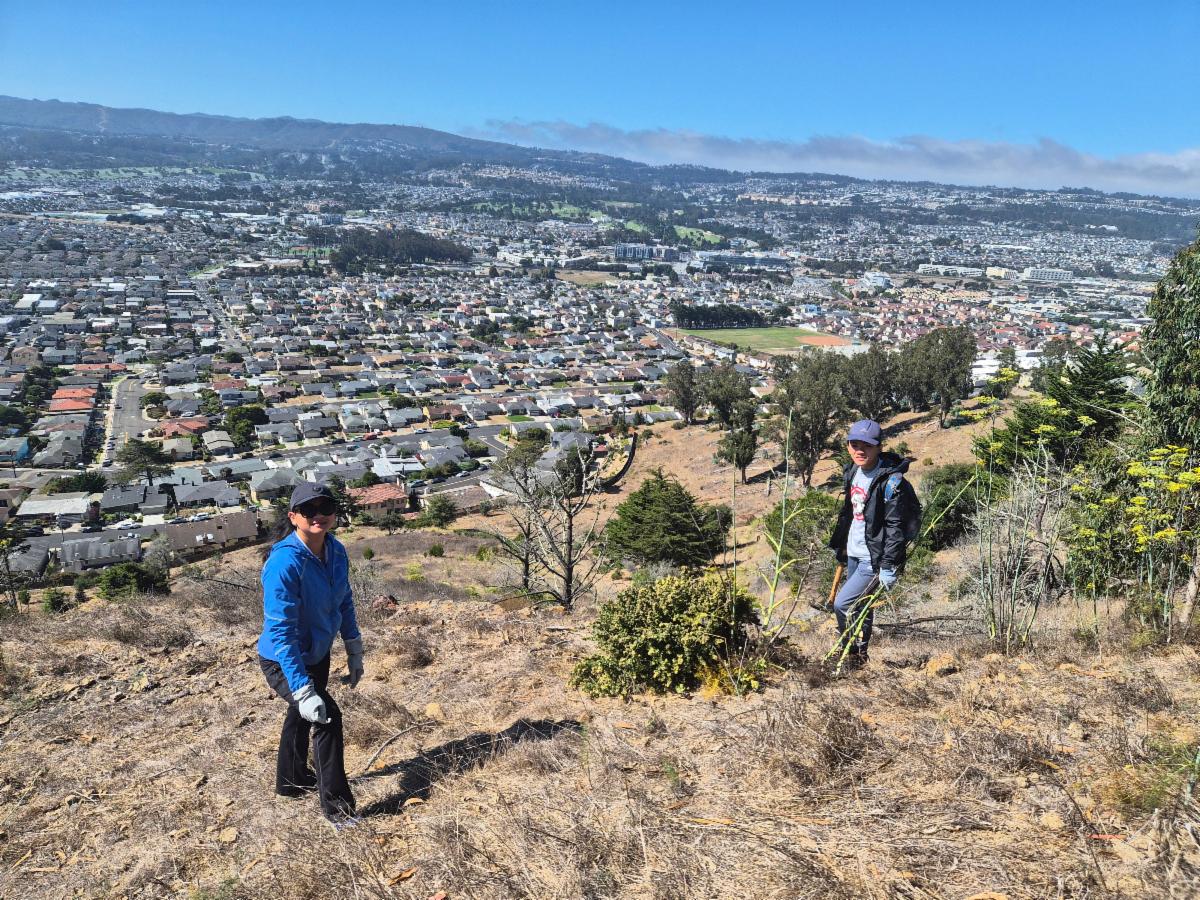
Two people stand on a freshly weeded hillside overlooking the City of South San Francisco.
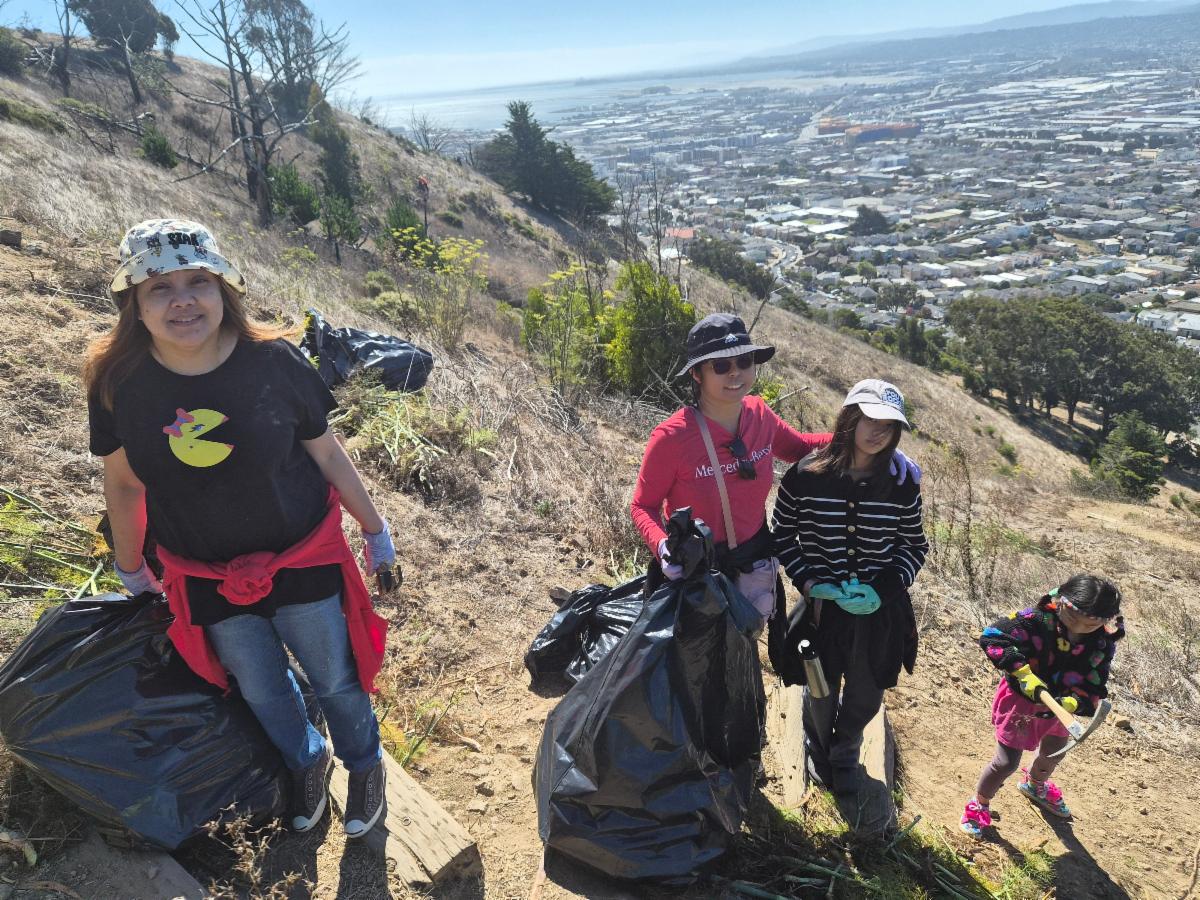
Four people stand on a steep hillside beside trash bags full of weeds that were recently pulled.
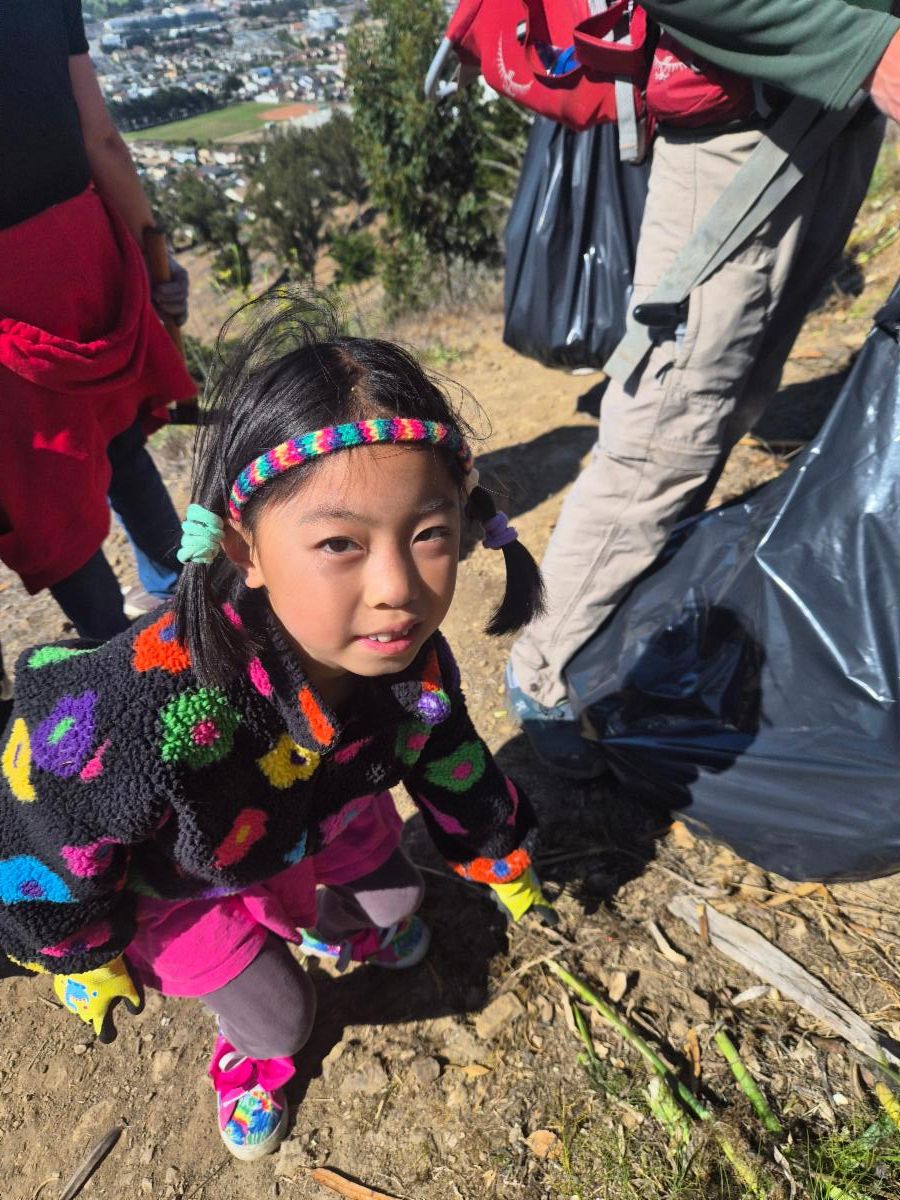
A young volunteer crouches in a weeding work area.

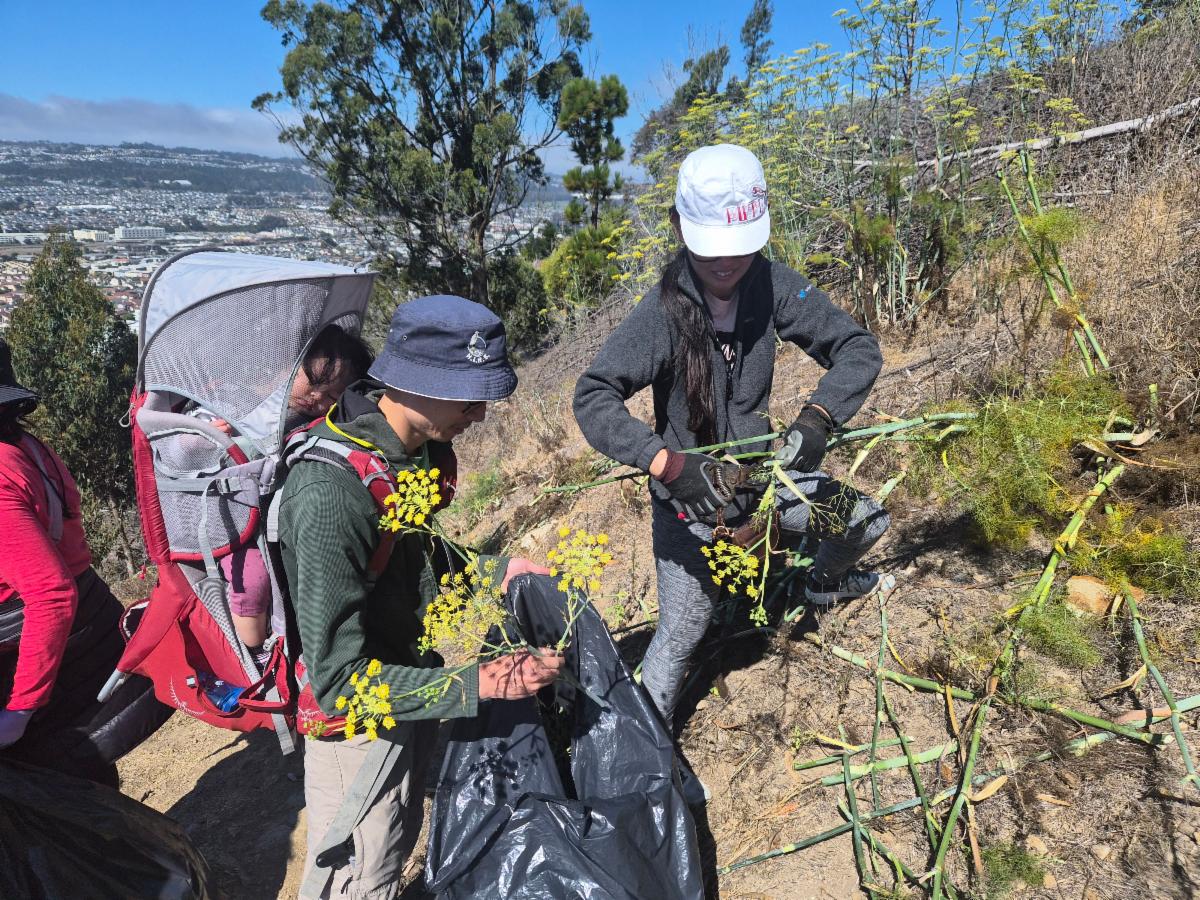
When we say Sign Hill Stewards is a family friendly event- we really mean it! Long-time volunteer, James, carries his littlest one in a pack while bagging up invasive species with the whole family.

A family weeds invasive fennel plants as their baby sleeps in a backpack carrier.
Two people stand on a freshly weeded hillside overlooking the City of South San Francisco.
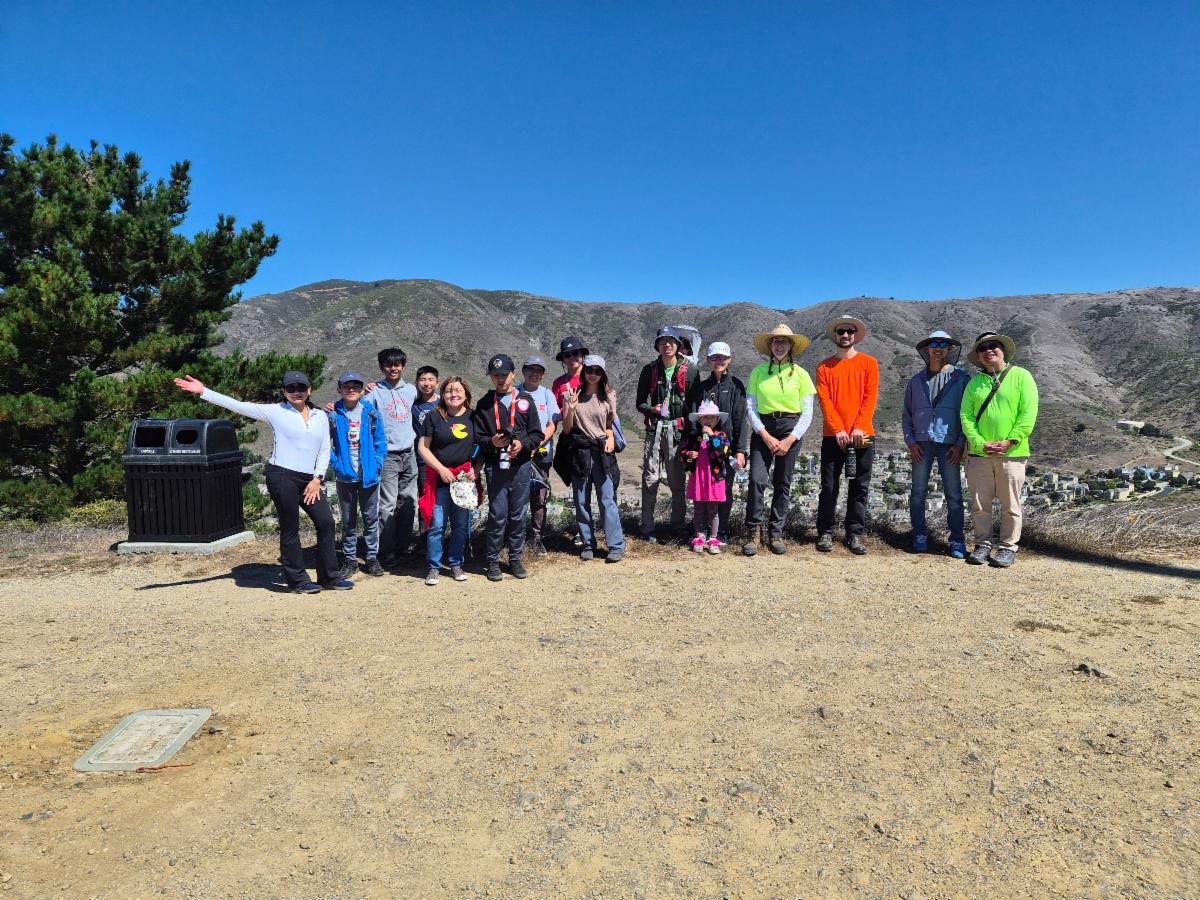
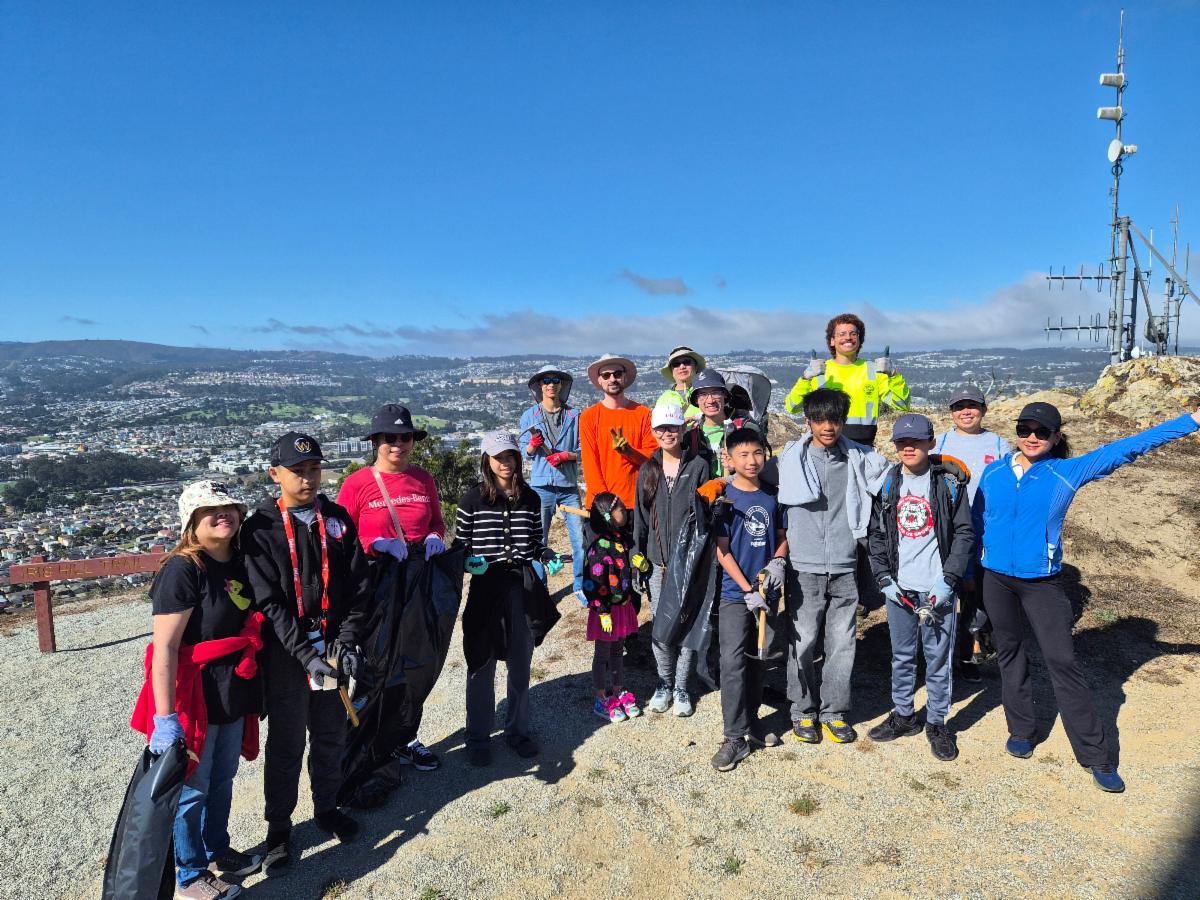
A group of 16 volunteers stands together after a work day.
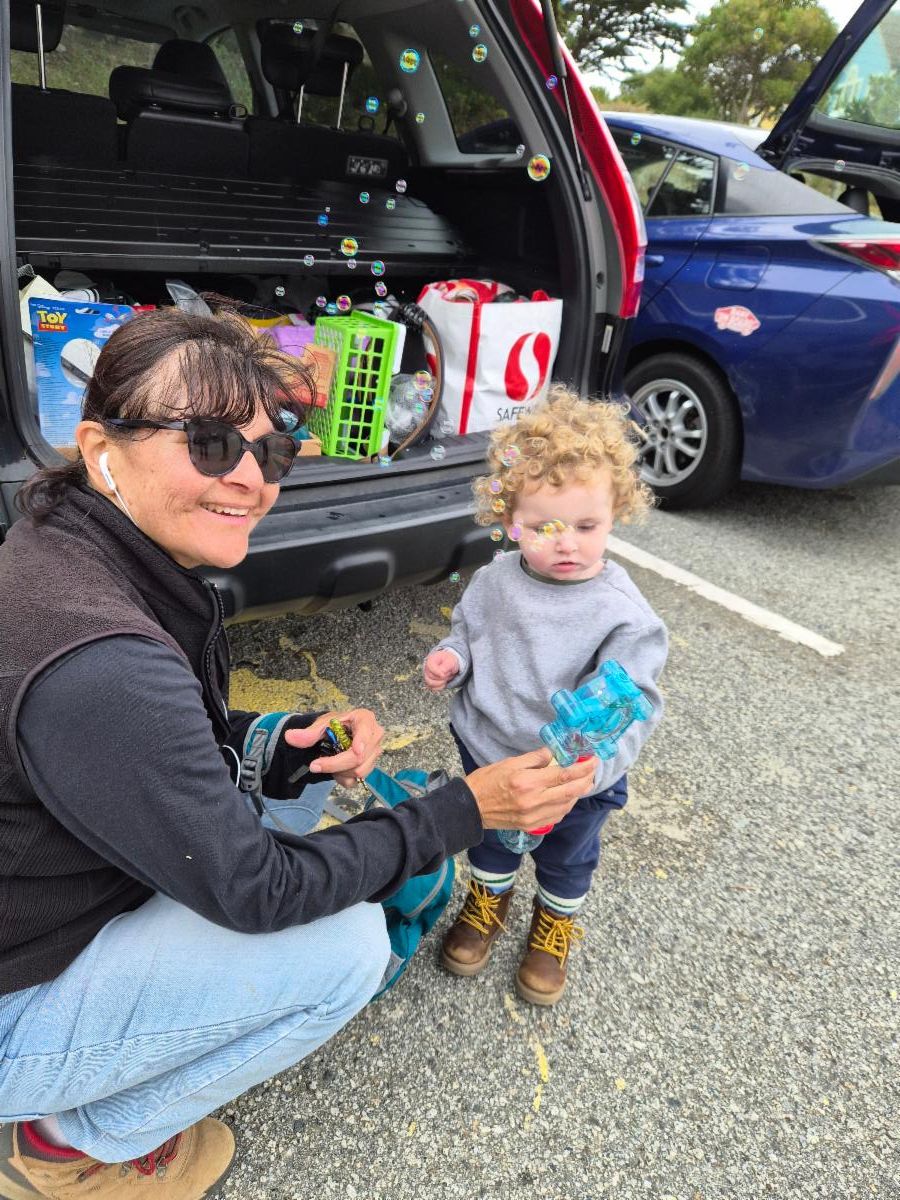
Longtime volunteer Sylvia and a toddler volunteer prepare for a hike.
A group of volunteers stands at the peak of Sign Hill Park.

Sometimes the best part of volunteer workdays is finding out your friend Sylvia keeps bubbles in her car!

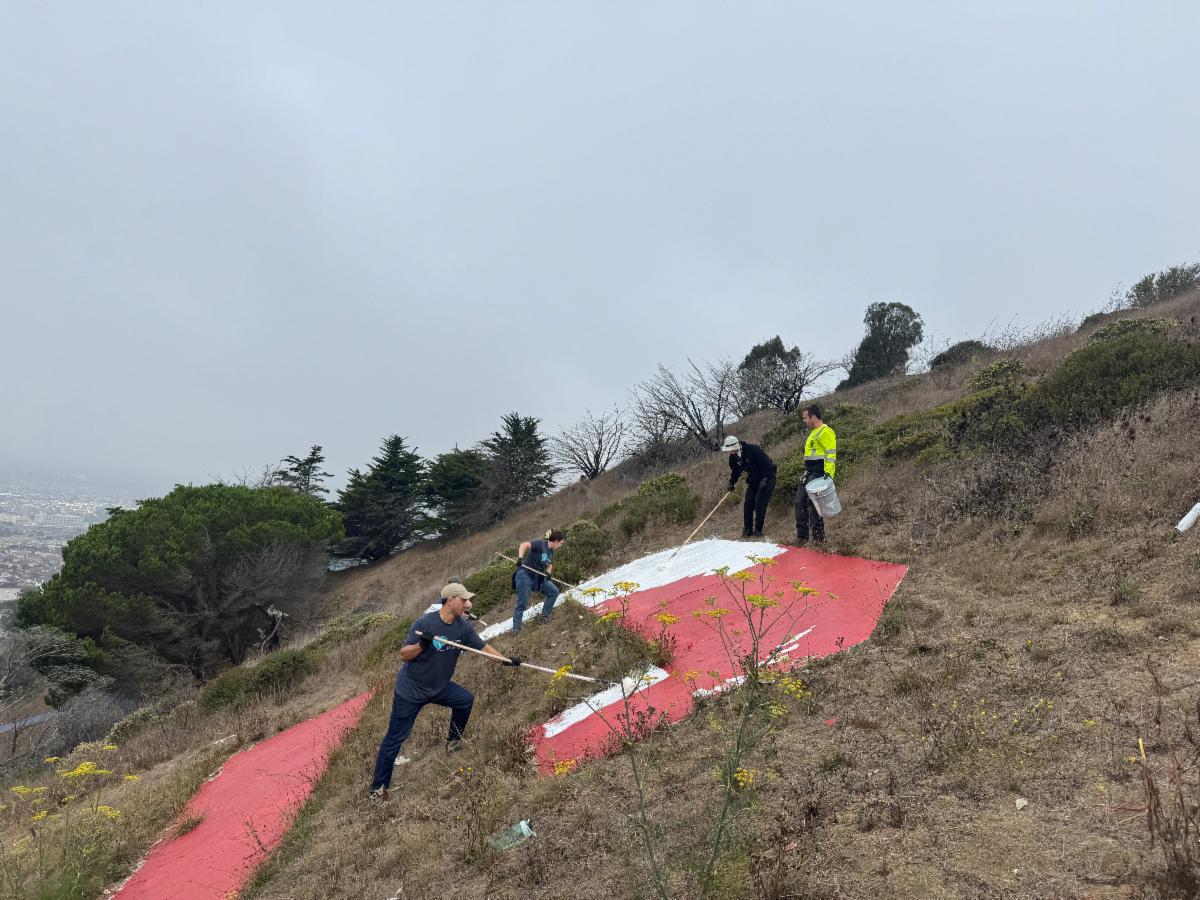
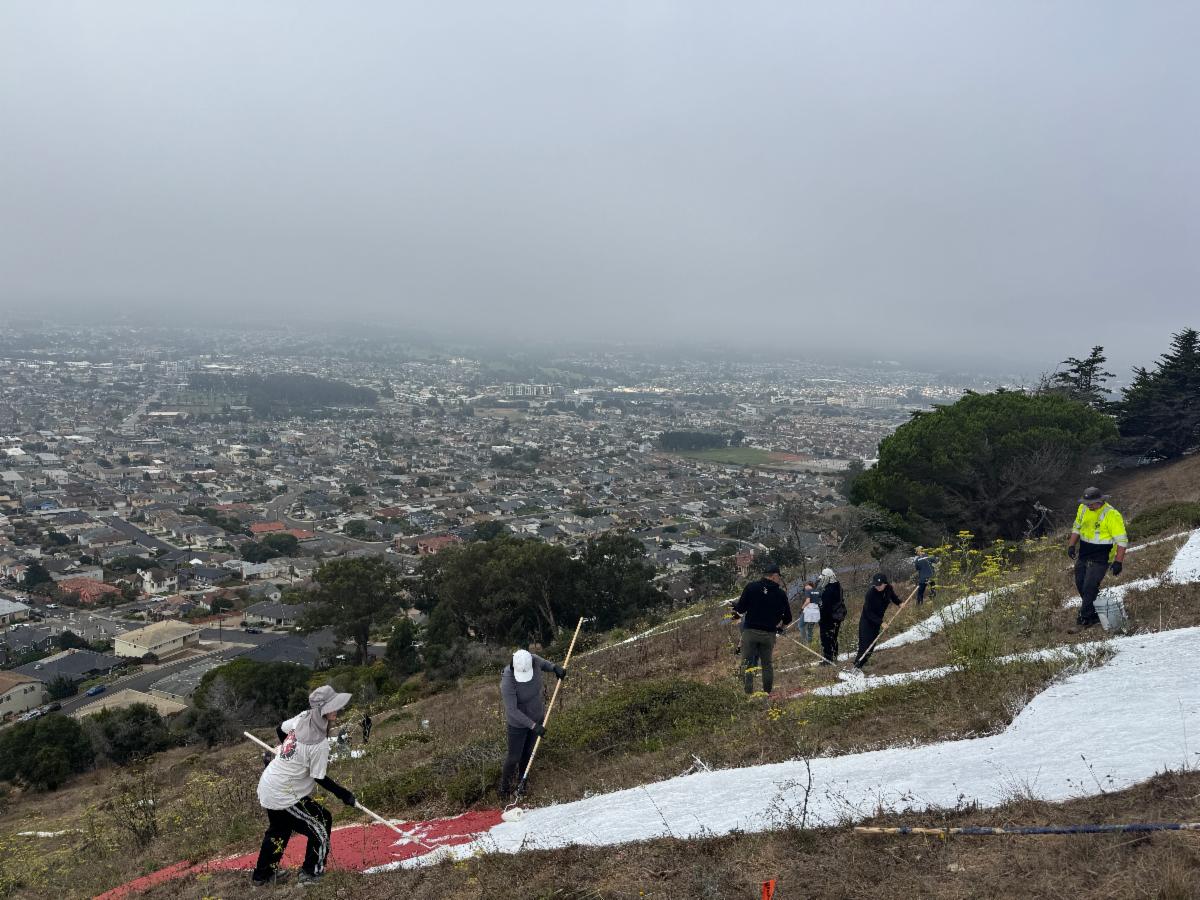
The letters on Sign Hill being painted back to white over the existing red paint from the 4th of July.

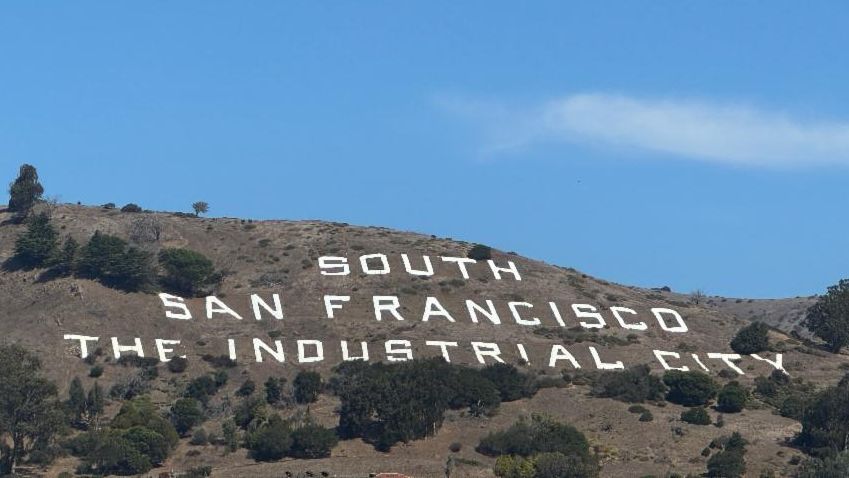
Thanks to an outgoing group of volunteers from Harrison Street Asset Management and SSF Parks Staff, the Hillside Sign has been returned to its original bright white.

The letters on Sign Hill's hillside read "SOUTH SAN FRANICSCO THE INDUSTRIAL CITY" in white letters.

A huge THANK YOU to all the volunteers that came out this summer to help enhance and protect Sign Hill!


Bay Trail Bonanza


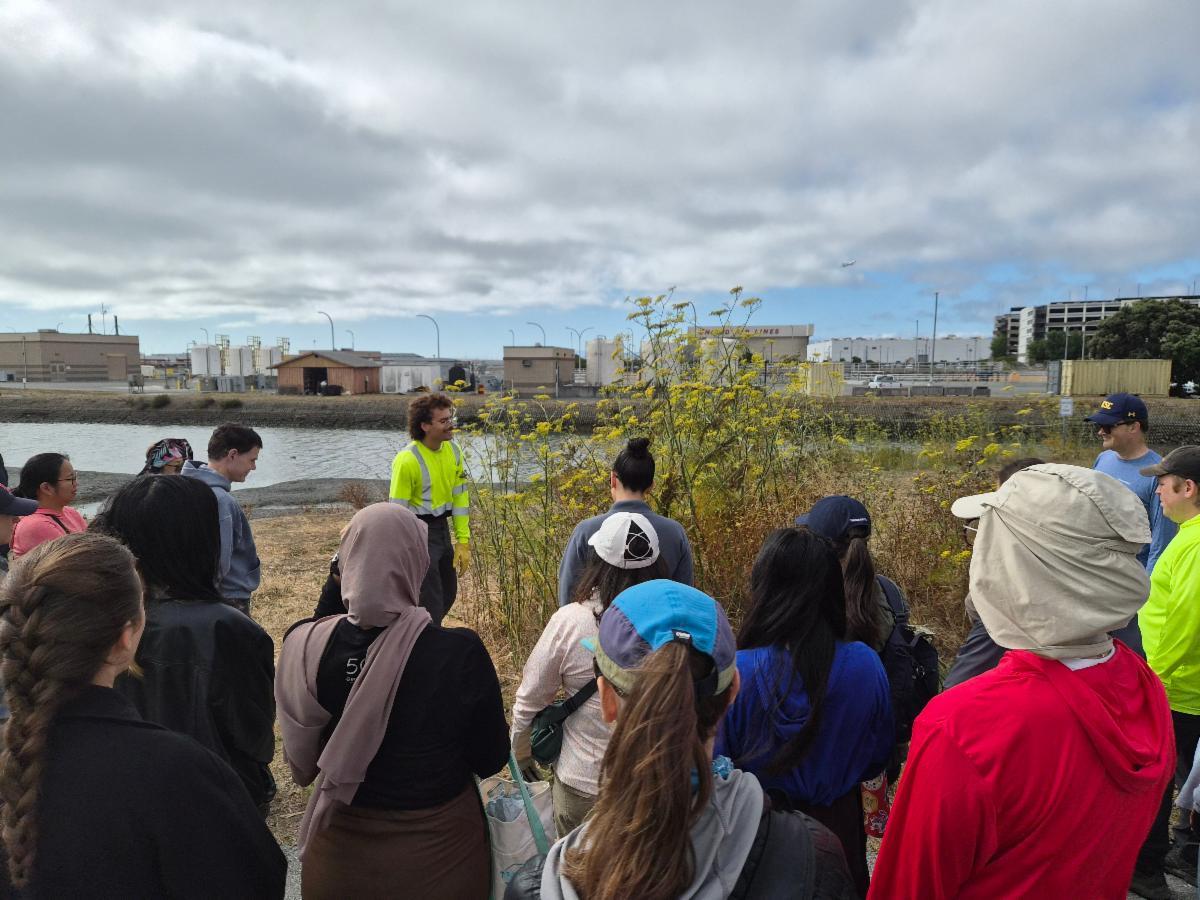
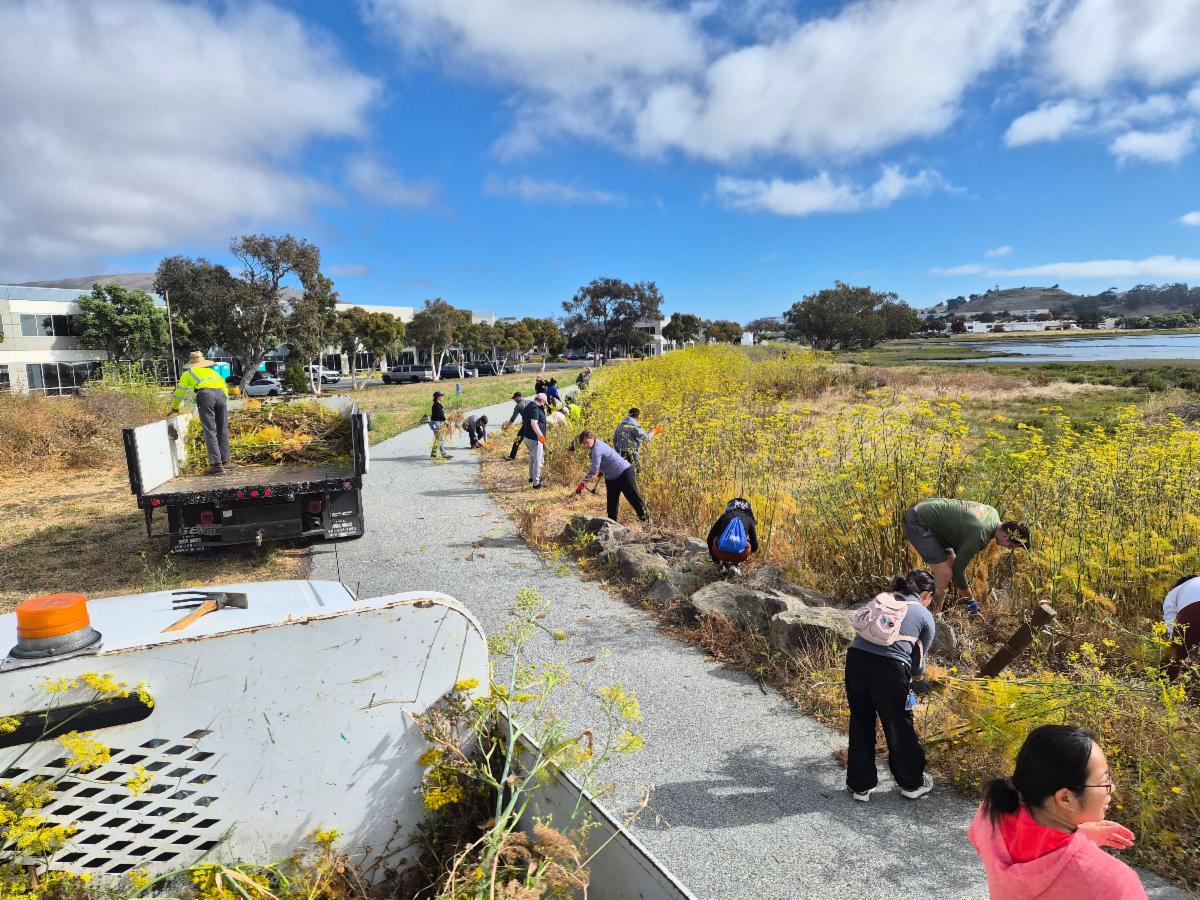
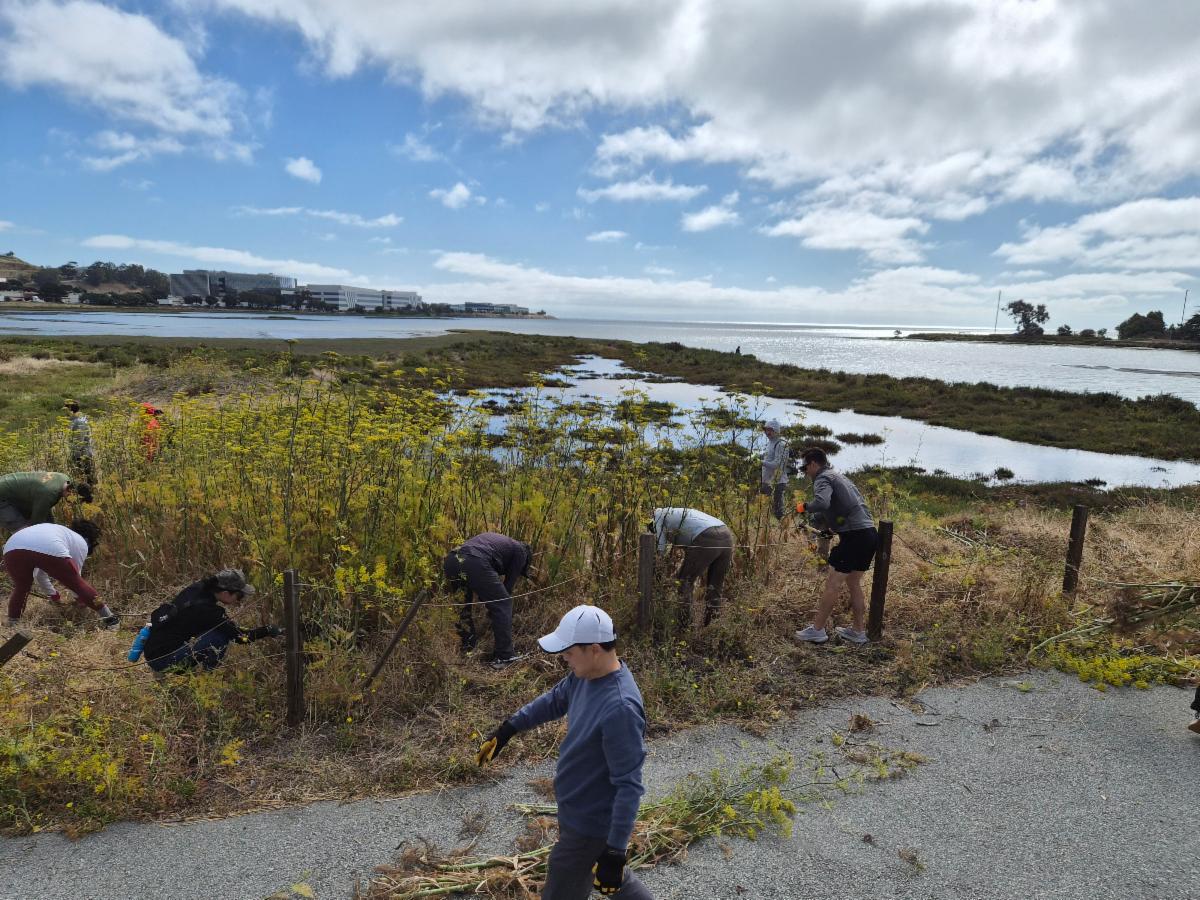
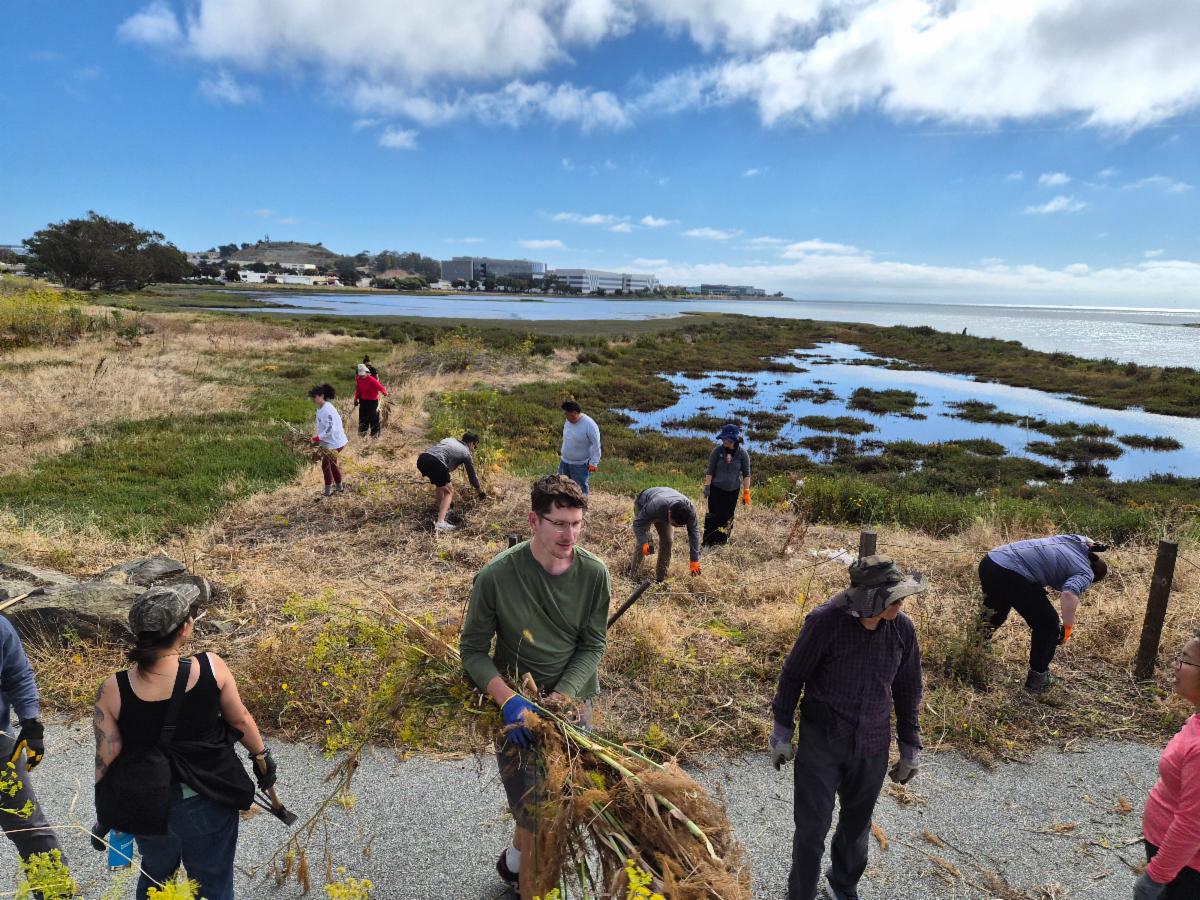
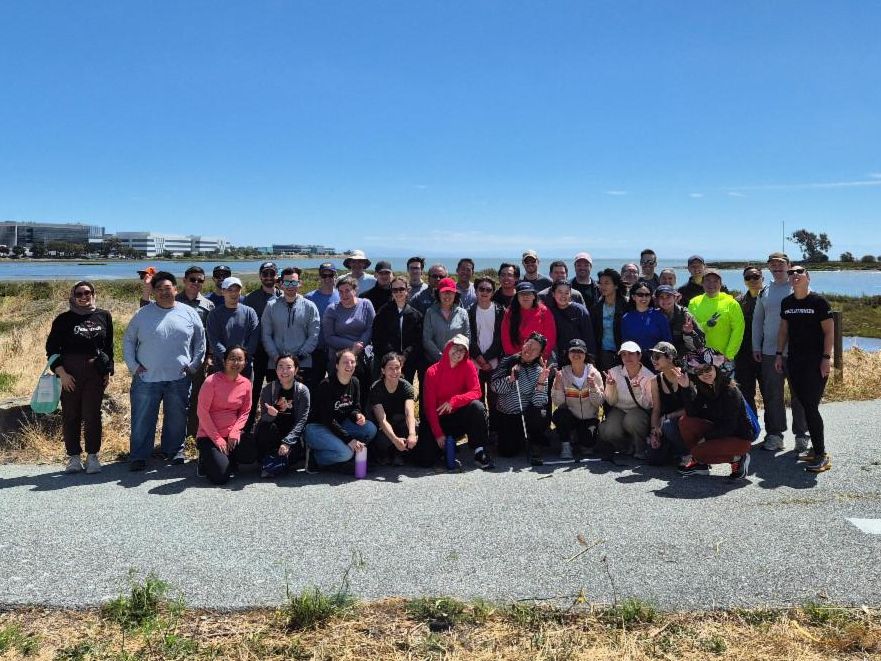
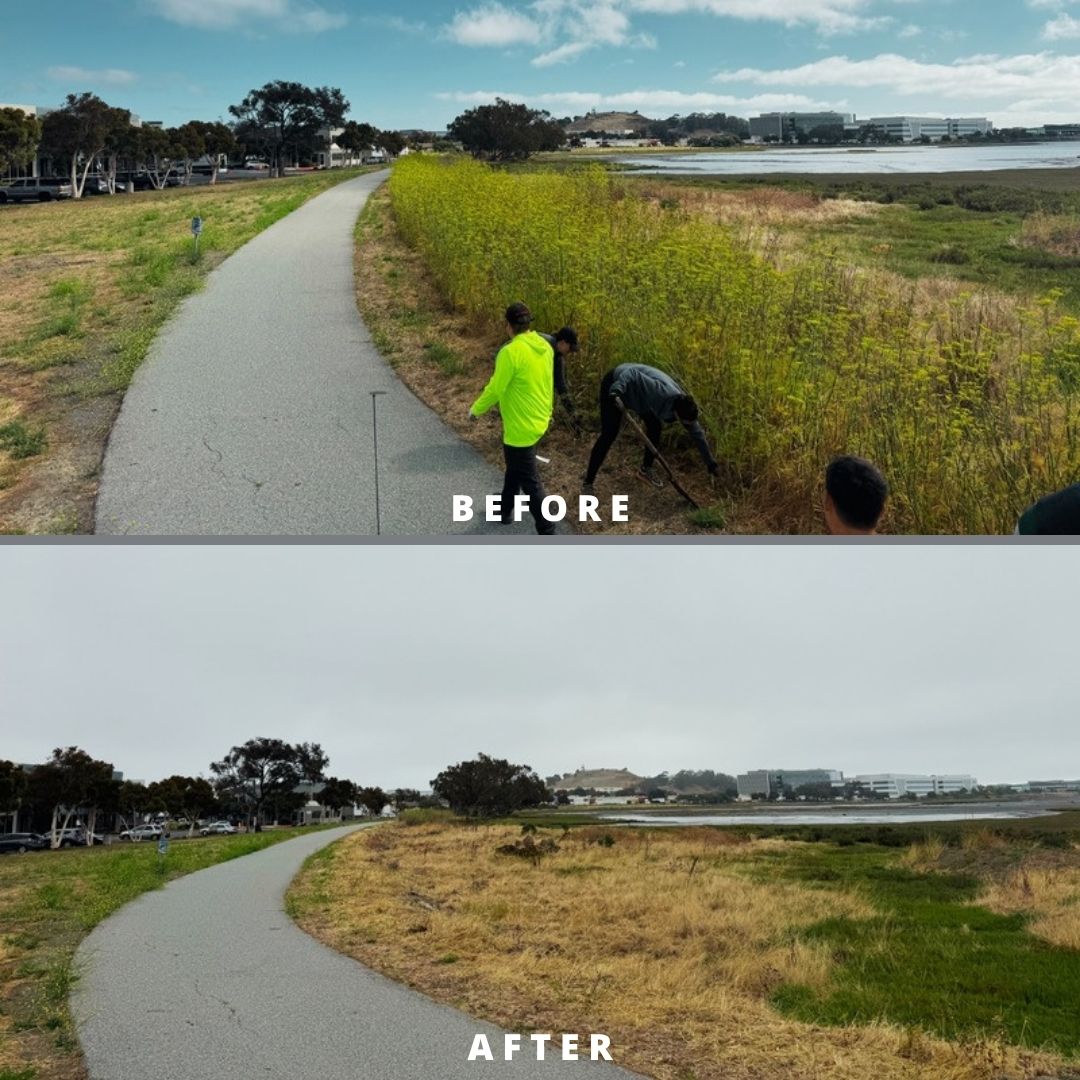
This summer the Bay Trail underwent an epic transformation thanks to the hard work of many dedicated volunteers! In July, a group of nearly 50 volunteers from Genentech took on the wall of invasive sweet fennel that lines the shoreline. This marks the third year in a row that volunteers have done this work and this outstandingly hardworking group made it the farthest to date!

Natural Resources Aid Joe Batom addresses a large crowd of volunteers at the Bay Trail.
Volunteers remove invasive fennel from the Bay Trail. Fennel plants over 6 feet tall are densely established along the trail.
Volunteers work to control a dense stand of fennel along the Bay Trail.
Volunteers work to remove fennel from sensitive coastal wetland habitat along the Bay Trail.
A large group of volunteers pose for a photo after a workday with a wetland and blue sky in the background.

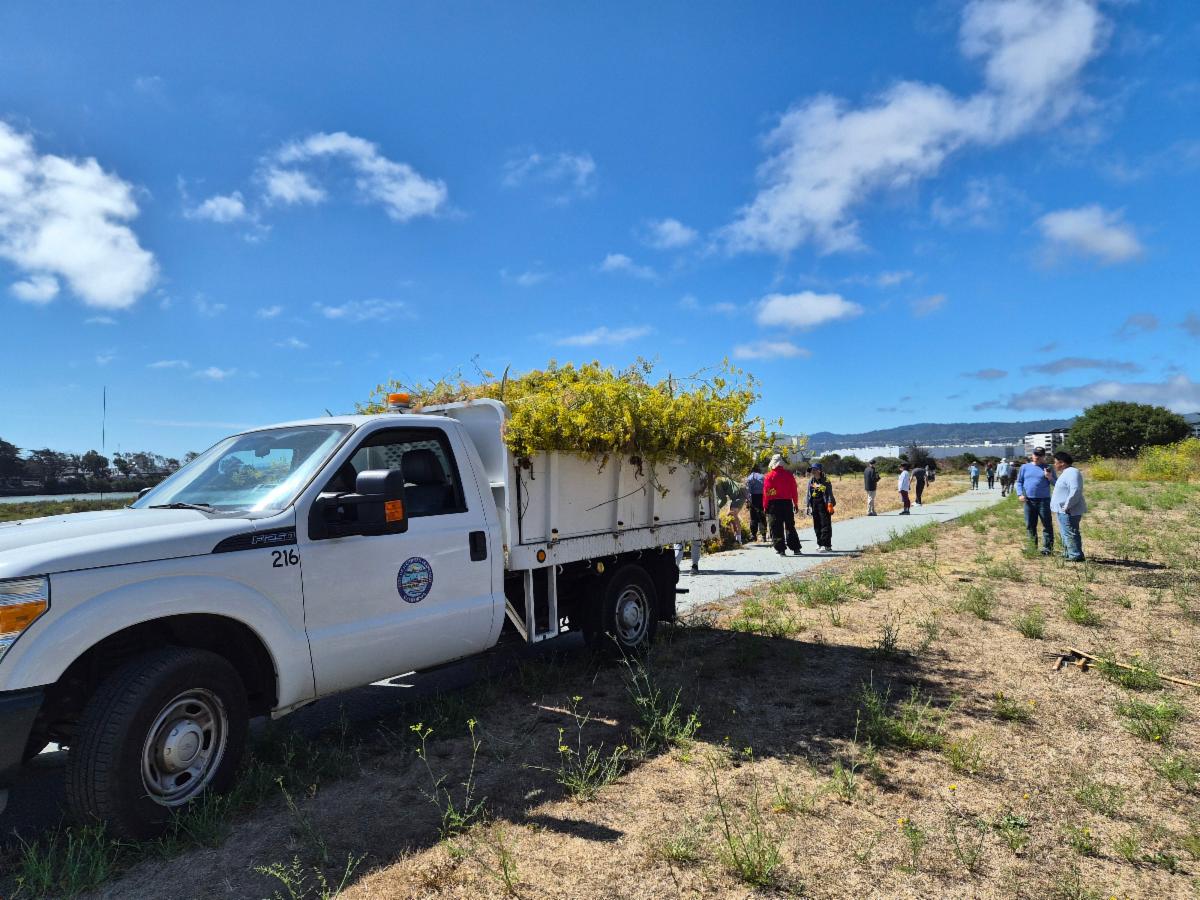
Not only did they cut through a record breaking amount of fennel, this dedicated group stayed late to make sure every pile was packed into the trucks. We hauled off 5 truck beds of fennel, full to the brim!

A city work truck is fully loaded with invasive fennel that was removed by volunteers.

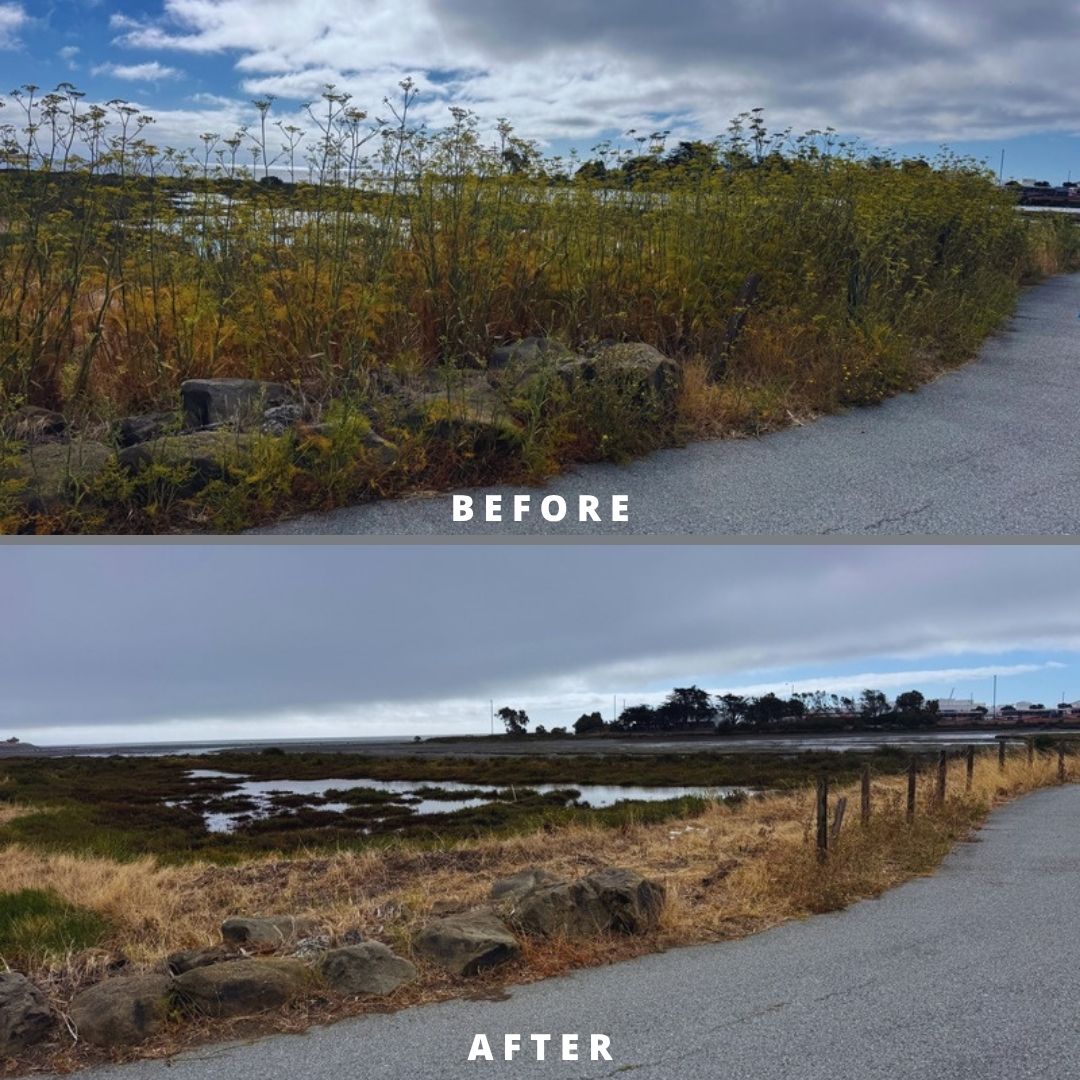
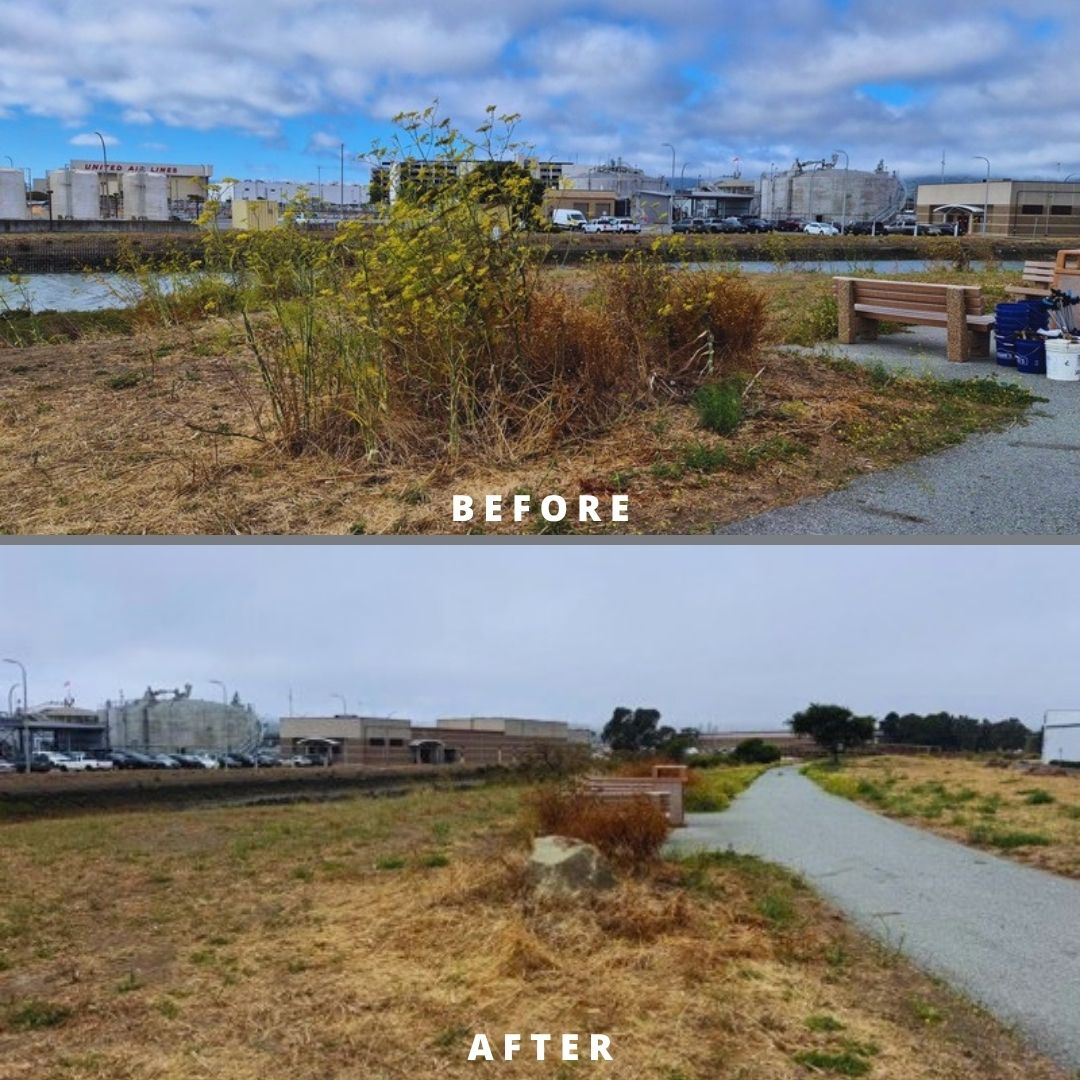
Just take a look at these before and after shots. It is time to get the binoculars out and visit these beautiful wetlands with an unobstucted view!

A before and after comparison of fennel along the Bay Trail. The fennel can be seen towering over the trail in the before image and the after shows only short grass.

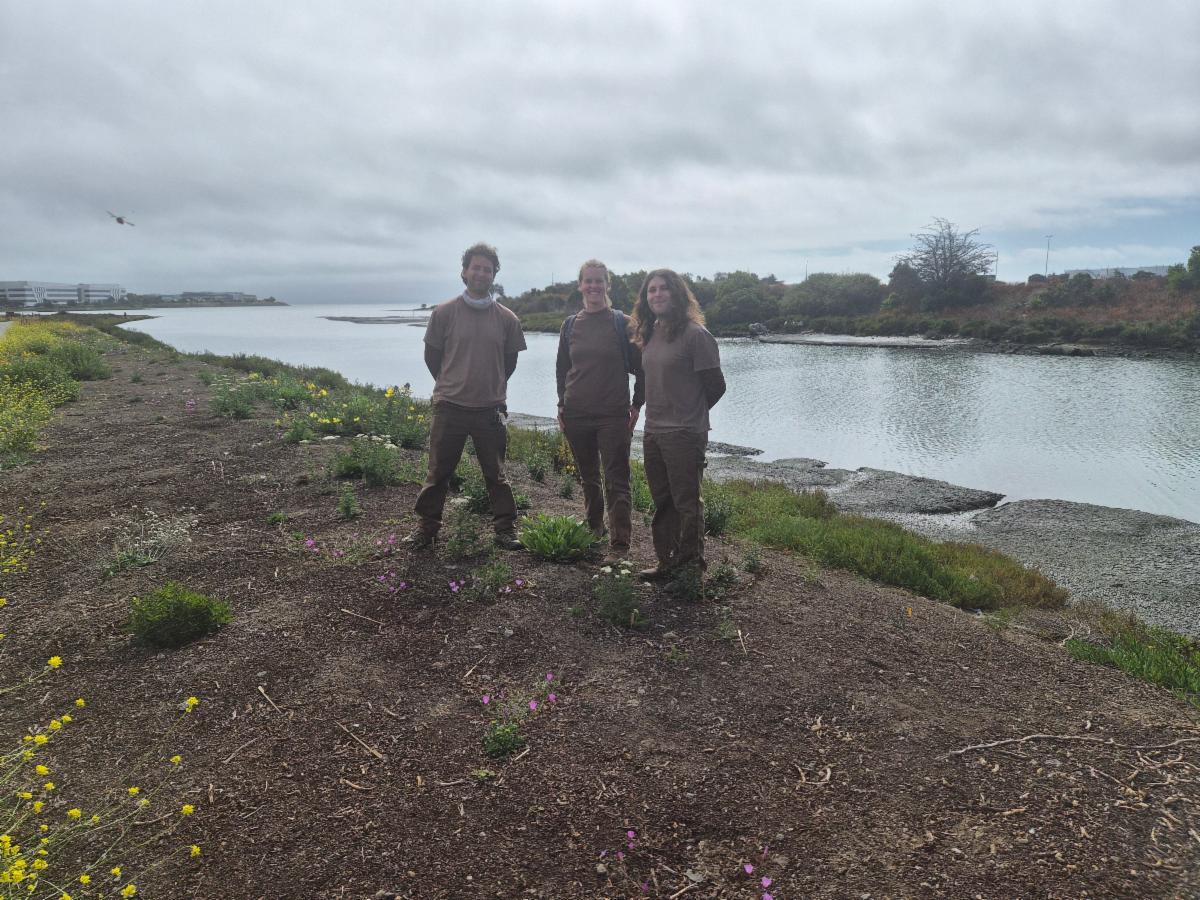
Cutting fennel has not been the only invasive weed management happening at the Bay Trail. San Bruno Mountain Watch (SBMW) has also been hard at work with groups of volunteers pulling ice plant and planting natives along where Colma Creek meets the Bay. We will be continuing to partner with SBMW in the coming months to clear more ice plant and plant more native plants. Another great reason to visit the Bay Trail and see the transformation for yourself. Or better yet, get out and volunteer with SBMW!

Members of a local native plant nursery stand beside the Colma Creek near its outlet at the San Francisco Bay.

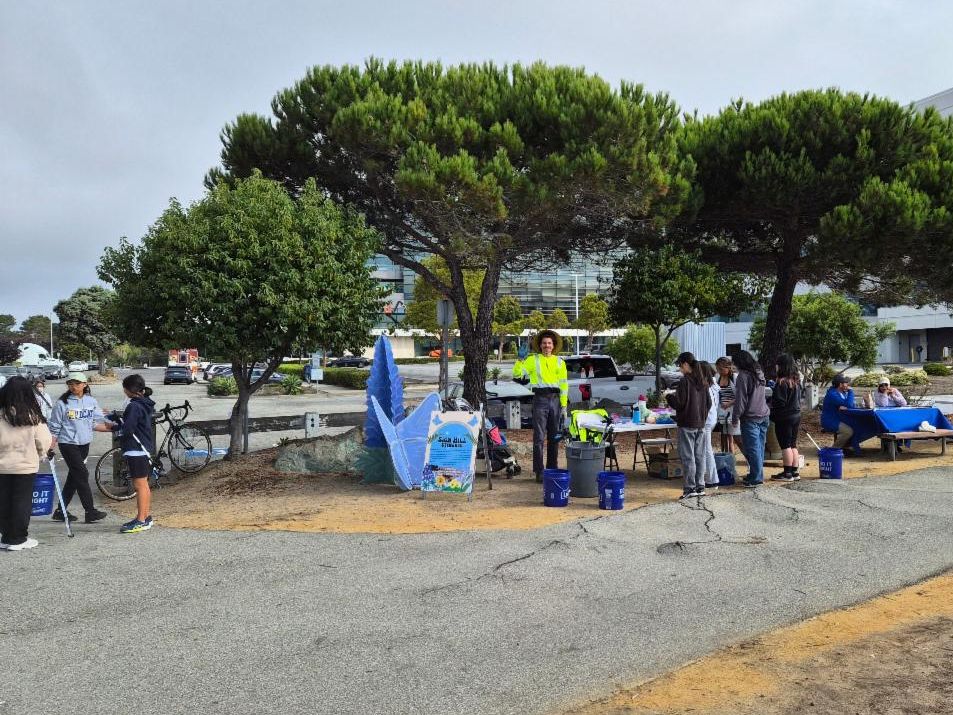
On September 19, South San Francisco hosted it's annual Coastal Clean Up Day. We had over 50 volunteers, mostly middle and high school students, and we collected over 250 pounds of trash! How lovely to see so many young people giving back to protect our natural resources, and what a huge impact!

A table with a large wooden lupine and mission blue butterfly is surrounded by several volunteers and Parks Staff waves toward the camera.
 

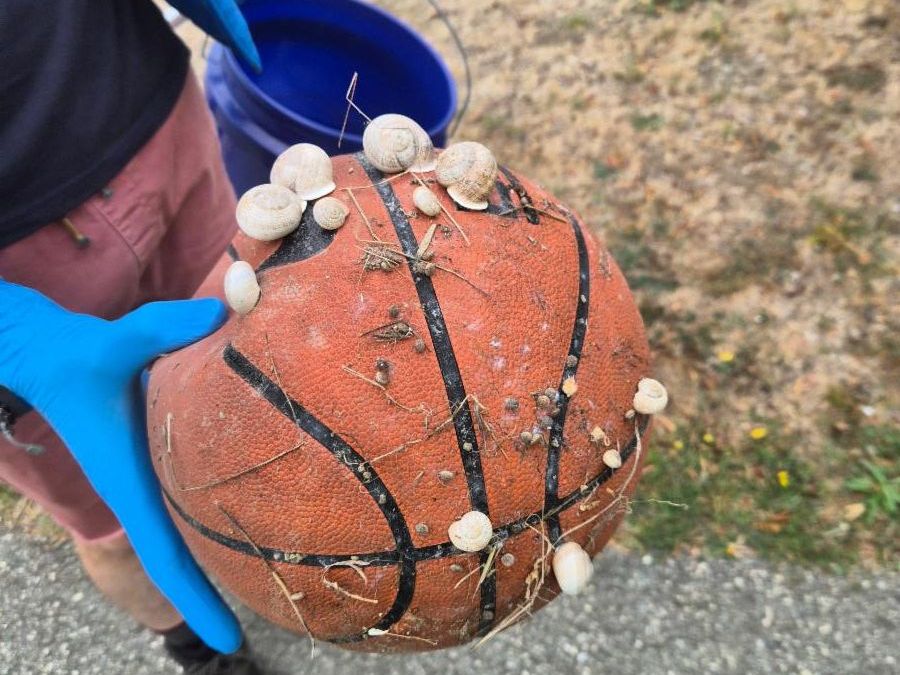
Volunteers show off some of the strangest things that we found along the shoreline. Perhaps the award winner was this basketball. What the snail?

A gloved volunteer's hand holds a basketball covered in many snails of various sizes.
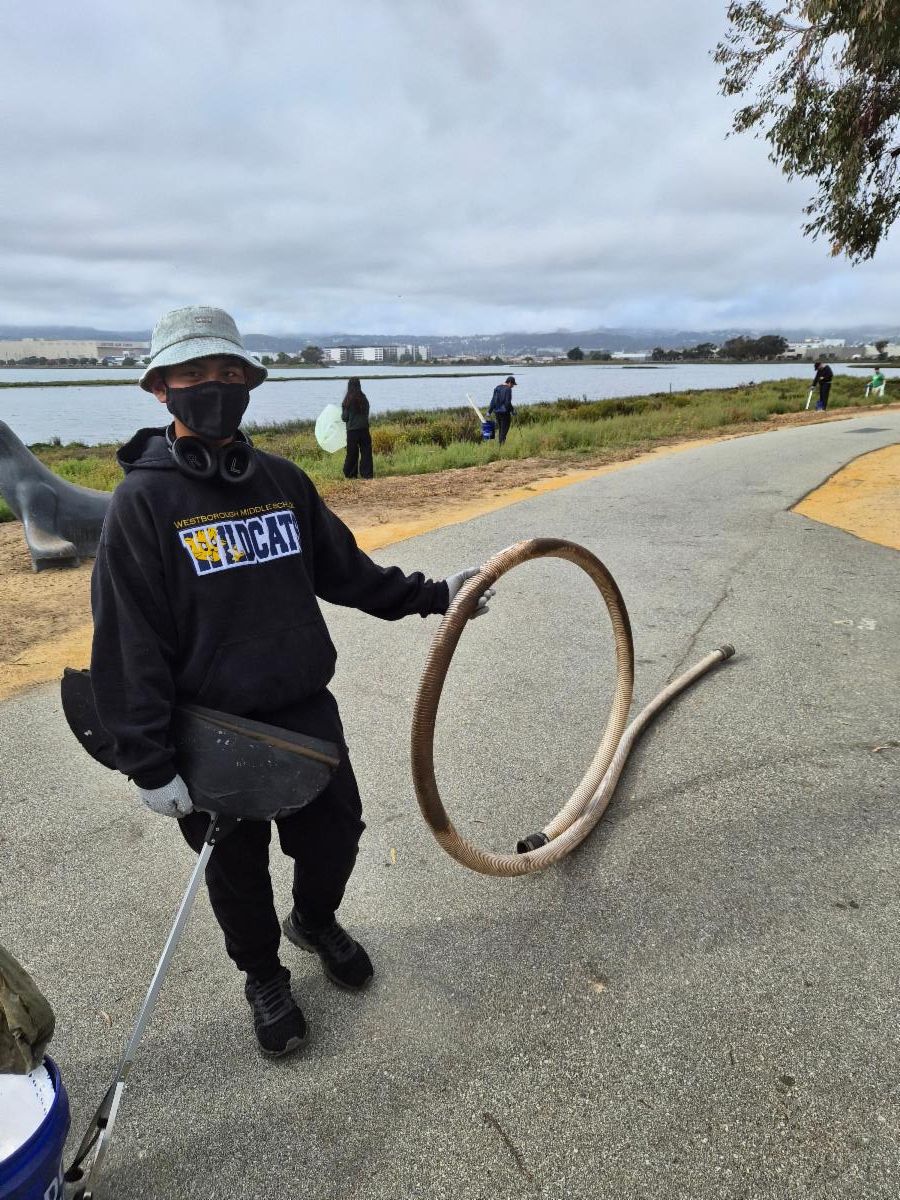
A young volunteer holds a long plastic coiled pipe.
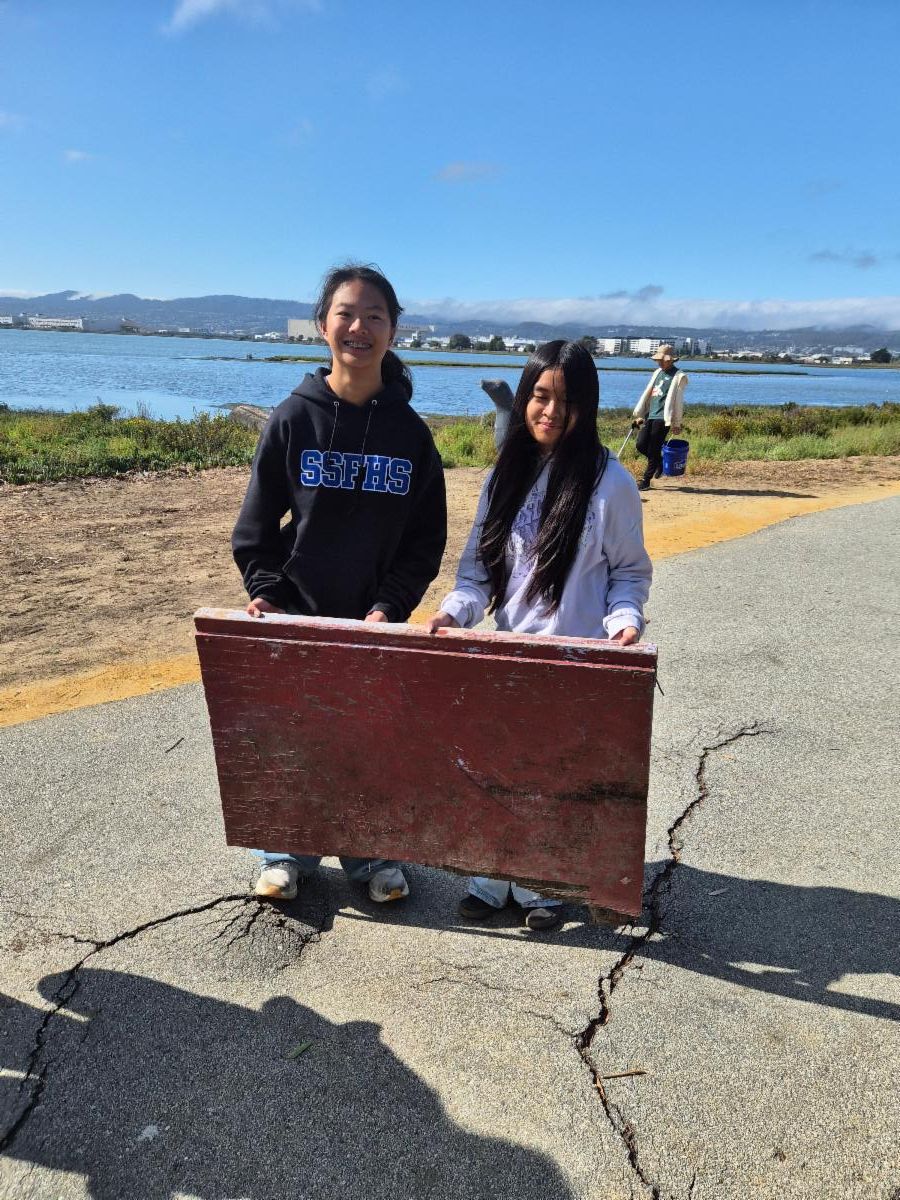
Two young volunteers hold a rectangular piece of plywood
 

Green Climber


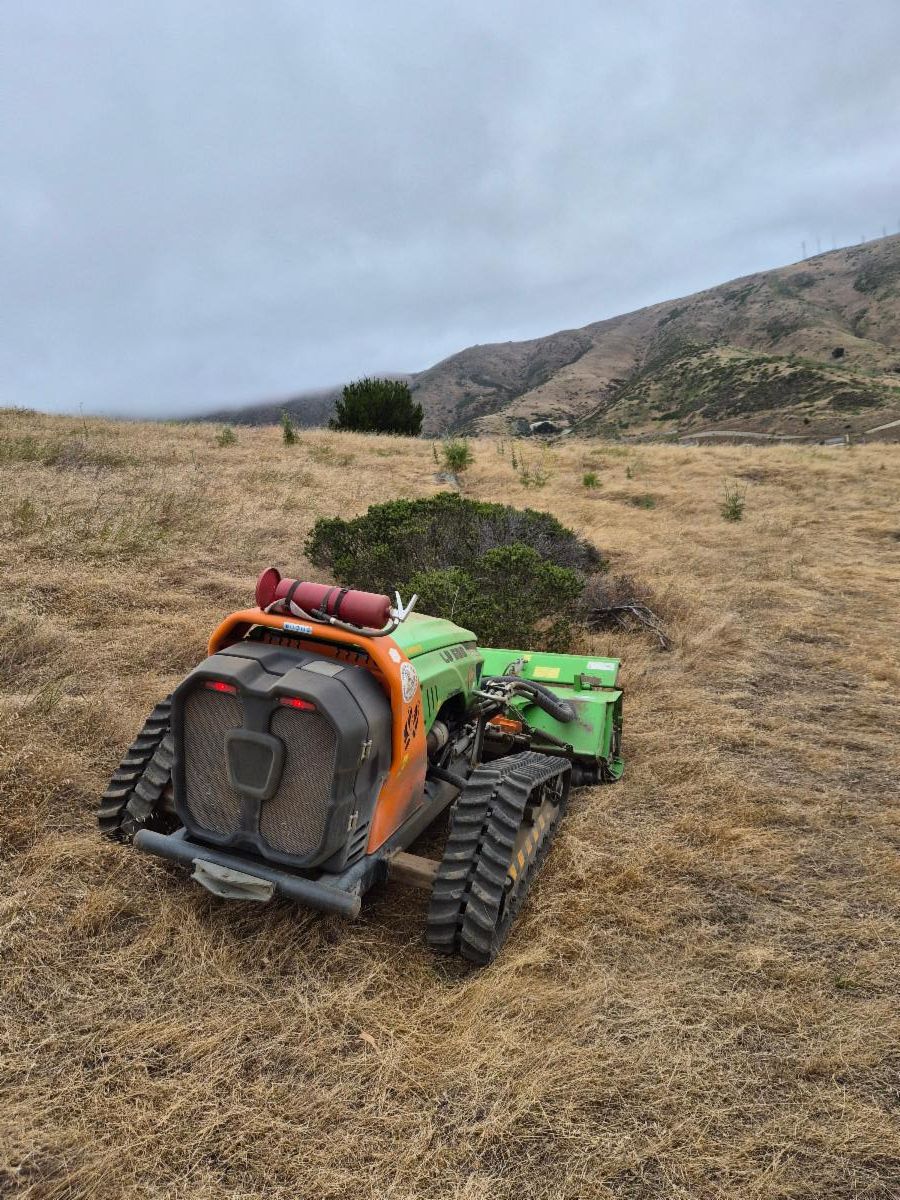
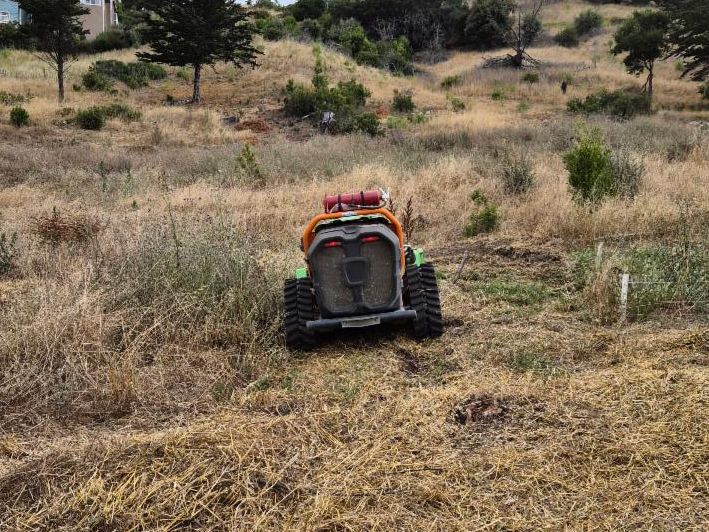
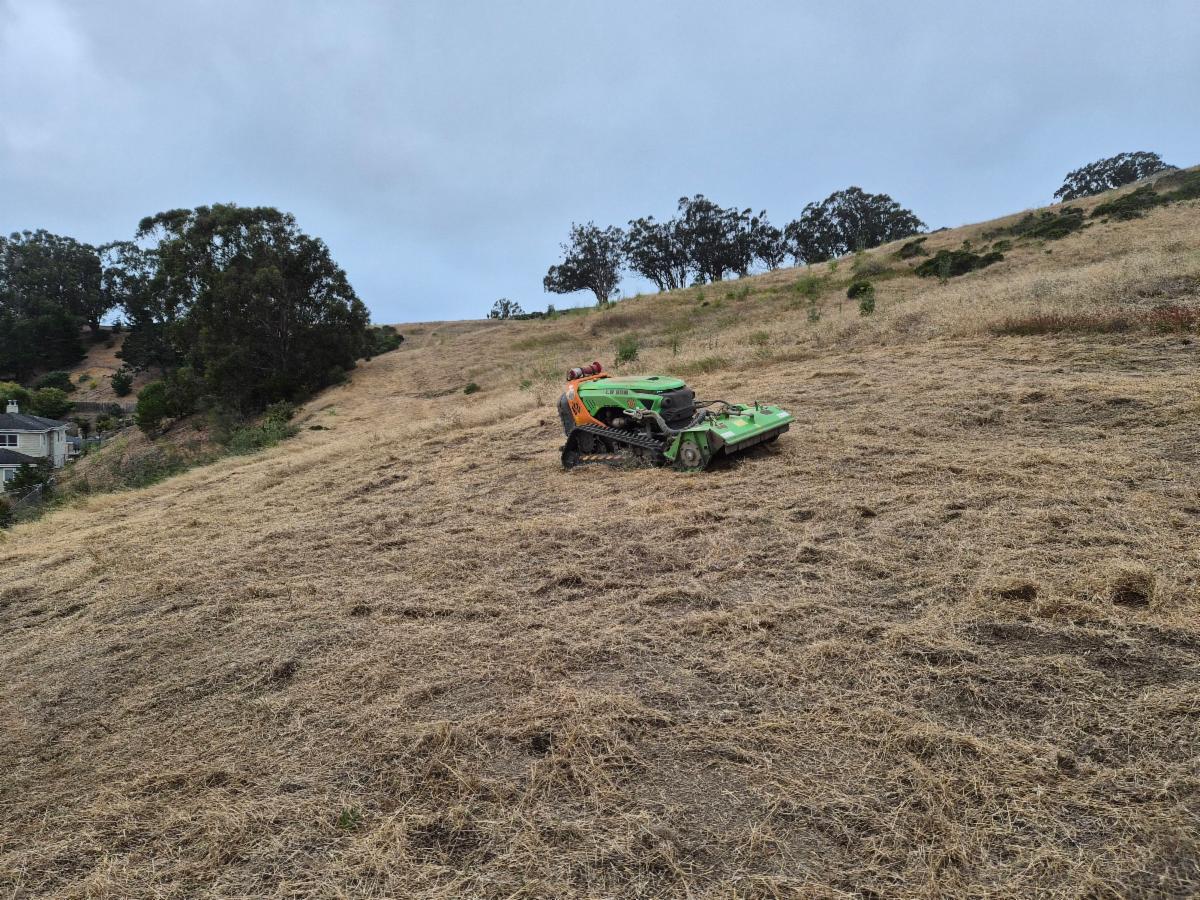
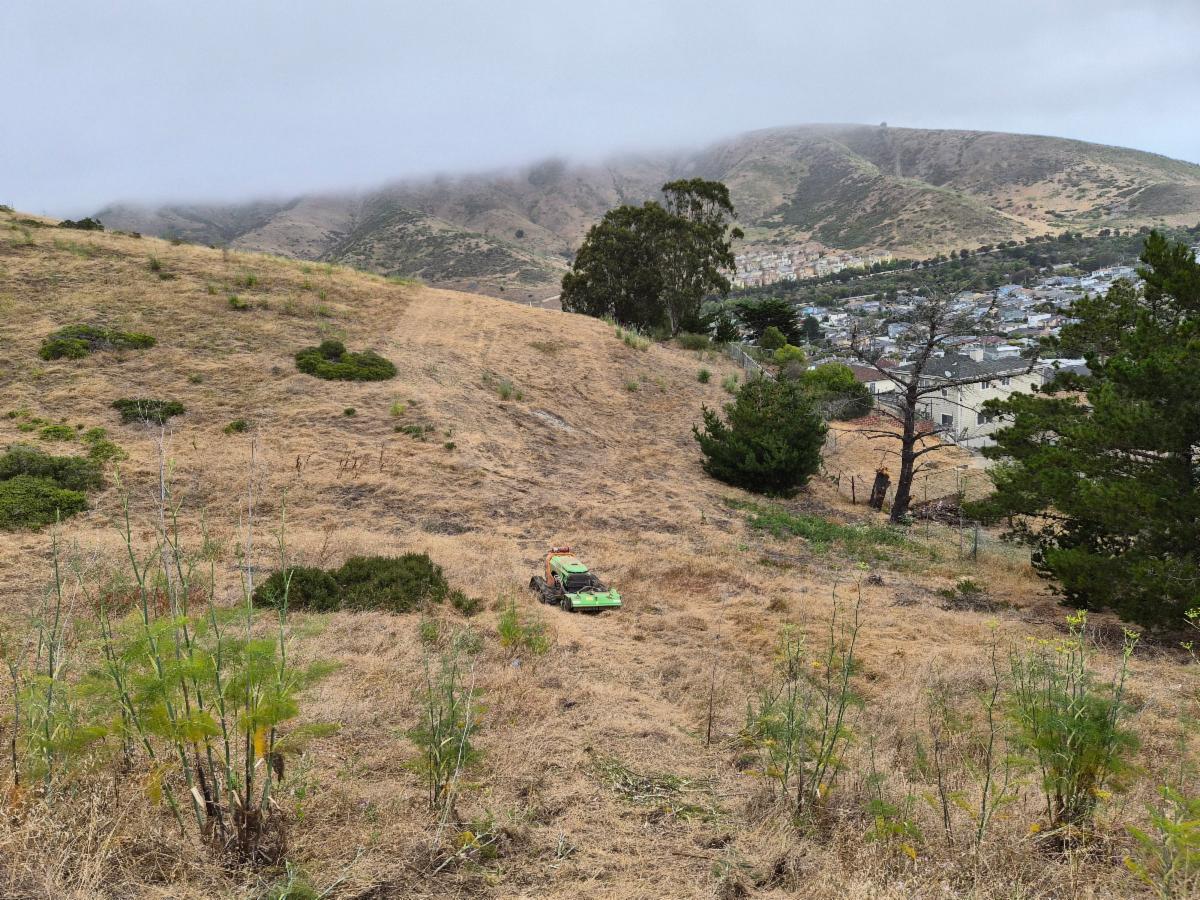
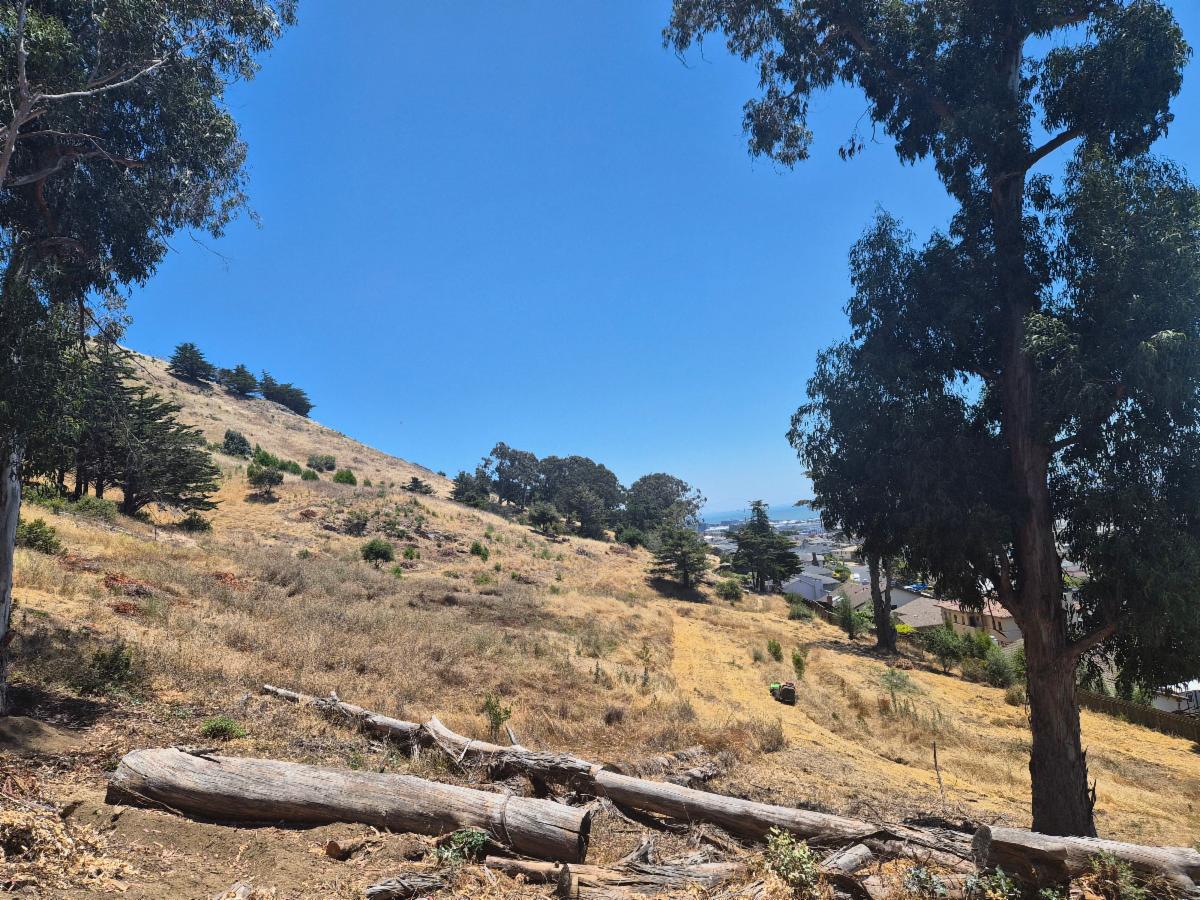
An important focus for the SSF Parks Natural Resources team each summer is protecting the park and neighboring residents from the risk of wildfire by mowing firebreaks around the perimeter of the park. This mighty machine is a remotely-operated mower capable of traversing up to 60 degree slopes. It has treads like a tank and a powerful rotating flail that can easily macerate dense, tall grasses and even small trees and shrubs.

The Green Climber is positioned in front of a coyote brush shrub in Sign Hill Park.
The Green Climber enters an area with shrubs and small trees in Sign Hill Park.
The Green Climber mows tall grasses to build a fire break in Sign Hill Park.

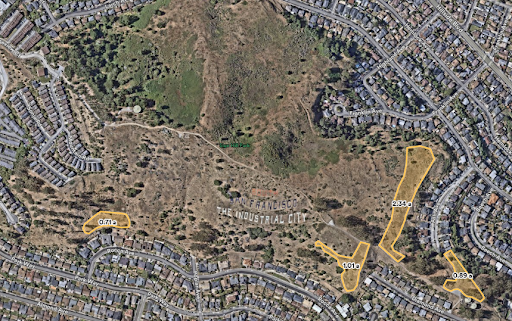
There are many areas that are not accessible with the Green Climber which still must be mowed using string trimmers, so we are elated to use the Green Climber anywhere we can. It greatly magnifies the amount of work that we can accomplish with much less effort. This year we used it to mow about 5 acres of the park!

Aerial image of Sign Hill with polygons marking the acres of area that have been mowed using the Green Climber.
The green climber mows non-native grasses and invasive plants in Sign Hill Park.
The green climber creates neat rows of mowed grass on Sign Hill Park.

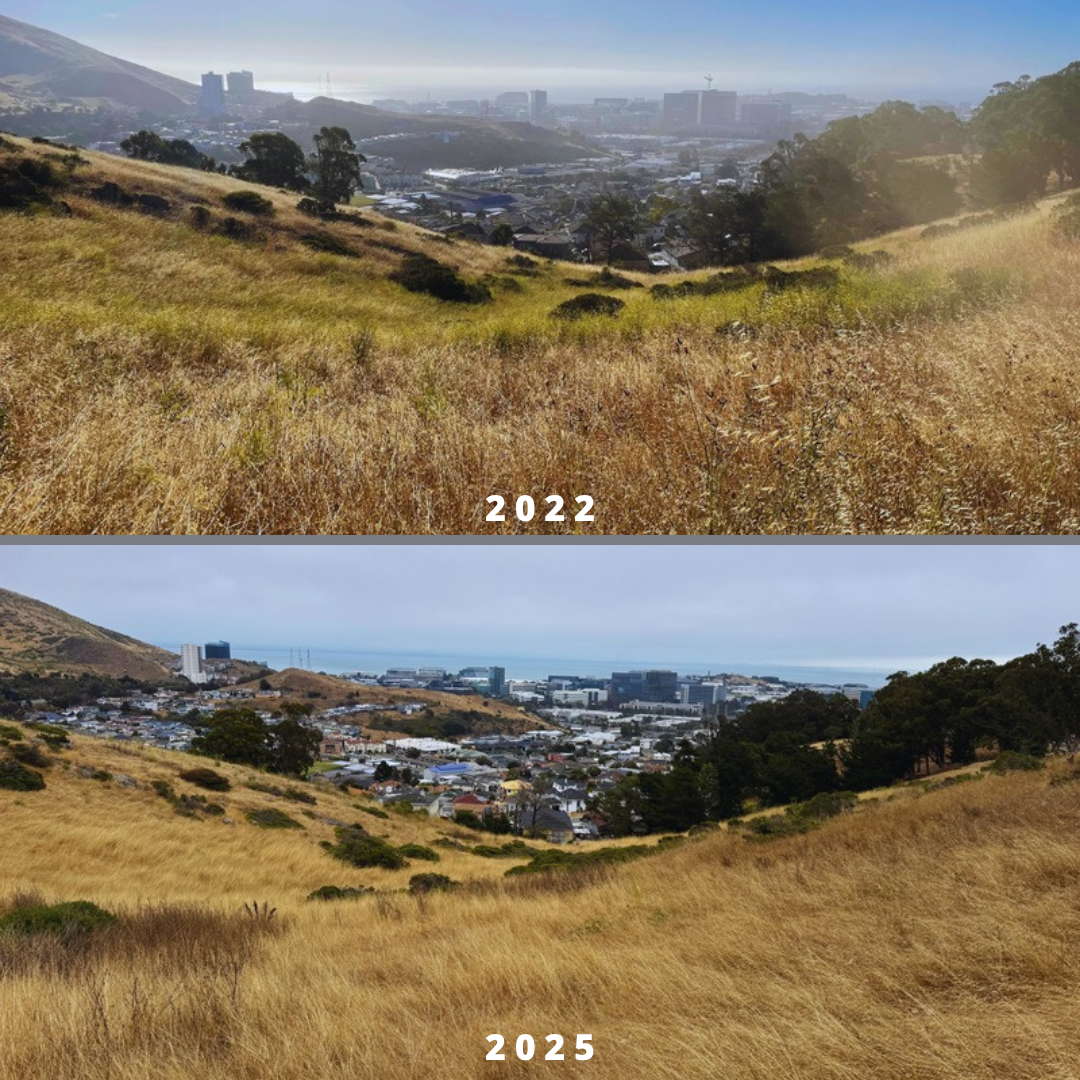
The Green Climber is not only useful for protecting the park from the risk of wildfire, it is also capable of creating landscape-level changes to the ecosystem. Take the images below for example. In 2021 this valley was covered with upwards of 80 percent invasive short-pod mustard (Hirschfeldia incana) in some areas. For three consecutive years we used the Green Climber to mow it in the summer. Now, the cover has dramatically reduced to only sparse patches that can be hand-pulled by volunteers.

Image shows a before and after of a grass valley. The before shows an abundances of yellow flowering short-pod mustard and the after shows just tan grasses.

The Green Climber is an indispensable tool in the the work we are doing to protect and enhance habitat on Sign Hill in controlling invasive species on a large scale, all without the use of herbicides that are known to impact the health of mission blue butterflies and other sensitive species.


Sign Hill Field Diaries


June 24

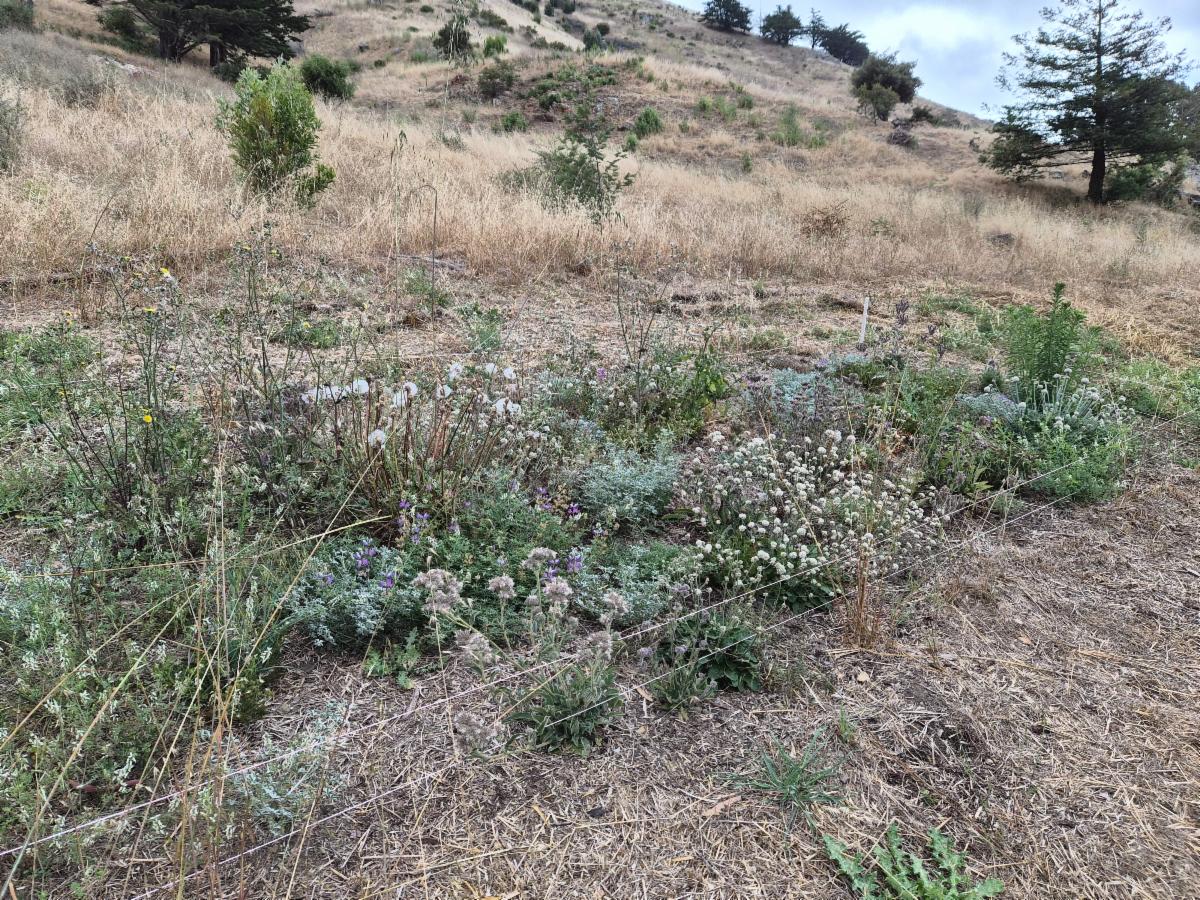
The restoration plot installed just below the volunteer-constructed swale is the star of the show among our 2026 plantings. It is growing and flowering bountifully without an ounce of irrigation!

Native plants bloom within a restoration planting area.

July 2

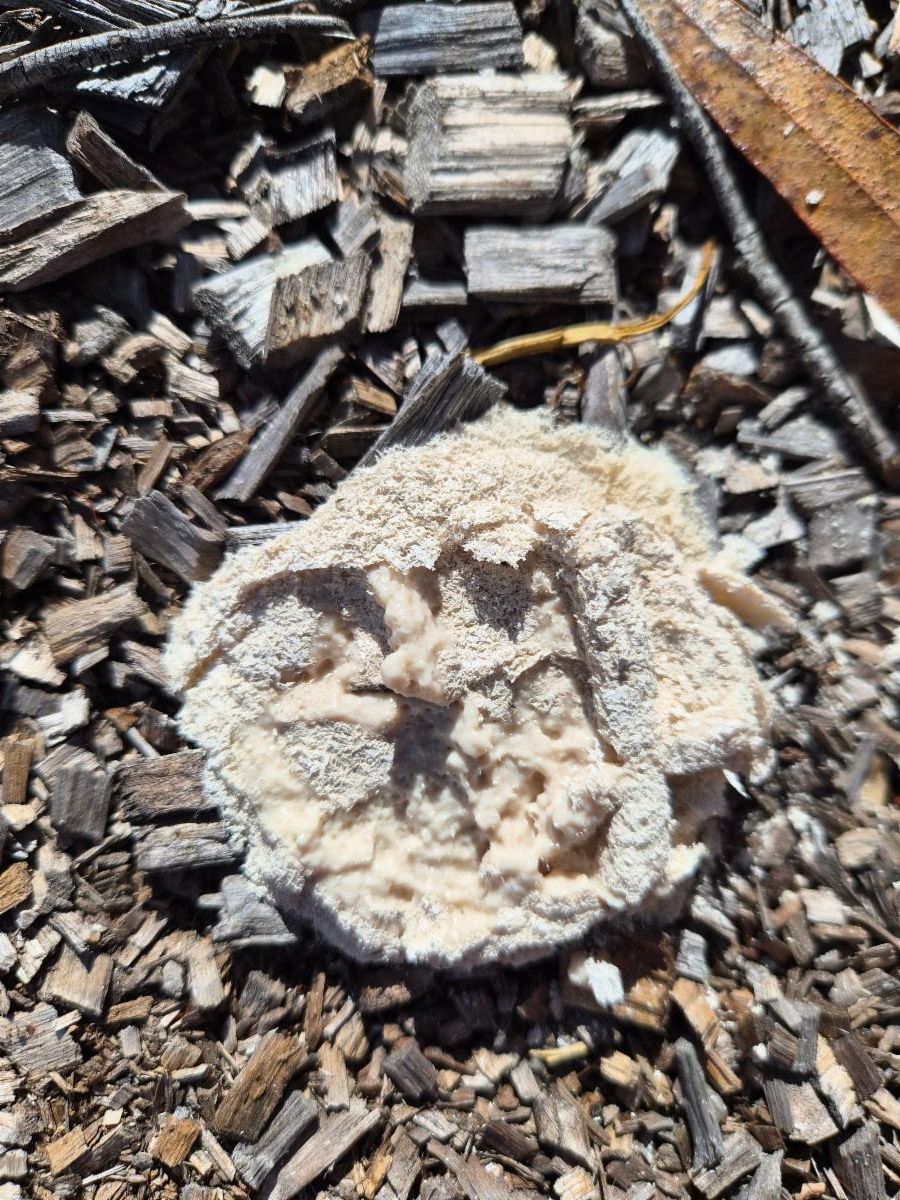
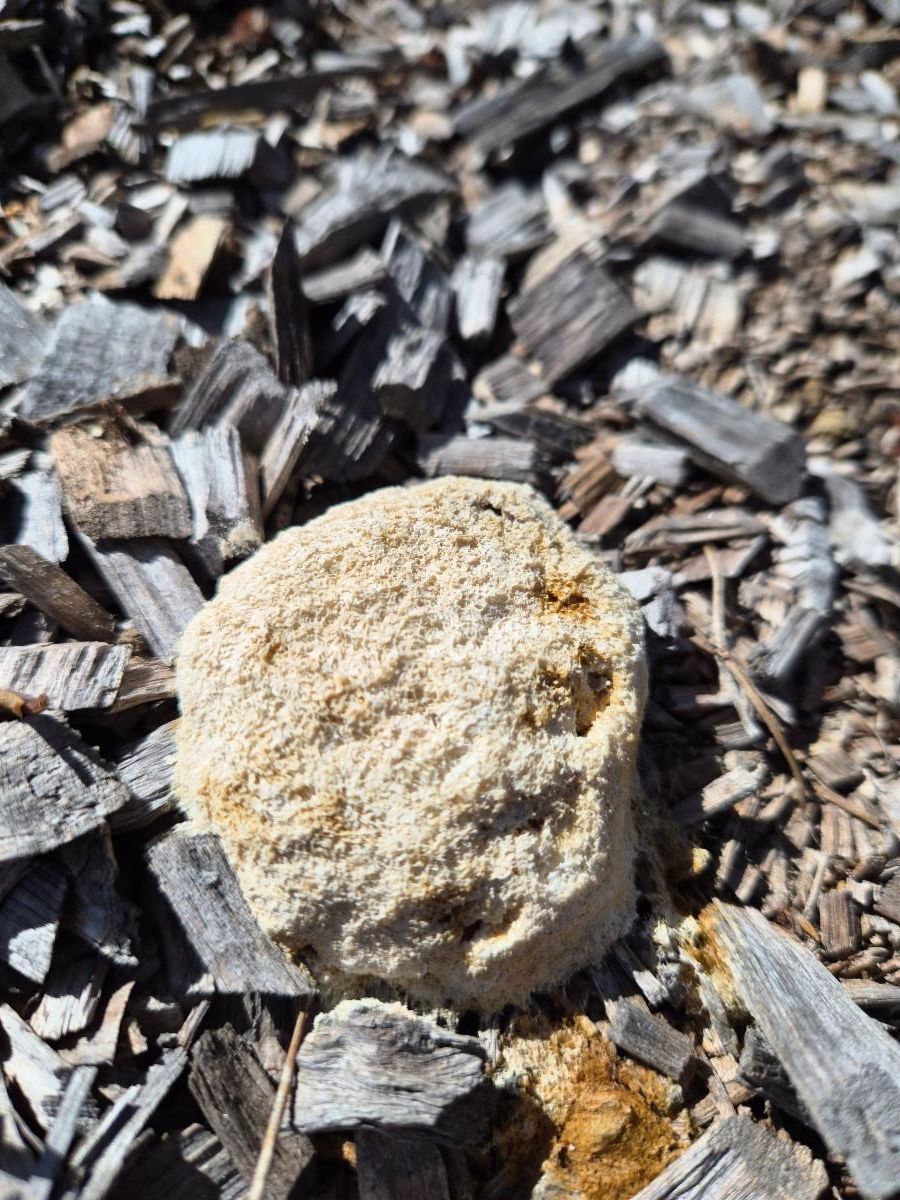
After stepping on something squishy and peculiar, my dismay was quickly turned to intrigue to discover it was a slime mold. This dog vomit slime mold (Fuligo septica) is commonly found on tree bark or mulch, first appearing bright yellow, then fading to a dull tan color. These unique organisms can be found worldwide and have several fascinating characteristics. They are made up of one large cell with many nuclei, and they move in a pulsating amoeba-like fashion, although you might have to sit and watch for a VERY long time to see it!

A white and fuzzy slime mold sits atop mulch.

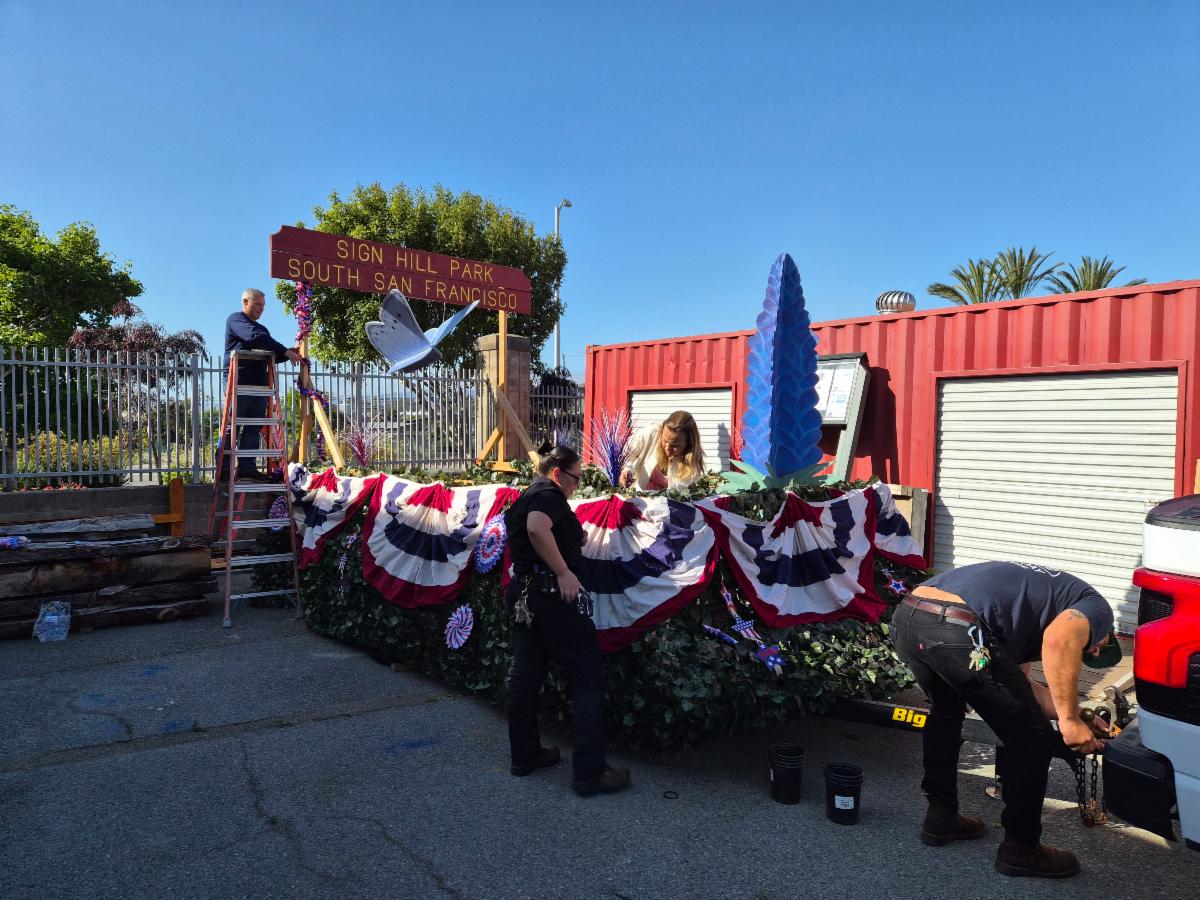
SSF Staff from Building Maintenance and Parks join forces to decorate an incredible float for the 250th Anniversary of Independence Parade-- honoring none other than the mission blue butterfly!

Parks Department staff construct a parade float for Sign Hill Park that includes large wooden models of a mission blue butterfly and lupine host plant.
The wooden mission blue butterfly is positioned in the parade float.

July 4

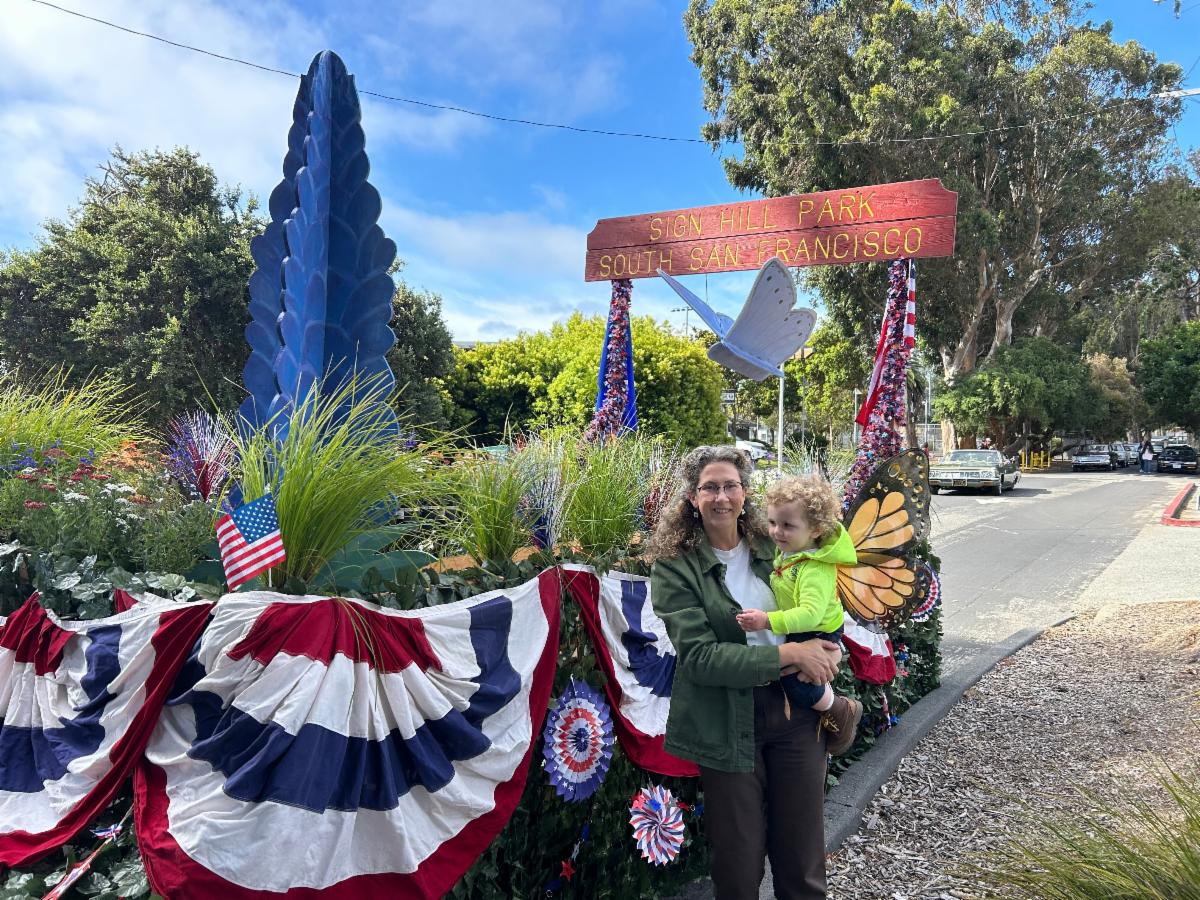
Larger-than-life butterflies prepare to flutter through the streets of South City.

Park staff member and young volunteer wearing butterfly wings stand in front of completed parade float.

July 9

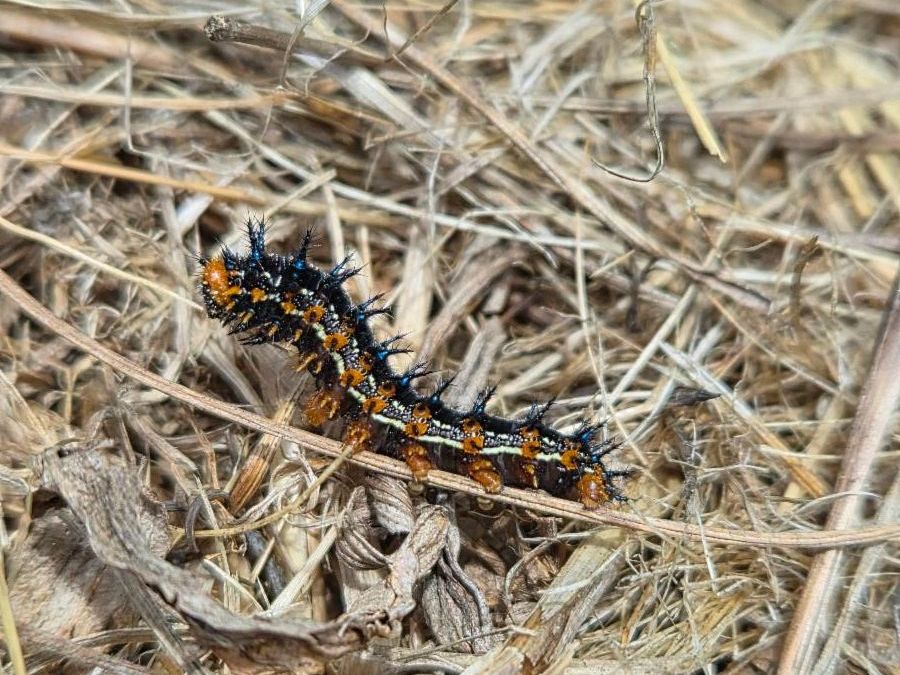
A colorful common buckeye (Junonia coenia) caterpillar balances carefully on a blade of dry grass.

Caterpillar crawls across dry grass.

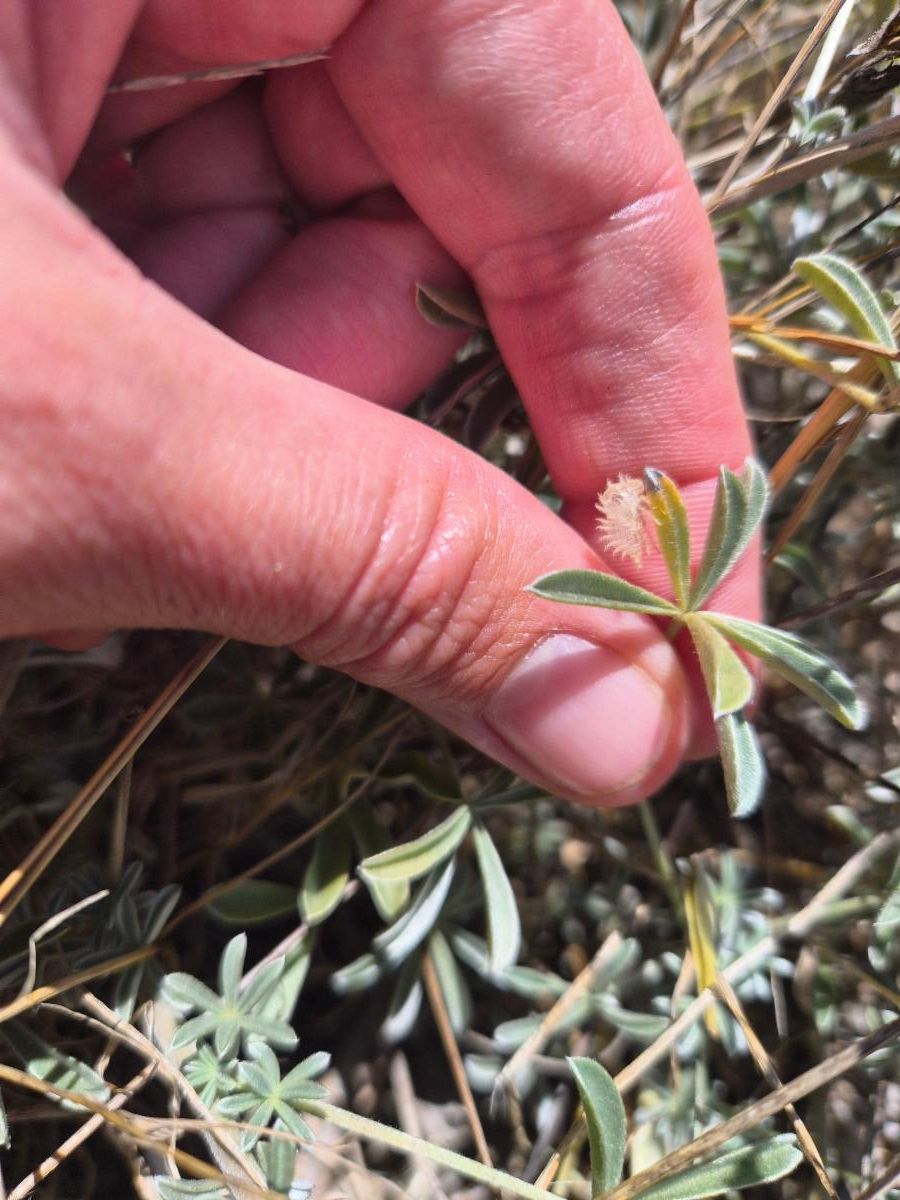
The molt of a buffalo treehopper nymph.

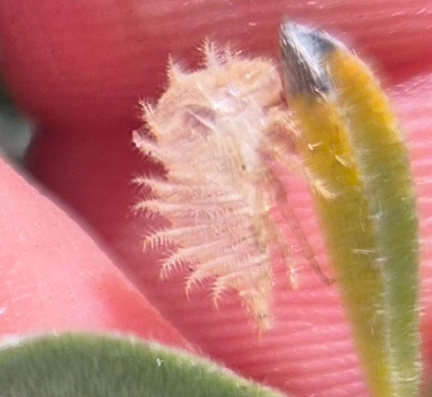
Buffalo tree hopper nymph sits on a lupine leaf.
Buffalo tree hopper nymph sits on a lupine leaf. (close up)

July 14

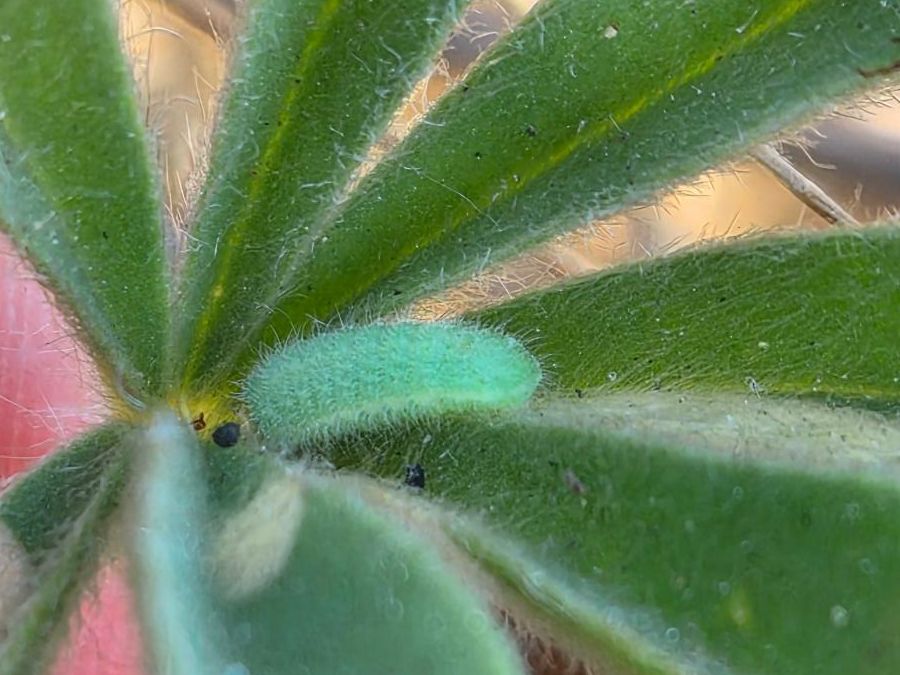
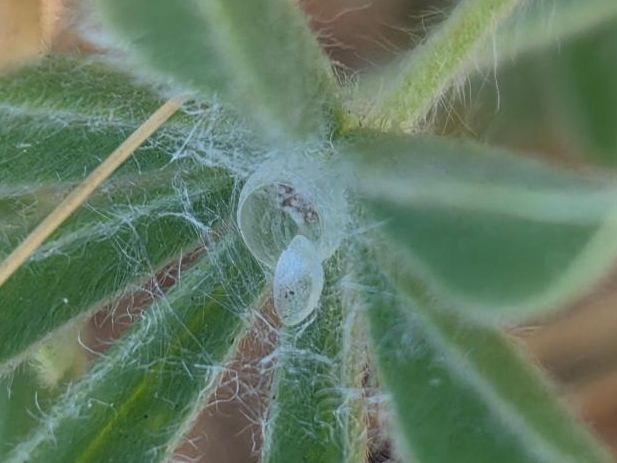
A couple of the season's last mission blue larvae enjoy some nutritious summer lupine leaves before entering diapause for the fall and winter months.

Mission blue butterfly larva feeds on lupine leaf. The larva's camouflage is very effective.

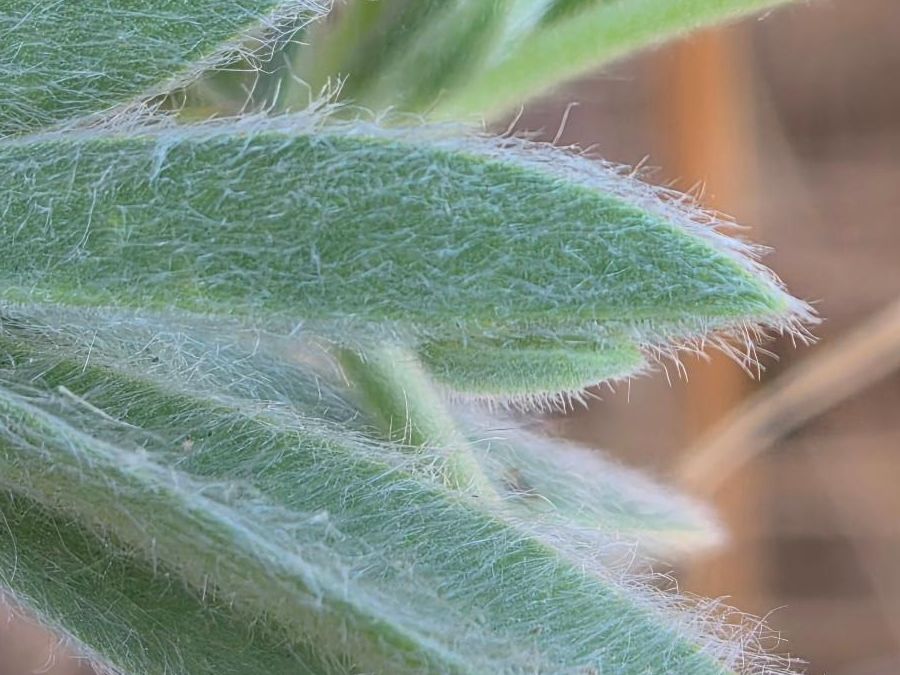
The empty cocoon of a green lacewing.

An empty green lacewing cocoon on a lupine leaf.

July 16

Let's play!


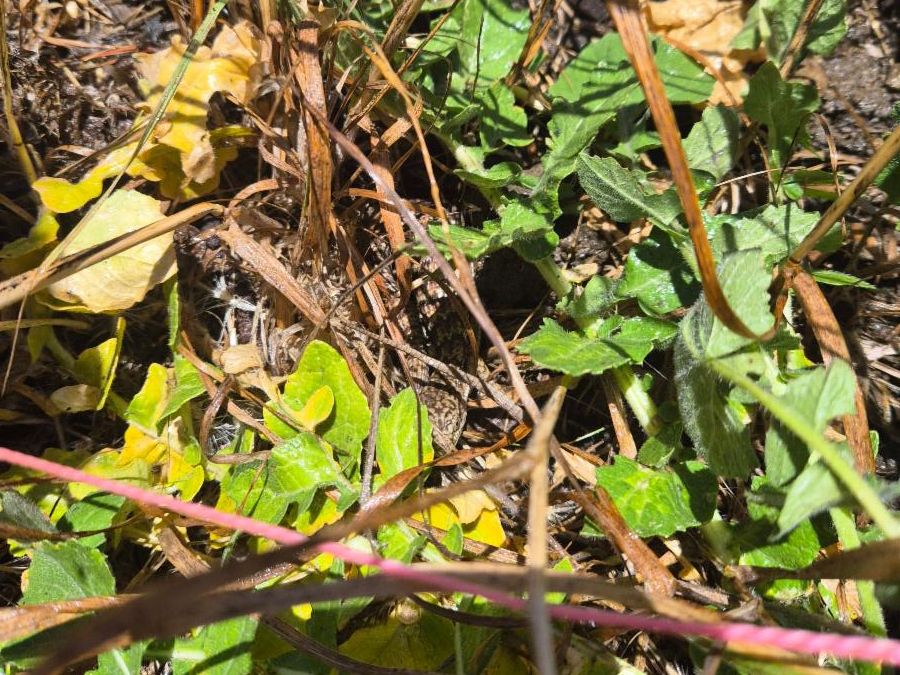
I spy with my little eye....an alligator lizard. Can you find it hidden in this photo?

An alligator lizard is well camouflaged against leaves and brush.

August 1

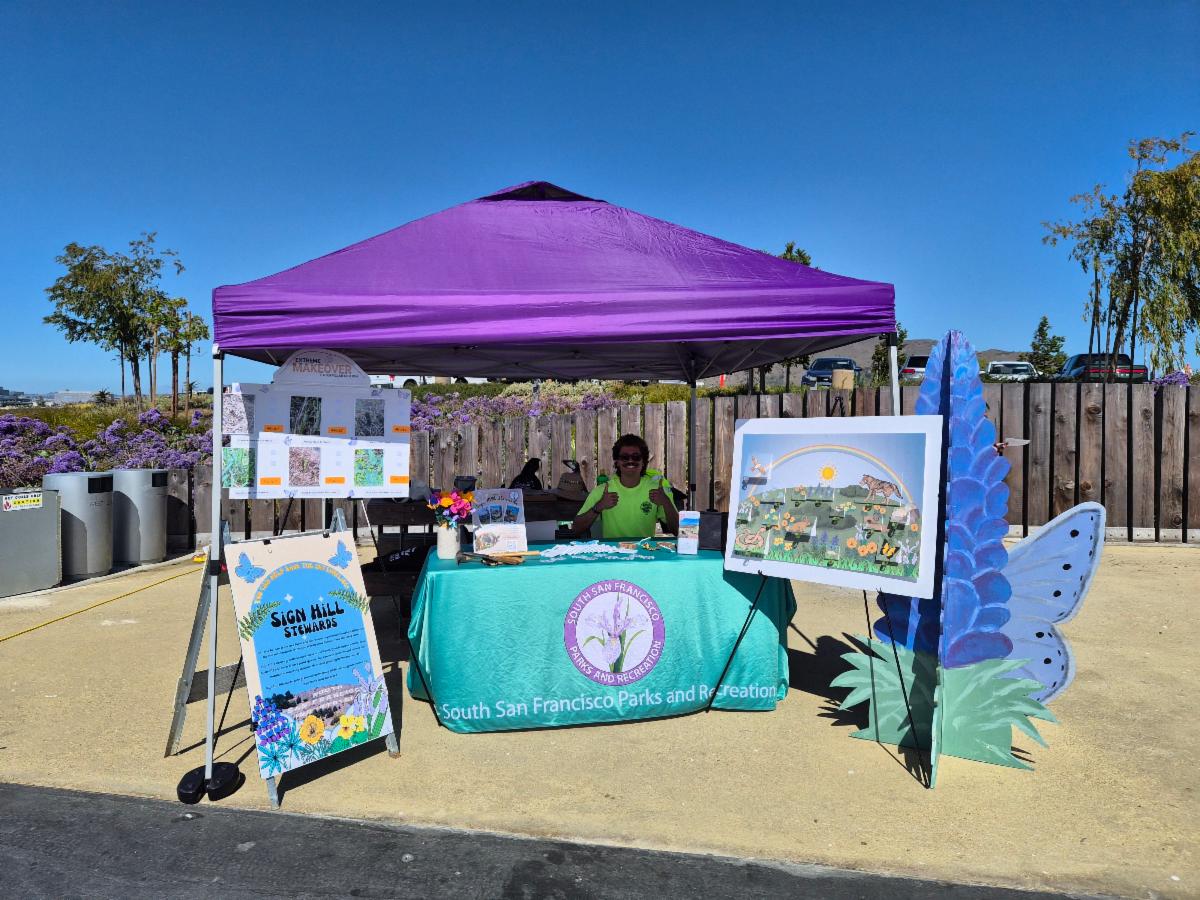
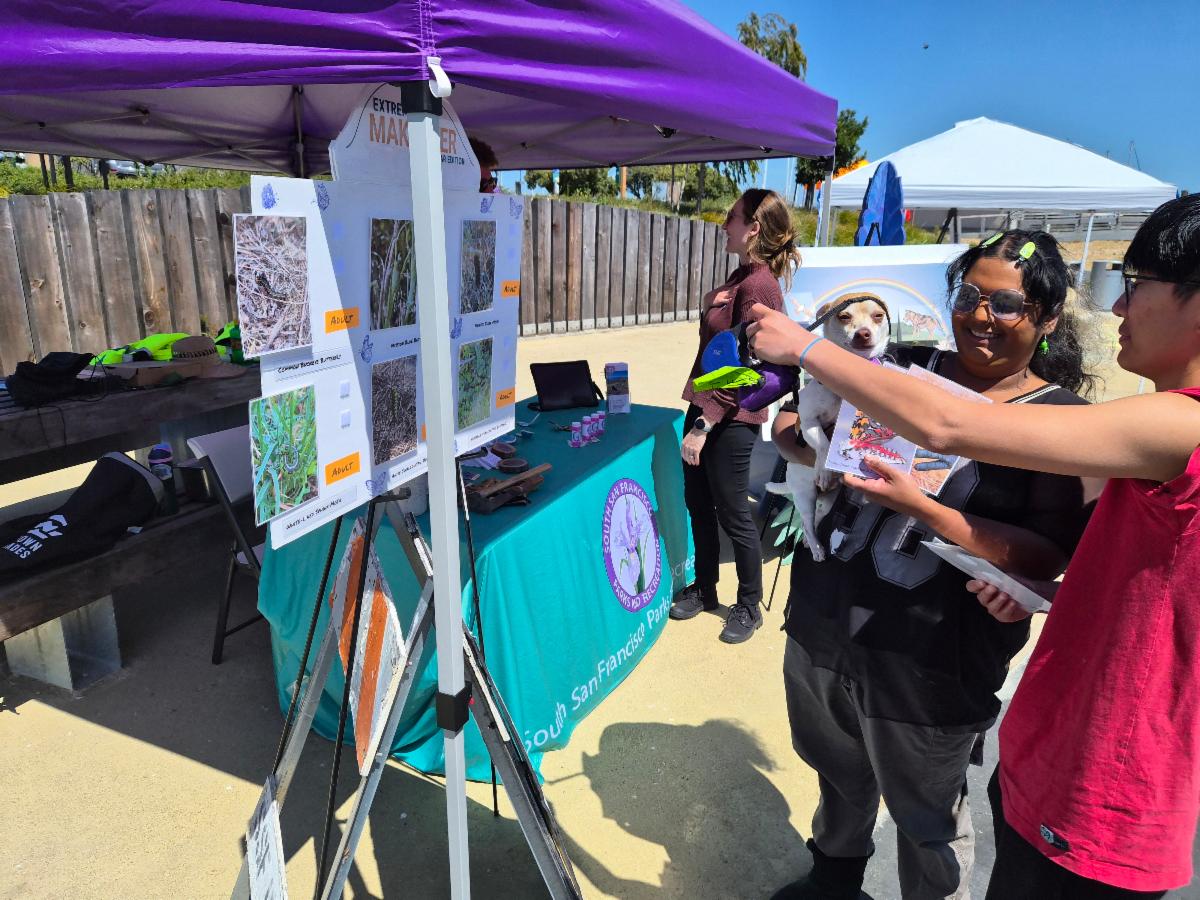
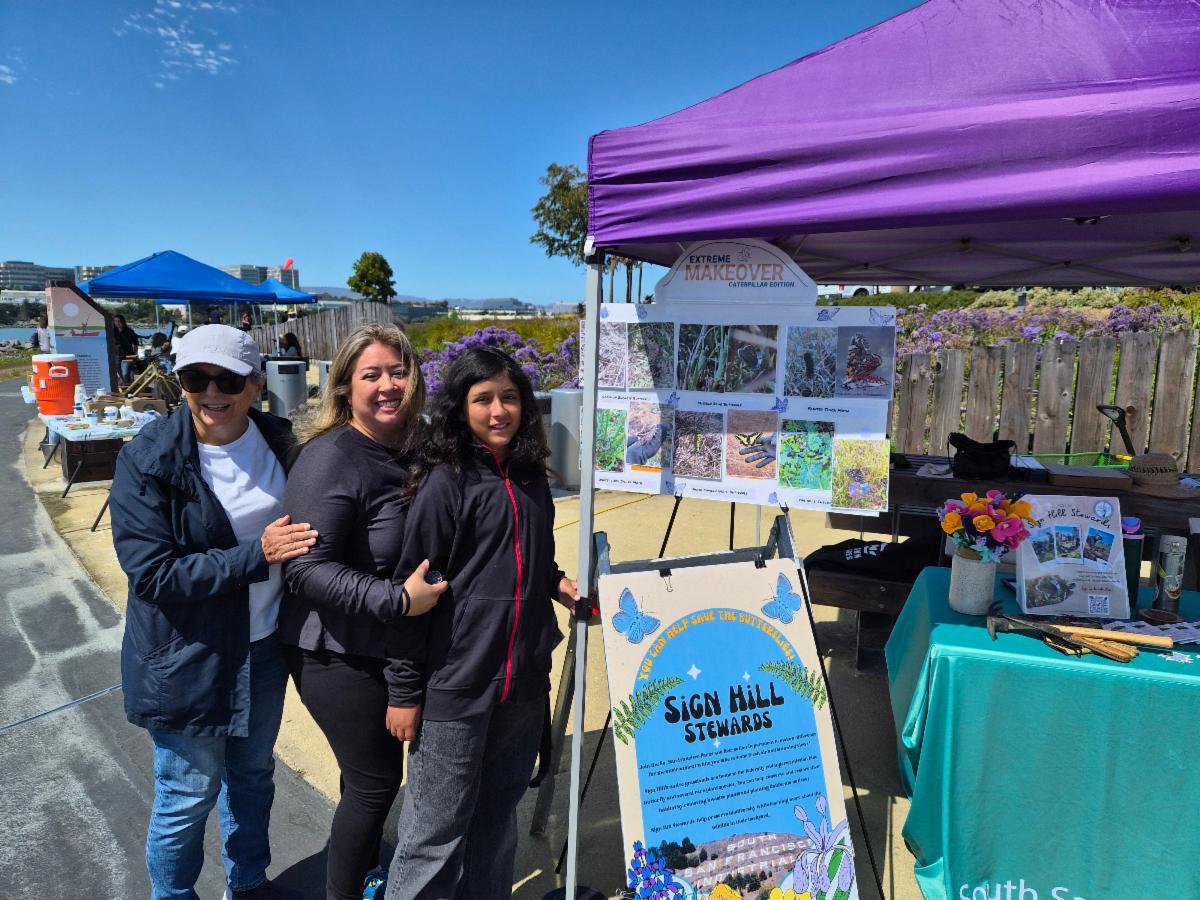
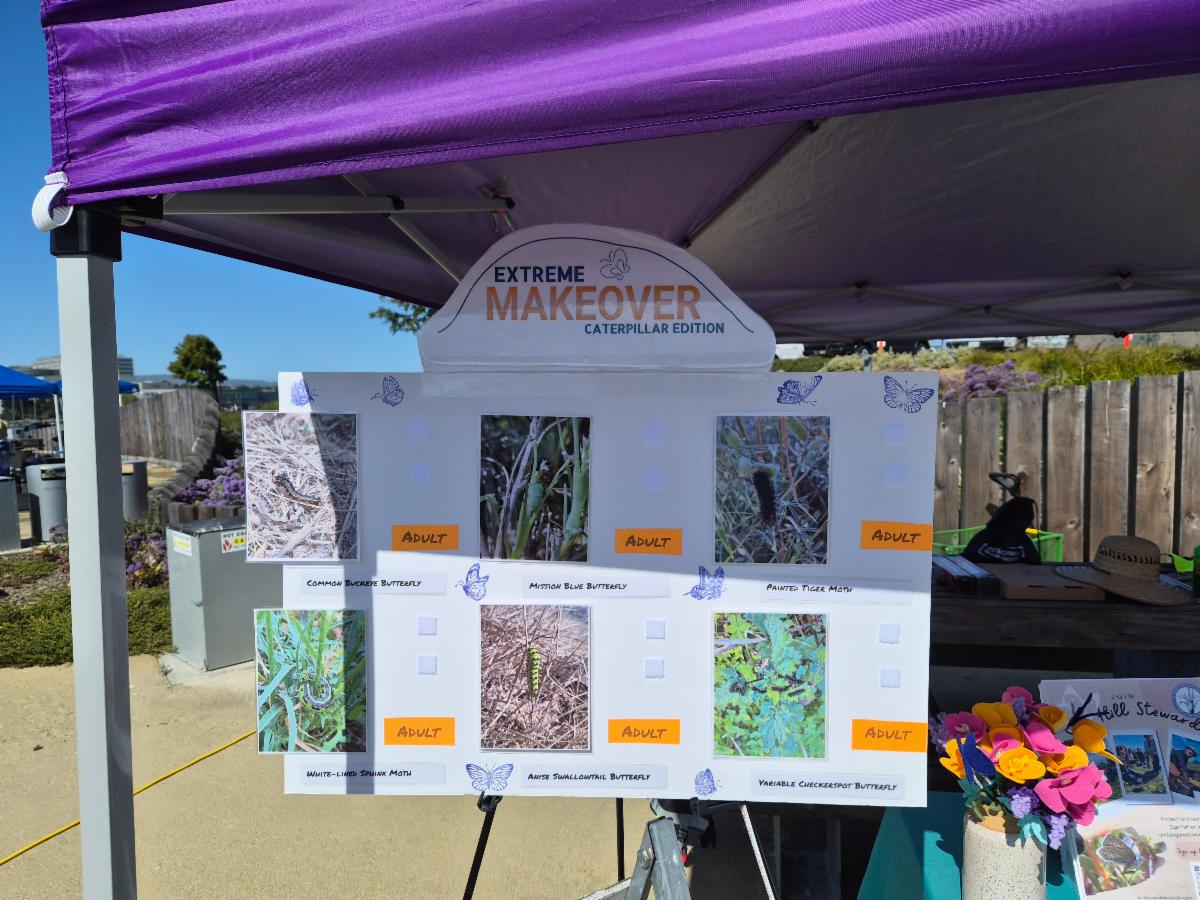
SSF Parks Natural Resource Staff were in attendance at "Day on The Bay", a community event to learn and share input about the SSF Protection and Connectivity Study. We played " Extreme Makeover Caterpillar Edition" where players could match images of butterflies and moths to their caterpillars. We also sent folks home with some native seed packets to plant in their gardens. Would you recognize any of these caterpillars if you came across it on Sign Hill?

Natural Resource Aid Joe Batom sits at the Parks Department outreach booth.
People and a dog engage with signs at the outreach booth.
Three volunteers pose with signage at the outreach booth.
The Extreme Makeover Caterpillar Edition game is on display at the outreach booth.

August 13

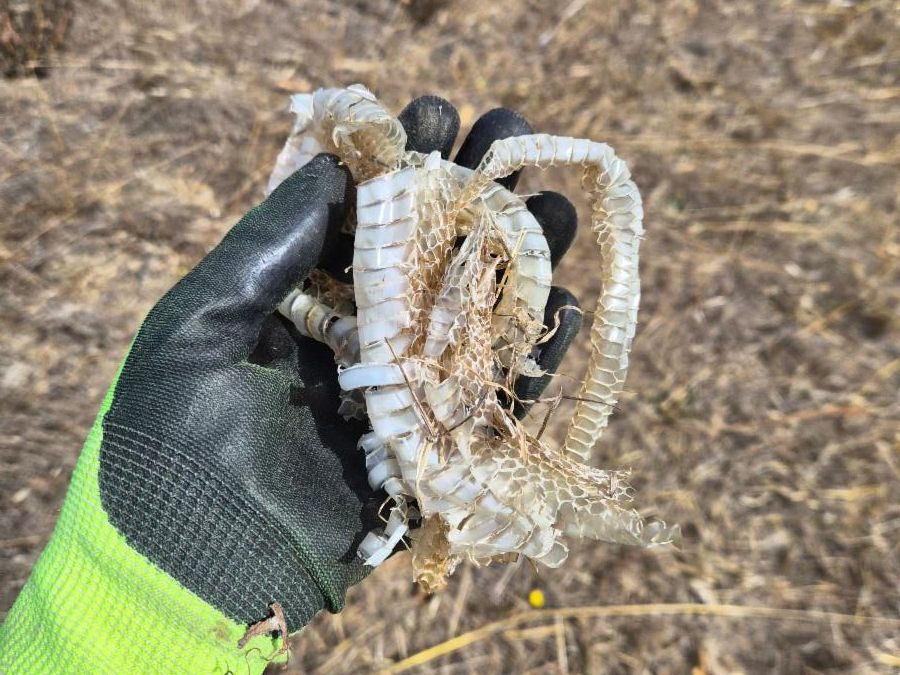
An almost intact skin of a gopher snake skin was discovered while mowing one of our restoration areas.

Park staff holds shed snake skin remains.

August 22

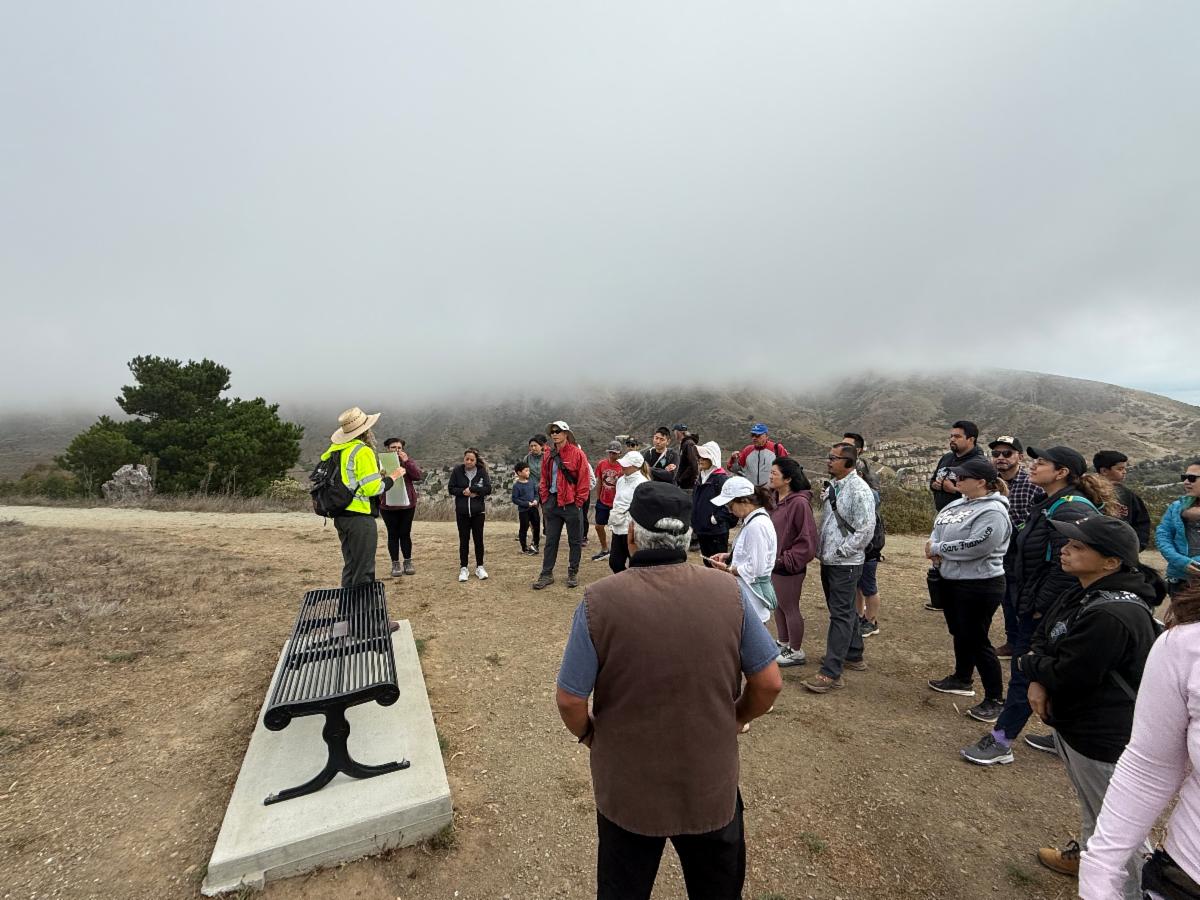
We had a great turn out for our Community Walk on Sign Hill organized by City Council member James Coleman. These hikers braved all of Sign Hill's trails to take in spectacular panoramic views and learn about the ecological and cultural history of the park. What a lovely opportunity to come together and enjoy our shared natural resources!


Natural Resource Specialist addresses large crowd on the trail in Sign Hill Park..

September 1

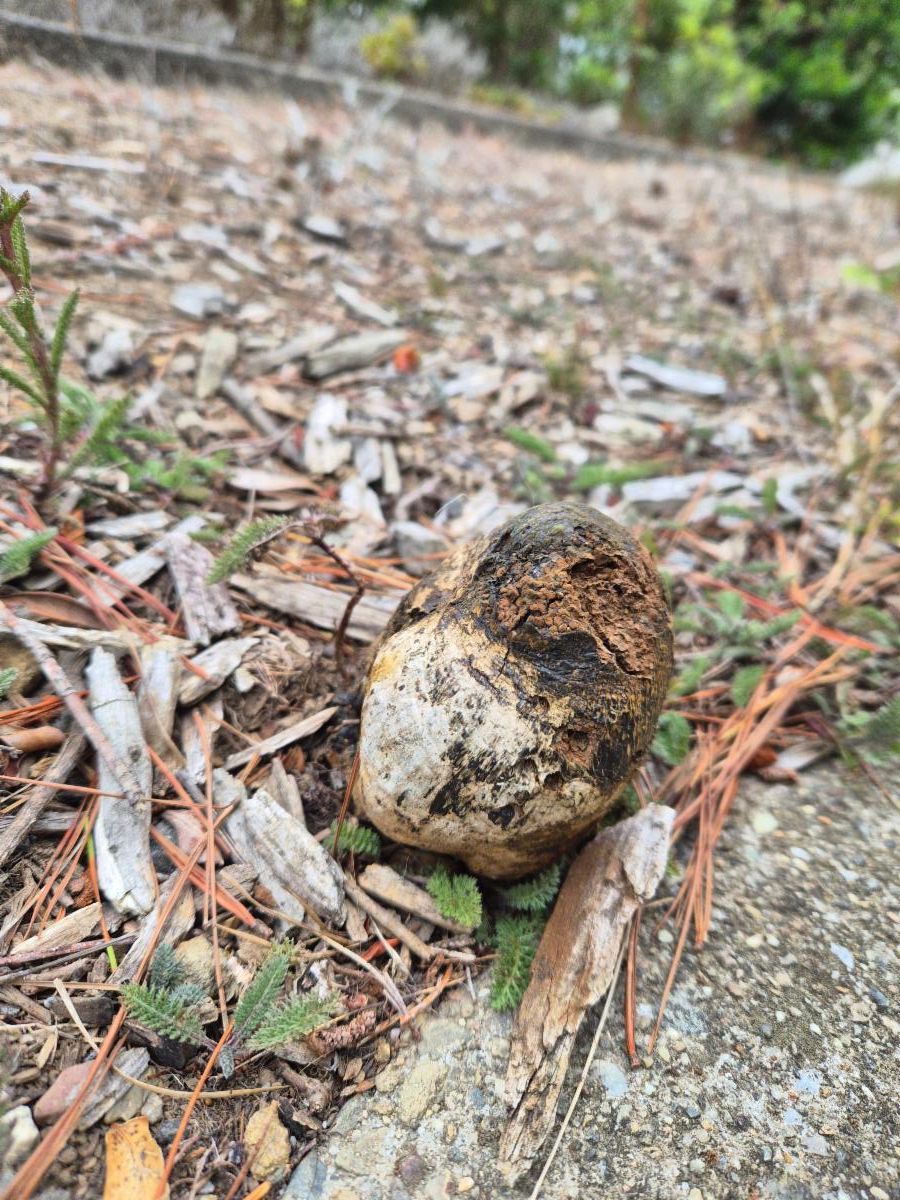
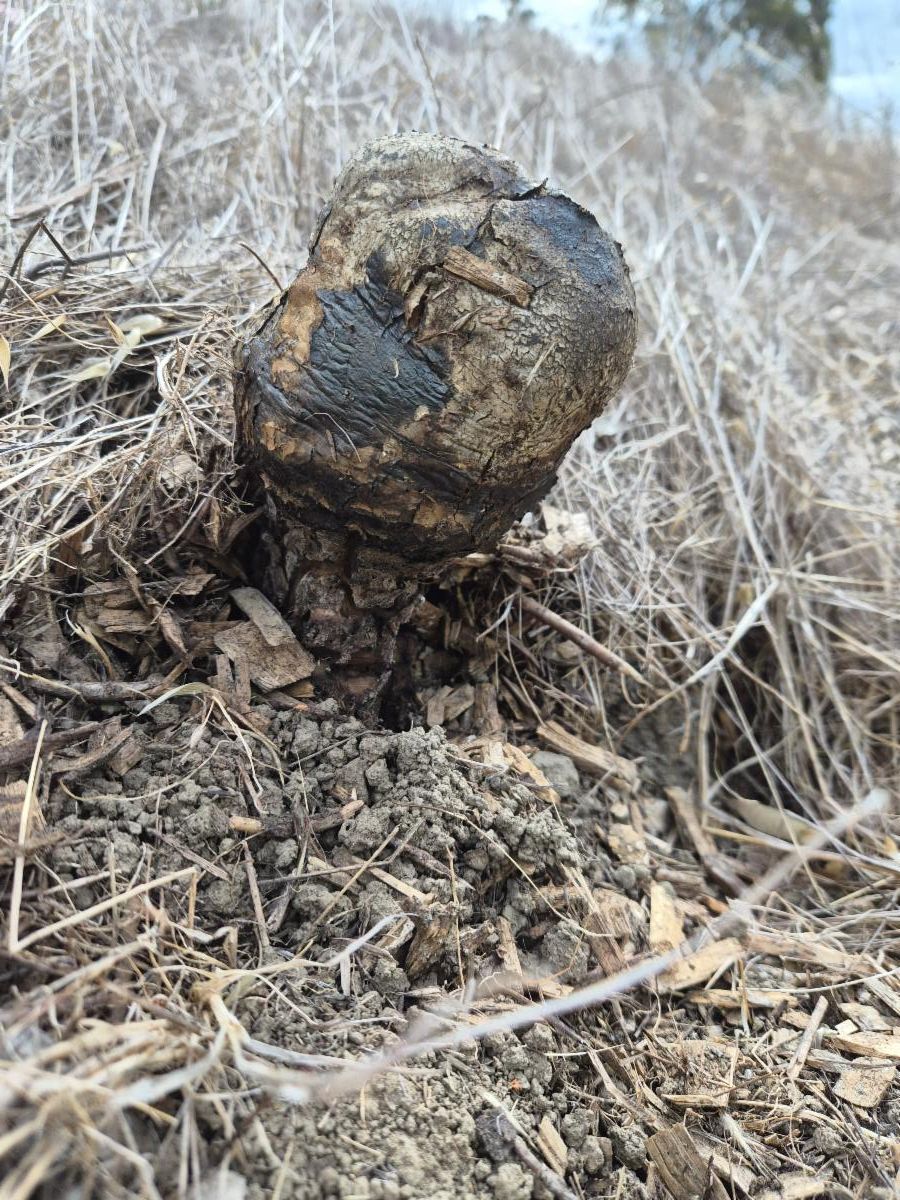
A distinctively eerie looking fungus is fruiting across Sign Hill's slopes. Pisolithus tinctorius, commonly known as dead man's foot is a tough, semi-spherical fungus in the puffball family. Despite it's arguably unsavory appearance, it offers ecosystem benefits by serving as a mycorrhizal fungi with several hardwood species.


Round fungus grows on the ground.
Round fungus emerges from the ground.

September 15

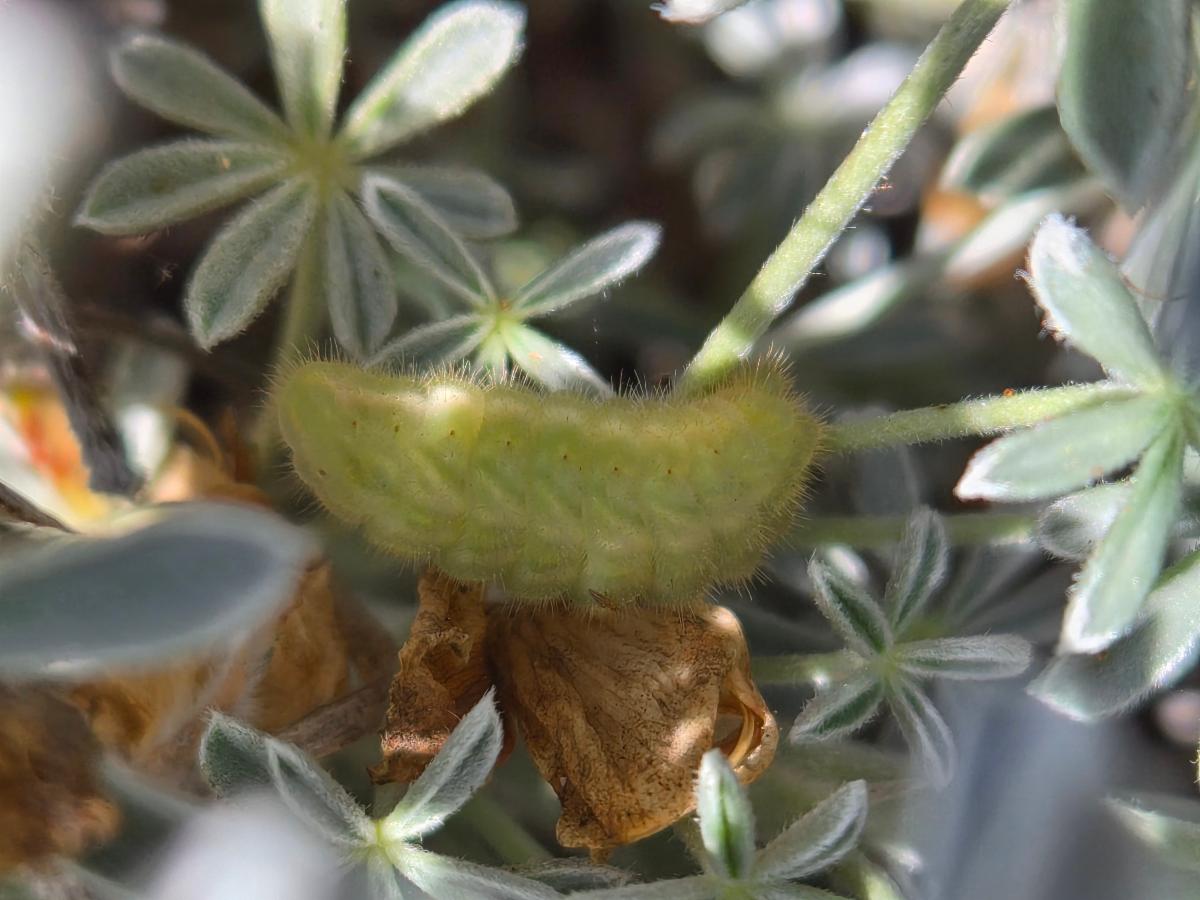
A green hairstreak caterpillar (Strymon melinus). This cute little pudgy larva would be easy to confuse with a mission blue larva for it's size and color, especially on a lupine plant, however this species has an intricate pattern on it's back that the mission blue lacks. It is also was seen outside of mission blue's active season.

Caterpillar sits atop a lupine leaf.


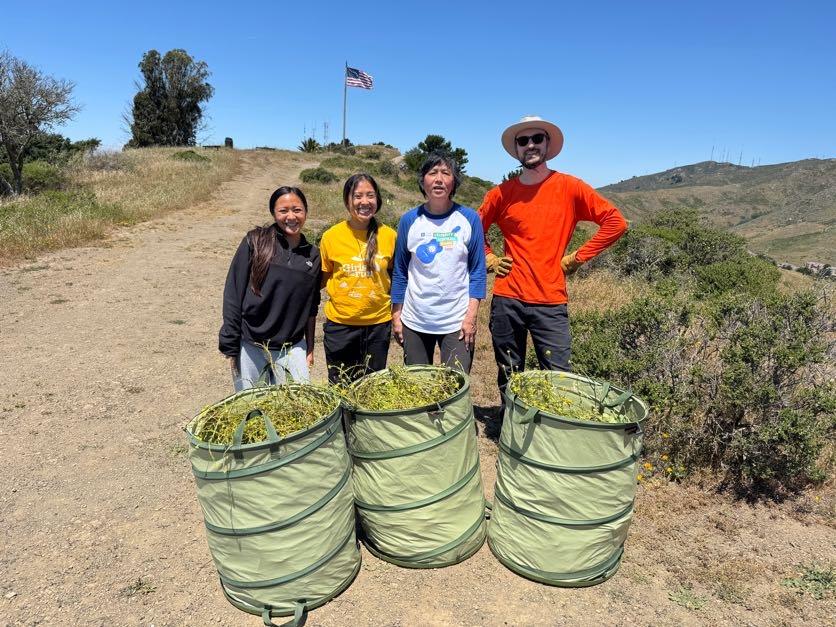
Join Sign Hill Stewards!


Four people stand on a trail with three green hampers full of pulled weeds with a flagpole and blue sky in the background.

Volunteer information:


When: Every other Saturday from 9am-12pm and Every other Friday from 7:30-9:30am.


Where: Volunteers will park at the Sign Hill Parking Lot nearby 964 Ridgeview Ct, South San Francisco, CA and hike with staff to the restoration site.


Registration: Registration is required. Volunteers under the age of 18 must have a youth waiver signed by a parent/guardian. Youth under the age of 16 are welcome and must be accompanied by an adult. Click the link below to RSVP.


What to bring: To prepare for working outdoors, please bring work gloves, plenty of water, sturdy shoes, long pants and long sleeves, a hat/sunscreen, and a completed waiver for each volunteer. Volunteers should expect some hiking on steep terrain.

X Share This Email
LinkedIn Share This Email