University of Maryland School of Graduate Studies
Sci Comm banner with words

SciComm Spotlight
June 2026 Edition


Welcome to the SciComm Spotlight!

Dear Science Communicators,


This inaugural SciComm Spotlight explores how science communication can help people feel more connected to important conversations that affect everyday life.


Hear from the SciComm program alumna Makyla Jones how storytelling and thoughtful communication can support more open conversations with young people about mental health.


Learn how people in the U.S. experience science in daily life, and in this month’s SciComm Voices, Julie Rosen, PhD, talks about the importance of clear, approachable, and meaningful communication. 

Sign Up For SciComm Spotlight  


This is our inaugural newsletter, so we are sending you the whole thing! We would love for you to subscribe to the SciComm Spotlight newsletter. If you do that, it will be delivered to your inbox every month (around the 15th of each month).

SciComm Close-Up

Students standing in a circle outdoors joyously high fiving

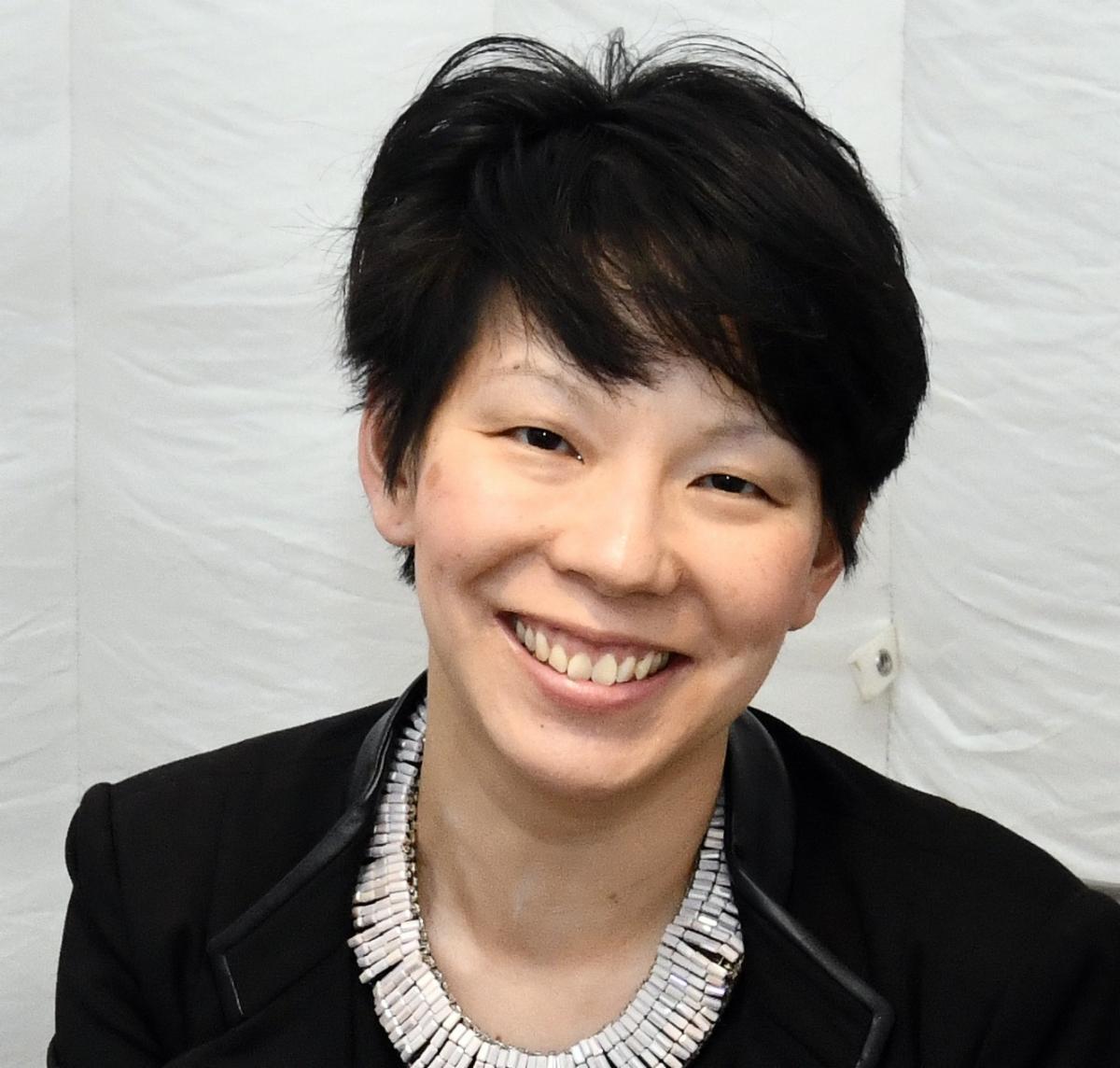
In this month’s SciComm Close Up, How Science Communication Can Support Better Mental Health Conversations with Young People, Makyla Jones, B.S., explores how the way adults talk with young people about mental health can shape trust, understanding, and connection.


She shares how science communication strategies like storytelling, listening, and honest conversation can help young people feel more comfortable discussing difficult topics.

SciComm Resource: The Public Face of Science


Each month, we highlight a resource that students and faculty within the Science Communication post-graduate certificate program at the University of Maryland School of Graduate Studies (UMSGS) have found meaningful in their own SciComm work. 


The Public Face of Science is a three-part report series published by the American Academy of Arts & Sciences. The reports explore how people in the United States encounter science in their daily lives, where trust in science comes from, and how public audiences connect with scientific information. a three-part report series published by the American Academy of Arts & Sciences.


The reports explore how people in the United States encounter science in their daily lives, where trust in science comes from, and how public audiences connect with scientific information. a three-part report series published by the American Academy of Arts & Sciences.


While the reports were published several years ago, the questions they explore remain highly relevant today. Understanding how people experience science outside of academic spaces is essential for anyone hoping to communicate science more effectively. 


As part of the SciComm certificate program, students examine these ideas while building projects designed to connect science with real communities in thoughtful and accessible ways. 

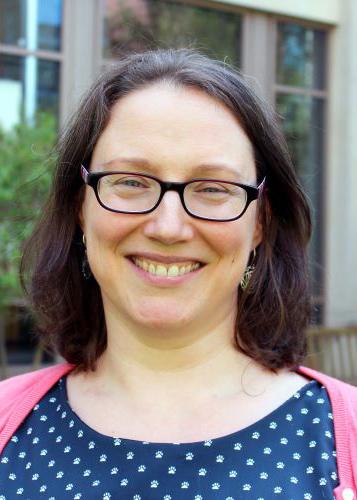
Smiling portrait of a woman

SciComm Voices


This month’s SciComm Voices features Julie Rosen, PhD, director for strategic initiatives at the American Association for the Advancement of Science (AAAS) and adjunct professor in the UMSGS SciComm program.


Dr. Rosen reflects on how her early love for writing led her into science communication and shares why audience connection is one of the most important parts of the field. 

Upcoming Opportunities

SciComm Chats


These monthly virtual conversations are designed to bring together students, professionals, educators, and science enthusiasts interested in science storytelling and public engagement. Here are the upcoming chats (with registration links):


Monday, June 22, 2026 | Noon–1 p.m. ET 

How to advocate for SciComm, specific focus on US science and SciComm funding landscape


Thursday, July 16, 2026 | Noon–1 p.m. ET 

Discuss article “What Makes a Good Story?”


Monday, August 2, 2026 | 11 a.m.–Noon ET 

LinkedIn symbol

SciComm LinkedIn Group


Join the UMSGS SciComm LinkedIn Community to network with faculty, students and alums of the Science Communication Certificate Program at the University of Maryland School of Graduate Studies. Anyone interested in science communication is welcome.

Want to Contribute to the Newsletter?


Are you interested in writing something for SciComm Spotlight, have a great SciComm resource that you want to share, or have additional suggestions for what else to include in the newsletter? We would love to hear from you.


You can use this survey to indicate your interest. Contributions to SciComm Spotlight are unpaid. You retain copyright to your work and grant permission for publication in this newsletter.  

We hope to see you at one of our monthly UMSGS SciComm chats, in an info session (starting back up in September), or in a future cohort. If you have questions about whether the program is a good fit for you, email imay@umaryland.edu, and we’ll set up a time to meet.


Until next month — stay curious, stay connected, and keep sci‑comming.

Isabell May headshot

Isabell May, PhD

Program Director, Science Communication Certificate Program

University of Maryland School of Graduate Studies


Source material adapted from user-provided SciComm newsletter content.  

Banner photo by Vlad Tchompalov on Unsplash