A Message from Chief Scientist & Observatory Director Dr. Paula Mabee |
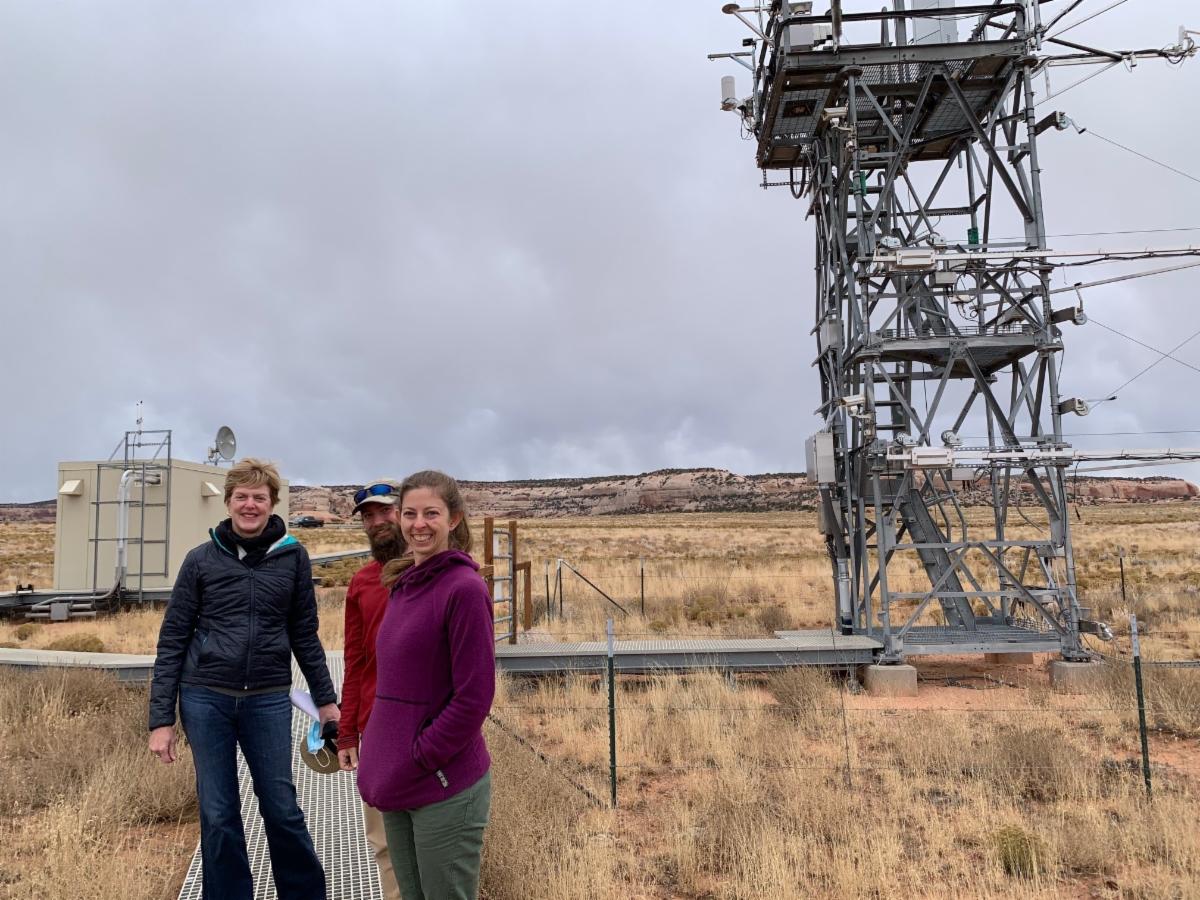
With only one full month left in the year, I can't believe how quickly 2021 is flying by. I’m happy to say that as things have opened up a bit, I've had some chances to visit NEON sites and meet with staff across our Observatory! Most recently I visited the MOAB site while staff (Chris, Alison, pictured below) were there doing high priority corrective maintenance, allowed though the site is in limited operations due to COVID-19. It’s helpful to me to understand more about what can go wrong, and I gained even more respect for the learning curve required to operate all of the equipment and infrastructure. I want to thank all of you in the field for your dedication to maintaining the continuity and quality of NEON data.
This month, we've been so inspired by the series of workshops that we are running to stand up a new Ambassador Program. This inaugural cohort has some fantastic ideas about how to move forward with the program and how to best engage with numerous communities. Initiative challenges so far are generally around the areas of sharing NEON resources, integration with research partners, science stakeholder partnerships, citizen science, training, and increasing diversity. They are working to put more specificity into these areas, and we are working with them to understand how to best support the ideas.
Speaking of end of the year, it's once again time for the Fall AGU meeting! The largest scientific conference held annually in the U.S. is back in person (hybrid-virtual), convening for a week in New Orleans, LA. #AGU21 is optimizing both in-person and worldwide online participation. NEON is participating with many staff-led talks and sessions and as part of the larger Battelle presence and booth at the conference. If you are attending, please read below to find our NEON events!
|
As always, I hope this finds you safe and well!
Sincerely,
Paula
|
|
There will be several NEON-led events at the American Geophysical Union's Fall Meeting, and many more talks that showcase the use of NEON data and other Battelle entities. We've made it easy to find everything NEON-related happening at the conference:
|
|
Explore daily NEON events at AGU, videos, quick links, and find other resources on our website
|
|
|
|
|
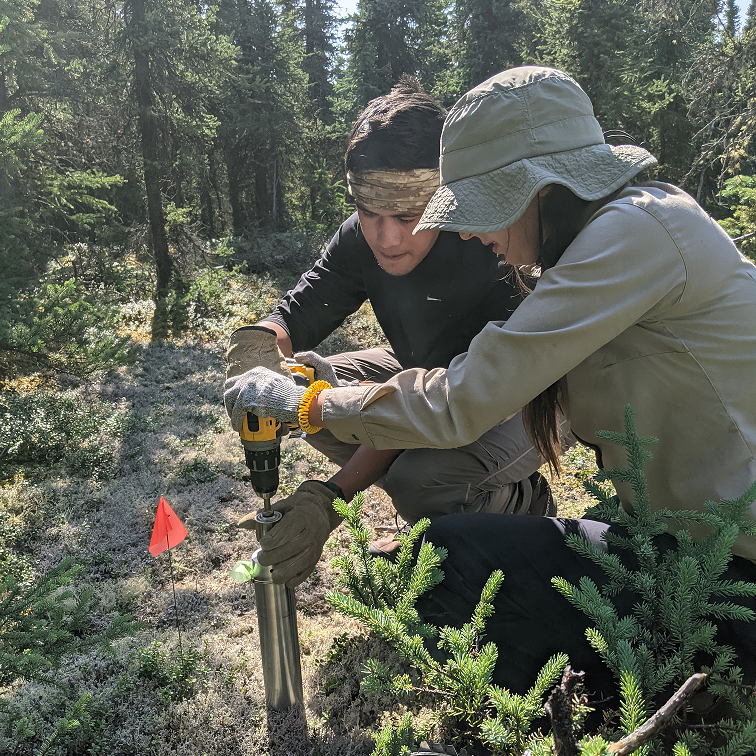
Dr. Laura Meredith is working at NEON sites in Alaska to validate the use of carbonyl sulfide as a tracer molecule to better estimate of the amount of carbon taken up by plants. Her study was made possible through the NEON Assignable Assets Program and an NSF award.
|
|
|
|
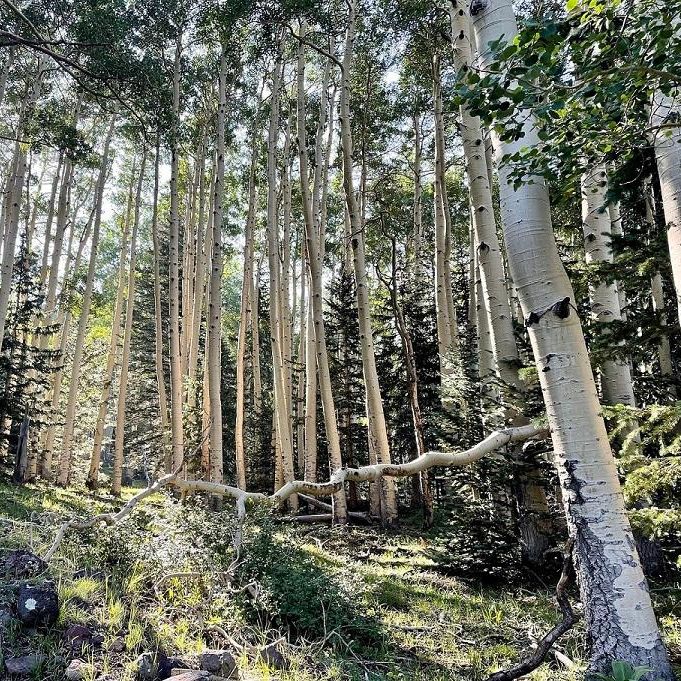
A new study by Hakkenberg and Goetz uses NEON lidar and field observations to explore how climate mediates biodiversity-structure relationships (BSRs) across the U.S. Their findings could help improve biodiversity maps created with remote sensing data and better predict the impact of habitat degradation and climate change on biodiversity across disparate regions.
|
|
Have you used NEON data? Please take our 2021 Data User Survey!
NEON gathers feedback from our stakeholder community to better understand the accessibility, usability, and quality of our data products. We have made a lot of improvements in recent years in response to user feedback!
|
|
GETTING TO KNOW THE NEON DOMAINS |
|
|
|
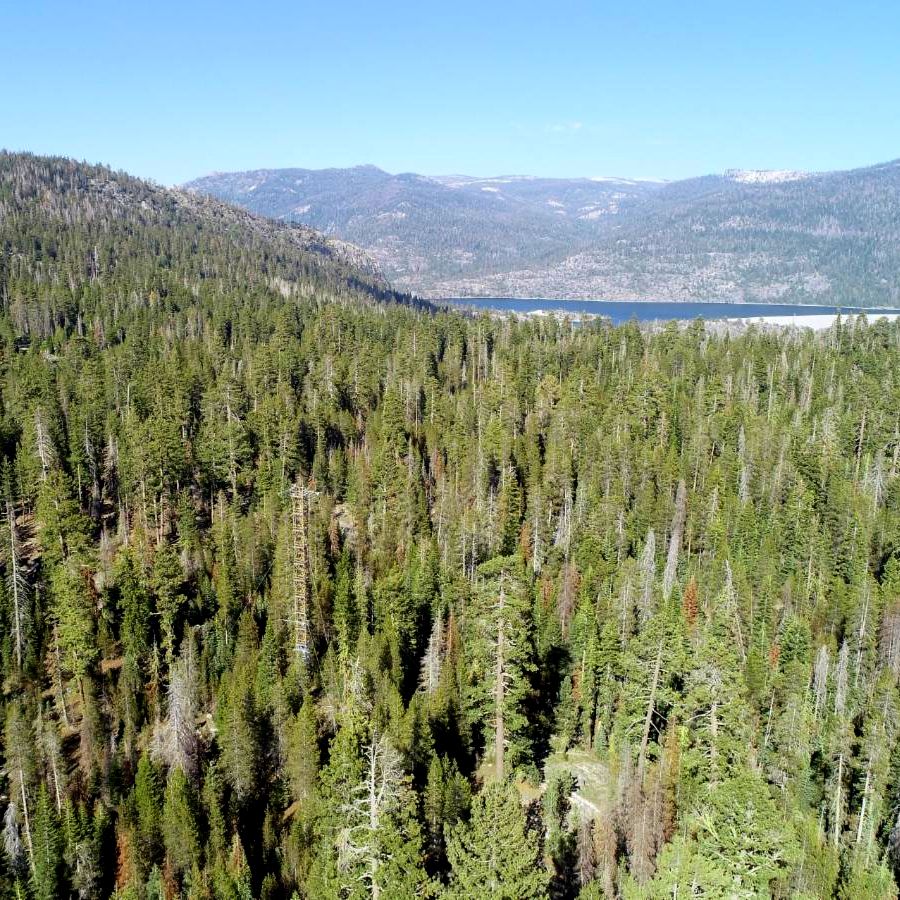
The rugged Sierra Nevada mountain range is home to 20 wilderness areas; two national monuments; and Yosemite, Sequoia, and Kings Canyon National Parks. They also host all five of the NEON field sites in D17, the Pacific Southwest. The sites are located across the largest elevation gradient in the Observatory, providing a unique opportunity to collect data from the foothills to the higher elevations. |
|
OTHER RECENT BLOGS
In August 2021, Domain 09 (Northern Plains) welcomed ten students from regional Tribal colleges and universities, along with some of their parents, for a day of hands-on activities and exploration at two NEON field sites. The day was planned in collaboration with the American Indian Higher Education Consortium.
We recently asked Hawaii-born NEON Senior Field Ecologist Shea Uehana to share about his work with the ecological project, his path into the field of ecology, and how his background informs his current work.
In the first of a new blog series - Domain Digest - take a brief look at some of the daily activities of our field staff across the Observatory!
NEON's Ambassador Program is envisioned to empower and connect researchers and educators who are eager to engage with their communities. They will help their communities use NEON to accelerate scientific discovery, enhance educational opportunities, increase diversity and inclusion of the scientific community, and/or inform public policy. The inaugural cohort of NEON Ambassadors will contribute to a community-driven design for the new program.
IN MEDIA
Science, November 18, 2021
Emory News Center, November 9, 2021
The Lantern, October 27, 2021
The Fence Post, October 22, 2021
The State Press, October 20, 2021
ASU News, October 12, 2021
Tulane News, October 11, 2021
|
|
RESOURCES, UPDATES, EVENTS, & OPPORTUNITIES |
|
UPDATES
Nov 9: The workshop followed the topic "Predicting life in the Earth system – linking the geosciences and ecology." It consisted of a series of talks, a one hour working session, and focus on broad synergies between ecology and the atmospheric sciences. There will be a longer more intensive in-person workshop in Spring 2022. View the recording.
Nov 19: Participants joined NEON and Cyverse for an intensive one-day, hands-on, remote workshop to learn how to create, use, deploy, and share analyses of NEON AOP data using the CyVerse platform.
They used NEON Data API and worked with hands-on exercises using AOP remote sensing data in Project Juypter (Python) notebooks, and covered basic visualization of NEON AOP data in Google Earth Engine using the Python API. View the recording.
NEON operations and restrictions due to safety impacts (e.g., COVID-19, wildfires, etc.) vary across the Observatory. NEON Leadership is continually assessing conditions across the Observatory. Read current operational status updates.
RESOURCES
Did you know NEON has over 103,000 samples from over 700 taxa stored at the NEON Biorepository? These samples are available upon request to support research studies and analyses. Discover and access NEON's archived samples on the NEON Biorepository Data Portal. Explore the portal.
NEON offers a variety of tools and resources for instructors and faculty moving to online teaching. We realize that these are challenging times for our communities around the globe to delivery high quality education in novel online teaching environments. The data and resources from NEON are naturally suited for teaching ecological concepts and skills in both synchronous and asynchronous learning situations. Browse NEON's Learning Hub.
The NEON program generates ecological data on an unprecedented scale. Making sense of that data often requires sophisticated analytical techniques and computer programs. But if you’re not a coder, don’t worry—open source coding resources and community-made custom programs make NEON data more accessible to the ecology community. These resources are now being compiled in the NEON Code Resources Library.
EVENTS
Attending AGU 2021? Want to learn how to access NEON instrument data, or wish to better understand NEON’s quality flagging processes? Register for the Aquatic Instrument Data Workshop! Sunday December 12; 8-11 AM CST. This virtual workshop focuses on NEON aquatic instrument systems (AIS) data collected continuously from our 34 aquatic sites, including 24 wadable streams, 3 rivers, and 7 lakes. AIS data products span water quality, surface and groundwater elevations, and meteorological instrumentation. Participants will learn how to access NEON instrument data using an R API; will learn about the documentation surrounding the data; and will learn how to select the QA/QC flags of interest for designing custom data filtering approaches. Learn more.
This workshop accompanies the AGU Journals Special Collection “Advances in scaling and modeling of land-atmosphere interactions.” This workshop aims to enable attendees to access and jointly work with both extensive network data and intensive experiment data to unveil critical and previously inaccessible aspects of surface atmosphere interactions. This workshop will publicly release the community-developed eddy4R.turb package and solicit community feedback on NEON and CHEESEHEAD19 data product and algorithm development related to surface-atmosphere interactions. Learn more.
OPPORTUNITIES
AGU Fall Meeting is the primary gathering for Earth and space scientists, students, and those in affiliated fields to share scientific findings and identify innovative solutions. With in-person and worldwide online participation, attendees will have numerous opportunities to network with government regulators, scientific visionaries, and industry thought-leaders. Join our diverse community in New Orleans and Online Everywhere. 13 - 17 December 2021. Learn more.
Battelle is hosting the #Climate22 Conference on Innovations in Climate Resilience in March 2022, with an expected audience of about 800 people. Battelle is currently building the program for the two-day event and we’re looking for groundbreaking ideas. Topics will range from breakthroughs in technology, policy and infrastructure to threat mitigation for our environment, health, communities, national security and economic well-being. The deadline to submit abstracts is Dec. 6, 2021 - submit your work today. Learn more.
|
|
RECENT NEON-RELATED PAPERS |
|
More and more researchers are using NEON data! Publications that use NEON data and resources are identified and imported into a public Zotero library, where they are tagged to make them easy to query.
View the newest publications here.
Learn how to find papers of interest here.
Knowing how NEON’s data, samples, and infrastructure are used in research is important to measure the program’s success. Please report your publications and related projects here and learn how to cite NEON here. If you know of a publication not included in the list, please notify us.
|
|
Follow NEON on social media!
|
|
|
|
|
|
|