Faulkner County Agriculture Update
June 27, 2025
| | |
Quick Note
There will not be a Faulkner County Agriculture Update next week July 4, 2025 due to the holiday.
| | |
Weather
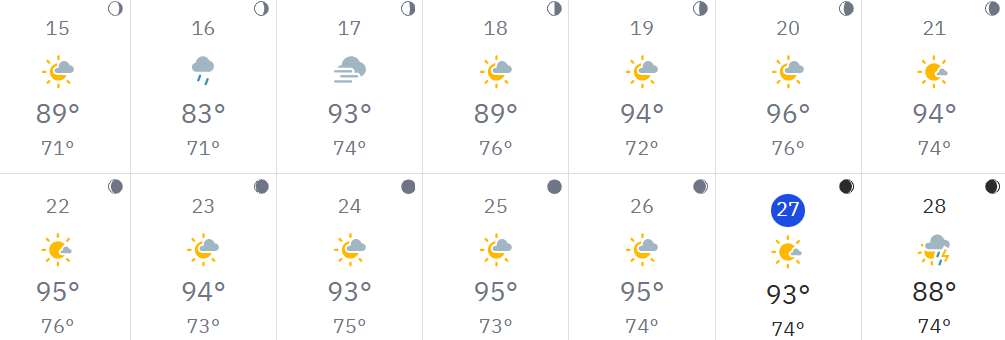
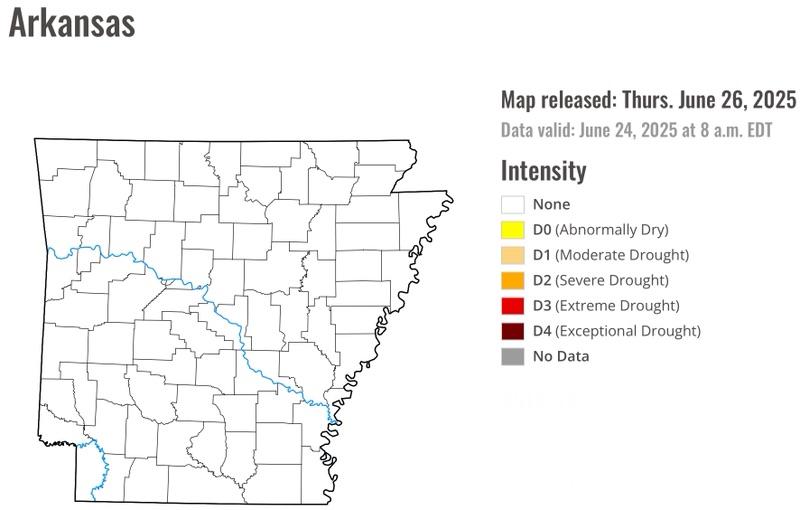
This was an interesting week for sure. Some spots are burning up from shallow root systems, no rain and heat. Other spots got rain of some sort just about every day this week. I know one producer that cut hay this weekend and it rained on it every day this week. Crazy Arkansas weather.
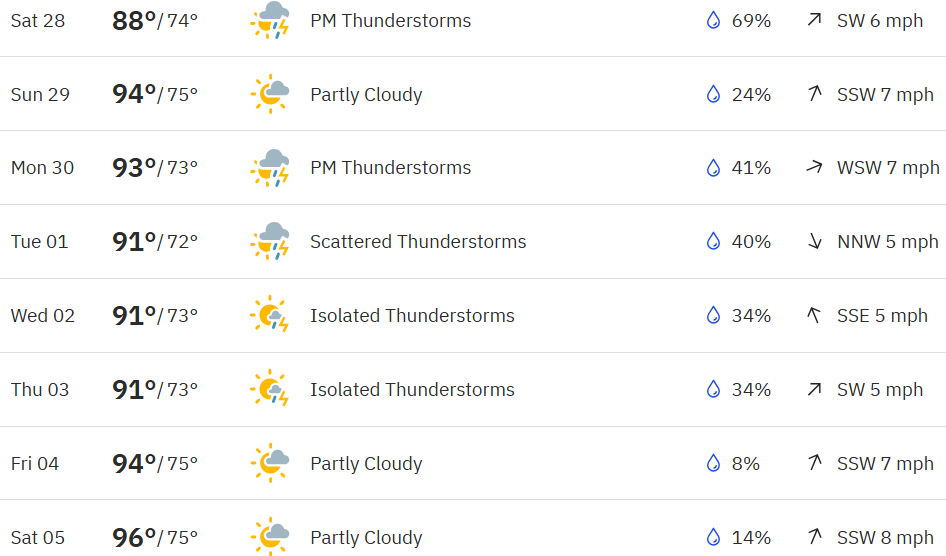
The heat is here to stay, but rain chances are back in the forecast for next week. We need a little rain in certain areas, but not too much.
| | |
Arkansas and Mississippi River
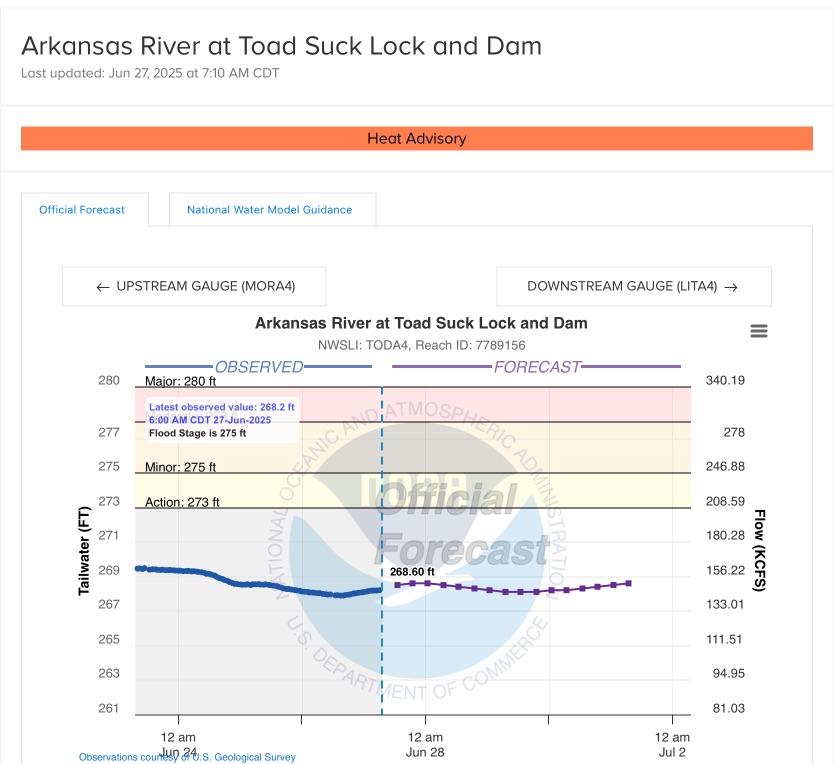
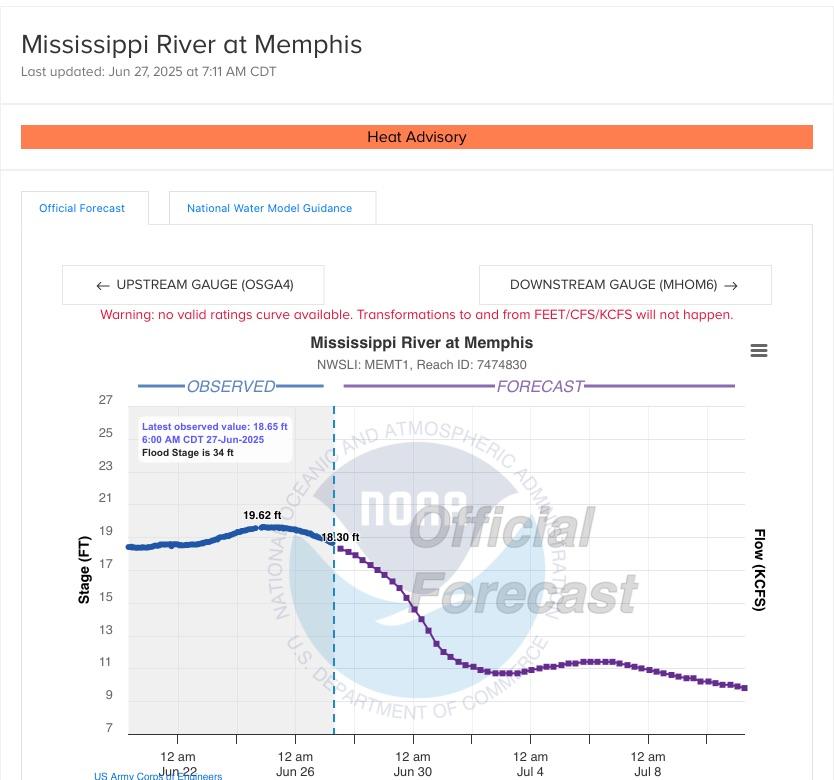
The river has been at a high level consistently for the last week. We finally got to open flood gates earlier this week but it is draining slowly. Hopefully the river can come on down and we can get this water out of here.
| | |
Wheat
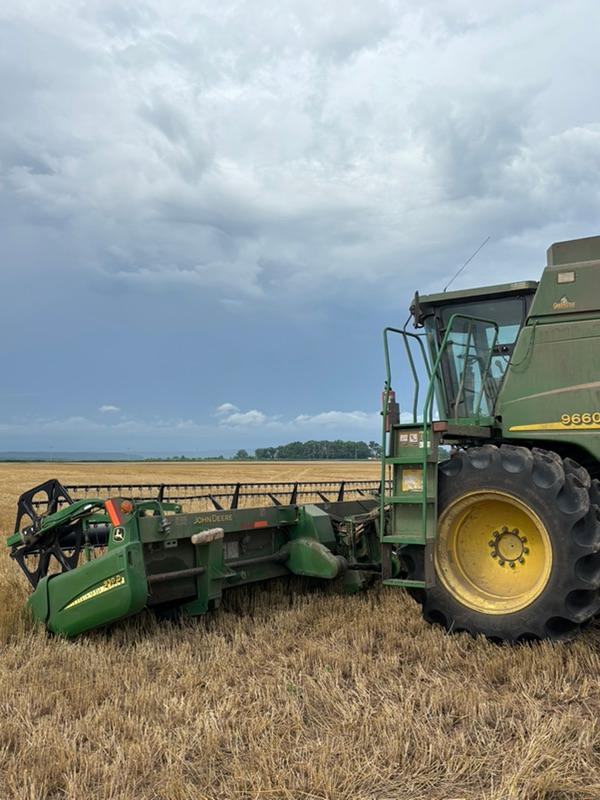
Wheat harvest started back up this week. I have heard some decent yields and a couple of excellent ones. Test weights aren't the best we have ever had, but they aren't as bad as I was expecting. We should finish up soon.
| | |
Corn
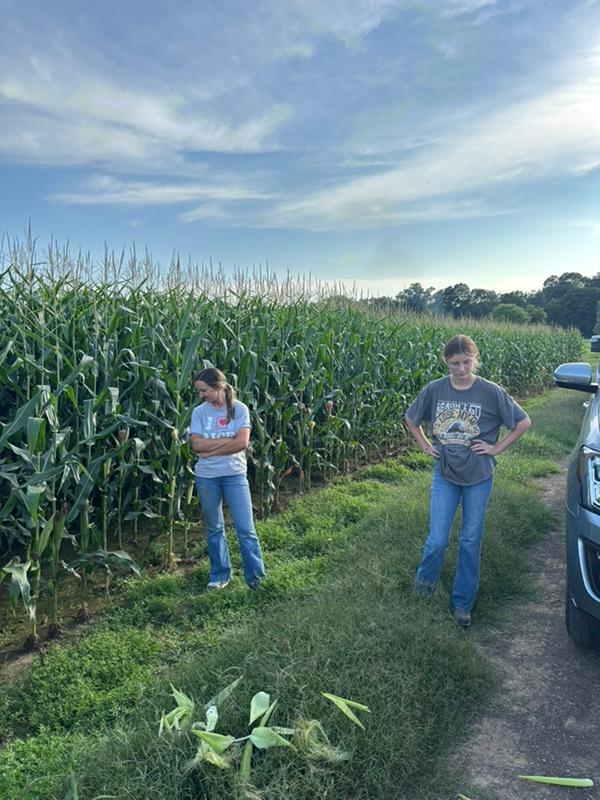
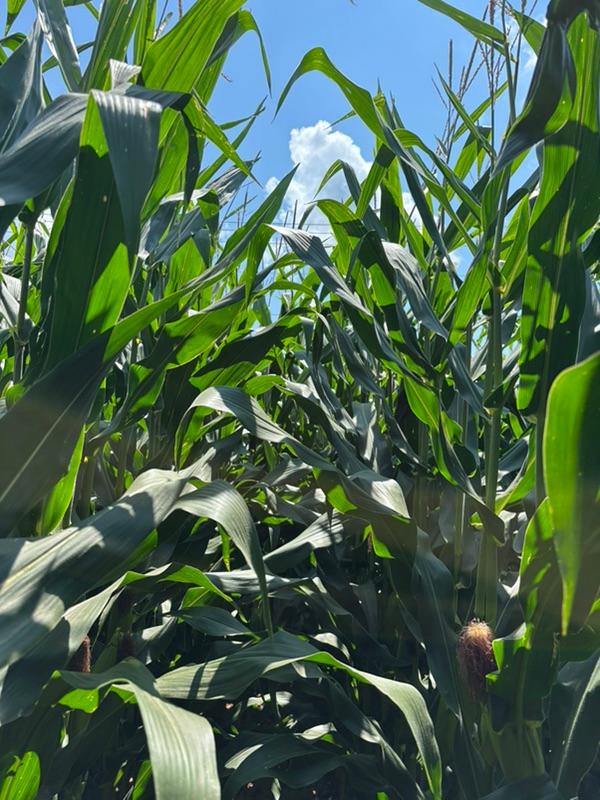
Early planted corn has reached R4 and is moving along nicely. Some of this corn is non irrigated and will need a couple more rains to make it through, but it is an awesome start.
On fields that can be irrigated, producers turned on their pumps this week and started watering. Corn plants are using about 0.33 inches of water a day right now. That means every three days is an inch. That can be replaced by row irrigation fairly easy, but with a pivot as the heat ramps up, you can't get too far behind because you won't be able to catch up. Also, we are still pollinating in some of the fields, so keeping irrigation needs met will help with pollination.
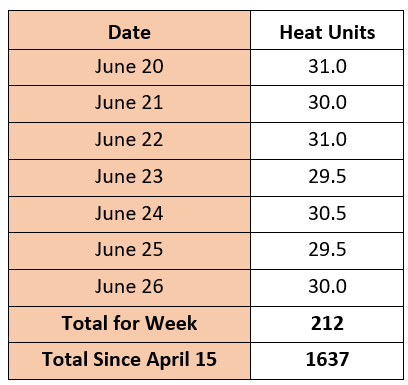
Heat units finally got over that 200 a week stage. Corn is loving the sun. We accumulated 212 heat units this week for a total of 1637 for corn planted on April 15.
| | |
Rice
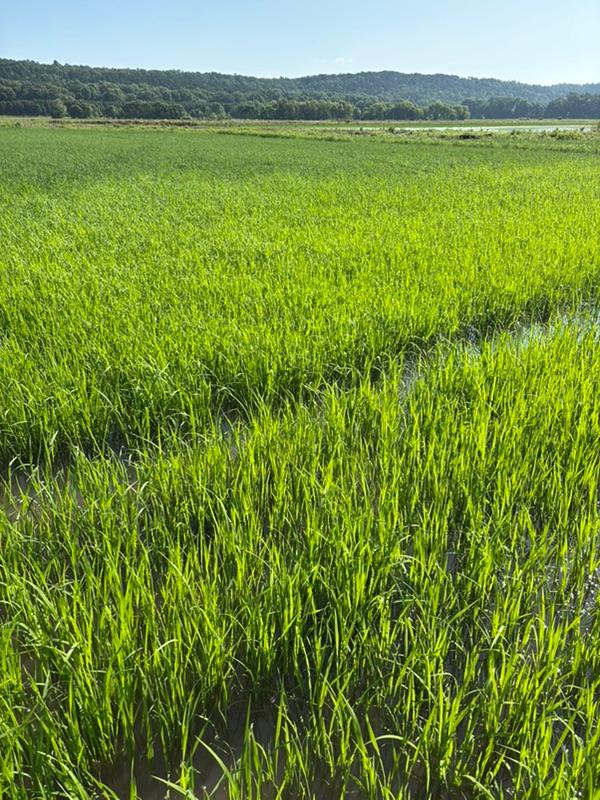
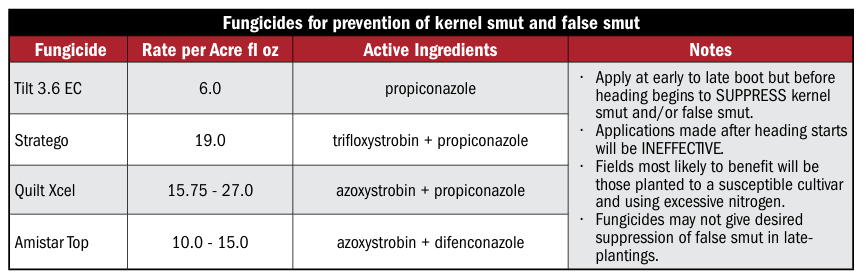
Some fields received a midseason application of fertilizer this week. Rice is loving this heat. The Hank Chaney saying goes "if I am miserable in the rice field, the rice is loving it". The plants are moving quickly so make sure to monitor your internode elongation and get out any last minute herbicides that you need to and get ready for fungicides. If you have a past history of kernel or false smut and have a susceptible variety, and application of propiconazole will be needed soon.
| | Here is Dr. Jarrod Hardke's latest Arkansas Rice Update. | | |
Soybeans
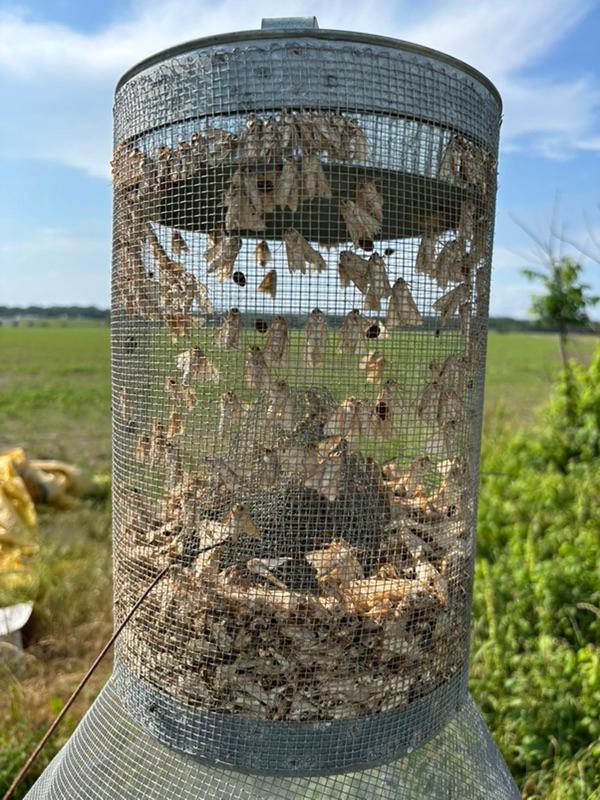
I found my first few corn earworms on soybeans this week. I was finding about 1 per 25 sweeps which isn't much, and although there was some defoliation it was no where near threshold. But as we continue to catch high numbers of moths and as corn matures we really need to keep an eye on soybeans. I am really concerned that this could be a bad corn earworm year.
| | |
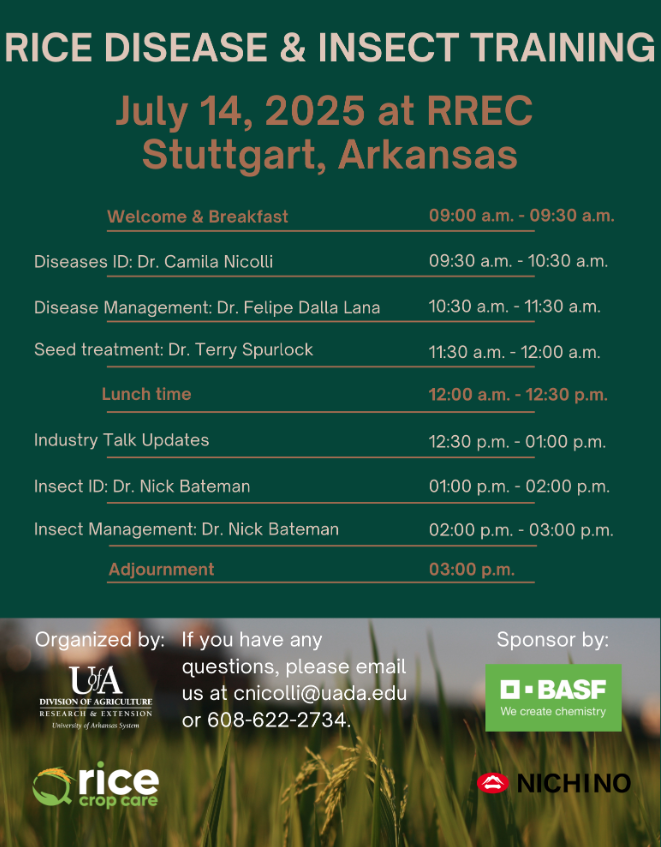
Rice Disease and Insect Training
You're invited to attend the 2025 Rice Disease and Insect Training, which will be held at the Rice Research and Extension Center (RREC) in Stuttgart on July 14th, from 9:00 AM to 3:00 PM.
Please use the link below to register and indicate any dietary restrictions:
🔗 Registration Form
| | |
Corn Earworm Moth Traps
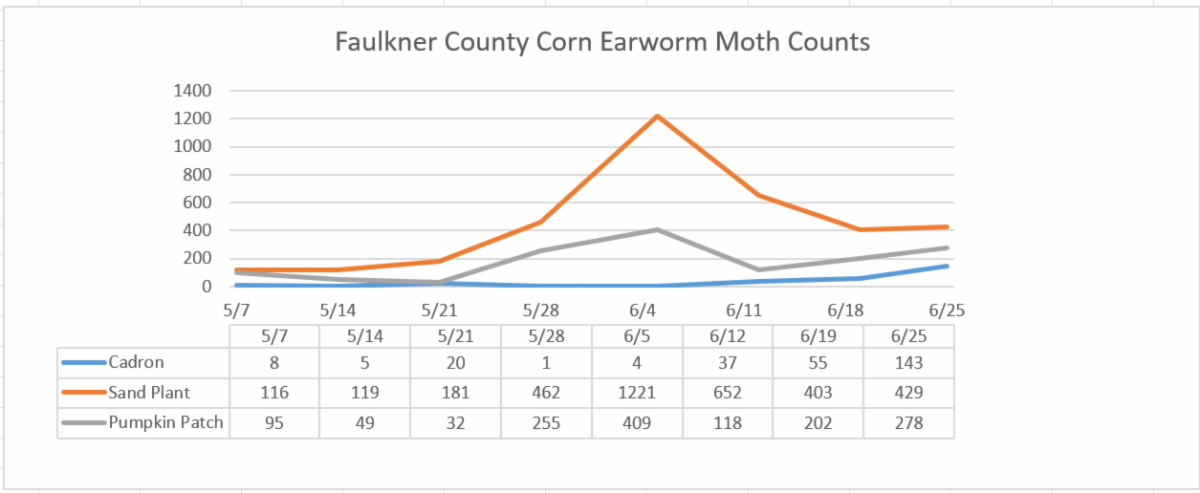
This is the first time I have ever seen moth traps stay at consistently high numbers for this long of a period. All three traps this week went over the 100 moths per trap threshold. Be scouting your beans.
Cadron - 143 moths
Sand Plant - 429 moths
Pumpkin Patch - 278 moths
| |
Profit/Loss Tool and June 2025 Market Update
Dr. Hunter D. Biram, Assistant Professor and Extension Agricultural Economist, University of Arkansas
Dr. Ryan Loy, Assistant Professor and Extension Agricultural Economist, University of Arkansas
Farm Commodity Prices Unlikely to Recover to Breakeven Point for Arkansas Farms in 2025
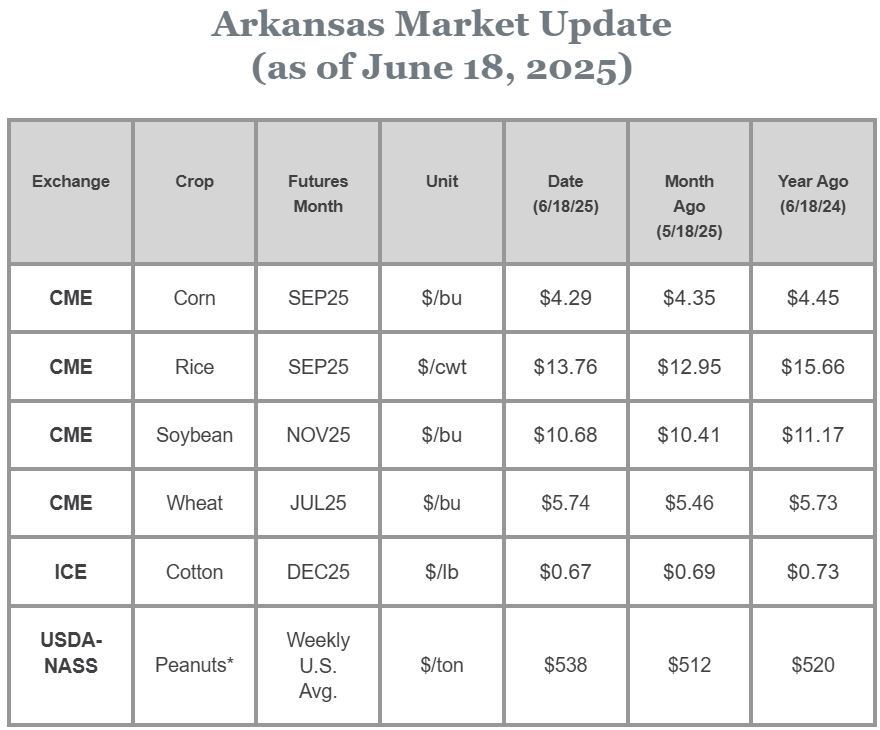
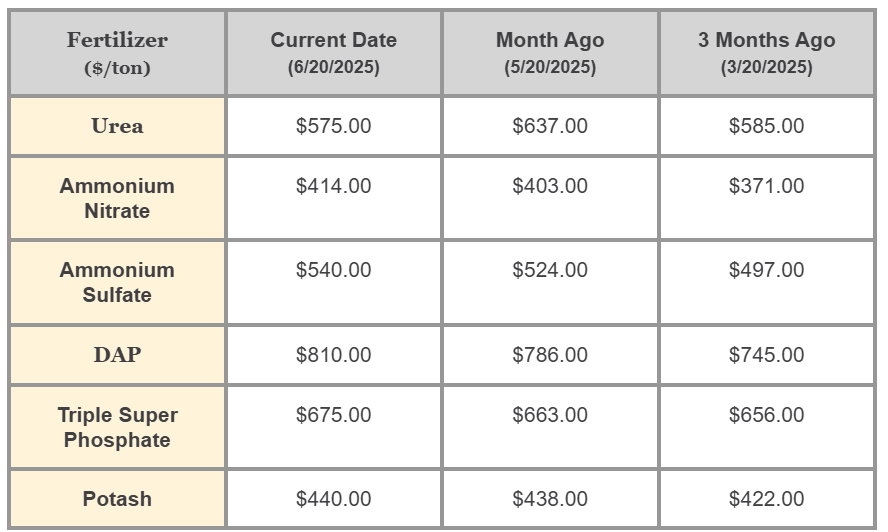
On January 13, 2025, we released the “Arkansas Crop Profit/Loss Calculator (2025 Crop Year)” web-based decision tool. This tool provides users with a summary of potential returns and losses under various price and county-specific yield combinations. We also provide returns under various land tenure situations (i.e., own, cash rent, crop share rent). Given the many market forces impacting commodity price volatility this growing season, we have updated the decision tool to provide up-to-date expected cash prices received at harvest (updated tool found here). Further, we provide a crop market update for corn, cotton, long grain rice, and soybeans in this newsletter to draw attention to pre-harvest crop marketing and the economic implications of the current price environment for the 2025 crop year.
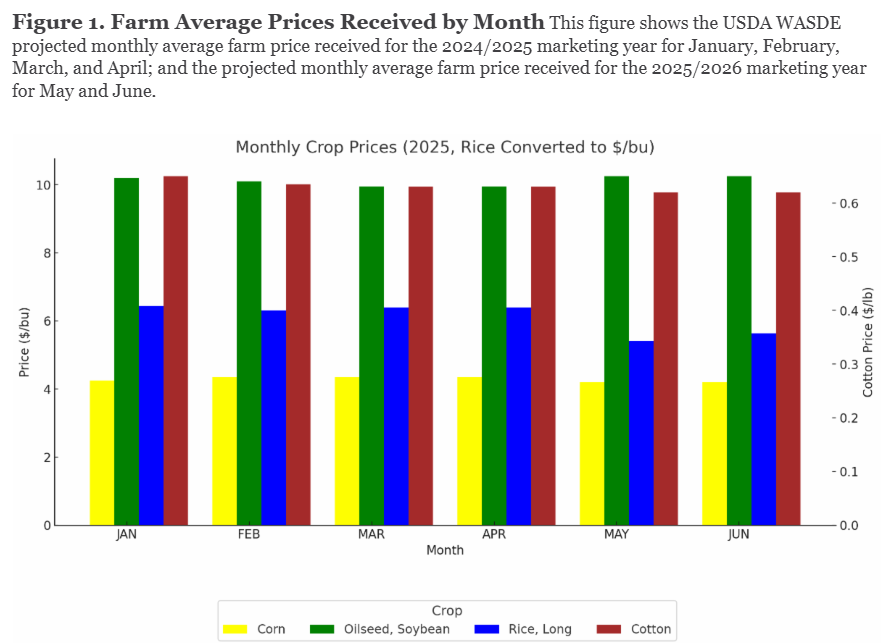
We have studied the price seasonality of commodity markets for southern crops, including corn, cotton, rice, and soybeans (Biram and Loy, 2024). Projected farm average prices received for corn, cotton, and soybeans over the span of 2019-2024 tend to increase each month until mid-summer followed by monthly price decreases as the harvest window approaches. The long grain rice price showed an increase in late summer just prior to harvest over the same period. New crop corn, cotton, and rice prices have generally declined, or at best have remained stable, since the release of the January WASDE report on January 20, 2025 (see Figure 1). The farm average price for corn has fallen from $4.25/bushel to $4.20/bushel; the farm average price for long grain rice has fallen from $6.44/bushel to $5.63/bushel; the farm average price for cotton has fallen from $0.65/pound to $0.62/pound. The only increase in farm average price received is in soybeans from $10.20/bushel to $10.25/bushel.
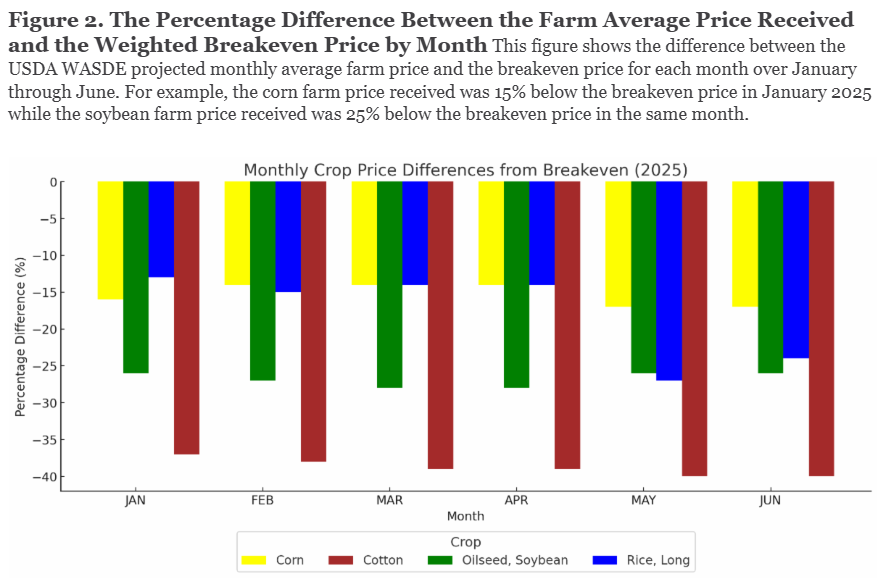
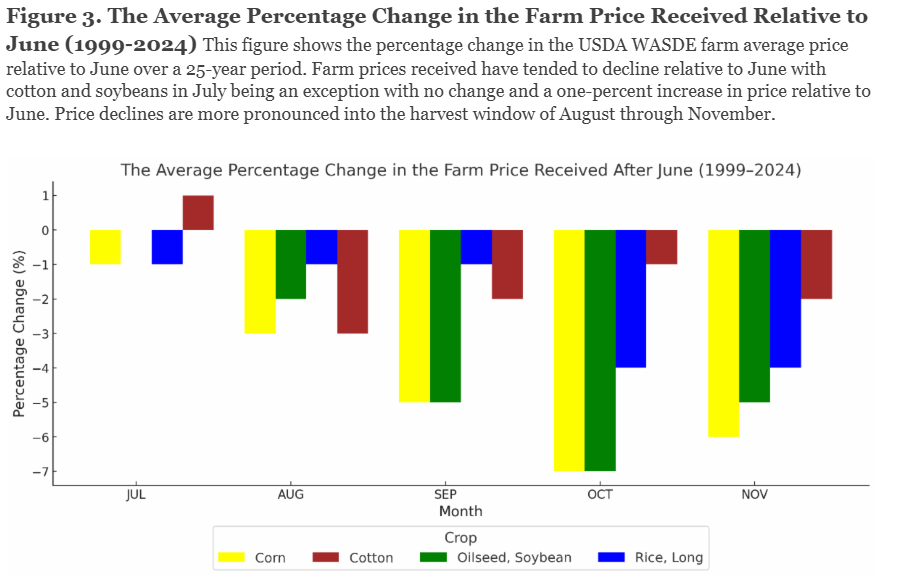
| While the declines in commodity prices are concerning, given how price seasonality has tended to favor price increases in the pre-harvest window, what is even more concerning is the fact that no commodity price has been above a breakeven price point this year (see Figure 2). We calculate breakeven prices based on county yield expectations for representative counties for each crop. Corn, cotton, rice, and soybean yields are derived from Lee (197 bushels/acre), Mississippi (1,156 pounds/acre), Jackson (164 bushels/acre), and Crittenden (45 bushels per acre) counties, respectively. We chose this approach rather than using the state average to provide a better representation of yield potential in regions with relatively more acreage for the respective crop. Further, following Plastina et al. (2025) we incorporate multiple land tenure arrangements into the breakeven price by weighting the sum of the breakeven price for own and rented land by the portion of owned (31.7%) and rented (68.3%) in Arkansas. For example, the breakeven price for corn is $4.10/bushel and $5.47/bushel under full ownership and a 75-25 crop share rental agreement, respectively. Therefore, the weighted breakeven price is $5.04/bushel. | We now consider the price upside potential for the remainder of the 2025 crop year by examining historical monthly price movements relative to June. Over the 25-year span of 1999-2024, prices for corn, cotton, rice, and soybeans have tended to decrease compared to June with only a couple of exceptions for cotton and soybean prices in July (see Figure 3). This suggests that the price upside potential is unlikely. The projected farm average price received has been consistently below the breakeven price with corn, cotton, rice and soybean prices remaining at 15%, 39%, 18%, and 27% below breakeven. Historically, the June-July window has provided the best price upside potential, but prices have been well below breakeven since the start of the year, and it appears unlikely we will see prices recover to a point which will allow producers of these crops to breakeven in the 2025 crop year. | | Beef, Small Ruminants, & Forages | | |
Armyworms
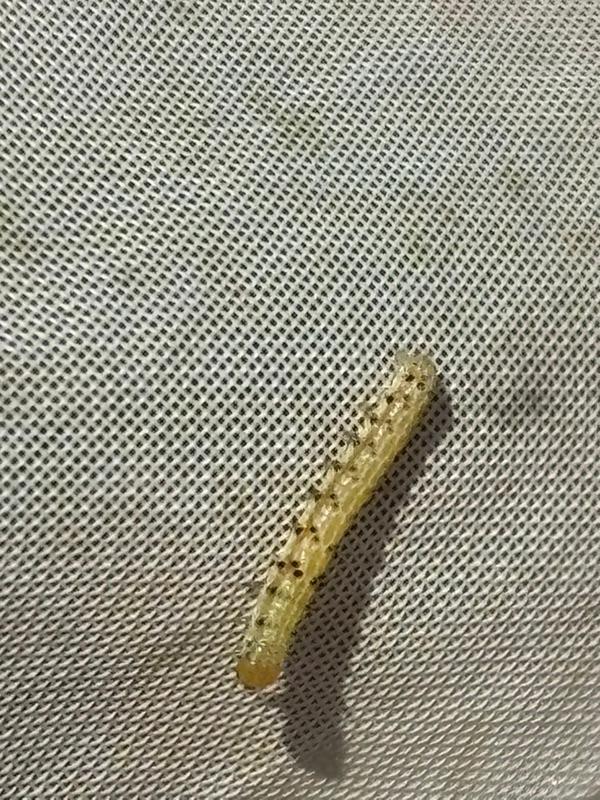
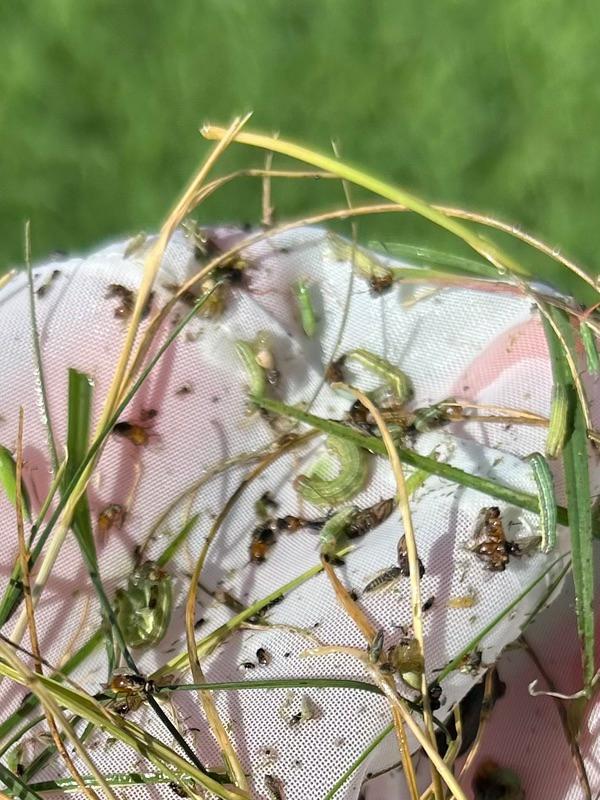
It is that time of year to get out and start scouting for armyworms. I scouted a few fields this week and couldn't find any armyworms. I got a call after I had scouted my fields from Perry County agent Blake Erbach and he sent me this picture. These were found in the Toad Suck area, so not far from us.
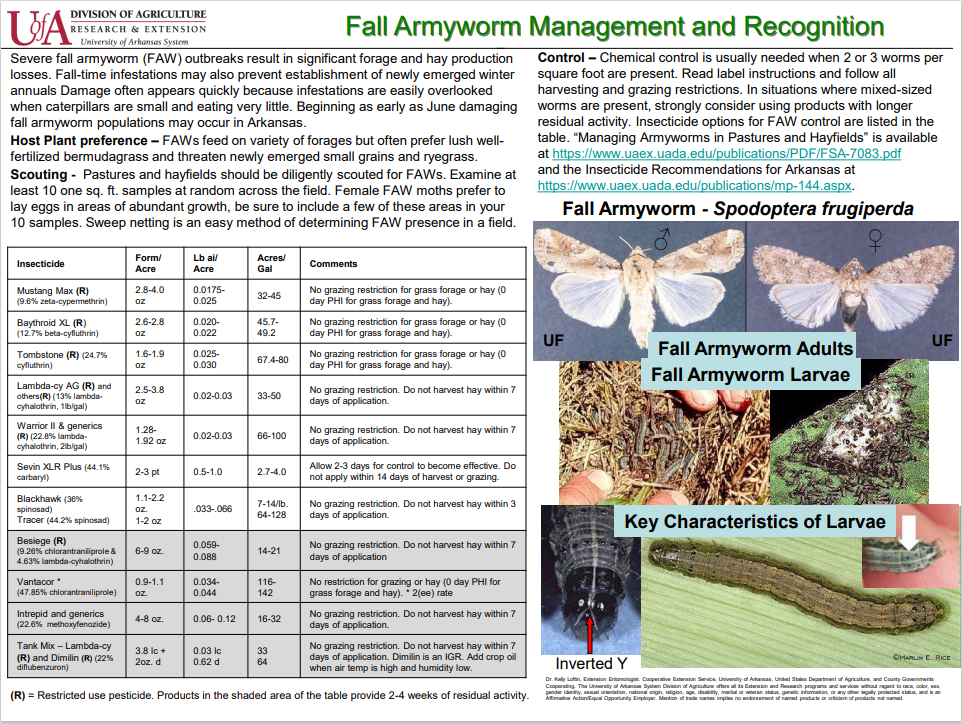
All of his worms were small and he was only catching a few in the net. I don't think these were worth spraying yet, but within the next couple of weeks that all could change. It may be a good idea to get some insecticide on hand. I still like the lambda plus dimilin. That is the cheapest way to get some residual, it isn't long residual but it is something.
| |
Bermudagrass Stem Maggot
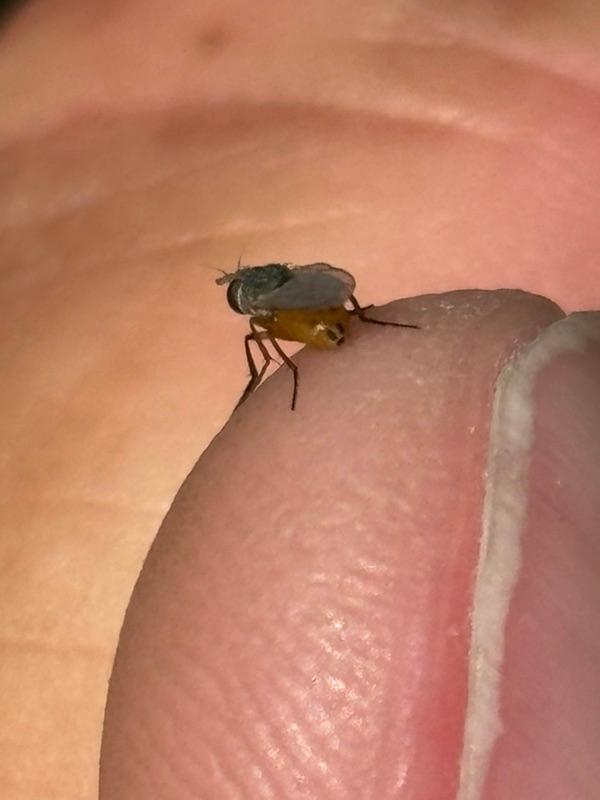
One thing that I was finding consistently in my sweeps was bermudagrass stem maggot flies. I feel like I am seeing a little bit higher number for this time of year. This fly will lay its egg in bermudagrass and the maggot will eat the stem causing reduction in yield up to 50%. The recommendation is to spray lambda after a hay cutting to try and kill as many adults as possible.
Usually once we start spraying for armyworms that takes care of the flies also, but if you aren't spraying for armyworms you may want to scout and possibly spray for these.
| | |
Pesticide Record Keeping
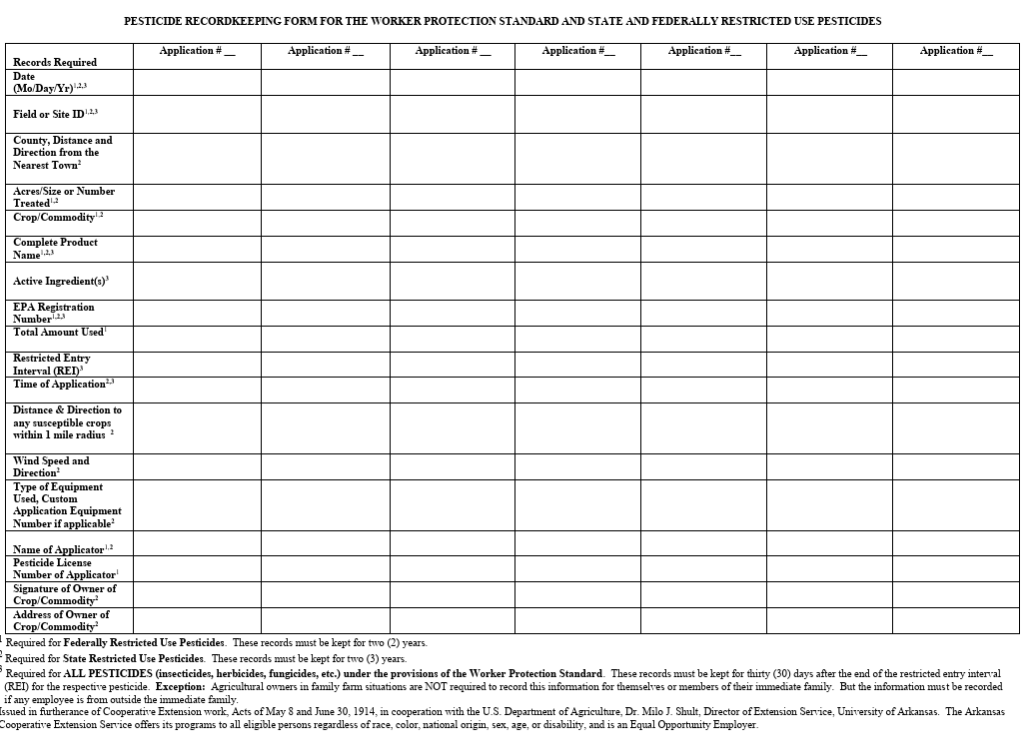
All producers that apply pesticides need to keep records on those applications. Sometimes we just don't have time to write it down or forget to do it, but you never know when you may get checked so it is a good idea to have them written down. I have included a link to a form that we have from the Extension Service that can help you with those records. If you fill out this form for every application you will have all of the information that the Plant Board will require of you.
For state restricted herbicides (2,4-D, dicamba and quinclorac) you need to keep your records for 3 years, for all other pesticides it is 2 years.
| | |
Livestock Market Report
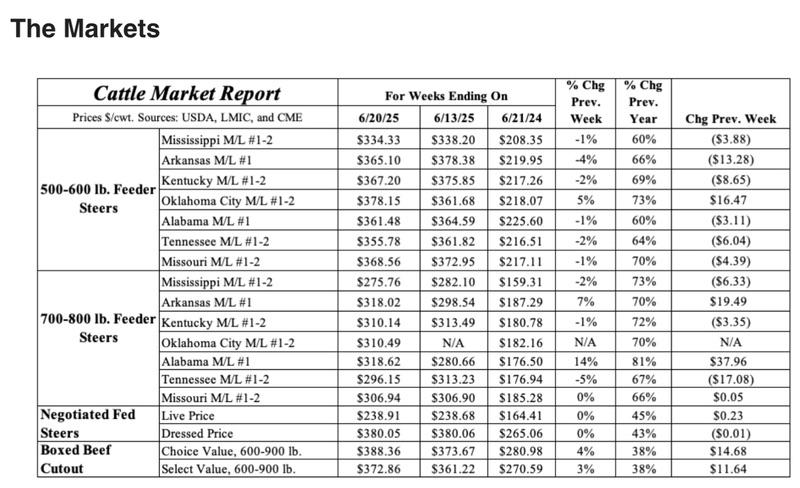
The weekly livestock market report is available on the Arkansas Department of Agriculture website.
| | |
Sign up for Text Alerts
You can now sign up for text alerts from me throughout the year. I have two areas you can sign up for which includes Faulkner Livestock or Faulkner Ag (Row Crop Updates). To sign up you can follow one of these links or use the QR Codes below.
| | Pursuant to 7 CFR § 15.3, the University of Arkansas System Division of Agriculture offers all its Extension and Research programs and services (including employment) without regard to race, color, sex, national origin, religion, age, disability, marital or veteran status, genetic information, sexual preference, pregnancy or any other legally protected status, and is an equal opportunity institution. | | | | |