Cornell K. Lisa Yang Center for Wildlife Health

July/August 2025

Addressing One Health in a Rapidly Changing World

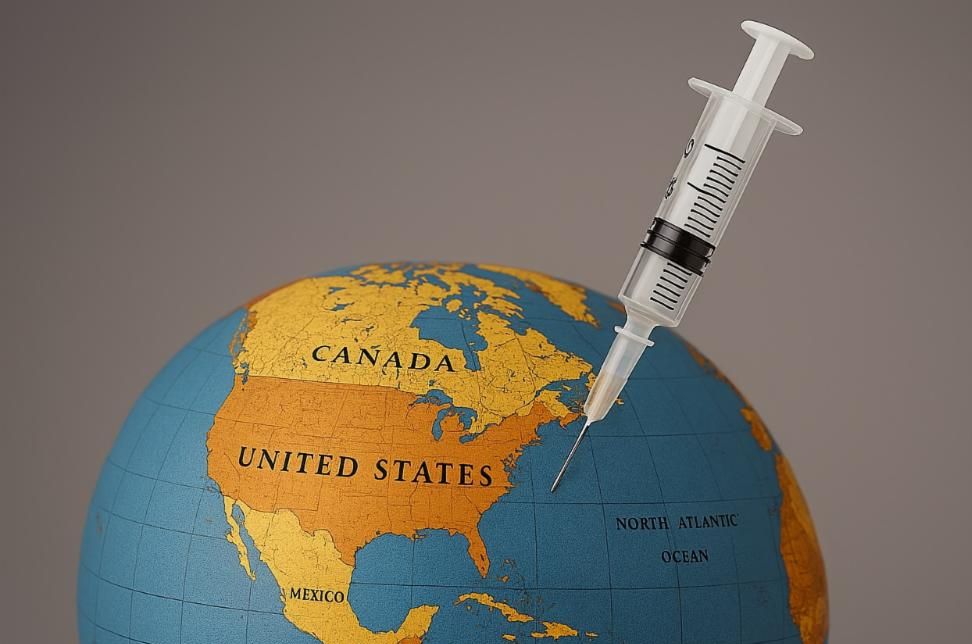
A vaccine syringe in the globe generated by Microsoft Copilot

Dear Friends of the Cornell K. Lisa Yang Center for Wildlife Health,


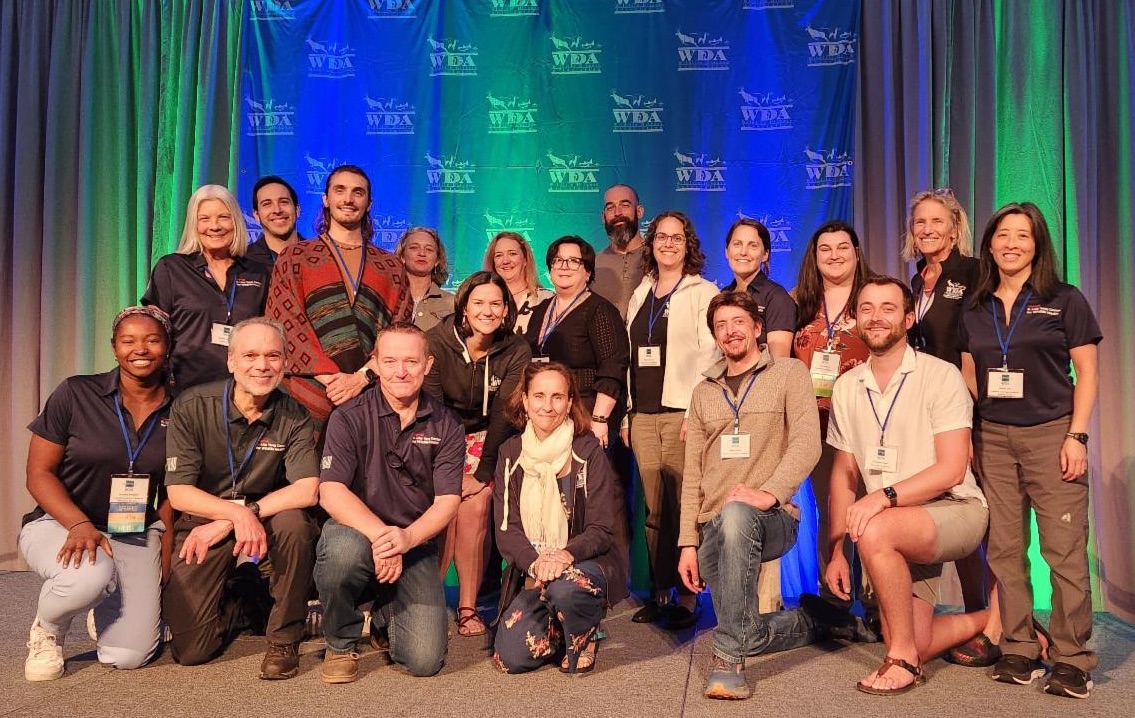
I am recently back from one of our profession’s most important conferences, the annual meeting of the Wildlife Disease Association (WDA). It’s of course always good to catch-up with colleagues, and I was very pleased to see how many Cornell alums were at the meeting (and the photo below may well not have captured all of them!), and to note that our relatively young Cornell K. Lisa Yang Center for Wildlife Health is more and more playing a leadership role in our field, whether it comes to applied research, training the next generation of wildlife and One Health professionals, or moving our science into policy and action. I think many of us were also painfully aware that this meeting, with its theme of building communities to promote collaboration and communication for change, comes at a critical time, with science and public health, among other key societal pillars, under assault by our federal government.


The U.S. is in crisis on so many fronts right now, but here I want to focus on our (for lack of a better word) surrender when it comes to downstream preparedness for future pandemics. Many of you were reading our newsletters back during the COVID-19 lockdown, and you may remember the “preventing pandemics” webinar we hosted with WWF and special guests Tom Friedman and Jane Goodall, amongst others. What gave me a glimmer of hope throughout those years was that we would emerge from that horrible period better prepared to avert such tragic mortality and morbidity, such extraordinary social and economic chaos. Today, at least in the U.S., that appears not to be the case. Just in the past month, we’ve seen, among many, many other actions to dismantle what were the world’s leading public health and science agencies, an abandonment of the one technological advancement that saved millions and millions of us from death and debilitating illness during the pandemic—mRNA vaccines.


On August 5th, Health and Human Services Secretary Robert F. Kennedy Jr., in an announcement that was full of lies about mRNA vaccines, canceled $500 million worth of investments meant to protect Americans from future disease outbreaks. This comes on top of Kennedy’s cancellation of $766 million in contracts with the vaccine manufacturer Moderna, meant to prepare us for a potential influenza pandemic in the face of the current outbreak of avian influenza that has impacted poultry and (for the first time ever) cattle across the U.S.—and more than 50 species of mammals overall! I urge you to read my June editorial, The U.S. Must Invest in mRNA Vaccines against Pandemic Influenza Viruses Now, and then decide for yourself if our government is meeting its obligations to protect your health and safety—the most basic task any national government should be focusing on. For those of us who have devoted scientific careers to trying to address some of the world's most critical challenges, it’s important not to normalize what are shocking and dangerous decisions that the majority of Americans oppose.

Yours in One Health,


Steve


Steve Osofsky, DVM

Director, K. Lisa Yang Center for Wildlife Health

Jay Hyman Professor of Wildlife Health & Health Policy

Cornell University College of Veterinary Medicine

Various Cornellians attending the 2025 Wildlife Disease Association conference

Cornell faculty, staff, alumni, and students made a strong showing at the 2025 Wildlife Disease Association conference.


News & Media Highlights


Cornell Wildlife Hospital Expands to Meet Growing Demand

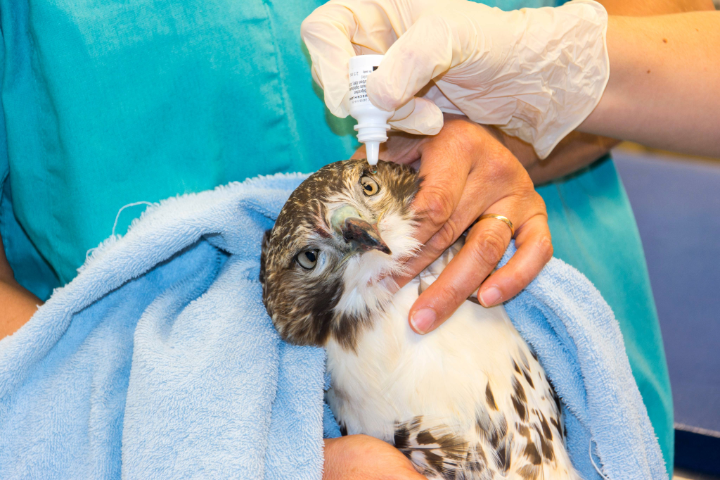
A raptor receiving medical attention

The Janet L. Swanson Wildlife Hospital, which has more than tripled its caseload over the past decade, is renovating its facilities to treat an increasing number of injured or ill native wild animals.

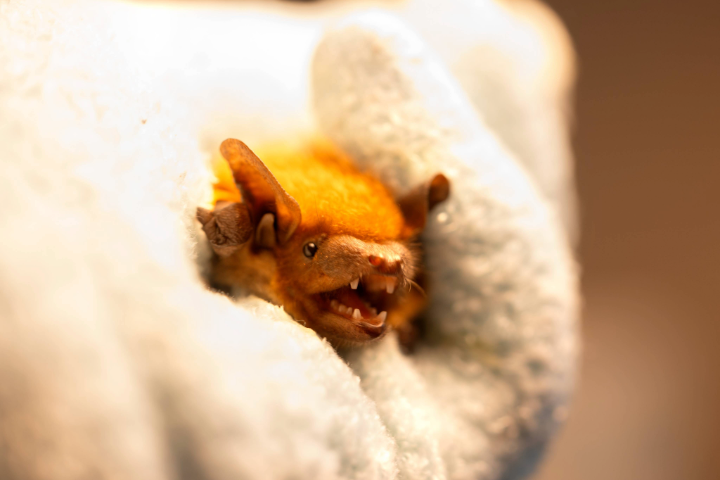
A bat

‘Teenage’ Bats Most Likely to Spread Coronaviruses

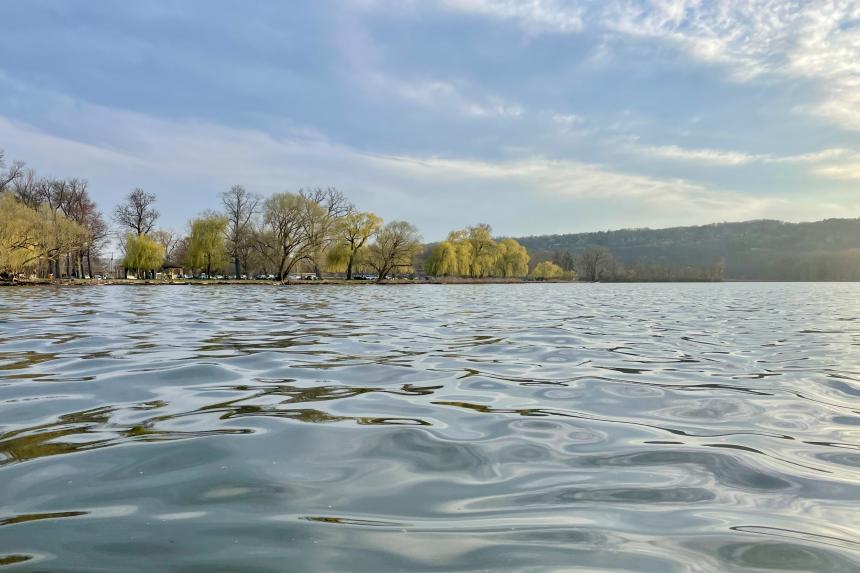
Sun shining over a lake's surface

Fishing Supports Social Well-Being for Myanmar Refugees               

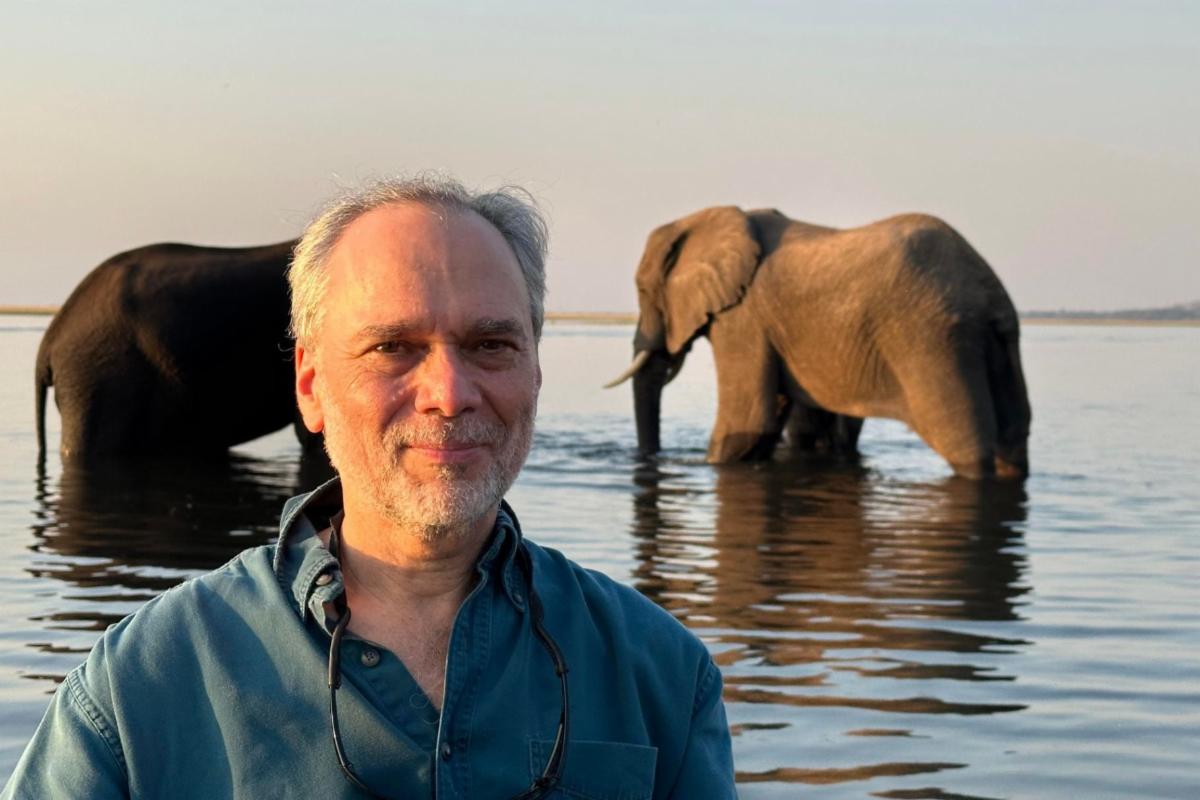
Dr. Steve Osofsky with elephants behind

Decades of Work in Southern Africa Recognized

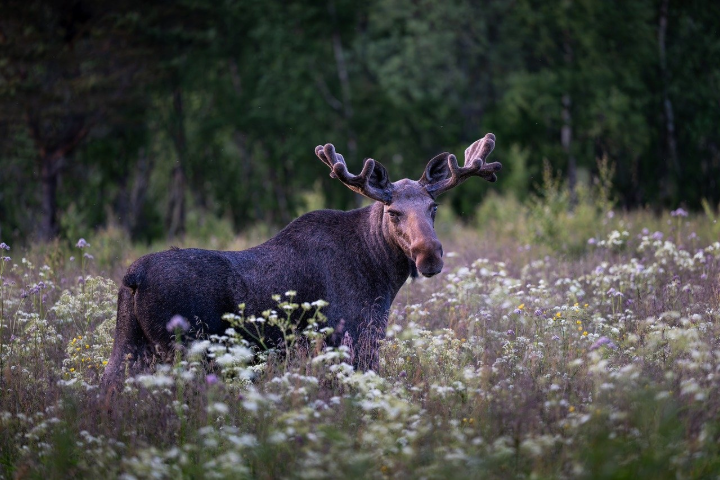
A moose

Deer Spread Parasites That Harm Adirondack Moose

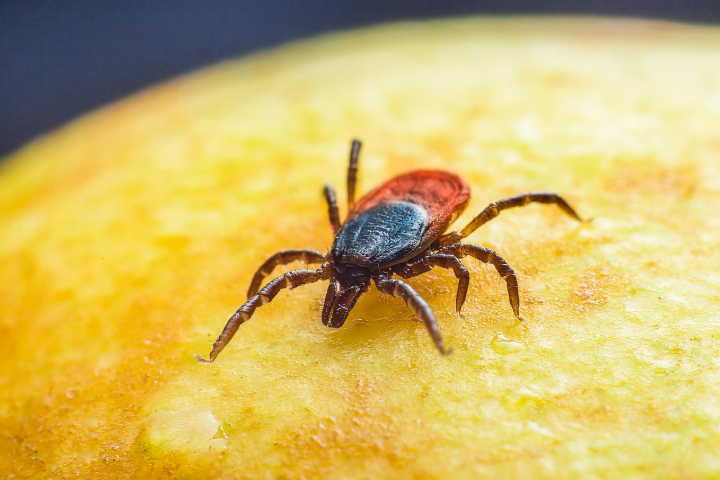
A deer tick

Research at Risk: Better Testing for Tick-Borne Diseases

Alumni Spotlight: Jessica Siegal-Willott '97, DVM '02, USDA APHIS

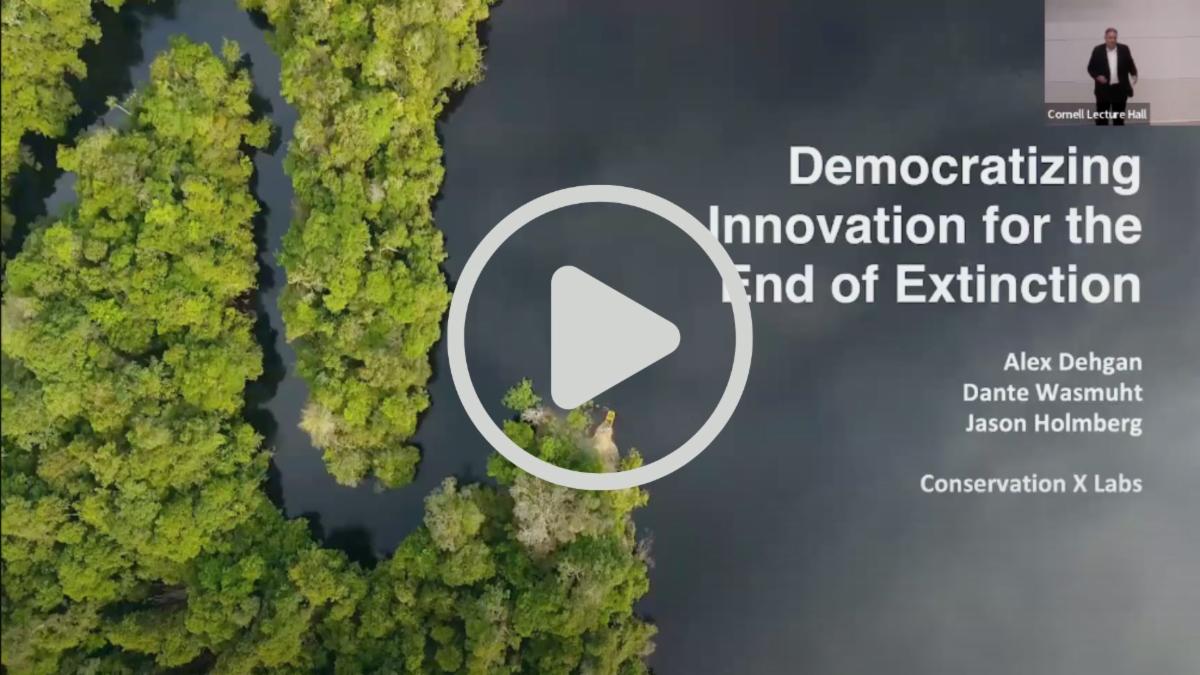
Democratizing Innovation for the End of Extinction (video)

Cover slide reading Democratizing Innovation for the End of Extinction

At the recent Symposium on Artificial Intelligence in Veterinary Medicine hosted on campus, Dr. Alex Dehgan of Conservation X Labs delivered a keynote talk, “Democratizing Innovation for the End of Extinction," with a focus on how artificial intelligence can empower global conservation efforts through accessibility and innovation.

Featured Video

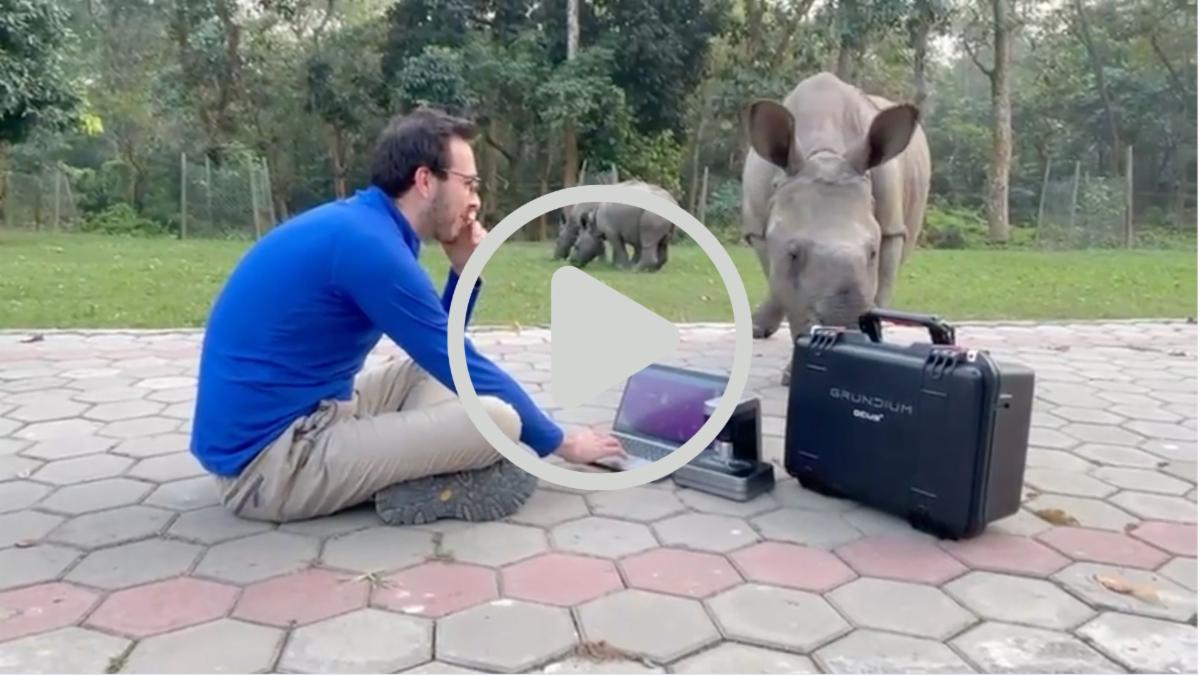
Rhino inspecting the work of researcher in the field

Rhino Curious About Wildlife Pathology (video)


Blogs from the Field

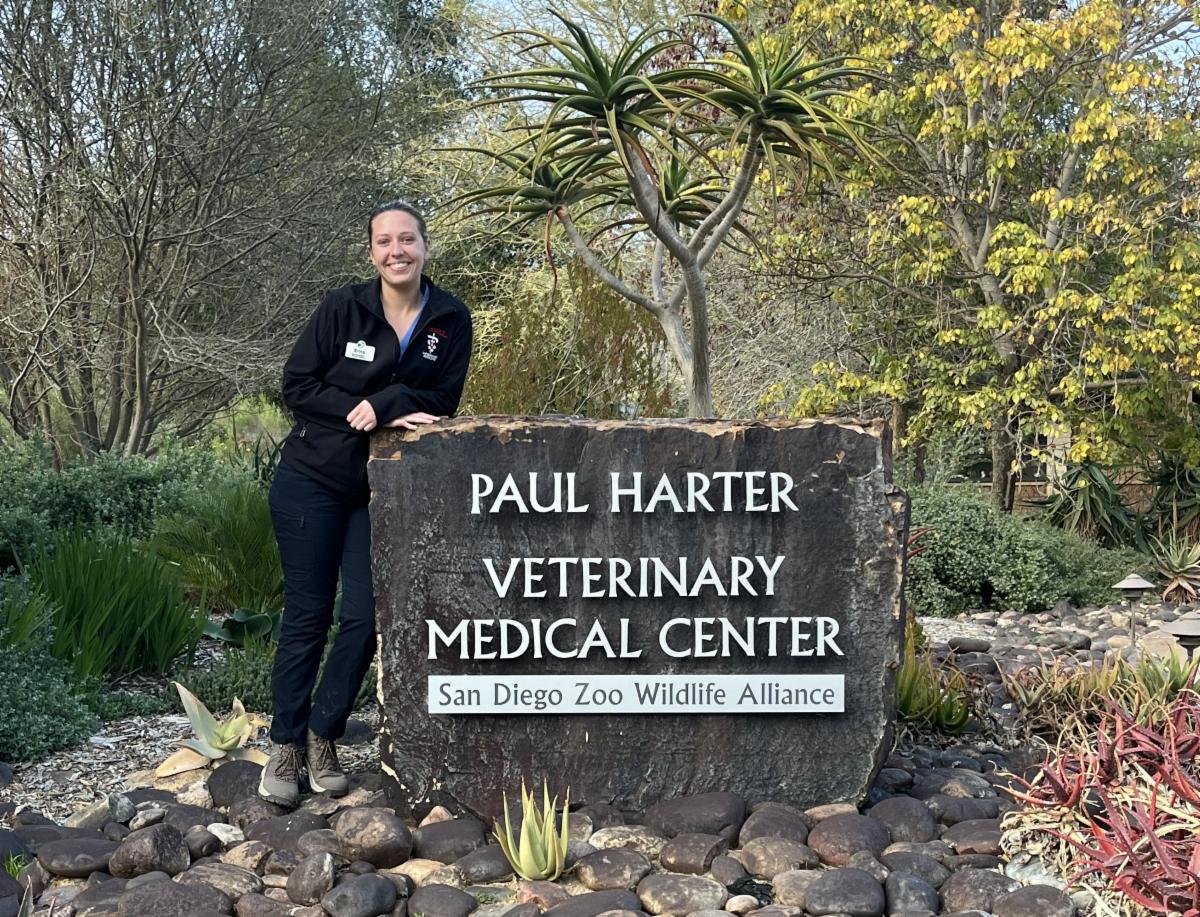
Vet student standing with sign that reads Paul Harter veterinary medical center San Diego Zoo Wildlife Alliance

A Remarkable Clinical Externship at San Diego Zoo Safari Park: Where All Life Thrives


Our Experience Working in the Biotehnika Laboratory in Kraljevo, Serbia: New Knowledge and Unforgettable Impressions


My Rhinoceros Teacher


Research Aimed at Addressing an Elephantine Crisis


How a Childhood Love of Lemurs Led Me to the Weird and Wonderful World of Eupleridae in Madagascar

More in the News

College Hosts Globally Connected Conference on AI and Veterinary Medicine


The Tick Situation Is Getting Worse, Here’s How to Protect Yourself [The New York Times]


Cornell Atkinson Awards Catalyze Solutions in Food, Climate, Clean Energy

Reminder

The 2025-26 call for applicants for the Cornell K. Lisa Yang Postdoctoral Fellowships in Wildlife Health is open until October 6, 2025!


Will you partner with us to secure a healthy future

for wildlife, people, and planet?

 
Elephant walking
 

Our critical wildlife conservation work

is completely dependent upon

the funding we're able to raise.


Will you consider making a gift to the Cornell Yang Center for Wildlife Health?


Your support literally

means the world to us.


Did you know there are many ways to give?

  • Make a gift of securities, including stocks, bonds, or mutual funds
  • Make a qualified charitable distribution from your IRA 
  • Name us as a beneficiary of your estate or trust
  • Donate through your donor-advised fund (DAF)
  • Set up a gift annuity


Please consider supporting the Cornell Yang Center for Wildlife Health by giving online or contacting Alison Smith at 607-254-6129 or ars1@cornell.edu. Thank you!

The Cornell Yang Center for Wildlife Health transforms science into impact through discovery, education, engagement, and policy to ensure a healthy future for wildlife and the environment that supports us all.


To learn more about the Cornell Yang Center for Wildlife Health,

please contact Dr. Steve Osofsky at s.osofsky@cornell.edu or visit our website.


Let us know if you have any comments on this e-newsletter, and forward to a friend if you find it useful! Thank you for your support.

 
X  Instagram  YouTube  Web

Cornell K. Lisa Yang Center for Wildlife Health | wildlife.cornell.edu | s.osofsky@cornell.edu