Wine Of The Week


Hello Klaus,

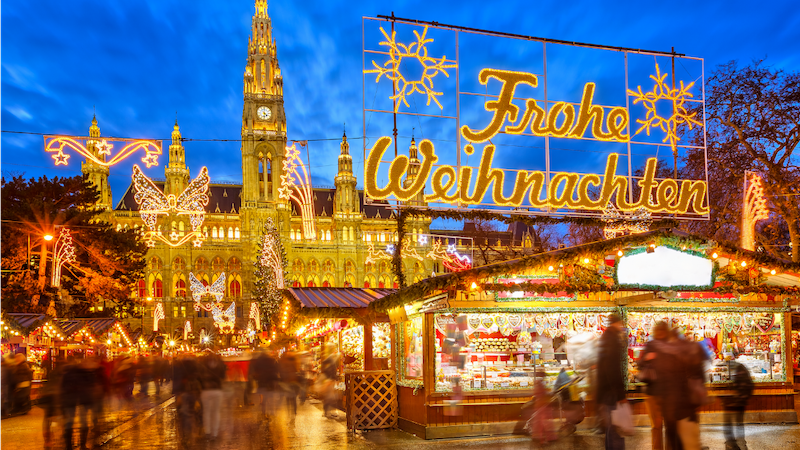
Frohe Weihnachten

and Happy Holidays....

Next week is Christmas and I am planning on enjoing a bottle or two of this wonderful Grüner from Martin with family.

The "wine of the week" email will take a holiday break and I am wishing you a

"Merry Christmas" and a "Happy New Year". Taking this opportunity to say: Thank you and hope you'll be drinking many delicious Austrian bottles during the holidays and even more next year.....

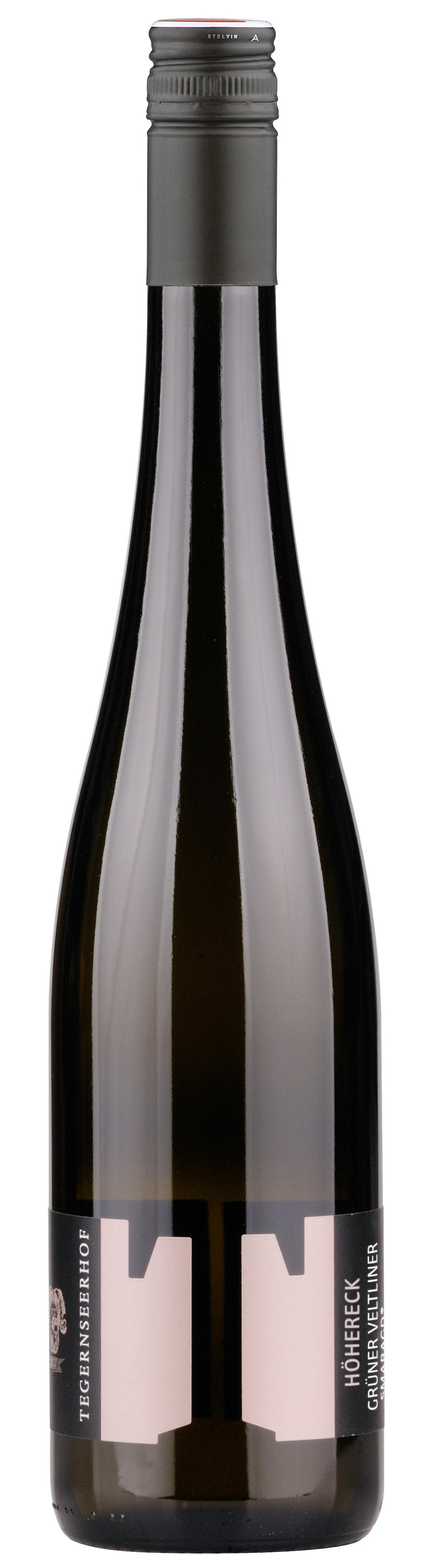
2022 GRÜNER VELTLINER WACHAU DAC

RIED HÖHERECK SMARAGD

95 pts.

Tasting from 10.07.2023: Peter Moser

"Light greenish yellow, silver reflections. Delicate orange zest, herbs and mango, multi-faceted bouquet. Complex, taut, white stone fruit, fine fruit, supporting acidity, a hint of orange on the finish, elegant and persistent, shows ageing potential, spice and length."


click here to see some more information for Vinea Wachau

What is a "Smaragd"


the highest of the three quality categories in the Wachau

Smaragd is the name for the best, most treasured wines from the Vinea Wachau members. The alcohol content of these wines begin at 12.5% by volume.

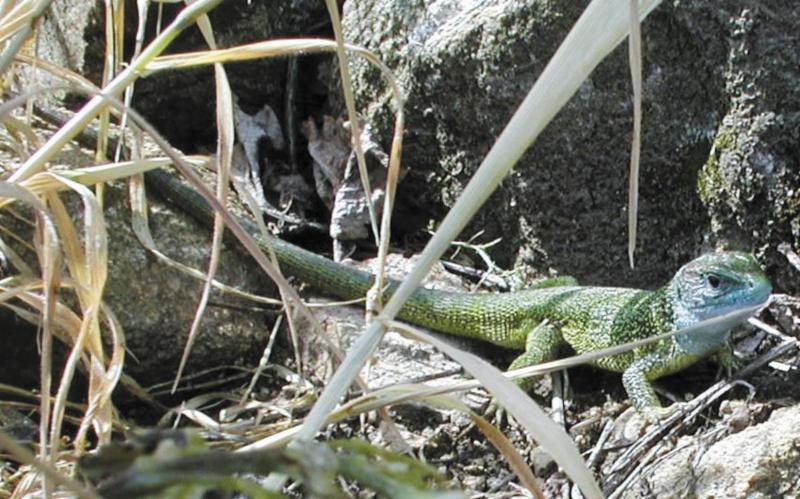
This, along with the highest grape ripeness and natural concentration are what make this world-class designation possible. Emerald-colored lizards – also known as Smaragd - are at home in the terraced vineyards of the Wachau. On bright, sunny days, their beauty is highlighted dramatically as they bask in the gleaming sun next to the grapevines

– the perfect symbol for the absolute top Wachau wines with full physiological ripeness.

check out the Wachau video

Wachau Video


check out the new "Niederösterreich" (Lower Austria) video click here

WACHAU

STEEP TERRACES

NOBLE GRAPES MONUMENTAL WINES

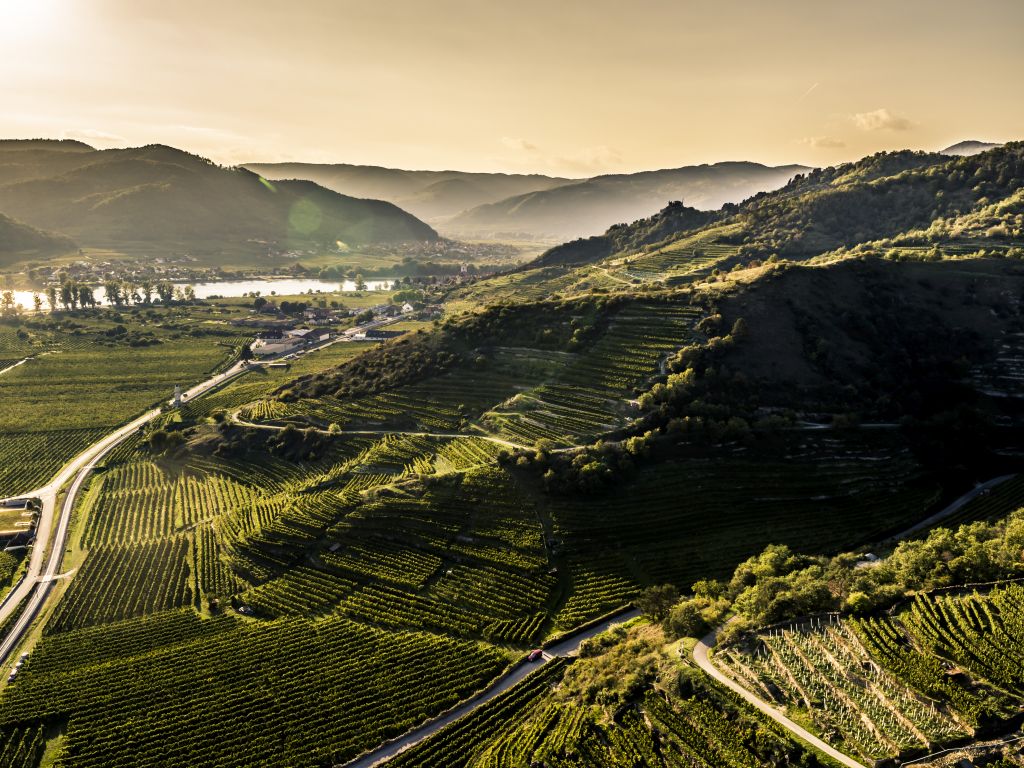
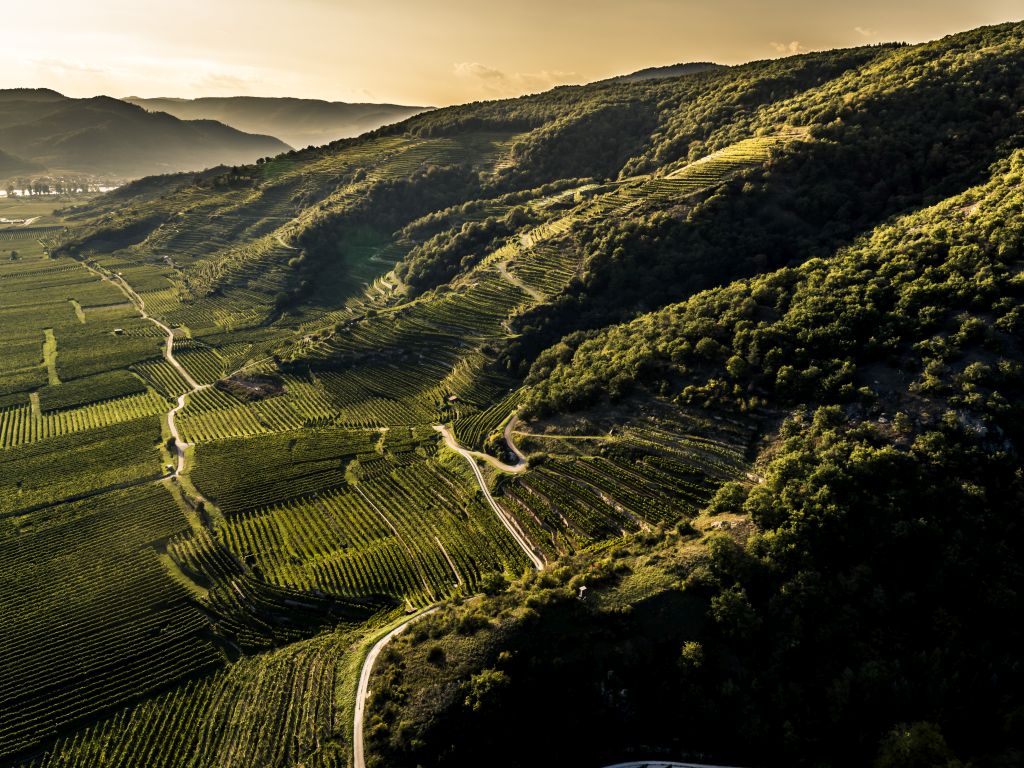
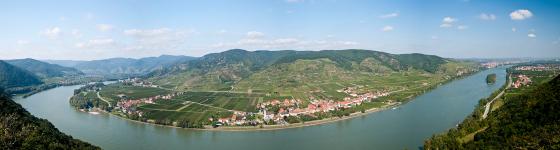
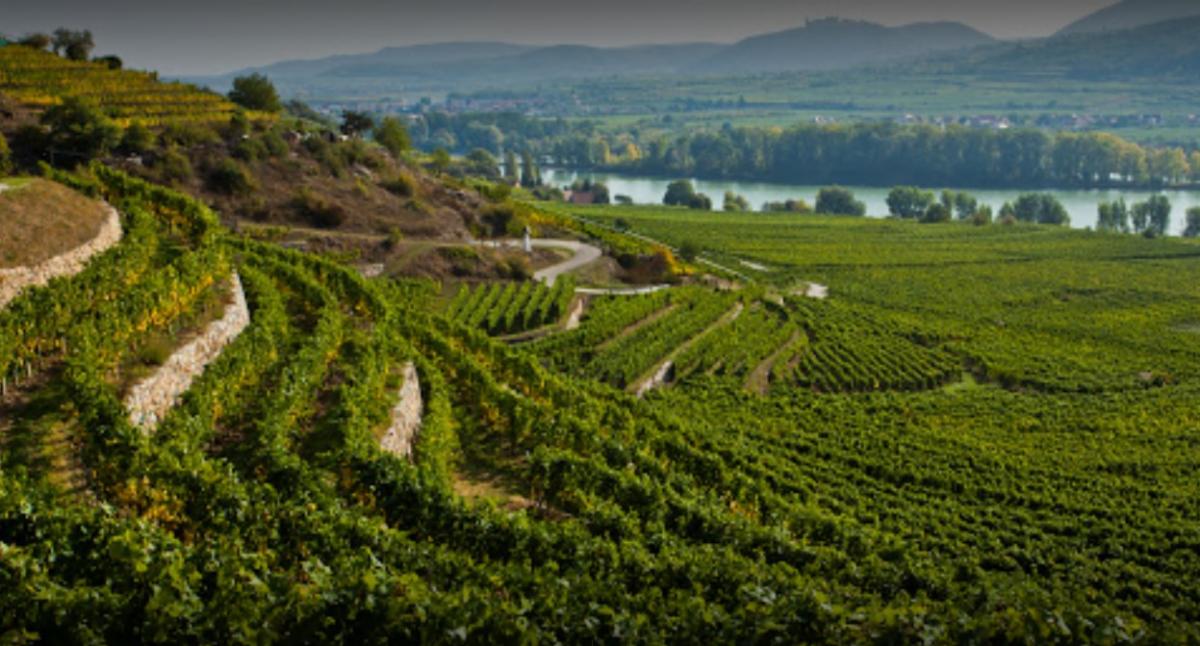
The Wachau corresponds to the stretch of the Danube valley between Melk and Krems. This wonderfully scenic part of the Austrian landscape has been declared a World Cultural Heritage site.

Extraordinarily distinctive wines are produced here, some of which grow on steeply terraced hillsides.

From the 2020 vintage onwards, wines produced here are able to use the designation Wachau DAC.

The best vineyards here produce some of the world’s finest white wines with decades of ageing potential, especially those produced from 

Grüner Veltliner and Riesling grapes.

"The highest level of excellence must be the minimum we expect from these wines."

Martin Mittelbach 

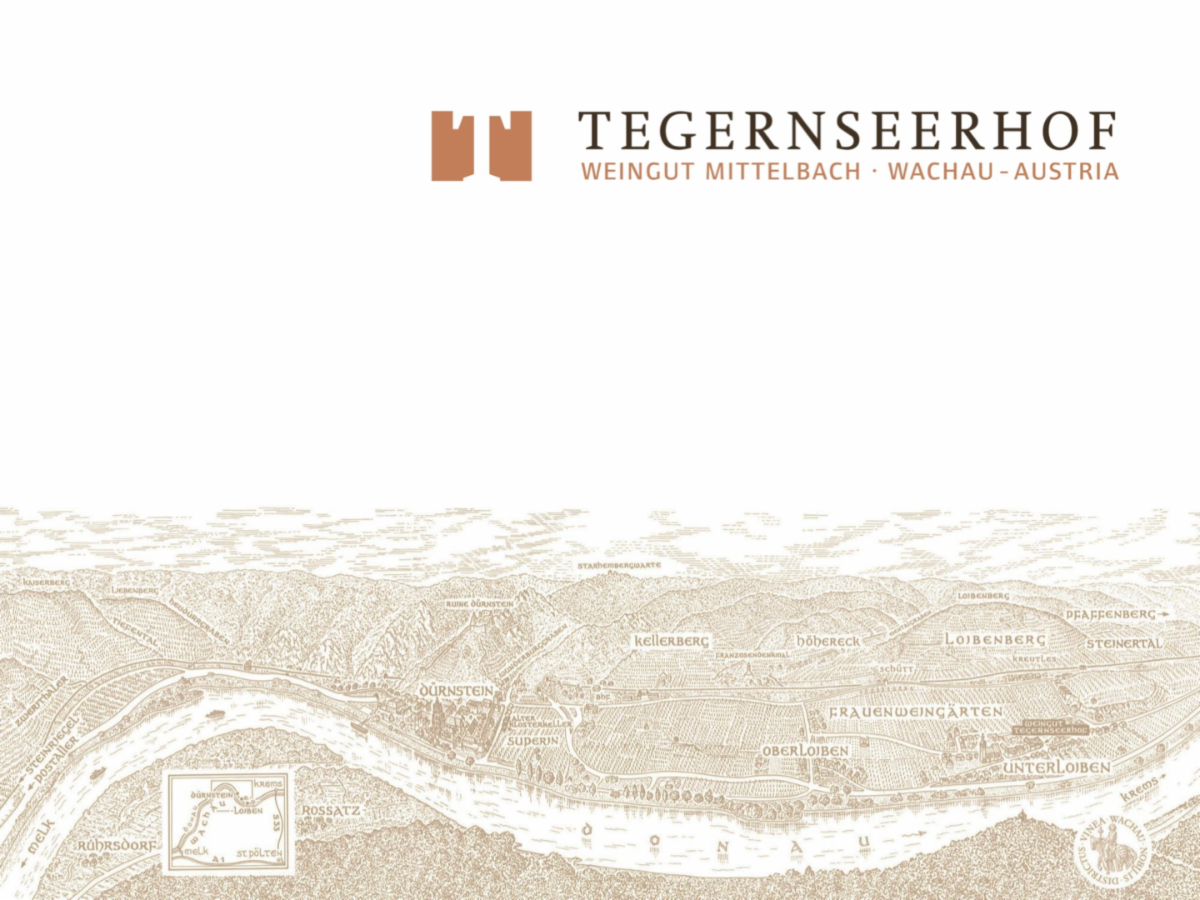
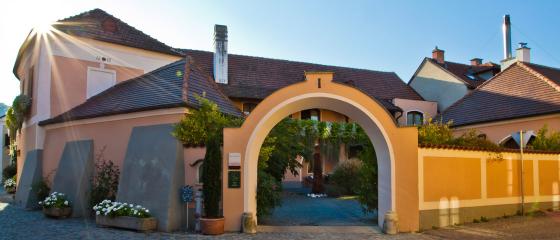
Tegernseerhof is located in Unterloiben, just below Dürnstein, and boasts a tradition dating back to the year 1002. The original facilities were built by Benedictine monks from the Abbey of Tegernsee in Bavaria.

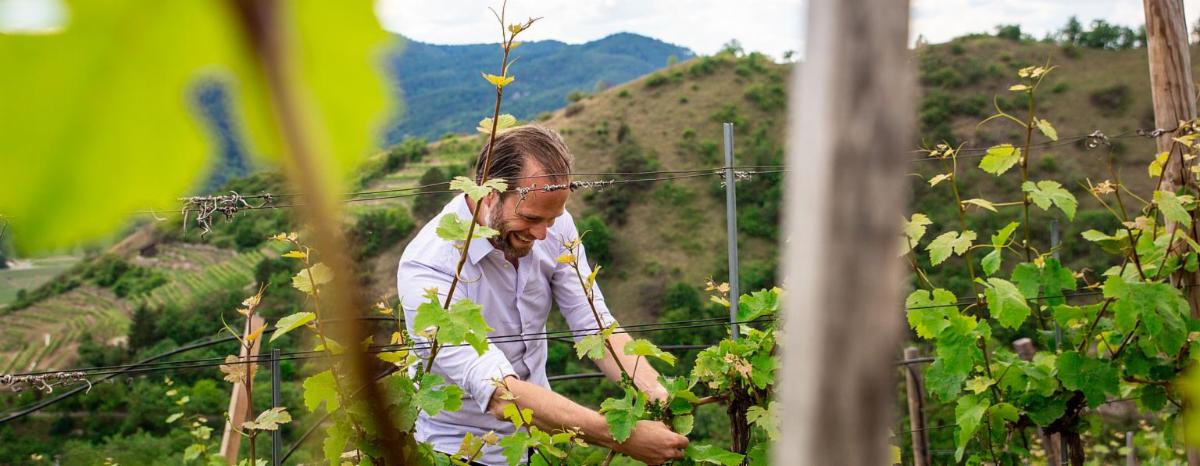
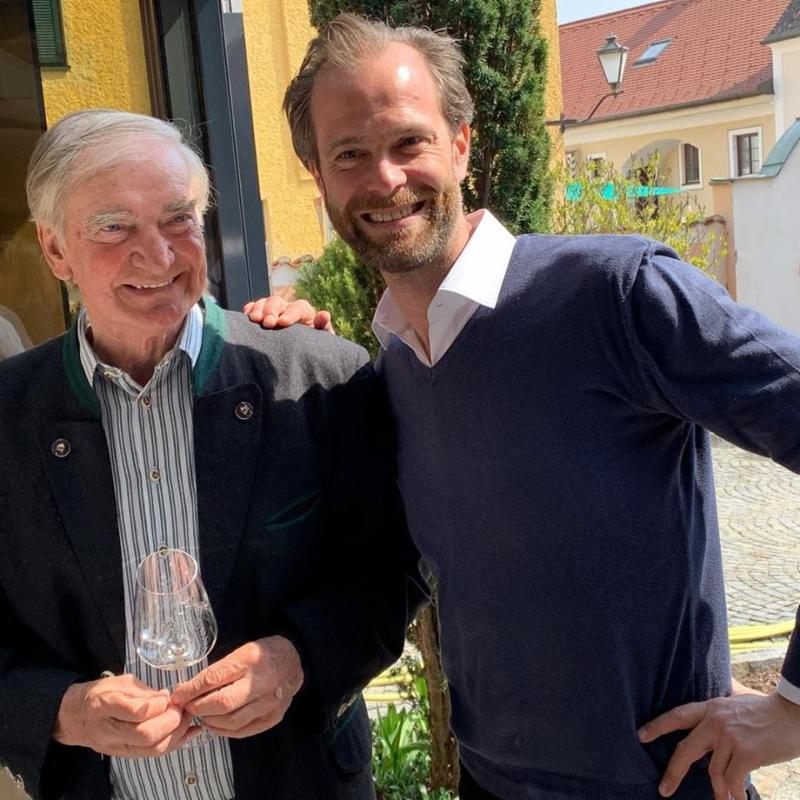
For centuries Tegernseerhof was where the monastery produced its wine. At the turn of the 19th century, it was acquired by the Austrian Empire and later it went into private ownership. Currently the Mittelbach family owns Tegernseerhof and has done so for 5 generations. Franz and Mathilde Mittelbach are the fourth generation of the Mittelbach family to own Tegernseerhof and their son Martin is the current caretaker of these beautiful vineyards and winery. 

  Tegernseerhof has roughly 57 acres of vineyards many of which are located on the famous stone terraces of the Wachau. Among the best-known of these terraced vineyards are Höhereck, Loibenberg, Steinertal, Kellerberg and Zwerithaler. 

The estate is a member of “Vinea Wachau”and therefore the vinification follows the strict regulations of the “Codex Wachau". Profound and solid handcrafted wines is the essential philosophy. This results in the wines having a distinct personality of place.


  The Wachau is a UNESCO World Heritage site and a landscape that exudes a sense of well- being. It is also arguably Austria’s most prestigious wine-growing area. Many of the Wachaus 3,460 acres of vineyards are located on man-made steep terraces where the soil is dominate “Gföhler” (gneiss) while the lower lying areas closer to the Danube river are dominated by loess soils. Climatically two strong complementary influences converge here: the Western Atlantic and the Eastern Pannonian conditions.


click here Text Link Artisanal Cellars on Tegernseerhof

2022 Grüner Veltliner

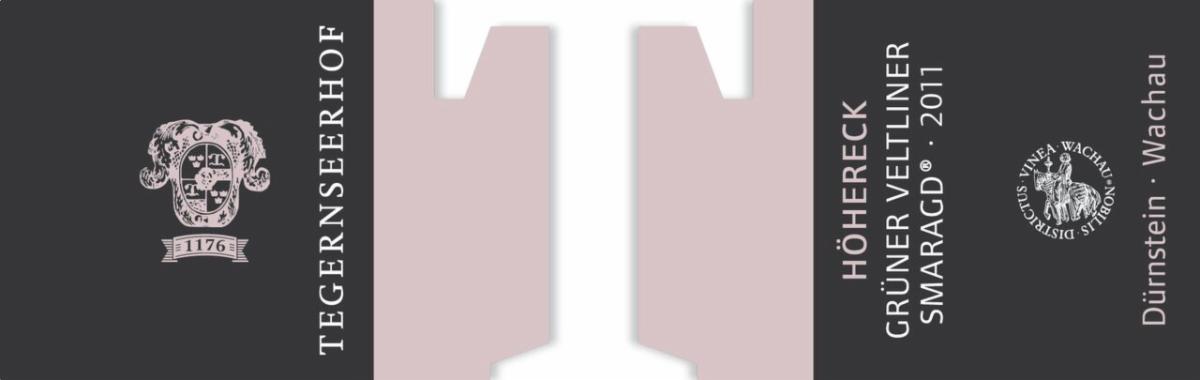
Ried Höhereck - Smaragd - Wachau


Planted in 1951, Ried Höhereck is the godfather of the Veltliner's in Tegernseerhof's range. Ried Höhereck is a rare Grüner Veltliner planted almost exclusively on the acidic metamorphic rock, gneiss, rather than the sandy, nutrient rich loess, which is typical for this variety. Exposition is southeast and in a ravine with great access to mountain winds and an early sunset. This half-hectare (1.25 acre) vineyard has been a growing field for centuries for Grüner Veltliner clones of ancient origins, thus contributing to the complexity of this wine and Martin's entire range of Grüner Veltliner.


This dynamic wine shows great restraint when expressing its soft aromas of white pepper, sweet greens, white fruit and lime with the fresh scent of earth and river rocks following rain on a hot summer day. Perhaps the top Veltliner from Mittelbach, this is not a wine to drink quickly without taking note of its impressive charming and precise nuances of yellow and white peach, cherimoya, lemon curd, baking spices and bright green herbs. It finds many layers of unexpected depth as it opens in the glass over time, so patience brings great reward with this gem!

Terroir: There are many factors that influence the dynamic expression of Ried Höhereck. It’s one of the rare examples of Grüner Veltliner completely planted on the acidic metamorphic rock, orthogneiss—Grüner Veltliner is more typically planted on loess. Coupled with its steep southeastern exposition, early sunsets and close proximity to a ravine that increases its access to cold Waldviertel winds, its dramatic shift between day and nighttime temperatures bring great potential for added layers of depth. Another contributing element is that this site is home to the Grüner Veltliner parent material for most of Tegernseerhof’s selections. For centuries it has been a growing field for ancient clones, furthering the unique complexity of this wine and their entire range of their Grüner Veltliner's.


Vinification: Grapes are harvested by hand in small bins. They are whole cluster macerated between 6-36 hours depending on the vintage (higher acid vintages longer, warm years less). The first sulfur addition rarely happens before fermentation but is dependent on the quality of the fruit—perfect fruit may not be sulfured until after primary fermentation. On average about 2/3 of the fermentation is natural and about 1/3 neutral yeasts (used if not naturally started after 10-12 days). Primary fermentation lasts between 1-2 months and is kept below 23 degrees C. The wines sometimes make natural malolactic fermentation.


Aging: Stainless steel for 6-9 months on the lees, filtered but not fined before bottling.


Ried Höhereck 2019 https://conta.cc/3CWhB2s

Your Passport to Austrian Wine

Austrian wine is immensely popular and a perennial favorite of sommeliers throughout the world. Austrian wines are known for their wide diversity of styles, aromas, and terroirs.

 Klaus Wittauer – KWSelectionLC    

703-624-6628

KWSelection

home base

USA - NOVA

www.selectwinesinc.com

14000 Willard Rd Suite 3

Chantilly, VA 20151

703-631-8100

National Importer

VT/NY/ME/NH/RI/GE/CO/CA....


www.artisanalcellars.com

PO Box 4526

White River Junction

Vermont 05001

802-299-7896

MD/DC southern VA

www.siemawines.com

7721 Fullerton Rd.

Springfield VA 22153

703-455-1200

North Carolina BFR

www.bfrwine.com

3300 Lake Woodard Dr

Raleigh, NC 27604

919-850-9463


Select Wines KWSelection portfolio 2023
For all  "Wine of the Week" emails click here
 
Get In Touch
X Share This Email
LinkedIn Share This Email

Wineries

Event

Wine Tour

USA Distributors

Contact