NewsletterHeader5.png

Weekly Analyst Review

09 April 2025


Bottom Line Up Front

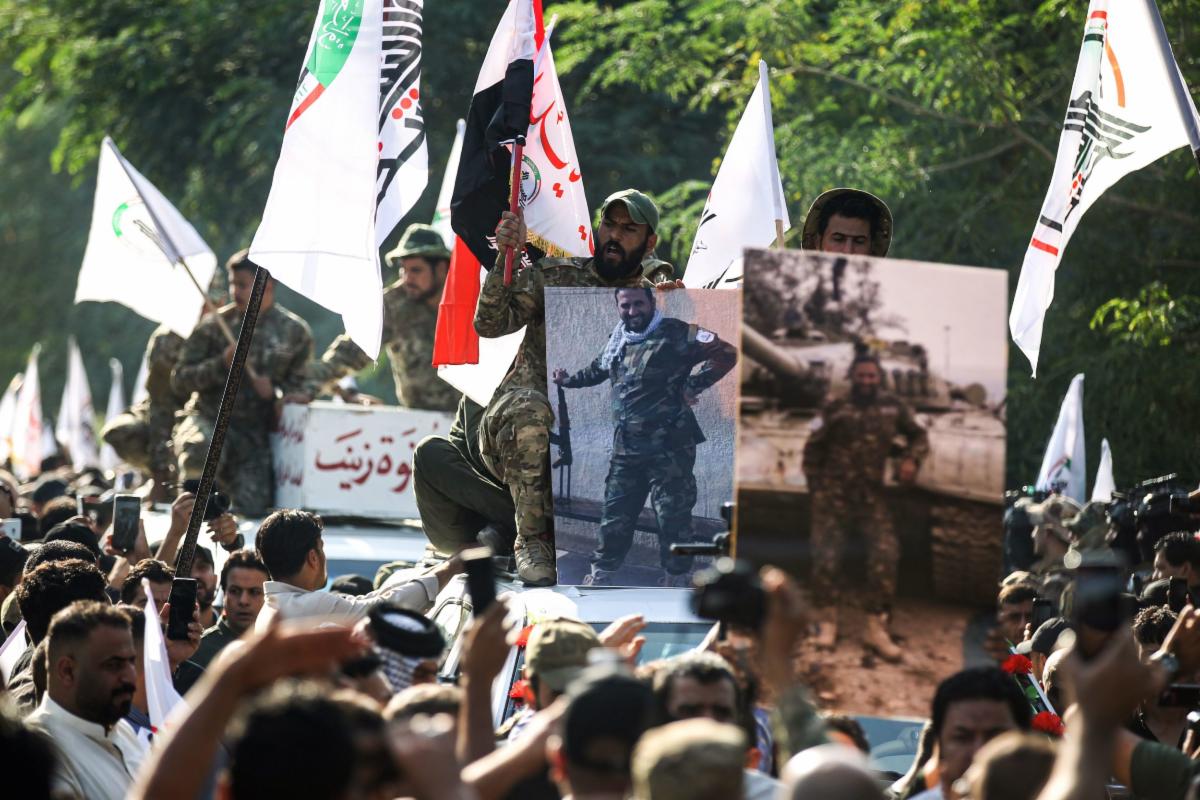
Armed factions in Iraq tied to Iran have responded warmly to the Iraqi government’s calls to disarm after rejecting a similar request three months earlier. The first calls this year came immediately after Donald Trump assumed power in the United States and were denied by the factions outright as an American demand mediated through the Iraqi state. Since then, the US has persistently sent private warnings to Baghdad that if the issue were not resolved, airstrikes would be used on the non-complying groups.


Now, according to reports from within Iraq’s Shia-dominated political coalitions point to disarmament being back on the table. Iran’s strategic losses in Syria and Lebanon, a significant recalibration of relations between Baghdad and Damascus, and plain fear point to Iraq’s militias losing their weapons as part of a wider Iranian pursuit of new living arrangements with the US and Israel.


Iraq in the US’ New Iranian Strategy

Iran finds itself at a serious strategic disadvantage. Hezbollah, its most potent regional proxy, suffered setbacks in its clashes with Israel and was forced to halt operations. Syria, once a reliable bridge between Iran and Hezbollah in Lebanon, has effectively collapsed, undermining Iran's decade-long investment in the region’s military and logistical infrastructure. The U.S. has seized this opportunity to offer Tehran a stark choice: direct negotiations under new terms or continued military and economic pressure. Iran has avoided formal talks but engages through intermediaries like Oman, indicating a reluctance to escalate. Military posturing by Iranian leaders—such as General Mohammed Bagheri—appears more about maintaining domestic and regional credibility than signalling true strength.


U.S. strategy is focused on dismantling Iran’s regional networks, beginning with its allied militias. Pressure has intensified on Iraq’s armed groups to disarm, while similar demands have been made of Hezbollah in Lebanon. Iran’s IRGC, understanding the shifting balance of power, has reportedly encouraged these groups to act cautiously and avoid confrontation with U.S. or Israeli forces. Yet not all Iranian allies are aligned with this de-escalatory stance. For Example, in Yemen, Iran is allied with the Houthis (Ansarallah), which, however, act with greater autonomy. Their decision to maintain the Red Sea blockade—despite a Western-backed Iranian proposal delivered via former Iraqi PM Adil Abdul Mahdi—demonstrates Tehran’s limited control. This contrast highlights Iran’s selective ability to rein in regional proxies.


Tehran’s approval of Iraqi militia disarmament reflects its urgent need to stabilise relations with Washington. With Hezbollah’s ceasefire and Syria’s collapse, Iran is scrambling to preserve what influence it can. Iraq’s militias, once essential to Iran’s regional strategy, are now expendable in a recalibrated policy focused on concessions rather than confrontation. The broader Axis of Resistance is showing cracks, and Iran appears to be sacrificing lesser allies to save face and buy time. By facilitating disarmament, Tehran sends a message that it is willing to compromise where it holds leverage—especially in Iraq, where its influence is most potent and most entrenched.


Regional Shifts from an Iraqi Perspective

From Baghdad’s perspective, the shift is both political and practical. Iraqi militias like Kataib Hezbollah and Harakat al-Nujaba have shown they will retreat under credible threats to leadership. This was evident in early 2024 when targeted assassinations by the U.S. and Israel led to a sudden cessation of attacks on American and Israeli positions. The fall of the Syrian regime leader Assad, Iraq's neighbor, dealt a heavy blow to these militias. These groups had spent years building influence by sending fighters and weapons into Syria, establishing cross-border networks, and profiting from control over key routes like the al-Bukamal crossing. With Assad’s fall and no intervention from Iraq or Iran to support him, these factions were forced to withdraw and abandon their profitable operations, returning to Iraq with diminished regional power and economic leverage. As Damascus pursues new security cooperation with Baghdad, the Sudani government aims to limit militia interference, primarily as former foes now represent Syria’s new ruling elite.


The Sudani government, aligned with the Shia Coordination Framework, is pursuing state-to-state diplomacy with Syria. This approach is incompatible with the militias’ extraterritorial ambitions. At the same time, Washington continues to push for their integration into official security structures—another step toward neutralising their autonomy. Though some factions have transitioned into political parties, they’ve struggled electorally. The Fatah Alliance, composed of many Iran-aligned groups, lost significant ground in Iraq’s 2021 elections. Their reduced political capital and increased dependence on al-Sudani’s coalition allow the government to enforce disarmament more effectively.


Conclusion: Disarmament Now Feasible(?)

A convergence of factors makes Iraqi militia disarmament more plausible than ever. Iran’s diplomatic outreach, military setbacks, and shifting priorities have weakened its ability—and willingness—to maintain armed proxies in Iraq. The militias, lacking deep ideological motivation, appear ready to trade arms for political survival. Iran is recalibrating its regional strategy, trading hard power assets for diplomatic breathing room. Iraqi factions, meanwhile, are adjusting to a new reality where U.S. threats are credible, Iranian support is conditional, and armed resistance offers fewer rewards than ever before.

Other Developments

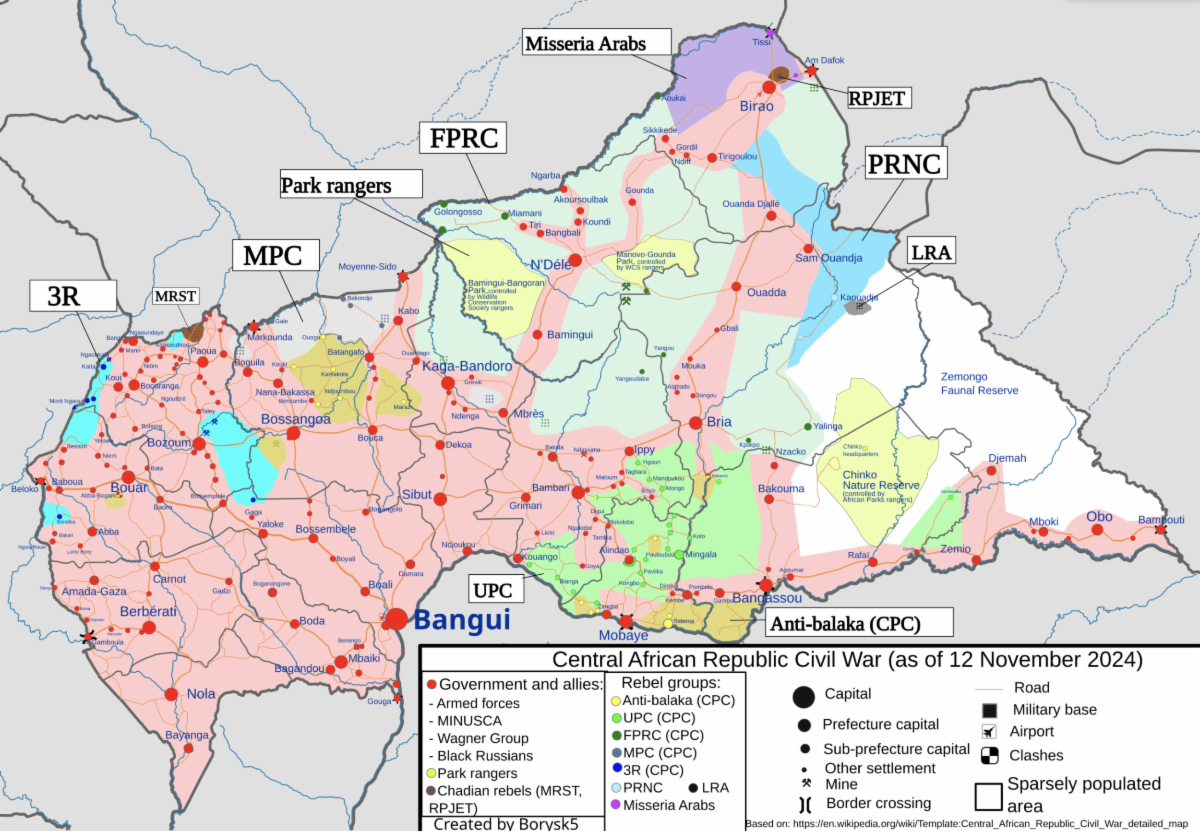
TRAC Incident Report: Central African Republic (CAR) and Wagner Forces Carried Out a Weeklong Revenge Campaign on Muslims in Tataly, Central African Republic

On 23–30 March 2025, soldiers from the Central African Republic (CAR), accompanied by Wagner mercenaries, launched a weeklong revenge campaign targeting Muslim civilians in the village of Tataly, CAR. The operation reportedly began in retaliation for an earlier incident involving 3R (Retour, Réclamation et Réhabilitation) rebels, who allegedly killed a CAR soldier and then denied government forces access to retrieve the body. Since entering Tataly, CAR and Wagner personnel have reportedly burned at least 10 homes, displacing residents and fueling local fear and resentment.


This episode fits a broader pattern observed in Wagner's operational behaviour: highly emotive, ego-driven "revenge" campaigns that escalate rapidly into indiscriminate violence. It closely mirrors, albeit with greater effectiveness, the group’s previous so-called “Operation Revenge” in northern Mali—a mission that ultimately failed to meet any strategic objective and devolved into a body recovery effort. Despite this, such operations are symbolic, reinforcing Wagner’s cult of personality and its reputation for brutality. Acts that likely constitute war crimes have become a hallmark of Wagner’s campaigns, not merely as a side-effect but almost as a functional prerequisite.


While these actions do create real and lasting psychological trauma within affected communities, they are often more performative than tactical. Wagner’s operational model relies on the perception of persistent conflict to justify its presence and secure its contracts. In effect, these cycles of violence are self-perpetuating: by engaging in gratuitous acts of violence, Wagner fuels instability, which in turn reinforces the need for its continued involvement. There is a clear feedback loop between collective punishment and rising militancy—a dynamic Wagner appears to exploit deliberately in regions aligned with Russian geopolitical interests.

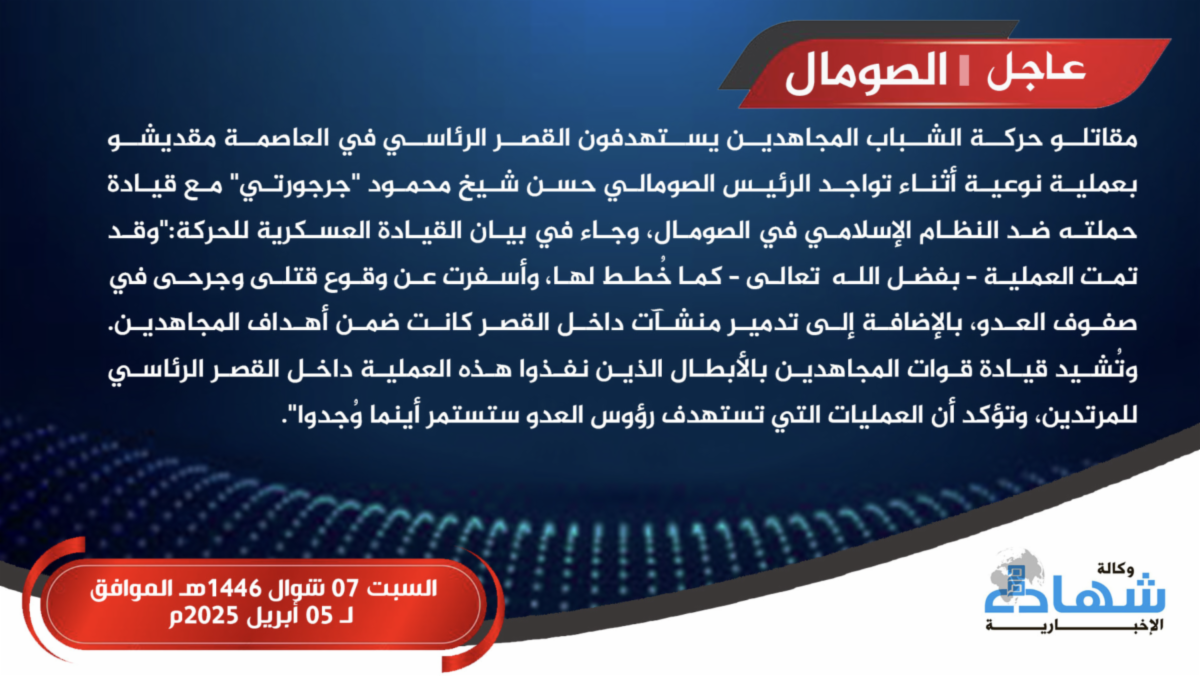
TRAC Incident Report: Al-Shabaab Militants Target Somali President Hassan Sheikh Mohamud’s Presidential Palace While Counter-Terrorism Meeting Takes Place in Mogadishu, Somalia

On 4 April 2025, Al-Shabaab militants launched an armed assault targeting Somali President Hassan Sheikh Mohamud’s presidential palace in Mogadishu while he and several high-ranking government and military officials were conducting a counter-terrorism meeting. According to the group's claim, the attack resulted in the deaths and injuries of multiple troops and destroyed several facilities inside the palace complex. While the Somali President was reportedly unharmed, the timing and nature of the attack make it particularly alarming.


This marks the second direct attack on the presidential palace in less than a month; both were carried out while the president was present. Additionally, just two weeks prior, Al-Shabaab militants attacked the coastal town of Adale during President Mohamud's stay there—part of his public pledge to remain in the area until the group was defeated. These repeated assassination attempts underscore the growing boldness of Al-Shabaab and highlight the significant security vulnerabilities, even in what is supposed to be the most secure facility in the country.


What makes this latest attack even more significant is the symbolic nature of the target: a counter-terrorism meeting involving the president and top military leaders. This represents not only a tactical strike but a propaganda victory. It sends a powerful message to the Somali public and international observers that Al-Shabaab is capable of penetrating the core of government defences, undermining public trust in the state's ability to ensure safety—even for its highest-ranking officials.


Furthermore, this is the third direct attempt on the president’s life in less than a month, indicating a clear shift in Al-Shabaab’s strategy. The group is no longer just waging an insurgency from Somalia’s rural periphery; it is escalating its campaign with sustained, high-profile attacks that directly challenge the central government's authority and aim to destabilise the capital itself. With Mogadishu nearly encircled—Al-Shabaab controls or actively contests three of the four main access routes—the group appears to be laying the groundwork for an intensified push to reclaim territory, possibly aiming for control over the capital.


This sequence of attacks may mark a tactical transition from guerrilla-style warfare to more coordinated, insurgent-level operations with strategic ambitions to dismantle central governance and claim political space. The repetition, timing, and precision of these recent offensives suggest an alarming increase in al-Shabaab's confidence, logistical capacity, and territorial influence, not to mention the increasing number of insider sources they are utilising for the President's locations.

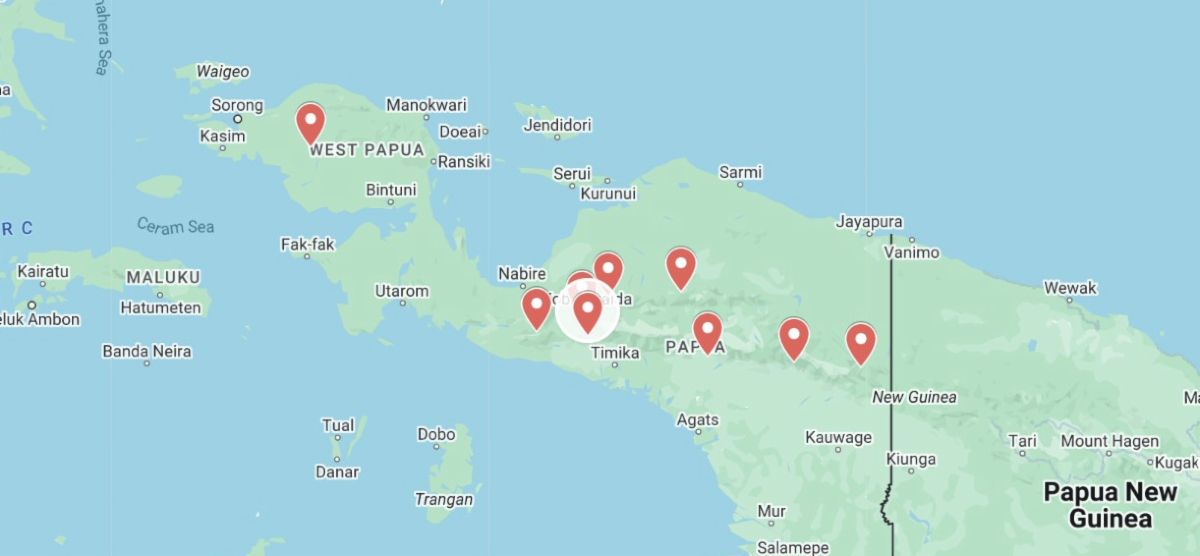
TRAC Incident Report: Separatists of the Free Papua Movement (OPM) Organization Allegedly Designate Nine Regions as ‘War Zones’, Papua Province, Indonesia

New chatter is being circulated online indicating that the Free Papua Movement (Organisasi Papua Merdeka, OPM) has officially designated nine regions in Indonesia’s Papua province as active war zones. These regions include Yahukimo, Pegunungan Bintang, Nduga, Puncak Jaya, Intan Jaya, Maybrat, Dogiyai, Paniai, and Deiyai—many of which have long been hotbeds of separatist sentiment and armed clashes between local insurgents and Indonesian security forces.


If confirmed, this public designation represents a strategic escalation by the OPM. By framing these territories as formal battlefronts, the group signals its intent to shift from sporadic insurgency tactics toward more sustained and coordinated armed resistance. This move can be seen as both symbolic and operational: symbolically, it serves as a declaration of war against the Indonesian state; operationally, it may precede or coincide with an intensification of attacks against military, police, and government infrastructure within these areas.


This development follows two major arson attacks conducted by OPM-affiliated militants in late March and early April 2025—targeting a government office in Dogiyai and a school building in Pegunungan Bintang—both of which are among the newly declared war zones. The choice of targets reflects a deliberate effort to undermine state presence and disrupt civil society, with a focus on education and administrative authority. These attacks often aim to create fear, displace populations, and demonstrate control over contested regions.


The designation of nine “war zones” by the Free Papua Movement (OPM) likely serves as both a psychological tactic and a political maneuver to elevate the conflict from an isolated insurgency to a more formalised struggle for independence. By declaring active battlefronts, the OPM seeks to pressure the Indonesian government into acknowledging the conflict’s scale and legitimacy—potentially paving the way for political concessions or negotiations. It also boosts recruitment, consolidates internal factions, and justifies escalated violence. However, this move risks prompting a heavier military response from Jakarta, which could worsen tensions and inadvertently bolster the OPM’s narrative of state repression.


Ultimately, the formal designation of war zones may mark a new phase in the Papuan conflict that edges closer to sustained guerrilla warfare rather than sporadic sabotage or localised ambushes. If the OPM manages to coordinate across these nine regions effectively, it could result in a fragmented but persistent armed struggle similar in style (if not in scale) to the insurgencies seen in Aceh or Mindanao in previous decades.

(Video/ Right-Wing Extremism): ‘Sonnenrad Squad’ Release Propaganda Video Threatening Order of the Nine Angles (O9A/ONA) & 764

(Chatter) Direct Talks Between March 23 Movement (M23) and the Congolese Government Delayed Indefinitely

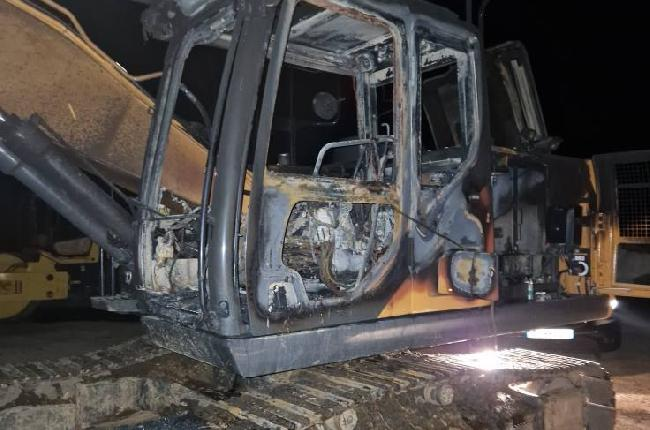
(Anonymous Anarchist) Suspected Anarchists Burn €150,000 Worth of Equipment at Douzy Solar Park Site, Ardennes, France

TRACFusion_Newsletter2.png

CLICK HERE FOR PAST WEEKLY BRIEFINGS

TRAC Logo_Primary_TransparentWhite.png
Facebook          X          Instagram