¡Versión en español a seguir! | | |
This month we focus on supporting families with nourishing routines and goals for their young ones.
| | |
Welcoming Environment
Ensure Your Program Feels Inviting
| | Setting Goals with Families | | |
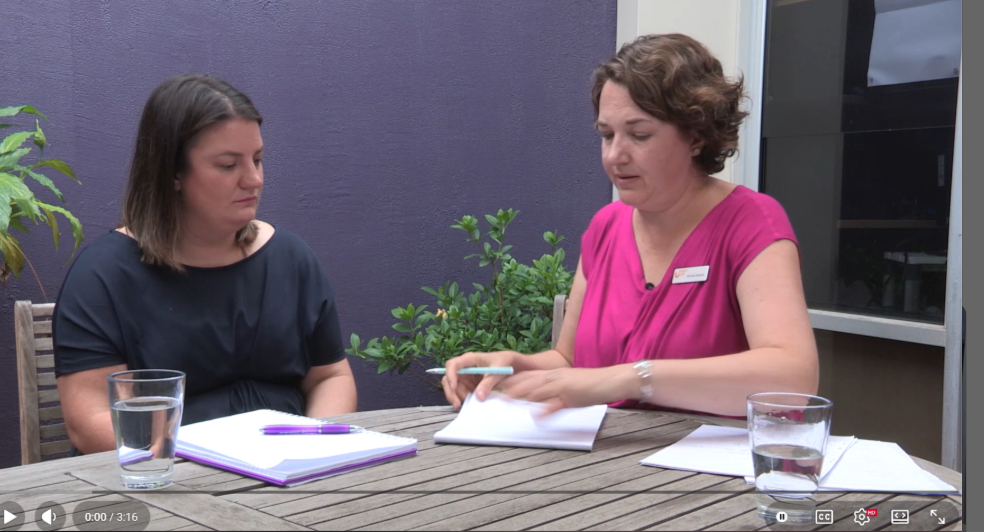
New year, new goals! Consider how you can leverage conversations with families to meet their desires and dreams for their little ones. As this 3-minute video shares, exploring routine-based interviews can be a great way to support families in your program so they can meet their goals! This is a helpful reminder that goals can be broken down into routines, making them much more manageable for ourselves and families.
| | |
Community Partnerships
Meeting Families' Goals Through Parks and Libraries!
| | |
Many folks pick new year's resolutions focused on well-being and connection - families included! To support families who are looking to be in nature more, manage stress, exercise, explore new skills, and engage in more family bonding, we have two great community organizations to highlight: the LA County Parks & Recreation Department and the LA County Library system! Share these links with families and colleagues so they can take advantage of free/affordable options like:
- Day camps, toddler pools, family field trips, free park events, hikes for family fun, movement, and time in nature
- Storytimes, STEAM activities, parenting workshops, digital library resources (including movies, music, and books) to boost early literacy skills, family reading/learning time, family bonding.
| | How to Handle Transitions and Changes in Routines | | |
Equity Corner Equitable approaches to supporting children and families
| | Transitions are integral to a child’s day, making the shift from one activity to another. Thinking of our young ones who struggle with changes in routines or struggle to stick to routines, managing these transitions smoothly is crucial as they can influence a child’s emotional and behavioral responses. Explore the two resources below on using routines to foster stability and predictability that help children - especially those with possible neurodivergence like autism or ADHD - navigate these changes with confidence and ease. | | How to Handle Transitions and Changes in Routines | | | Why Kids Have Trouble Following a Routine or Schedule | | | Knowing and using these community resources will support PAS: Item 17- Family Support Involvement, BAS: Item 8-Community Resources, and NAEYC Accreditation: Standard 7-Families | | |
Staff Development and Support
Strengthening Your Professional Learning to Boost Routines and Goal Setting!
| | | |
Identifying Strengths & Needs to Better Support Families
Join QSLA and your fellow ECE colleagues for this Family Engagement workshop to deep dive on supporting families with a new lens! In this 2-hour workshop "Identifying Strengths & Needs to Better Support Families", we will focus on how to use a strengths-based approach in working with families, how to leverage their strengths to meet their address, and what strategies & tools can support this process.
- Bonus! We’ll be raffling off surprise materials to support your strengths-based work with families!
| | |
Visual Communication Systems
Offering by MAOF, this 2-hour in-person training teaches how simple visual tools—like picture schedules, choice boards, and symbols—can help children with special needs communicate, understand routines, and feel more confident. In fact, these are valuable tools to use with all children and in sharing with families as well! Participants will learn easy ways to use visuals every day to support clarity, independence, and inclusion.
-
Date/Time: Saturday, January 24th from 9:00 - 11:00AM
-
Address: Mexican American Opportunity Foundation, 5100 S Eastern Ave, Commerce, CA, 90040
-
Training Contact: Fabiola Martinez - fmartinez@maof.org | (323) 313-1663
| | These trainings support ECERS-R: Item 43- Opportunities for Professional Growth, PAS: Item 3- Staff Development, FCCERS-R: Item 37- Opportunities for Professional Development, and BAS: Item 1-Qualifications and Professional Development | | |
Family Partnerships
Resources to Support Family Transitions and Routines
| |
| Resources to Support Family Transitions and Routines | | |
Easing into a new year often means our families are returning to their weekly programming! Take a look at this large and varied set of resource from Trying Together that helps families learn how to navigate transitions. Whether a child is transitioning from home to child care, from child care to kindergarten, or from one activity to another, realistic expectations and consistent routines can help them prepare for new scenarios which, in turn, makes navigating these transitions easier for us as adults as well. To learn strategies for building strong routines, discussing change with young children, navigating family transitions, and more, check out the resources shared!
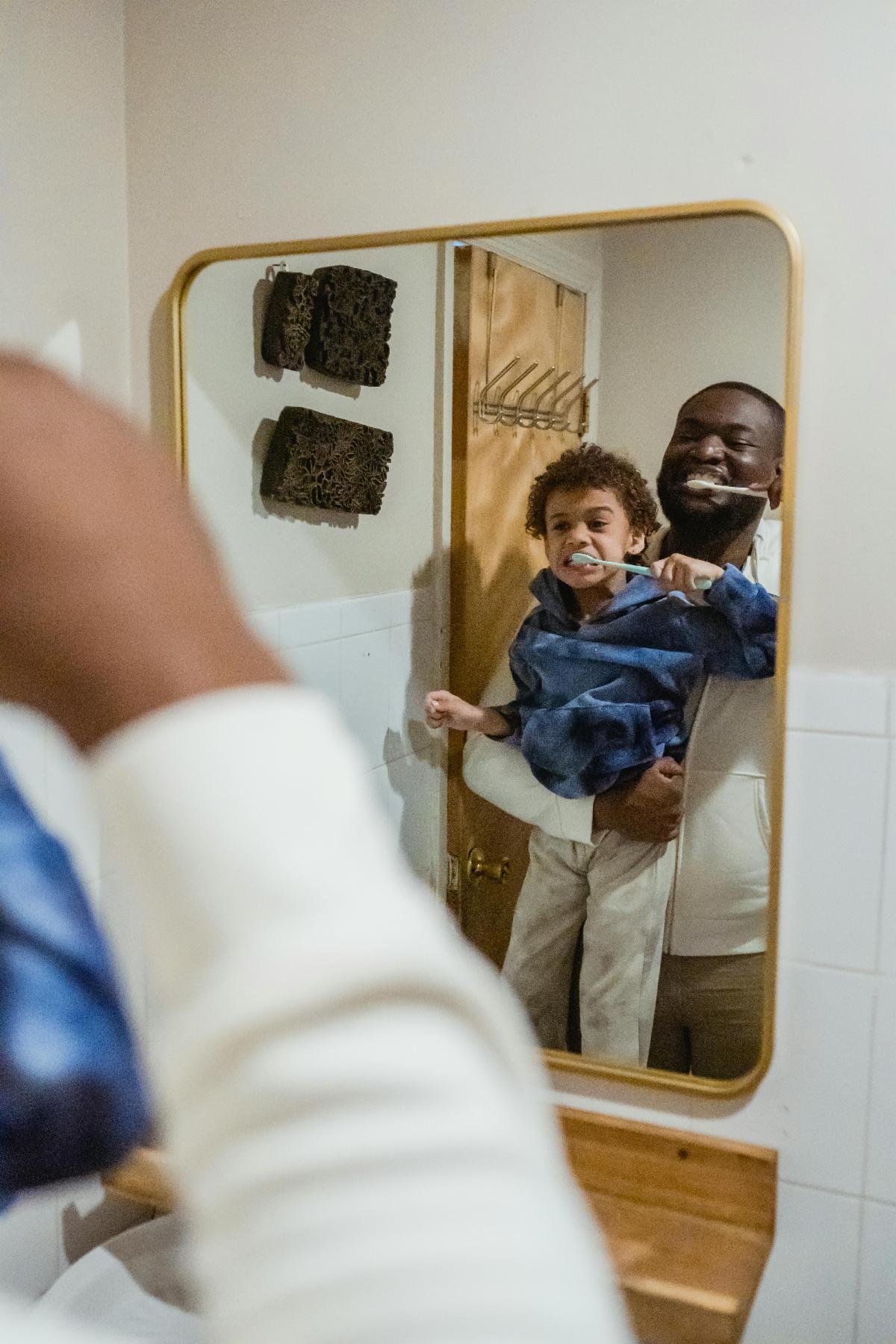
| | Did you know routines help children feel safe, secure, and looked after? | | |
Creating an organized and predictable environment for children makes a huge difference, especially as a buffer against difficult transitions or changes. Some more ways children (and ourselves) benefit from routines:
- Helps children learn healthy habits like brushing their teeth, taking medicine, washing their hands, etc.
- Reduces stress, which in turn supports their immune system
- Help children feel less anxious or sad during difficult times
- Daily routines like bedtimes also set our body clocks too!
Source: https://raisingchildren.net.au/grown-ups/family-life/routines-rituals-relationships/family-routines
| | |
Were you forwarded this email?
Would you like to sign up to receive our Family Engagement Newsletters?
| | | | |