IP News & Updates From Our Global Team!


May Insights


Protecting Fashion in the Age of AI

Artificial intelligence (AI) is making an impact in nearly every industry. The impact of AI on the creative arts has been particularly complex and controversial. In the world of fashion, significant resources may be devoted to identifying consumer needs and designing new products by both small independent brands and large corporations. However, there is a rise in AI-powered algorithms to track, reverse engineer, and mass-reproduce fashion artists’ works, producing similar products without incurring the overhead costs of design and marketing. Protecting creators from fashion product copying has therefore risen in complexity with associated costs that can present significant challenges to brands that may already have their resources constrained.


日本語 ▪ 简体中文 ▪ 繁體中文 ▪ عربي


Describing Use of a Genus:

Teva V. Lilly Clarifies § 112 For Antibody Method Claims

Photo Credit: Julia Koblitz

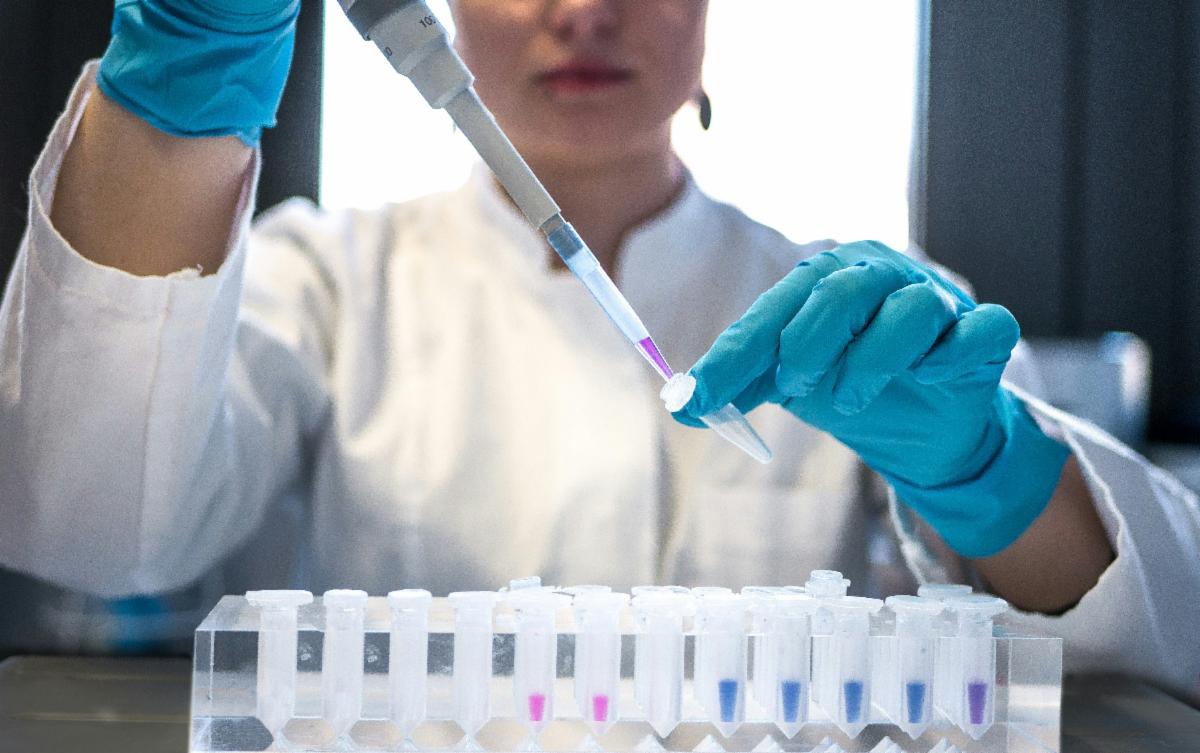
Patent law requires more than showing that an invention is new and nonobvious. Under 35 U.S.C. § 112, a patent must also describe the invention in enough detail to show that the inventors possessed what they claimed and to teach skilled readers how to make and use it without undue experimentation. These requirements are known as written description and enablement.  In biotechnology cases, these requirements can be difficult to satisfy when a patent claims a chemical genus. A genus claim covers a group of structurally or functionally related chemical substances. Genus claims tend to be difficult to obtain for related antibodies.  The Supreme Court’s decision in Amgen Inc. v. Sanofi confirmed that broad claims to antibodies themselves can fail enablement when the patent does not teach skilled readers how to make and use the full scope of the claimed antibodies.  The Federal Circuit’s recent decision in Teva Pharmaceuticals International GmbH v. Eli Lilly and Company addresses how § 112 applies when the patent does not claim the antibody genus itself, but instead claims a method of using that genus to treat a specific condition. In Teva, the Federal Circuit concluded Eli Lilly and Company (“Lilly”) failed in its argument that a reasonable jury could not have found that Teva’s headache treatment patents satisfied the requirements of written description and enablement.  The Federal Circuit thus reversed the district court which had agreed with Lilly and rejected the jury’s verdict.    


One Dispute, Many FRANDs:

The Samsung–ZTE Dispute and the Fragmentation of Global SEP Licensing

Photo Credit: Jakub Żerdzicki

Standard-essential patent disputes are no longer just national patent disputes. When products such as smartphones must comply with global telecommunications standards, the licensing fight often becomes worldwide. 


The Samsung-ZTE dispute is a good example. The dispute arose after the parties’ prior cross-license expired at the end of 2023, with disputed royalties running from January 1, 2024, and possibly covering certain earlier uses. The dispute is about a global SEP cross-license between ZTE and Samsung for cellular standards, including 5G. Both sides own SEPs, but ZTE is treated as the net licensor and Samsung as the net licensee, meaning Samsung would likely owe a balancing payment to ZTE. The real fight is therefore not simply infringement, but the amount and structure of a FRAND payment Samsung must make for a worldwide license to ZTE’s SEP portfolio. Different courts have answered that question differently: the UK set a much lower rate, while China, Germany, and the UPC moved closer to ZTE’s valuation. This dispute therefore illustrates a growing problem in SEP law: “global FRAND” may depend heavily on which court is asked.


GLOBAL IP UPDATES


USPTO Continues Crackdown on Fraudulent Trademark Filings


The USPTO continues to strengthen its efforts to protect the integrity of the U.S. trademark register. According to a recent USPTO Trademark Alert, in the past six months the agency has issued 11 administrative orders targeting the removal of approximately 10,500 trademark applications and registrations.


READ MORE

Iraq – Baghdad: Updated Official Trademark Fees


The Iraqi Trademark Office has introduced a revised fee structure following the approval of a legislative decision to update official fees for certain trademark procedures. The changes impact a wide range of services, including trademark filings, registrations, renewals, and related administrative processes. 


READ MORE

Concours Lépine Recognizes Patented Innovation for Seabed Clean-Up


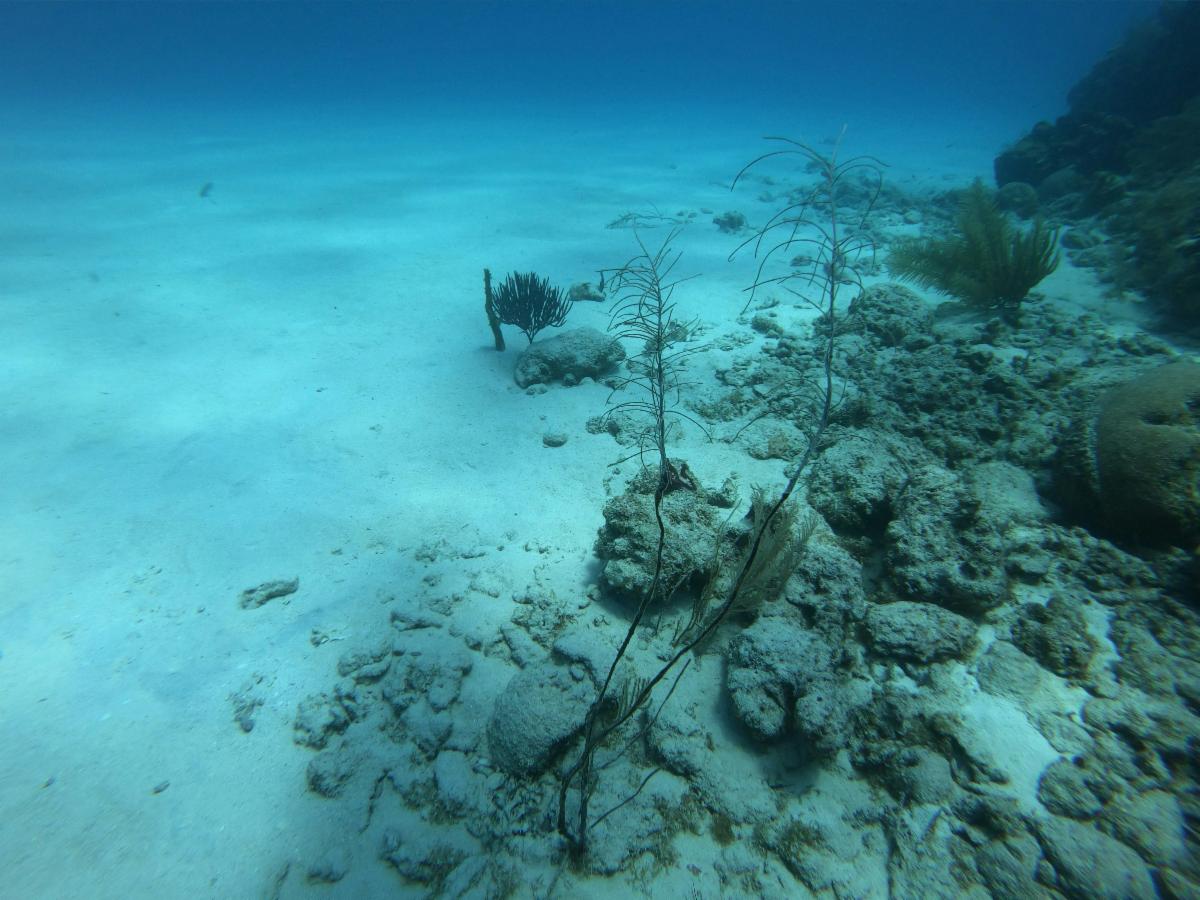
The Concours Lépine is an invention competition held annually since 1901. Originally established to support small French manufacturers and inventors facing increasing foreign competition, it has evolved into a landmark event for innovation in France. Today, it takes place as part of the Paris Trade Fair.


READ MORE


#INTA2026


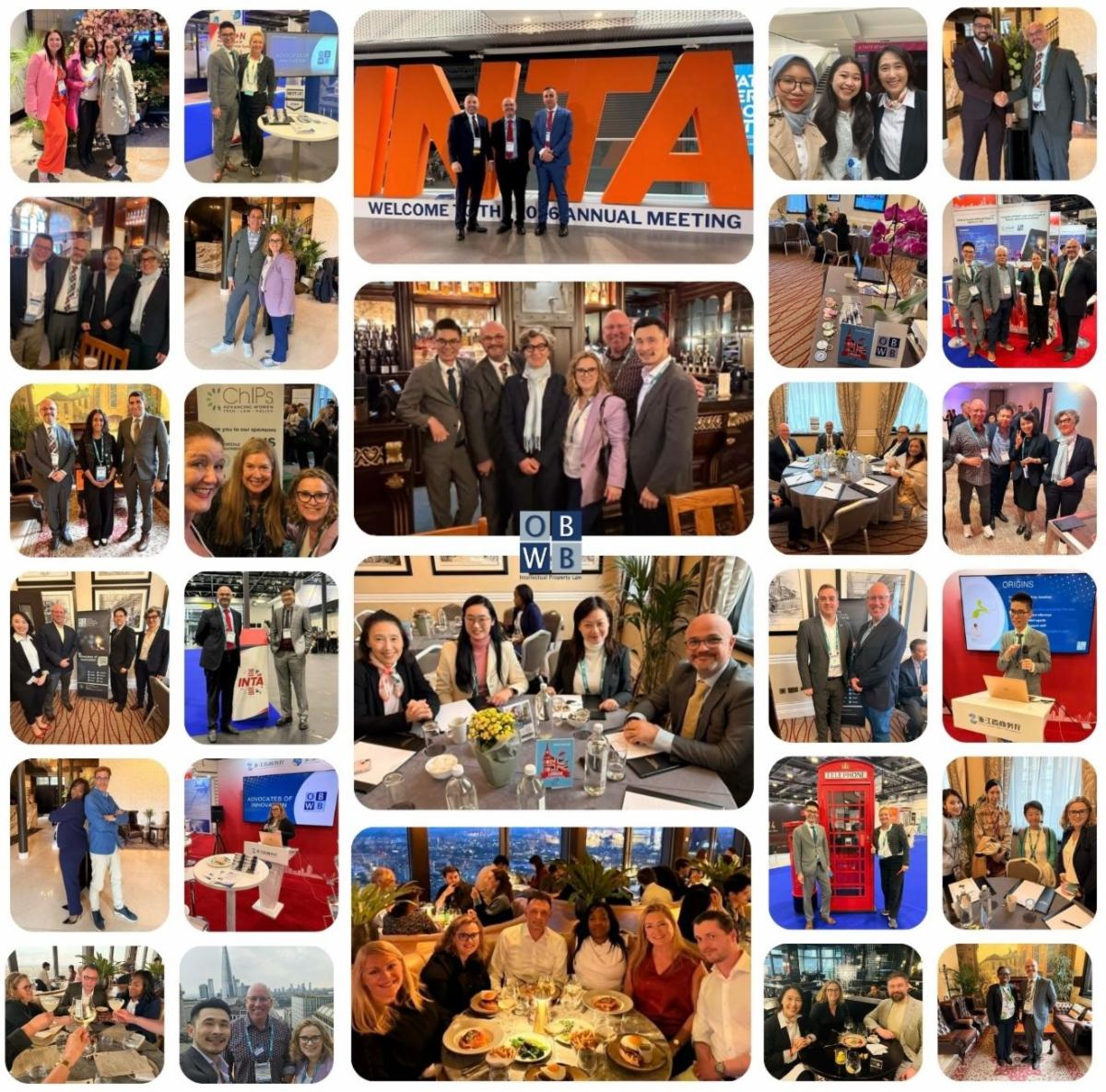
Representatives from all (8) OBWB global offices participated in INTA 2026; it was wonderful to connect with so many colleagues attending this event. Special thanks to our UK hosts who made us feel very welcome in London. We enjoyed meeting with everyone who visited our hospitality suite and exhibition booth. Looking forward to INTA 2027 in San Diego!


CEIPI MASTER'S COURSE


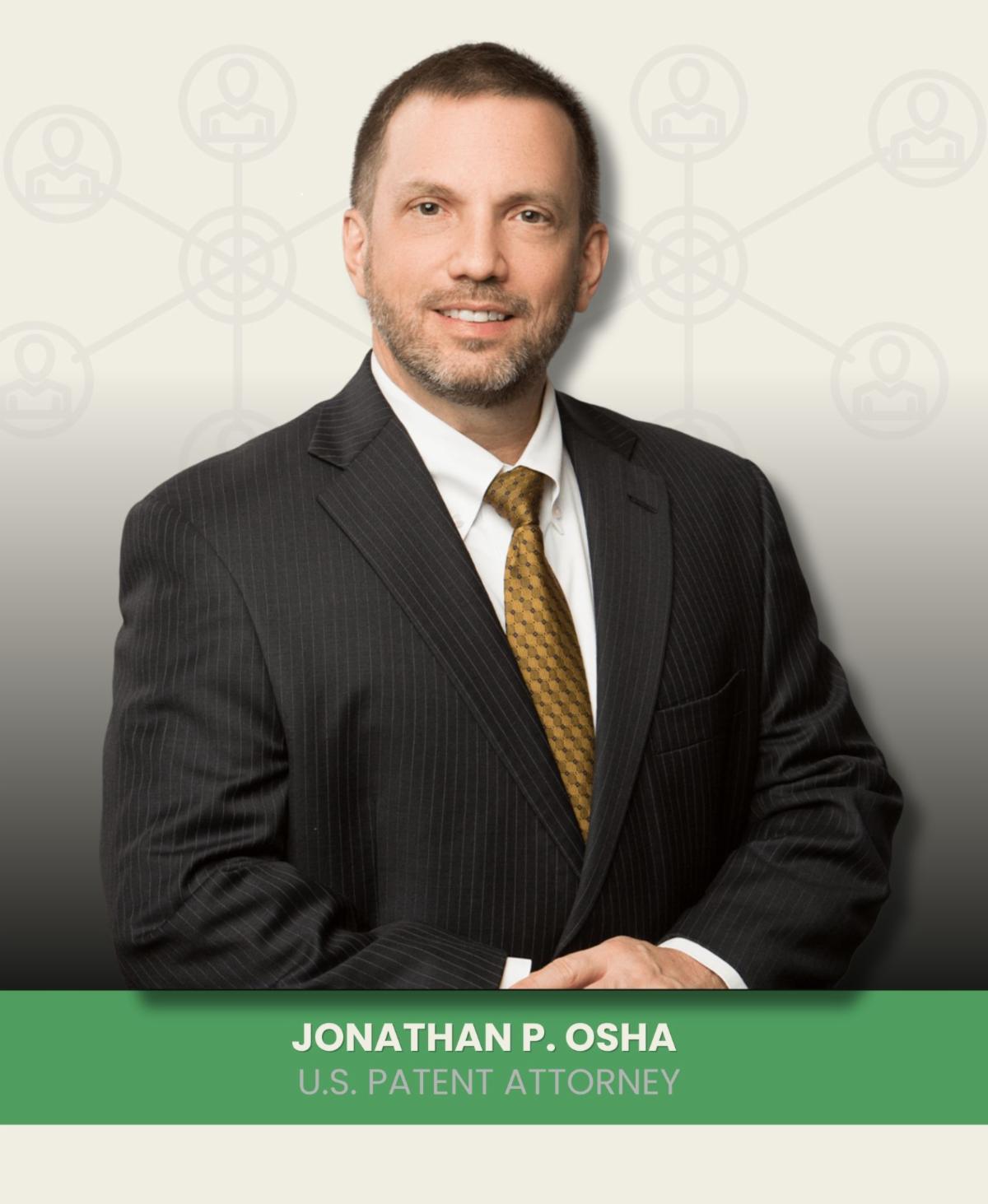
"On May 28-29 I had the pleasure of teaching three sessions for the Master 2 Program on Artificial Intelligence, Digital Technologies and Intellectual Property, Centre d'études internationales de la propriété intellectuelle, Université de Strasbourg.  The sessions covered a wide range of topics relating to patentability and enforcement of patents on AI-related inventions. It was wonderful to have this opportunity to interact with such an engaged group of students on these cutting-edge topics." - Jonathan Osha


BIO 2026


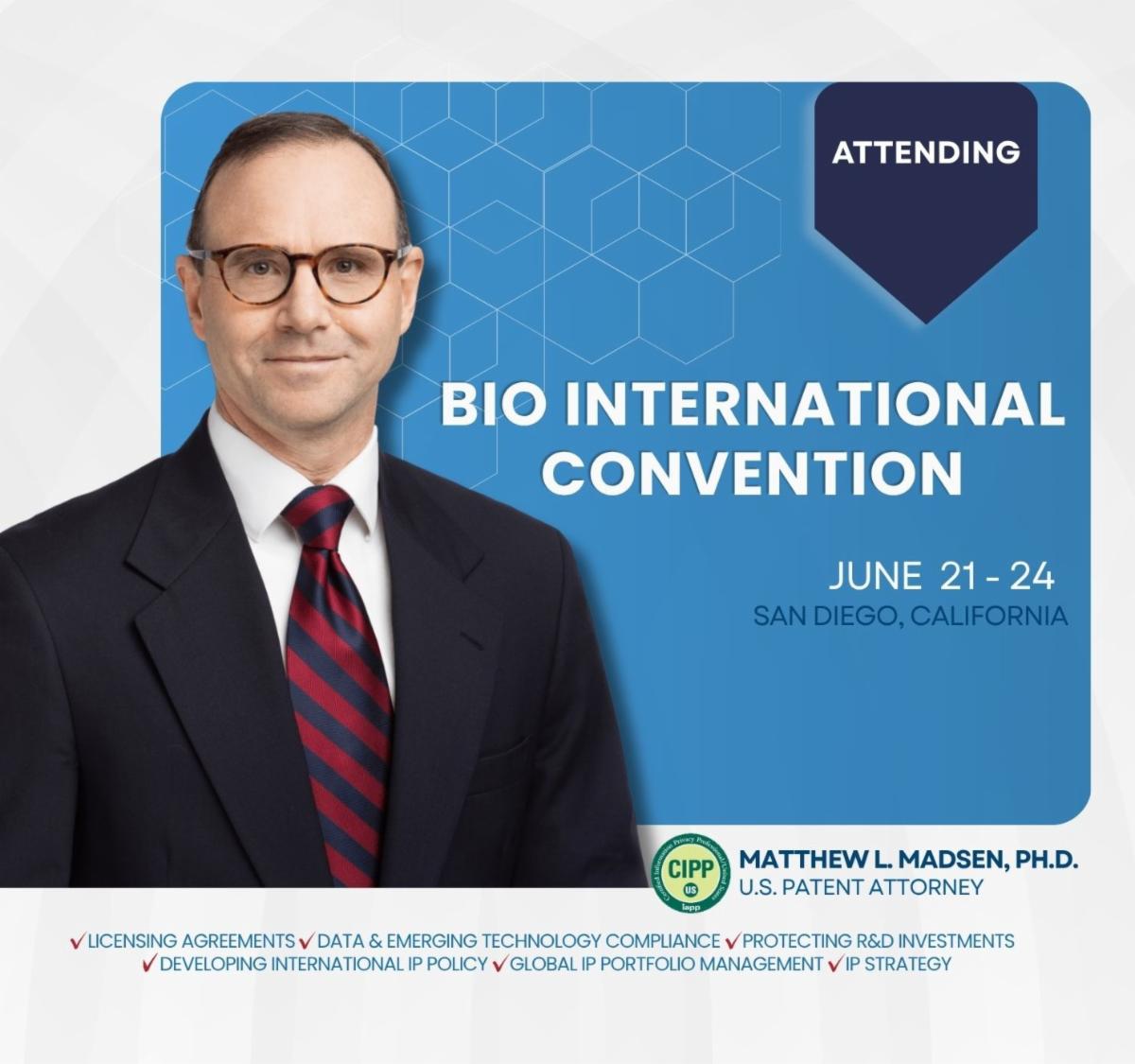
OBWB attorney Dr. Madsen looks forward to attending BIO 2026 and connecting with colleagues at this event in San Diego. Request a meeting here.

 
X  LinkedIn  Instagram

www.obwb.com