|
Culture Happens Every Day
As we head into another weekend, many credit union leaders are deep into strategic planning discussions, budgets, and preparations for the year ahead. Those conversations matter. Strategy matters. Planning matters.
But culture is not created in an annual planning retreat.
Culture happens every day.
It is built in the moments between the meetings. It is reflected in how we treat one another, how we respond when challenges arise, how we celebrate successes, and how we serve members when no one is watching. While strategy may define where we are going, culture often determines whether we get there.
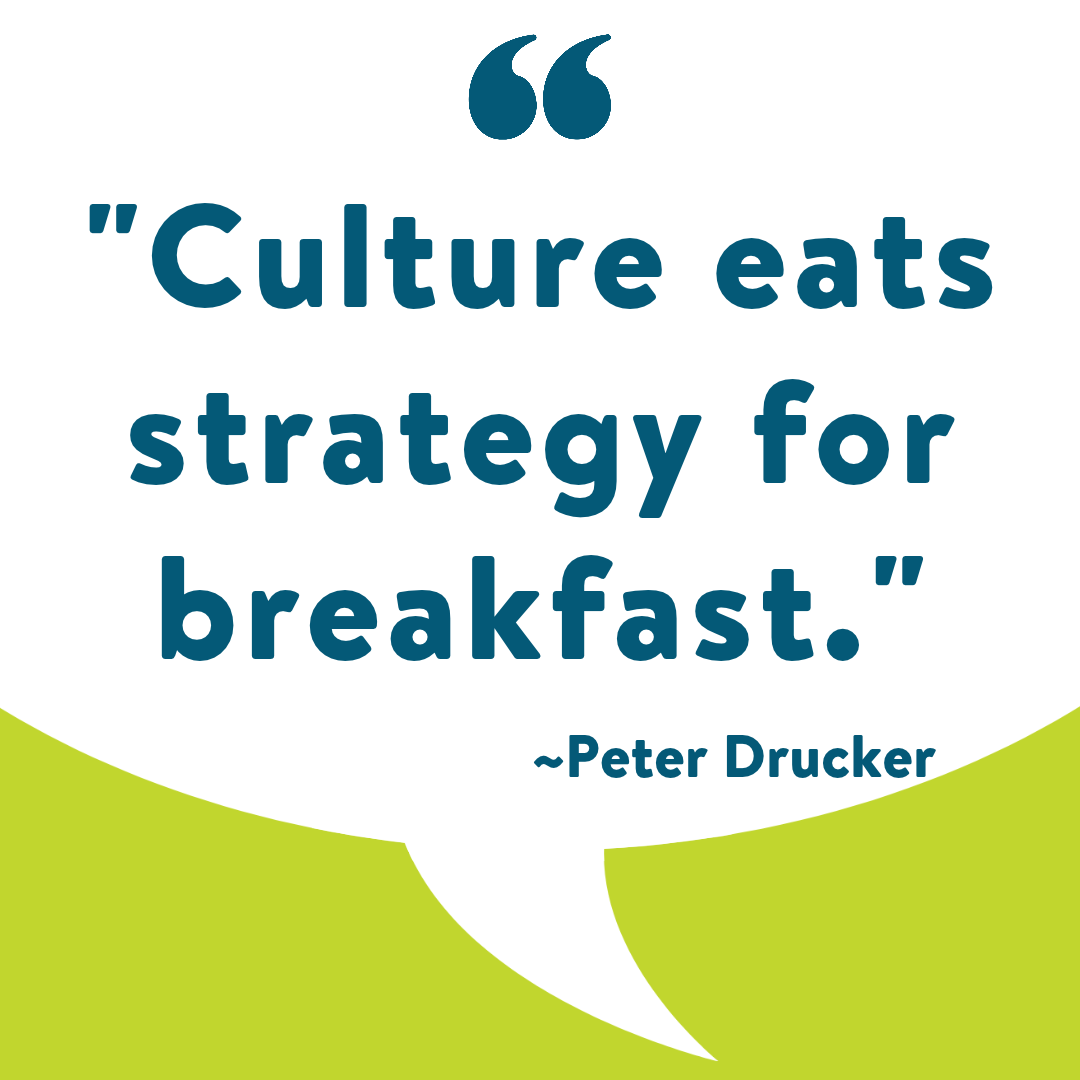
Management expert Peter Drucker is famously credited with saying, "Culture eats strategy for breakfast." Whether or not those exact words were ever intended for the credit union movement, the lesson remains true. The strongest strategies struggle in organizations with weak cultures, while organizations with healthy cultures often find ways to overcome obstacles and exceed expectations.
In a cooperative environment, culture is especially important because our mission is rooted in people. Every day, culture is demonstrated when a teller takes an extra moment to help a member understand a financial decision. It shows up when a lending officer looks for solutions rather than reasons to say no. It is reflected when team members support one another during a busy day, when leaders listen before they speak, and when volunteers and staff remain focused on improving the financial well-being of members and communities.
These actions may seem small in isolation, but together they define who we are.
Author and leadership expert John Maxwell reminds us that, "People buy into the leader before they buy into the vision." That means leaders play a critical role in shaping culture. Employees watch what leaders do far more closely than they listen to what leaders say. We talk about this concept of “walking the talk” frequently in Personify Leadership. If we want cultures built on trust, respect, innovation, accountability, and service, those behaviors must first be modeled by leadership.
Culture is not a "soft" concept. It is a strategic imperative.
An engaged and empowered workforce delivers better member experiences. Better member experiences create stronger member relationships. Stronger relationships lead to healthier credit unions and more vibrant communities. Culture is not separate from strategy. Culture is how strategy comes to life.
As leaders, there are two simple actions we can take to strengthen culture every day:
-
Recognize what you want repeated. Catch people doing something right. A sincere thank-you, a note of appreciation, or a public acknowledgment reinforces the behaviors that build strong organizations. During our weekly staff check-in on Monday (called Coffee Talk), we started the meetings with Recognition and Celebration. I loved seeing the team recognize one another for over 20 minutes with the impact we are having across Montana and around the country with our impact through our events and programming. I’m so proud of our team!
-
Create space for listening. Ask questions, seek feedback, and listen closely to employees and members. People are more engaged when they know their voices matter. Each year, we use the Gallup Q12 Engagement Survey to measure team engagement and identify areas for improvement. This week, we closed the survey with 100% team participation. Although I am still reviewing the results, a few themes have emerged. Overall engagement is strong, particularly in opportunities to learn and grow and access to the resources needed to do our work. Areas for improvement include clearer roles and expectations — a persistent challenge in small trade associations where everyone wears many hats — and more opportunities for employees to do what they do best every day. As a leader, I am committed to building on our strengths and addressing these opportunities. Culture is my responsibility, and listening and responding to feedback are essential.
As we prepare for the week ahead, let's remember that culture is not built in a binder, on a PowerPoint slide, or during a once-a-year planning session. It is built every day through our actions, our decisions, and our interactions with those we serve and those we lead.
Because in the end, culture is not what we say we value.
Culture is what we consistently do.
Have a great weekend.
Cooperatively,
Gerry
|