July 2026 | Edited by: Lena Rivas | | The story begins on a dark and stormy night in 1997 | | |
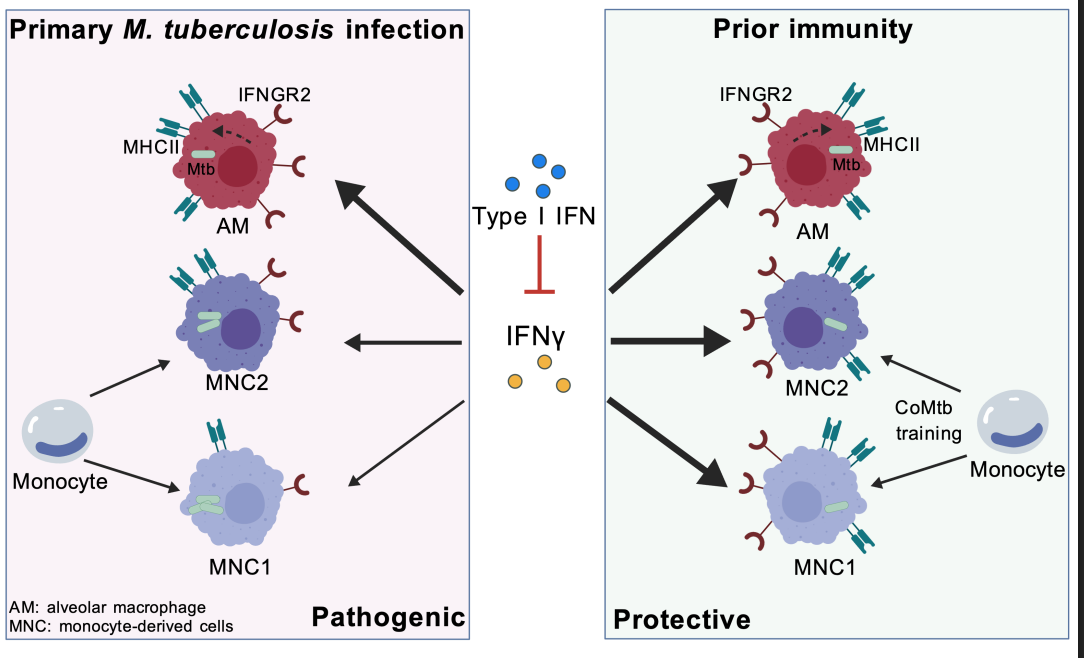
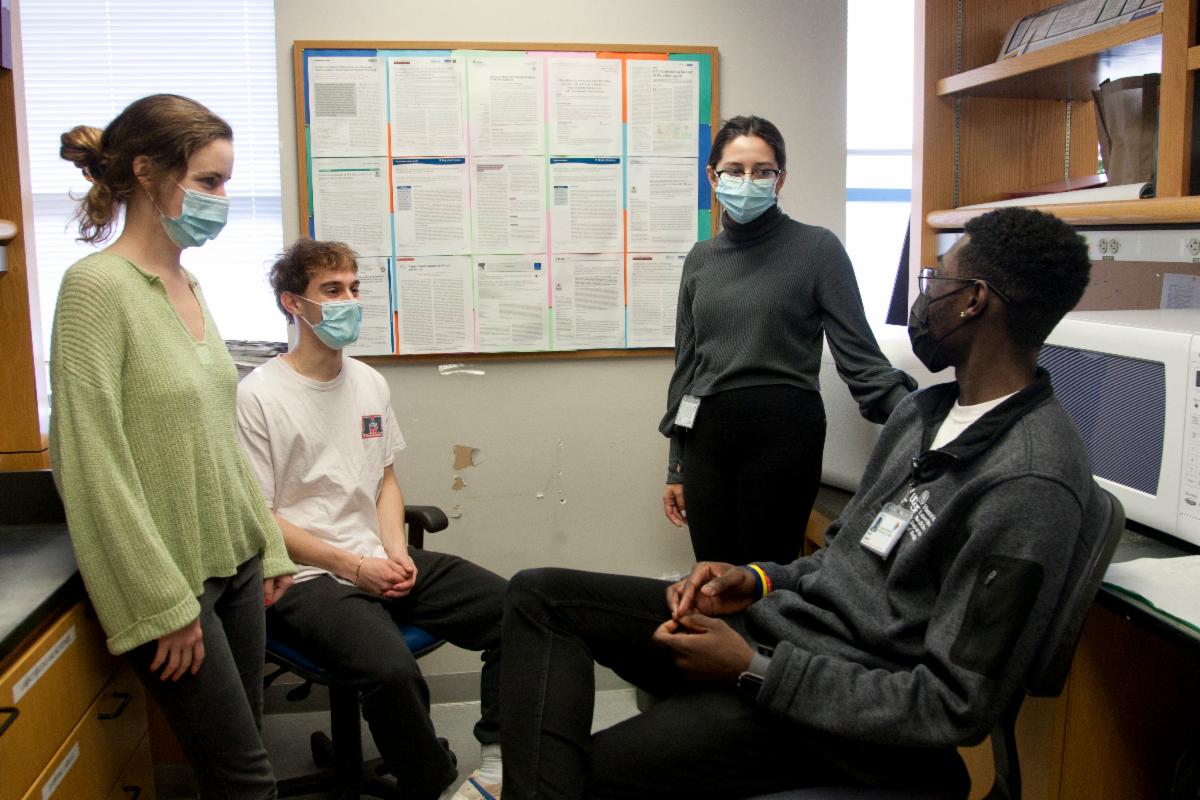
On a dark and stormy night in 1997, Li-Min Ting, a post doc in the Ernst Lab, performed an elegant experiment: she knew that interferon gamma (IFNγ) could activate human macrophages to kill the intracellular parasite, Toxoplasma gondii, but not Mycobacterium tuberculosis (Mtb). She hypothesized that Mtb might block the ability of human macrophages to respond to IFNγ, and set up an experiment in which she infected human monocyte-derived macrophages with Toxoplasma, Mtb, or both. Then she treated the macrophages with IFNγ. What she found was dramatic: IFNγ induced macrophages to kill Toxoplasma (as expected) but in macrophages that were coinfected with Mtb, the Toxoplasma weren’t killed and continued to grow. The results were published in the Journal of Immunology in 1999 and were followed by multiple papers reporting the molecular mechanisms used by Mtb to block macrophage responses to IFNγ. However, all of those experiments were done in cultured macrophages, and the question remained: does this actually happen in vivo? The biggest challenge in answering that question was the need for an appropriate control, so responses to IFNγ could be compared in the presence and absence of Mtb. Weihao’s new paper in Nature Communications (PMID 42373669) provided an answer to that challenge.
Weihao’s work solved that problem by comparing responses of distinct subsets of lung macrophages to IFNγ, all from the same lung environment. He identified a subset of lung macrophages originally derived from the bone marrow that responded less well to IFNγ (measured by expression of IFNγ-responsive genes) than other subsets of macrophages in the same lungs. That was especially exciting because in his earlier work, Weihao found that the subset of macrophages that responds poorly to IFNγ is also the subset that contains the largest number of live Mtb per cell than cells in any other macrophage subset. He then identified interventions that improve responses to IFNγ in those cells and that improve overall control of Mtb in the lungs. Now that there is evidence that unresponsiveness to IFNγ contributes to insufficient immune control of Mtb in vivo in mice, the next questions are whether a similar phenomenon exists in human lungs, and whether pharmacologic interventions can improve macrophage responses to IFNγ and improve outcomes in human TB.
You can read Weihao Zheng from the Ernst lab's new paper, "Impaired IFNγ responsiveness of monocyte-derived lung cells limits immunity to Mycobacterium tuberculosis", in Nature Communications.
| | |
Zlitni Lab
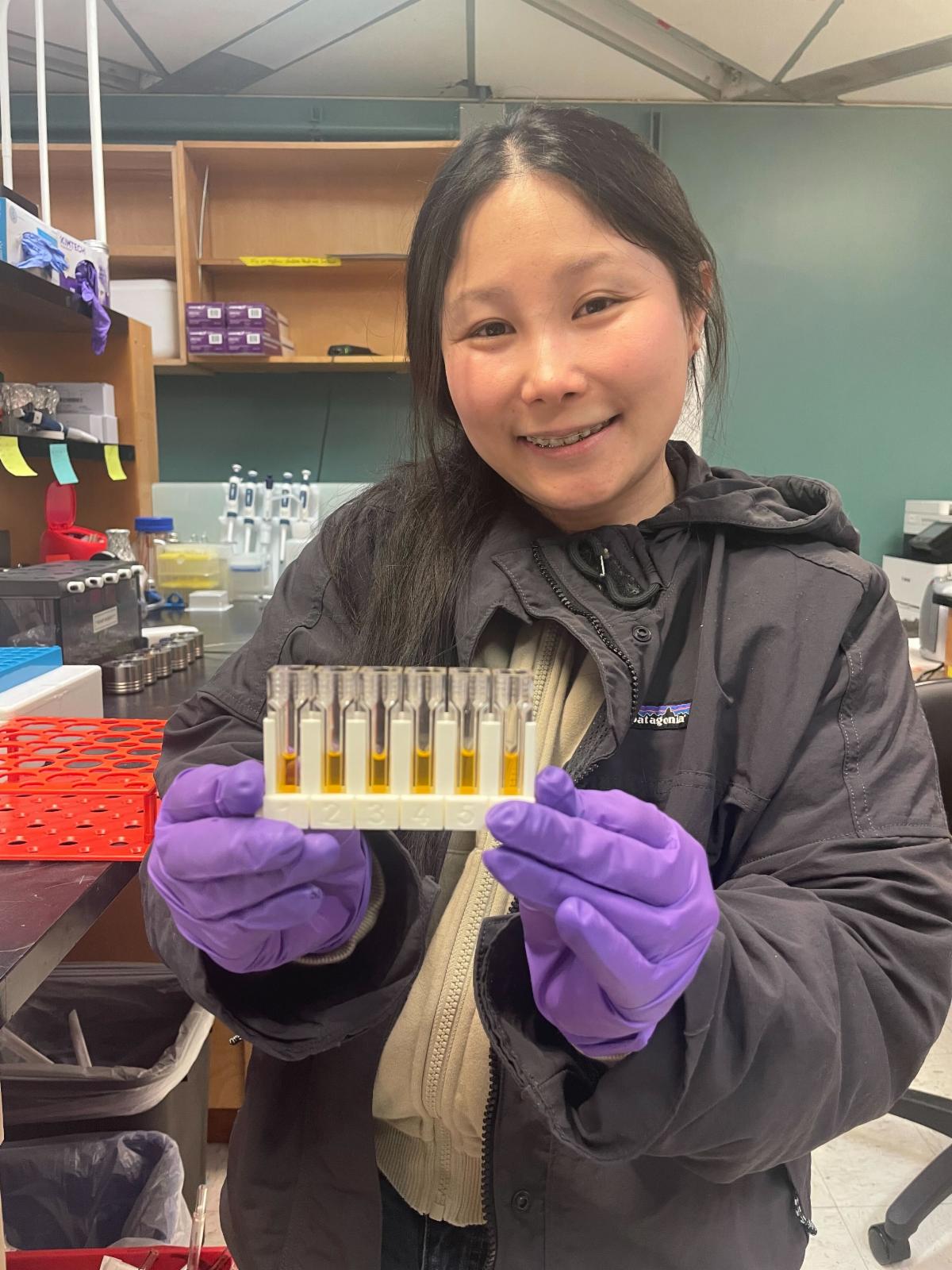
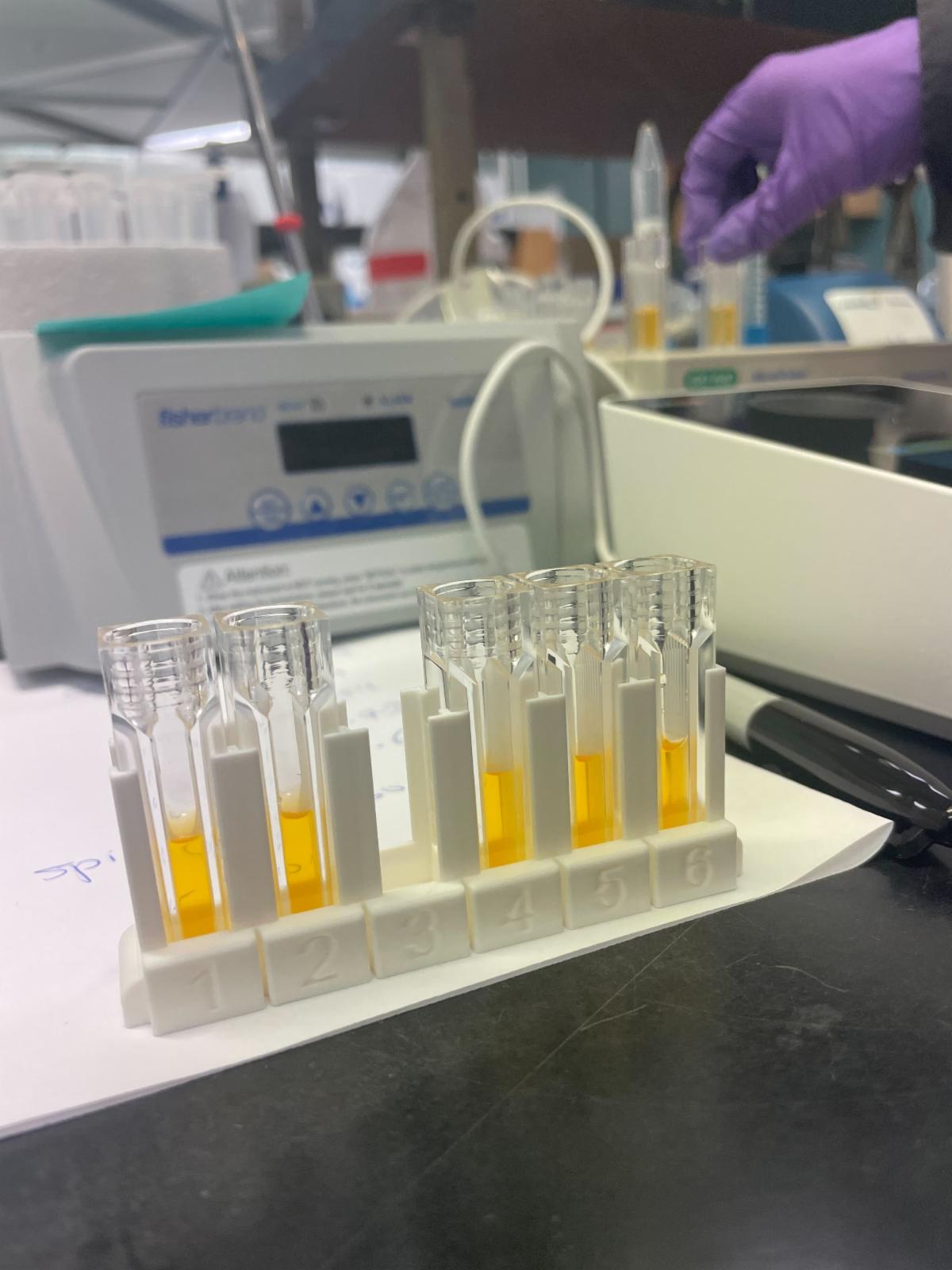
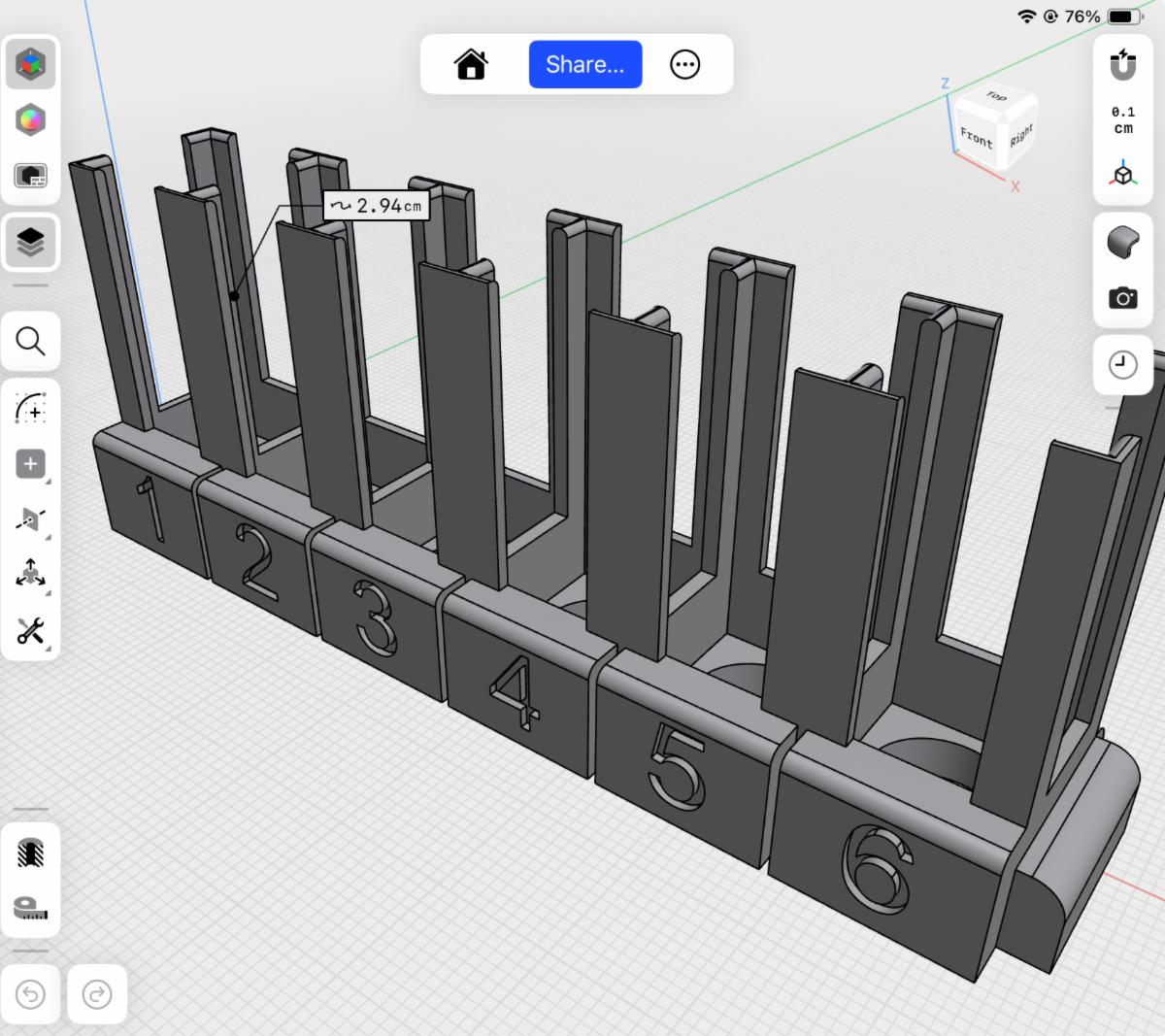
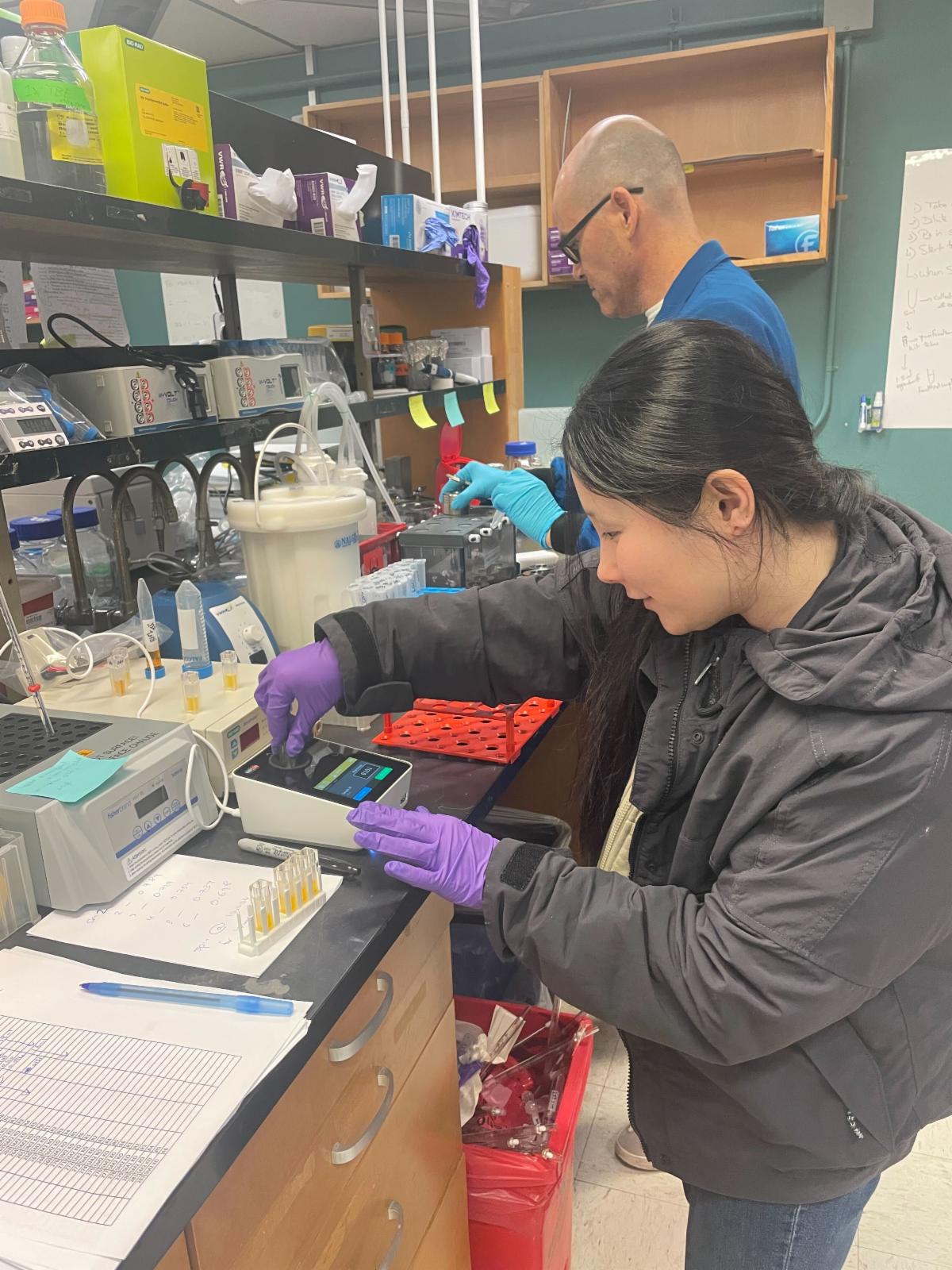
Sometimes the best lab equipment is the one you panic-design at home and print overnight. In recent bacterial growth curve experiments, we were collecting samples every hour to measure OD, harvest cells, and freeze pellets for RNA-seq analysis. The catch: every second the cultures spent outside the incubator could affect gene expression, so the workflow had to be fast, precise, and very well organized. Luckily, I had a 3D printer at home and decided to put it to work. I designed and printed a custom cuvette holder with built-in sample labels to help keep everything moving smoothly. It turned out to be a small but mighty lab hack: faster measurements, fewer opportunities for mix-ups, and a much calmer sampling workflow.
| | |
Photo, above.
Photo of Emily Kawabata, junior specialist.
| |
|
Congratulations Brian!
We are thrilled to announce that Brian LaFranchi (Henrich Lab) will be continuing his education at Yale University this fall! We got to ask Brian some pressing questions about his journey and to share some pearls of wisdom with us.
Do you remember your first day?
Tim was actually on service for my first day—I remember arriving on campus and sitting on a bench outside of building 5 for about 10 minutes until I realized I was in the wrong place. I made it over to building 3 and caught Mandy and Tyler right as they were walking in.
What is the single most valuable lesson I’ve learned here that I can apply to my graduate coursework?
I think I’ve really learned to embrace the uncertainty of novel research and not be afraid to fail. When I arrived at the DEM out of undergrad, I imagined I’d be working almost exclusively with pre-existing protocols and defined experiments. Planning experiments carefully is obviously critical, and there’s a lot to learn from studying established knowledge and models, but I’ve learned the most from troubleshooting failed experiments.
What is the most significant accomplishment you've achieved in your role with DEM?
I’m proud to have contributed towards advancing in-situ spatial analyses in the Henrich Lab, but above all else, I’d like to think that my biggest accomplishment has been helping to foster a collaborative, supportive, creative environment for the other young scientists in our group.
Congrats Brian! 🎉
| |
|
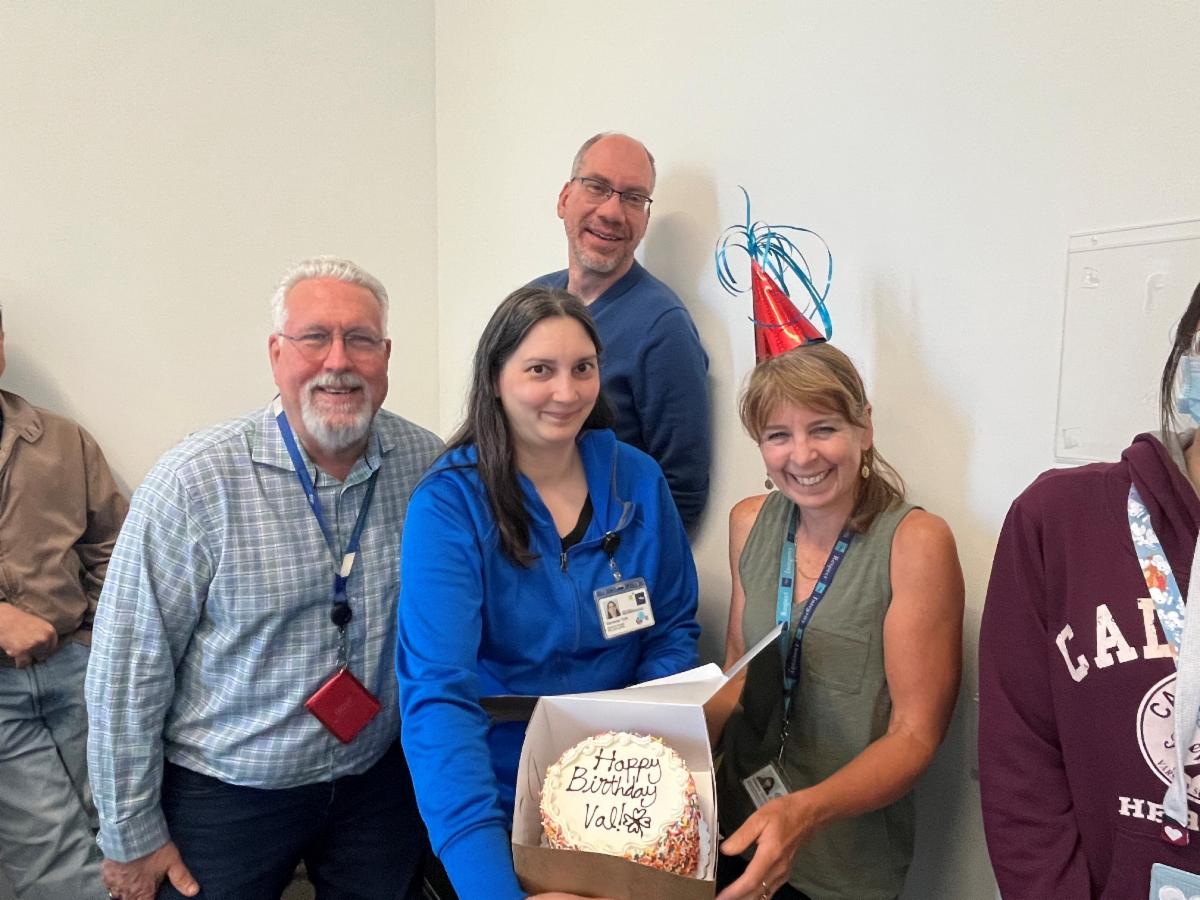
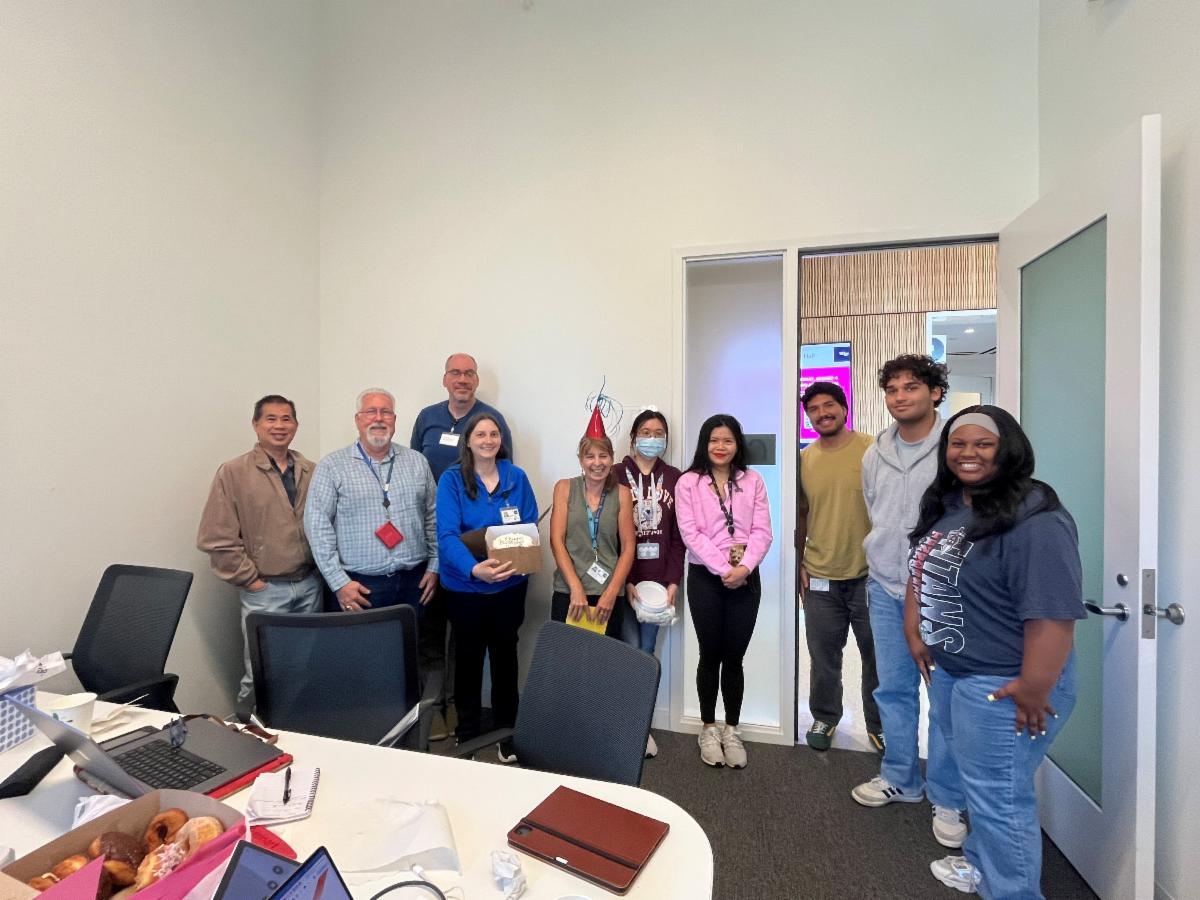
Happy Birthday, Val!
Henrich Lab and colleagues attended the CIDMI meeting in June to celebrate Val's birthday.
Wishing you a fantastic day and a year filled with success and happiness. Thank you for all your hard work and dedication to the team. 🥳
| | |
Thank you for joining us!
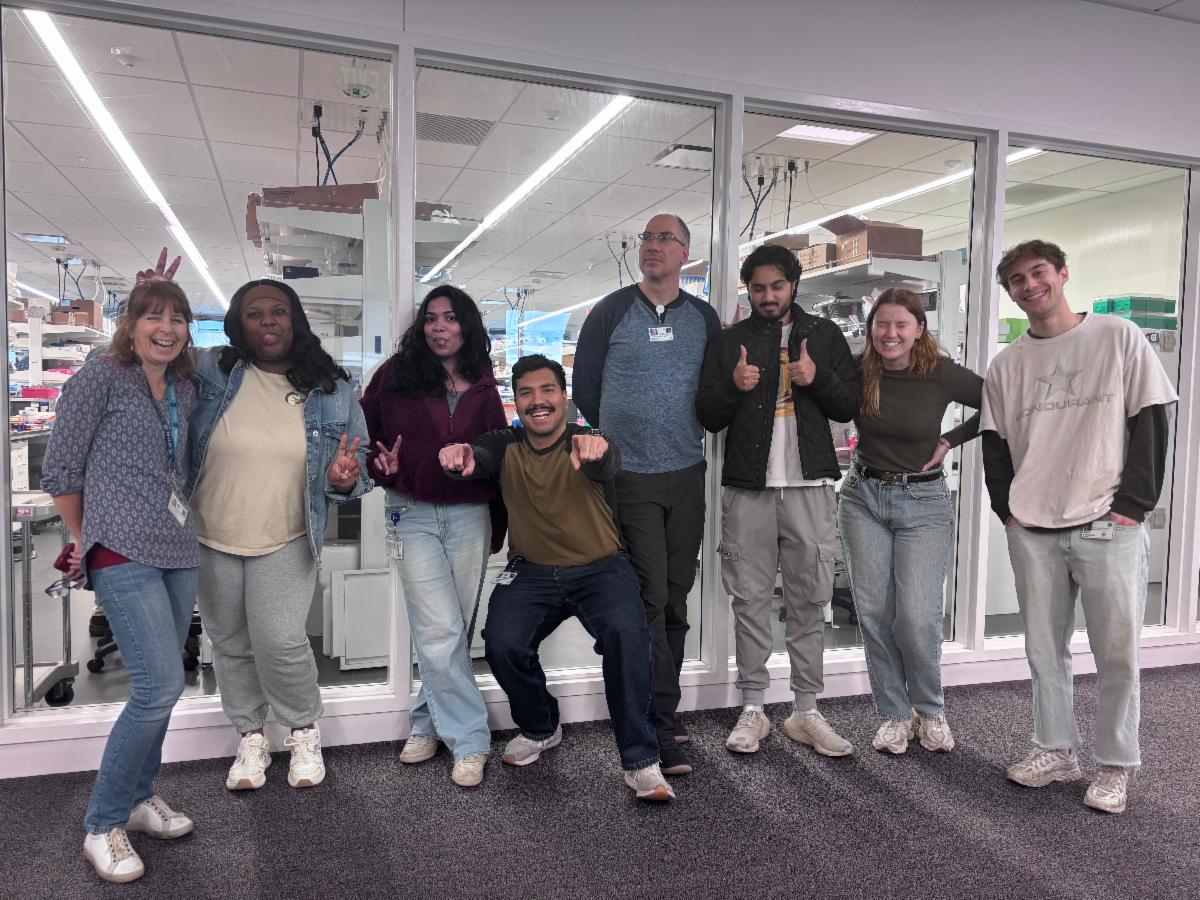
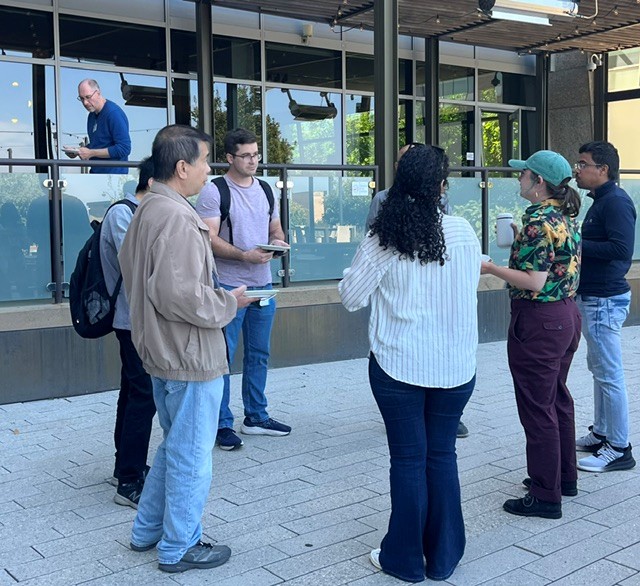
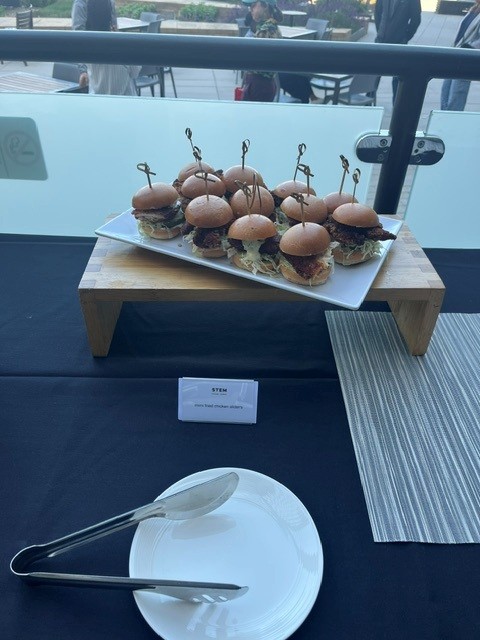
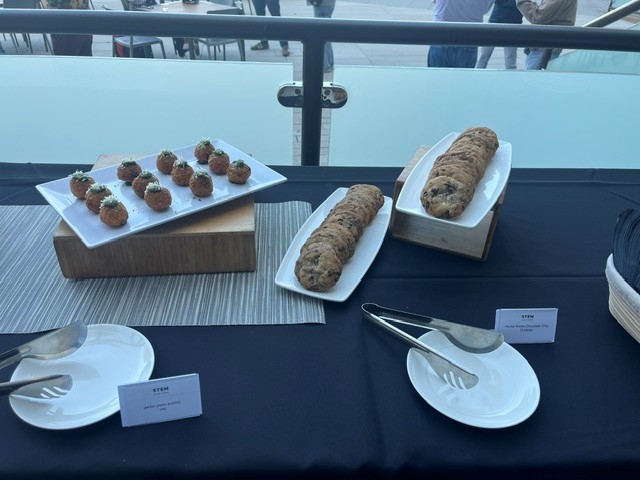
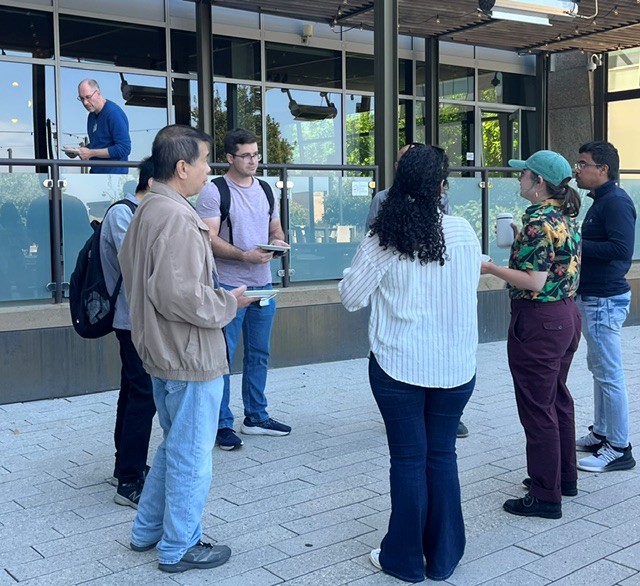
Thank you for coming over to Mission Bay to celebrate the 1st anniversary of Javid Lab’s move into the 499 Illinois space. It was a great way to end the day, with good food, time to connect with colleagues, and a tour of the space. We look forward to another summer gathering to connect.
Thank you to Rania and Caldwell for the tours!
| |
|
🍼The next chapter begins
Our DEM colleagues have been busy cooking up new roommates, aka future researchers!
Celeste Garza (Suliman Lab) is expecting a baby boy, and Julia Wagner (Rutishauser Lab) is expecting a baby girl this year.
Come join us for fun, laughs, food, and celebration for these two amazing ladies!
- Date: Friday, August 14, 2026
- Time: 12:00 pm to 1:30 pm
- Location: 3rd floor kitchen
Feel free to bring a dish to share for a beautiful potluck gathering to celebrate their next chapter!
| |
AIDS Walk San Francisco
We have two teams joining the SF AIDS Walk this year, the Center for TB/Together Against TB & Glad-Scientists. It’s the 40th anniversary of the walk this year, and it’s going to be a great community and fundraising event. It’s free to register as a walker, and there is no minimum fundraising requirement.
You can join Team UCSF CTB Together Against TB – 0380, and start fundraising by clicking here. You may also copy and paste the URL below into a web browser.
https://sf.aidswalk.net/Account/Register?teamID=226099
You can join Team Glad-Scientists – 0378. Please use google sign-up sheet to register. You can reach out to Alicer (alicer.andrew@gladstone.ucsf.edu) for any questions.
Note: You will need to finish setting up your account before you can begin fundraising. Please contact the AIDS Walk San Francisco office at 415.615.WALK if you have any questions.
| | |
QOL Committee
The Quality of Life Committee (QOL) hosts monthly gatherings.
📅 Stay tuned for the next one!
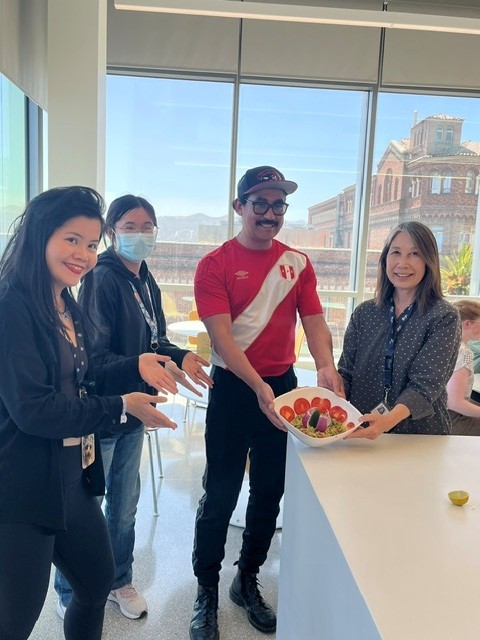
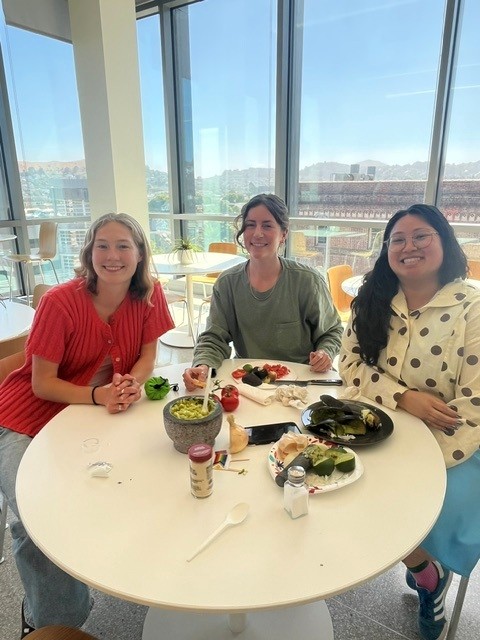
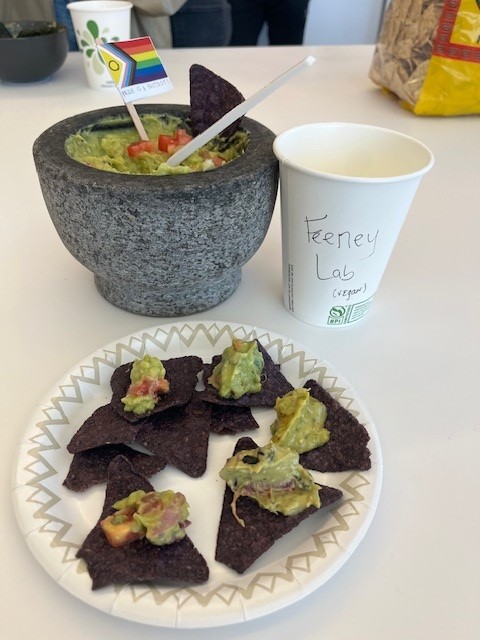
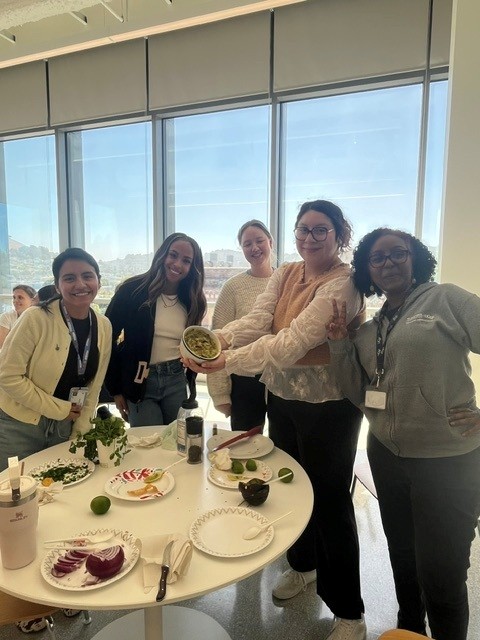
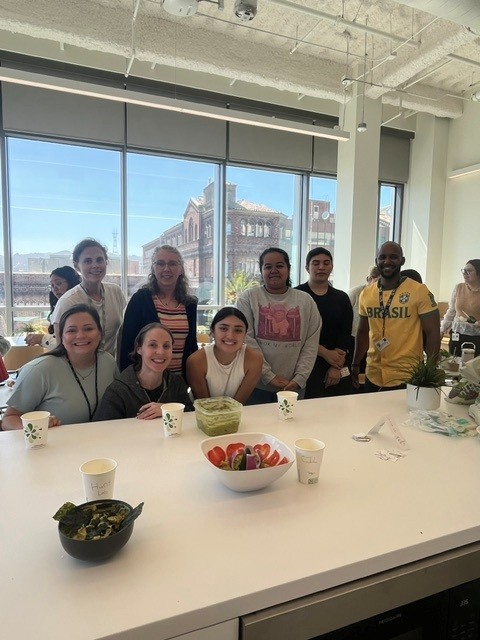
Check out photos from last month's DEM Guacamole 🥑 Contest.
If you have any questions or would like to join QoL, please contact the QOL Committee.
| | |
UCSF Division of Experimental Medicine | Website
| | | | |