America’s newsrooms don’t look like America. And it shows in their coverage.
In the aftermath of the killing of George Floyd and the social justice protests that ensued, newsrooms are assessing their flaws and reassessing their hiring, reporting and outreach.
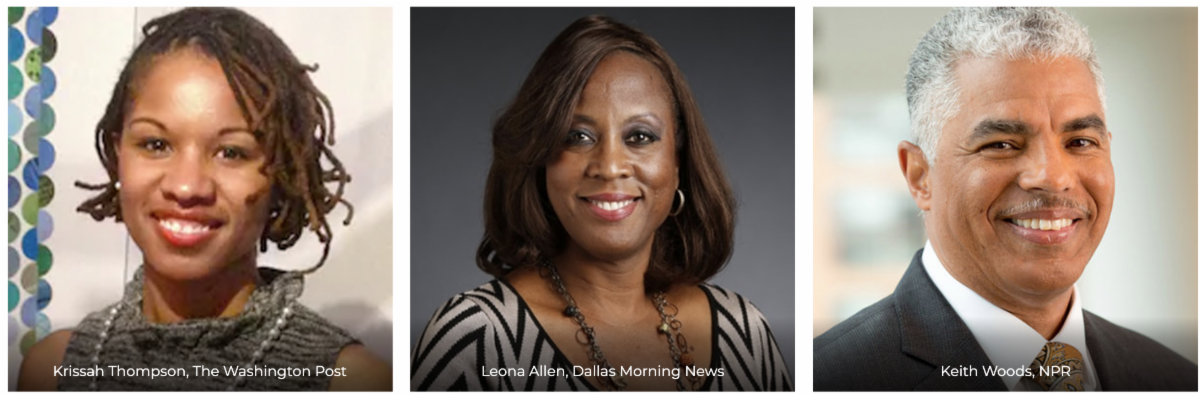
Some newsrooms are declaring their intentions by assigning senior leaders to focus on diversity, equity and inclusion. Last month, The Washington Post named Krissah Thompson as its first managing editor for diversity and inclusion; The Dallas Morning News appointed veteran editor Leona Allen to a new post of deputy publisher with similar responsibilities; and earlier this year NPR’s Keith Woods was promoted from vice president for newsroom training and diversity to Chief Diversity Officer.
We asked them how newsrooms can address hiring disparities, make short-term progress, and change entrenched cultures.
Diversity and Inclusion can mean different things in different newsrooms. What do you see your chief responsibilities to be?
Thompson: My responsibilities fall into three buckets: hiring and recruiting, shaping coverage, and enhancing newsroom culture and staff retention. I will take the first few weeks to build out plans and strategies to make our already great newsroom better in each of those areas. This is a new position at The Post, and I look forward to making a meaningful contribution.
Allen: I'm charged with leading bold and systemic changes at our company that puts diversity, equity and inclusion at the core of all we do. That includes hiring, training and promotion of employees, reaching diverse audiences with our content, and choosing the companies with whom we do business.
Woods: I’ve had to carve out specific parts of D&I work, because the universe is too big and it’s hard to get anything done if you’re trying to do it all. I’m responsible for driving our diversity strategy, serving as an in-house consultant to other leaders across the company, and with Member stations, and leading a share of the initiatives I help get started.
If you were/are coming into this role at this point of reckoning for newsrooms, what would the first month, three months and six months look like in terms of action steps you’d take?
Thompson: In the near term, I want to have as many calls and meetings with managers and staff as I can to start a dialogue, have input and then start to put together my thoughts on actionable plans. I want colleagues to know that I am available, and I’ll be working to play a critical role in creating a newsroom that is a model of diversity and inclusion for our industry.
I also plan to focus on retention, recruitment and training, and through that we should see an impact on diversity in our journalism.
Allen: In fact, I am coming into this role at this point. This week is my first as new deputy publisher. My approach will be to first listen and learn about what our employees feel are priorities for them. This is a moment of really tapping into employees' real experiences about diversity, equity and inclusion. We must establish baselines and benchmarks on where we are and where we want to go. I see the first six months as a period of establishing real goals and metrics (a scorecard, if you will) around hiring, training and development.
Woods: I’ve been in the role through several cycles of upheaval in newsrooms, though nothing quite like this one. I think it’s critical to listen deeply to the things people are saying about unequal power and structural impediments to inclusion and work to remove them. We had put some things in place – mentorships; employee resource groups; equitable hiring practices; a focus on content – that the moment is calling for. I think the biggest challenge for all of us, especially for those of us who have been in these positions longer, is to resist the urge to launch initiatives and instead seize the full opportunity for transformational change that this moment presents.
What steps might a newsroom without a dedicated leader in this area take to champion D&I culture change?
Thompson: I think many newsrooms have people on staff who are passionate about these issues, want to improve the culture of their workplaces and help diversify news coverage. Newsroom leaders should engage them, listen to them and give them the time, support and compensation to do the work of championing diversity and inclusion.
Allen: I've seen some really effective committees form that bubble up issues and concerns to newsroom leadership. They've been able to push training and development issues that transform the way their organizations do business.
Woods: Leaders need to step up – whether there’s a dedicated D&I person or not – and take responsibility for that change. They need to tap the wisdom and experience on their staffs to understand where the pain points are.