Faulkner County Agriculture Update

July 11, 2025


General Conditions

Weather


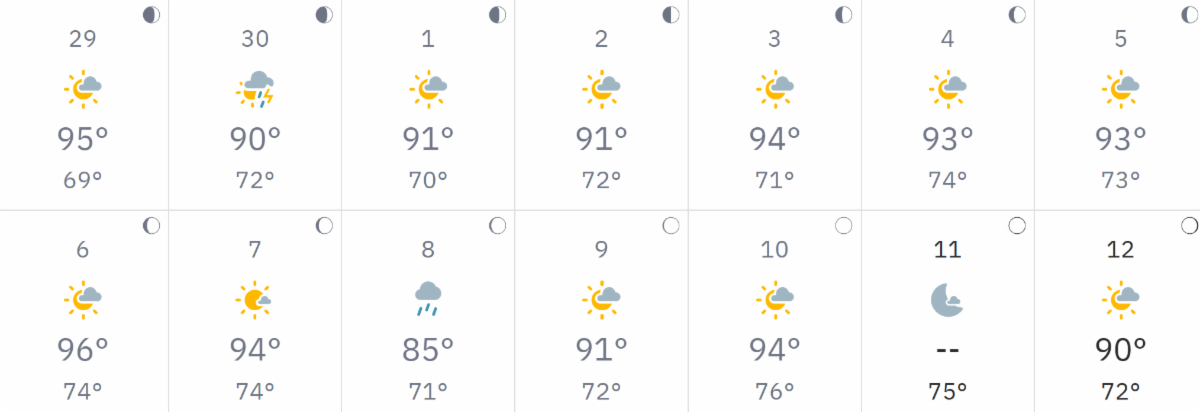
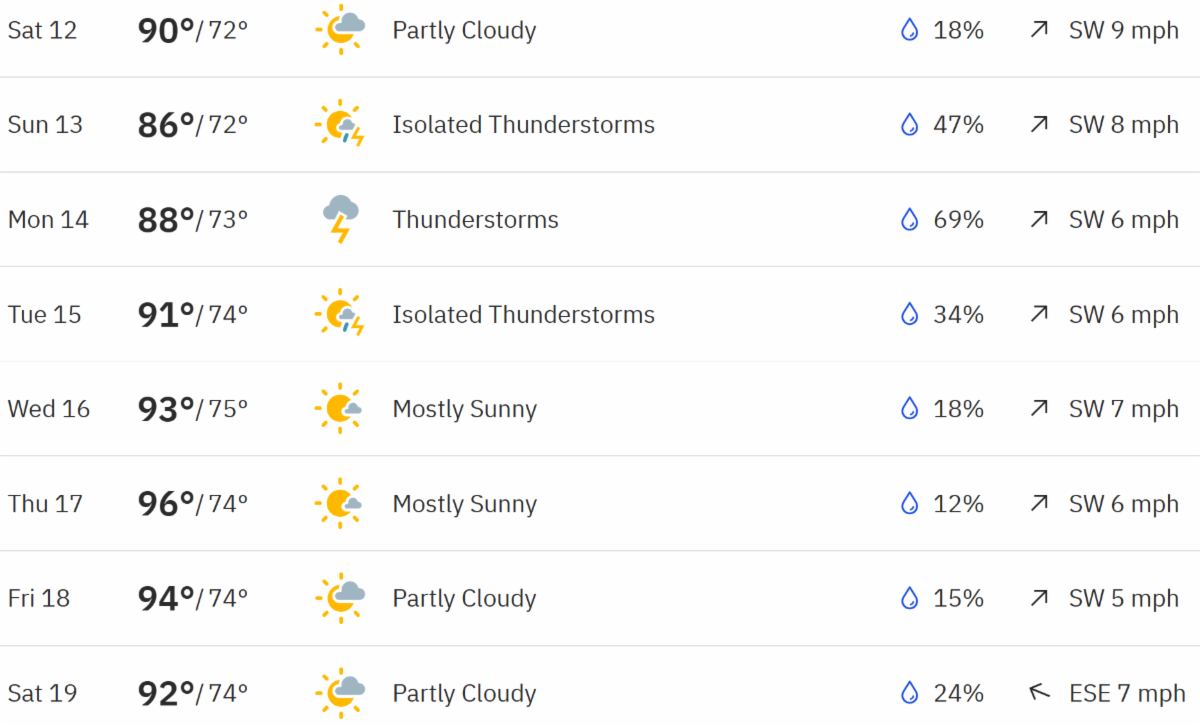
Rain has been spotty over the county. Some places are doing pretty good and some are starting to get pretty dry. An all over general rain between a half and an inch would be nice.

Arkansas and Mississippi River


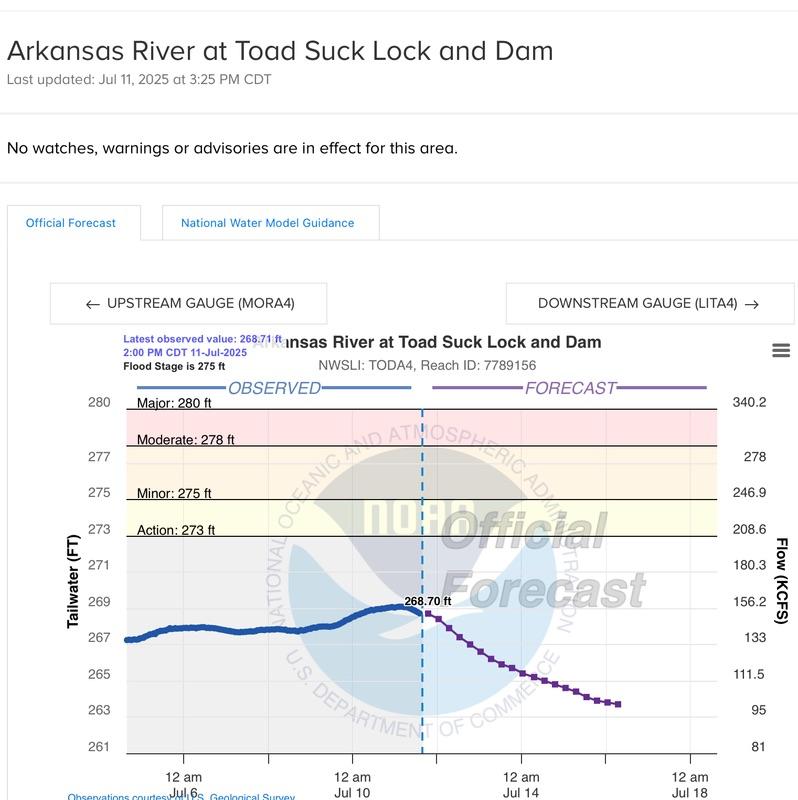
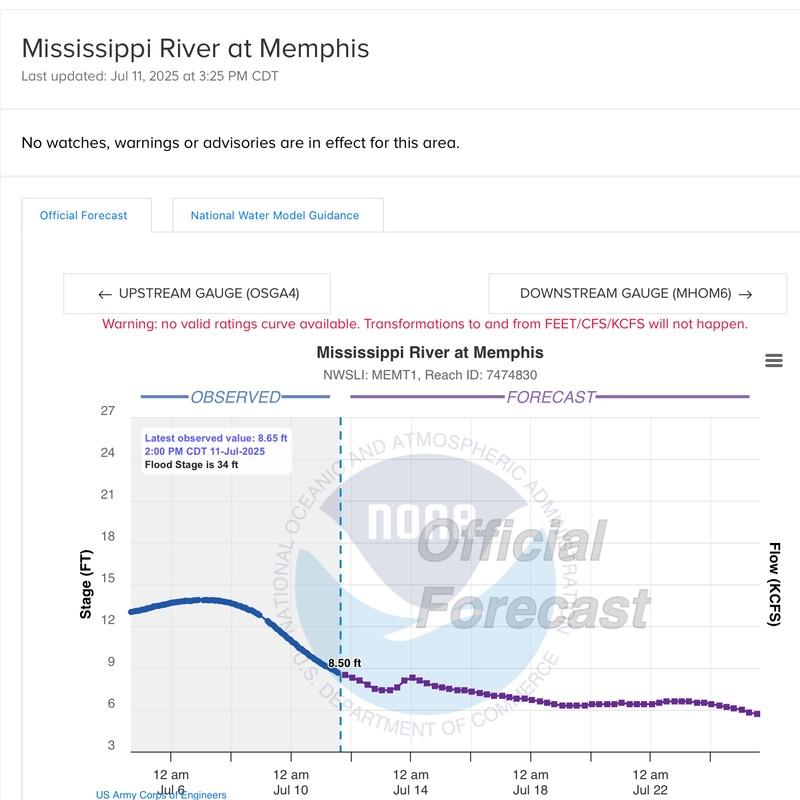
The river level is both confusing and frustrating. We need a break from the consistent high level. It is predicted to fall out the next few days. We still have water backed up into the Cadron and in fields around Lollie that need to be drained.

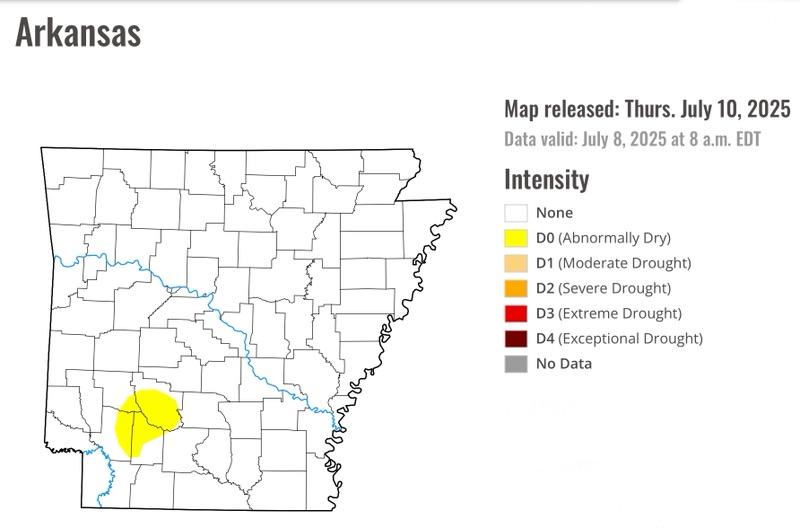
Drought Monitor

Row Crop

Scouting School and Row Crop Tour


We have set the date for our yearly row crop tour for July 31. This year we are going to start the tour off with a scouting school for soybeans and rice. We will be distributing sweep nets for participants. I should have an agenda in a couple of weeks. For right now make sure you mark the date!

Corn


Early planted corn has reached R5 and the starch line is moving. Fields at this stage that are non irrigated need just one good rain to finish out for the year.


For irrigated field, continue to run the pivots. With this heat we can't afford to get behind.


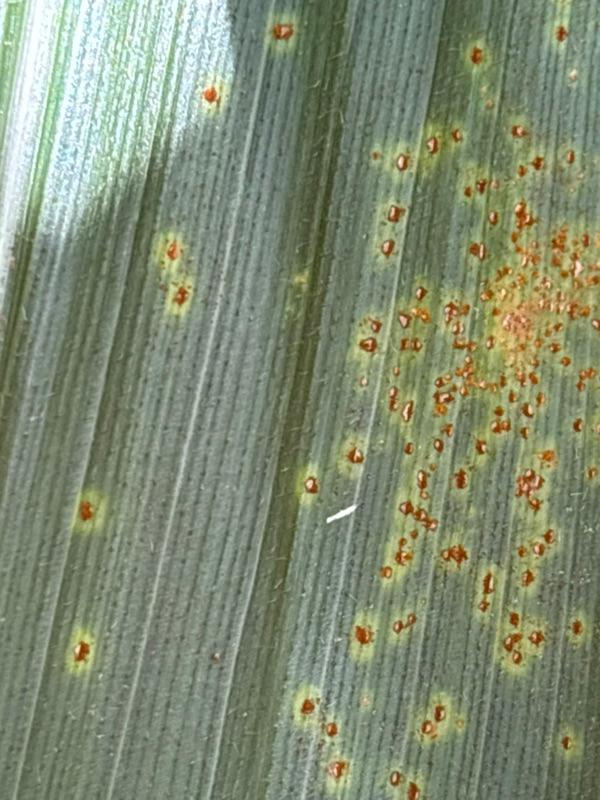
Southern rust is in the county. It seems to be moving some and I would really keep an eye on anything that was planted late. I rarely make a fungicide recommendation for corn, but this might be the year for one. 10.5 ounces of Quilt should do the trick.


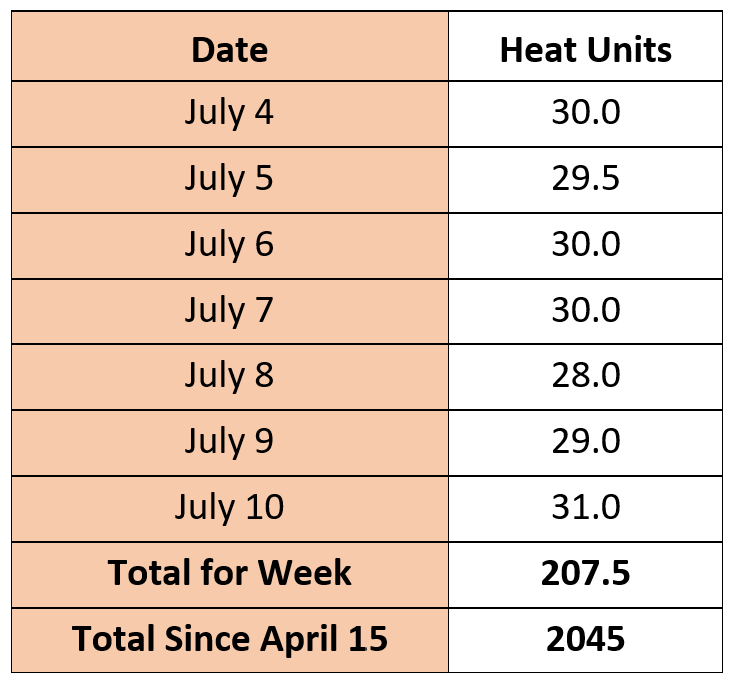
We accumulated 207.5 heat units this week for a total of 2045 for corn planted on April 15.

Rice


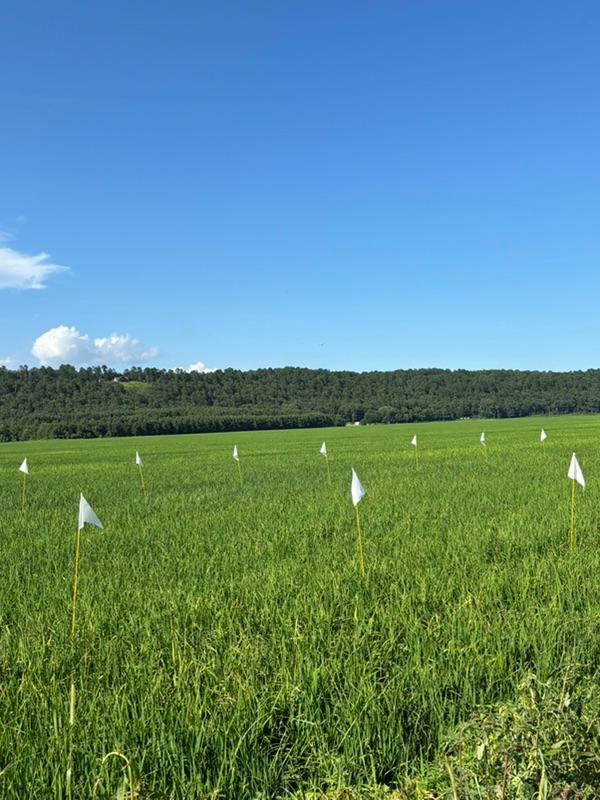
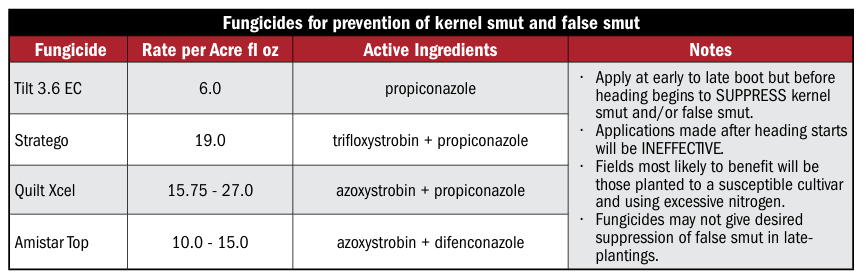
Rice is getting mid boot applications of fungicides right now for smuts. Sheath blight and blast aren't really showing up right now. I put in a demonstration this week with three timings of a propiconazole for kernel and false smut control.


A few fields are starting to head, so we need to start sweeping for rice stink bugs. There has been a change in our recommendation. We now recommend spraying at 10 per 10 sweeps, instead of 5 early followed by 10 later. Tenchu is the insecticide of choice for stink bugs, but this year there is another insecticide out there called Kruger. We don't have any data on it but it is formulated like Tenchu and is a little cheaper if you can find it.

Here is Dr. Jarrod Hardke's latest Arkansas Rice Update.

Soybeans


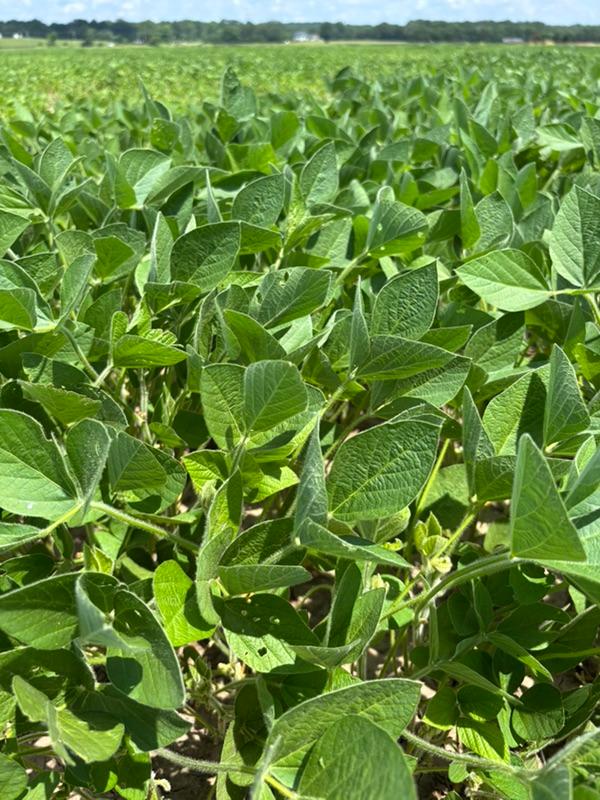
We are still working on getting soybeans planted in the county. We are just about there. We planted a soybean variety trial on July 3, so it should have some interesting data.


Insects continue to be light on soybeans. I am not picking up earworms or stinkbugs, but I will keep looking.

Rice Disease and Insect Training


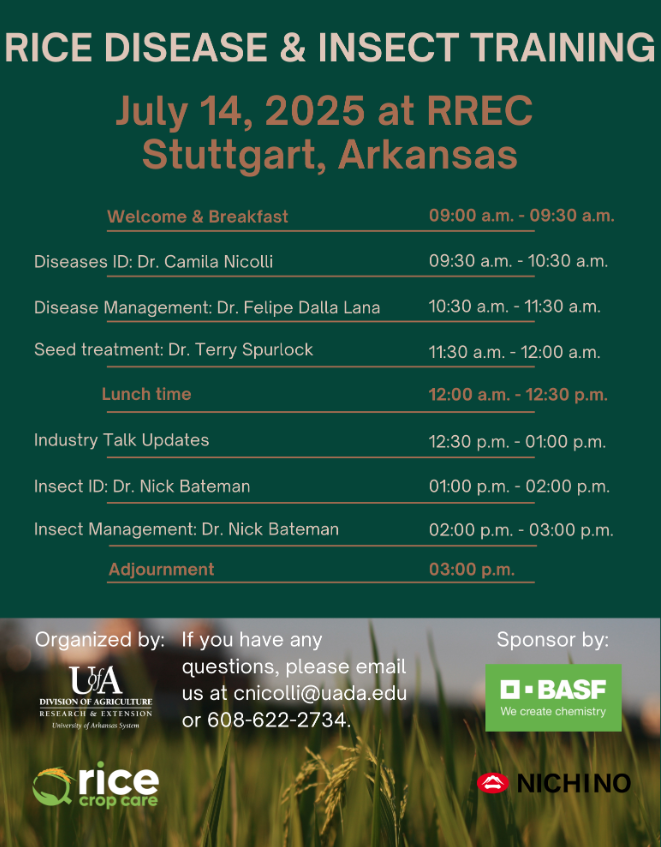
You're invited to attend the 2025 Rice Disease and Insect Training, which will be held at the Rice Research and Extension Center (RREC) in Stuttgart on July 14th, from 9:00 AM to 3:00 PM.


Please use the link below to register and indicate any dietary restrictions:

🔗 Registration Form

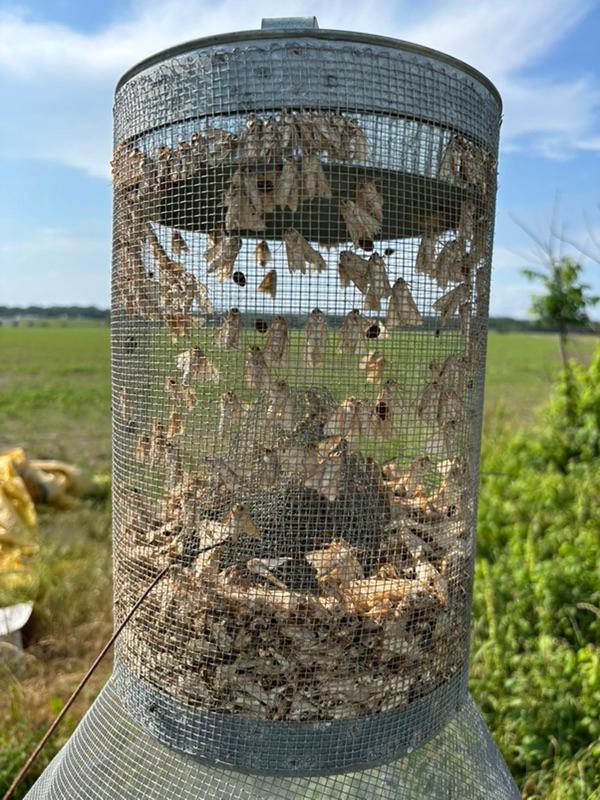
Corn Earworm Moth Traps


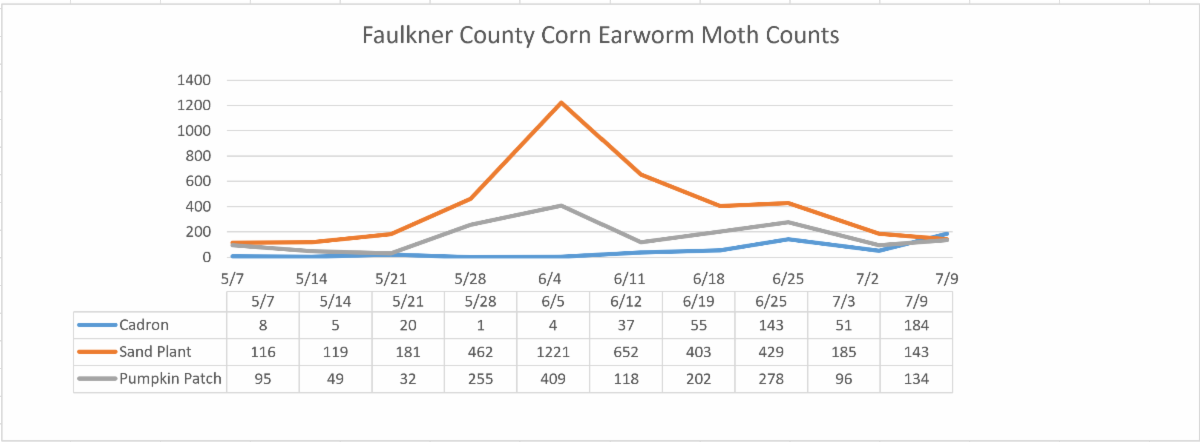
Traps are still staying above threshold. Continue to scout beans, especially ones that have pods.


Cadron - 184 moths

Sand Plant - 143 moths

Pumpkin Patch - 134 moths

USDA's June 30 Acreage Report: A Non-Event for Corn and Soybeans

Mr. Scott Stiles, Program Associate, Agricultural Economics and Agribusiness

Dr. Hunter Biram, Assistant Professor and Extension Agricultural Economist, Agricultural Economics and Agribusiness


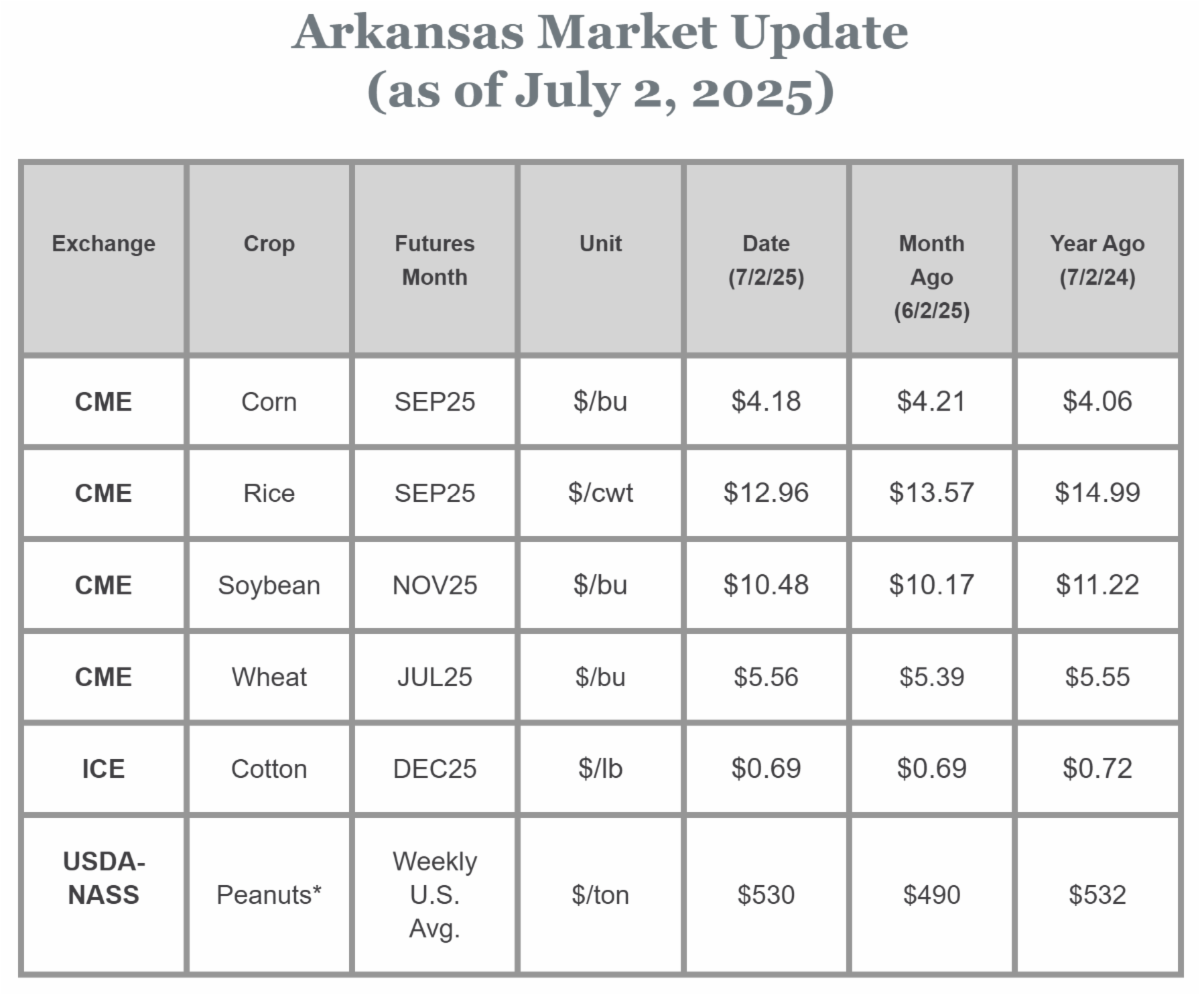
This was probably the most boring June 30th report day in recent memory. More commonly in recent years, we have seen a significant market shift after these numbers are released. This year we did not. Following last Monday’s Acreage and Grain Stocks reports, December corn futures closed 1 ½ cents lower and November soybeans closed 2 ¼ cents higher. A very quiet day. 


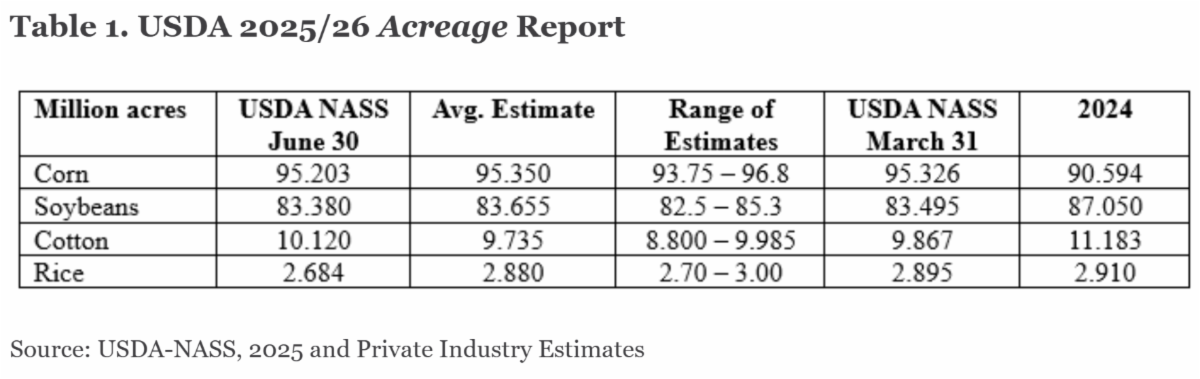
In the NASS Acreage survey, corn and soybeans both came in slightly less than the pre-report, industry estimates. The cotton acres were 385,000 higher than the average industry guess. Total rice acres were 196,000 below the average estimate (Table 1). 

The USDA generally incorporates the information from the June 30 Acreage into the upcoming July WASDE report. For corn, planted acres should fall by 123,000 to 95.203 million from 95.326 million in June. Harvested acres are also expected to be revised lower in July to 86.774 million acres compared to 87.4 in the June report. Assuming USDA maintains its’ current average yield estimate of 181 bushels per acre, new crop production could be lowered next month by 113.3 million bushels. Some or all of this reduction may be offset by adjustments to beginning stocks or demand. With no offsetting changes to production, ending stocks could land between 1.6 and 1.7 billion bushels for the 2025/26 new crop.


Like corn, there were no real surprises in the soybean acres either. The June Acreage estimate came in 115,000 acres below the March intentions, primarily on reductions in the Midsouth and Ohio Valley. Both areas saw considerable rain during the planting season. NASS conducted their June Acreage survey from May 30th and June 16th. At the time of the survey, 11.5 million acres of soybeans remained to be planted. This is below last year’s 12.8 million acres unplanted at the time of the survey.


For soybeans, every acre counts in 2025. The acreage revisions in Monday’s report again places emphasis on the importance of favorable weather and trend yields to keep U.S. ending stocks in a comfortable position. There is potential for the soybean market to rally on any adverse weather in July or the first half of August. Keep in mind the Midwestern crop was planted much earlier in 2025 than in previous years. The USDA is currently projecting a record 52.5-bushel yield for the 2025 crop. Likely, this yield estimate will remain unchanged in the July 11th WASDE report. On lower acres, the July production estimate should be revised 8.7 million bushels lower.


Turning to rice, it is a certainty that new crop production will be reduced again in July. With long-grain acres now 210,000 below the March intentions, that in turn should result in another significant monthly reduction in crop size similar to the 7.5 million cwt. cut seen in June. However, revisions to the old crop balance sheet could have significant implications for long-grain in the July WASDE. Monday’s Rice Stocks report revealed historically heavy supplies of old crop rice still held in both on-farm and commercial storage as of June 1. USDA may deem it necessary to revise old crop usage lower in the July WASDE. 


On the surprising increase in cotton acres, production could be increased by 350,000 bales in the July WASDE. This assumes no changes to the U.S. average yield of 820 pounds and roughly 17% abandonment. Without an increase in exports or mill use, new crop ending stocks could increase to 4.65 million bales and keep the outlook for 2025/26 average farm prices in the low 60 cent area.

Beef, Small Ruminants, & Forages

Forage Scout School


Perry and Faulkner County are presenting a scout school for hay and pastures at Toad Suck. The date for the scout school is Saturday July 26. We will have sweep nets for participants and we will show everyone how to use them and identify insects. We are looking to have it in the morning so everyone can get back to their hay fields that afternoon. I will have more information next week.

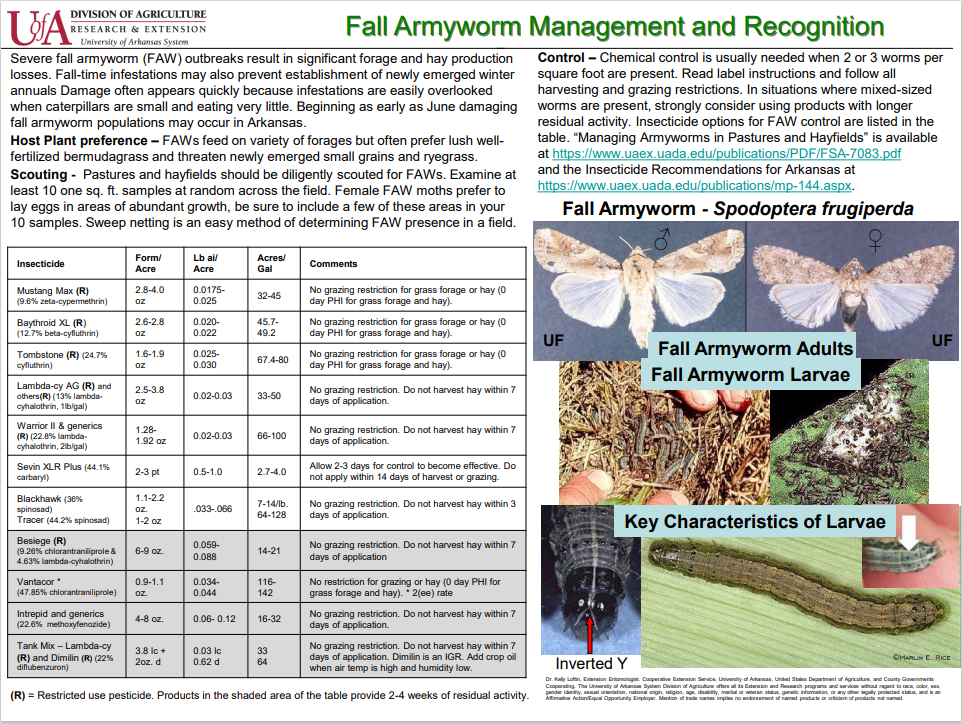
Armyworms


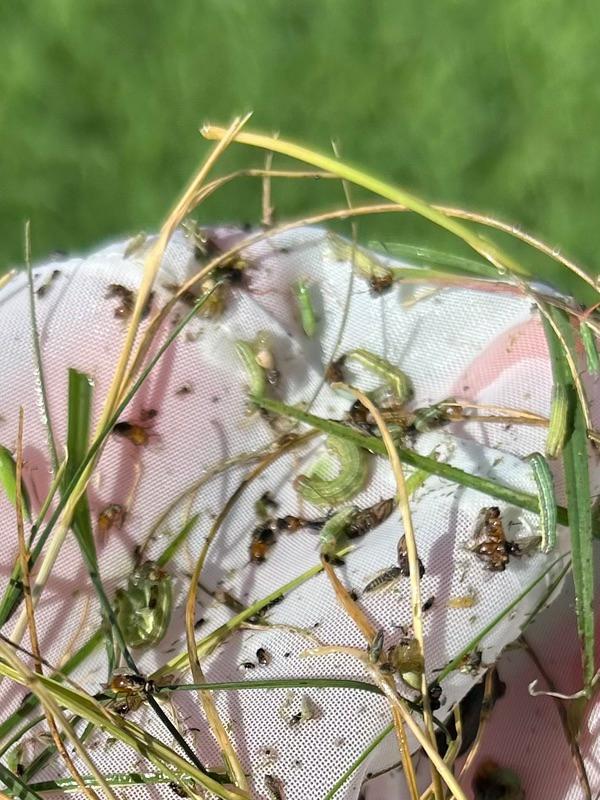
I am starting to hear armyworms being found in Yell and Conway County now. It seems like they are starting to be found all around us. I swept several fields this week and didn't find any yet, but I will keep sweeping.


If anyone finds any please let me know.

Bermudagrass Stem Maggot


If you aren't finding armyworms, be on the lookout for bermudagrass stem maggot. I am catching several flies and it looks like populations are building.


If you have a well fertilized bermudagrass hay field I would suggest looking at a lambda cy application 7-10 days after you cut the field.


I am working with a state specialist on a high nitrogen bermudagrass trial, and we saw lots of stem maggot damage this harvest. It seemed like the more nitrogen we had the more the damage. Be prepared to spray.

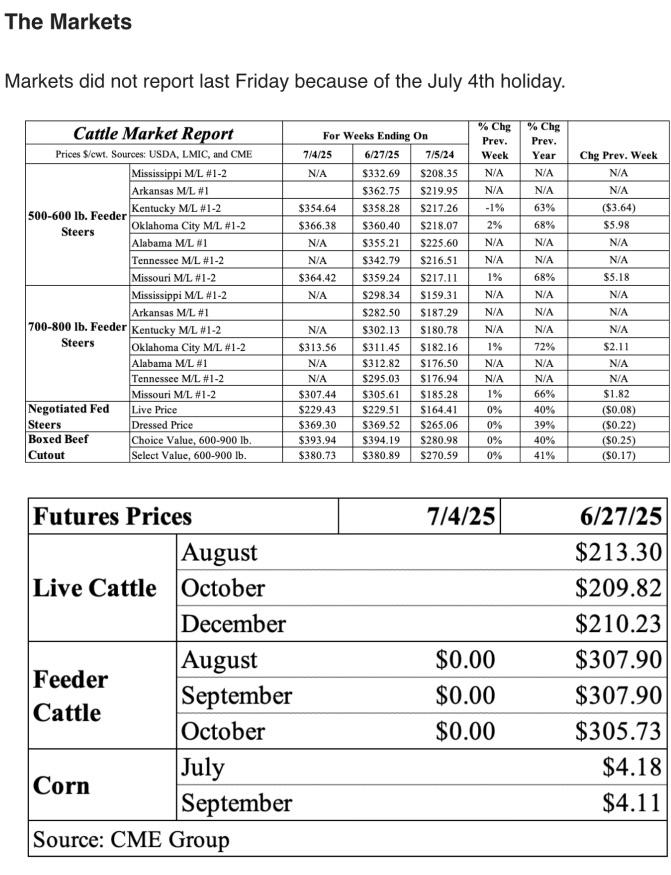
Livestock Market Report


The weekly livestock market report is available on the Arkansas Department of Agriculture website.

Sign up for Text Alerts


You can now sign up for text alerts from me throughout the year. I have two areas you can sign up for which includes Faulkner Livestock or Faulkner Ag (Row Crop Updates). To sign up you can follow one of these links or use the QR Codes below.

Faulkner Livestock


Use either the QR Code or this link:

https://slktxt.io/10lLe

Faulkner Ag (Faulkner Row Crops)


Use either the QR Code or this link:

https://slktxt.io/10lLc

Pursuant to 7 CFR § 15.3, the University of Arkansas System Division of Agriculture offers all its Extension and Research programs and services (including employment) without regard to race, color, sex, national origin, religion, age, disability, marital or veteran status, genetic information, sexual preference, pregnancy or any other legally protected status, and is an equal opportunity institution.

Contact Kevin Lawson, County Extension Agent–Agriculture, Faulkner County | Kevin Lawson