NICOA Receives $4 Million Donation |
The National Indian Council on Aging (NICOA), a nonprofit organization dedicated to the needs of aging American Indian and Alaska Native elders, has received a generous gift of $4 million from MacKenzie Scott, an American novelist and philanthropist. Scott, who has a net worth of more than $55 billion, has become known for her surprise multibillion-dollar donations to charities. The donation is part of the more than $3.8 billion she donated this week to 465 organizations.
The list of recipients includes many nonprofit organizations, though Scott said she’s particularly focused on supporting groups who are helping to uplift “those whose voices have been underrepresented.” Her donation will help NICOA continue to advocate for improved comprehensive health, social services and economic well-being for Native elders.
“The gift is a recognition of the work NICOA does in addressing the health, social and economic disparities experienced by American Indian and Alaskan Native elders,” said NICOA Executive Director Larry Curley. “The gift will enable NICOA to dream even bigger in the development of creative, innovative and responsive programs that create change.”
|
|
|
|
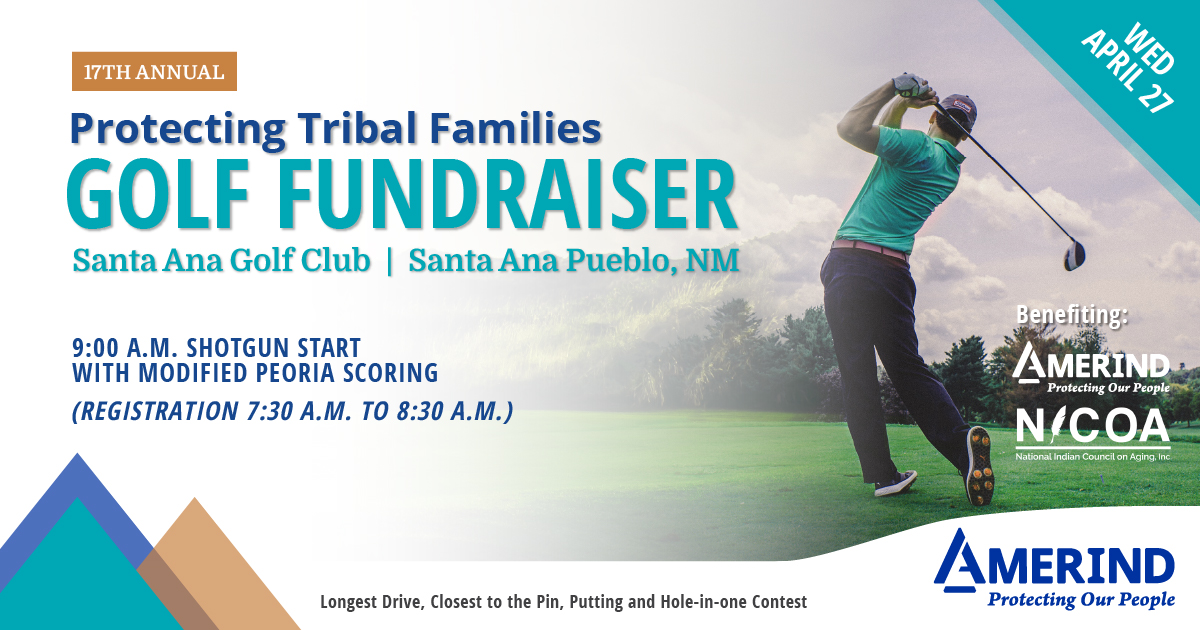
Don’t Miss Our Protecting Tribal Families Golf Fundraiser |
“This is an opportunity for people to exercise and meet other individuals who have a driving passion to support American Indian and Alaska Native elders,” said Larry Curley, executive director of NICOA. “NICOA is the only Native American organization who advocates and educates on the needs of our elders. These elders are living encyclopedias on the history, culture and language of Indian people. This tournament allows NICOA to continue to ensure the continued existence of Indian tribes in this country.”
If you can’t play, please consider donating an item for the raffle. This fundraiser will benefit AMERIND’s Protecting Tribal Families Fund as well as NICOA.
NICOA is proud to be a beneficiary in this event. This fundraising event has raised more than $100,000 for tribal families in Indian Country. Everyone is invited to participate. Check-in start time is 7:30 a.m. MST and event start time is 9 a.m. MST.
As part of our agreement to do our part in helping to raise money and defray costs we are also seeking sponsors. If your organization would like to support us by sponsoring our golf fundraiser, please click here to review the sponsorship benefit levels. We also welcome in-kind sponsorships such as gift cards and raffle items. Your contribution will not only benefit NICOA but will provide you with additional exposure through AMERIND’s direct network of tribal professionals throughout Indian Country. |
|
|
|
Share Your Story With Us For A Chance To Win |
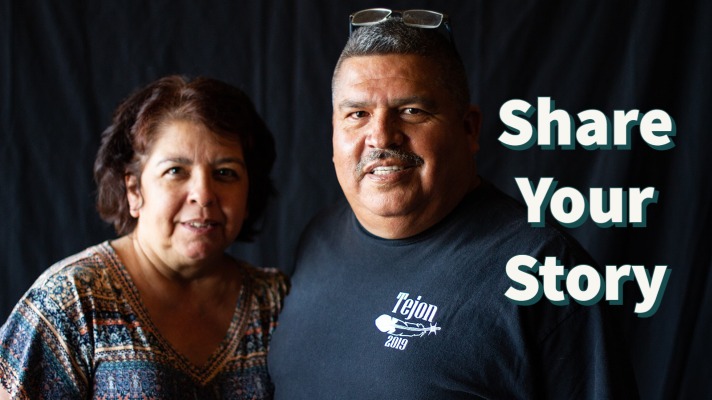
You have a powerful story to share. The National Indian Council on Aging is looking for American Indian and Alaska Native elders to speak about the experiences that have made them who they are today. This is an opportunity for you to share your story in your own words — not other people’s story about you, but your story about you!
If you choose to write: There is no required length or limit to your story — it can be as short or long as you want it to be. You may choose to dedicate your story to someone who has inspired you or touched your life or choose to write about yourself, your family, your culture, tribe, upbringing, etc. If you’re not sure where to begin, visit our website to find questions to use to start your story. |
|
|
|
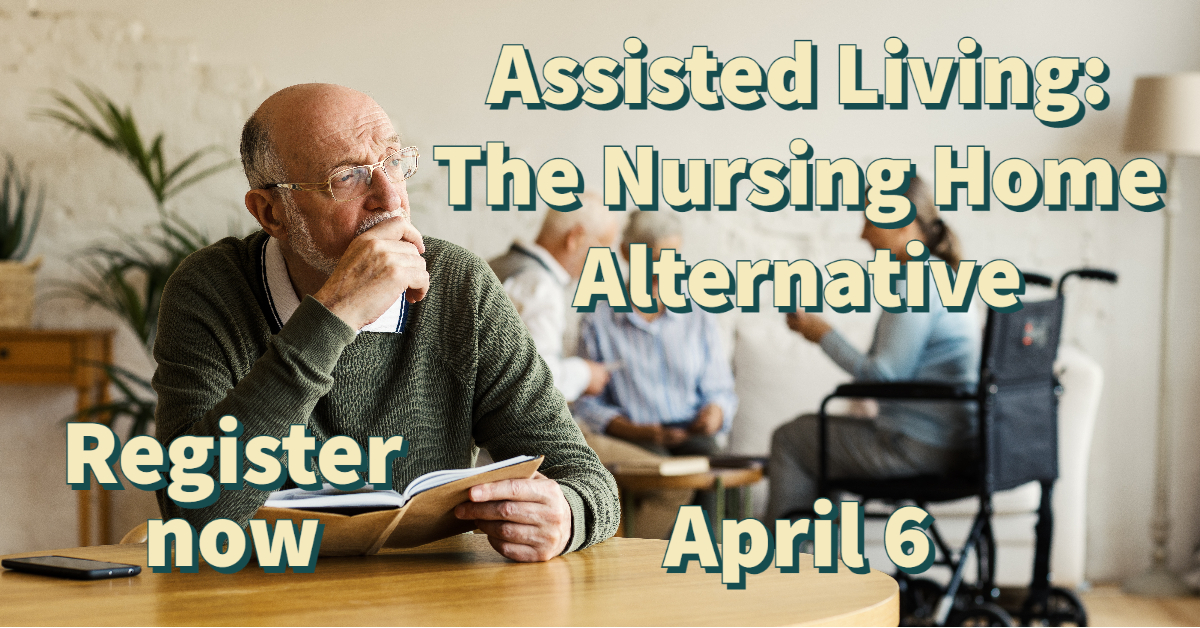
Register for Assisted Living: The Nursing Home Alternative – April 6 |
For years nursing homes have often been seen as a distasteful living arrangement for loved ones, especially elders. They were far too regimented, based on a medical model of care and offered very little privacy, dignity or opportunity for residents to thrive.
In response, creative minds during the 1980’s and 1990’s brought forth a paradigm shift; a new concept of living and of service to elders. This new approach focused on a residential model with freedom to manage one’s own affairs, medications and personal schedule.
The goal was to be like a home not an institution and counter the plagues of nursing home confinement: Loneliness, Helplessness, Boredom. A new concept was born — “Assisted Living.”
In this webinar you’ll learn about the components and services that make up assisted living, as well as its history and evolution. Discover the different levels of assisted living, how to qualify, and what it takes to develop and operate an assisted living facility. Don’t miss the National Indian Council on Aging’s “ Assisted Living: The Nursing Home Alternative” webinar at 11 a.m. MST on April 6. |
|
|
|
Membership Available Online |
|
Membership with NICOA offers many valuable benefits. As a paid member you will receive NICOA’s online bimonthly newsletter, legislative updates on important issues and resolutions affecting elders, voting privileges for qualified members and discounted registration fees for qualified members to attend our biennial conferences.
Be an important part of a national membership network and become a NICOA member by applying online or by mail. |
|
|
|
Indigi-Genius is devoted to telling the scientific and cultural impact of Indigenous creations and knowledge of the past and present. Written and hosted by Dr. Lee Francis, pueblo and self-described Indigi-Nerd, and funded in part by VisionMaker Media. The series covers a range of global Indigenous topics and breaks down the science, culture, history, and “Indigi-Genius” knowledge. |
|
|
|
ACL/NICOA Virtual Trainings | Tuesdays – April 19, 2022 |
Every Tuesday at 2 p.m. ET from now until April 19, 2022, the Centers for Medicare and Medicaid Services (CMS) will be hosting a virtual series in collaboration with the Administration for Community Living (ACL) and NICOA. This series will detail outreach and education on ACL and NICOA programs for tribal health care facility business staff and tribal patient benefit advocates. This webinar will also include education on understanding third party billing, reimbursement and benefits accessible to tribal health care facilities and beneficiaries.
Other subjects discussed will be CMS Tribal Affairs Updates, Clinical Documentation Improvement, Revenue Cycle Overview, State-Administered Programs, Home and Community Based Services, Medicare, Medicaid, CHIP and the Health Insurance Marketplace. The target audience for the webinar series are Benefits Coordinators, Patient Registration staff, Health Information Management staff, Purchased/Referred Care Staff, Long-Term Services and Supports Coordinators and NICOA members.
Today: Financial Education Tools
April 5: Forming Partnerships and Cooperation in Indian Country
April 12: Technology and our Elders
April 19: Challenges Facing American Indian and Alaska Native LGBT Elders
|
|
|
|
Webinar Series from CMS and NIHB for Tribal Leaders | Thursdays – April 21, 2022 |
It is more important than ever for tribal leaders to engage and learn from federal agencies and tribal organizations that impact the health of their people. These webinars will highlight the over 10 years of experience CMS and NIHB staff have in providing trainings to administrative staff at tribal health care facilities on the programs and benefits available through Medicare, Medicaid, CHIP, and the Health Insurance Marketplace.
Webinar topics will provide an overview of business staff needs and provide information to tribal leaders on a variety of related issues. The target audience for the webinar series are Tribal Leaders, Tribal Health Directors, Tribal Administrators, Tribal Council Members, Healthcare Administrators, Advocates and Partners.
|
|
|
|
Tribes Reach $590 Million Opioid Settlement |
Hundreds of American Indian tribes that have suffered disproportionately high addiction and death rates during the opioid epidemic agreed to a tentative settlement of $590 million with Johnson & Johnson and the country’s three largest drug distributors, according to the New York Times. Together with a deal struck last fall between the distributors and the Cherokee Nation for $75 million, the tribes will be paid a total of $665 million. Purdue Pharma has already committed at least tens of millions more to the tribes in a settlement that is in mediation.
Roughly 15 percent of the total will go toward legal fees and other litigation costs, but the bulk will be directed to addiction treatment and prevention programs, to be overseen by tribal health care experts. Johnson & Johnson will pay the tribes its $150 million portion over two years, starting as soon as the deal is finalized; the distributors — AmerisourceBergen, Cardinal Health and McKesson — will pay $440 million over six and a half years. By contrast, the drug manufacturer will pay thousands of local governments and states $5 billion over nine years, with the distributors paying $21 billion over 18 years.
|
|
|
|
Cultural Awareness: Indigenous Peoples & Dementia |
Experiences of dementia and aging are grounded in Indigenous knowledge and culture, often resulting in memory loss being considered part of the natural lifecycle. That, and other barriers have made the work of Dr. Blythe Winchester, the Director for Geriatrics Services at Cherokee Indian Hospital & Chief Clinical Consultant in Geriatrics & Palliative Care with Indian Health Services, that much more important and impactful.
She helps us untangle the alarming rate at which Indigenous peoples are projected to develop cognitive decline over the next 40 years and what efforts are being made to care for, support, and educate rural communities about this disease. While there are no specific words for “dementia” in Indigenous languages, her passion for this community helps bring the reality of this disease to light and connects people with the resources they need.
|
|
|
|
2022 Alzheimer's Disease Facts and Figures Report |
The Alzheimer’s Association recently released its 2022 Alzheimer's Disease Facts and Figures report providing an in-depth look at the latest statistics on Alzheimer’s disease.
An estimated 6.5 million Americans 65 and older are living with Alzheimer's dementia in 2022. In addition, more than 11 million caregivers of people with Alzheimer’s disease or other dementias.
This year, the report looked at the public’s and primary care physicians’ (PCP) understanding of Mild Cognitive Impairment (MCI) and MCI due to Alzheimer’s disease, which is an early stage of memory loss or other cognitive ability loss such as language or visual perception.
More than 4 in 5 Americans know little or are not familiar with MCI, including Native Americans. Seventy-five percent of PCPs say they are on the front lines of providing care for patients with MCI. However, just two-thirds feel comfortable answering patient questions related to MCI and/or discussing how MCI may be related to Alzheimer’s disease.
“Mild cognitive impairment is often confused with ‘normal aging,’ but is not part of the typical aging process,” said Maria Carrillo, Ph.D., chief science officer, Alzheimer’s Association. “Distinguishing between cognitive issues resulting from normal aging, those associated with MCI and those related to MCI due to Alzheimer’s disease is critical in helping individuals, their families and physicians prepare for future treatment and care.”
The Alzheimer’s Association invites NICOA members to learn more about the report, by visiting alz.org/facts. |
|
|
|
The Obesity and Equity Aging Roundtable |
For millions of U.S. adults aged 60 years and older, obesity is a major barrier to aging well. Almost 43 percent of this population has obesity (body mass index [BMI] ≥30 kg/m2), compared to about 24 percent three decades ago. Obesity is a chronic disease linked to more than 200 serious health conditions and is the second-strongest predictor (after age) of COVID-19 related complications, hospitalizations, and death. For elders, obesity also negatively impacts quality of life; can increase risk of falls, mental health conditions, and nursing home admission; and results in higher health care spending.
In October 2021, the National Council on Aging convened a roundtable discussion on obesity and equitable aging. The participants — referred to as the Obesity and Equitable Aging Group — came from 12 organizations that represent diverse groups of elders. They discussed challenges that impede elders from accessing the full range of obesity prevention and treatment options.
This commentary reports themes that emerged from the roundtable and presents 10 solutions, which include policy recommendations, that the group proposes to improve obesity prevention and care and promote equitable aging for all elders in America.
|
|
|
|
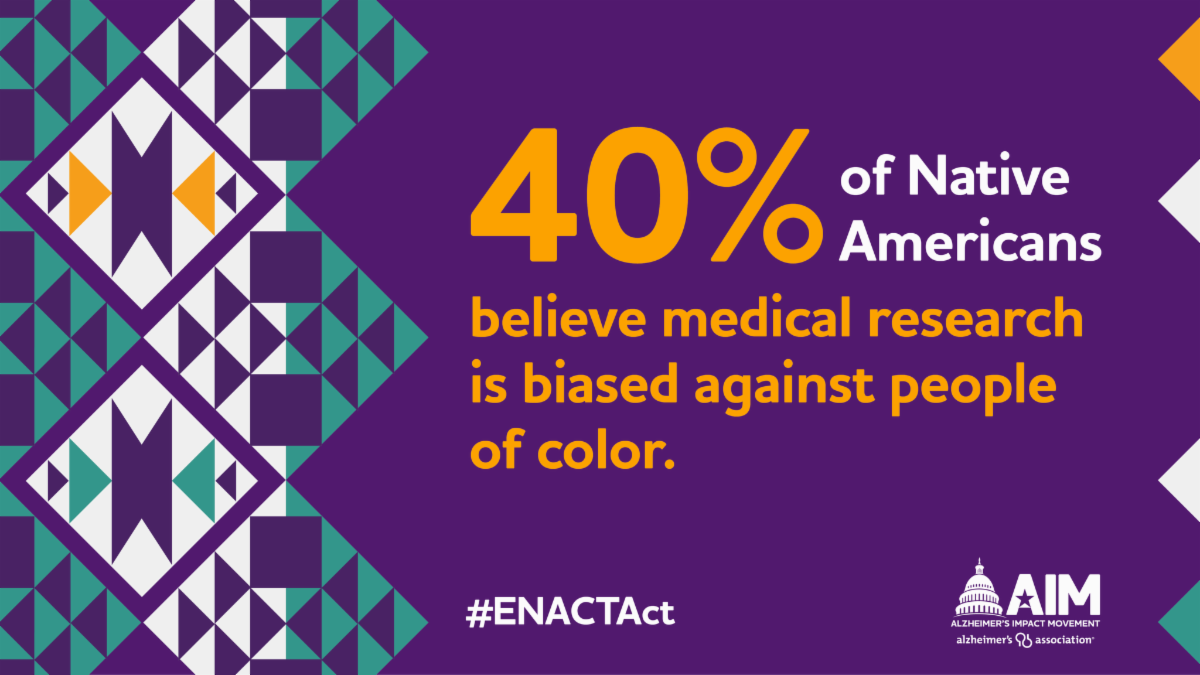
Alzheimer’s and other dementia disproportionately affect elder American Indians, and older Black and Hispanic Americans compared to older Whites. Yet much of the Alzheimer’s research to date has not been representative of the U.S. population, hindering research and restricting knowledge of this disease. As a nation, we can do better.
The Equity in Neuroscience and Alzheimer’s Clinical Trials (ENACT) Act (H.R. 3085/S. 1548) would increase the participation of underrepresented populations, specifically Blacks, Hispanics, Asian Americans/Pacific Islanders, and Native Americans, in Alzheimer’s and other dementia clinical trials.
The ENACT Act would expand the number of Alzheimer's Disease Research Centers in areas with higher concentrations of underrepresented populations; increase outreach and awareness of clinical trial opportunities to underrepresented communities and primary care physicians; enhance the diversity of staff conducting clinical trials; provide incentives for locating Alzheimer’s clinical trial sites in areas with high concentrations of underrepresented populations; encourage community-based engagement strategies to increase clinical trial participation.
|
|
|
|
|
|
The National Indian Council on Aging, Inc. (NICOA) is a not-for-profit 501 (c)(3) charitable organization. Please consider adding NICOA to the charities you support.
NICOA needs your financial support as the advocacy and political work we do for our elders is not free. Grants that have helped fund NICOA are under threat in Washington, D.C., but you can help.
Your financial support will go directly to support our mission to improve health, social services and economic wellbeing for all American Indian and Alaska Native elders. Donations are tax deductible.
|
|
|
The National Indian Council on Aging | 8500 Menaul Blvd. NE, Suite B-470, Albuquerque, NM 87112 | 505-292-2001 | www.nicoa.org
|
|
|
|
|
|
|