New Laws and Policy Changes Impacting Schools in 2026 | | |
Several new California laws will take effect in 2026. These changes could alter school operations and protocols.
Cellphone Use in Schools
By July 1, 2026, school districts, county offices of education, and charter schools must adopt policies that limit student cellphone use during school hours. The law, known as the Phone-Free School Act, aims to reduce classroom distractions, bullying, and concerns related to excessive smartphone use.
Gender-Neutral Restrooms
Beginning July 1, 2026, each California K–12 public school site is required to provide and maintain at least one all-gender restroom for student use pursuant to SB 760. Schools that have only one boys’ restroom and one girls’ restroom may be exempt. The designated restroom must be clearly identified with appropriate signage and kept unlocked, and accessible to students during school hours and school functions.
School Protocols Related to Immigration Enforcement
New laws establish clear procedures for how schools respond to immigration enforcement activity. School staff may not allow immigration officers on campus or share student or family information without a warrant or court order. Districts are also required to develop procedures to notify staff and families when immigration officers are present on campus and to update school safety plans accordingly.
Expanded Access to CSU Admission
High school students will see expanded access to the California State University system through a new direct admission program. Eligible students who meet course and GPA requirements may receive direct admission notifications from participating CSU campuses. The legislation also promotes a dual-admission transfer pathway for community college students, guaranteeing CSU admission for students who qualify.
These changes may result in policy or procedural changes on campuses across California.
| | |
Surviving the Year Teaching Floral Design in a Portable Classroom
By Sara Araujo, Floral Design Teacher, Santa Maria High School
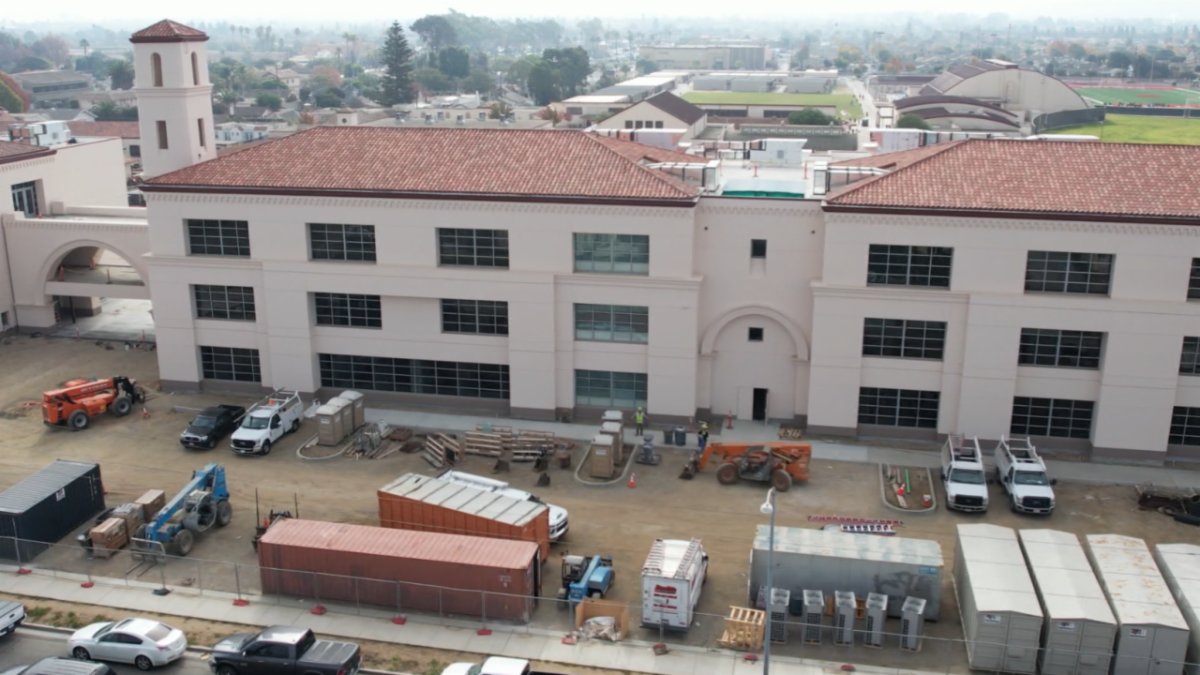
| | They told us we had to move out of our classroom and into a portable by the end of the school year because the ag department was the next section of modernization on our campus. Moving out of our classrooms also meant moving out of our “floral shop,” which had a 10 x 20 walk-in cooler, tall tables, and plenty of room to make a mess. My first thought was, “How are we going to do everything?” I already had three wedding inquiries for that summer and fall, and we likely had 125 Flower of the Month subscriptions to fill in the new school year. How were we supposed to do all of that without our floral cooler? To say I was in a panic was an understatement. With construction moving quickly across campus, there was no certainty about when we would be back in our space. Meanwhile, people were asking how we would make it work and were eager to sign up for monthly flower subscriptions—my anxiety was through the roof. I had to pass on participating in different events and worried about how we would maintain nine sections of floral design without a floral cooler. | | Fast forward to August, when the district asked us to host a floral workshop during the district professional development day. Without a proper place to store flowers, we pivoted to Plan B— something I was starting to think might become my theme for the year. Then, five days before school started, Christmas arrived early in the form of a retrofitted shipping container that would become our new floral cooler. It was not as large as our walk-in, and it was definitely not something you could simply walk into. It sat about three inches off the ground, which became obstacle number one. Obstacle number two was the floor. Instead of being solid, it was slatted, and the gaps were wider than the wheels on nearly all the carts we used inside the cooler. Still, I reminded myself to be grateful…we had a floral cooler. | | Ed Source: Rethinking Screen Time in California Classrooms | | |
Over the past two decades, educational technology has fundamentally reshaped teaching and learning. Digital tools have transformed instructional delivery, assessment, intervention and access to resources for students with diverse needs. As an educator who has taught at the elementary, middle and high school levels, I recognize the powerful benefits technology can offer classrooms.
However, there is an emerging imbalance in today’s classrooms that deserves closer attention.
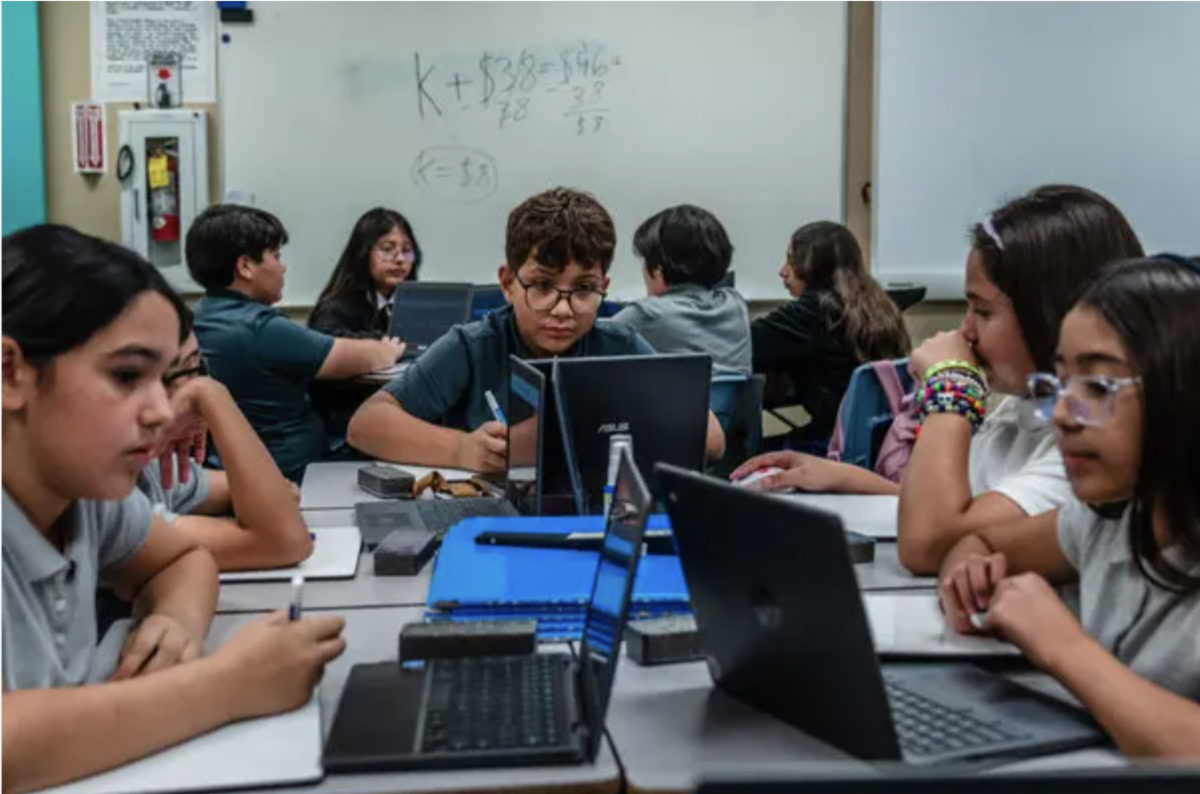
In my current roles as superintendent of a small rural district and a board member of a large district serving nearly 20,000 students, I regularly visit classrooms and speak with educators and students. One reality is unmistakable: Students are spending a significant portion of their school day on screens.
| |
Since the pandemic, classroom technology use has accelerated dramatically. I vividly recall in 2020 helping my 5-year-old son learn to navigate a Chromebook when kindergarten went virtual, an experience that felt developmentally premature. Today, it is extremely common to see transitional kindergarten and kindergarten students wearing headphones and working independently on devices, or high school students logging into learning management systems to complete digital modules with minimal face-to-face interaction. Whether viewed positively or negatively, this is the current reality of education. With continued growth in educational technology and the integration of artificial intelligence, technology is clearly here to stay.
The question, then, is not whether technology belongs in classrooms, but how much is too much. Effective instruction requires a balance between traditional methods and digital engagement. In both districts where I serve, we are focused on finding a balance. In fact, the Maple School District has launched efforts this year to reduce classroom screen time by 20%. We are doing this by prioritizing paper-based reading, eliminating unstructured device use, and expanding hands-on learning and student interaction. Teachers have been supported through mini-grants to purchase materials for unstructured time, and the Expanded Learning Opportunities Program (ELOP) limits screen use to homework needs only. Together, these efforts are driving measurable improvements in academic performance and overall student climate.
| | Celebrate National FFA Week, February 21-28 | | |
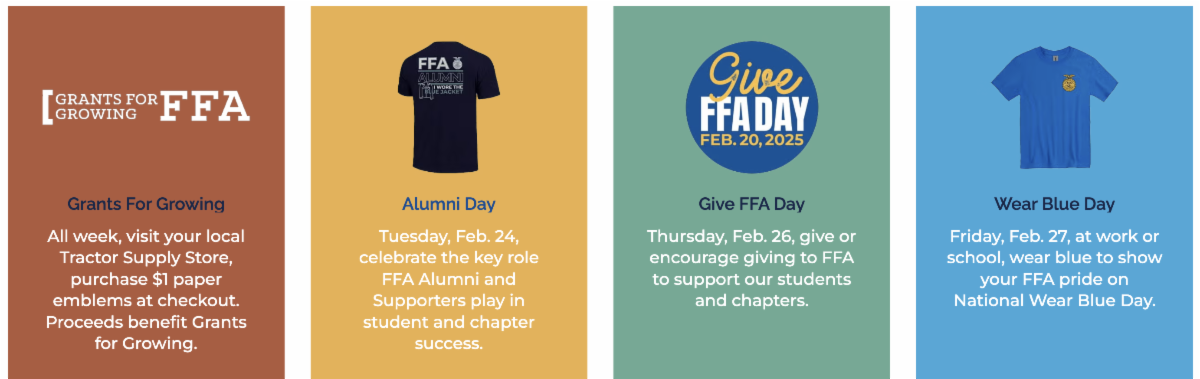
National FFA Week is an opportunity to highlight the impact FFA has on students, schools, and communities. Chapters across the country use this week to share the story of agricultural education, celebrate member achievements, and build connections with their local communities.
National FFA has developed a 2026 National FFA Week Implementation Guide filled with ready-to-use ideas, activities, and promotion tips to help advisors confidently plan meaningful and engaging experiences for their students. Whether you are organizing events on campus, connecting with your community, or sharing your chapter’s story online, these resources can help make your celebration impactful and memorable.
| | Access the implementation guide here. | | Grow Your Chapter Fundraising with Commercial-Quality Seeds | | |
Looking for a fresh, high-impact fundraising opportunity for your FFA chapter? Seminis and Ball Seed are offering exclusive discounts on commercial-quality vegetable seed packs designed specifically for chapter sales.
This program gives chapters access to trusted, high-performing seed varieties along with ready-to-use marketing tools that make planning and managing fundraisers easier. With strong customer appeal and streamlined resources, chapters can increase sales while giving students valuable experience in marketing, sales, and customer service.
With spring delivery aligned to planting season, this fundraiser offers a practical and exciting way to engage supporters while boosting chapter success.
Explore the opportunity and place orders here: https://www.vegetables.bayer.com/us/en-us/resources/news/seminis-ffa-plant-powered-fundraiser.html
| | Registration is Open: 2026 CATA Summer Conference | |
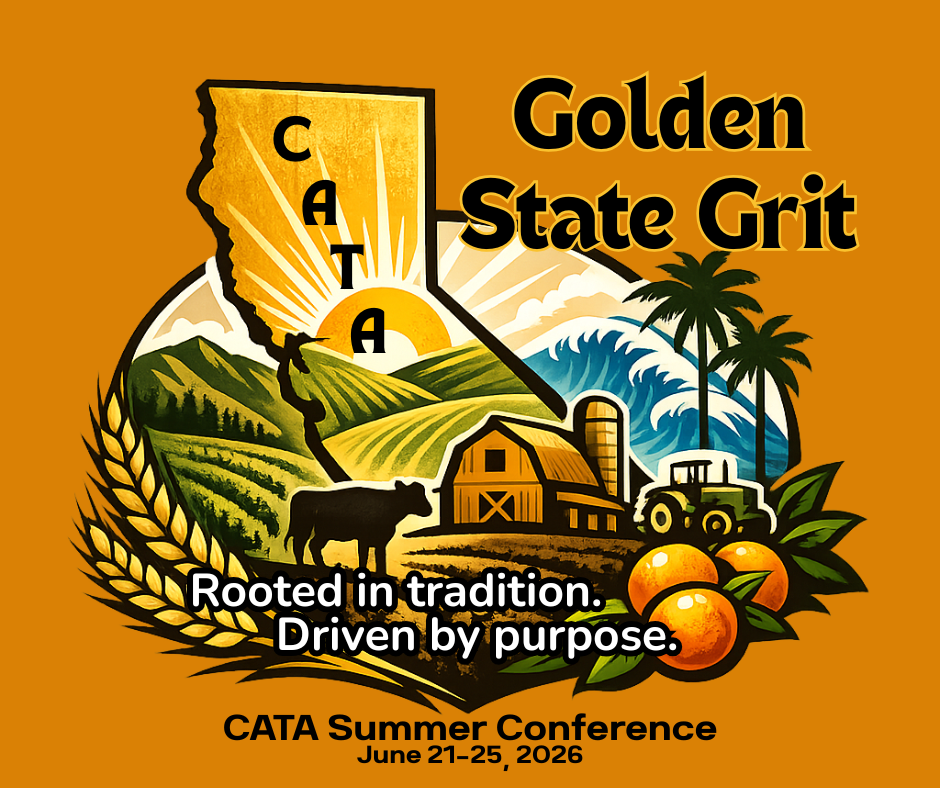
Attend the 2026 CATA Summer Conference, scheduled for June 21-25. This annual event brings together agricultural educators from across California for professional learning, collaboration, and celebration of the work happening in ag classrooms across the state.
Registration is now open! Visit www.calagteachers.org/cata-conference to register.
Are you interested in sharing your expertise? Proposals are now being accepted for professional development sessions. Teachers interested in presenting are encouraged to reach out to Cari Brown at cbrown@calagteachers.org for more information. Professional development session proposals are due to the CATA office by May 1.
AgriSkills workshop proposals are also now open. AgriSkills sessions will be offered June 21 and June 25 during the conference. These workshops are designed to be skill-focused and hands-on, highlighting practical techniques or instructional strategies connected to agricultural pathways. Past sessions have included topics such as shop-based skills, phenomenon exploration, floral design, and more. To submit an AgriSkills proposal, complete the 2026 CATA AgriSkills Session proposal form. Proposals are due March 1, 2026. Questions about AgriSkills sessions can be directed to Hannah Parker at hparke07@calpoly.edu.
| | |
Thank You Corporate Members!
The California Ag Teachers' Association appreciates the commitment of our corporate members who support agricultural education.
| | NAAE Region I Conference Heads to Hawaii | | |
The 2026 NAAE Region I Conference will be held April 21-25, 2026, in Honolulu, Hawaii. This highly anticipated event brings together agricultural educators from across the western region for meaningful professional development, collaboration, and networking in an unforgettable island setting.
Attendees can look forward to engaging workshops, innovative teaching strategies, and hands-on learning experiences designed to bring fresh ideas back to their programs. The Hawaii location also provides a unique opportunity to experience agriculture in a diverse island environment while building connections with fellow educators from across Region I.
Registration is now open, with early bird pricing available through March 14.
| | Hands-On Learning: 4-H & FFA Education Day with Valley Wide Cooperative | |
Valley Wide Cooperative is bringing back 4-H & FFA Education Days this spring, and California students have a chance to join the fun!
Set for April 25 in Modesto, this event gives students of all experience levels a hands-on look at animal nutrition, showmanship, and daily care for dairy cattle, beef cattle, sheep, goats, and swine.
It’s a great way for students to build confidence, practice skills ahead of fair season, and gain practical knowledge in livestock management. Encourage your students to mark their calendars and take advantage of this interactive learning experience!
| |
Scholarships for FFA Members | |
Help your students turn their FFA experiences and passion for agriculture into scholarship opportunities! Share these three great options with your seniors and encourage them to apply:
Blue Diamond Growers Foundation
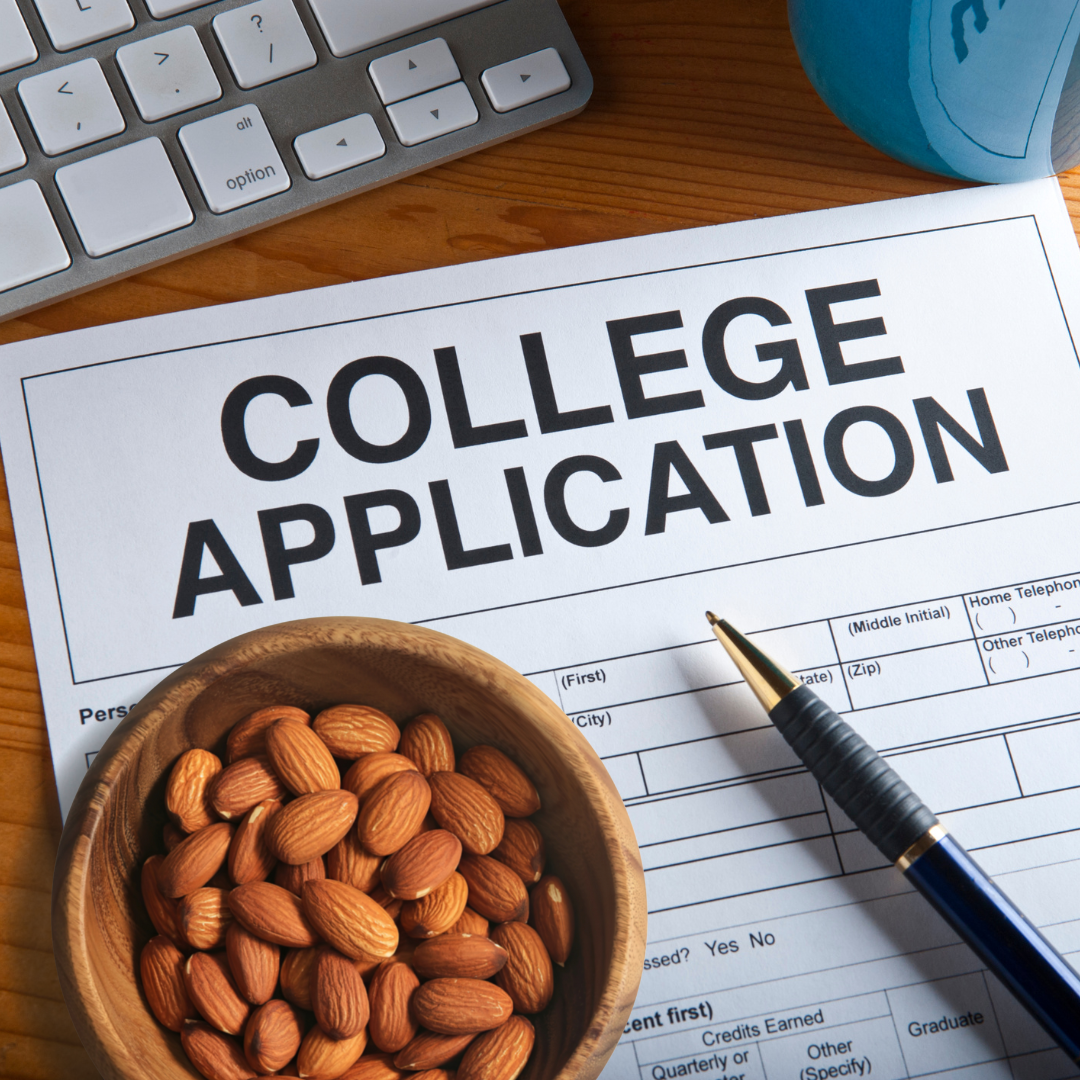
If your students live in an almond-producing area of California and plan to major in crop production, plant science, or a related field at a four-year university, they may qualify for a Blue Diamond Growers Foundation scholarship. Applications are due March 31, 2026. Learn more at bluediamondgrowers.com/scholarship-program.
Safe Food Alliance
For students pursuing food science, biology, chemistry, or another related science at a California college, the DFA Scholarship Foundation offers awards ranging from $500 to $5,000. Applications must be submitted by April 1, 2026. Details at dfaofcalifornia.com/scholarship-foundation.
Don Diego Scholarship Foundation
The Don Diego Scholarship Foundation awards scholarships to deserving graduating high school seniors and graduates from the San Diego area who have participated in activities at the Del Mar Fairgrounds, including the San Diego County Fair. A total of $88,000 in scholarships is available, with individual awards ranging from $1,000 to $5,000. The application deadline is midnight on March 30. Learn more at dondiegoscholarship.org.
Encourage your students to apply—these opportunities can help fund their future in agriculture!
| Wilco’s Chapter Grant Program | |
Wilco’s FFA grants support chapters that need funding for special projects that will make an impact on their FFA chapter or the greater community. Selected projects will receive $250 - $4,000 grants, and ALL active California FFA chapters are eligible. Previously funded projects have included chapter equipment and facility improvements like greenhouses and land labs, educational activities, and service projects. The next application period closes on February 27.
Learn more: https://www.wilco.coop/community/ffa-forever/grant-request/
| | Request Blue Jackets for Deserving FFA Members | |
Every student who competes, shows, or serves in FFA deserves access to official dress, including their own FFA jacket. Each Giving Tuesday, the California FFA Foundation, Blue Diamond Growers, and generous alumni and supporters raise funds to help make that possible.
All California FFA chapters are eligible to request up to two FFA jackets per month, along with a gift card for additional uniform essentials. These items are intended for dedicated FFA members who may not be able to afford official dress on their own.
Chapters may submit one Jotform application each month, and the FFA Foundation will place the order with National FFA on your behalf. Please have your chapter number, shipping address, jacket types and sizes, and scarf and tie preferences ready before beginning the form.
Questions can be directed to Heather Casjens at hcasjens@californiaffa.org.
| | |
National FFA News and Updates
Compiled by Audrey Lent, Ag Teacher at Lakeside Middle School and National FFA Teacher Ambassador
Reach out to Audrey with any questions, alent@lsusd.net.
| | |
Apply to Be a National Teacher Ambassador for FFA
Applications are open for the 2026–27 National Teacher Ambassadors for FFA cohort. This program recognizes agriculture teachers who are committed to supporting and strengthening the profession. Selected ambassadors receive training from National FFA on educator resources, programs, and experiences, and then serve as a trusted resource for fellow teachers in their home state. Applications are due March 1. Learn more and apply: https://www.ffa.org/teacherambassadors/
New Resource Available: Intro to Electricity Unit
Looking for a new way to introduce electricity concepts in your agriculture classroom? This seven-lesson unit gives teachers engaging, classroom-friendly materials that help students build a strong understanding of electricity. Throughout the unit, students explore how electricity works, make meaningful connections to everyday life and agricultural systems, and gain confidence applying new concepts.
Empower Students To Explore Agricultural Careers
Spark students’ curiosity about the world of agriculture with National FFA’s Agriculture Career Matchmaker lesson! Students step into the role of a career advisor, exploring diverse agricultural careers and recommending matches based on unique learner profiles. They’ll also identify the characteristics they value in their own future careers.
| | | | |