|
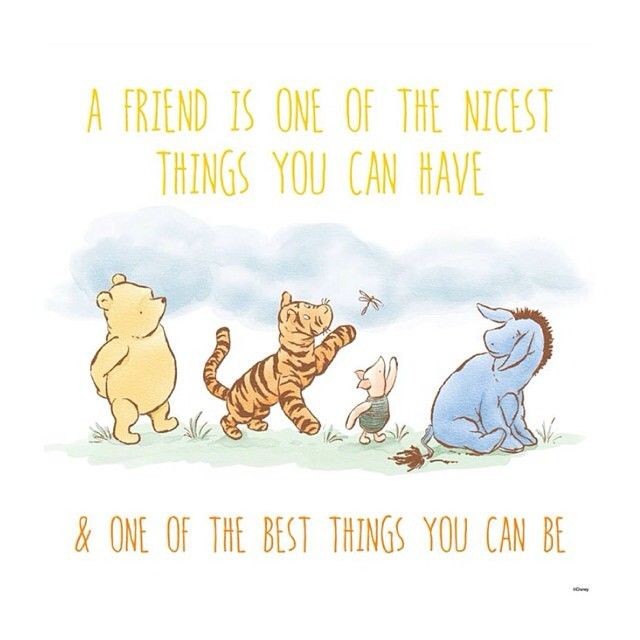
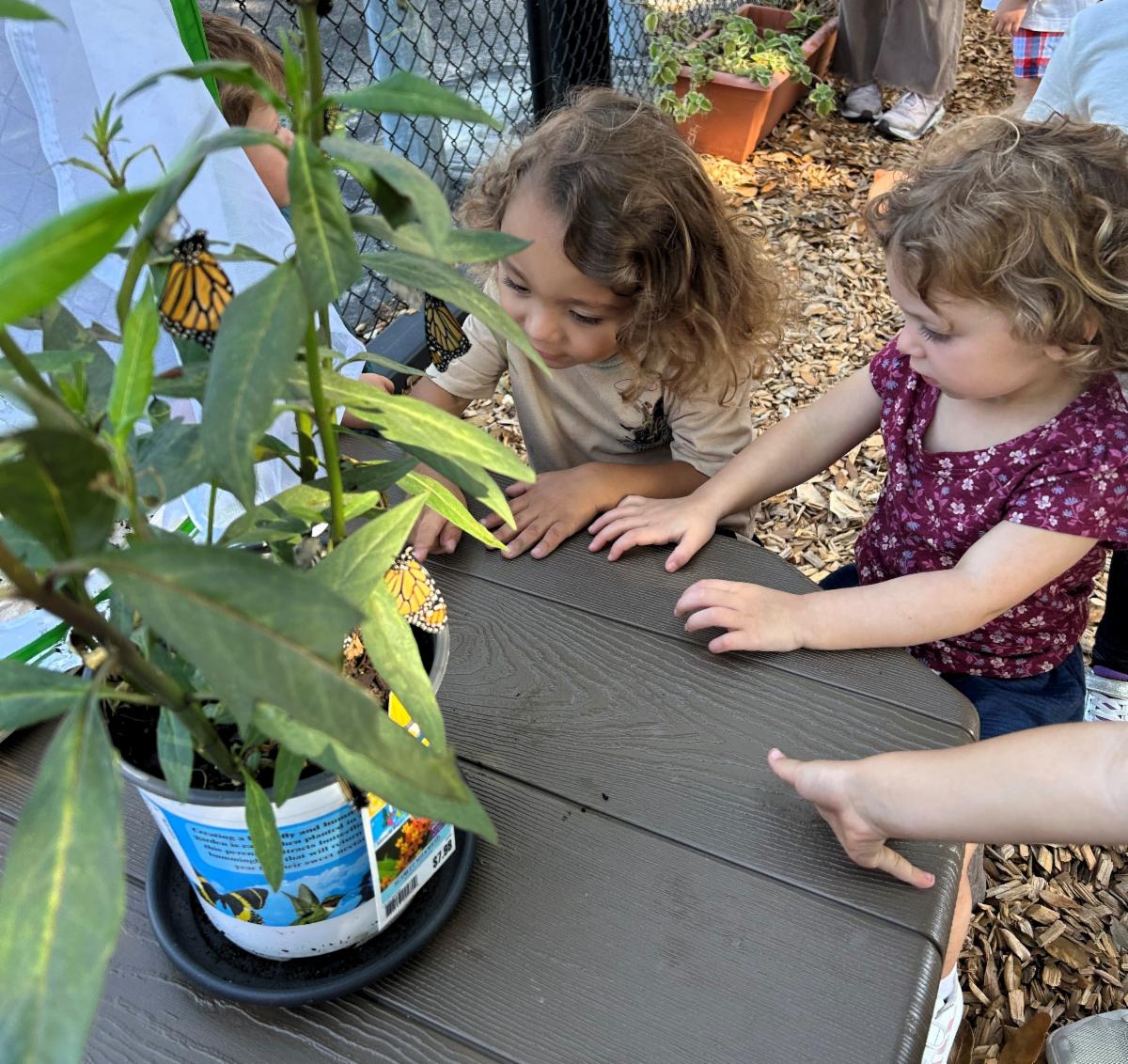
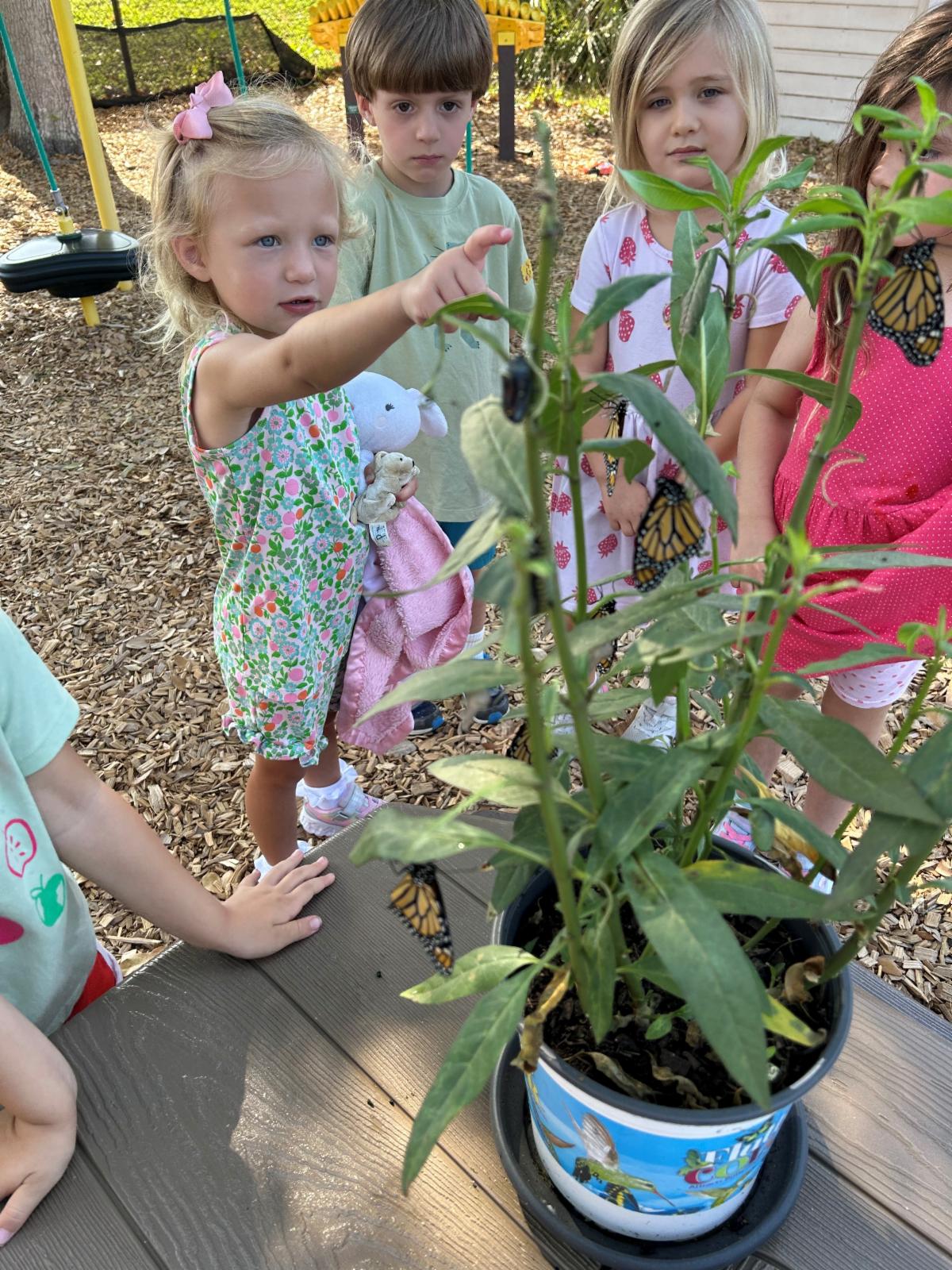
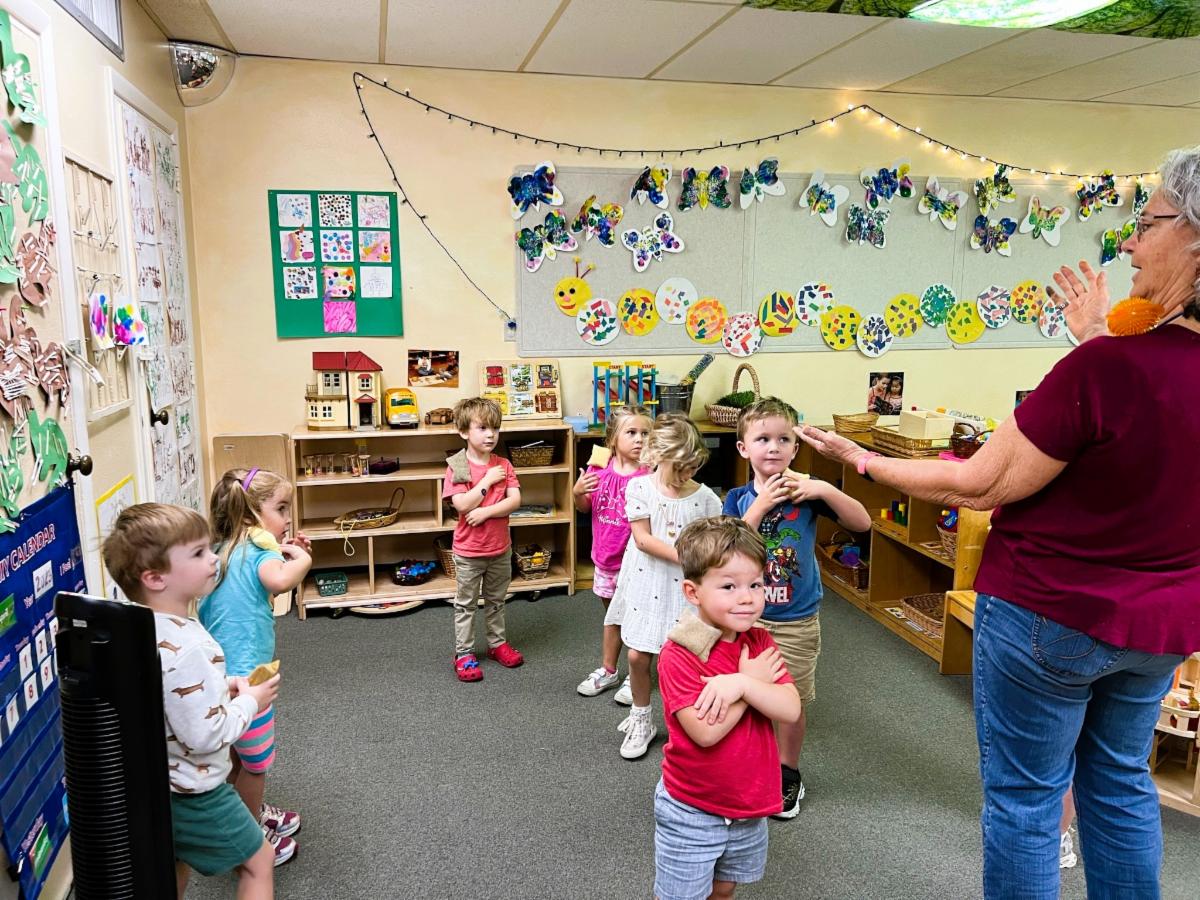
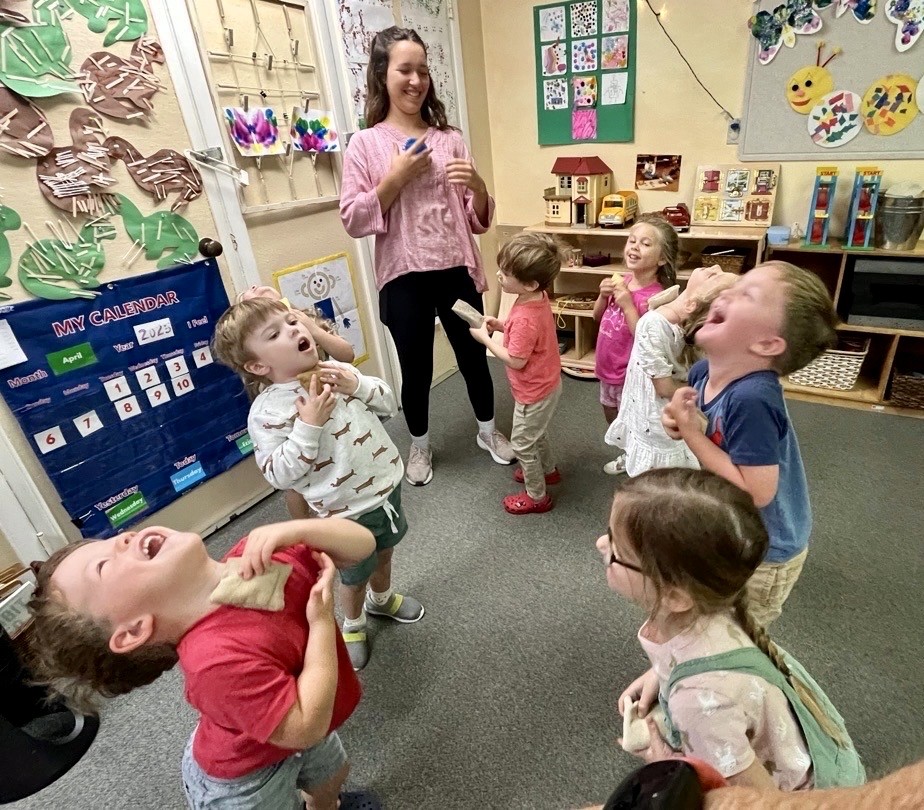
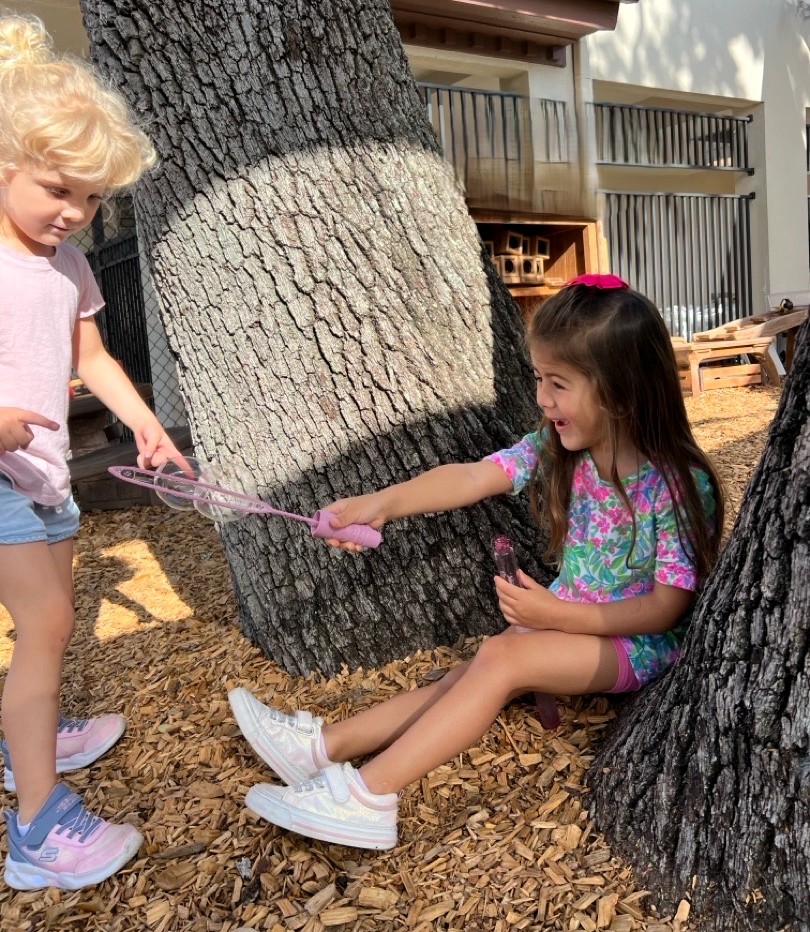
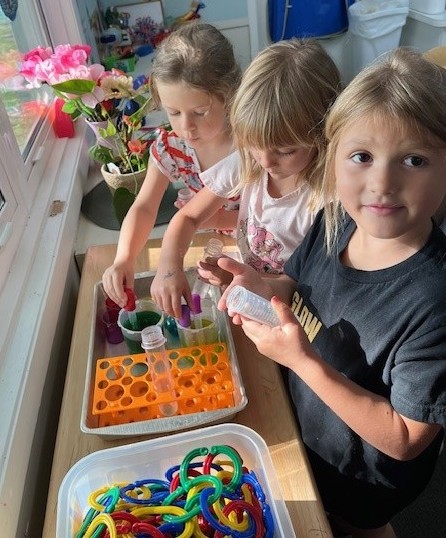
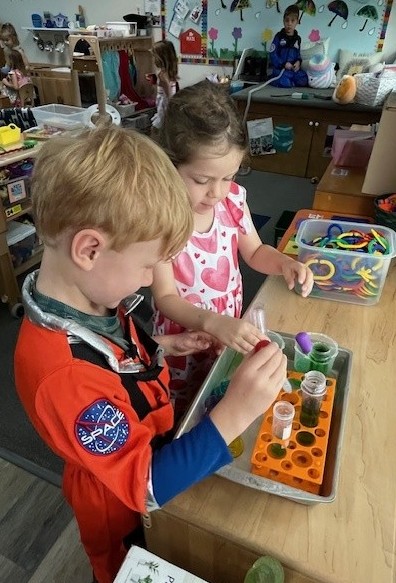
One of the most meaningful lessons we help children learn at preschool is how to be a good friend.
Inspired by educator Dr. Jane Bluestein, we believe that making and choosing friends is a skill—one that develops over time and with gentle guidance.
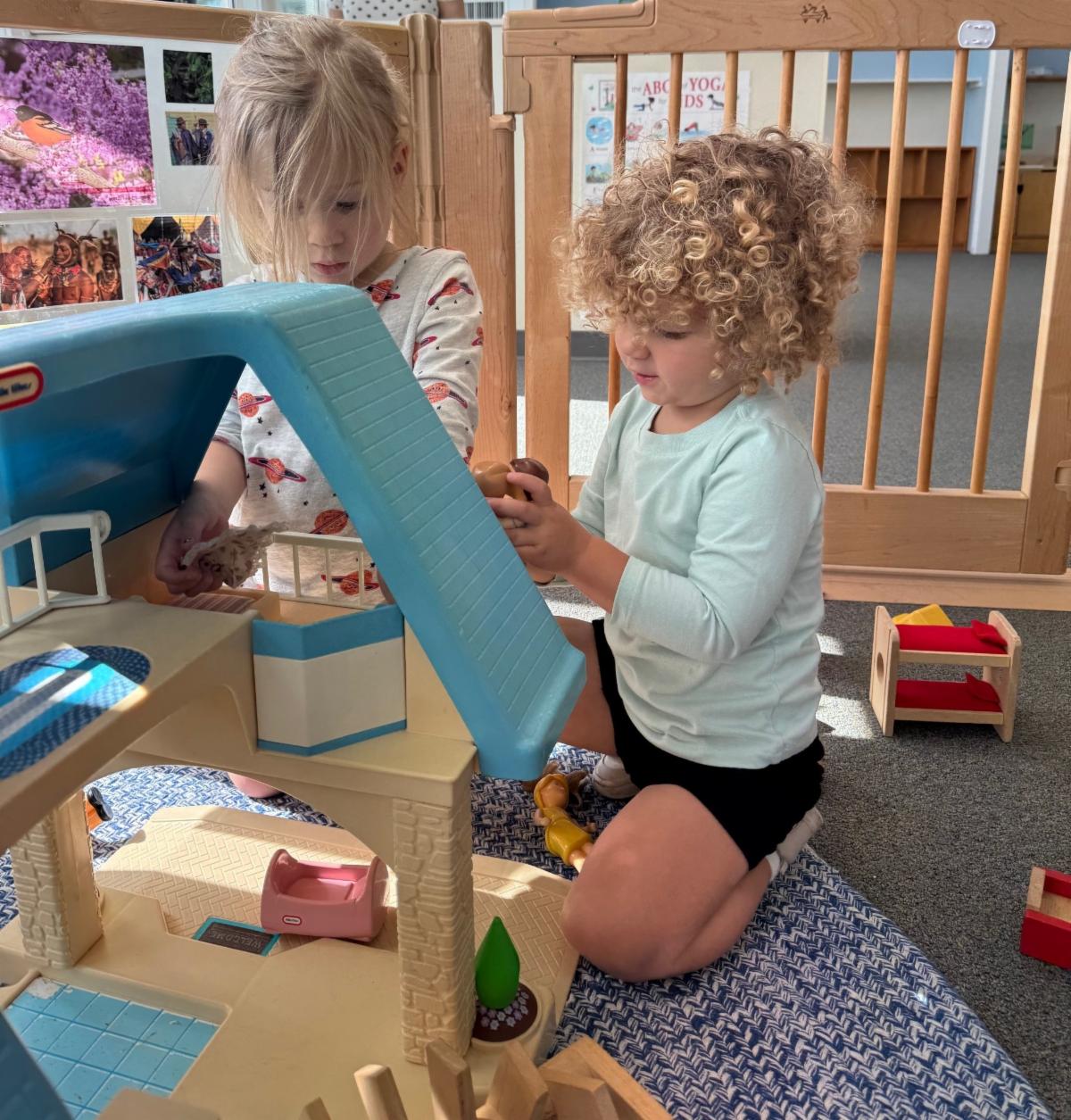
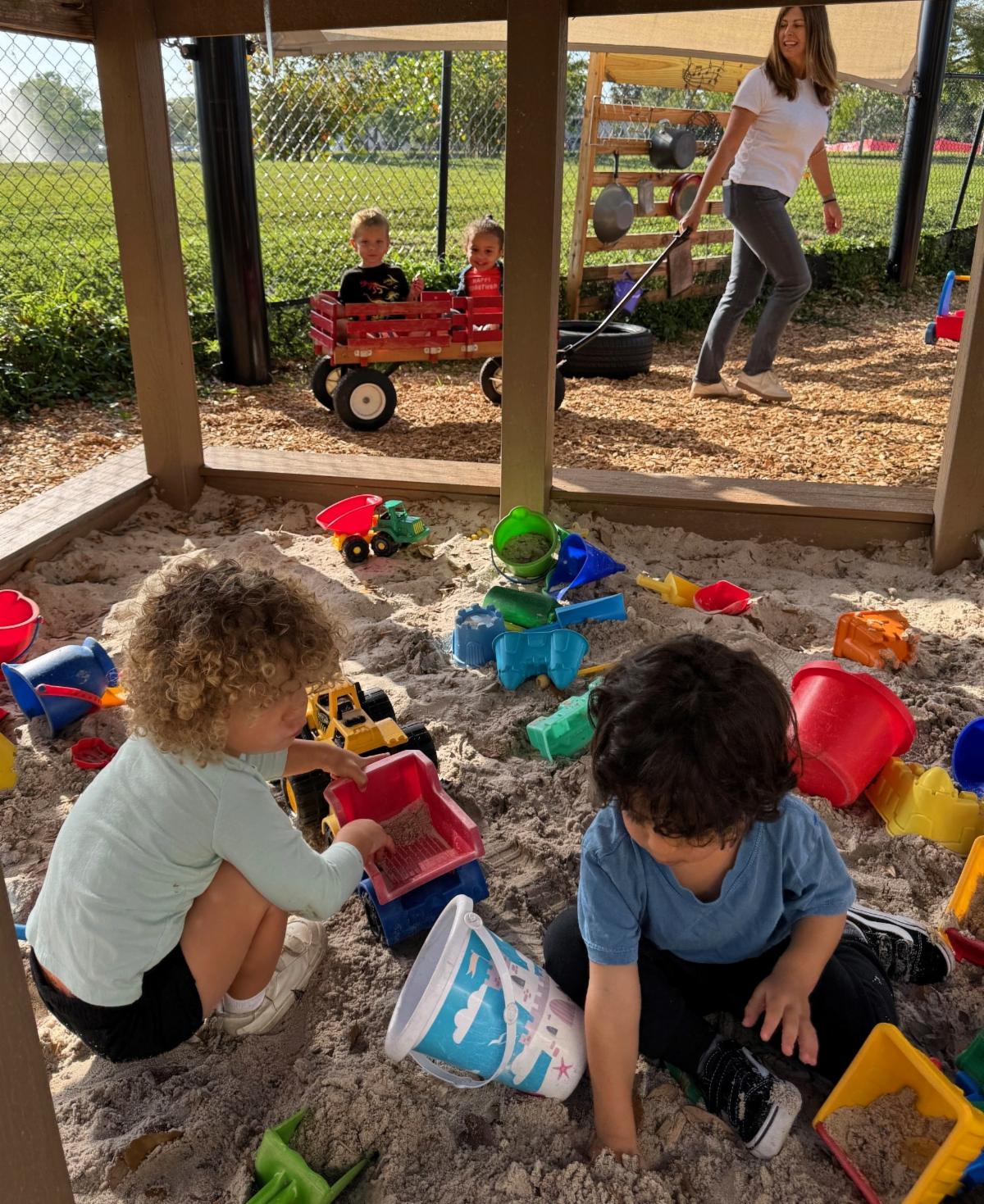
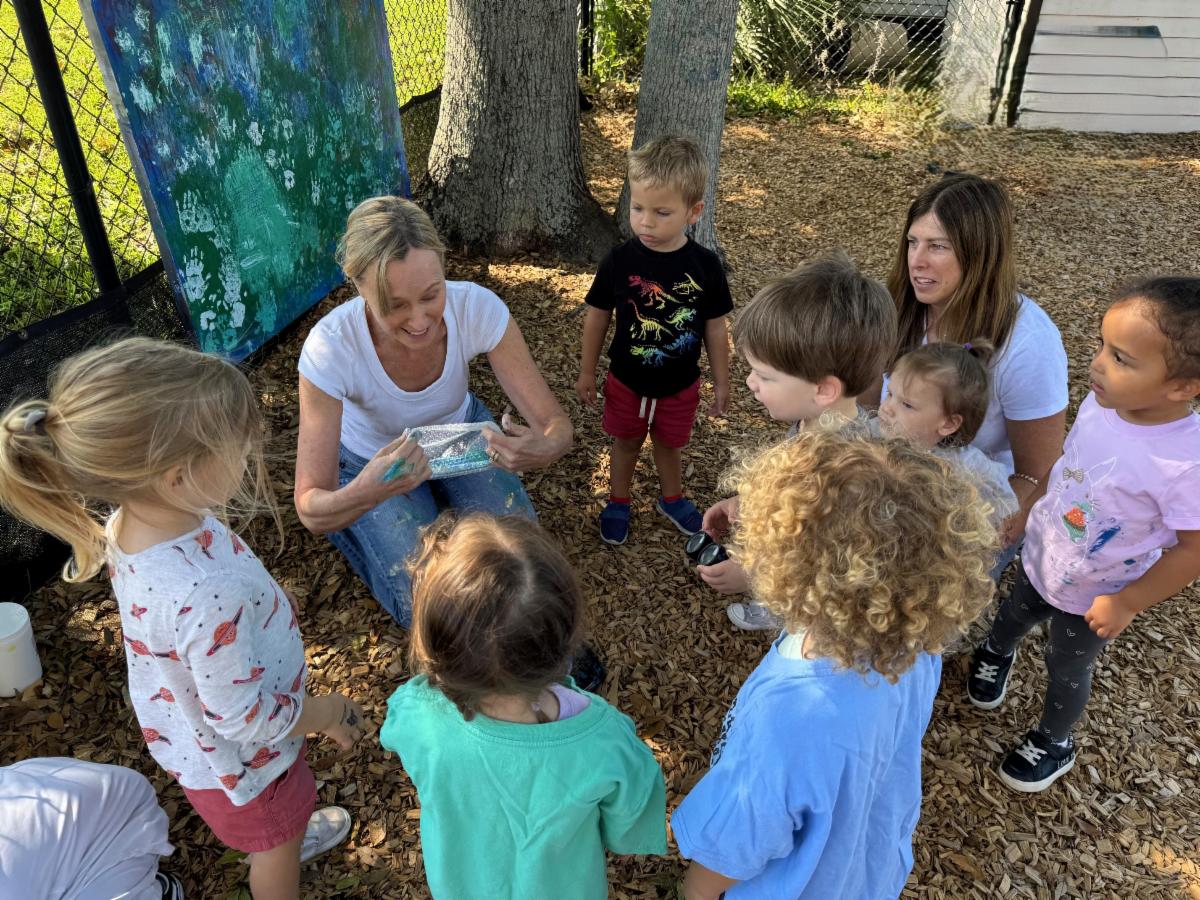
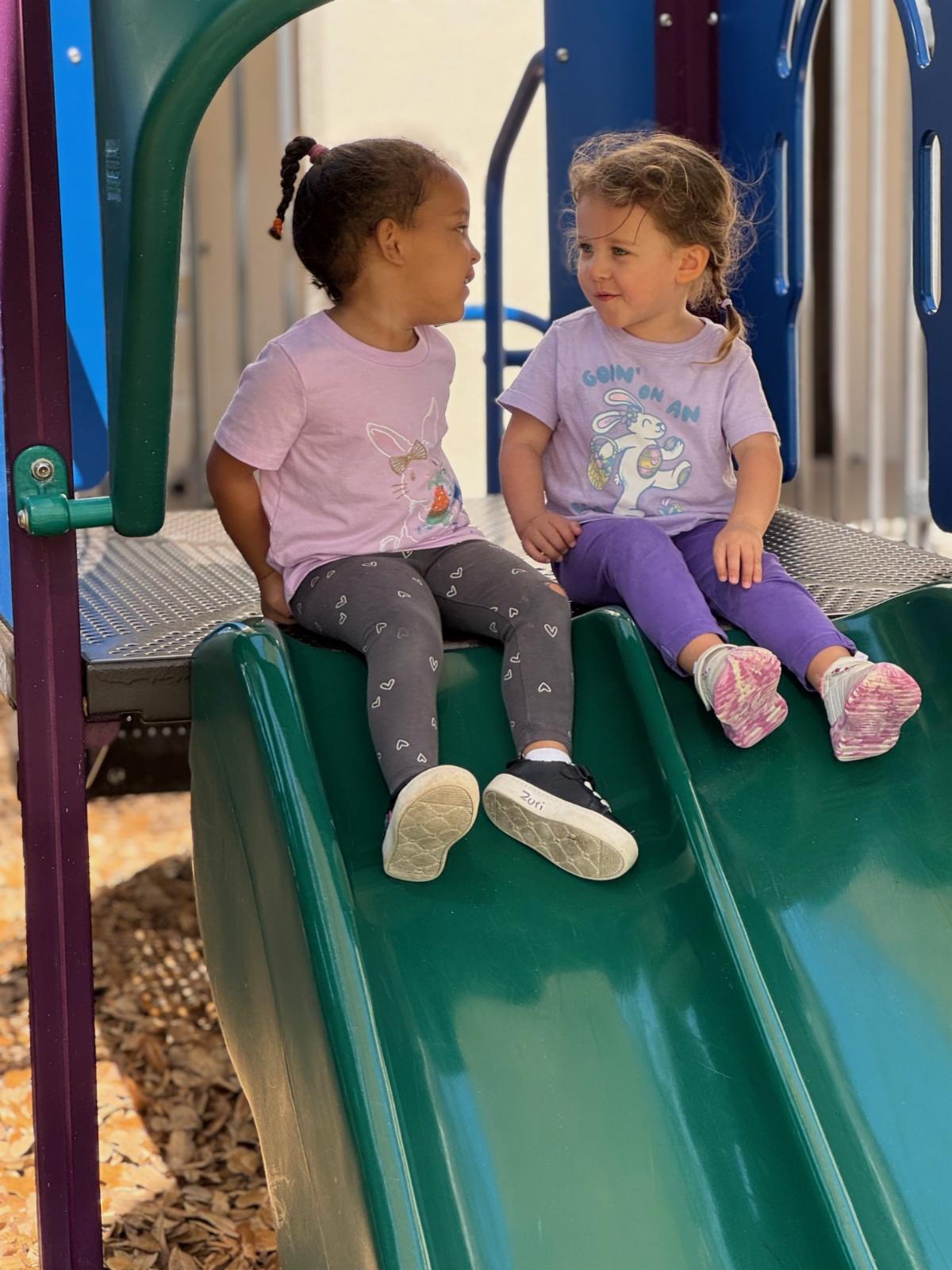
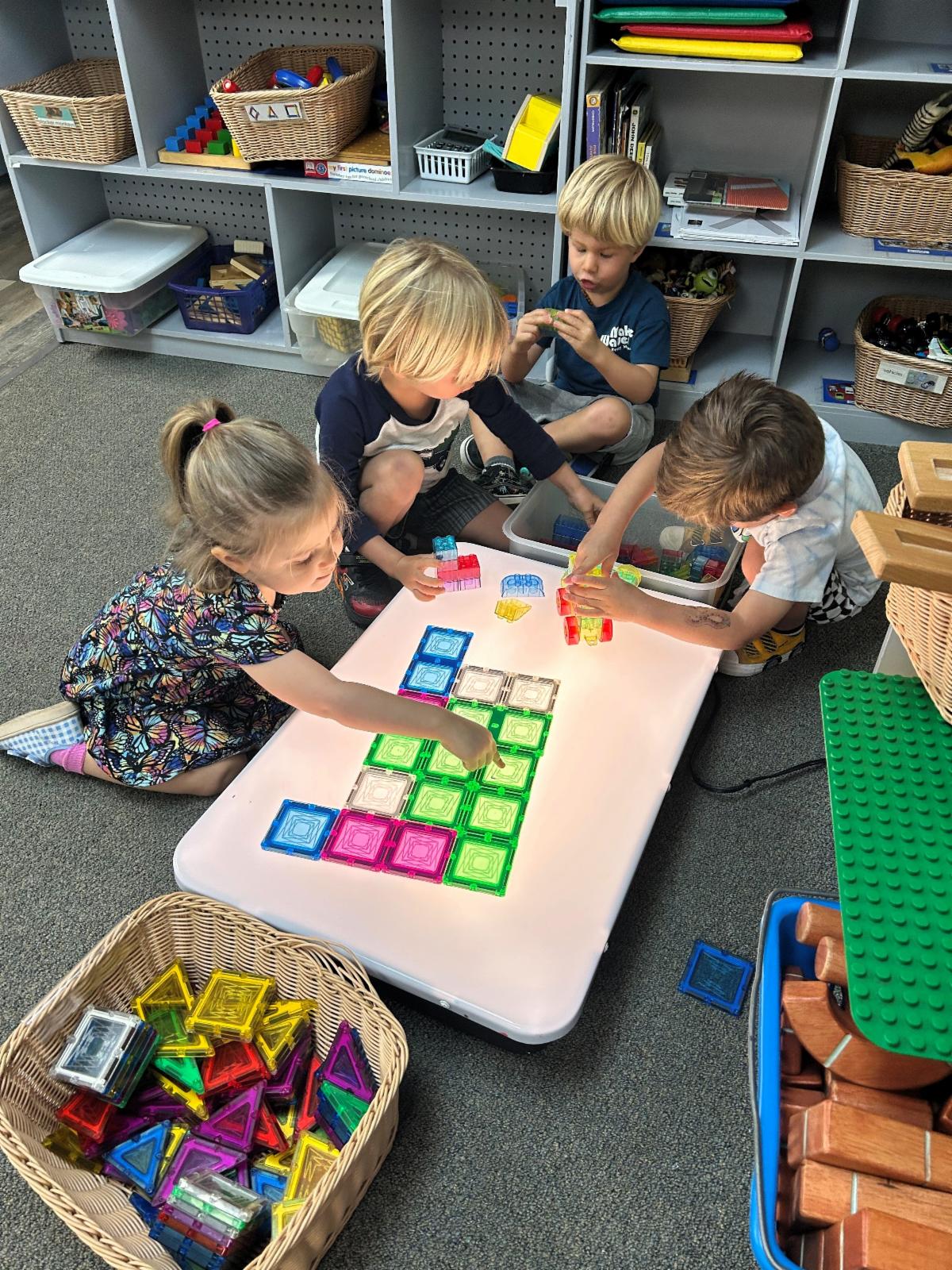
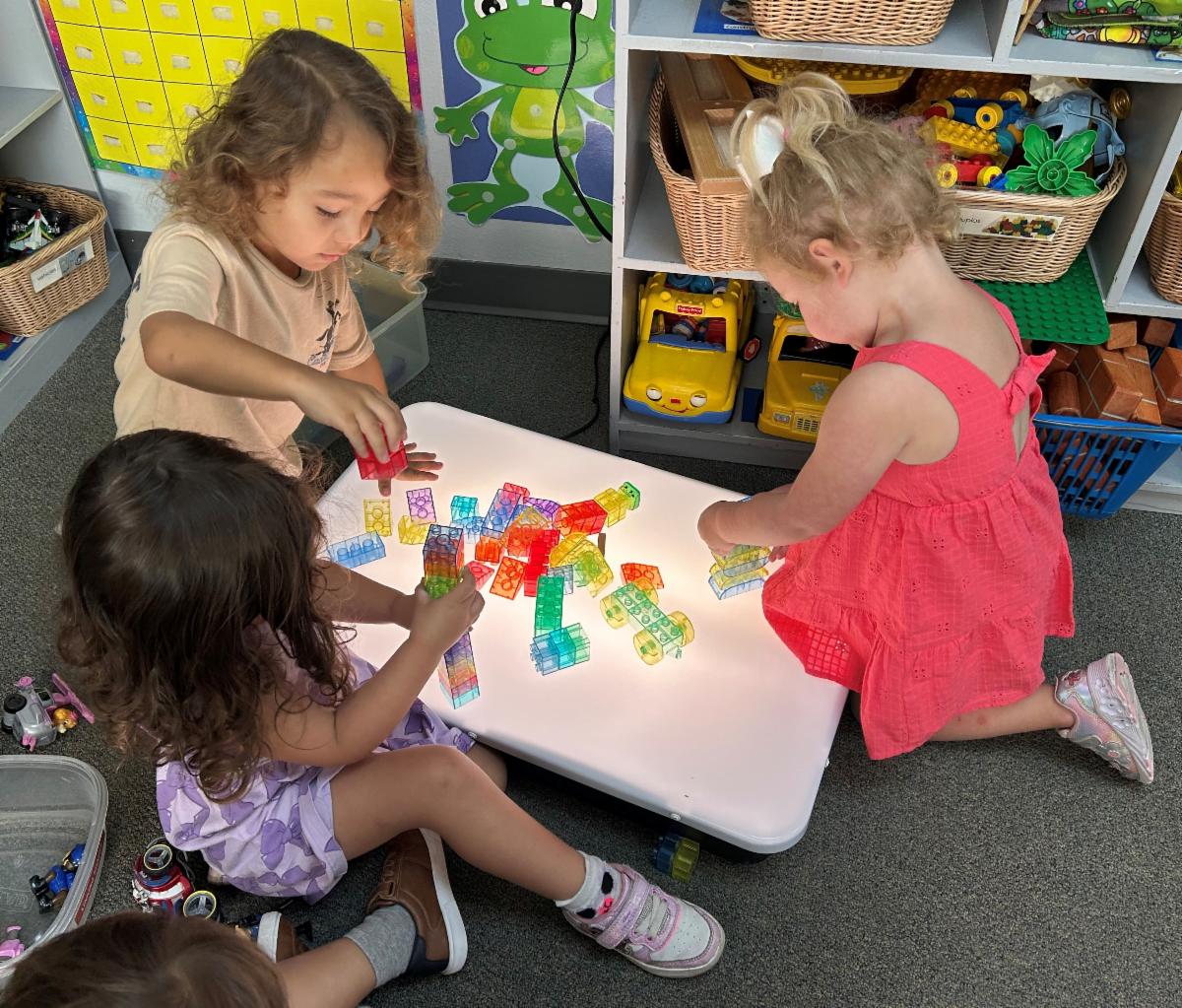
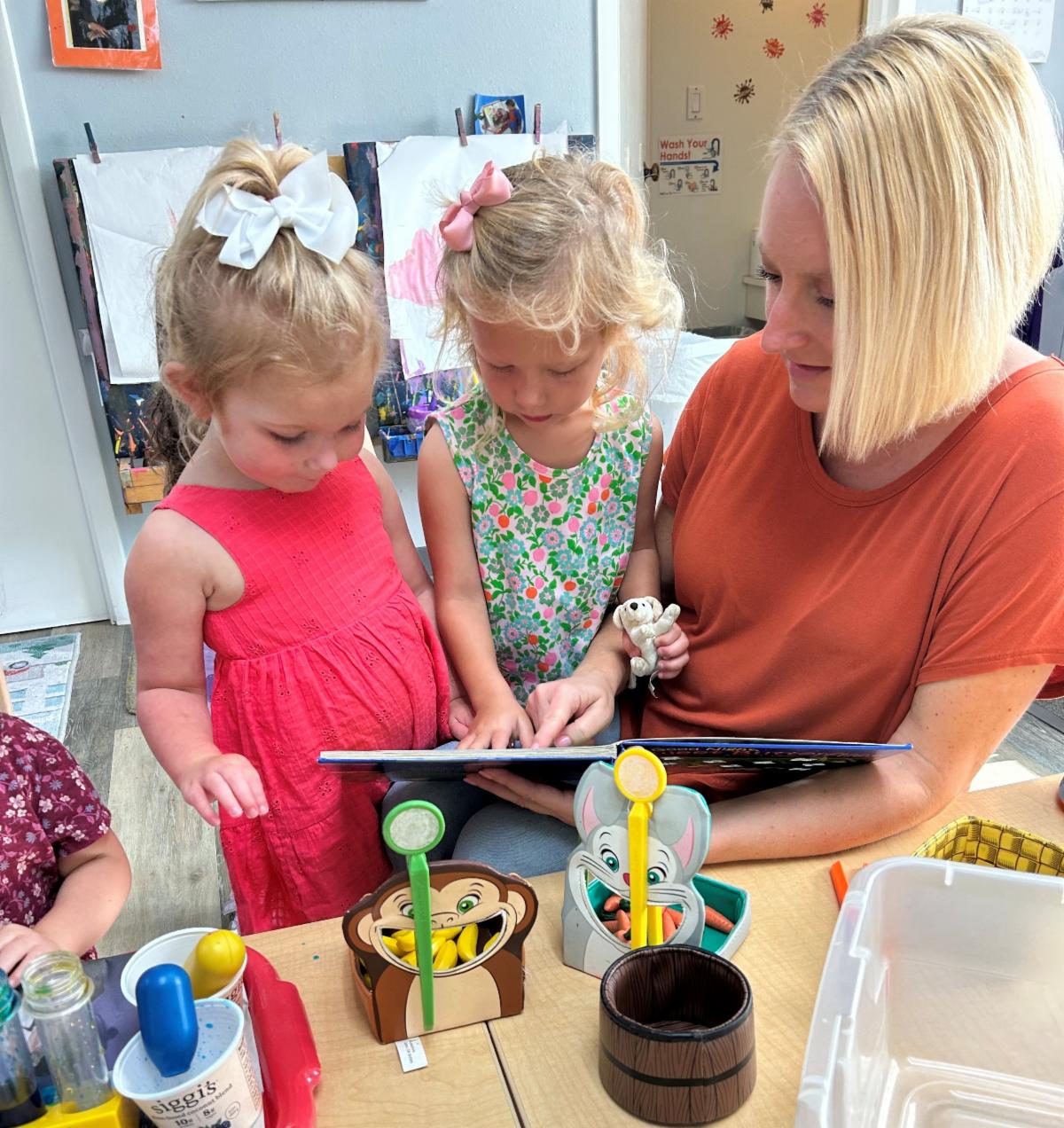
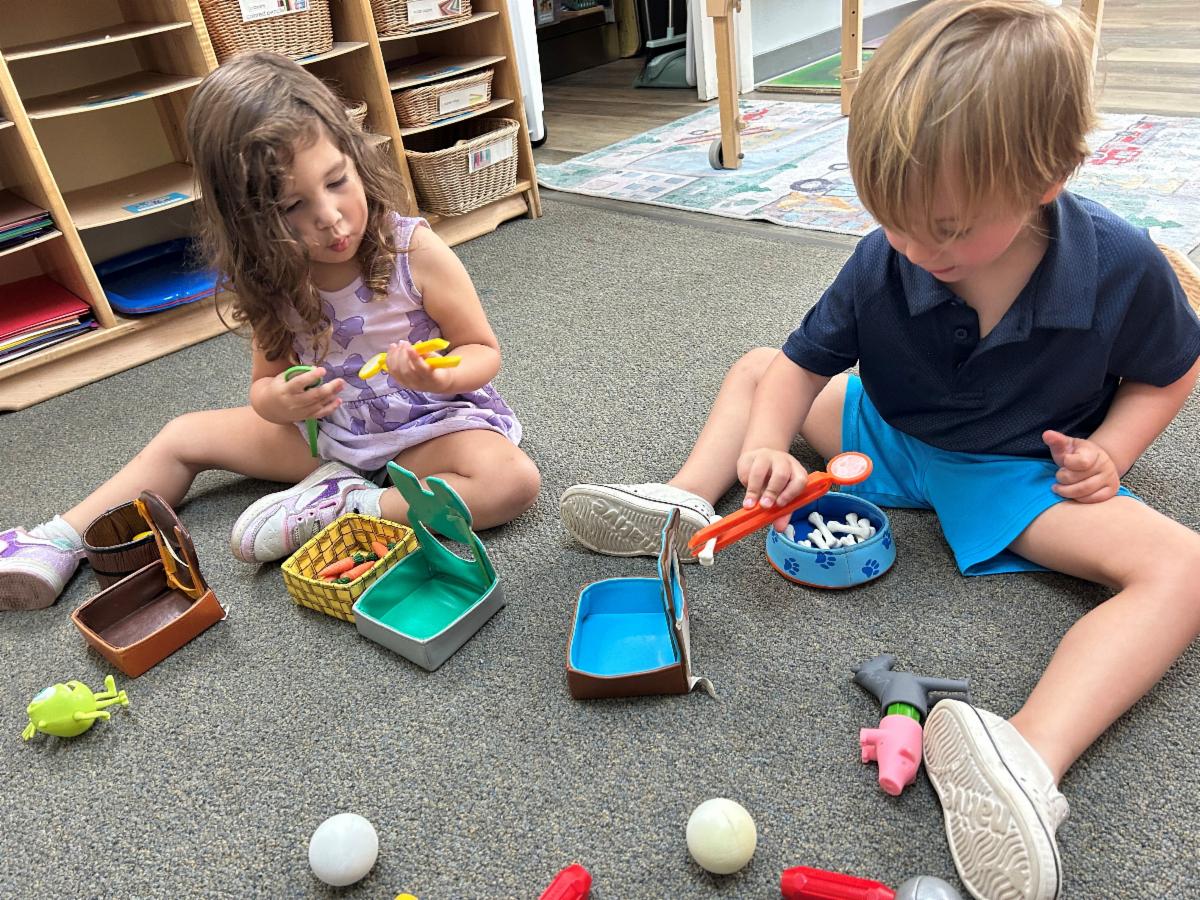
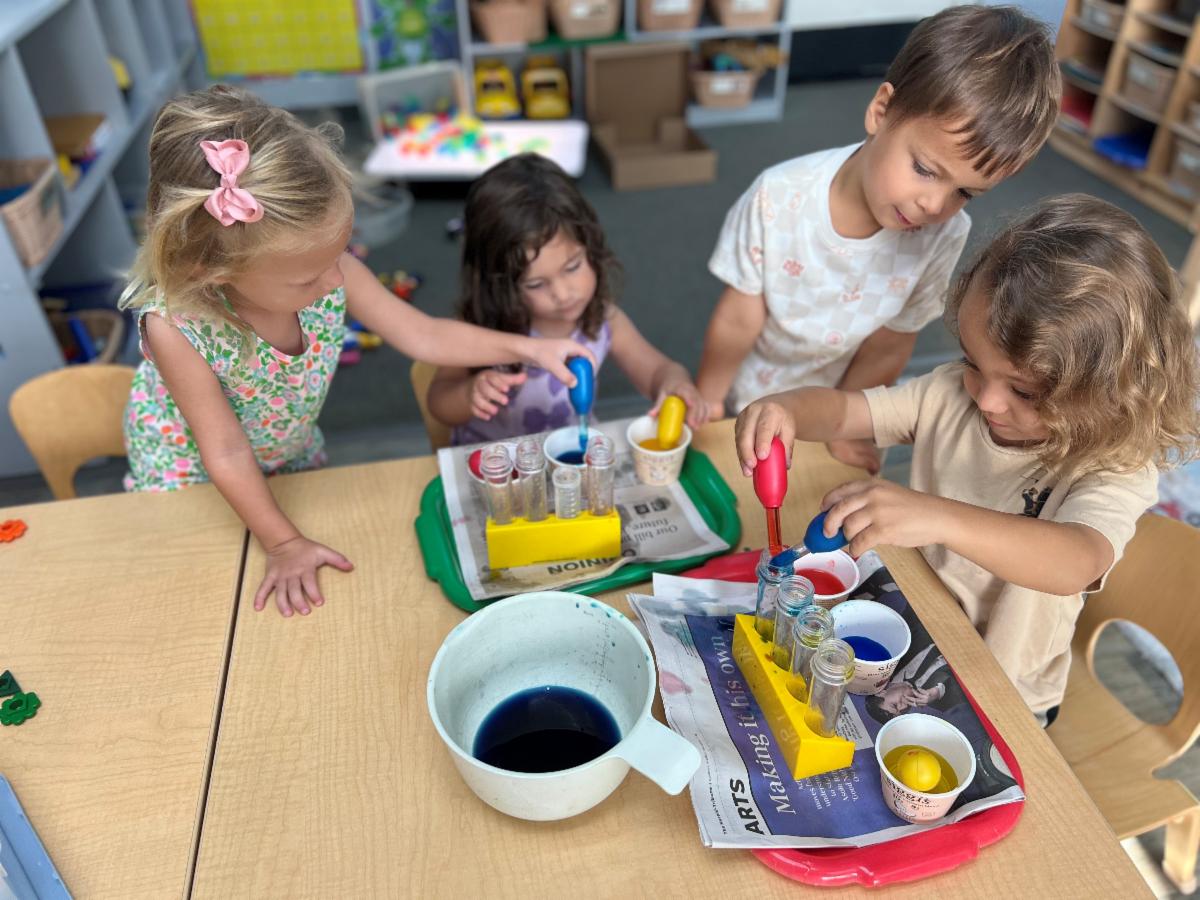
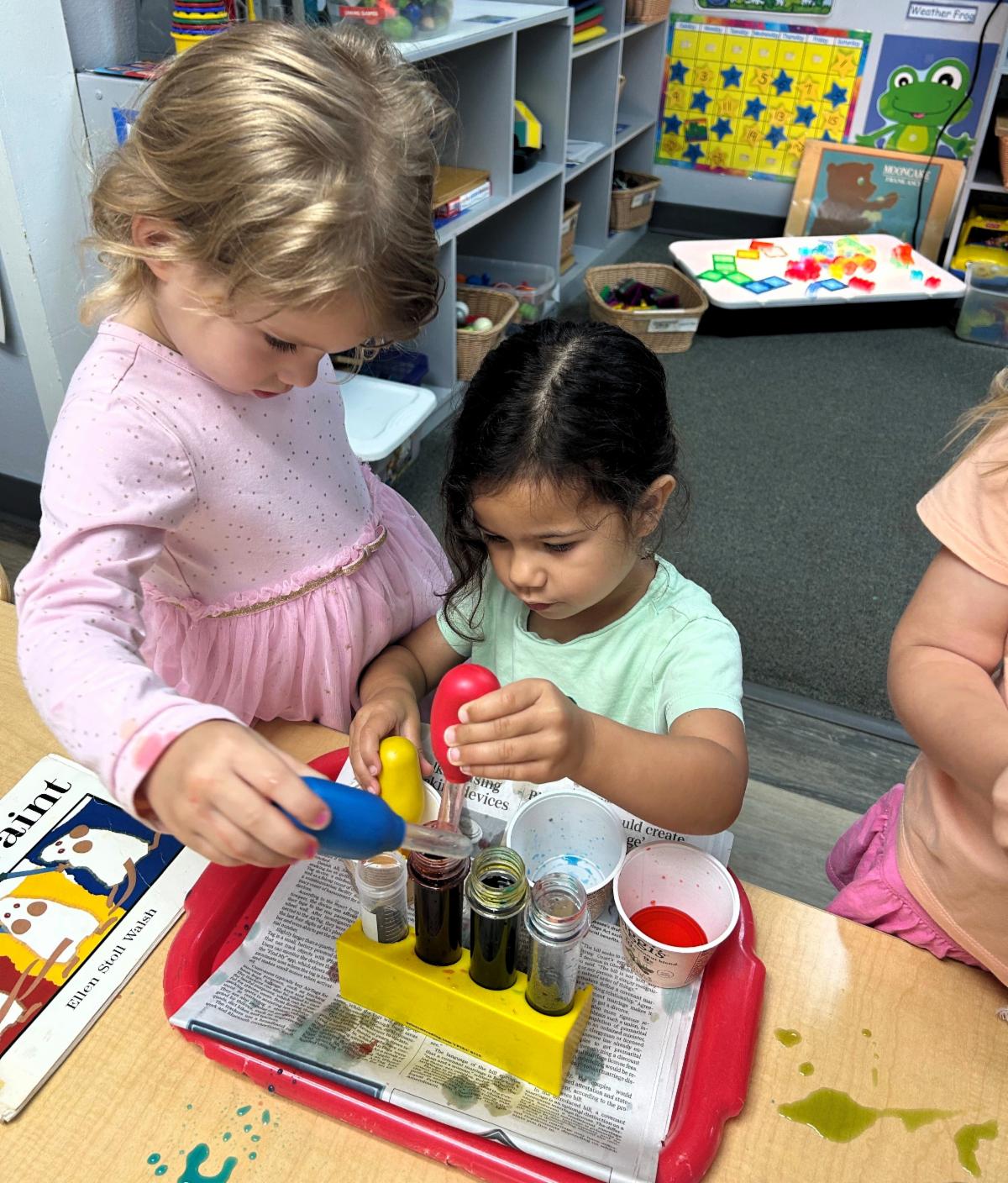
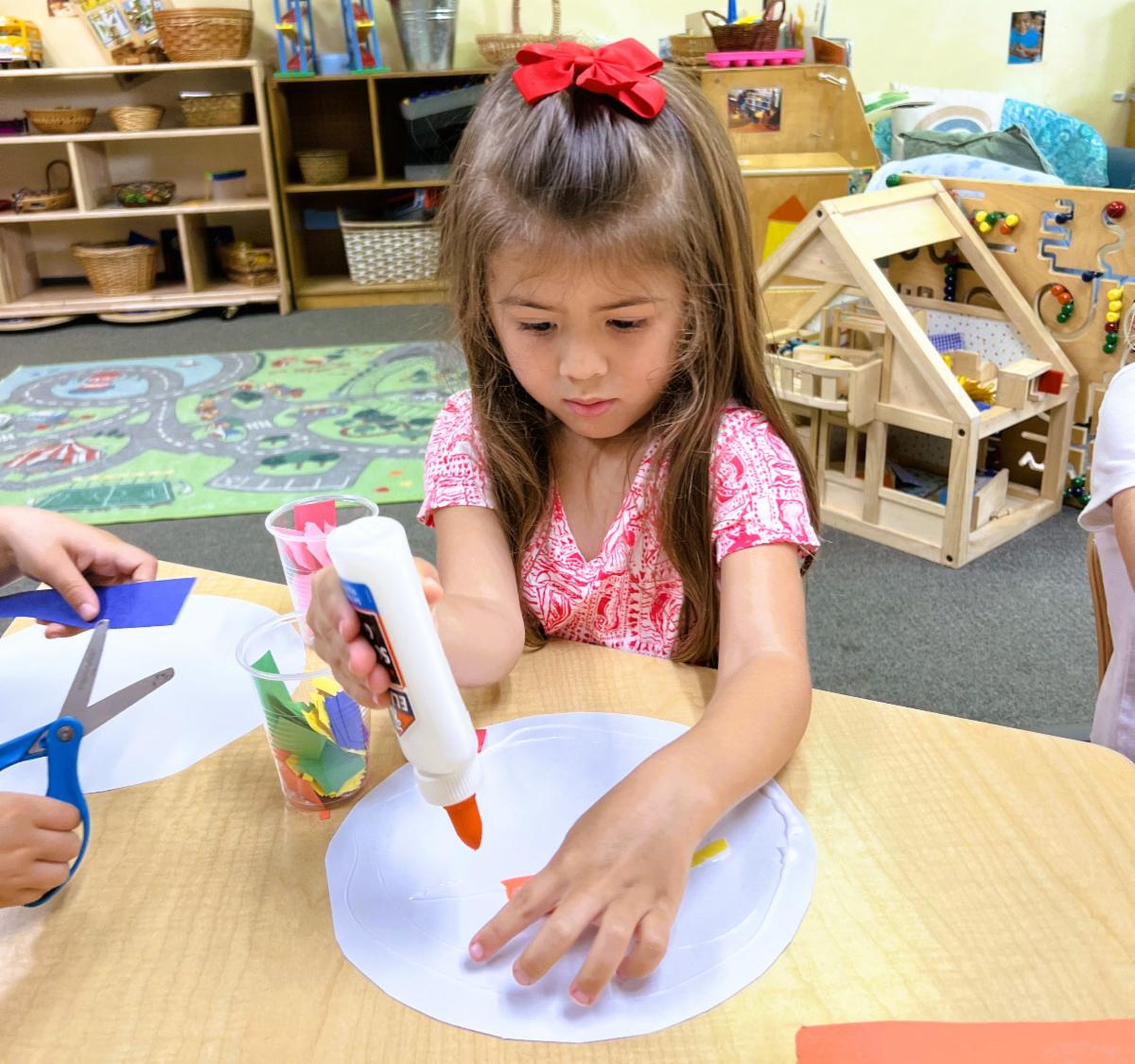
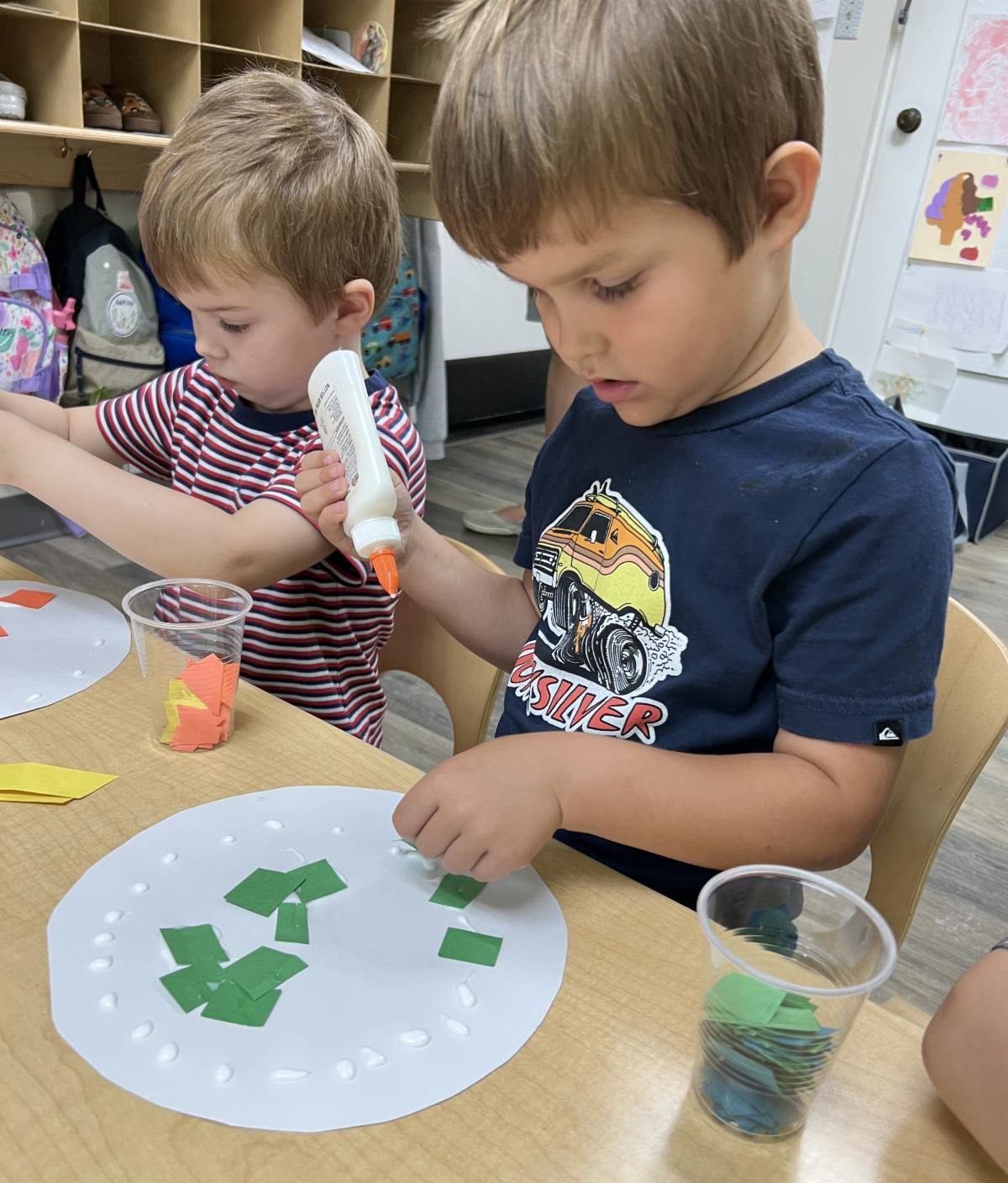
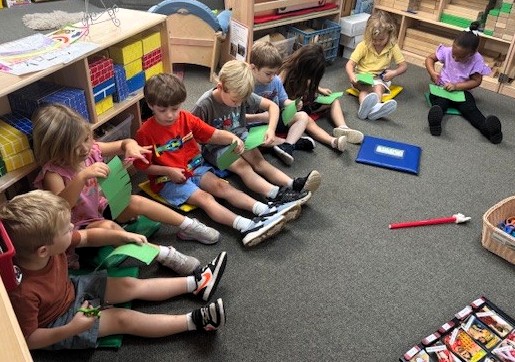
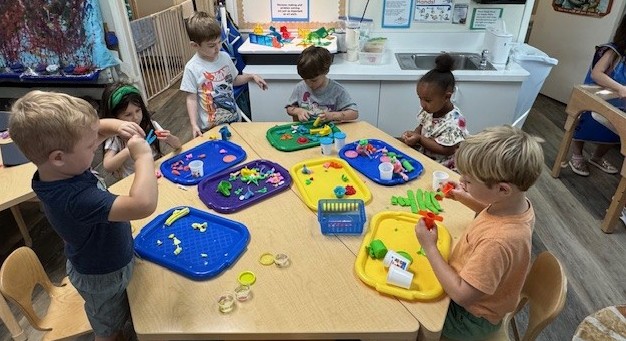
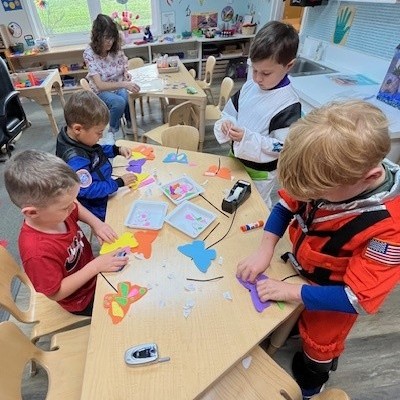
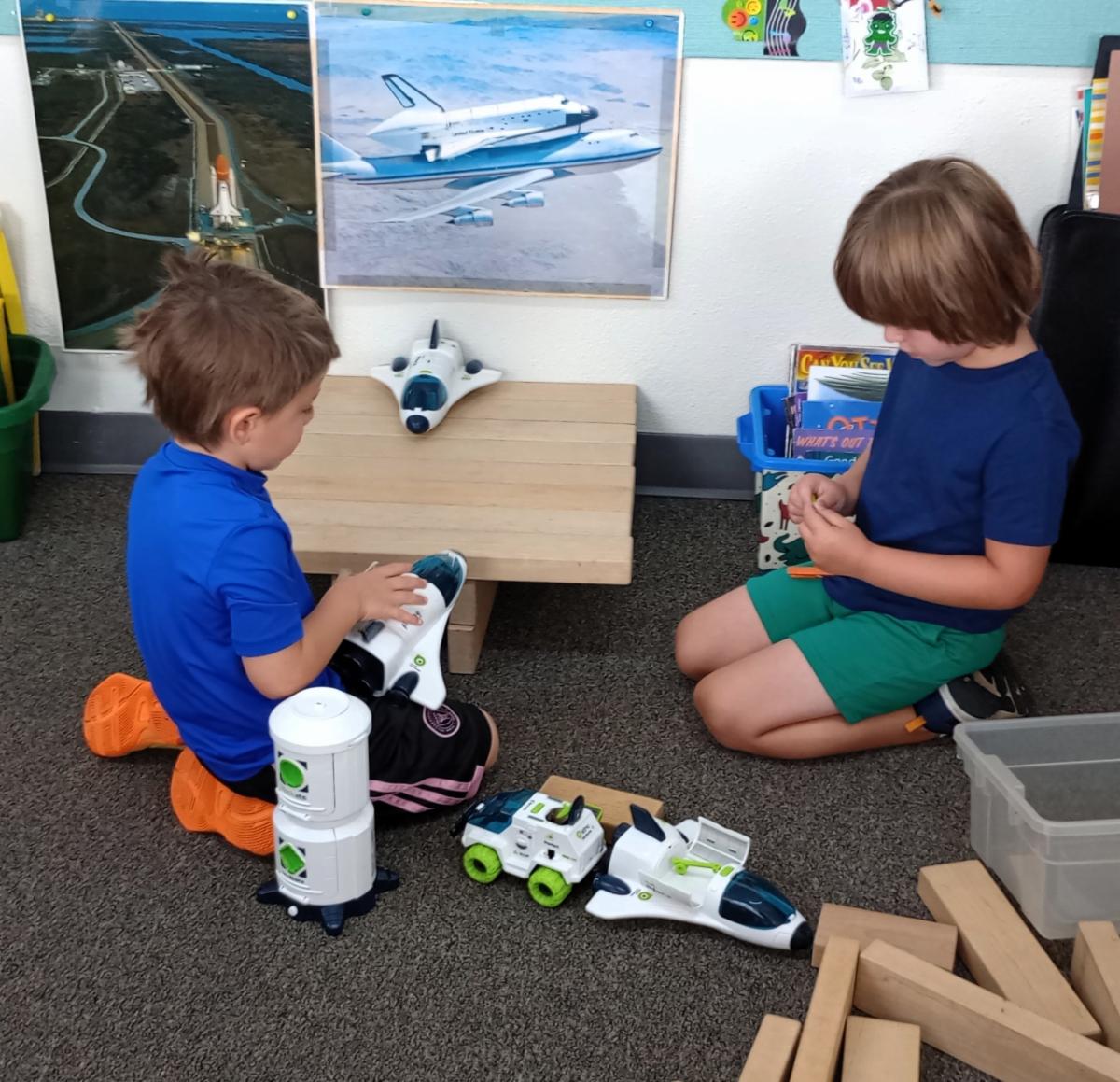
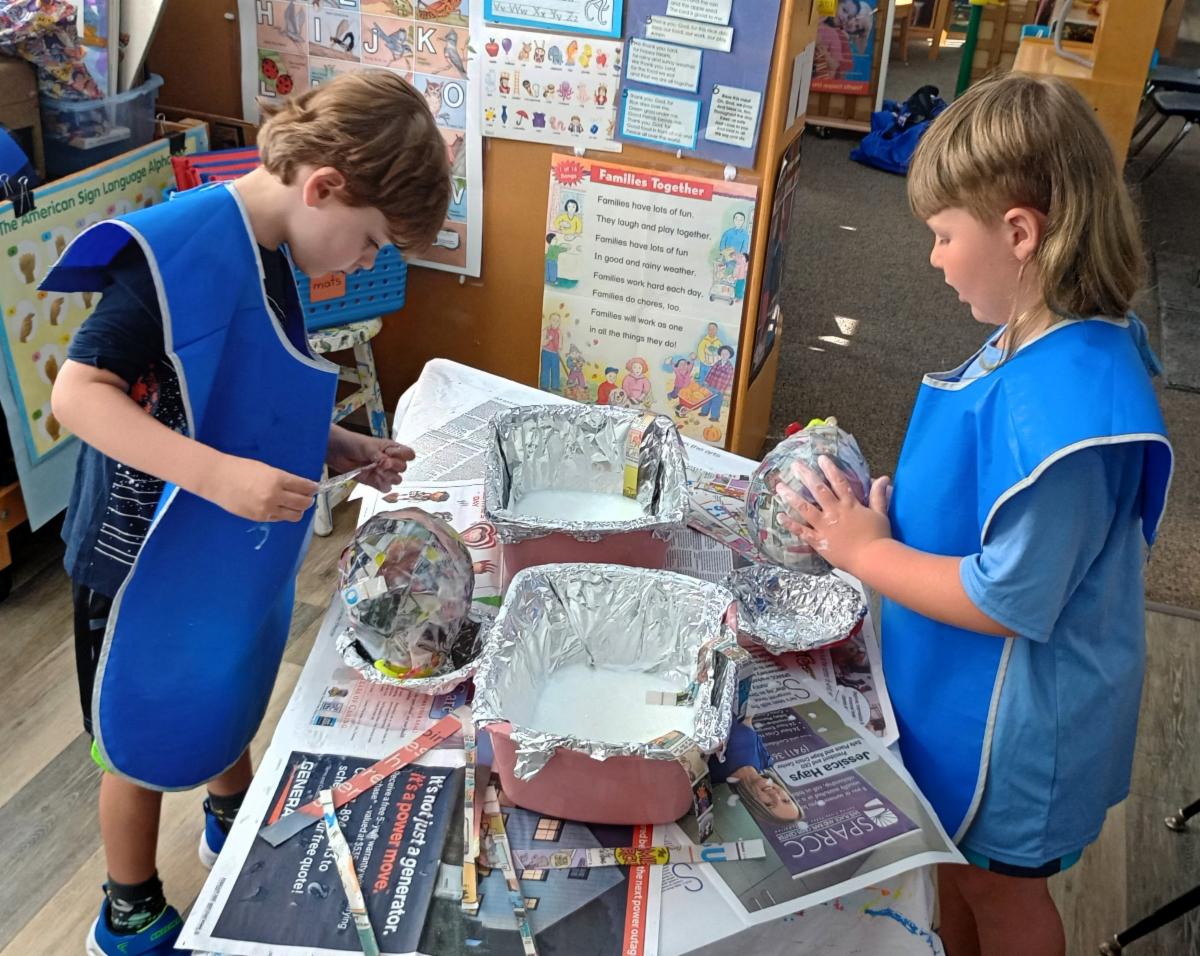
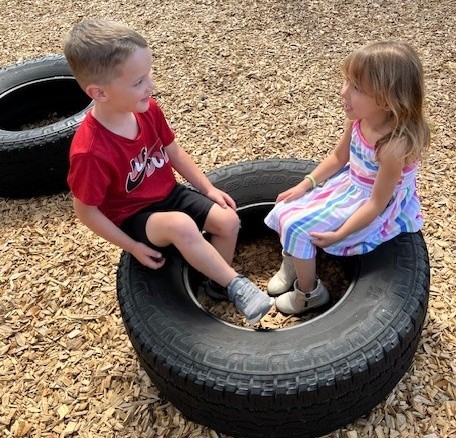
At school, we create opportunities for children to practice kindness, take turns, listen to others, and include their peers. These small but important moments help children learn what it feels like to be a good friend and recognize those same qualities in others.
At home, you can support this learning with a few simple strategies Dr. Bluestein might suggest:
- Talk about qualities that make someone a good friend—like being kind, honest, fun, or respectful.
- Model healthy relationships by speaking kindly about others, resolving conflict respectfully, and showing empathy.
- Coach, don’t control—when your child talks about a conflict, ask curious questions to help them reflect rather than fixing it for them.
- Celebrate positive connections by pointing out moments of kindness: “It was thoughtful of you to share your toy with Mia!”
- Help them name their feelings so they can express themselves clearly in friendships and solve problems more peacefully.
And what if someone is unkind or disrespectful? That’s an important part of the learning, too. Here’s how you can help your child navigate those moments:
- Let them know it’s okay to walk away from someone who isn’t treating them kindly.
- Teach boundary-setting language like “Please don’t talk to me that way” or “I don’t like that.”
- Reassure them that not everyone will be a close friend—and that’s okay. True friends make us feel safe, happy, and respected.
- Validate their feelings without rushing to fix: “That sounds like it hurt your feelings.”
- Work together to develop kind, strong responses so they feel empowered the next time.
Friendship starts here—and we’re so honored to be part of that journey with your child.
Warmly,
Clare Carter
|