News from the Ohio Chapter of the American College of Cardiology | | Ohio-ACC Newsletter, June 2026 | | President's Message
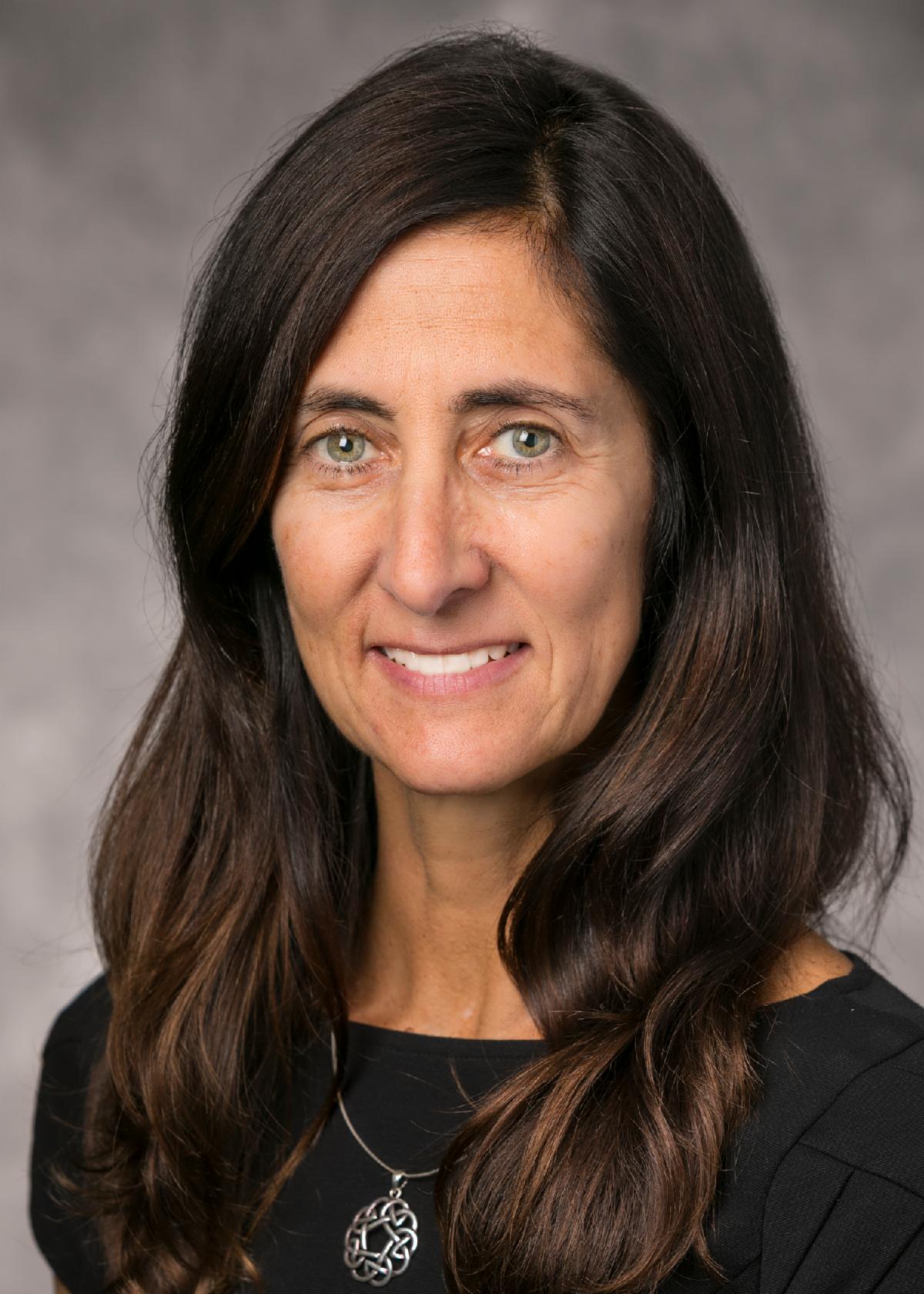
Ellen Sabik, MD, FACC | | |
Dear Ohio-ACC Colleague,
A Policy Change That Requires Your Attention:
The Ambulatory Specialty Model for Heart Failure
I want to make sure every Ohio cardiologist is aware of a significant federal policy development that stands to affect a meaningful portion of our membership — those of you who regularly manage heart failure patients in the outpatient setting.
CMS has finalized a mandatory five-year Ambulatory Specialty Model (ASM) for heart failure, with a launch date of January 1, 2027. Participation is not optional.
General cardiologists who have managed 20 or more original Medicare beneficiaries with heart failure and who practice in CMS-designated geographic areas will be held financially accountable for chronic congestive heart failure care. Performance will be assessed across four domains: cost, quality, improvement activities, and interoperability.
The ACC has taken an active role in responding to this model, filing formal comments with CMS that raise serious concerns — including the model’s exclusive focus on individual physician accountability, shortcomings in recognizing team-based care, problems with the patient attribution methodology, and a number of operational issues. These are concerns we at Ohio-ACC echo wholeheartedly, given how deliberately our members have worked to build integrated, collaborative care models throughout the state.
Steps Every Ohio Cardiologist Should Take Now
CMS published preliminary participant lists in February 2026, with final lists expected before summer’s end. I urge you not to wait — please take the following steps today:
• Check the CMS preliminary participant list to see whether you are included.
• Read through the ACC’s formal comment letter and the key takeaways from the ACC’s conversation with the CMS Innovation Center — both offer important context.
• Download the ACC’s ASM for HF presentation slides and share them with your practice administrators and clinical leadership.
• Send your questions directly to the ACC — they are specifically seeking input from practicing clinicians to shape their continued advocacy work.
One important clarification: interventional cardiologists, electrophysiologists, and advanced heart failure and transplant specialists are explicitly excluded from this model. However, even those outside its direct scope will feel its effects — the ripple across our broader community is real.
Ohio-ACC Remains in Your Corner
We will be watching closely as the Summer 2026 final participant list release approaches and will keep you updated every step of the way. For a full picture of the model and the ACC’s ongoing efforts on your behalf, visit the ACC’s ASM for Heart Failure page. And please don’t hesitate to contact us with any questions or concerns.
| |
Call for Board Nominations
As our Board of Trustees election approaches this summer, we need your help identifying the right leaders for our organization.
We are currently accepting nominations for the following open seats through June 22:
- VA: Physician nominee who works for the VA.
- Cardiovascular Surgeon: Physician nominee who is a Cardiovascular Surgeon.
- Pediatric Cardiology: Physician nominee who is a Pediatric Cardiologist.
- Columbus: Physician nominee from the Columbus practicing community.
- Toledo: Physician nominee from the University of Toledo.
All nominees must hold Fellow, Associate Fellow, Affiliate, Distinguished Fellow, or Honorary Fellow status with the American College of Cardiology in Ohio.
Responsibilities:
Board members serve as trusted advisors as we work to build a stronger voice for cardiology across Ohio. The time commitment is manageable, and the impact is meaningful. You can find the full role description here.
Next Steps – Due by June 22
If you would like to put your own name forward, please complete this form.
If you would like to recommend a colleague, please contact the Ohio-ACC office.
Special thanks to our outgoing trustees: Ajay Agarwal, MD, FACC; Janine Arruda, MD, FACC; Lindsay M. Castle, DO, FACC; Matthew Henn, MD; and George V. Moukarbel, MD, FACC.
| | |
Ohio-ACC Annual Meeting: Save the Date
I’m delighted to invite you to the 2026 Ohio-ACC Annual Meeting on Saturday, October 17, 2026, at the Hilton Columbus at Easton. This is the premier gathering for Ohio's cardiovascular community — a full day of cutting-edge education, meaningful networking, and collegial connection.
Join us the evening before for a Welcome Reception on Friday, October 16, 2026, from 6:30–7:30 p.m. — a great opportunity to reconnect with colleagues before the meeting gets underway.
Why You Should Attend
Whether you are a cardiologist, fellow, or cardiovascular team member, this meeting is designed for you. In one day, you will hear from leading voices across cardiology subspecialties, engage with the latest science, and connect with colleagues from across the state. The meeting also features a poster competition showcasing emerging research from Ohio FITs, residents, and CV team members, and an exhibit hall with opportunities to explore the latest in cardiovascular innovation.
Please take a look at the agenda and plan to participate. We look forward to seeing you there!
| | |
Midwest Women in Cardiology Symposium
We are thrilled to be the host of the 2026 Midwest Women in Cardiology Symposium in Cleveland the weekend of June 6th, at the Hilton Cleveland Downtown. Please make plans to attend! Here is complete information:
Contact Us
If Gwen Goldfarb, our chapter executive, or I can be of assistance to you, please let us know.
Sincerely,
Ellen
Ellen Mayer Sabik, MD, FACC
President, Ohio-ACC
| | Ohio-ACC Takes Cardiology to the Capitol | |
Ohio-ACC Legislative Day
The Ohio-ACC held its 2026 Legislative Day in Columbus on May 12, bringing cardiologists and cardiovascular team members face-to-face with their Ohio representatives and senators at the Statehouse.
This year’s advocacy centered on four bills with direct implications for cardiovascular care in Ohio:
• HB 437 — Cardiac Pre-participation Screening for Athletes
• HB 687 — AEDs/CPR Training in Athletic Facilities
• HB 220 — Prior Authorization: Retroactive Denials and Appeals
• SB 301 — Non-compete Clauses in Healthcare Employment Contracts
You can get complete details here.
Advocacy is not a once-a-year activity — it is an essential part of protecting the profession and ensuring that the patients we serve have access to the timely, high-quality cardiovascular care they deserve. When cardiologists and cardiovascular team members engage directly with lawmakers, they bring a perspective that no lobbyist can replicate: the real-world impact of policy decisions on real patients. Those conversations don’t have to end at the Statehouse. If you are interested in inviting a legislator to visit your practice — giving them a firsthand look at the environment in which you care for patients — please contact the Ohio-ACC Chapter office. There is no more powerful advocacy tool than showing a lawmaker exactly what is at stake.
| | |
CV Team Update
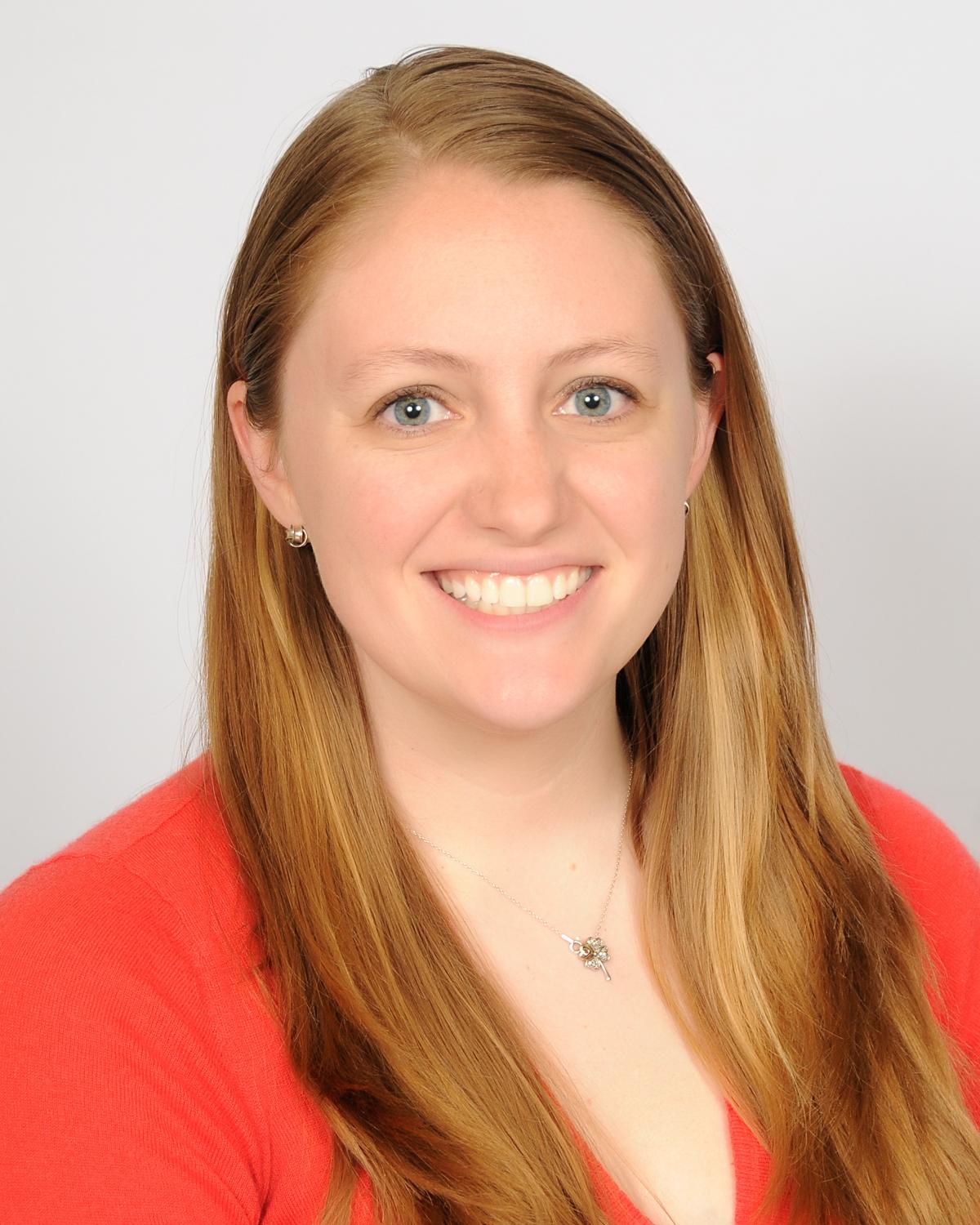
Kelly Bartsch, PharmD, BCPS, CLS, AACC,
CV Team State Representative
| | |
Fellows in Training News
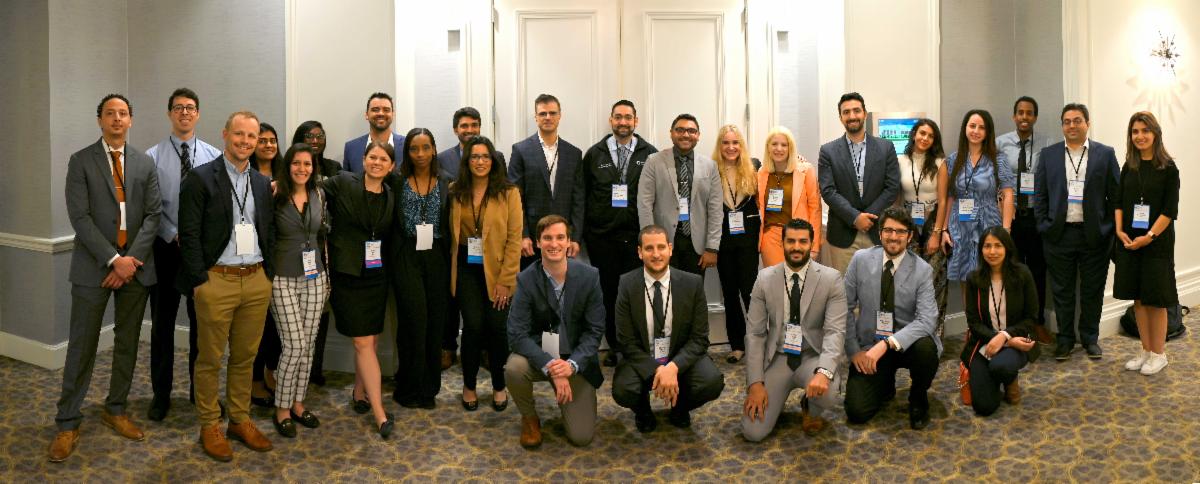
Yasmine Robison, DO & Seth Scheetz, MD, FIT Council Co-Chairs
| | |
Ohio-ACC Fellow Grand Rounds Series
The Ohio-ACC FIT 2025-2026 Grand Round Series Guidelines to Bedside is now complete. If you missed any of the past sessions, you can view them here.
Congratulations to the New 2026-2027 Ohio-ACC FIT Council
We are pleased to announce the 2026-2027 Ohio-ACC FIT Council:
Bilal Hussain, MD, University of Cincinnati, Co-Chair
Bala Pushparaji, MD, MetroHealth Medical Center, Co-Chair
Juthipong Benjanuwattra, MD, University of Cincinnati
Jennifer DeSalvo, MD, The Ohio State University
Naba Farooqui, MBBS, Cleveland Clinic
Brandon Francis, MD, CWRU/UH Cleveland Medical Center Cardiovascular Fellowship Program
Steven Gadd, DO, OhioHealth Doctors Cardiology Fellowship
Polsha Jules, MD, Kettering Health Network
Ahmad Mahdi, MD, University of Toledo
Moiz Saeed, MD, Mercy St Vincent Medical Center
Vien Truong, MD, The Christ Hospital Health Network
Varun Victor, MD, Canton Medical Education Foundation/Aultman Hospital/NEOMED
Poornima Vinod, MD, MetroHealth Medical Center
Phuong Uyen Vo, DO, MPH, MSEd, Summa Health
Ohio-ACC Fellow & Resident & CV Team Poster Competition
Submissions are open for the 2026 Ohio-ACC Poster Competition. We invite Ohio FITs, residents, and CV team members to compete in the 2026 Ohio-ACC Poster Competition at the Annual Meeting on October 17. Submit your abstract today! There will be cash prizes awarded in each category.
Key Dates
- August 30 (before midnight) — Abstracts Due & Meeting Registration Required
- September 17 — Acceptance Notification
- October 17 — Posters on display at the Annual Meeting; winners announced at the end of the meeting
Eligibility
- Fellows in Training — All current Ohio fellows in a cardiology training program. Eligible submissions: Clinical Research or Case Report.
- CV Team Members — All current Ohio-ACC Advanced Practice Nurses, PAs, Clinical Pharmacists, Registered Nurses, CV Technologists, Cardiac Rehabilitation Professionals, and Genetic Counselors. Eligible submissions: Clinical Research or Case Report.
- Medical Residents — All current Ohio medical residents in a training program. Eligible submissions: Case Report only. Residents may NOT submit/present research (nor on behalf of a secondary author) and must identify themselves as residents, not fellows.
Only ONE abstract may be submitted per person.
Submission and presentation at the Ohio-ACC Annual Meeting does not preclude submission to national meetings like ACC and AHA, so you can use this opportunity to get good feedback on your project and make it stronger for a national submission.
| | |
CardiOhio Podcast
Please take a moment to subscribe to the Ohio-ACC CardiOhio Podcast. Simply copy and paste this URL into the podcast app of your choice, or click here to view in Apple podcasts. These 30-minute audio podcasts are designed to provide practical management tips for our providers. We hope that you will find this information useful for your practice.
Episode 28
Join our guest, Dr. Mehdi Shishehbor from University Hospitals of Cleveland, for a discussion reviewing the latest evidence for management of both asymptomatic and symptomatic carotid disease. We review the presenting symptoms of carotid disease, diagnostic testing, as well as medical, endovascular, and surgical management strategies. Dr Shishehbor also addresses strategies for patients with concomitant coronary and carotid disease.
Episode 27
Join our guest, Dr. Heba Wassif from The Cleveland Clinic, for a discussion about the emerging field of cardio-rheumatology. We discuss the relationship between atherosclerosis and chronic inflammation, as well as the incidence of cardiac disease in rheumatologic patients. We also review the role of anti-inflammatory therapy and general cardiac prevention in these patients. We finish with a discussion of the cardio-rheumatology clinic at CCF.
Episode 26
Join our guests, Drs. Matthew Tong and Subha Raman, both imaging specialists in Central Ohio, as we review the current state of cardiovascular MRI imaging- including common indications, patient selection, and specific scenarios such as device patients. They offer tips for the cardiac practitioner for ordering studies and interpreting the results in clinical context.
Find all episodes here.
| | |
Pharmacy Corner
Sarah Hasan, PharmD, MBA, BCACP
| |
2026 American College of Cardiology/American Heart Association (ACC/AHA)
Lipid Guidelines: A Focus on Updated Equations
The new ACC/AHA Guideline on the Management of Dyslipidemia was published earlier in 2026 and has primarily focused on earlier testing, intervention, lifestyle modifications, and intensification of therapies as needed.1 In addition, the guideline also recommends utilizing updated equations for calculating low-density lipoprotein cholesterol (LDL-C ) on a lipid panel that demonstrated increased accuracy across panels.2-4 The updated guideline also provides new recommendations on a preferred calculator for estimating 10-year atherosclerotic cardiovascular disease (ASCVD) risk in primary prevention patients. This calculator is validated in a cohort that is more consistent with modern-day populations on modern therapies and has shown increased accuracy in risk estimates.5
A standard lipid panel typically includes total cholesterol (TC), triglycerides (TG), high-density lipoprotein-cholesterol (HDL-C), and an LDL-C. LDL-C is traditionally calculated utilizing the Friedewald equation, which is TC- HDL- (TG ÷ 5). However, the Friedewald equation has limitations, especially surrounding TG. It is more prone to inaccuracies as TG increases and cannot be utilized when TG is >400 mg/dL.1-3 There is also increased chance of inaccuracies with low HDL-C and LDL-C. In all of these states (low HDL-C, low LDL-C, and elevated TG), it can underestimate LDL-C levels, which may result in undertreating patients.1-3 As an alternative to the Friedewald equation, several other equations have been assessed, with the most commonly studied ones being the Martin/Hopkins3 equation and the Sampson/NIH equation.4
The Martin/Hopkins equation was developed in 2013 and is similar to the Friedewald equation, in that it uses the same standard lipid measurements of TC, HDL-C, and TG.2 The main difference is that instead of dividing TG by five (ie- a fixed value), it is divided by a variable and adjustable novel factor (typically 3-12)2,6, which is based on an individual’s non-HDL-C and TG levels. This method has shown to improve LDL-C estimation at low HDL-C and LDL-C levels and at high TG levels.1-3
The Sampson/NIH equation is more complicated than the former two equations discussed and was developed in 2020.4 It is based on beta-quantification reference measurements. It first calculates very low-density lipoprotein cholesterol (VLDL-C) from TG and non-HDL-C, then uses it to estimate LDL-C. It can calculate LDL-C in patients with TG up to 800 mg/dL and is generally recommended for those with very severe hypertriglyceridemia.4,7
Both the Martin/Hopkins and Sampson/NIH equations carry class one recommendations in the 2026 guideline as the preferred methods to calculating LDL-C over the Friedewald equation.1 Both have shown to more accurately estimate LDL-C under a broader range of TG, LDL-C, and in both fasting and non-fasting states.1-7
In addition to updated recommendations on calculating LDL-C, the 2026 guideline also recommends using the PREVENT-ASCVD (Predicting Risk of Cardiovascular Disease EVENTs) calculator over the Pooled Cohort Equations (PCE) for primary prevention patients.1,5 More specifically, the 2026 dyslipidemia guideline provides a class one recommendation on using the PREVENT-ASCVD calculator to estimate 10-year ASCVD risk in patients between the ages of 30 to 79 years without ASCVD or subclinical atherosclerosis and with an LDL-C between 70 and 189 mg/dL.1 This is in contrast to previous guidelines that recommended the PCE to calculate 10-year ASCVD risk in primary prevention patients between the ages of 40 to 75 years with an LDL-C between 70 and 189 mg/dL and without diabetes.8 Thus the PREVENT-ASCVD calculator can be used in a wider age range of patients.
The PREVENT-ASCVD calculator was developed by the AHA in 2023.5,9 It estimates both 10-year and 30-year risk for total cardiovascular disease (CVD), which is comprised of both ASCVD and heart failure (HF). It was created and validated utilizing data from over 6.5 million adults across multiple databases.1,9,10 This is unlike the PCE, which was derived from ~25,000 adults born before 1930 (i.e.- had different exposure to CVD risk factors in comparison to modern-day individuals).11 The PREVENT-ASCVD calculator also allows the option to input specific factors such as hemoglobin A1C (HbA1c), urine albumin-creatinine ratio (UACR), and social deprivation index (SDI).5,9,10 Thus, it considers glycemic control, proteinuria and chronic kidney disease (CKD), and social determinants of health as part of the risk estimate to further individualize therapies. It also includes sex-specific considerations; but does, however, exclude race as a factor (was found not to be a variable that added predictive value).1 The calculator provides estimates for risk of hard ASCVD (defined as fatal or nonfatal stroke, nonfatal myocardial infarction (MI), or coronary heart disease (CHD)), HF, and total CVD (hard ASCVD + HF);1, 9,10 whereas the PCE gives the risk estimate for ASCVD only (defined as nonfatal MI, CHD death, and fatal or nonfatal stroke).12
Due to the increased accuracy and precision provided by the PREVENT-ASCVD calculator, adjustments have been made in the most recent guidelines to the thresholds to distinguish between low, borderline, intermediate, and high-risk primary prevention patients. The PREVENT-ASCVD equation generally provides a 10-year risk estimate that is 40% to 50% lower than PCE estimates (i.e.- PCE calculator often over-estimated risk for adults). Ultimately this led to lower thresholds for each of the categories with the new calculator.1 The table below distinguishes the differences in the 10-year risk thresholds between the PCE and PREVENT-ASCVD calculators.
| |
The updated guideline on the treatment of dyslipidemia focuses on a comprehensive approach to management, which includes early detection and intensification of therapy as necessary. By utilizing the recommended updated equations for calculating LDL-C and ASCVD risk estimates for primary prevention patients, clinicians are able to better assess individuals’ true risks of ASCVD and make more informed clinical decisions in therapy.
References:
1. Blumenthal RS, Morris PB, Gaudino M, et al. 2026 ACC/AHA/AACVPR/ABC/ACPM/ ADA/AGS/APhA/ASPC/NLA/PCNA Guideline on the Management of Dyslipidemia. JACC. Published online March 13, 2026.
2. Martin SS, Blaha MJ, Elshazly MB, et al. Comparison of a Novel Method vs the Friedewald Equation for Estimating Low-Density Lipoprotein Cholesterol Levels From the Standard Lipid Profile. JAMA. 2013;310(19):2061–2068.
3. Martin SS, Giugliano RP, Murphy SA, et al. Comparison of Low-Density Lipoprotein Cholesterol Assessment by Martin/Hopkins Estimation, Friedewald Estimation, and Preparative Ultracentrifugation: Insights From the FOURIER Trial. JAMA Cardiol. 2018;3(8):749–753.
4. Sampson M, Ling C, Sun Q, et al. A New Equation for Calculation of Low-Density Lipoprotein Cholesterol in Patients With Normolipidemia and/or Hypertriglyceridemia. JAMA Cardiol. 2020;5(5):540–548.
5. Khan SS, Matsushita K, Sang Y, et al. Development and validation of the American Heart Association’s PREVENT equations. Circulation. 2024;149:430–449.
6. Clinical Pathology Laboratories. New Martin Hopkins Method for Low-Density Lipoprotein Calculation. Published online February 2020.
7. Maureen Sampson, Anna Wolska, Jeff W Meeusen, James Otvos, Alan T Remaley, The Sampson-NIH Equation Is the Preferred Calculation Method for LDL-C, Clinical Chemistry, Volume 70, Issue 2, February 2024, Pages 399–402.
8. Grundy SM, Stone NJ, Bailey AL, et al. 2018 AHA/ACC/AACVPR/AAPA/ABC/ACPM/ADA/AGS/APhA /ASPC/NLA/PCNA Guideline on the Management of Blood Cholesterol: A Report of the American College of Cardiology/American Heart Association Task Force on Clinical Practice Guidelines JACC. Published online November 10, 2018.
9. The American Heart Association PREVENTTM Online Calculator. American Heart Association. Accessed May 15, 2026
10. Khan SS, Coresh J, Pencina MJ, et al. Novel prediction equations for absolute risk assessment of total cardiovascular disease incorporating cardiovascular-kidney-metabolic health: a Scientific Statement from the American Heart Association. Circulation. 2023; 148:1982-2004.
11. Stone NJ, Robinson JG, Lichtenstein AH, et al. 2013 ACC/AHA guideline on the treatment of blood cholesterol to reduce atherosclerotic cardiovascular risk in adults: a report of the American College of Cardiology/American Heart Association Task Force on Practice Guidelines. J Am Coll Cardiol. 2014;63:2889–2934.
| | |
The new ACC/AHA Guideline on the Management of Dyslipidemia offers a comprehensive “one-stop shop” for addressing the evaluation, management and monitoring of individuals with dyslipidemias, including high blood cholesterol, hypertriglyceridemia, and elevated lipoprotein(a). The document consolidates evidence-based recommendations for managing dyslipidemias and retires and replaces the 2018 Guideline on the Management of Blood Cholesterol. Among the highlights, early intervention, starting in childhood, as well as use of the newer PREVENT-ASCVD equations instead of the older Pooled Cohort Equations for 10- and 30-year risk assessment, are included in the new guideline. Treatment goals are also back. In addition, the document provides guidance on when to consider additional testing, as well as when to use nonstatin therapies. Read and cite the full guideline in JACC.
NOW AVAILABLE: AI Prompt Generation Guide For Health Care Professionals
Artificial intelligence (AI) is transforming how diseases are diagnosed, treated and managed. In health care, AI prompt generation serves as a critical bridge between clinical expertise and AI capabilities, ultimately helping clinicians improve care delivery. The latest chapter in the ACC and MedAxiom Care Transformation Initiative, AI Prompt Generation Guide For Clinicians, examines the principles and practices of prompt generation, offering practical strategies to apply AI tools to patient care, workflow optimization and innovative problem-solving. Download the guide.
*Looking for more on AI? Visit ACC’s AI Resource Center for additional resources, including the new AI-Enabled Clinician Podcast.
CardioSmart is the ACC’s dedicated home for patient tools and resources, including infographics, shared decision-making aids, and more. Find information on specific clinical conditions, health lifestyle choices and more at CardioSmart.org.
| | | | |