|
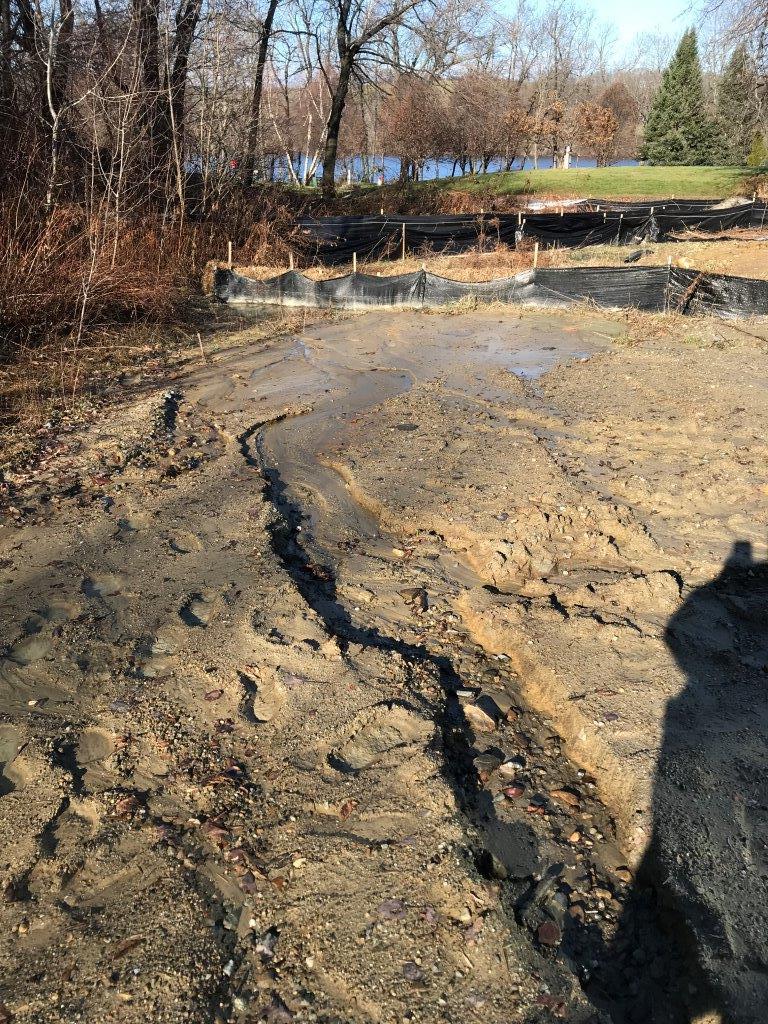
When building on parcels of land featuring slopes or other challenging topography, owner, developer, and contractor concerns must extend beyond getting the site foundation-ready. Especially given recent surges in heavy rainfall and extreme weather events, these concerns include attaining knowledge of site conditions and building in a responsible construction sequence to avoid costly washouts and minimize unwanted impacts. Below, we offer some broad guidelines for effective early construction project erosion control and stormwater measures, as well as some unfortunate examples of what occurs when these measures are not properly put in place.
Preconstruction Priorities
In the preconstruction planning and design phase, as the project team focuses on permitting, it is imperative to conduct appropriate soil testing. This will reveal the land’s natural drainage patterns, determine the number of soil tests that must be performed, and provide critical information as to the types of structure and foundation the site can accommodate.
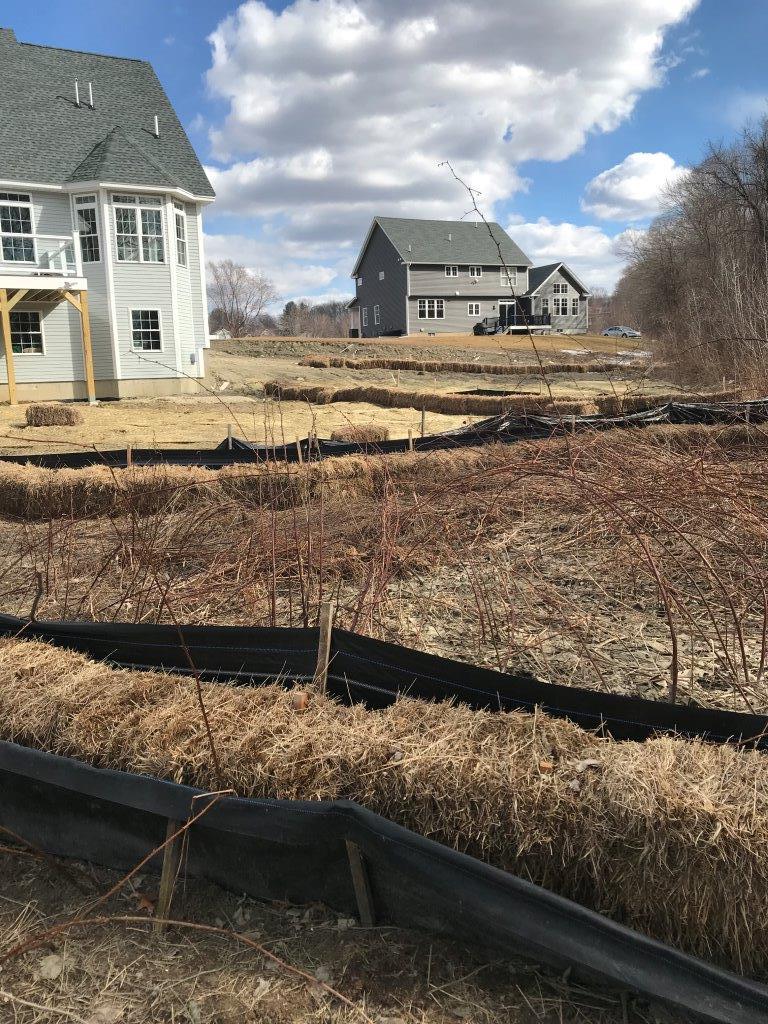
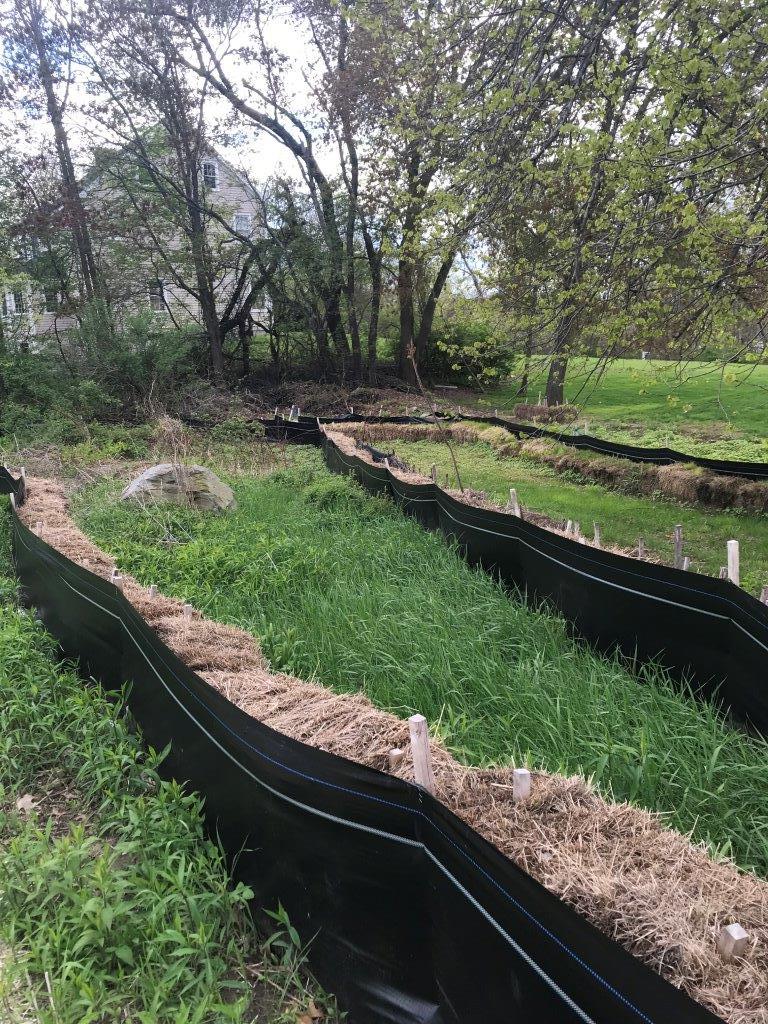
Before sitework begins, mandated erosion controls must be installed around the perimeter as well as at targeted areas within the boundaries of the property; the specifics of these internal controls will vary depending on the size and grading of the parcel, as well as the presence of any internal resource areas such as water features.
As the project moves to Phase One development – which, depending upon the site, could include removal of trees and vegetation for entry drive clearance – stormwater management measures should be installed. Typically, these will include surface basins (which some contractors use as temporary sediment basins during construction) and the installation of erosion control barriers upstream from the basins to manage runoff.
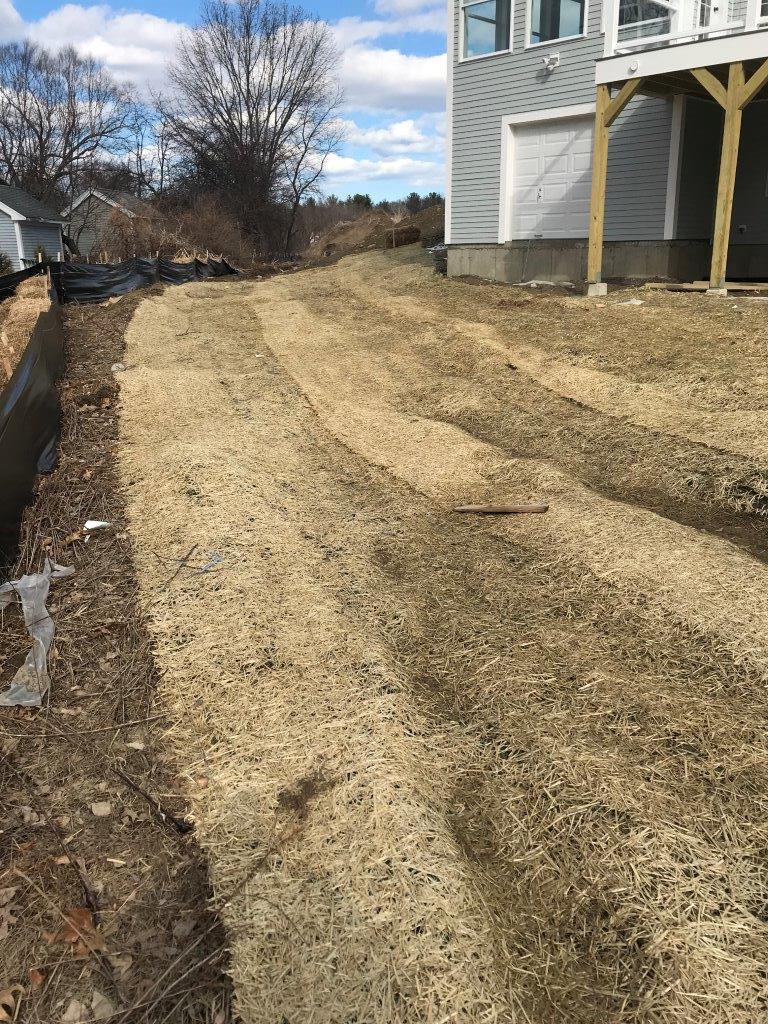
Next, the contractor must prepare the site for Phase Two. If land must be cleared of trees and other vegetation, it is important to do so by starting at upper elevations of the slope(s) and working downward from there to retain a lower erosion buffer during the process. Erosion control measures can then kick into high gear with rough grading and placing new loam and land-stabilizing grass and vegetation seeds. At the same time, any additional erosion barriers that may help keep the topography intact – such as coir logs, silt fencing, and biodegradable erosion blankets – should be installed at this point.
|