|
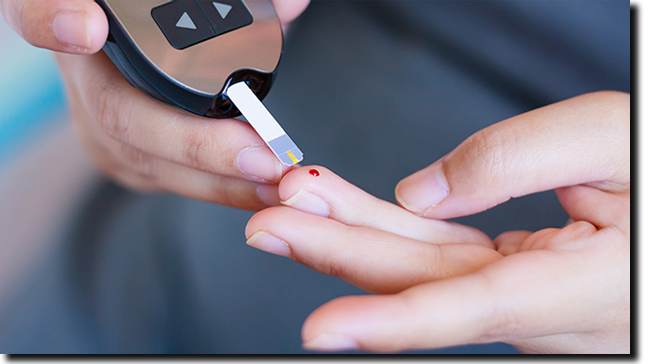
Taking steroids more than doubles a person’s risk of developing type 2 diabetes, a new study warns.
Patients taking steroid pills, injections or infusions are 2.6 times more likely to develop diabetes than those not on steroids, researchers reported Sunday in a presentation at the annual meeting of the European Association for the Study of Diabetes in Madrid.
The results of this large-scale study confirm suspicions that the effects of steroids on blood sugar levels can boost diabetes risk, researchers said.
Read More
| |
Meta-analysis shows higher prevalence of both conditions compared with general population
Young people with chronic pain also have higher rates of depression and anxiety, according to a systematic review and meta-analysis.
In an analysis of 79 studies totaling almost 23,000 youth, the prevalence of anxiety was 34.6% in those with chronic pain, and the prevalence of depression was 12.2%, Joanne Dudeney, PhD, of the Macquarie University in Sydney, Australia, and colleagues reported in JAMA Pediatrics.
Those rates are more than three times greater than observed in the community setting, the authors noted.
Read More
| |
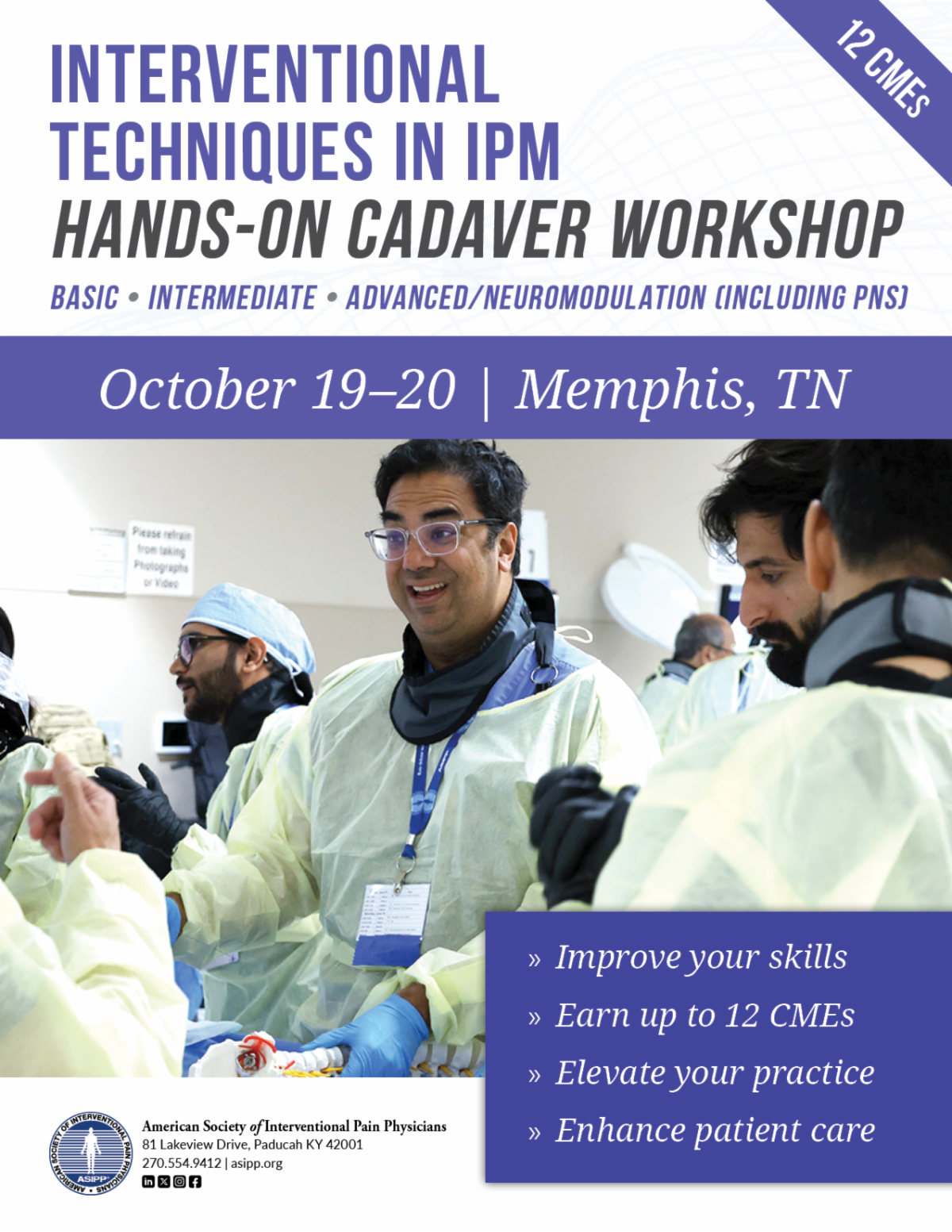
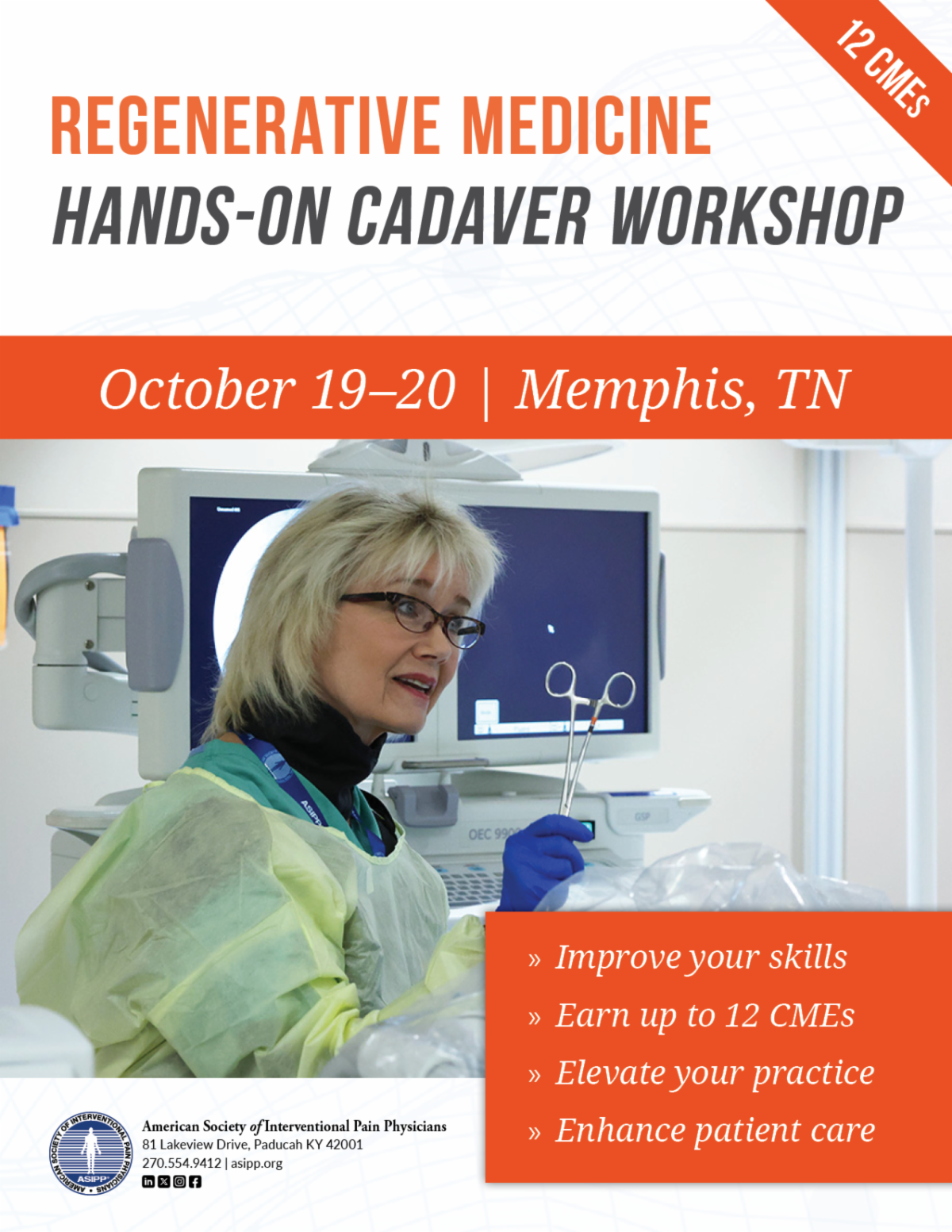
Don't forget to register for these upcoming ASIPP Hands-On Cadaver Workshops
next month in Memphis!
| |
|
Regulators will need to closely watch this new frontier
More than a quarter of a century ago, the FDA eased regulations to make it easier for pharmaceutical companies to advertise directly to consumers. Today, it is nearly impossible to get through a family sitcom without hearing an ad listing symptoms and side-effects and encouraging the viewer to "speak with" their physician.
If patients and physicians are tired of the drug company pleas, tighten your seat belts.
Two major pharmaceutical companies have announced they intend to sell directly to consumers using digital health platforms. Other companies will likely follow suit. It appears major pharmaceutical companies are trying to keep up with successful smaller platforms like Hims & Hers.
Read More
| |
Abstract submissions are open for ASIPP's 2025 Annual Meeting!
The abstract submission deadline is March 10, 2025.
Don't miss this opportunity to share your insights and
help shape the future of pain management.
| |
|
How long has Sin Nombre hantavirus lived in North America?
Glowing embers cascading from Glacier Point. The ancient granite of Tuolumne Meadows. The Mist Trail leading to Vernal Falls. All these memories and more were treasured by my mom -- a native Californian who loved Yosemite National Park. My mother also loved Yosemite's canvas-covered cabins where she often stayed during childhood summers.
But now that a dozen years have passed since deceptively cute deer-mice invaded some of those cabins' foam insulation, then shed a virus that gravely sickened eight people and killed three of them, I can't help but wonder: decades earlier, could the same fate have befallen my mom? Similarly, did certain people in the American Southwest suffer the dire illness called hantavirus pulmonary syndrome (HPS) long before 1993, when the U.S. recorded its first official outbreak in Arizona and New Mexico? In that instance, 15 of 17 early sufferers died from inhaling an agent aerosolized from the feces, urine, or saliva of Peromyscus maniculatus mice that was later christened Sin Nombre virus (SNV) -- the virus that causes HPS.
Over the next 28 years, the U.S. recorded roughly 800 laboratory-confirmed cases of HPS, of which 35% were fatal and 94% occurred west of the Mississippi River. Although New Mexico, Colorado, Arizona, California, Washington, and Texas typically lead the country in reported cases, SNV has now infected at least one person in 40 of our 48 lower states.
Read More
| |
|
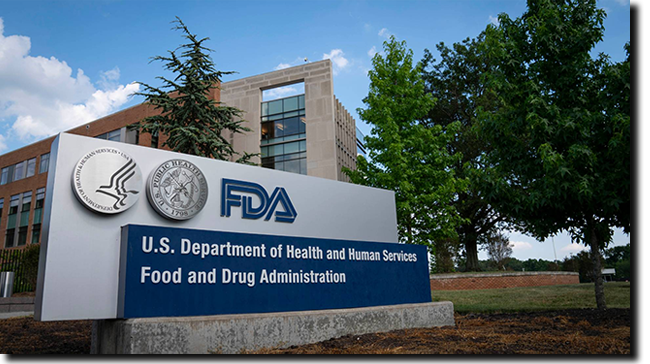
The US Food and Drug Administration (FDA) plans to scrutinize the safety and efficacy of lab-developed tests — those designed, manufactured, and used in a single laboratory — far more thoroughly in the future.
Under a rule finalized in April, the FDA will treat facilities that develop and use lab tests as manufacturers and regulate tests as medical devices. That means that most lab tests will need an FDA review before going on sale.
The FDA will also impose new quality standards, requiring test manufacturers to report adverse events and create a registry of lab tests under the new rule, which will be phased in over 4 years.
Read More
| |
|
Virtual
September 28, October 26,
November 9 & December 14
Click here for the complete list of upcoming exams.
ABIPP Part I; ABIPP Path - Combined DCCPM/CSM virtual exam;
ABIPP Competency Exam in IPM; ABIPP Competency Exam in Regenerative Medicine;
CSM Competency Exam; DCCPM Competency Exam
In Person
October 18, 2024
ABIPP Part II - Practical Examination
Lab Venue: MERI, 44 S. Cleveland Street, Memphis, TN 38104
| |
|
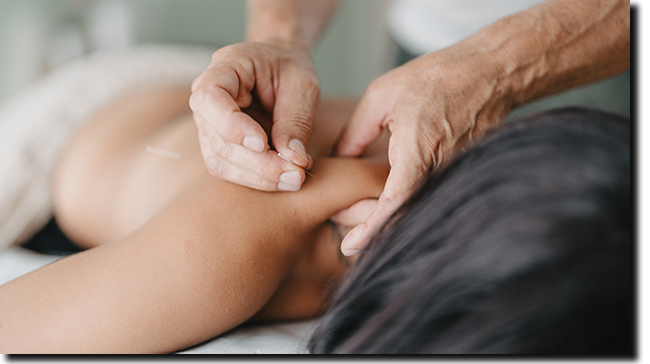
Patients with chronic neck pain who received acupuncture experienced an alleviation of their symptoms, but not at clinically meaningful levels, compared with those who received sham treatment.
METHODOLOGY:
- A 24-week randomized trial was conducted at four clinical centers in China over a 2-year period starting in 2018.
- A total of 659 patients with chronic neck pain were randomly assigned to one of the four groups: Higher sensitive acupoints (mean age, 38.63 years; 70.41% women; n = 169), lower sensitive acupoints (mean age, 40.21 years; 74.4% women; n = 168), sham acupuncture (mean age, 40.16 years; 75.29% women; n = 170), and a waiting list (mean age, 38.63 years; 69.89% women; n = 176).
- Participants in the acupuncture groups had 10 sessions over 4 weeks and were followed up for 20 weeks. Those in the waiting list group received no treatment.
Read More
| |
Registration is open for
ASIPP's 2025 Annual Meeting
We would love it if you would register and join us in Orlando!
| |
|
MRI-derived abdominal adipose tissue is linked to chronic musculoskeletal pain in multiple sites. The association is stronger in women, suggesting sex differences in fat distribution and hormones.
METHODOLOGY:
- Researchers used data from the UK Biobank, a large population-based cohort study, to investigate the associations between MRI-measured abdominal adipose tissue and chronic musculoskeletal pain.
- A total of 32,409 participants (50.8% women; mean age, 55.0 ± 7.4 years) were included in the analysis, with abdominal MRI scans performed at two imaging visits.
- Pain in the neck/shoulder, back, hip, knee, or "all over the body" was assessed, and participants were categorized based on the number of chronic pain sites.
Read More
| |
- ASIPP Members Only Site Information - | |
-
To log in for the first time you will need to click “forgot password” at the bottom of the login window.
- Check your email and then log in as directed.
-
If you have problems logging into your account, click here.
| |
|
Regional Anesthesia Reduces Chronic Pain and Opioid Use After Noncardiac Surgery
The use of regional anesthesia reduces acute postoperative pain associated with noncardiac surgery. It also decreases the incidence of prolonged opioid use and chronic postoperative pain at 3 and 6 months after surgery.
METHODOLOGY:
- Researchers conducted a systematic review and meta-analysis of 37 randomized controlled trials involving 4948 adults (age, ≥ 18 years) undergoing elective noncardiac surgeries.
- Data were extracted from the MEDLINE, EMBASE, CENTRAL, and CINAHL databases from inception to April 2022.
- Patients included in the analysis received regional anesthesia or control (eg, a placebo or sham procedure) during the perioperative period.
- The primary outcomes were prolonged use of opioids (continued use of opioids at least 2 months after surgery) and chronic postsurgical pain (pain lasting at least 3 months after surgery).
Read More
| |
|
Pain Medicine Case Reports (PMCR) and Editor-in-Chief Alaa Abd-Elsayed, MD, PhD would like to invite you to submit case reports and case series to the PMCR journal. Your article will be published free of charge.
Open access journals are freely available online for immediate worldwide open access to the full text of published articles. There is no subscription fee for open access journals. Open access journals are no different from traditional subscription-based journals: they undergo the same peer review and quality control as any other scholarly journal.
Interested in becoming a member of the PMCR Editorial Board?
Editorial board members are asked to review 2-6 manuscripts per year. Please submit your most up-to-date CV to sgold@asipp.org for consideration.
For more information or to submit your articles, click here.
| |
|
Kwasi Ampomah, DO, Jillian Dean, MD, and Michael Patterson, MD
Abstract
BACKGROUND: The pain, compromised spinal biomechanics, and limited mobility caused by thoracic vertebral compression fractures present complex clinical challenges. Conventional treatments for this condition have limitations, necessitating innovative solutions. Peripheral nerve stimulation (PNS), which interrupts pain-signaling pathways, offers a minimally invasive approach.
CASE REPORT: We report a 20-year-old woman with T9 and T7 thoracic compression fractures resulting from a horse-riding accident. Although she had received the standard interventions, her pain persisted. PNS was introduced, resulting in an 85% pain reduction and improved quality of life for the patient. PNS utilizes neuromodulation principles to target peripheral nerves, intercepting nociceptive signals.
CONCLUSIONS: This case highlights PNS’s potential as a transformative therapeutic strategy for thoracic compression fractures. PNS offers personalized pain relief with minimal invasiveness, making it a promising alternative to conventional treatments. As the prevalence of osteoporosis rises, PNS holds promise for better outcomes and enhanced quality of life in patients with vertebral compression fractures.
KEY WORDS: Peripheral nerve stimulation (PNS), thoracic compression fracture, vertebral integrity, neuromodulation, pain management, case report
Read More
| |
|
Bing Huang, MD, Huidan Lin, MD, Ming Yao, PhD, Keyue Xie, PhD, Yong Fei, MD, and Li Zhang, MD
Abstract
BACKGROUND: The classic percutaneous balloon compression (PBC) technique is used to complete an operation under the guidance of C-arm radiography under general anesthesia, making communication with patients during the operation impossible. It is not accurate or objective to predict the classic technique’s curative effect solely by determining whether the projection of the x-ray lateral image of the filled balloon is pear-shaped.
OBJECTIVES: This study aimed to upgrade classic PBC to awake computed tomography (CT)-guided PBC technology under conscious local anesthesia and analgesia monitoring.
STUDY DESIGN: Prospective clinical study.
SETTING: Department of Anesthesiology and Pain Medical Center, Jiaxing, People’s Republic of China.
METHODS: Puncture was designed and guided by CT scanning, and the curative effect was assessed by asking the patients about what they are feeling during the operation.
RESULTS: CT can design the puncture path and accurately guide puncture, observe the position and shape of the balloon through 3-dimensional reconstruction during the operation, and judge the curative effect according to the patient’s chief concern.
LIMITATIONS: Local anesthetic analgesia is not perfect, resulting in some patients experiencing pain during surgery.
CONCLUSIONS: PBC can be completed under conscious local anesthesia and analgesia. Its curative effect and operative end standard can be determined according to the patient’s chief concern. Under CT guidance, the puncture path can be designed to complete an accurate puncture and to intuitively understand the position and shape of the balloon.
KEY WORDS: Trigeminal neuralgia, computed tomography guidance, conscious sedation, percutaneous balloon compression
Read More
| |
|
Sayed Emal Wahezi, MD, Tahereh Naeimi, MD, Moorice Caparo, MD, Trent D. Emerick, Heejung Choi, MD, Yashar Eshraghi, MD, Magdalena Anitescu, MD, Kiran Patel, MD, Rene Przkora, MD, PhD, Thelma Wright, MD, Susan Moeschler, MD, Meredith Barad, MD, Stephanie Rand, MD, Mooyeon Oh-Park, MD, Benjamin Seidel, DO, Ugur Yener, MD, Jonathan Alerte, MD, Naum Shaparin, MD, Alan D. Kaye, MD, PhD, and Lynn Kohan, MD
Abstract
BACKGROUND: Since 1992, when the Accreditation Council of Graduate Medical Education (ACGME) acknowledged pain medicine as a subspecialty, the field has experienced significant growth in its number of programs, diversity of sponsoring specialties, treatment algorithms, and popularity among applicants. These shifts prompted changes to the educational model, overseen by program directors (PDs) and the ACGME. The pool of pain fellowship applicants also changed during that period.
OBJECTIVES: This study aims to investigate trainees’ reasons for applying to pain medicine fellowship programs as well as the applicants’ specific expectations, interests, and motivations, thereby contributing to the remodeling and universal improvement of programs across the country.
STUDY DESIGN: Online survey via SurveyMonkey. The online questionnaire targeted pain fellowship applicants in 2023 and current fellows in the US.
METHODS: Our study was designed by board members of the Association of Pain Program Directors (APPD). The board disseminated a survey to those who applied to ACGME Pain Medicine fellowships in 2023 as well as to existing fellows. The survey was emailed to residency and fellowship PDs for dissemination to their trainees. The participants answered a 12-question survey on their reasons for pursuing pain medicine fellowships, expectations of and beyond those fellowships, and educational adjustments.
RESULTS: There were 283 survey participants (80% applicants in residency training and 20% fellows). Participants ranked basic interventional procedures and a strong desire to learn advanced procedures as the most significant factors in pursuing a pain fellowship. Most trainees (70%) did not wish to pursue a 2-year fellowship, and 50% desired to go into private practice.
LIMITATIONS: The relatively small number of respondents is a limitation that could introduce sampling error. Since most of the respondents were from the fields of physical medicine and rehabilitation (PM&R) and anesthesia, the use of convenience sampling reduced our ability to generalize the results to the wider community. Furthermore, approximately 80% of the trainees were residents, who might have had less experience in or knowledge of the survey’s particulars than did the fellows.
CONCLUSION: This survey demonstrated that procedural volume and diversity were important factors in trainees’ decisions to apply to the field of pain medicine; however, extending the duration of a pain fellowship was not an option survey participants favored. Therefore, PDs and educational stakeholders in pain fellowship training need to develop creative strategies to maintain competitive applicants’ interest while they adapt to our evolving field.
KEY WORDS: Graduate medical education, competency-based medical education, multidisciplinary, chronic pain, pain medicine, fellows
Read More
| |
|
ASIPP is now in collaboration with Curi Medical Liability Program
| |
|
Since this malpractice insurance program officially launched in November 2018, ASIPP has signed up hundreds of providers with an average savings of 30%. This is professional liability insurance tailored to our specialty and will stand up for us and defend our practices.
Curi is a full-service advisory firm that serves physicians and their practices. Their valued advice is grounded in your priorities and elevated in your outcomes. They are driven by a deep understanding of your specific circumstances in medicine, business, and life. To read a few important points to keep in mind about the program, including discounts, administrative defense, cyber coverage, aggressive claims handling, and complimentary risk management CME activities, visit our website.
| | |
|
Group Purchasing Organization Offer Better Pricing and Creates Added Value
ASIPP has formed a partnership with Henry Schein and PedsPal, a national GPO that has a successful history of negotiating better prices on medical supplies and creating value-added services for independent physicians. Working with MedAssets, PedsPal provides excellent pricing on products like contrast media that alleviate some of the financial pressures you experience today.
Learn More
| |  |
|
ASIPP, Fedora Healthcare Solutions Partnership
ASIPP offers our members the benefit of a unique revenue cycle management/ billing service.
We have received a tremendous amount of interest in the ASIPP billing and coding program.
Click here to learn more about the negotiated rate for practices and more!
| |
|
Like and follow ASIPP® on Facebook, X, and LinkedIn for the most
up-to-date news related to you, your practice, and your patients!
| | | | |