|
Dear Colleagues,
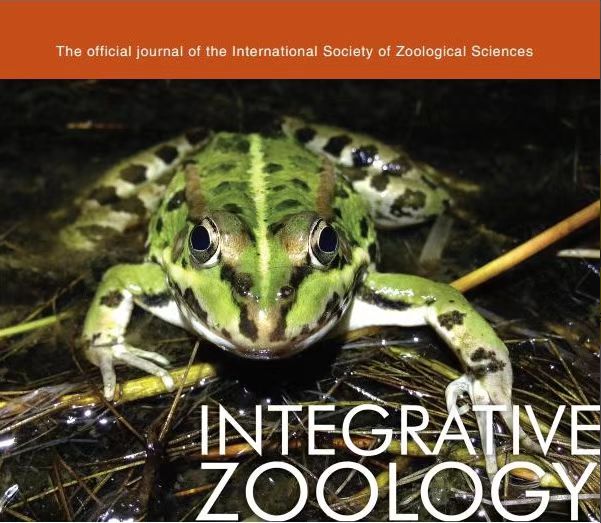
We recently released a Virtual Issue on amphibian research. Thanks to Wiley, our publishing partner, all articles are free to read for 3 months (click the links below to access the individual articles).
Special Introduction to Virtual Issue by guest editor Amaël BORZÉE (just published, will be made free access in the coming days)
Virtual Issue link: https://onlinelibrary.wiley.com/doi/toc/10.1111/(ISSN)1749-4877.amphibian-behavioural-ecology-morphology-phylogeography (FREE ACCESS NOW!)
Summary:
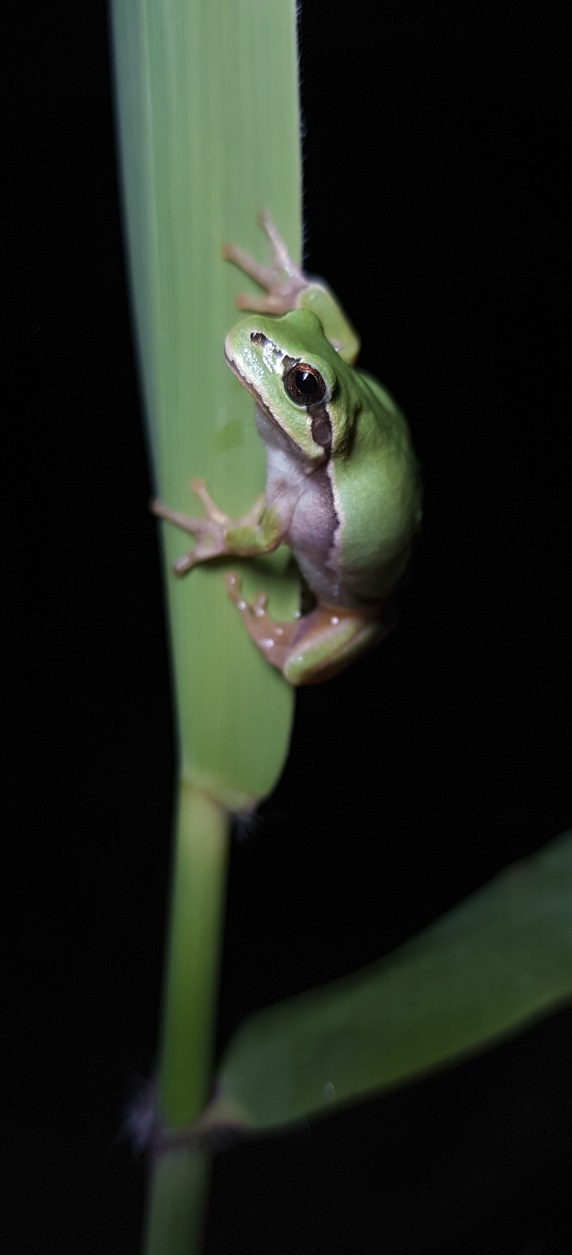
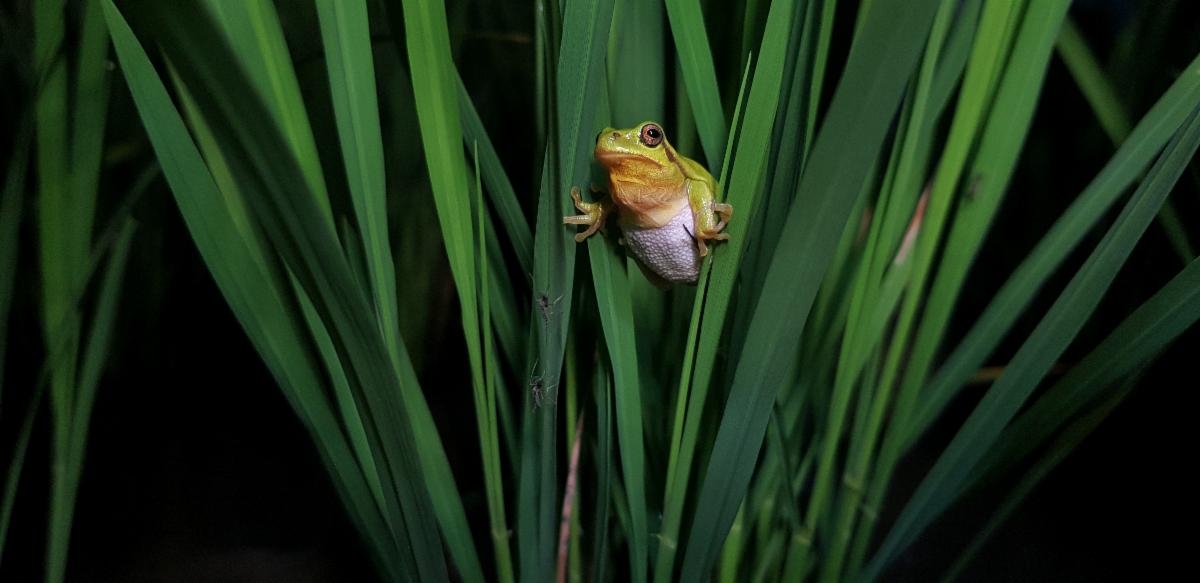
This Virtual Issue of Integrative Zoology aims to invigorate interest in amphibian research. Amphibians are the most threatened vertebrates (Luedtke et al. 2023), and understanding their behavioural ecology, morphological plasticity, relation with pathogens and climate change, phylogeography, and taxonomy is an important basis to develop conservation action plans (IUCN SSC Amphibian Specialist Group, 2024). In addition, amphibians have been model species for science for decades, and their use is not diminishing (Hitachi et al. 2009). Research both directly about conservation and zoological research about amphibians all contribute to the conservation biology of amphibians. In addition, data such as climatic variables can be used for projections as climate change is now the primary factor to amphibian declines, through numerous direct and indirect threats (reviewed by Li et al. 2013). This Virtual Issue explores advances in behavioural ecology, morphology, and phylogeography over the last two decades. A more complete introduction to the articles is published in the journal and listed below.
References
Hitachi K, Kondow A, Danno H, Nishimura Y, Okabayashi K, Asashima M (2009). Molecular analyses of Xenopus laevis Mesp‐related genes. Integrative Zoology 4, 387–94.
IUCN SSC Amphibian Specialist Group (2024). The Amphibian Conservation Action Plan (ACAP): A status review and roadmap for global amphibian conservation. IUCN Occasional Paper, Gland, Switzerland.
Li Y, Cohen JM, Rohr JR (2013). Review and synthesis of the effects of climate change on amphibians. Integrative Zoology 8, 145–61.
Luedtke JA, Chanson J, Neam K et al. (2023). Ongoing declines for the world’s amphibians in the face of emerging threats. Nature 622, 308–14.
Articles were selected by Dr. Amaël Borzée, Professor, Laboratory of Animal Behaviour and Conservation, College of Life Sciences, Nanjing Forestry University, China; Co-Chair, Amphibians Specialist Group, Species Survival Commission, International Union for the Conservation of Nature (IUCN).
Enjoy!!
Research Articles
Amaël BORZÉE, Jun Young KIM, Marina Andrade Martins DA CUNHA, Donggeun Lee, Eunchong SIN, Sunmin OH, Yoonjung YI, Yikweon JANG
First Published: 05 April 2016
| |
|
Heidi M. BUSTAMANTE, Lauren J. LIVO, Cynthia CAREY
First Published: 02 June 2010
| |
Berta CAPELLÀ-MARZO, Gregorio SÁNCHEZ-MONTES, Iñigo MARTÍNEZ-SOLANO
First Published: 24 April 2020
| |
Daniel ESCORIZA, Axel HERNANDEZ
First Published: 13 July 2021
| |
Elena GANGENOVA, Mariano I. GIOMBINI, Gustavo A. ZURITA, Federico MARANGONI
First Published: 16 April 2020
|
OPEN ACCESS
Thomas P. HASTINGS, Blake R. HOSSACK, LeeAnn FISHBACK, Jon M. DAVENPORT
First Published: 08 April 2022
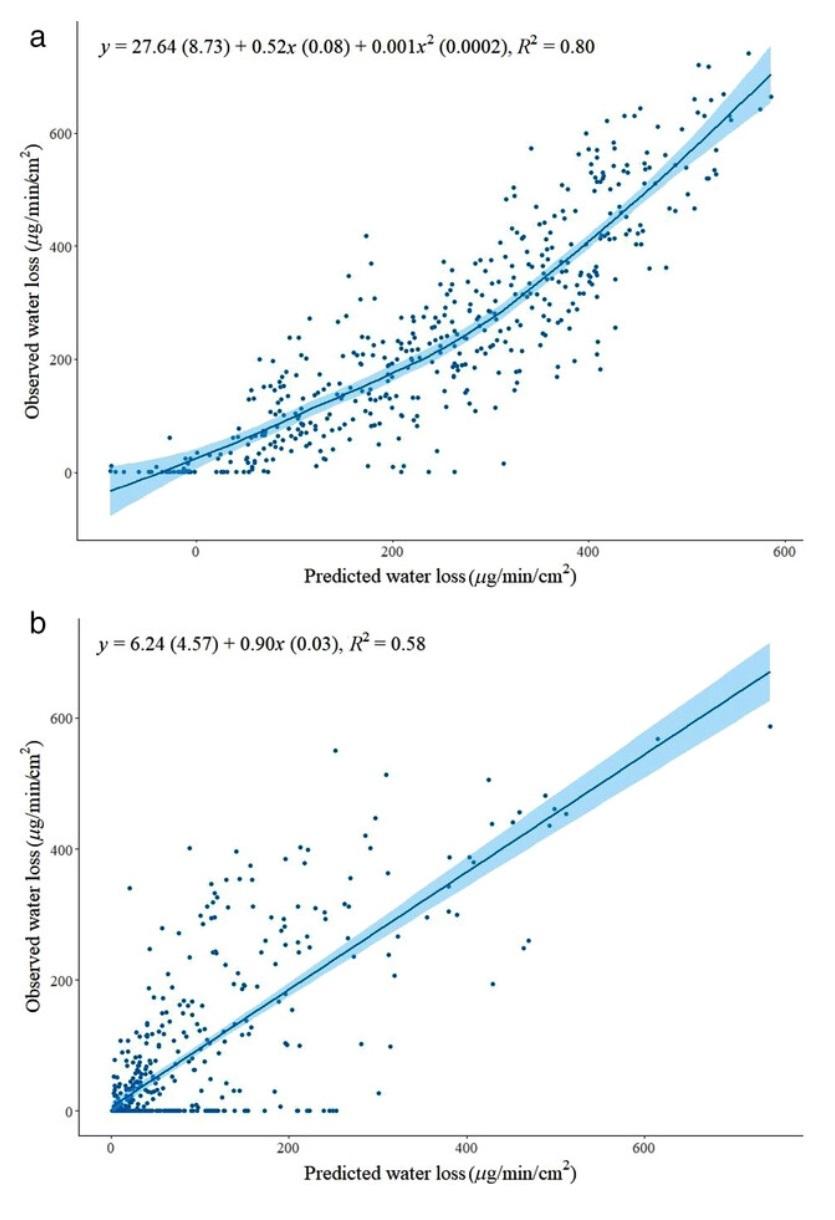
| Graphical Abstract: Variation in the observed water balance (μg/min/cm2) of wood frogs explained by predicted water balance (μg/min/cm2). | |
Keisuke HITACHI, Akiko KONDOW, Hiroki DANNO, Yusuke NISHIMURA, Koji OKABAYASHI, Makoto ASASHIMA
First Published: 08 December 2009
| |
Yan HUANG, Junhua HU, Bin WANG, Zhaobin SONG, Caiquan ZHOU, Jianping JIANG
First Published: 04 November 2015
| |
Ying JIANG, Chuan CHEN, Wenbo LIAO
First Published: 05 May 2022
| |
Long JIN, Yuchi ZHENG, Xiaofeng LUAN, Wenbo LIAO
First Published: 15 December 2022
|
Review
Yiming LI, Jeremy M. COHEN, Jason R. ROHR
First Published: 19 October 2012
| |
Óscar OLARTE, Gregorio SÁNCHEZ-MONTES, Íñigo MARTÍNEZ-SOLANO
First Published: 25 April 2020
| |
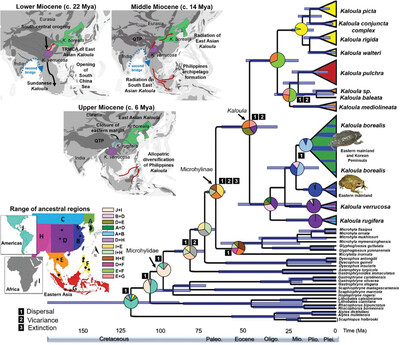
Siti N. OTHMAN, Eggy Triana PUTRI, Kevin R. MESSENGER, Yoonhyuk BAE, Yi YANG, Timothy BOVA, Thomas REED, Hina AMIN, Ming-Feng CHUANG, Yikweon JANG, Amaël BORZÉE
First Published: 18 March 2021
| Graphical Abstract: Phylogeographic pattern and hypothesized dispersal routes of the most common recent ancestor of Kaloula spp. into East Asia. This colonization was followed by the radiation of the East Asian lineage induced by the Miocene orogeny of Qinghai-Tibetan Plateau and finally the dispersal of Kaloula borealis towards the northern latitudes. | |
Zhiwei PENG, Lixia ZHANG, Xin LU
First Published: 08 September 2021
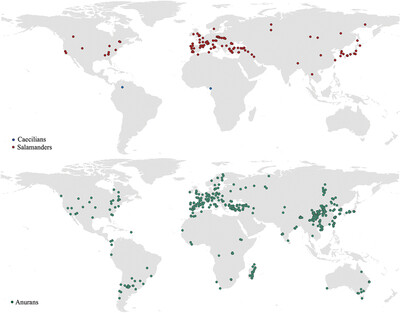
| Graphical Abstract: Based on a collection of 369 published papers, this review quantifies the availability of data on skeletochronological age of amphibians in the world. Only 266 species or 3.3% of the extant species have been estimated in this regard, of which a considerable bias exists in terms of taxonomy, geographic distribution and habitat. We encourage herpetologists to pay more efforts on filling these gaps, which will improve our understanding of life history and conservation for amphibians. | |
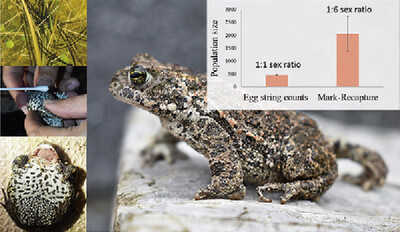
Marina REYNE, Sarah HELYAR, Aurélie AUBRY, Mark EMMERSON, Ferdia MARNELL, Neil REID
First Published: 02 November 2020
| Graphical Abstract: Counting egg spawns is widely used to assess population abundance in pond breeding anurans. However, it is unknown how such counts translate into robust population size estimations. We monitored the breeding activity of the Natterjack toad, combining egg string counts and Capture-Mark-Recapture. Our results demonstrated that egg spawn counts can underestimate the breeding population by up to 72%. Hence, studies of amphibian populations should consider incorporating methods that account for variation in detection probability into their long-term monitoring efforts. | |
Konstantinos SOTIROPOULOS, Anastasios LEGAKIS, Rosa Maria POLYMENI
First Published: 28 June 2008
| |
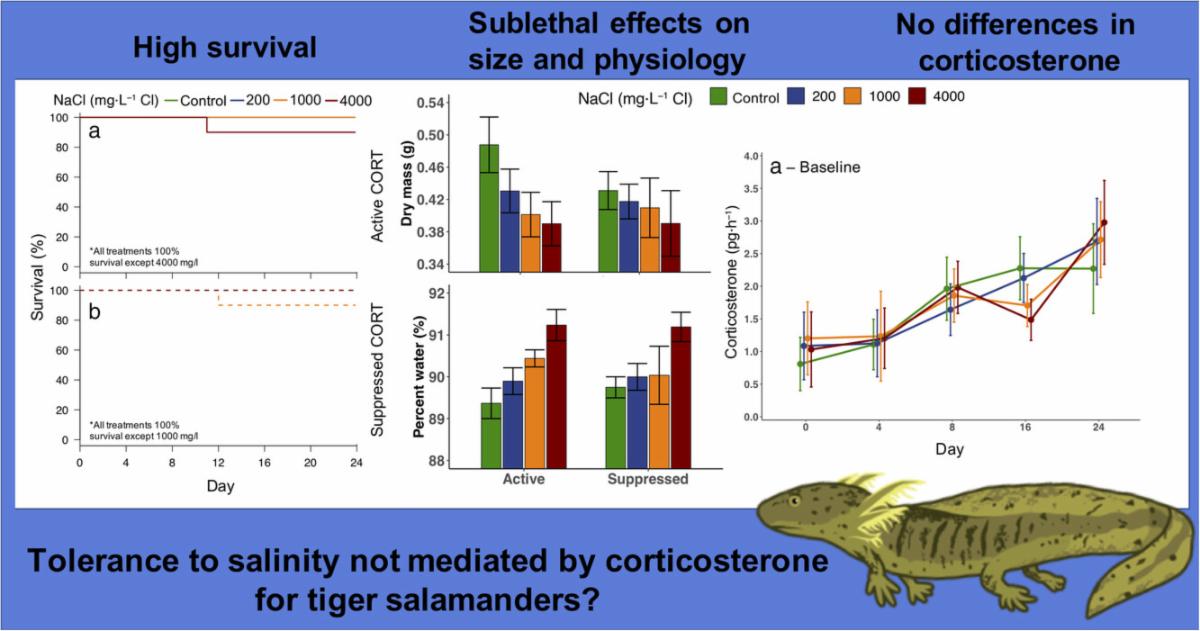
Brian J. TORNABENE, Erica J. CRESPI, Creagh W. BREUNER, Blake R. HOSSACK
First Published: 18 July 2022
| Graphical Abstract: Survival of larval tiger salamanders was high in all salinity treatments (<32–4000 mg·L−1), but salinity reduced dry mass, snout–vent length, and body condition while increasing percent water. High survival and sublethal effects demonstrated that salamanders were physiologically challenged but could tolerate the experimental concentrations. Corticosterone, a glucocorticoid hormone that has important roles in osmoregulation, did not attenuate sublethal effects of salinity for tiger salamanders in our study. | |
Zhigang XIE, Ibrahim M. AHMAD, Lirong ZUO, Feng XIAO, Yongpeng WANG, Dongming LI
First Published: 17 November 2021
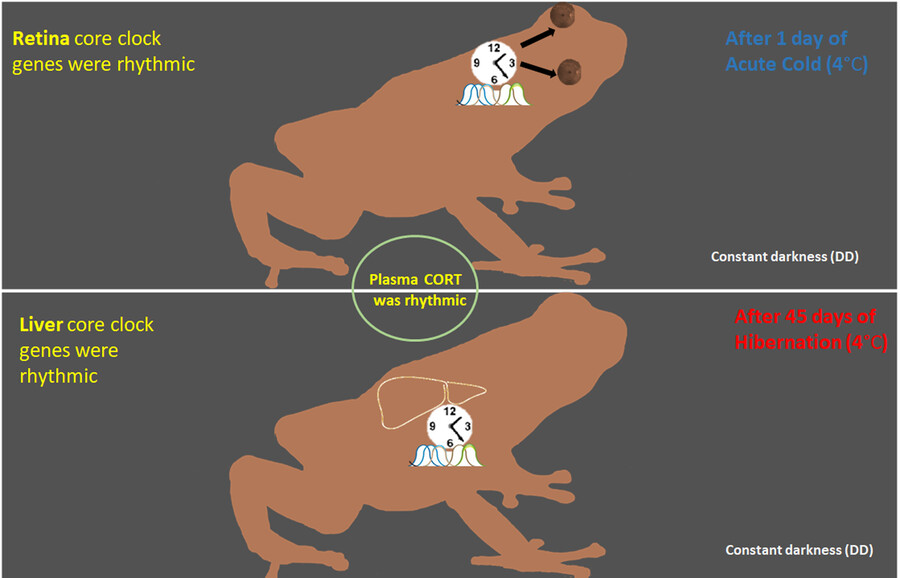
| Graphical Abstract: Asiatic toads exposed to acute cold under darkness lost core clock genes rhythms of brain and liver and retained that of retina, while during hibernation in constant darkness, that of liver were significantly rhythmic and upregulated. Plasma CORT was rhythmic during both conditions. The liver and the plasma CORT may have metabolically helped these underground hibernating ectotherms to remain inactive. | |
Tonglei YU, Xin LU
First Published: 14 November 2012
| |
Longhui ZHAO, Qiucheng LIU, Yuanyu QIN, Xiaofei ZHAI, Feiyun TU, Tongliang WANG, Jichao WANG
First Published: 05 April 2022
| |
Please visit the official website of the International Society of Zoological Sciences for more information on membership and activities:
Official website of ISZS:
http://www.globalzoology.org.cn/
Sincerely,
The Secretariat, ISZS
Editorial Office, Integrative Zoology
-------------------------------------------------------------
For more information on how to become an ISZS member or any other questions, please contact the Secretariat at iszs@ioz.ac.cn
| | | | |