Looney Math - Supporting Educators in the Math Classroom

Looking Beneath the Surface

Assessment as an act of noticing, understanding, and

responding to student thinking


Math Friend


Here in the Northeast, we’ve arrived at a quiet turning point in winter. This week is school vacation for many of us, and you can feel that collective pause. After months of cold and darkness, February offers something subtle but unmistakable. The days are stretching. The light is returning. Not all at once, but enough that you begin to notice.


I’ve been walking by the ocean every day. This year, it has frozen in a way I’ve never seen before. The shoreline looks almost like tundra with wide white stretches of ice where waves once moved freely.

At first glance, everything looks still.

But when you stand there long enough, you realize how much is changing. Slowly, almost imperceptibly, the surface begins to shift. Pieces loosen. Small icebergs drift quietly across the water. Movement was there all along . I just had to stay long enough to see it.


This makes me think about our classrooms. So much of student thinking lives beneath the surface. It doesn’t always arrive fully formed or easy to recognize. Instead, it reveals itself in glimpses like a drawing that captures a new idea, a strategy shared tentatively, a student revising their thinking after listening to someone else.


These moments are easy to miss if we’re only looking for finished answers. But when we slow down and pay attention, we begin to see the thinking that is forming, shifting, and growing.


Assessment, at its heart, is not about capturing what is finished. It is about noticing what is forming.


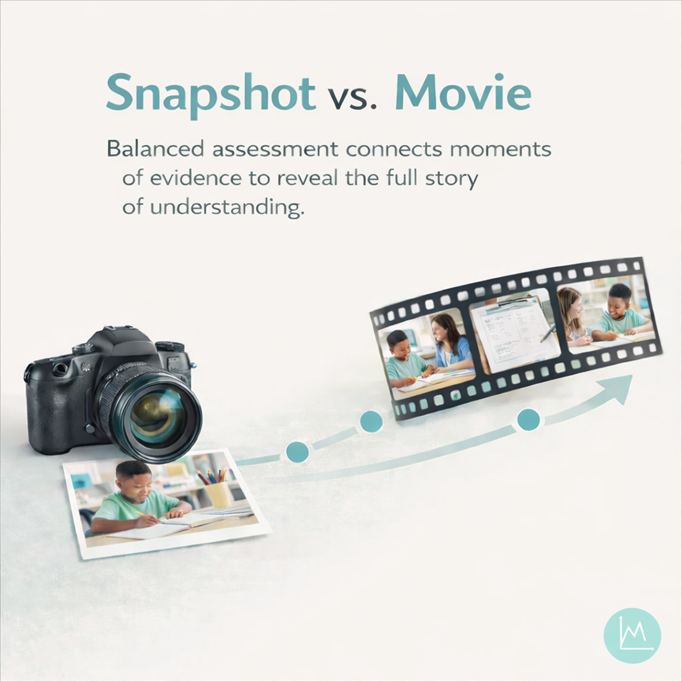
When we shift our attention from evaluating to observing a moment in time, from recording to understanding, something powerful happens. We begin to see students differently. We begin to understand their thinking more deeply. Rather than taking a snapshot of learning, we begin to see the movie of their understanding. And perhaps most importantly, we become clearer about what to do next.

To support this shift, I’m sharing a few simple tools and resources in this newsletter. Each resource is designed to help make student thinking more visible and to guide meaningful instructional decisions.


Below, you’ll find:

  • A practical observation protocol to help you notice, interpret, and respond to student thinking
  • A listening lens to support leaders in focusing on student thinking during classroom visits
  • Classroom routines and tasks that naturally surface how students are making sense of mathematics


When we learn to look beneath the surface, we begin to notice the ideas forming, the understanding taking shape, and the possibilities ahead.


Wishing you many moments of noticing as the light returns and learning continues to unfold.


Kindly,

Looking Beneath the Surface

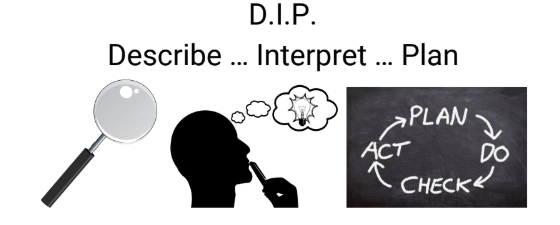
DIP Protocol — Describe, Interpret, Plan

The DIP Protocol is one of my go-to tools for making sense of student work providing a clear, easy-to-follow structure that helps you slow down, notice what students are actually thinking, and determine meaningful next steps. This is especially powerful for team meetings, helping turn observations into productive conversations and instructional action. Download it using the link below and try it with your next set of student work.


Extending What We Notice

Leader Listening Lens

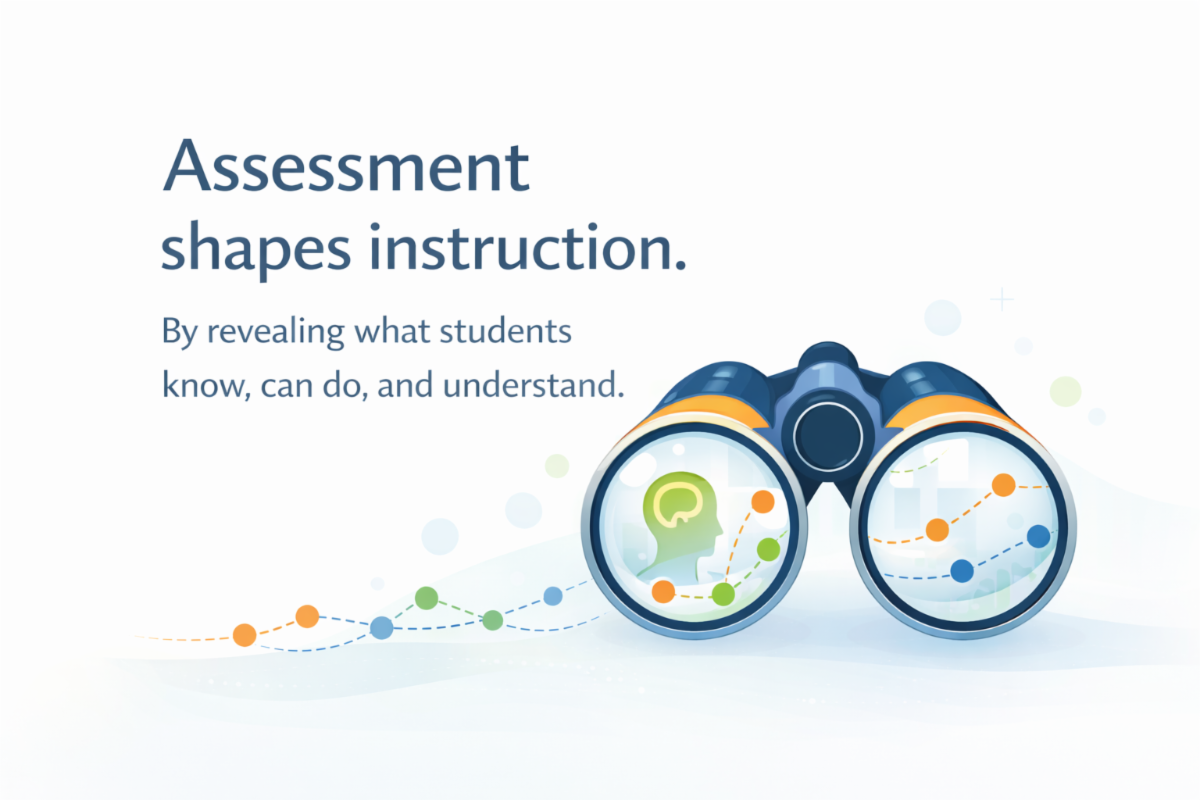
To help school leaders shift observations toward student thinking as evidence of learning, I’m sharing a Leader Listening Protocol you can use during classroom visits. Attending closely to what students say, do, and represent allows you to more clearly see instructional impact and support teachers in meaningful ways.

Inviting Thinking to Surface

Some of my favorite self-authored resources are here for you. These resources are designed to bring student thinking into view in joyful, accessible ways. They’re easy to implement and ready to use. Just click below and explore.

Seeing Through Multiple Lenses

Multiplicity Lab


This is a newer discovery for me, and I am absolutely loving it. Multiplicity Lab is a treasure trove of beautiful images and thoughtfully designed tasks that invite students to notice, wonder, and explore. Each image naturally invites multiple strategies and perspectives, making student thinking visible in powerful and often surprising ways. I can’t wait for you to explore it.

This time of year is often when schools begin planning for what comes next. Many of the schools I work with are using this moment to reflect on what they are seeing in their students and to consider how instruction, assessment, and professional learning can more fully support mathematical thinking.


I work alongside teachers, coaches, and leaders to build classrooms and systems where student thinking is visible, valued, and used to guide instruction. This work may include professional learning, classroom-based coaching, leadership support, or helping teams develop shared approaches to assessment and observation.


If this is work you are thinking about in your school or district, I would love to connect.

Facebook  Twitter  Instagram  Linkedin