47 miles from Reno - Where Nevada Began


Most visitors speeding through western Nevada are focused on the bright lights of Reno, the government halls of Carson City, or the sparkling waters of Lake Tahoe. Few realize that tucked beneath the eastern slope of the Sierra Nevada sits a town that predates them all. Genoa, with a population measured in hundreds rather than thousands, holds a distinction that no other Nevada community can claim. It is the state's oldest permanent settlement.


The story begins in 1851 when trader John Reese arrived in Carson Valley with a train of wagons loaded with supplies. Thousands of emigrants were streaming west toward California during the Gold Rush years. The final leg of their journey across the Sierra Nevada was often the most difficult and dangerous. Reese recognized an opportunity and established a trading post where weary travelers could rest, replenish supplies, and prepare for the mountains ahead.


Originally called Mormon Station, the settlement quickly became an important stopping point on the California Trail. Travelers purchased food, tools, livestock, and information about the road ahead. What began as a simple trading post soon evolved into a thriving frontier community that would play a surprising role in shaping the future of Nevada.

A Capital Before There Was a State


Long before Nevada became the Silver State, Genoa stood at the center of political activity in the region. During the 1850s the area was still connected to the vast Utah Territory. In 1855, Mormon Apostle Orson Hyde arrived on behalf of Brigham Young to survey the settlement, establish a more formal government, and give the town a new identity.


The name chosen was Genoa, honoring the birthplace of Christopher Columbus in Italy. The new name reflected the ambitions of a growing settlement that was becoming more than a simple supply stop.


The years that followed brought even greater significance. The famous Pony Express selected Genoa as one of its stations during the brief but legendary mail service that operated between 1860 and 1861. Riders carrying messages between Missouri and California thundered through town as they raced against time and weather.


Then came an honor that many Nevadans today do not realize. When Congress established the Nevada Territory in 1861, Genoa became its first capital. Government officials conducted business here before the territorial seat was transferred to Carson City later that same year. The title was brief, but it permanently secured Genoa's place in Nevada history.


When Nevada achieved statehood in 1864, Genoa remained important to the region. In 1865 it became the county seat of Douglas County, further cementing its role as an administrative and commercial center during the state's formative years.

Fire, Resilience, and Reinvention


Like many frontier towns built largely from wood, Genoa faced a recurring enemy. Fire.


Throughout its history, several blazes threatened the community, but none proved more devastating than the great fire of June 28, 1910. Flames swept through much of the business district and destroyed several historic homes. Buildings that had witnessed decades of Nevada history disappeared in a matter of hours.


For many communities, such a disaster might have signaled the beginning of the end. Genoa, however, possessed a stubborn resilience that had characterized it since the days of wagon trains and Pony Express riders. Residents rebuilt their town and preserved its historic character whenever possible.


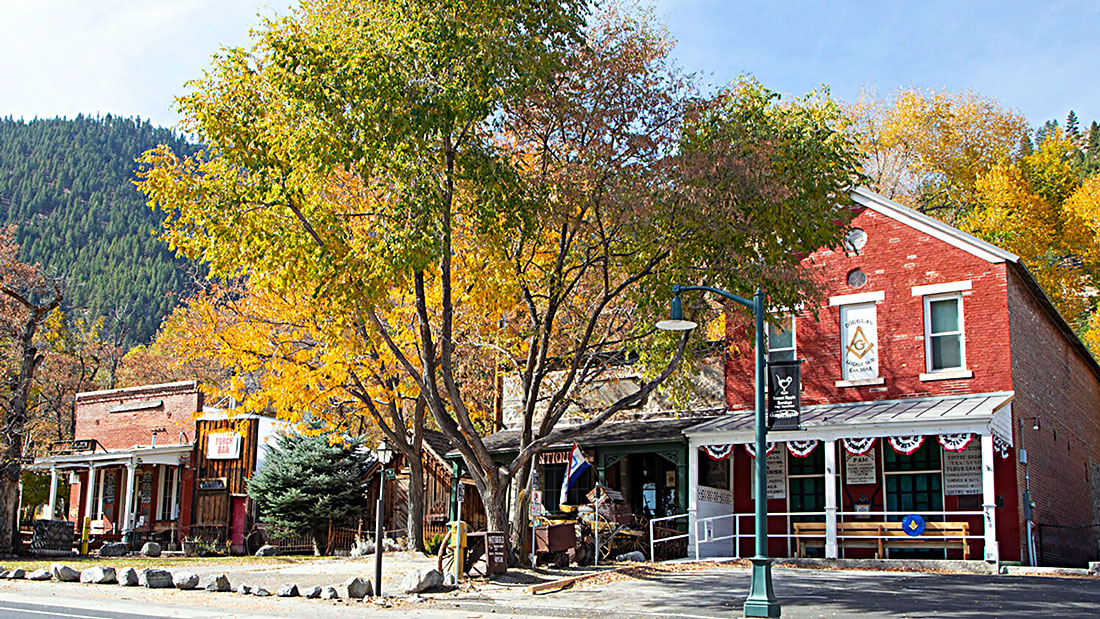
That determination is one reason Genoa feels so different today. While many western towns modernized beyond recognition, Genoa managed to retain much of its nineteenth century atmosphere. Walking through town feels less like entering a tourist attraction and more like stepping into a living piece of Nevada's past.


The streets remain quiet. Historic buildings still line the roads. Massive cottonwood trees provide shade during summer afternoons. The Sierra Nevada mountains create a dramatic backdrop that has changed little since pioneers first viewed them nearly two centuries ago.


The result is a rare authenticity that visitors often find surprising. Genoa is not pretending to be historic. It simply is historic.

Small Town Charm With Big Attractions


Although history is the town's greatest asset, Genoa offers far more than old buildings and historical markers.


The centerpiece for many visitors is Mormon Station State Historic Park. Here, guests can explore a replica of the original trading post and visit exhibits that tell the story of the emigrants, settlers, and entrepreneurs who shaped the region. The site provides a vivid reminder of how challenging frontier life could be.


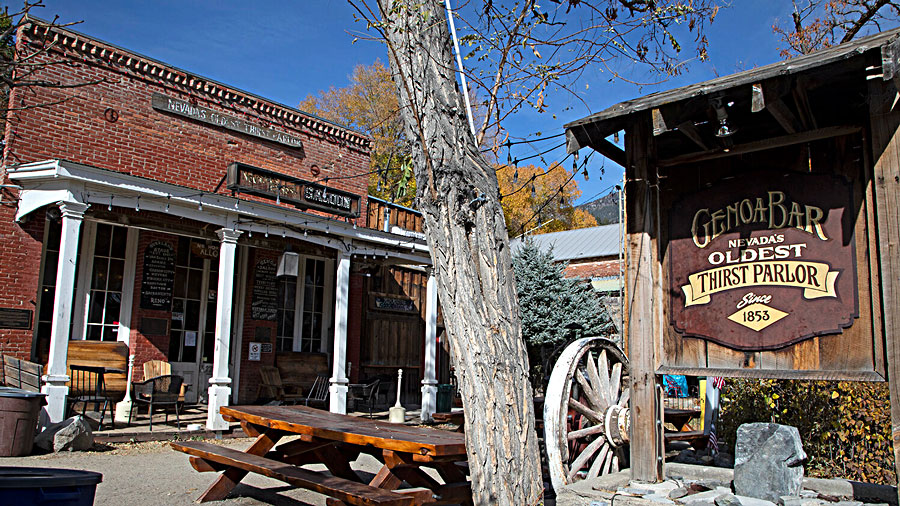
Another must see attraction is the legendary Genoa Bar. Established in 1853, it is recognized as Nevada's oldest continuously operating bar. Over the decades, everyone from cowboys and miners to politicians and celebrities has passed through its doors. Stories persist of visits by Mark Twain and Theodore Roosevelt, adding another layer of colorful history to an already fascinating establishment.


Nearby, the Genoa Courthouse Museum occupies the county's first courthouse building. Constructed in 1865, the museum preserves artifacts and photographs that document the evolution of Carson Valley and Douglas County.


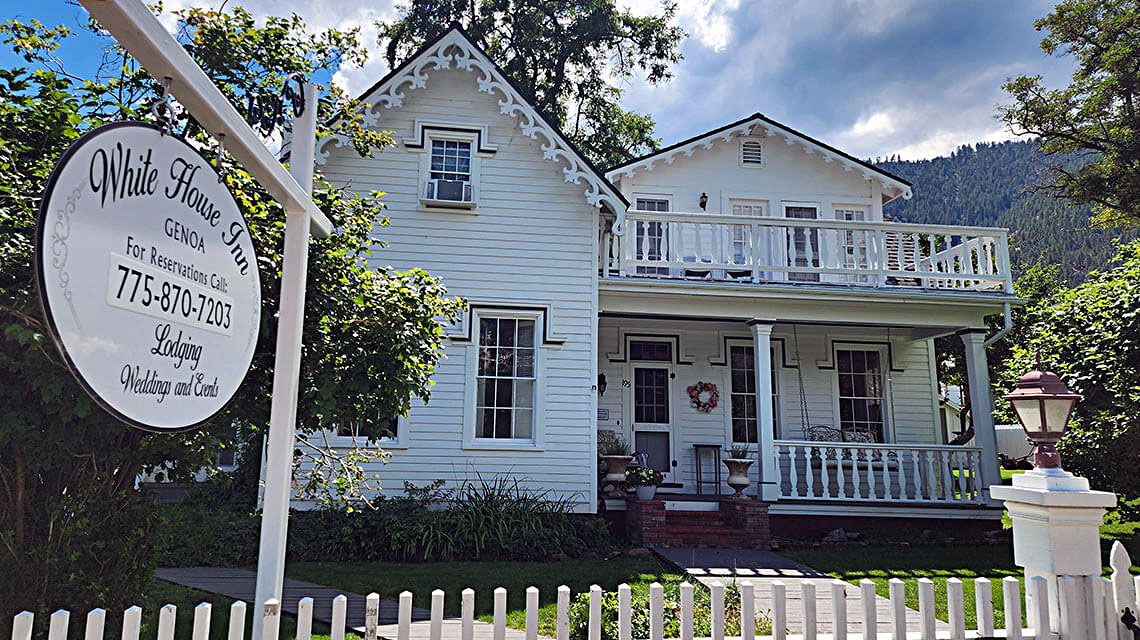
Visitors seeking a longer stay often choose the charming White House Inn, one of the state's most celebrated bed and breakfast destinations. Combining historic architecture with modern comfort, the inn reflects the welcoming spirit that has characterized Genoa since the days when pioneers arrived seeking food, rest, and shelter.


Beyond the historic sites, the setting itself provides much of the appeal. Located at the foot of the Sierra Nevada and only a short drive from Lake Tahoe, Genoa offers spectacular scenery, hiking opportunities, and a peaceful pace that feels increasingly rare in today's fast moving world.

The Sweet Tradition That Keeps History Alive


No discussion of Genoa would be complete without mentioning the event that has become synonymous with the town itself. The Genoa Candy Dance.


Every September, tens of thousands of visitors descend upon the community for one of Nevada's most beloved annual festivals. The tradition dates back to 1919 when local residents organized a social gathering to raise money for a practical purpose: purchasing streetlights for the town.


As part of the fundraiser, women prepared homemade candy that was sold during the event. The gathering proved so popular that it became an annual tradition. Over time, the celebration evolved into the massive Genoa Candy Dance Arts and Crafts Faire.


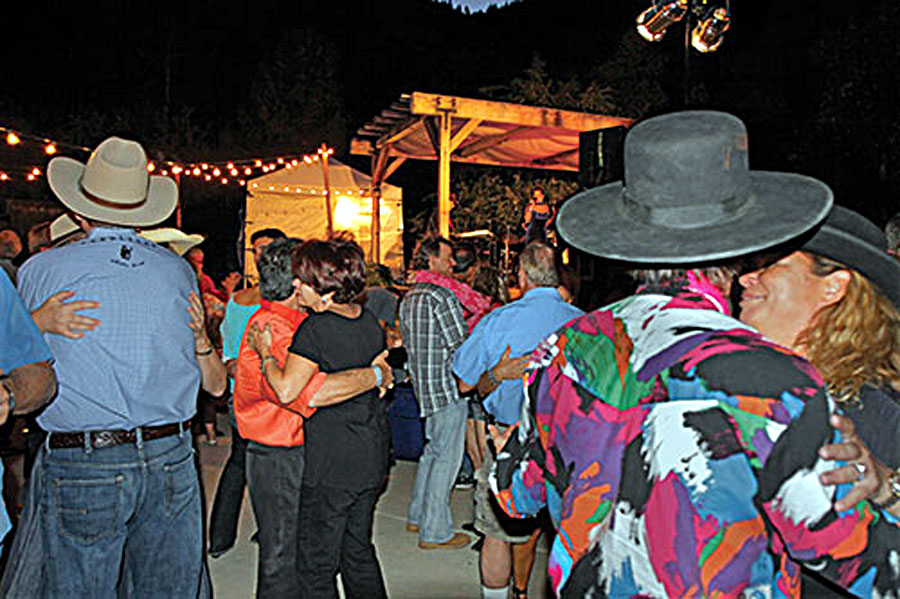
Today the event features hundreds of artists and craftspeople from across the West. Visitors browse handmade goods, enjoy live entertainment, and sample the famous homemade fudge that remains a signature attraction. Despite its growth, the festival still reflects the community spirit that inspired the original fundraiser more than a century ago.


The Candy Dance represents something larger than a successful event. It symbolizes Genoa's ability to honor its past while remaining vibrant and relevant in the present. Few towns can claim a tradition that has endured for more than one hundred years while continuing to attract new generations of participants.


In many ways, Genoa itself resembles the Candy Dance. Both began as modest efforts driven by practical needs. Both survived challenges that might have ended less determined ventures. And both continue to thrive because people recognize the value of preserving something authentic.


Nevada has changed dramatically since John Reese unloaded his wagons in Carson Valley in 1851. Mining booms have come and gone. Railroads replaced wagon trails. Highways replaced dirt roads. Cities rose where sagebrush once dominated the landscape.


Yet Genoa remains. It stands as a reminder that before Nevada became famous for casinos, mining fortunes, and wide open highways, it was a frontier where travelers sought shelter, merchants sought opportunity, and communities were built through hard work and perseverance. For anyone interested in understanding the true beginnings of the Silver State, the journey starts in Genoa.