December 23, 2020
This newsletter will be on vacation through the end of the year. We hope you’ll have a peaceful and healthy start to 2021, and we’ll see you on Monday, January 4. 
Fallen Journalists Memorial Act to become law at midnight
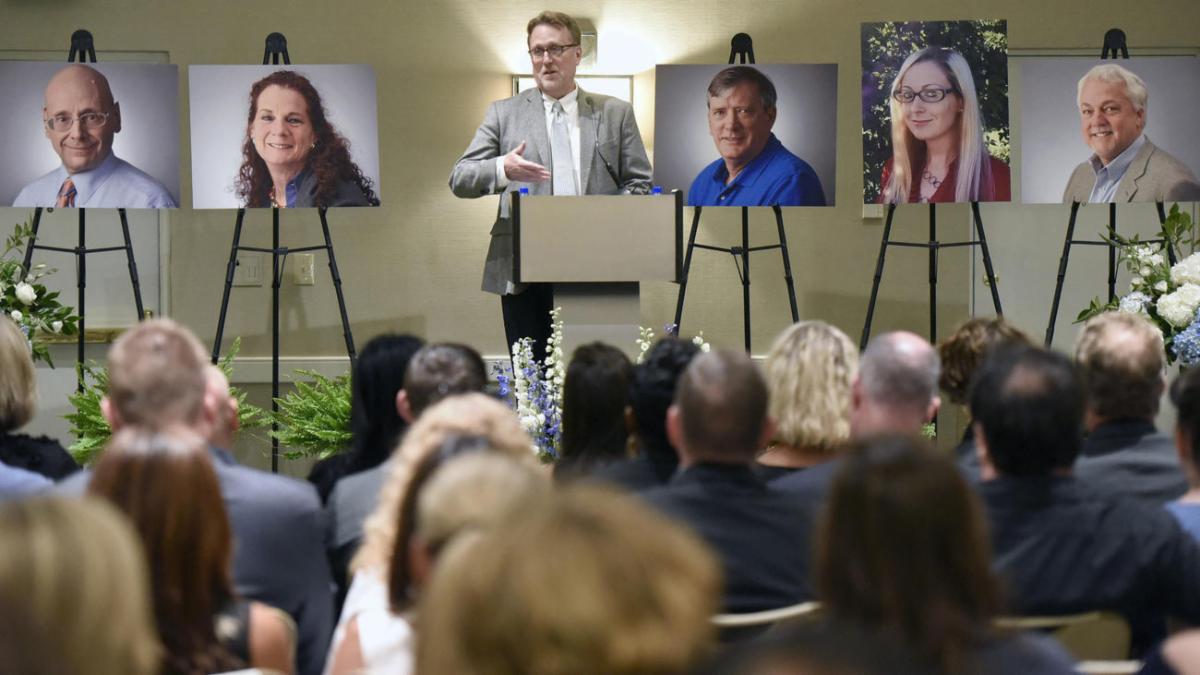
The Fallen Journalists Memorial Act is expected to become law at midnight, with bipartisan support, barring a last-minute veto. The legislation authorizes the Fallen Journalists Memorial Foundation to begin the process of designing and constructing the first memorial on public land that honors journalists who sacrificed their lives in service to America’s commitment to a free press. The bill passed the Senate and the House by unanimous consent earlier this year. All funds used for the project will be private. The Fallen Journalists Memorial Foundation is part of the National Press Club Journalism Institute. We are so grateful to all of the journalists, journalism organizations, lawmakers, and other supporters who have worked tirelessly toward this moment, especially the Foundation’s chairman, former congressman David Dreier. Dreier was inspired to develop this memorial during his tenure as Chairman of Tribune Publishing to honor the journalists killed at the Capital Gazette and all others who paid the ultimate price because of their work.

Photo credit/caption: Capital Gazette editor Rick Hutzell speaks during a memorial service on July 12, 2018 to honor the five victims of the June 28 shooting in the Capital Gazette's Annapolis newsroom. (Steve Ruark / Baltimore Sun Media Group)
Top stories
Throughout 2020, journalists across the country have shared their best practices for working through the pandemic. As we approach 2021, we’re asking what they learned this year and what they hope to learn in the year to come. 

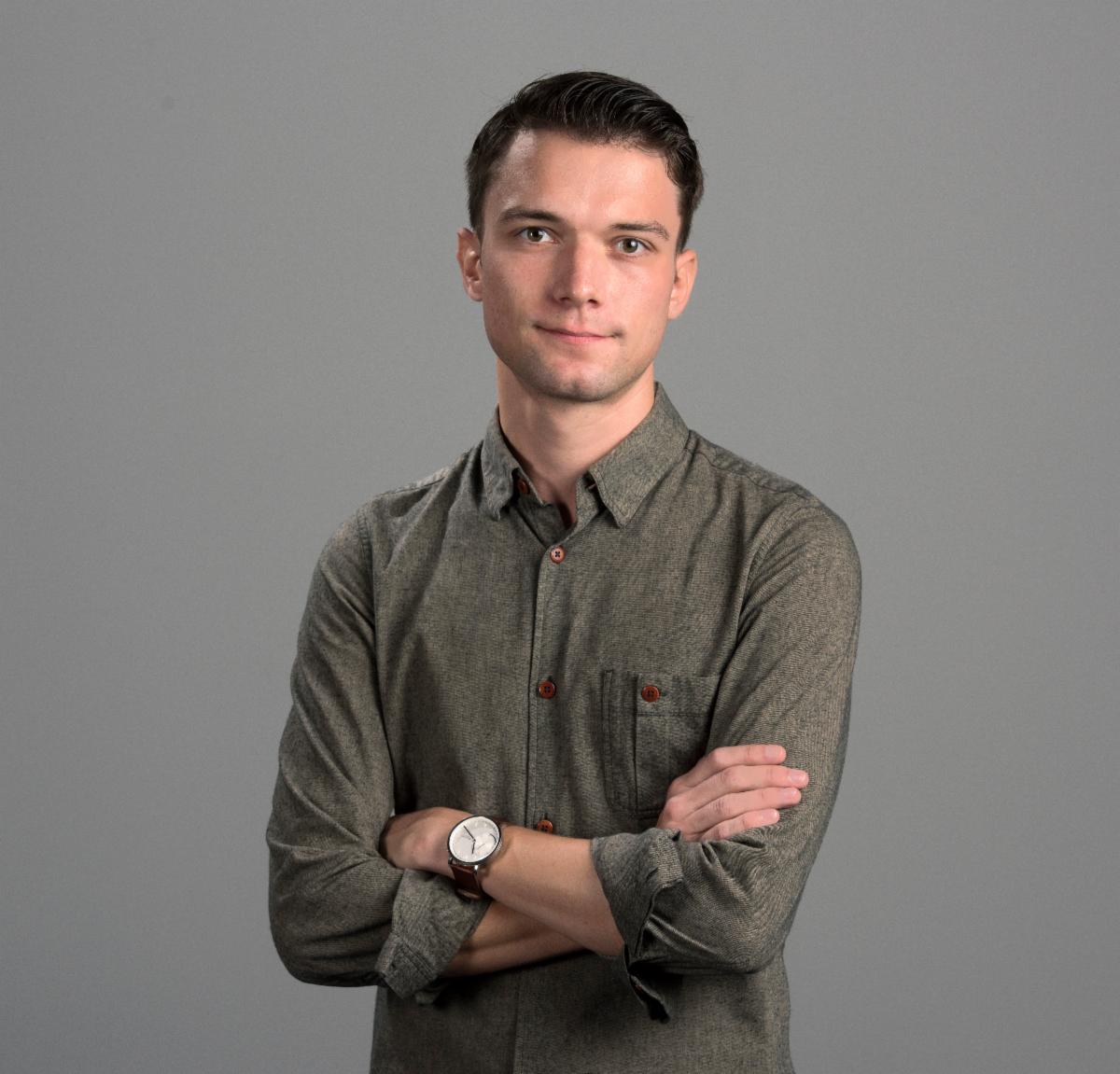
Current job: Audience editor, Washington Post

What are the main lessons you learned this year from your reporting that you’ll use next year?

Johnson: For something as stressful, complicated and long-lasting as the pandemic, readers are looking for empathy and candor. They’re asking journalists to level with them about what they know and don’t know. Almost everything becomes service journalism: How does this keep me safe? How do I stay hopeful? How do I live my life like this? Those lessons, which are really about caring for readers’ attention and humanity, apply to all sorts of stories.

How did your work change during the pandemic?

Johnson: I hadn’t considered myself an advice journalist, but it turned out that’s exactly what readers wanted. My teammates and I spent a lot more time just listening: going through thousands of readers’ questions, asking them about their lives, trying to think longer-term about the issues that would stick after the first waves of news. I was able to connect with readers a lot more directly than before, be a little more personal, and they really appreciated that.

What do you hope to learn or cover in the coming year?

Johnson: We’re going to keep finding new ways to reach people, especially as many stay isolated. And I hope reporters generally get a chance to revisit stories that may have gotten lost in the crush of breaking news this year, and keep covering how people are recovering through loss.
This year has shown us just how much communication from leaders matters, from support and empathy during changing and challenging times to giving meaningful feedback (even when we aren’t necessarily face to face). If you’ve been working at it, your relationship with your team is stronger than when the pandemic started — and you are grateful for it. Take time to thank the people who have made your organization what it is with messages that reflect you’ve seen — and noted — their unique contributions. Practicing gratitude with specificity brings twice the benefits: You’ll gain the joy of positive reflection and gift your team member a confident start into the new year.

Advice from Jill Geisler, Bill Plante Chair in Leadership & Media Integrity, Loyola University Chicago, Freedom Forum Fellow in Women’s Leadership

Click here to read Jill’s previous posts.
The next generation of journalists graduated in 2020 into a challenging job market unlike any other. We spotlighted them this summer, shared advice from their role models, and are checking in with them this month to see where they are now and what they’re learning about journalism. 

School: American University
Job: Reporter, WMBD-TV 

Where are you working right now?

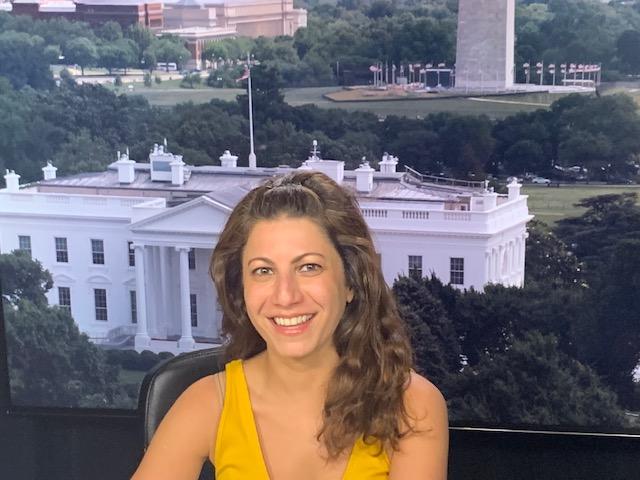
Danesh: After hundreds of applications and dozens of interviews, I was just hired full-time as an on-air reporter for WMBD-TV in Peoria, Illinois — I start January 25!

What’s the biggest lesson you’ve learned on the job search?

Danesh: As a career changer, I have experienced a LOT of impostor syndrome. I was pleasantly surprised by how helpful and genuine the journalism community is, especially given the competitive nature of the business. So many talented and accomplished people were willing to take time out of their busy day to talk to me and give me feedback and advice. It really shows the true nature of people who choose journalism as a career — you don’t do it for the money, you do it because you care. I treasure all of the connections that I have made so far.

What’s been your best moment in journalism since graduation?

Danesh: I published a story about how the Black press’ strong community ties have helped get them through the pandemic. I loved researching this topic and have really developed an interest in learning about African American history. There is so much I don’t know about and I am fascinated by every new thing I learn.

What do you wish you had learned as a student that you’re learning on the job?

Danesh: I wish I had taken some other classes, namely Investigative Broadcast Journalism and Advanced TV Production. I discovered how much I love telling stories through broadcast media in the spring and by then I had missed my chance. Also wish the pandemic hadn’t canceled my opportunity for a summer internship.
 
Have your journalism goals changed since graduation, and if so how?

Danesh: My five-year goal is to return to D.C. to work as a national field reporter. I am naturally curious and I don’t see myself anywhere but where the action is. I am always the one trying to figure out where an ambulance or police car is going. I am super excited for this next chapter in my life.

How are you taking care of yourself and staying motivated right now?

Danesh: Barre and yoga classes (virtually of course) and getting my nails done. 

This newsletter is written & edited by the National Press Club Journalism Institute staff: Beth Francesco, Holly Butcher Grant, and Julie Moos. Send us your questions and suggestions for topics to cover.

Get this from a friend? Subscribe, and view the archives.