|
A look back at the robots that drew your blueprints
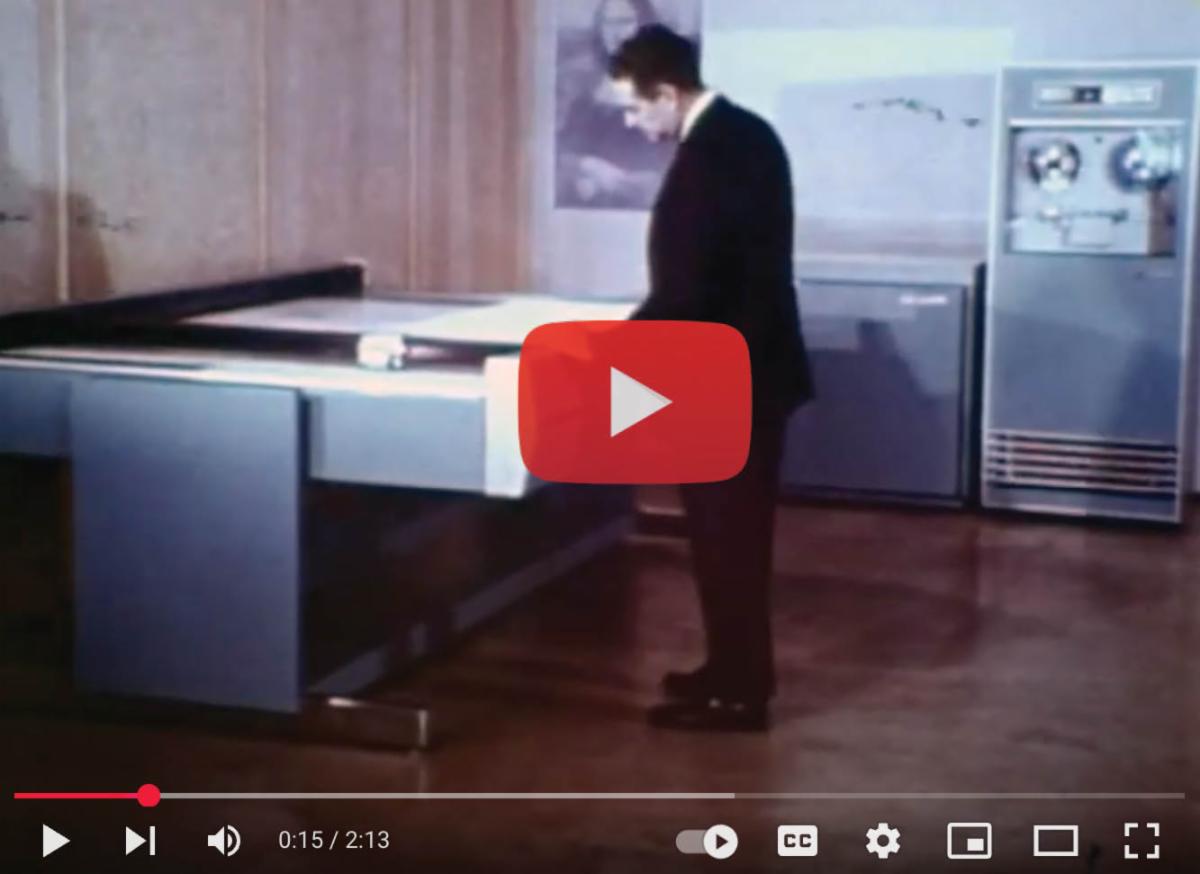
Before today's sleek inkjets and powerful wide-format printers, there was the plotter—a machine that didn’t just print; it drew. Introduced in the 1950s and gaining popularity in the decades that followed, the plotter used a pen (or several pens) to physically trace outlines on paper. Instead of laying down ink pixel by pixel like modern printers, plotters moved pens across a surface to create continuous, ultra-precise lines. This made them the go-to tool for engineers, architects, and designers needing high-accuracy drawings before digital printing evolved.
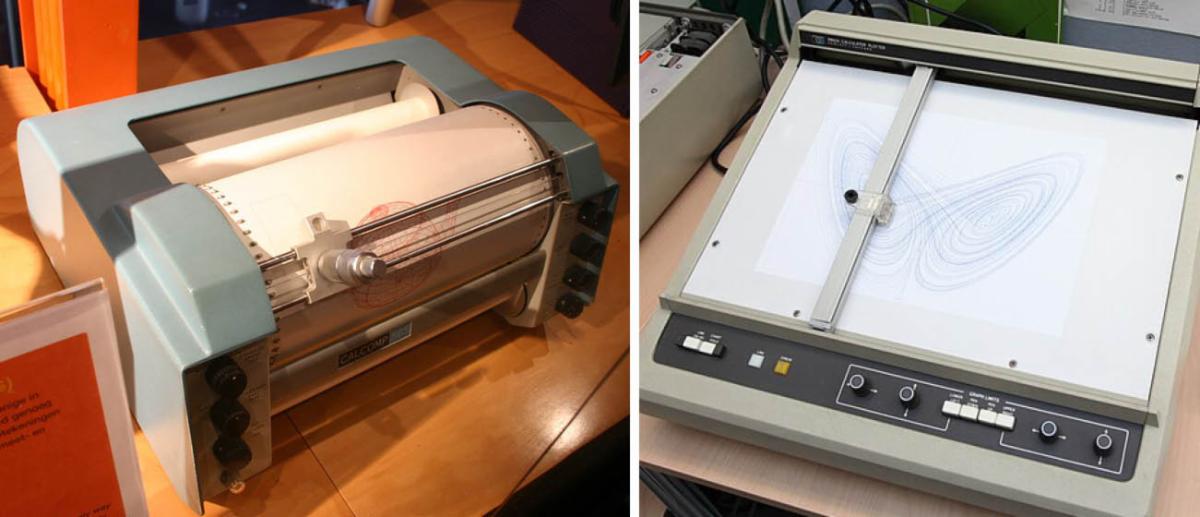
Early plotters looked more like robotic drafting arms than printers. Brands like Calcomp and HP created models that could handle large sheets of paper, painstakingly drawing out blueprints, circuit diagrams, and maps. Some even had multi-pen carousels to switch colors mid-drawing—an impressive feat at the time! If you’ve ever watched a plotter at work, you know it feels more like watching an artist sketch than a machine at work.
While plotters have mostly been retired in favor of faster, more versatile digital printers (like the ones we use today), their influence lives on. The term “plotting” is still used in the AEC world, and many CAD and GIS systems are still built with their legacy in mind. At Beeline and Blue, we love a good throwback—but we’re also grateful we don’t have to change pen cartridges mid-print anymore.
|