July 24, 2025

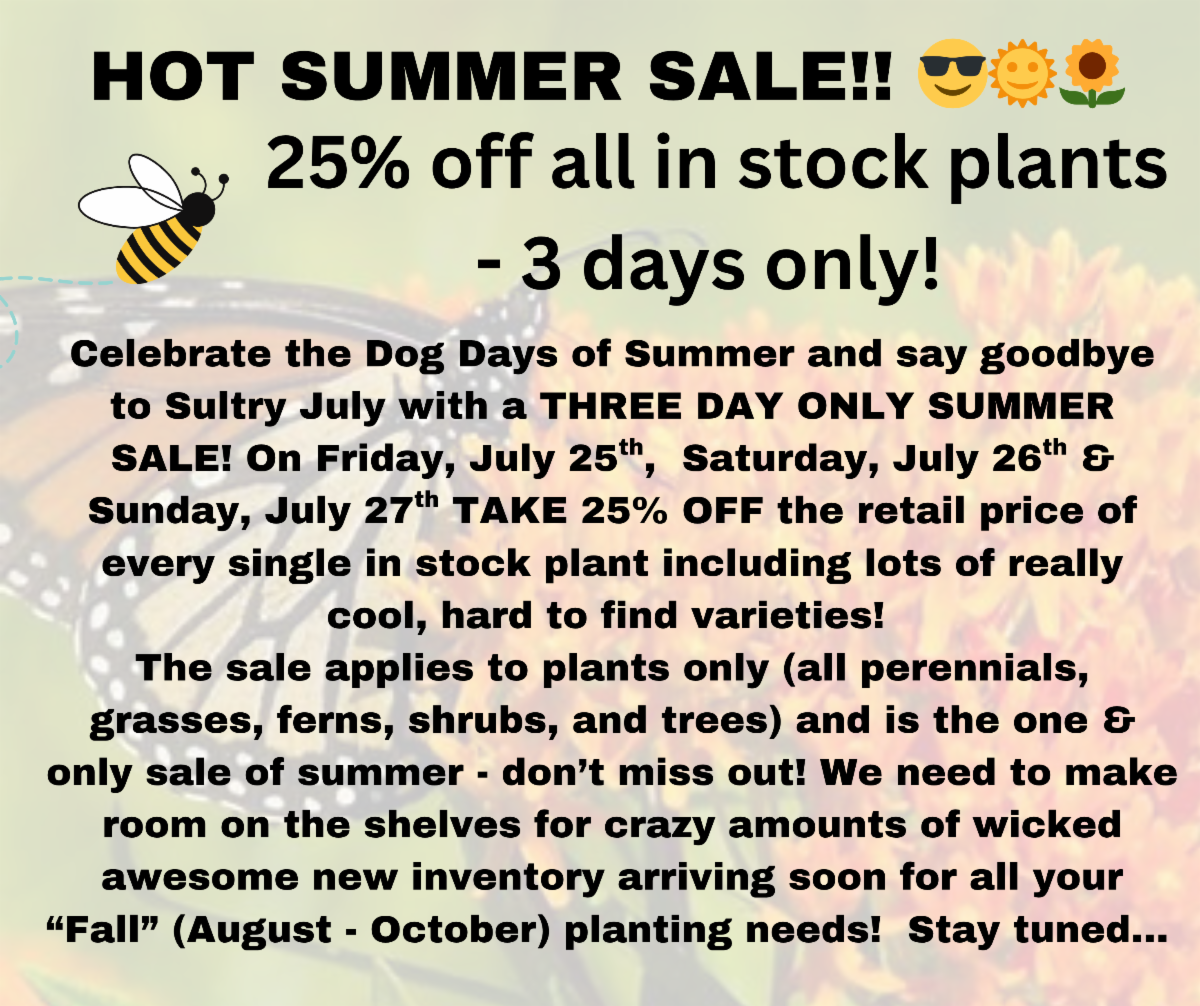
Visit the Native Plant Emporium this weekend and enjoy our three day only Hot Sale on Cool Plants!

Our shelves are stocked to overflowing with a fantastic lineup of wicked awesome plants! These are NOT typical summer “clearance” plants - these are prime plants - many of which have just arrived from specialty growers. And lots of typically hard to find, rare & unusual plants are in the lineup. This is our way of saying thank you to all of you who have been working hard during the dog days of summer to build back habitat at home. We also hope this will help you stretch those plant budgets a bit further to get even more beneficial plants rooted across our communities!


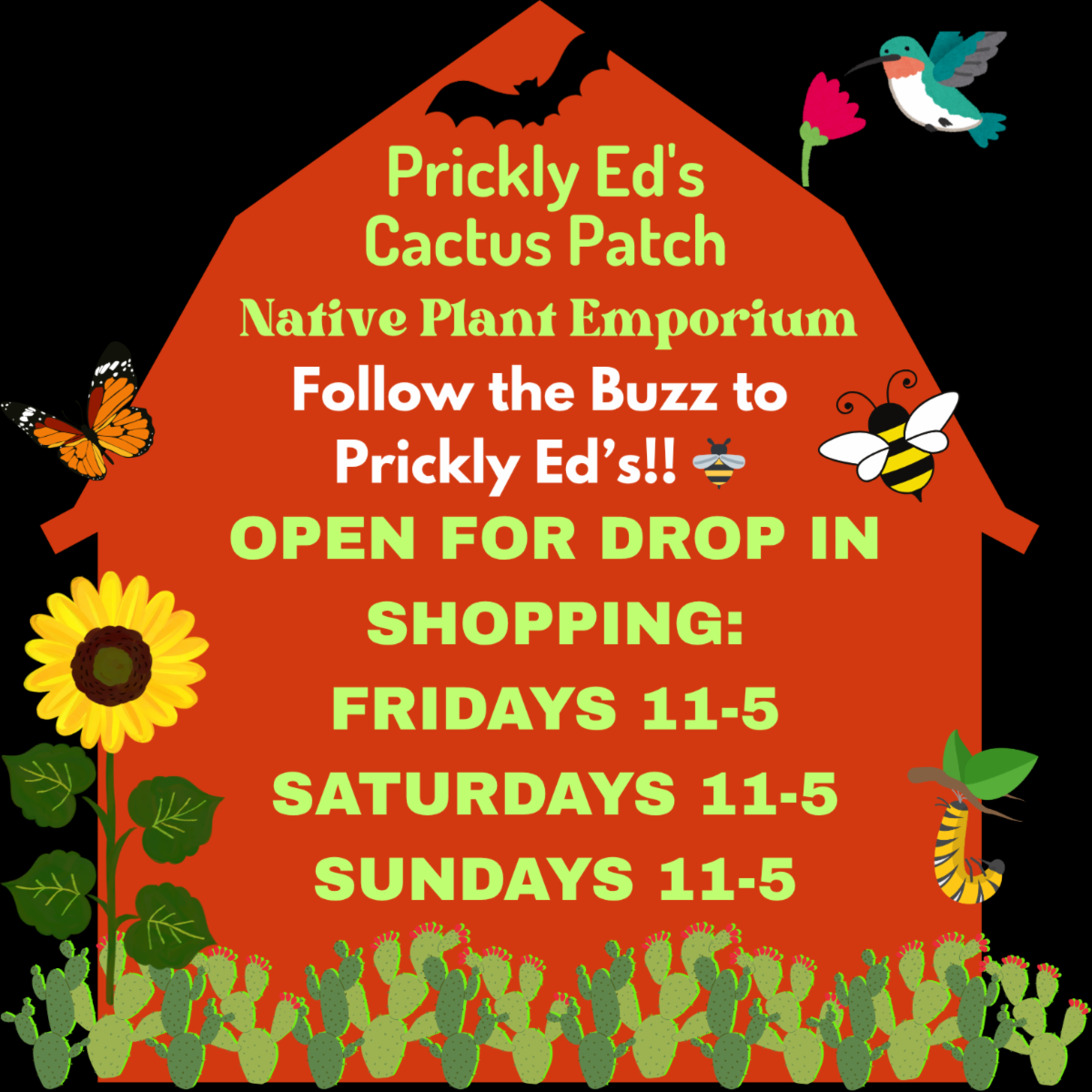
Updated availability has been posted to our website where any first time visitors will also find all the details you need about visiting and shopping.

Individuals working in the trade, organizations with special projects, etc. - note that we will, as always, accommodate you during the week for order pick-ups, etc. Just reach out.

Have you connected with us on social media? It is a great way to receive lots of ecological gardening tips and inspirations, stay connected to the latest happenings at Pricky Ed's and learn more about what's happening in the world of native plants and habitat building.

Facebook  Instagram

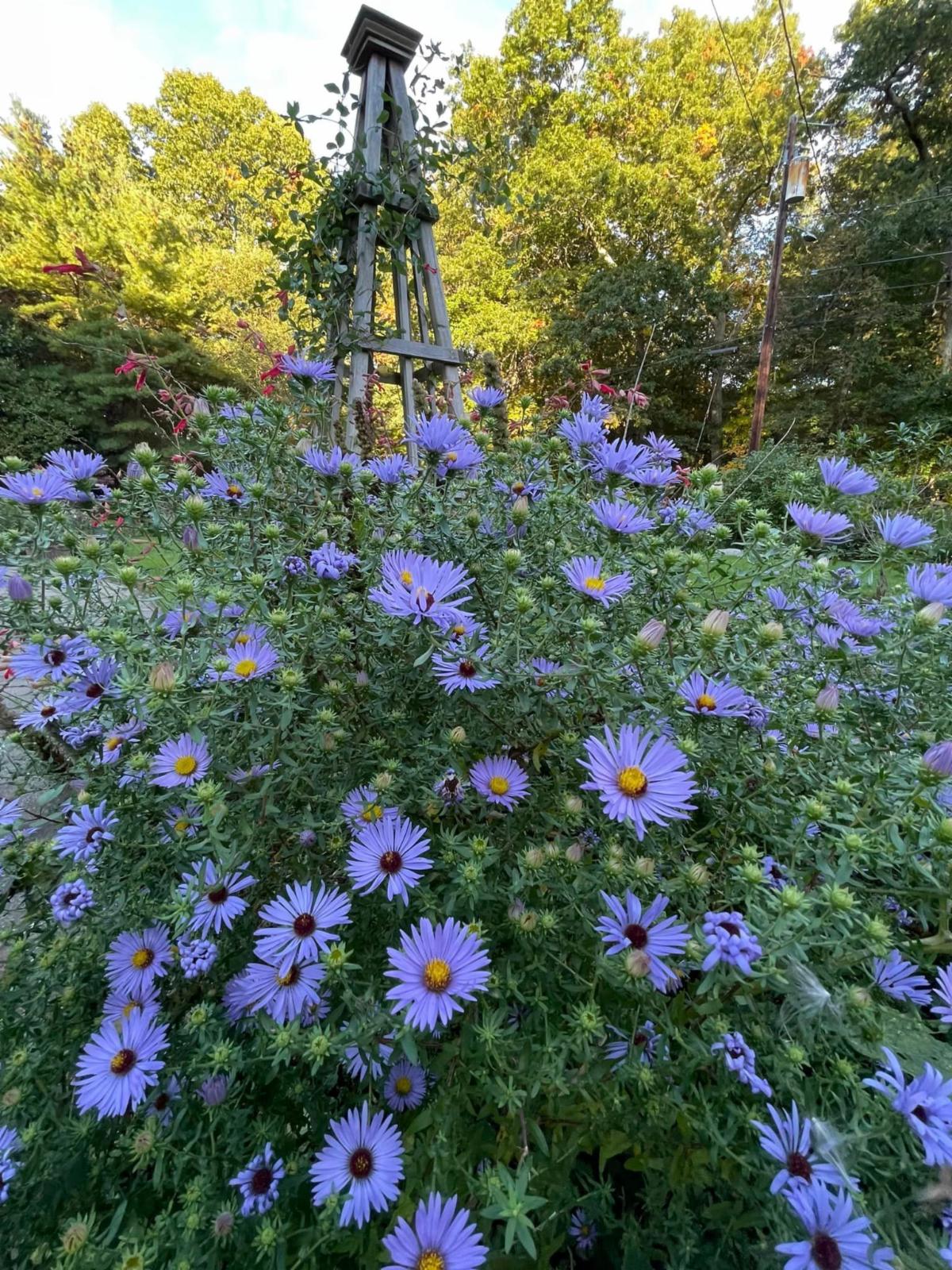
Consider this - the very best planting days are still ahead!


In the peak of the dog days of summer, it can be difficult to envision that signs of the season's end—such as the gradually dimming light, wilting blooms, and dropping temperatures—are just around the corner. The arrival of cooler weather will provide much-needed relief for both gardens and gardeners. This upcoming seasonal transition also signals the ideal time to incorporate beneficial plants into your landscape.


As temperatures begin to cool, plant leaves are spared from sunburn, and water retention improves, providing much-needed relief for both thirsty plants and tired gardeners. In the near future, plants will halt their above-ground growth, and the combination of warm soil temperatures and cooler air creates an ideal setting for establishing deep roots. These strong roots will provide stability and resilience when next summer’s scorchers arrive.


Click HERE to continue reading this story on our Blog.


FEATURED GARDEN PLANNING RESOURCES

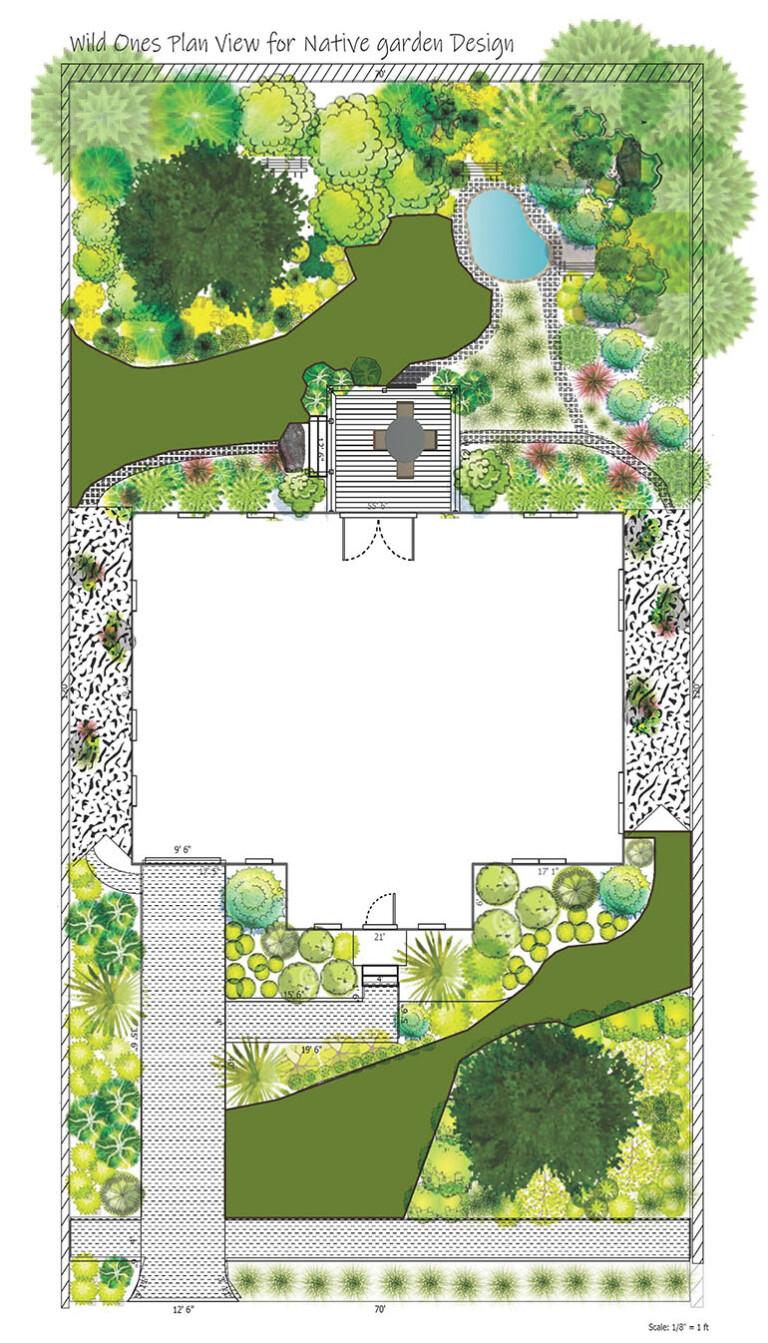
From "Wild Ones"

On the Wild Ones website you will discover a range of resources curated to bolster your knowledge and confidence when designing with native plants. Access the site by clicking on the button below. Look for sample design plans to explore and a step-by-step guide to help you design and implement your own plan. Also available is a "Native Landscaping 101" video that we highly recommend you set aside an hour to watch! It features Larry Weaner of New Directions in the American Landscape and will provide both new and experienced gardeners with new perspectives on designing and managing your spaces with ecology at the root.

#LESSLAWNMORELIFE

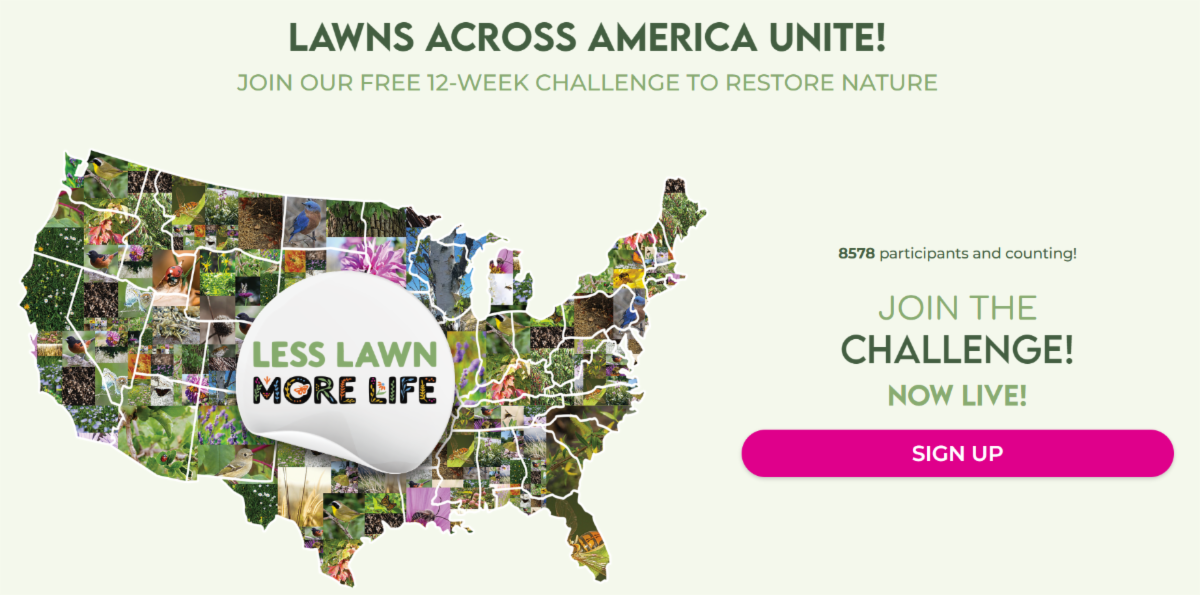
We had fun participating in and partnering to help promote the 2025 "Less Lawn - More Life Across America Challenge"!! The 12 week challenge just wrapped up but it is never too late to join in on eliminating some lawn and embracing more life in your yard! You can gain access to recordings and materials from past events by clicking on the image below. And help spread the word #lesslawnmorelife!


Did you participate in the 2025 #LessLawnMoreLife Challenge? Would you like to get together with other local folks who did as well and share stories, successes, and challenges? We are working on a organizing a #LessLawnMoreLife challenge get together sometime later this summer. Send us a quick note if you joined the challenge and would like to join together with others to extend the fun.

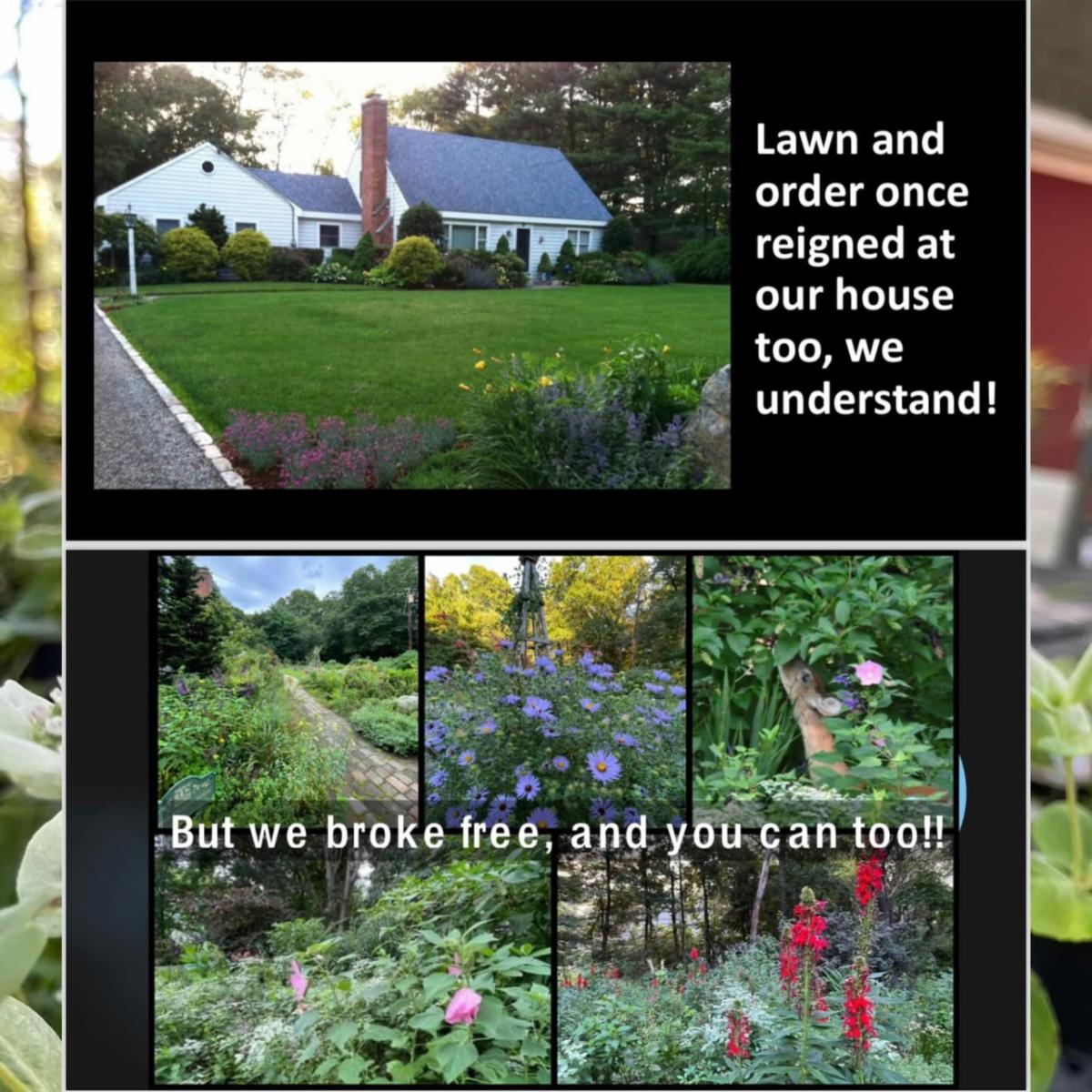
Isn't it Time to Rethink the Traditional Lawn?

In the spirit of the #LessLawnMoreLife Challenge we are retreading one our most popular 2024 articles. In case you missed it, in case you need a reminder, or in case you'd like some factoids to share with neighbors, friends, and family, here you go!


Summer vibes are in the air and so too are the noxious fumes and aural assault of overpowered lawn equipment. Bird song and children’s voices fill the air only to be abruptly halted by the roar of machines that have become ubiquitous with the quest for the perfectly manicured lawn. As towns across the East Bay dig in on creating and ratifying plans for climate resilient futures, it seems fair to ask, is this quest for the perfect lawn really serving us well individually and as a community? 


Americans love green grass so much that it is the most irrigated crop in the United States. According to the Environmental Protection Agency, landscape irrigation in the U.S. accounts for one third of residential water use for a total of nine billion gallons a day, the equivalent of enough drinking water for every person in the world for two days – drink that in.


Water is not the most troubling thing being poured onto lawns. Americans use ten times more pesticides on lawns than farmers use on crops according to the U.S. Fish and Wildlife Services. This amounts to 80 million pounds of pesticides spread across neighborhoods despite mounting research pointing to serious health concerns for both the humans and pets who spend time in those spaces.


Lawn chemicals also account for most documented wildlife poisonings each year. Birds are particularly vulnerable to this hazard since it is common for them to mistake pesticide granules for food. Indeed, an estimated seven million wild birds die each year due to the purely aesthetic use of common “Weed and Feed” step programs. These same products adversely impact essential pollinators like foraging native bees, kill countless beneficial insects, and are complicit in the stark decline of fireflies that once lit up night skies. Amphibians like turtles, toads and spring peepers are also especially susceptible to harm from lawn care pesticides and fertilizers both through direct contact and run-off impacts.


Narragansett Bay is central to life in our region, but nitrogen and phosphorous runoff from lawn products is causing an oxygen-choking overgrowth of algae in many area water bodies and threatening our Bay. This is called eutrophication, and its negative impacts are widespread. That is one reason why Save the Bay launched a “Lawn Ambassadors” program formulated to encourage people to adopt bay-friendly lawn care practices that include less mowing, blowing, and watering. It also encourages less application of fertilizers and pesticides and urges residents to instead turn to natural elements like leaves, grass clippings and compost to enrich the soil.


While the grass may be green, the lawn industry is not. It is estimated that it takes 800 million gallons of gasoline each year to fuel the machines that maintain these vast areas of lawn. And estimates show that 17 million of those gallons are spilled annually – more than in the Exxon Valdez oil spill. The gas-powered machines prevalent in lawn care account for at least five percent of all air pollution. 

The truth is we have known for decades about the health and environmental issues with lawns, but as the adage goes, follow the money. The lawn care industry is a $40 billion a year conglomerate, three times the annual operating budget of the U.S. Environmental Protection Agency. And it uses those dollars to control messaging. But 98% of land in Rhode Island is privately owned so we are the ones who have the power to make better choices for our land. 


Imagine for a moment if we could shift attitudes about lawns and begin to transition them to useful or at least not harmful spaces. The fashion forward trend in lawns is to think of them as area rugs versus wall-to-wall carpets. Eliminate entirely those areas of lawn that you do not need or use and replace them with more beneficial alternatives like abundant layers of native plants which help to bolster biodiversity and have low maintenance needs. 


This bolstering of biodiversity is especially important in an era when scientists are warning of alarming species losses, including dramatic declines in the pollinators that form the foundation of our food web. Monoculture spaces, like lawns, fragment habitats while areas of diverse native plants encourage the biodiversity that is essential to a healthy, thriving ecosystem.


There are several ways to achieve the trendy area rug effect in your yard. Add a native tree or two with wide swaths of native plantings around them. Widen foundation beds, chipping away turf grass and adding in diverse and beneficial plantings. Add new gardens to strategic spots in the yard - rain gardens are quite popular right now. And even carve out space to grow some organic food.

For the turf grass pathways and play areas that remain, consider a new approach. Mow high, leaving grass at least three inches tall, and only mow when needed. Water less frequently or not at all. Leave grass clippings on the lawn and forgo chemical applications other than occasional, well-timed slow-release organic fertilizer. Push a mower, pick up a rake or a broom and put down that blower; it degrades the very topsoil that is essential to plant health. 


It can feel a bit radical at first, breaking free from the culture of the great American Lawn. But ultimately isn’t the health and wellbeing of your family and your community worth the risk of trying something new? Be a trendsetter and demonstrate your commitment to supporting a resilient future for our communities. Wildlife and countless neighbors will thank you!

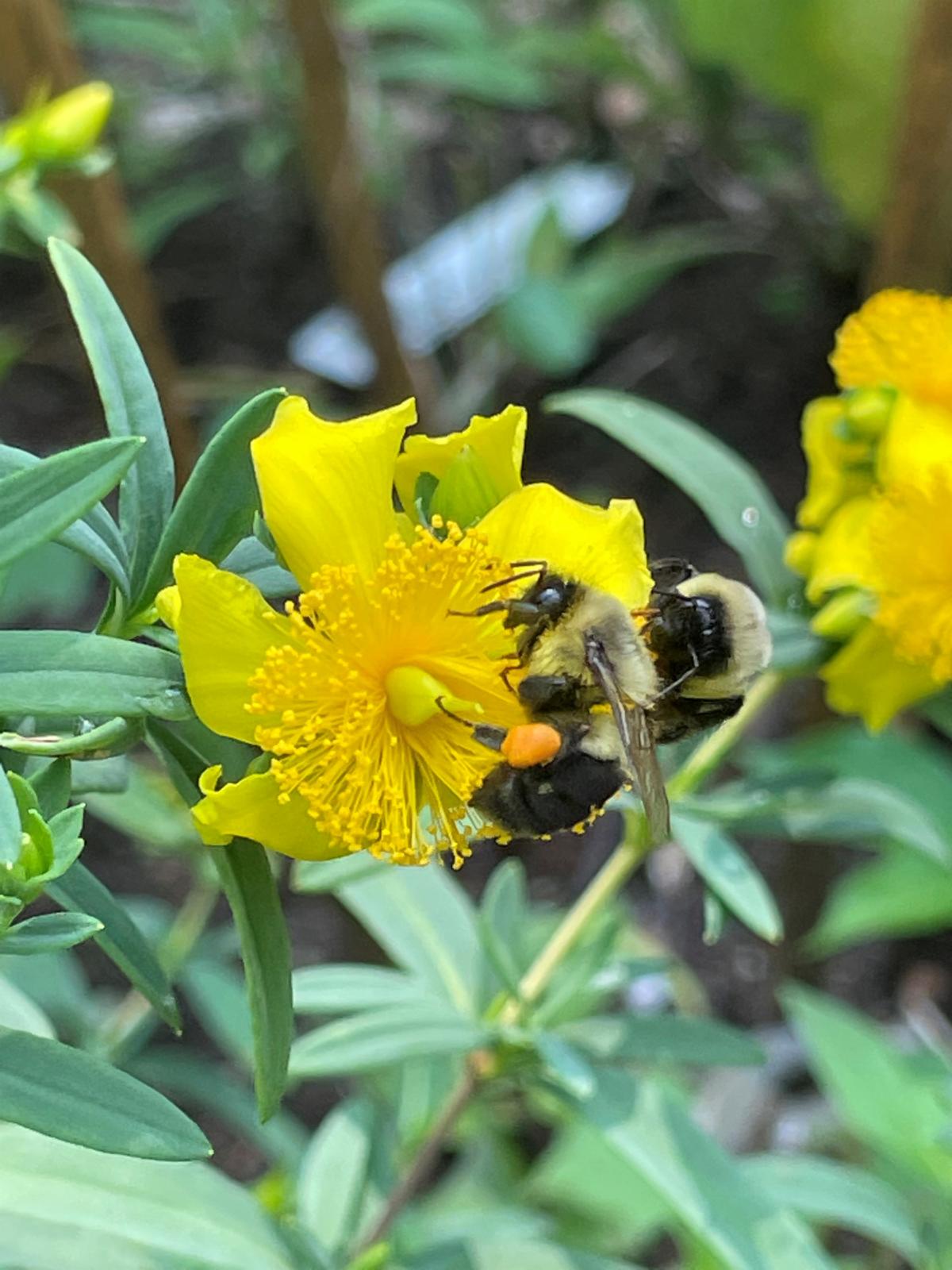
Late Summer is Peak Pollinator Season!


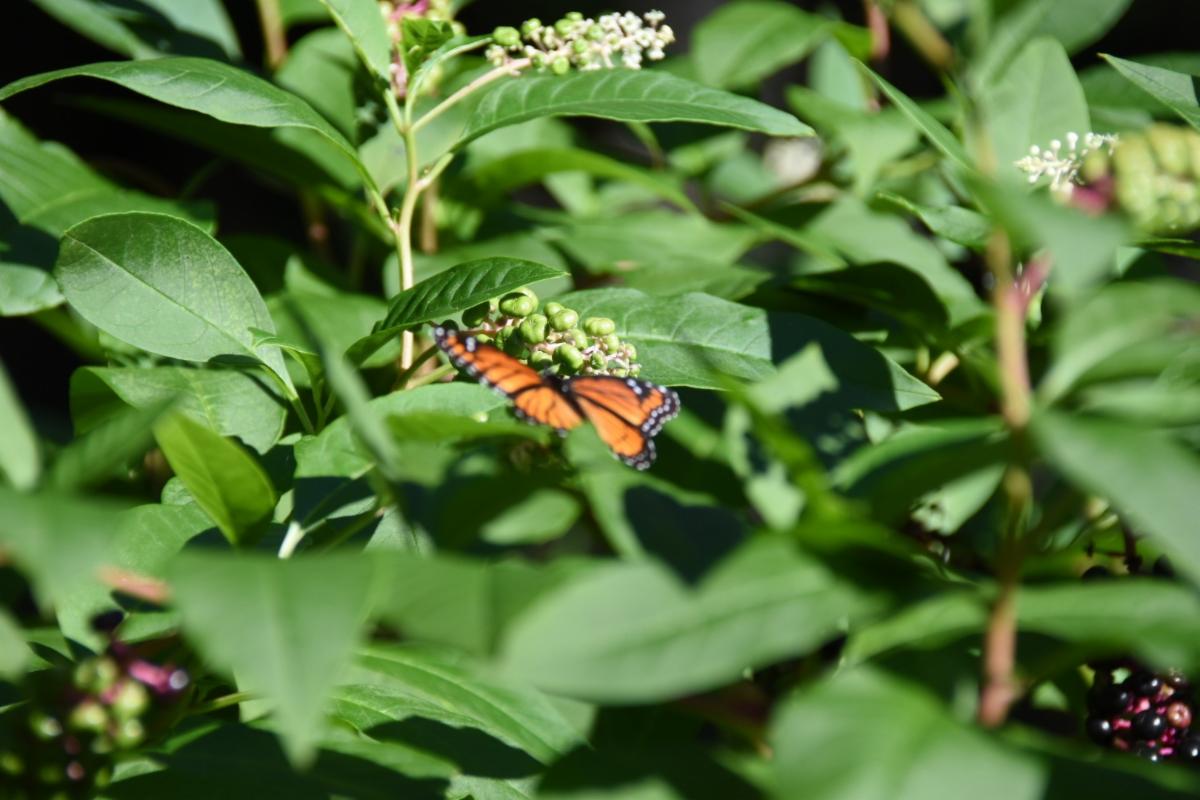
We are entering the buzziest time of the year - and our own wildscape is really springing to life! We are also hearing lots of encouraging news from many of you about the buzzing bees, beautiful butterflies, happy hummingbirds, marvelous moths, and more making plentiful appearances in your magical spaces! Want to keep building impact and growing more benefit for the pollinators who need our help?


CLICK HERE TO EXPLORE LOTS OF PRO-POLLINATOR PLANTING TIPS AND RESOURCES!


Pollinators and Communities


We are currently writing a story about pollinator gardening in yards and communities - look for it in late August! As part of this we are interested in learning more about East Bay Rhode Island and Southeastern Massachusetts community-based pollinator planting projects. Do you know of a really cool pollinator garden that's been installed somewhere in your community or is being planned for installation sometime soon ? Send us a note with the details and we will follow up!


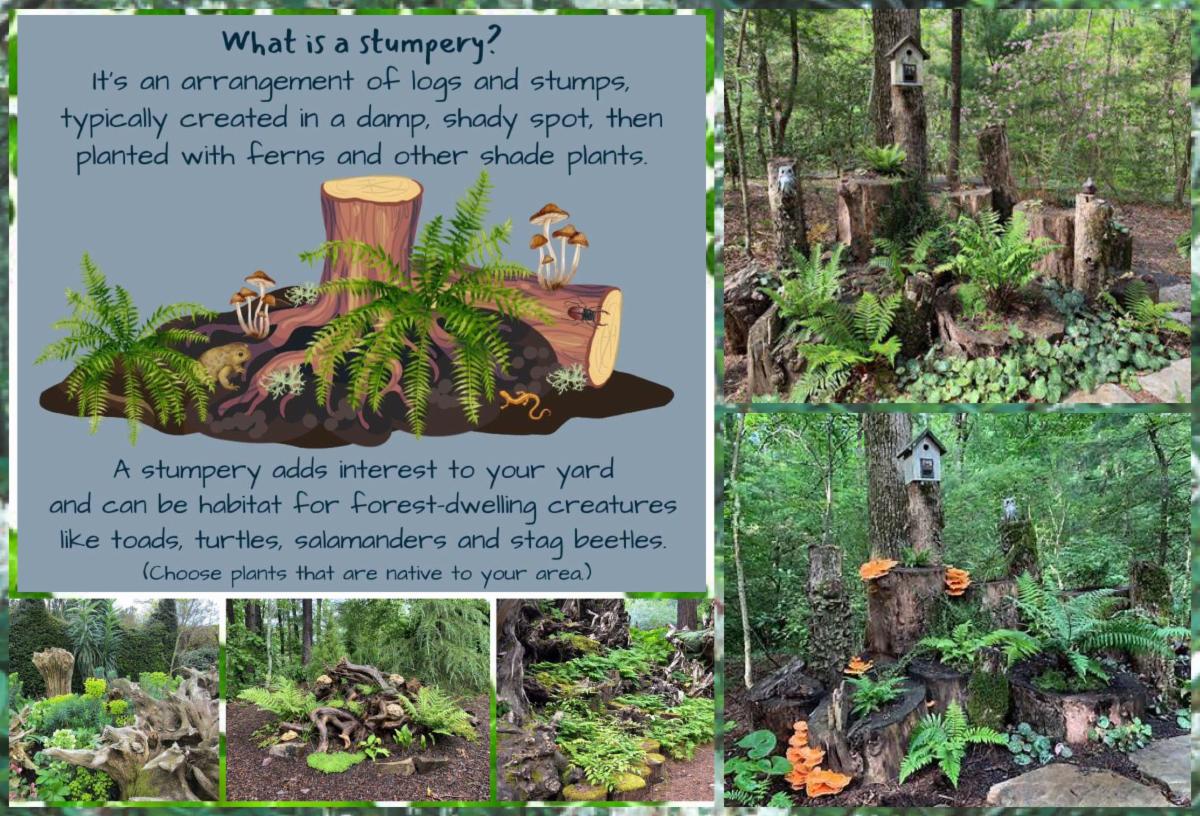
Did the crazy July 3rd storm leave you with downed trees, limbs and branches? Consider some creative ways to create habitat in the wake of the destruction!


BUILD A STUMPERY!

We have lots of wonderful native ferns and shade plants in stock to accent and add ecological impact to your stumpery :-)!

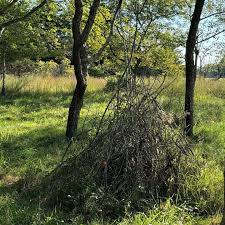
Build a Brush Pile!

Building brush piles is a great way to deal with branches caused by storms. Brush piles benefit birds and other small creatures by:

  • Offering critical shelter and hiding spots from predators
  • Providing safe nesting spaces for ground nesting birds
  • Creating habitat for an ecosystem including fungi and insects
  • Are fun projects for kids of all ages!


You can download a PDF to guide to creating beneficial brush piles right on the "Bird Friendly Landscapes" page of our website. When there be sure to also download our feathered friend habitat checklist - use it to assess your yard for its bird friendly bounty!


IMAGE OF BRUSH PILE FROM THE PERFECT EARTH PROJECT - LEARN MORE ABOUT THEIR 2/3 FOR THE BIRDS INITIATIVE

THANK YOU!!


2025 has been an incredible, whirlwind season. We are grateful to all of our drop in visitors - especially the many, many repeat customers. We love seeing you, love hearing your stories and appreciate your support of our (very) small business and your commitment to creating resilient landscapes that benefit nature and communities - you rock! We are also grateful to have played in important part in so many special projects around our region this season - from cool residential projects to buzzworthy municipal projects, non-profit nature centered pollinator plantings and garden club and civic plantings with nature in the mix - it has been so much fun to play a role in these efforts and to see so many pesticide free beneficial plants taking root around our region. Collectively, we are all making a difference - keep the momentum growing, and know how happy we are to be on this journey with you! If you have fall planting projects in the works please reach out early to discuss special orders so we can do our best to get you the plants you need!

YARDS ALIVE 2.0

Be sure to stay tuned in for some exciting upcoming events! We will be sending out a survey soon to learn more about what kinds of programs, gatherings, resources, and activities you may be most interested in. Follow along on social media, visit our website often and be sure to check your inboxes for our newsletter so you don't miss any of the fun! To learn more about the kinds of programs we have offered in the past and to keep an eye out for upcoming offerings, visit the Events Page of our Website.

Facebook  Instagram

We Are Locally Owned - And Operated

Thank you for Shopping Small and Supporting Local!

At Prickly Ed's Cactus Patch Native Plant Emporium we are focused on making the area a little bit wilder one yard at a time! We offer great native plants, prickly pear cactus, magic dirt, unusual pollinator friendly annuals, organic herb and vegetable plants, lots of solicited and unsolicited advice & random curiosities designed to get your yard really buzzing. Your favorite wildscaping neighbors live right next door to the Emporium and are directly involved in every part of the business. You can read all about us on our website, including the story of where the name Prickly Ed's Cactus Patch came from.

New to our mailing list or want to look back at prior editions? Our eNews archive is available right on our website.


Prickly Ed's Cactus Patch

 6 Barneyville Road,

Barrington, RI 02806-2715

(401) 248-4785


Please note, use the address above for mailing or for GPS but the Roadside Stand/Native Plant Emporium is located in Swansea, MA directly next door to the address listed above. Just look for the sign and for the big red barn.

Please consider taking a moment to share this email with others who would enjoy it. We do not do any paid advertising, instead repurposing those dollars to support community based organizations and initiatives. We rely entirely on word of mouth referrals and good karma and appreciate all that each of you do help others find their way to us!

Use the buttons below to easily share the information.

X Share This Email
LinkedIn Share This Email