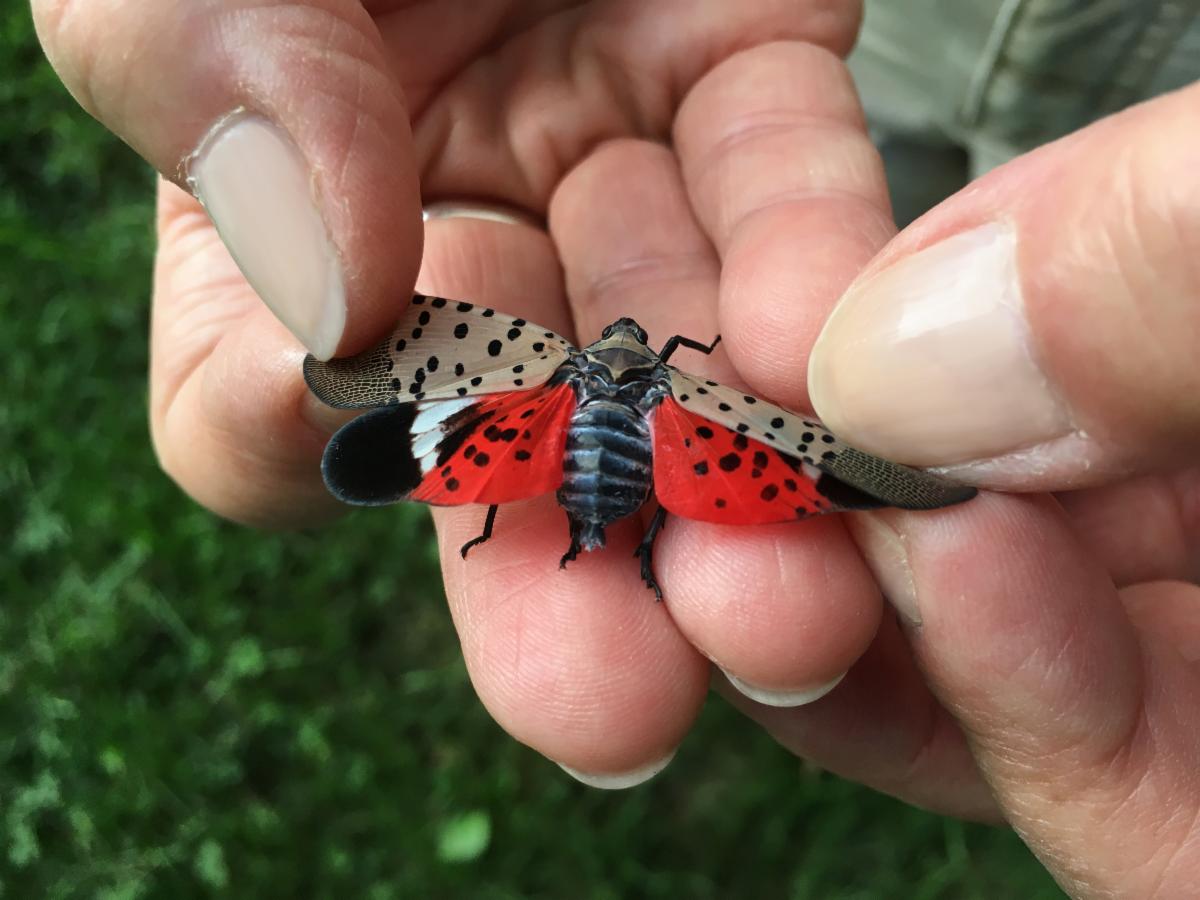
Spotted lanternfly: A serious threat to Canada's wine and agriculture industries
By: Mandy Ehnes, ISC Program Development Coordinator
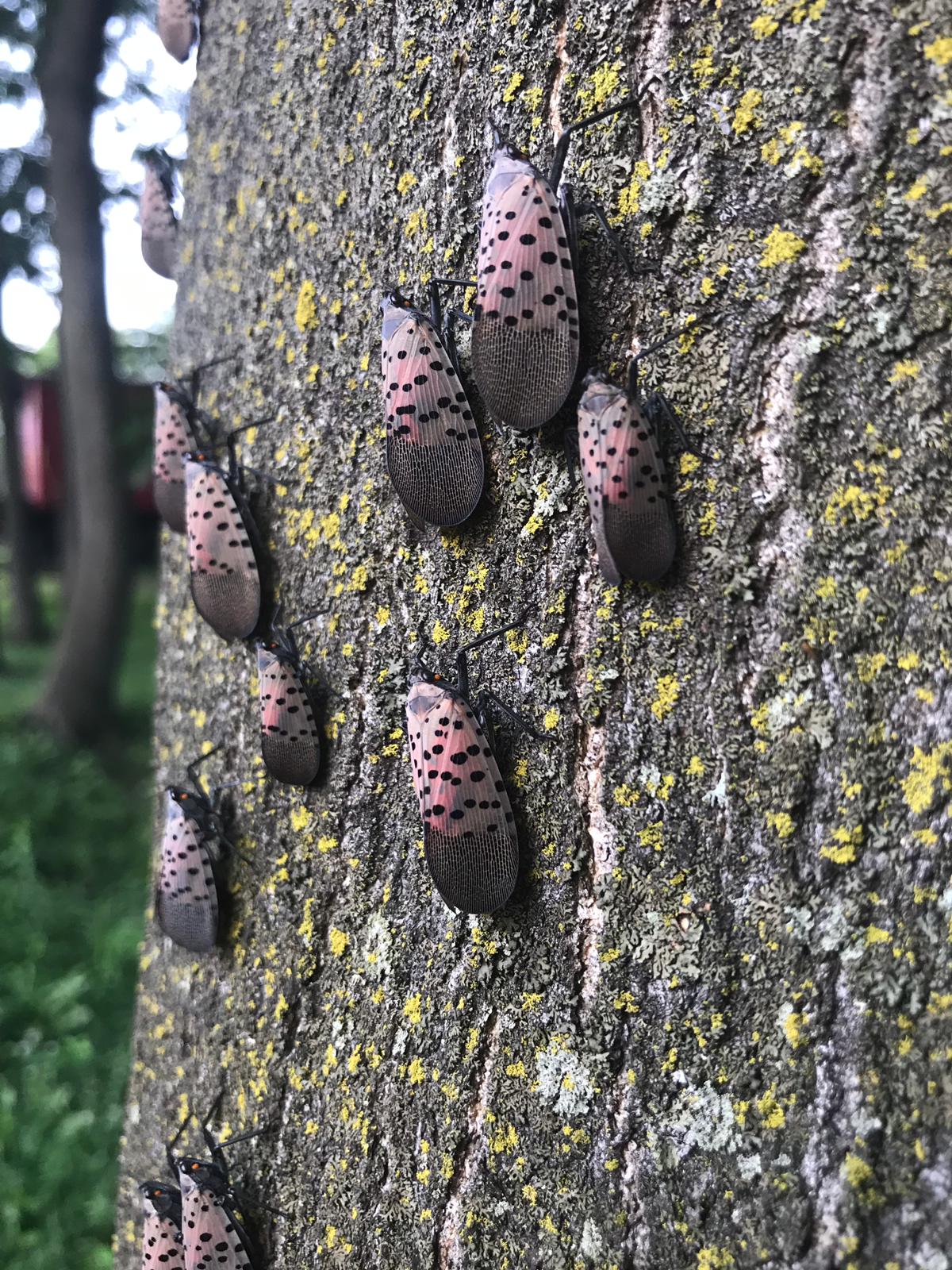
Have you heard of the brightly-coloured insect wreaking havoc across the mid-Atlantic United States?
Spotted lanternfly (
Lycorma delicatula
) is an insect from China that is considered an extremely destructive invasive species in North America. Spotted lanternflies feed on over 70 plant and tree species, depleting their sugar supply and causing ruined or mealy fruit in species such as grape and apple.
Spotted lanternfly has been detected just across the border from Niagara Falls, Ontario in the Monroe and Erie Counties of New York. In Pennsylvania, where spotted lanternfly first became established, the infestation is so severe that quarantine zones have been established in
14 counties
. It’s our job to make sure spotted lanternfly never gets to Canada.
|
|
Protecting Canada's forests with the help of citizen scientists
By: Mackenzie DiGasparro, ISC Program Development Intern
One of the most important aspects of effectively controlling and managing invasive species that are threatening Canada is early detection
. Early detection is critical to the prevention of establishment and spread of invasive pests. The Canadian Food and Inspection Agency (CFIA) is the agency who is responsible for preventing the introduction of invasive species listed under the Plant Protection Act, regulating the movement of those invasive species within Canada, and monitoring for those invasive species that are not yet found in Canada. CFIA puts regulations and restrictions in place to protect Canada from new pests and to prevent the further spread of those already established. This work is accomplished in coordination with provincial and federal government agencies and other organizations, including the Invasive Species Centre and the Canadian Council on Invasive Species.
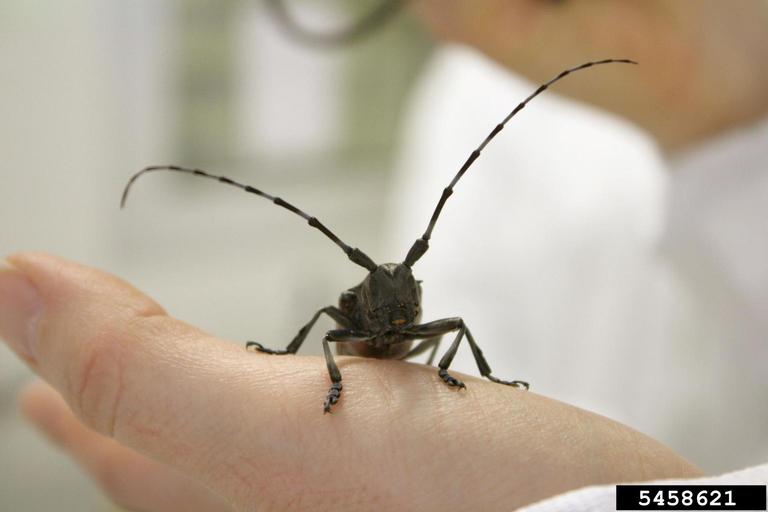
CFIA and other partners play a critical role, but citizens also have their own role to play. Most recently, a detection of Asian longhorned beetle (ALB) in Edmonton, Alberta was found and reported to the City of Edmonton by a concerned warehouse worker. After the interception, the city’s biological sciences technician reiterated the importance of having many eyes on the ground, stating that all infestations in North America have been found by citizens and not people working in the forestry industry.
|
|
Everything you need to know about the threat of grass carp to the Great Lakes
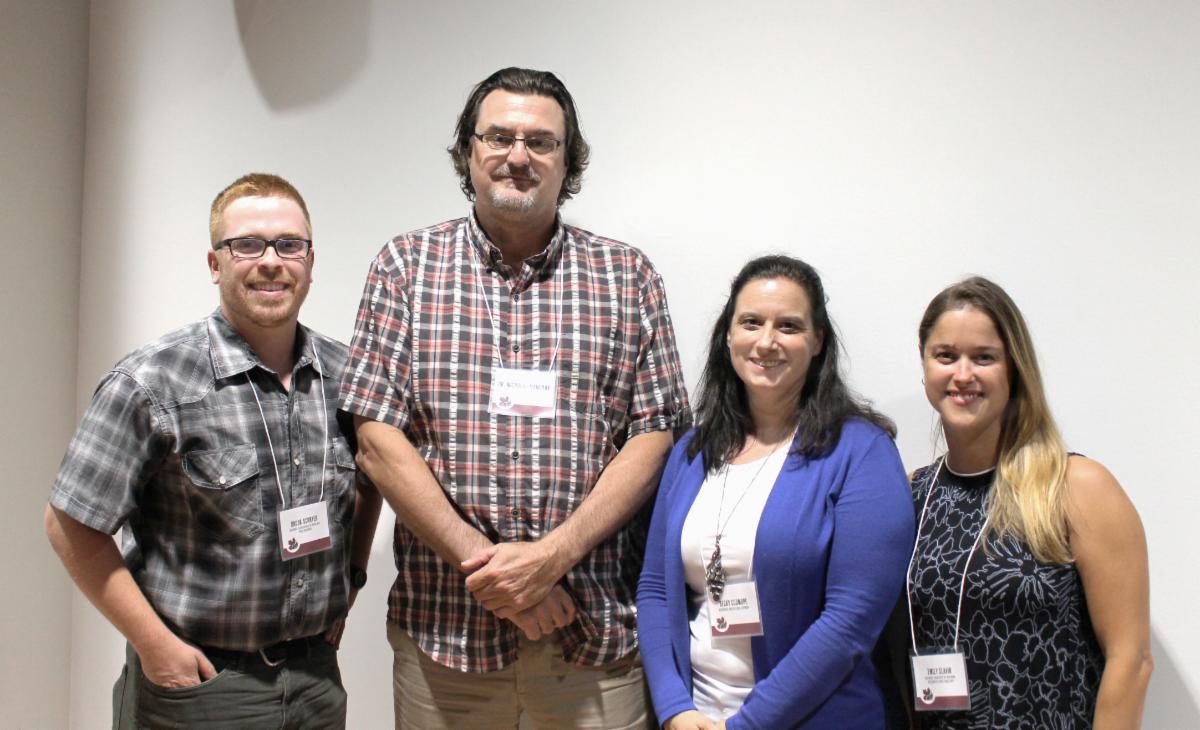
By: Rebecca Schroeder, ISC Aquatic Invasive Species Liaison
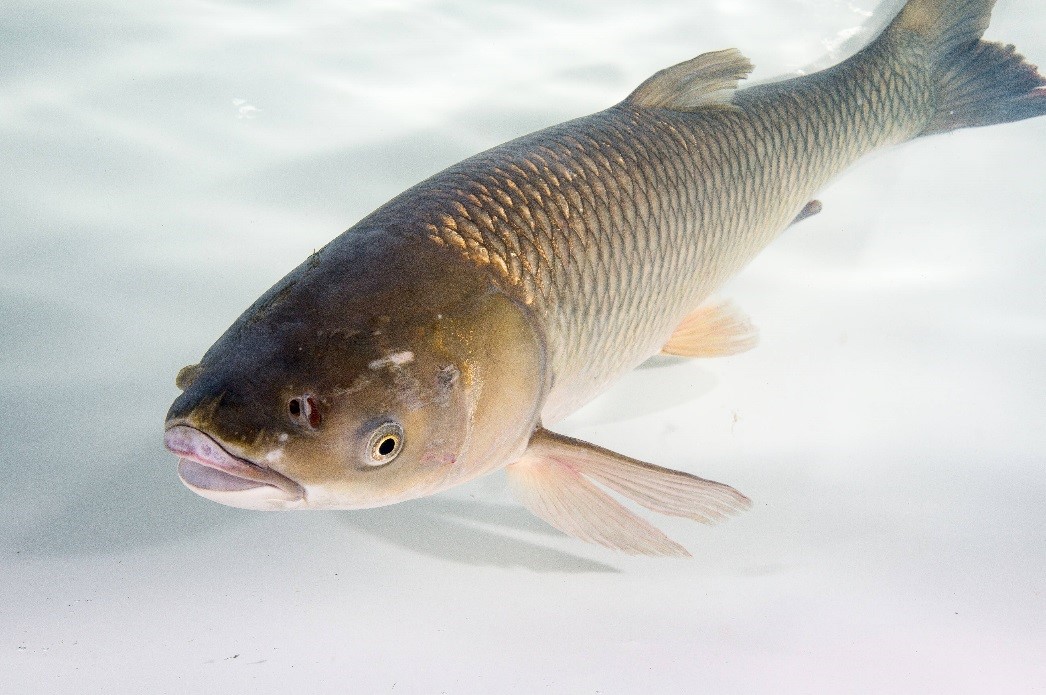
Do you love fishing and boating on the Great Lakes? Are you passionate about the wildlife that live in the Great Lakes? If so, we have an important mission for you: Be on the lookout for grass carp!
Grass carp
is one of four invasive Asian carp species threatening to invade the Great Lakes. The other three are
bighead carp
,
black carp
and
silver carp
. These aquatic invaders were introduced to the southern United States in the late 1960s and 1970s for use as biological control in aquaculture facilities.
When rivers near these facilities flooded, it allowed bighead, silver and black carps to escape and eventually make their way into the Mississippi River Basin. The spread of grass carp has largely been the result of stocking for aquatic vegetation control.
Of the four species, grass carp is the most imminent threat to the Great Lakes. Researchers recently found evidence of natural reproduction in the Sandusky and Maumee rivers, both tributaries of Lake Erie in the U.S. However, there is currently no evidence of an established population in the Great Lakes, and monitoring continues.
|
|
New invasive species information resource that focuses on management activities
By: Lyn Brown, Brock University Master of Sustainability Graduate
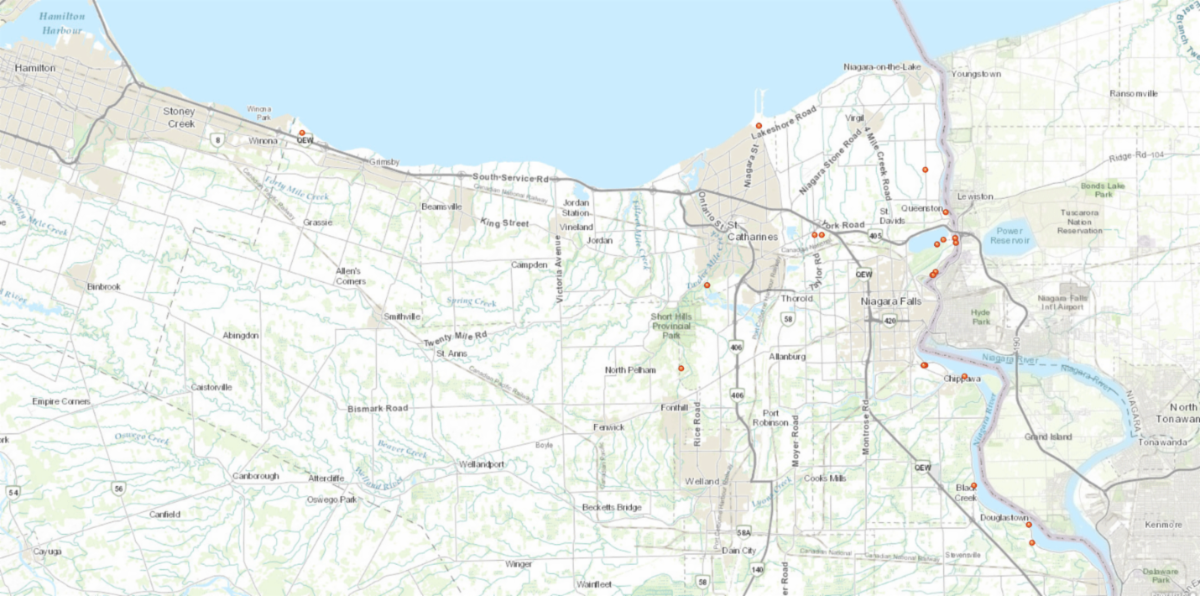
Existing worldwide and local invasive species databases focus on distribution, abundance, identification, and impacts of invasive species, but few focus on management activities. As part of a master’s thesis, a database was developed for aquatic and riparian invasive species control activities in Canada’s Niagara watershed. The interactive map and database show who is doing what and where. Information about control efficacy, and organizational contact information is also included in the user-friendly Geographic Information System (GIS) map.
Seventy-one organizations involved in riparian/aquatic invasive management in the Niagara area were contacted and 16 were interviewed in-depth. In 2017/2018 there were 35 separate control efforts reported, involving 10 riparian invasive species and two aquatic invasive species, with most concentrated along the Niagara River.
|
|
This summer, the ISC was fortunate to welcome two summer students that helped with outreach, programming, and communications efforts. Ryan Davison joined our team as the Business Development & Communications Summer Student, and Emilie Hodgson joined our team as the Citizen Science Summer Student. Thank you, Ryan and Emilie, for your hard work and camaraderie this summer – we wish you the best of luck in your studies!
Check out Ryan's article to learn more about summer student work in invasive species prevention!
|
|
A summer at the Invasive Species Centre
By: Ryan Davison, ISC Business Development & Communications Summer Student
Hello there! I’m Ryan Davison and I had the pleasure of working at the Invasive Species Centre in Sault Ste. Marie, Ontario this summer.
A short time after receiving my acceptance letter to university, I began my eight-week contract with the Invasive Species Centre as their Business Development and Communications Summer Student. In addition to supporting community outreach events, such as the two days we spent at the National Walleye Tournament in Sault Ste. Marie Michigan distributing aquatic invasive species information, I was tasked with the creation of social media campaigns, updating our website’s teaching resources, and creating video content.
|
|
High Time to Register!
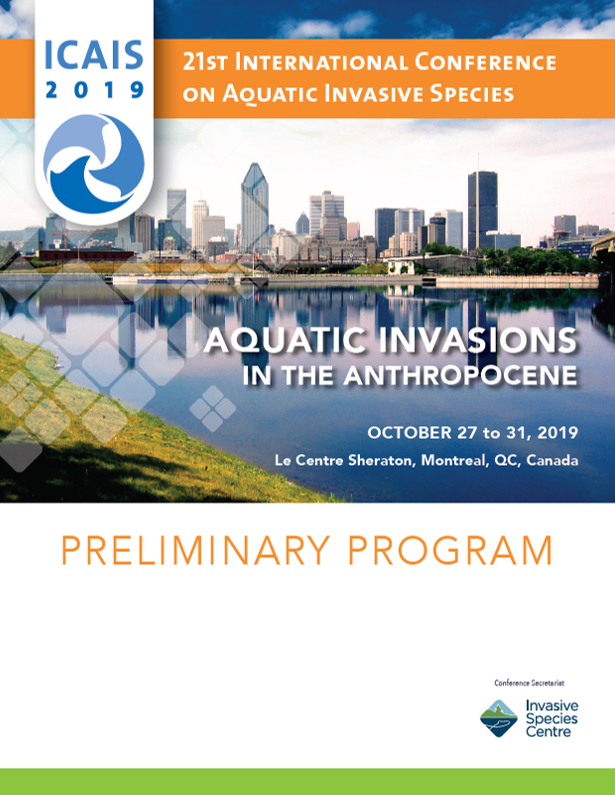
The International Conference on Aquatic Invasive Species (ICAIS) is the most comprehensive international forum to address new and emerging issues related to aquatic invasive species. The
preliminary program
highlights key speakers from across the world, a detailed schedule (subject to change), and information on the new session,
Integrating Invasion Science and Management Across Realms: Learning from Terrestrial, Marine and Freshwater Experiences.
Register today to join us in Montreal for #ICAIS2019!
|
|
|
|
|
TVO Kids Fish Heads Filming
In August, we were invited to take part in an episode of TVO Kids’ Fish Heads series at the ISC’s Toronto Zoo Asian carp exhibit. Asian Carp Canada project manager Rebecca Schroeder had the opportunity to meet the show’s hosts, Christian and Sayat, and talk about the threat of Asian carps to the Great Lakes. Stay tuned for more information on our episode which will air on TVO Kids later this year!
|
|
|
|
Asian Carp Information Session
This quarter, the ISC hosted an Asian Carp Information Session in Point Pelee National Park (Leamington, ON). We welcomed approximately 40 community members from surrounding areas to engage with exhibits and discuss Asian carp issues with a panel of experts, including representatives from Fisheries and Oceans Canada, the Ontario Ministry of Natural Resources and Forestry, the Ontario Federation of Anglers and Hunters, and the University of Toronto, Scarborough.
|
|
|
|
Oak Wilt Qualification Course
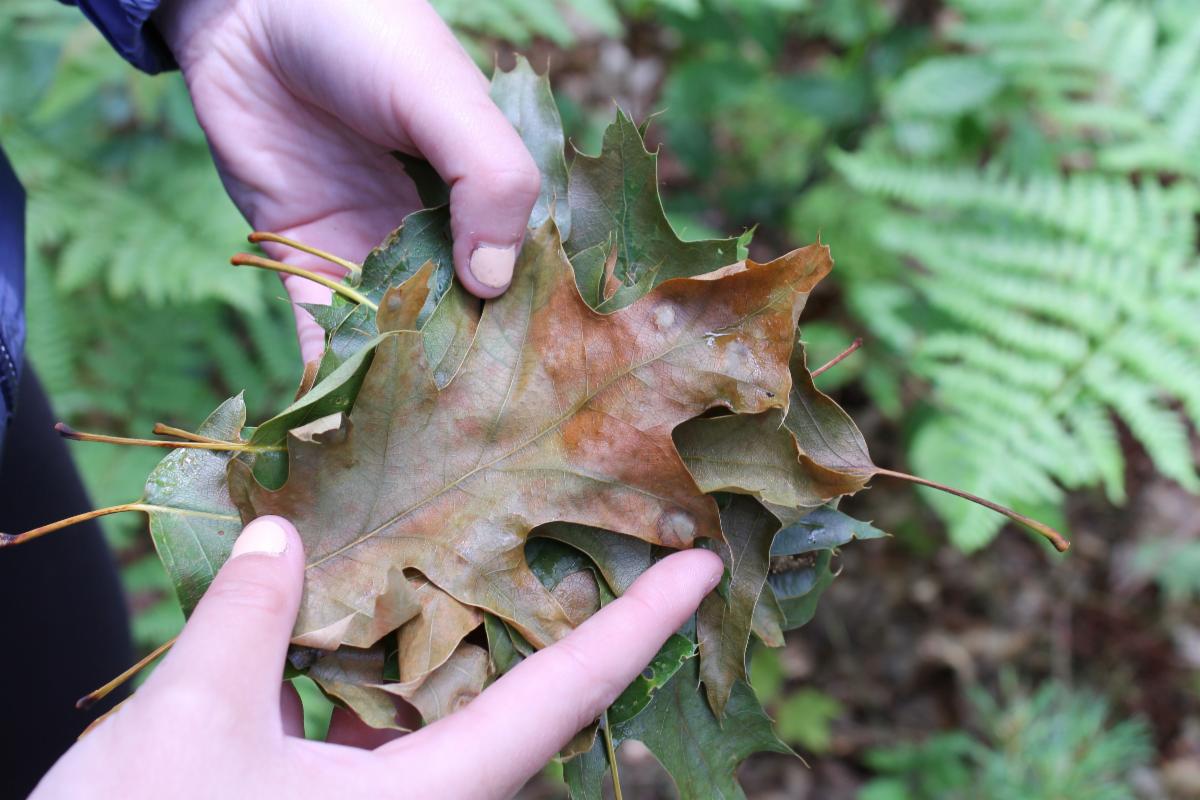
On August 19 the ISC hosted 20 arborists and foresters in Windsor, ON for an oak wilt identification and management certification course in coordination with the Arboriculture Society of Michigan. Attendees of the course had the opportunity to get up close and personal with oak wilt infected trees in Michigan, learn about management techniques, and practice control processes.
|
|
|
|
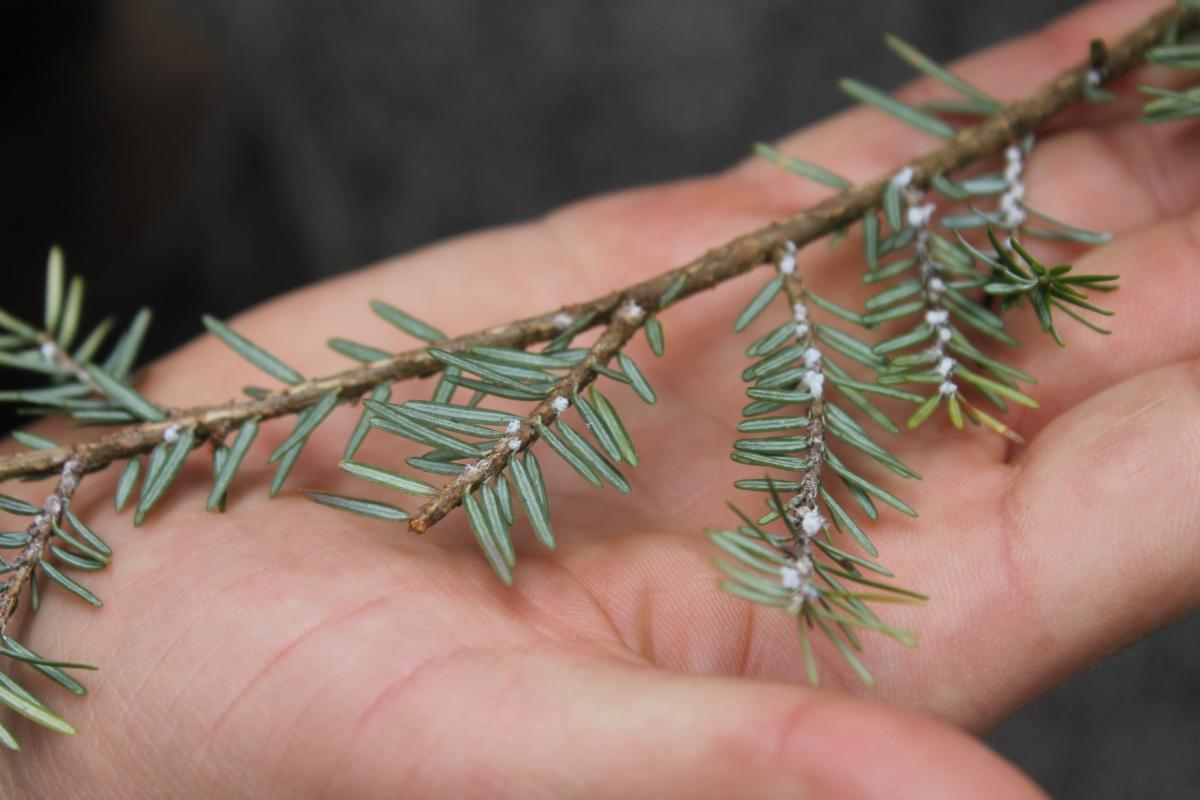
Hemlock Woolly Adelgid Managers’ Meeting
The 5th Annual Hemlock Woolly Adelgid Managers Meeting was held in Holland, Michigan this July. This 3-day meeting included discussions about hemlock woolly adelgid, biocontrol, insecticide applications, research, and best management practices. As part of the meeting, the ISC was able to participate in a field day where we saw impacts of this pest firsthand and the management efforts in place within the state of Michigan.
|
|
|
|
Spotted Lanternfly Conference
This quarter, the ISC attended a Spotted Lanternfly Conference in Binghamton, New York. This area is close to the Pennsylvania border where spotted lanternfly has become a major issue. Attendees had the opportunity to learn about current management strategies and compile best practices for outreach and prevention.
|
|
Follow us on social media!
|
|
|
|
|
|
|