|
Chinch bug Prevention
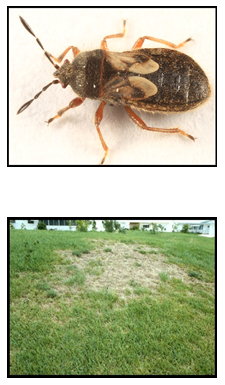
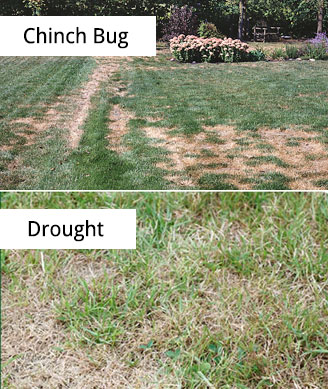
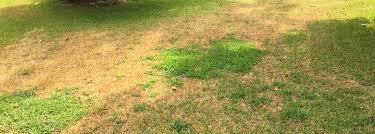
While we can prevent some issues with lawn insects (like grubs), chinch bug prevention will be based on care practices & early detection. Treatment of chinchbugs only works when the adults are feeding on the grass so prior treatment with insecticides do not work to prevent the damage.
Watering: We generally do NOT see the chinch bugs in well-watered lawns, since dryness is a major factor in their population explosion, HOWEVER we see MOST of the damage and infestations in lawns WITH sprinkler systems that are improperly watering. Short watering that is done too frequently (such as 15 minutes per zone every other day) causes significant stress to the grass making it more vulnerable to the insect damage (& other health concerns). Please read here for proper watering information: Watering:”But I have a Sprinkler System:” https://conta.cc/2TofkvH
Mowing: Mowing height will contribute to chinch bug damage. Grass that is kept high (4-4 1/2 inches) will be healthier and have deeper roots. Healthier grass with deeper roots will be able to withstand the insect damage and recover more easily.
Previous chinch bug damage and infestations: Unfortunately, we do see more incidence of infestation in lawns that had damage from chinch bugs in previous years. If you had chinch bugs in the past, it is very important to watch your lawn carefully. Prior treatment will NOT prevent future damage.
If you have concerns, please text, email or give us a call.
Chinch bug Treatment:
Infestations of chinch bugs will require insecticide treatment to keep them from causing damage to surrounding grass. Unfortunately, as mentioned above, since they are a surface feeding insect (rather than a root-feeding insect like grubs), there is no preventative treatment for chinch bugs. Early detection and treatment will minimize the amount of turf damage.
There is no value in treating the lawn with insecticide if chinch bugs are not present. Insecticide will only be effective when the chinch bugs are active and damaging the grass.
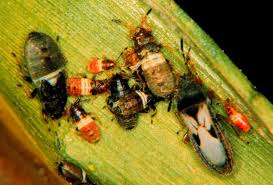
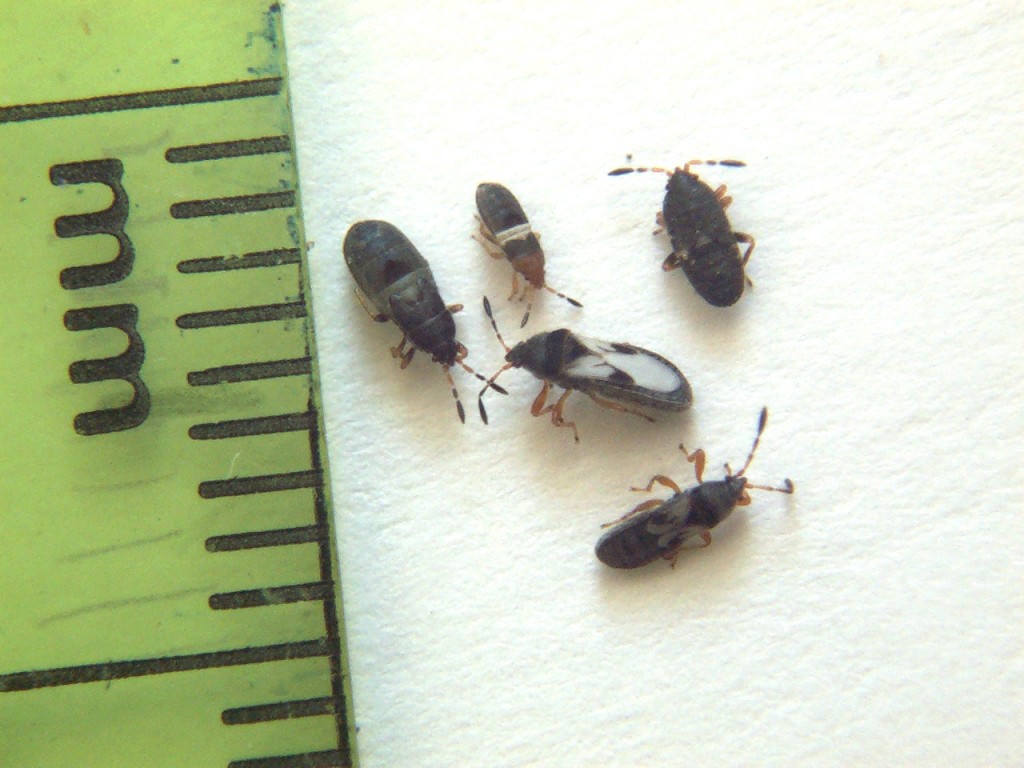
If chinch bugs are present and causing damage in the lawn, we will recommend 2 treatments of an insecticide that is labelled for chinch bugs, with the treatments approximately 2 weeks apart to treat all of the life stages.
Lawn Restoration/Repair:
Insecticide treatments for chinch bugs will NOT restore the grass. The dead grass will need to be removed in most cases. Seeding to repair the area is best done in September. Sod could be done sooner, but proper watering of new sod in summer months is critical.
|