Bishop Museum inspires our community and visitors through the exploration, celebration, and perpetuation 

of the extraordinary history, culture, science, and natural environment of Hawaiʻi and the Pacific.


Vol. VIII No. 6 | July 2025

Our Kuleana

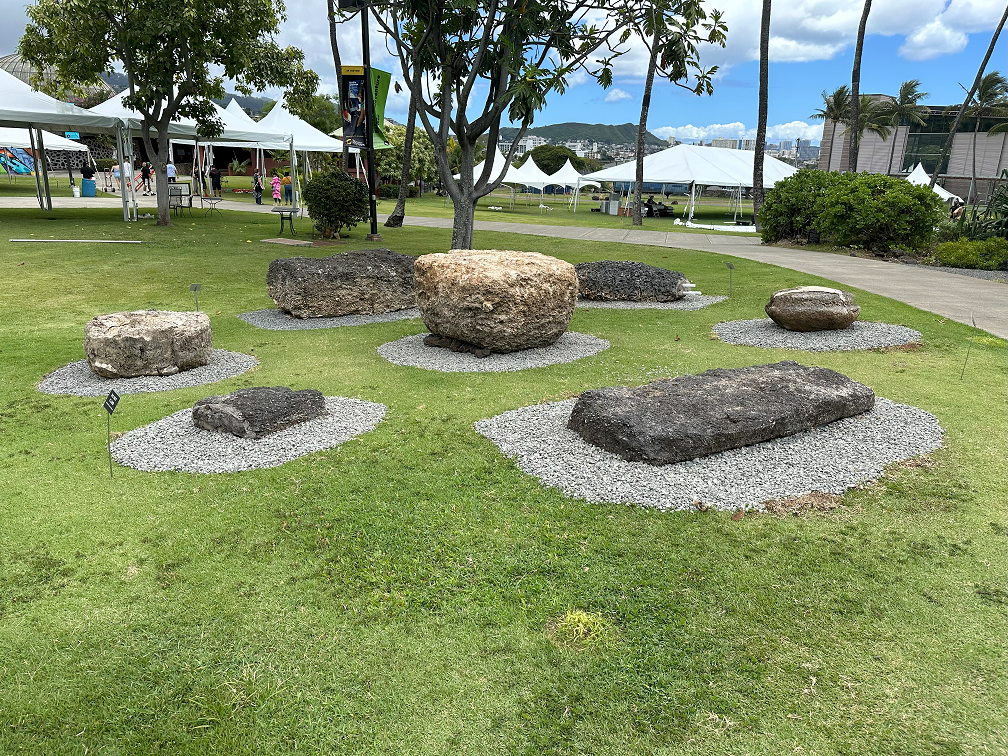
Pictured: Latte stones from Guåhan and Rota on display in front of Hawaiian Hall, May 2024. The latte are part of the larger collection of 10,000 pieces that will be returned to the Mariana Islands.

Credit: Sarah Kuaiwa.


Journeying Home

The Return of the Hornbostel Collection

by the Bishop Museum Communications Team


Beginning in August, Bishop Museum will initiate a phased return of more than 10,000 pieces from the Museum’s permanent collection to the Mariana Islands. Bishop Museum’s Board of Directors have unanimously voted to deaccession pieces in the Cultural Resources collection originally acquired by Hans Hornbostel in the early 20th century. This landmark decision comes after three years of collaboration with government officials and colleagues at peer institutions including the Guam Museum, the Guam Cultural Repository, Guam State Historic Preservation Office, the Northern Mariana Islands State Historic Preservation Office, and the Northern Mariana Islands Museum of History and Culture.


The decision to rematriate these pieces is in response to requests from the Guam Government dating back to the 1930s, calling for the reunification of the items with their home countries, and from Bishop Museum’s present-day consideration of ethical museum practices.


More than a return of objects


Rematriation is a movement focused on restoring Indigenous peoples’ relationships with their ancestral lands and cultures. Whereas repatriation refers to the physical return of human remains and ancestral, often-associated burial belongings, rematriation speaks to a deeper restoration and of cultural continuity.


“The return of these pieces to the Mariana Islands fortifies a multi-year partnership between Bishop Museum, Guåhan, and the Northern Mariana Islands to collaborate through Bishop Museum’s Te Rangi Hīroa Curators and Caretakers Fellowship program and other initiatives,” said Healoha Johnston, Bishop Museum director of Cultural Resources, and curator for Hawaiʻi and Pacific Arts and Culture.


“Rematriation can be the beginning, not the end, of connecting source communities with their art and human record,” added Johnston. “Bishop Museum will continue to collaborate with members of the CHamoru and Chamorro diaspora who live in Hawaiʻi to develop collections based on consent, and will work with partners in Guåhan and the Northern Mariana Islands to bring historical pieces to Hawaiʻi on loan from consenting organizations, as a pathway for connection across generations and geographies.”


A decades-long effort coalesces in 2022


In 2022, people from Guåhan and the Northern Mariana Islands reached out to Bishop Museum to request information about, and the return of, material acquired by Hans Hornbostel. Through the Museum’s colleagues who submitted these inquires, and through in-depth research, the Museum’s current Cultural Resources team learned that the Museum had previously returned small selections from the collection over the course of the 20th century, culminating in the repatriation of all known human remains housed at Bishop Museum back to the Mariana Islands in 2000.


The Museum further learned that every 25 or so years, or every generation since Hornbostel acquired these pieces, people in Guåhan and later the Northern Mariana Islands requested the return of this collection. A close and productive working relationship emerged between Bishop Museum and a group of museums and government officials in the Marianas, from the most recent round of discussions.

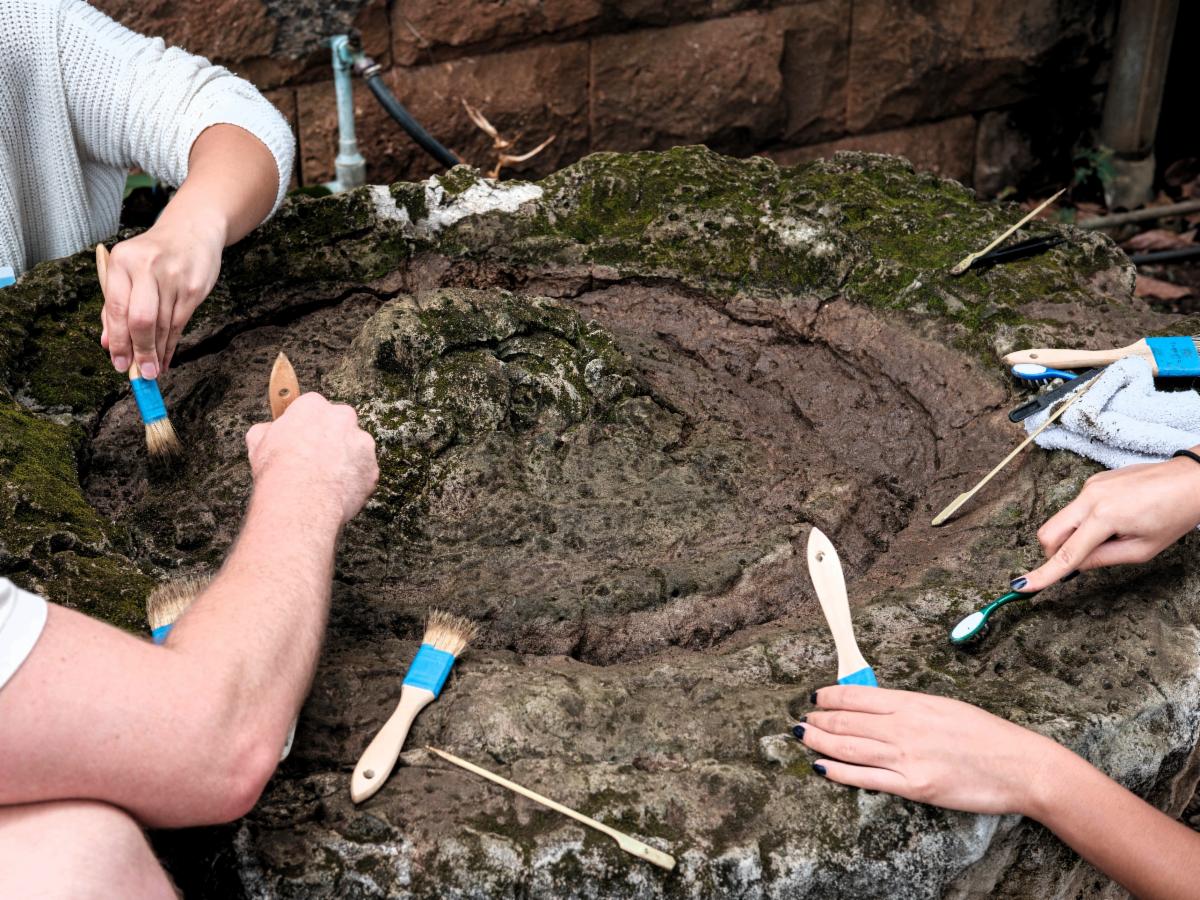
CHamoru and Chamorro community members assisting with cleaning of the latte stones, March 2024. Credit: Jon Asato.

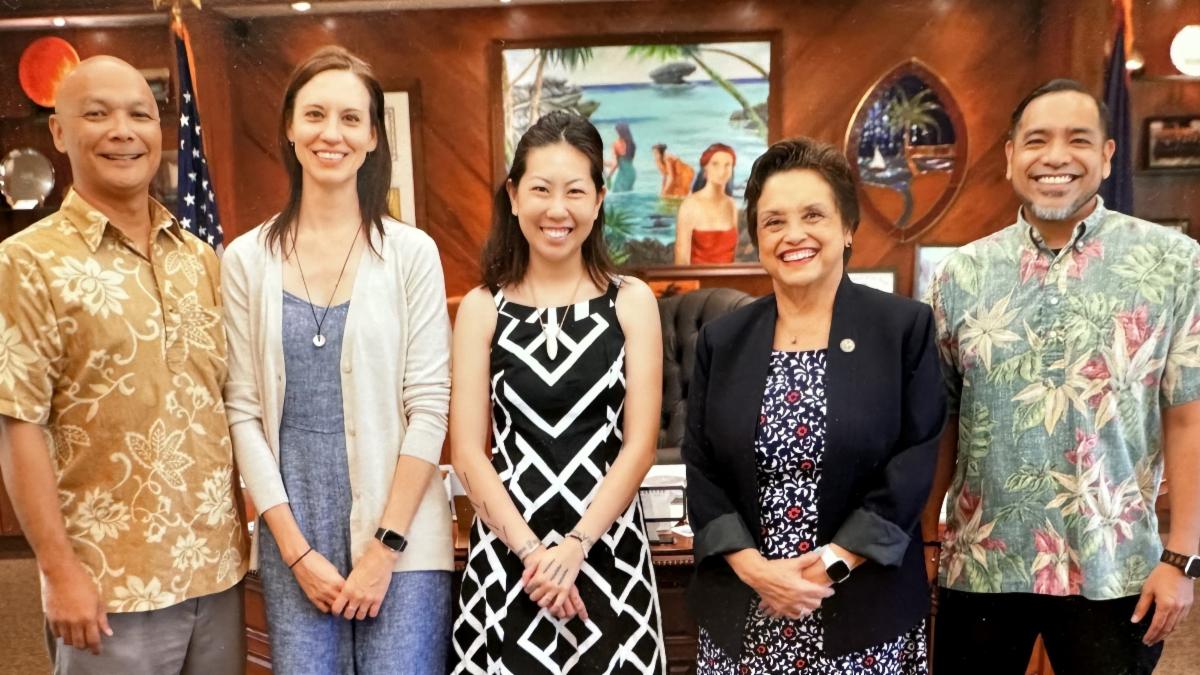
Museum staff meeting with members of the Governor of Guam’s office, September 2023. L-R: Patrick Lujan (Guam State Historic Preservation Officer), Melissa Tulig (Bishop Museum Director of Informatics), Dr. Sarah Kuaiwa (Bishop Museum Curator for Hawaiʻi and Pacific Cultural Resources), Governor Lou Leon Guerrero, Melvin Won-Pat Borja (President, Department of CHamoru Affairs).

”We began to articulate a shared ethical orientation to reckon with historical injustices and unify people with their artistic and cultural heritage,” shared Johnston. “This ultimately will culminate in the return of this collection and a long-term reciprocal partnership.”


The decision for rematriation was made after three years of inter-institutional collaboration, and was supported through funding provided by the Mellon Foundation. Key efforts included listening sessions, community collection care days, working group sessions, collections accesses, and a series of consultations conducted during Festival of Pacific Arts and Culture, held at Bishop Museum, in 2024.


“We are grateful for the initiative and incredible partnership with the Bishop Museum staff and leadership,” said Josh Tenorio, Lieutenant Governor of Guam. “Their integrity and willing cooperation are truly admirable, and we are proud of this effort rooted in Indigenous solidarity. Through these important Pacific connections, we will close a painful chapter of our history, but we have also started a new chapter of friendship and collaboration between our two institutions.”


The work continues


Bishop Museum is partnering with governments, museums, and universities in the Pacific and around the world through its Te Rangi Hīroa Fellowship program to integrate Indigenous frameworks and museum best practices, with the goals of both learning from and providing training for art, archaeology, and heritage curators and collections stewards.


“Bishop Museum participates in an ecosystem of museums and nonprofits where aspirations often outmatch institutional and financial capacity,” said Johnston. “In these conditions, being a steward of the public trust means being collaborative, it means taking time to listen, and making space for truth-telling to really create an environment where research and acquisitions restore connections between people and land, and with each other.”


For more information on the Museum’s commitment to ethical returns, please click the button below.


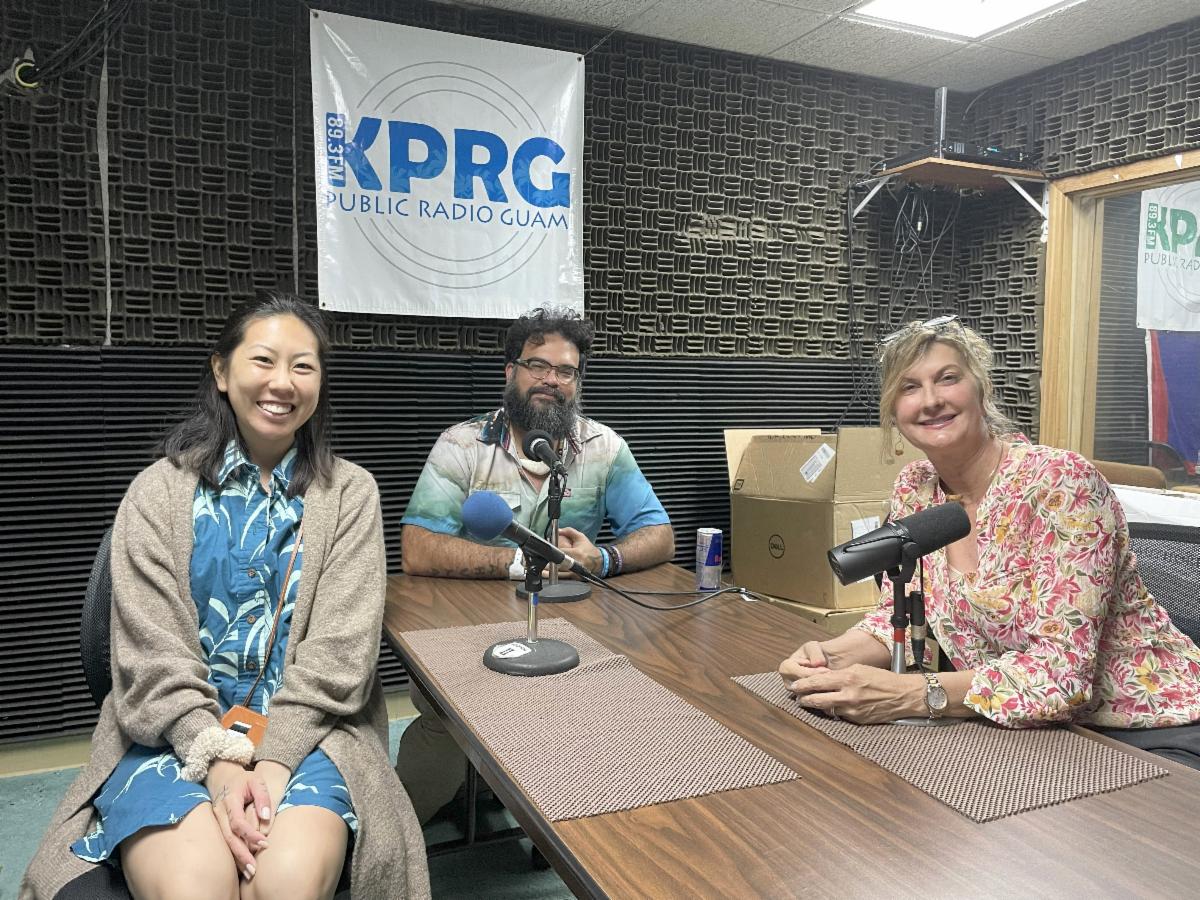
Drs. Michael Bevacqua, Kelly Marsh-Taitano, and Sarah Kuaiwa discussing rematriation and building museum relationships, September 2023. Credit: Sarah Kuaiwa.

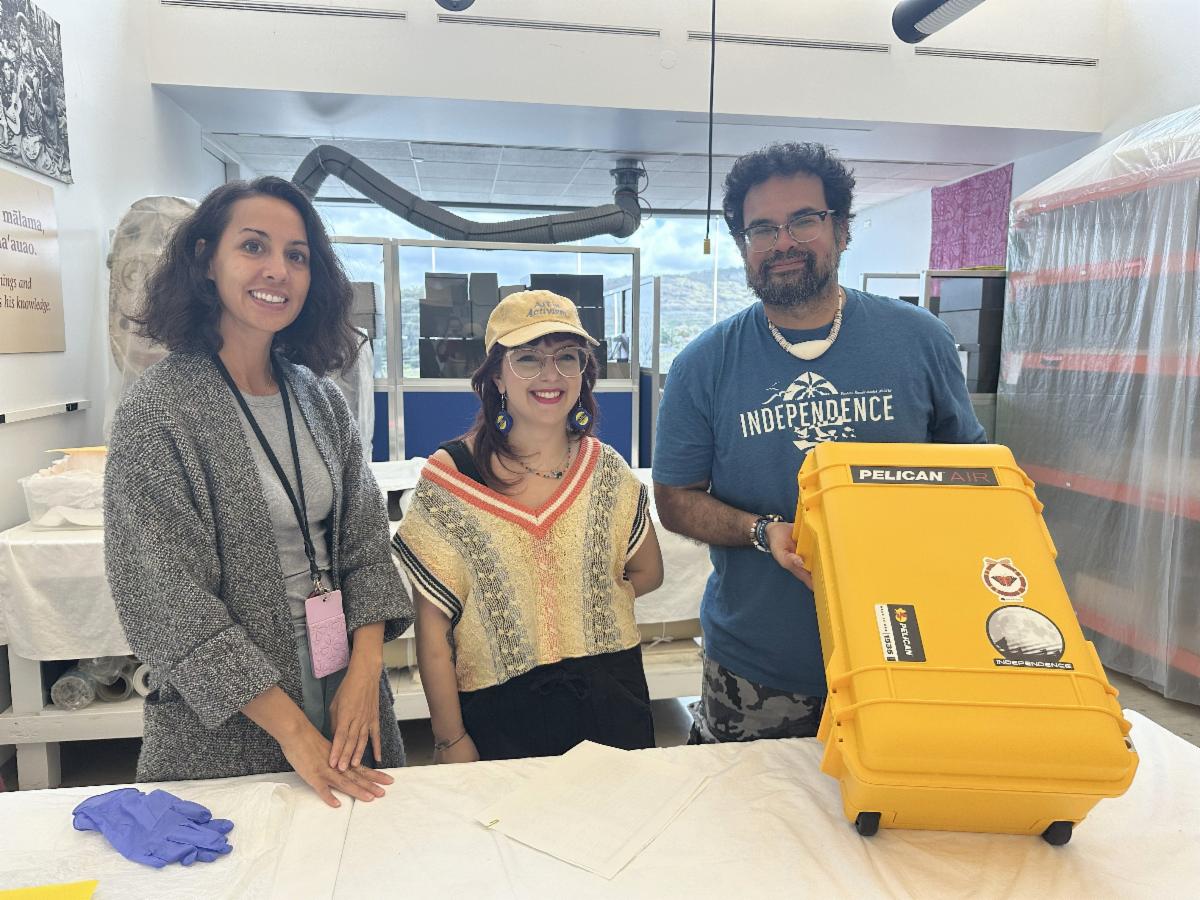
Kayla Annen, Megan Dauerman, and Michael Bevacqua at Bishop Museum preparing for a return of items to Guåhan. Credit: Sarah Kuaiwa.


Ways to Support


Coming Soon!


Bishop Museum’s annual E Ulu A Pa‘a Fundraiser and Online Auction is coming this August! This year, we recognize Mary Kawena Pukui, whose legacy shapes our understanding of Hawaiian culture to this day. Learn more at BishopMuseum.org/EUluAPaa.


On View


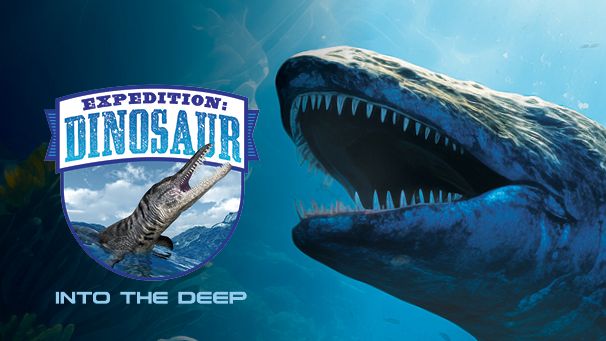
Expedition Dinosaur: Into the Deep

Castle Memorial Building

Through Jan. 25, 2026

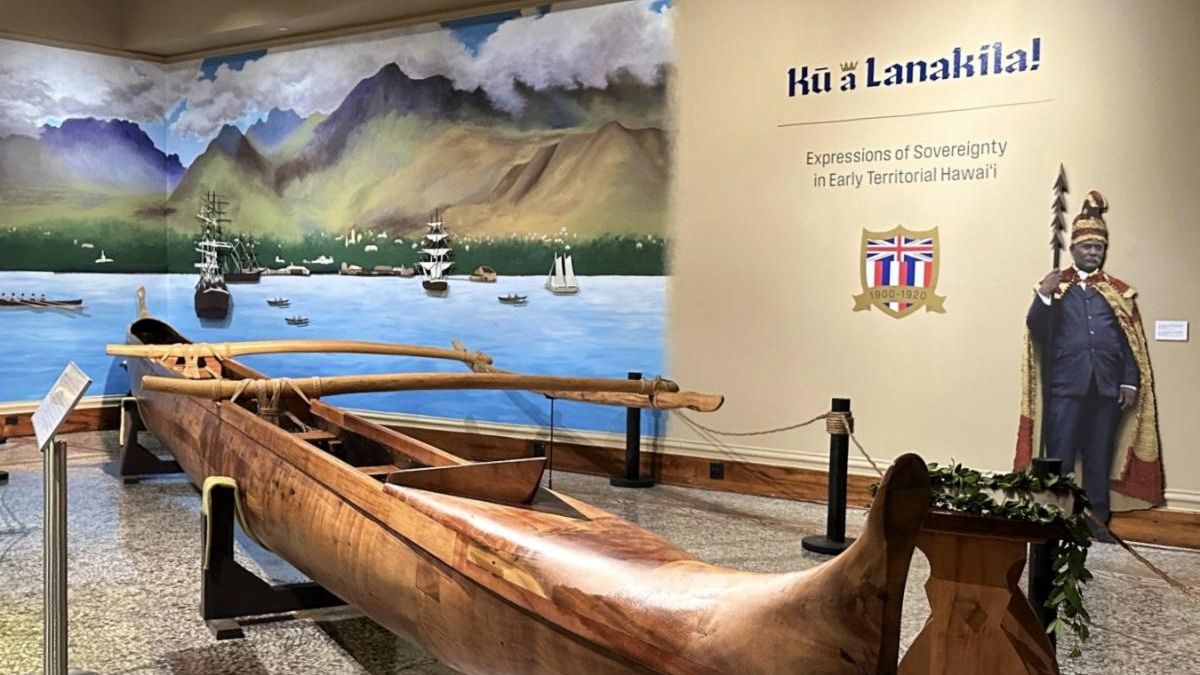
Kū a Lanakila!

J. M. Long Gallery

Through Aug. 10, 2025


Follow us @BishopMuseum!

 
Facebook        Instagram        Linkedin        Youtube