|
|
Program Newsletter | 3rd Quarter, 2024
| |
|
|
Namaste, Mabuhay, Amani,
As the “ber months” begin, we embrace the beginning of the festive season in the Philippines (the world’s longest Christmas season) and in Nepal (Dashain, Tihar, Indra Jatra, etc.). These festivities are also a fantastic opportunity to celebrate communities’ triumphs and resilience amid the different challenges they face, including climate change and natural hazards.
As a research program supporting resilience work in these countries, we are committed to bringing impactful research, collaborations, and engagements with local actors and communities.
This edition of our newsletter features our contribution to the success of ICUNSSI 2024, our fruitful local engagements with various resilience experts, a Filipino researcher who advocates localization and inclusion in early warning systems, an exciting training opportunity for humanitarians, and more!
| |
HHI Resilient Communities Supports International Conference on UN SDGs | |
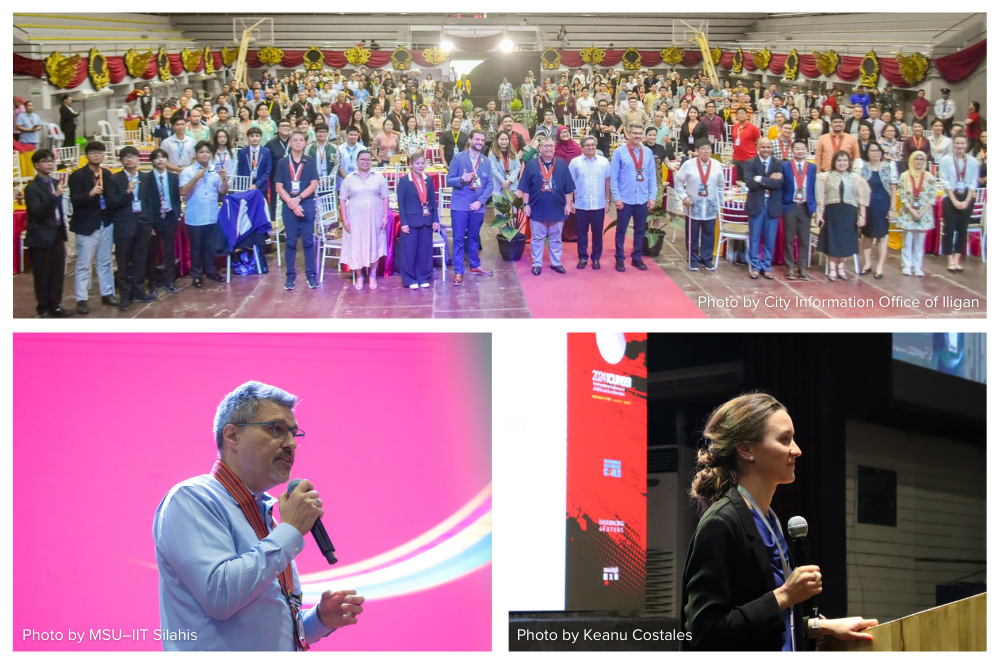
(clockwise) ICUNSSI speakers, presenters, partners, and participants; HHI Resilient Communities' Hannah Stoddard, and Dr. Vincenzo Bollettino. | |
As one of the conference partners, the Harvard Humanitarian Initiative’s (HHI) Program on Resilient Communities is honored to have been instrumental in the success of the recently concluded 2024 International Conference on UN SDGs and Social Innovation (ICUNSSI) on 18-19 September in Iligan City, Philippines.
“The HHI Resilient Communities team was thrilled to participate in ICUNSSI. The conference provided an important opportunity for HHI to showcase its recent research on disaster preparedness and climate change with a diverse and multidisciplinary group of scholars,” said Dr. Vincenzo Bollettino, program director of the HHI Resilient Communities program.
ICUNSSI was Mindanao State University-Iligan Institute of Technology’s (MSU-IIT) flagship conference themed “Belongingness and Interconnectedness: Magnifying Development and Innovation.” It brought together global researchers, practitioners, and policymakers to discuss cross-cutting issues and impacts related to the advancement of the SDGs, social innovation, and climate change. The two-day conference convened a total of 350 participants and featured 275 paper presentations from researchers, development experts, and civil society workers from Canada, Czech Republic, Hong Kong, India, Indonesia, Nepal, Philippines, Singapore, Spain, and Thailand. ICUNSSI also featured eight plenary sessions led by experts from Brunei Darussalam, China, Indonesia, Philippines, Thailand, and USA.
Dr. Bollettino delivered the keynote speech highlighting the importance of population-based data in understanding and assessing disaster preparedness and climate resilience of communities impacted by natural and climate-related hazards. Dr. Bollettino further discussed the preliminary results of HHI’s second nationwide household survey on disaster preparedness and climate resilience in the Philippines this year. The survey features different components of people’s resilience, including mental health, which is one of the most pressing issues globally.
Hannah Stoddard, program manager of the HHI Resilient Communities, delivered a presentation at the plenary about how persons with disabilities experience disasters differently from the general population, which is a key component of HHI’s most recent nationwide survey in the Philippines.
| |
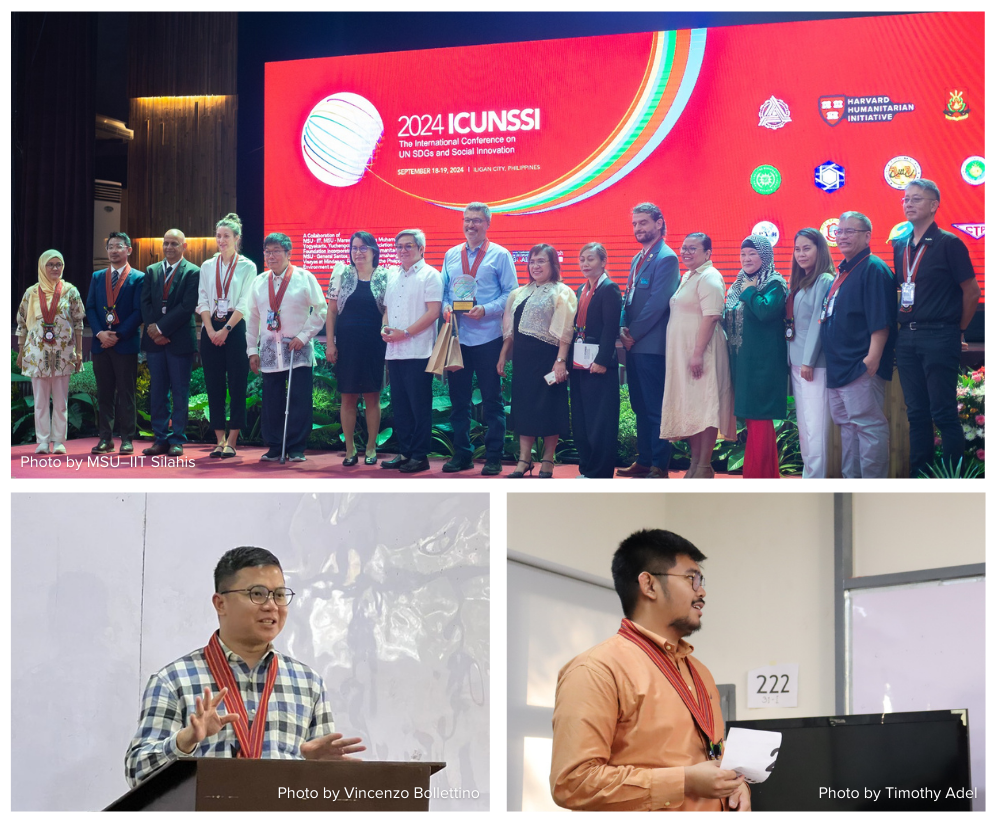
(clockwise) ICUNSSI plenary speakers and representatives of partner organizations; HHI Resilient Communities' Keanu Costales, and Mark Daza. | |
Mark Daza, project and communications manager, and Keanu Costales, grants and communications specialist, also moderated dozens of paper presentations at the concurrent sessions of the conference.
HHI’s active involvement in the event was a testament to its commitment to supporting local and global initiatives and collaborations that advance research and learning on climate change and the SDGs.
“ICUNSSI and convenings like it are an important opportunity for scholars and practitioners to share perspectives on climate change and learn from one another on approaches being taken to both mitigate and adapt to climate impacts across the region,” said Dr. Bollettino.
MSU-IIT hosted the ICUNSSI in collaboration with MSU-Marawi, Universitas Muhammadiyah Yogyakarta, Yuchengco Center, Foundation for the Philippine Environment, Association of IIT Alumni Foundation Incorporated, MSU-General Santos, the Local Government Unit of Iligan City, Samahang Pisika ng Visayas at Mindanao, and HHI. The conference will be hosted again in 2026 in General Santos City, Philippines.
| |
Let's Connect at the APMCDRR 2024! | |
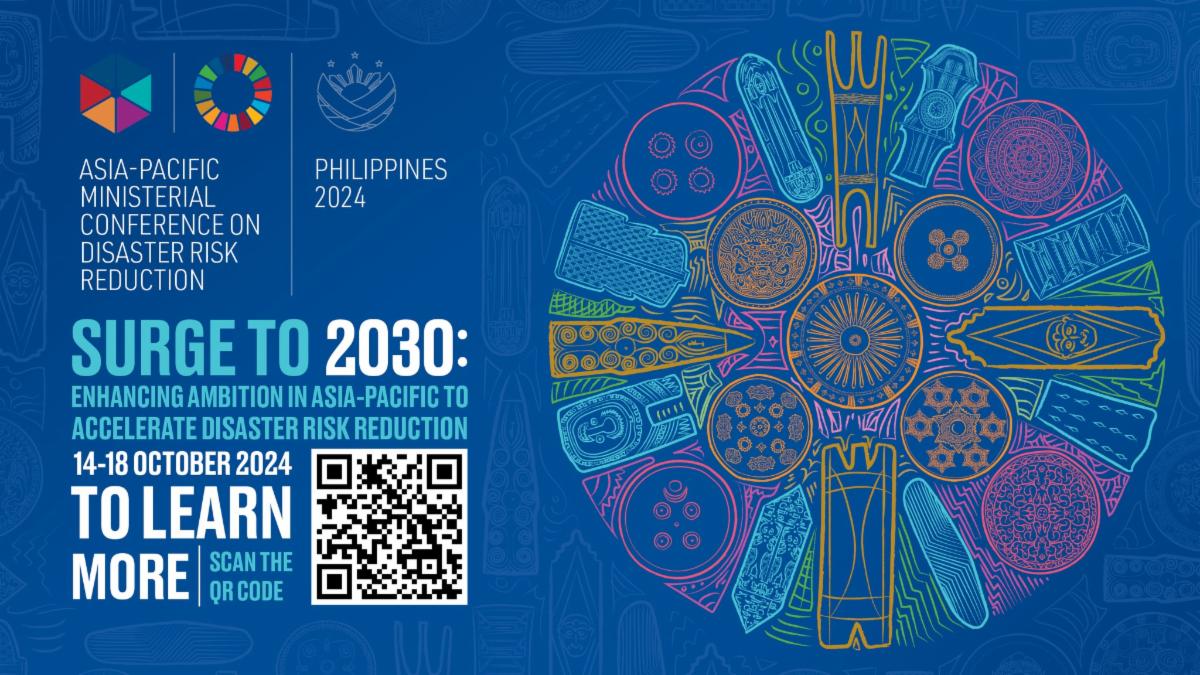
We are excited to host an exhibitor booth at the Asia-Pacific Ministerial Conference on Disaster Risk Reduction (APMCDRR) on 14-17 October 2024 in Metro Manila, Philippines!
Our booth (number E22) will creatively engage conference participants with valuable data and tools to spark discussions on strengthening disaster and climate resilience through data-driven solutions across the Asia Pacific. It will also showcase HHI’s research work on disaster preparedness and climate resilience in the region, particularly in the Philippines and Nepal.
See you there, and please do not hesitate to engage with our team!
| | |
Boosting Humanitarian Networks in Nepal | |
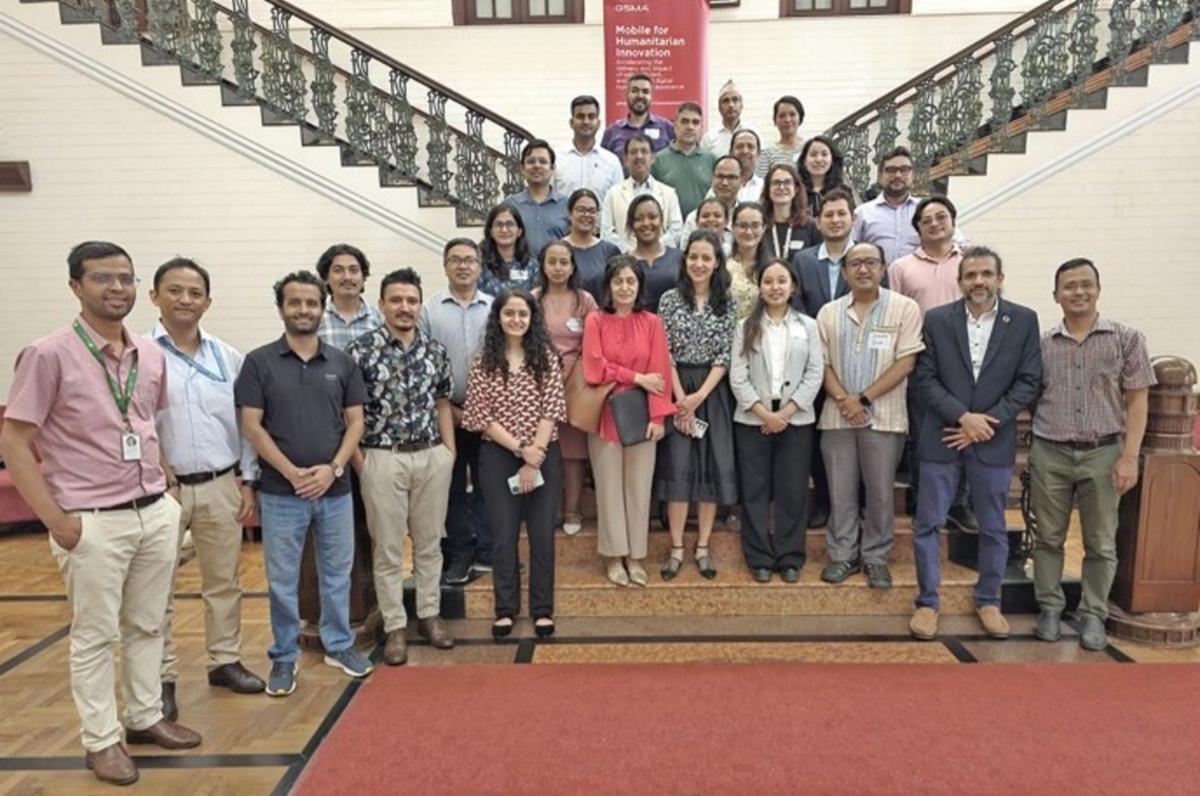
Participants of the Nepal Humanitarian Strategy Validation Workshop. | Photo by GSMA | |
Ganesh Dhungana, project lead–Nepal of the HHI Resilient Communities, participated in the Nepal Humanitarian Strategy Validation Workshop by the GSMA Mobile for Humanitarian Innovation on 13 August 2024. During the workshop, participants from the government, private, and civil society sectors noted that strengthening alliances is required to ensure a unified and effective approach to addressing humanitarian challenges. They also underscored the importance of tailoring communication strategies that resonate with local communities so that critical information is understood and acted upon. | |
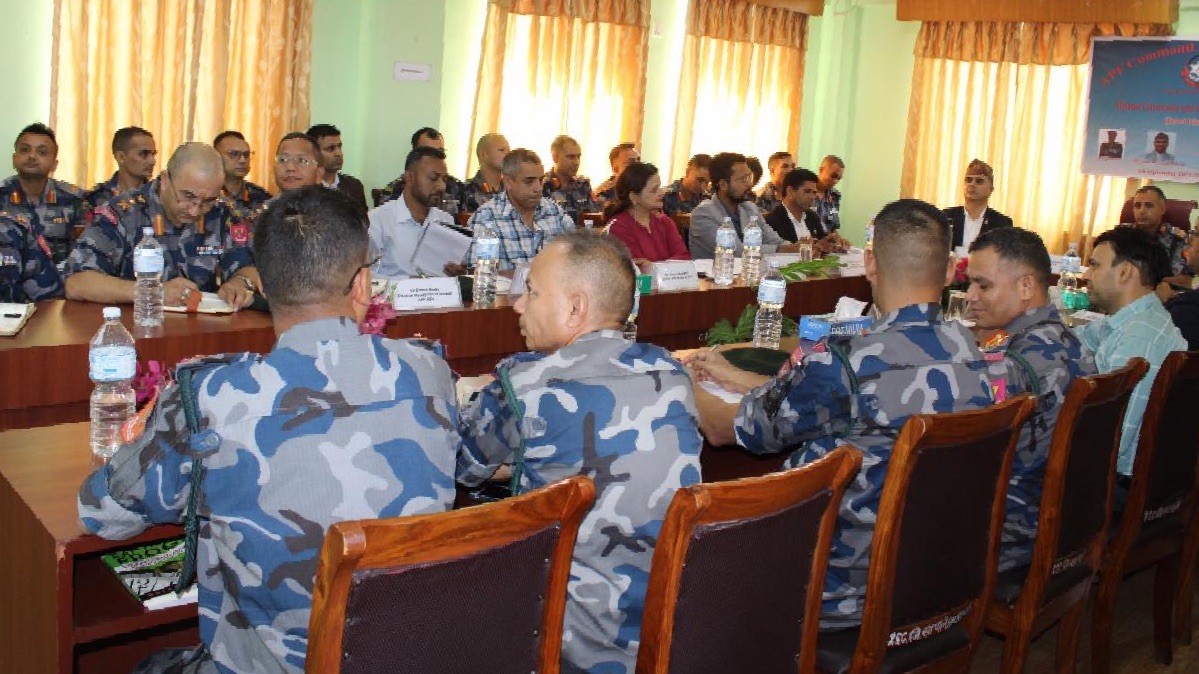
Ganesh Dhungana attends a panel discussion with Nepal's Armed Police Force. | Photo by the APF Nepal | |
|
Ganesh also participated in a panel discussion on "Disaster Governance and Its Effectiveness in Nepal," organized by the Armed Police Force, Nepal, on 18 September 2024, at the APF Command and Staff College in Kathmandu. The discussion emphasized the crucial role of various legal frameworks introduced in Nepal after federalization in enhancing disaster governance, while also addressing key challenges faced by agencies at the operational level.
At HHI, we aim to support humanitarian efforts in Nepal through research, translation, and meaningful dialogue with key DRR actors.
| |
|
Strengthening Collaboration
with Local Actors in the Philippines
| |
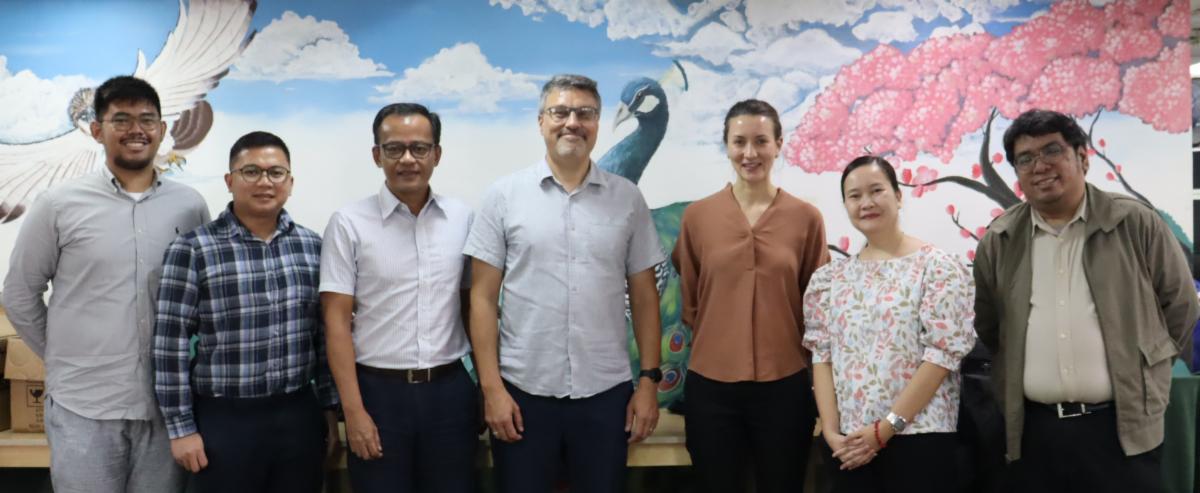
HHI Resilient Communities team with ASSIST Philippines executive director, Francis Macatulad (third from left), associate director, Florence Ann de Castro (second from right), and research & acquisitions lead, Joshua Pineda (rightmost). | |
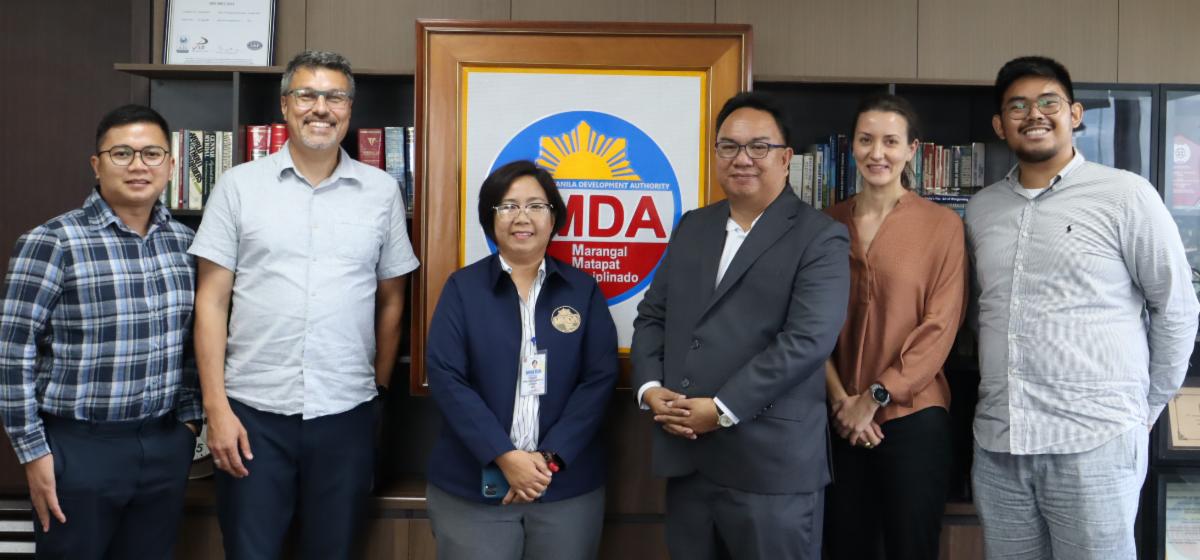
HHI Resilient Communities team with MMDA officer-in-charge of the Office of the Assistant General Manager for Planning, Atty. Victor Pablo Trinidad (third from right), and Director Shiela Gail Satura-Quingco (third from left). | |
|
We also engaged with the Metropolitan Manila Development Authority (MMDA), a government agency responsible for planning and implementation of development projects in the national capital region or Metro Manila. We explored ways on how our research can inform local policymaking and the government’s programs on DRR and climate change in the capital.
Interested in learning how our research can support your DRR and climate-related work?
| |
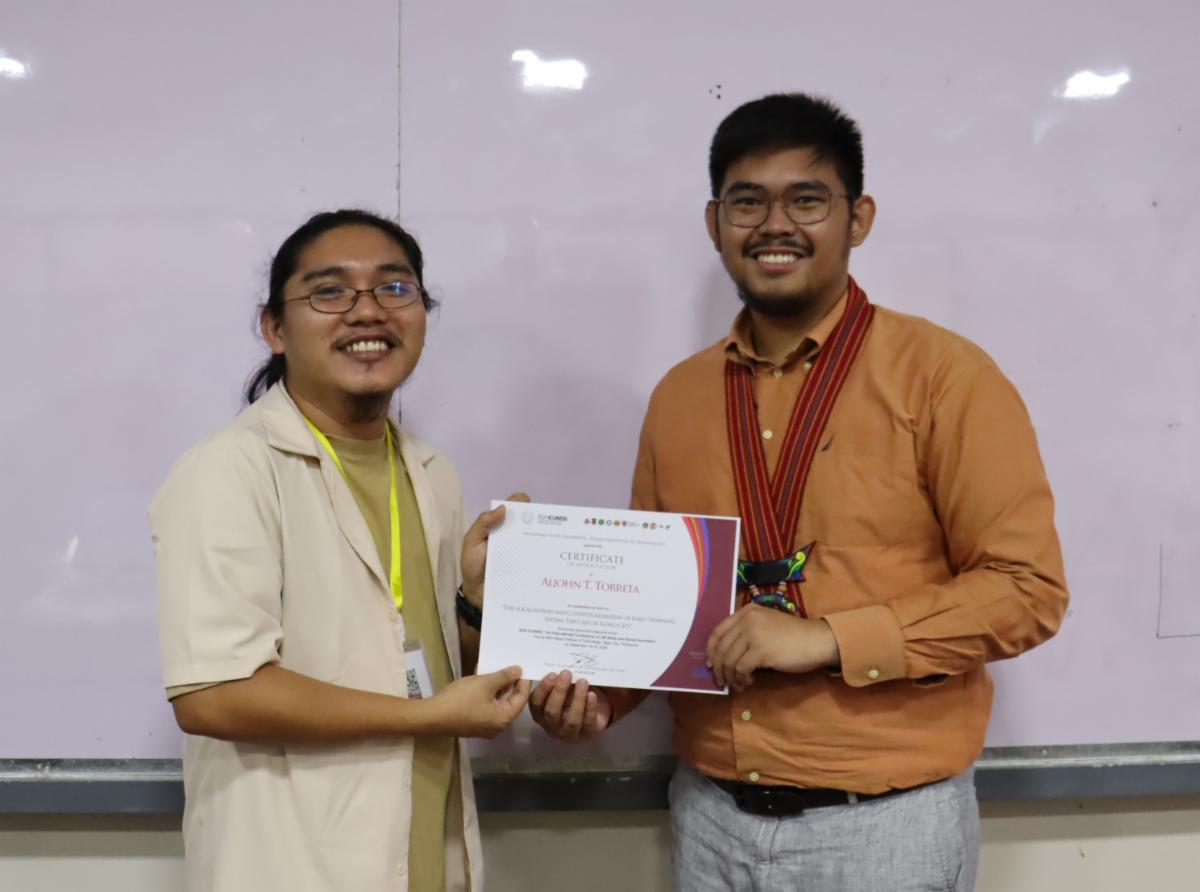
Localizing Early Warning Systems | Aljohn Torreta (left) receives his certificate of appreciation for his presentation entitled “The Localization and Contextualization of Early Warning System: The Case of Iloilo City” during the ICUNSSI 2024, Iligan City, Philippines | Photo by Timothy Jan Adel | |
The Philippines is home to diverse ethnolinguistic groups whose primary language is not English, making effective communication of early warning systems (EWS) challenging. Thus, localizing and contextualizing risk information is critical to ensure that the general public across the country understands EWS and is able to translate such information into collective action in times of disaster.
Aljohn Torreta, an instructor at the University of the Philippines Visayas, underscored this point during his research presentation at the ICUNSSI 2024 in Iligan City, Philippines. He shared the importance of localization and contextualization in risk communication to ensure that information reaches the last mile to enhance public understanding and preparedness and minimize disaster impacts.
The findings of his research suggest that media practitioners in Iloilo City strongly agree that localizing and contextualizing EWS are necessary, practical, and beneficial; however, these approaches are yet to be fully institutionalized. Thus, the researcher advocates for translating DRR terminology into local languages and developing reporting mechanisms that integrate localized information.
| |
Our "Spark Resilience" section features news and developments on local disaster risk reduction and climate change adaptation to boost awareness of local action. | |
Opportunity for Humanitarians | |
Experience the HRIC in Cambridge! | 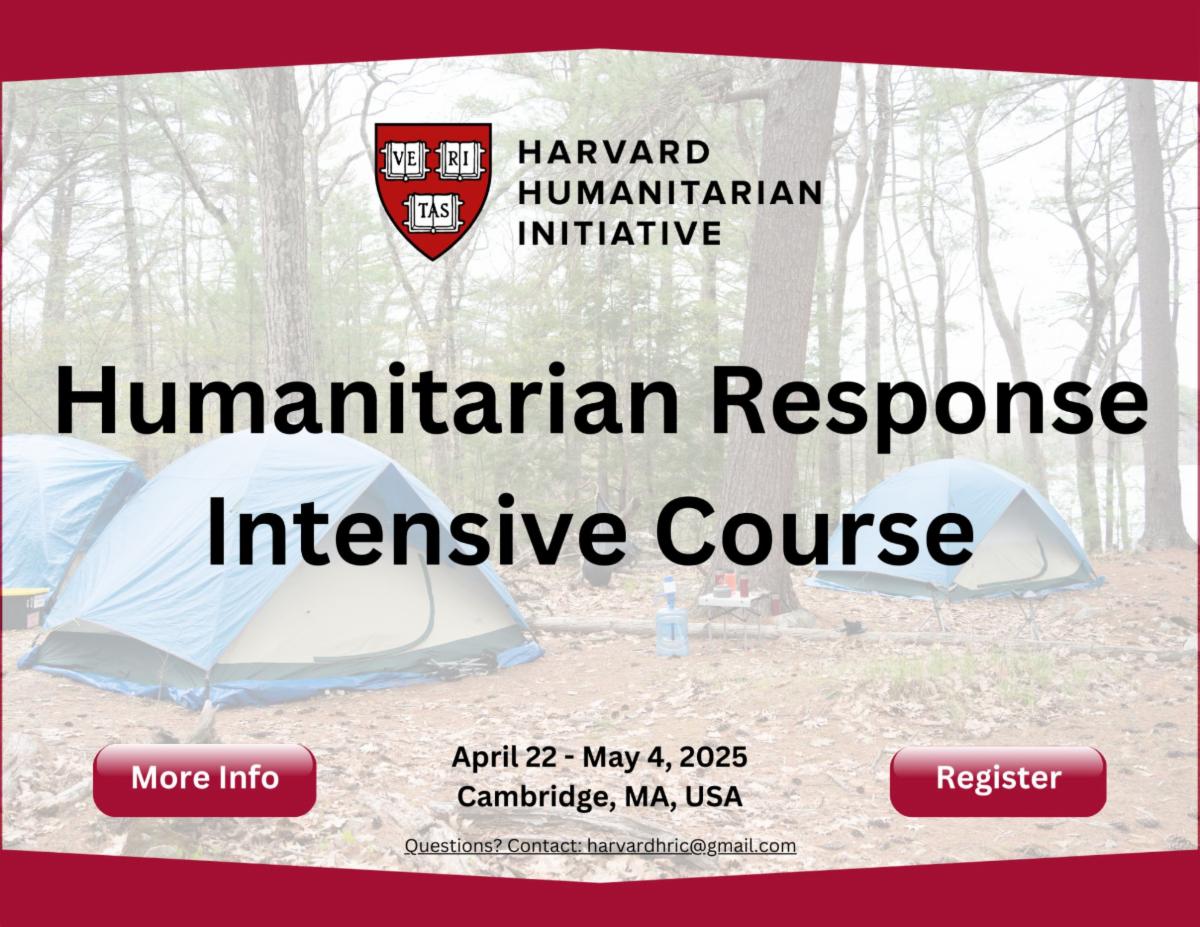 | |
Registration for the 2025 Humanitarian Response Intensive Course (HRIC) is now open! The course will run from 22 April to 4 May 2025 in Cambridge, Massachusetts.
This annual course offered by HHI to humanitarian professionals around the world aims for participants to gain familiarity with the primary frameworks in the humanitarian field (human rights, livelihoods, Sphere standards, international humanitarian law) and focus on practical issues that arise in the field, such as personal and team security, rapid assessments, application of minimum standards for food security, shelter, WaSH and operational approaches to relations with the military in humanitarian settings.
The course also includes a three-day fully immersive humanitarian simulation where participants will work in teams representing different humanitarian nongovernmental organizations and engage with various local and non-state actors (assigned roles) to create a service delivery plan.
You may register for the course by 10 October 2024. For inquiries, please email HHI at harvardhric@gmail.com.
| |
|
Thank you for reading, Amani!
Let's stay connected! Follow us on social media:
| |
Share this newsletter via: | | | | |