|
Update on Efforts to Stave Off 3.37% Medicare Cut to Physician Reimbursement to Go Into Effect January 1, 2024
ASIPP would like to provide an update to our members on the latest efforts to stave off 3.37% Medicare cut to physician reimbursement that will take effect January 1, 2024.
Congressional Outreach
ASIPP has spent the past several months reaching out to congressional offices encouraging them to sign multiple letters that are being circulated by Reps. Miller-Meeks, Bera, Bucshon, and Schrier asking House and Senate leadership to prevent the 3.37% cuts from taking effect.
Currently, over 90 Members of Congress have signed the letter. In addition to this, letters are being sent directly to state representatives through VoterVoice. You can get involved and send your own letters by clicking on these links: Physician Letter, and Patient Letter.
ASIPP has been in the forefront of requesting them to permanently increase reimbursements by 3.75% and permanently eliminate 3.37% cuts proposed this year.
In addition, ASIPP has been trying to eliminate the 2% sequester cut for physicians and facilities. You can see the letter to Speaker Johnson, Leader Schumer, Minority Leader Jeffries, and Minority Leader McConnell by clicking here.
Legislation
On the legislative front, ASIPP has been working with Congresswoman Miller-Meeks (R-IA) on her legislation that was introduced on Friday, H.R. 6545. In addition to modifying the budget neutrality requirements at CMS – which, in theory, would allow the agency to fix the reimbursement cut without having to be revenue neutral – it also provides a conversion factor fix to lower the cut from 3.37% to 2.15%. This is consistent with the language that passed the Senate Finance Committee in November.
This bill was included in the House Energy and Commerce Full Committee markup. The bill passed the markup last night, Dec. 6, by a vote of 46 to 0.
Good news was announced by the AMA on December 7. Representatives Murphy (R-NC), Davis (D-IL), Wenstrup (R-OH), Panetta (D-CA), Bucshon (R-IN), and Burgess (R-TX) introduced the “Preserving Seniors’ Access to Physicians Act of 2023,” which would completely eliminate the 3.37% Medicare cut for physicians that goes into effect on January 1. This announcement can be found here.
Act Today
We have made great strides, but we have a lot of work ahead of us before the end of the year. We ask that you continue to take an active role by sending your letters and involving your patients in the letter-writing campaign. Please take action by clicking on these links: Physician Letter, and Patient Letter.
We will continue to update our membership on the progress and status of our efforts.
| |
Early Bird Registration is open for ASIPP Members!
Register now for 10% off!
| |
|
Brain Imaging Reveals Altered Brain Connectivity in Autism
Researchers advanced brain imaging and machine learning to uncover altered functional brain connectivity in individuals with Autism Spectrum Disorder (ASD), acknowledging the diversity within the disorder.
The research distinguishes between shared and individual-specific connectivity patterns in ASD, revealing both common and unique brain alterations. This approach marks a significant shift from group-based analysis to a more personalized understanding of ASD.
The findings open pathways for tailored treatments, addressing the unique needs of individuals with ASD.
Read More
| | |
|  |
|
|
Astrocyte Study Ties Vitamin B12 to Multiple Sclerosis Progression
A new study uncovers a molecular connection between vitamin B12 and multiple sclerosis (MS). The study identifies a key role of astrocytes and the brain’s vitamin B12 carrier protein, transcobalamin 2, in this link.
Findings show that the MS drug fingolimod enhances the brain’s B12 uptake, potentially improving MS treatments by reducing neuroinflammation and neurodegeneration.
This discovery not only underscores the importance of B12 supplementation in MS but also opens new pathways for future therapies in neuroinflammatory and neurodegenerative diseases.
Read More
| | |
| |
|
|
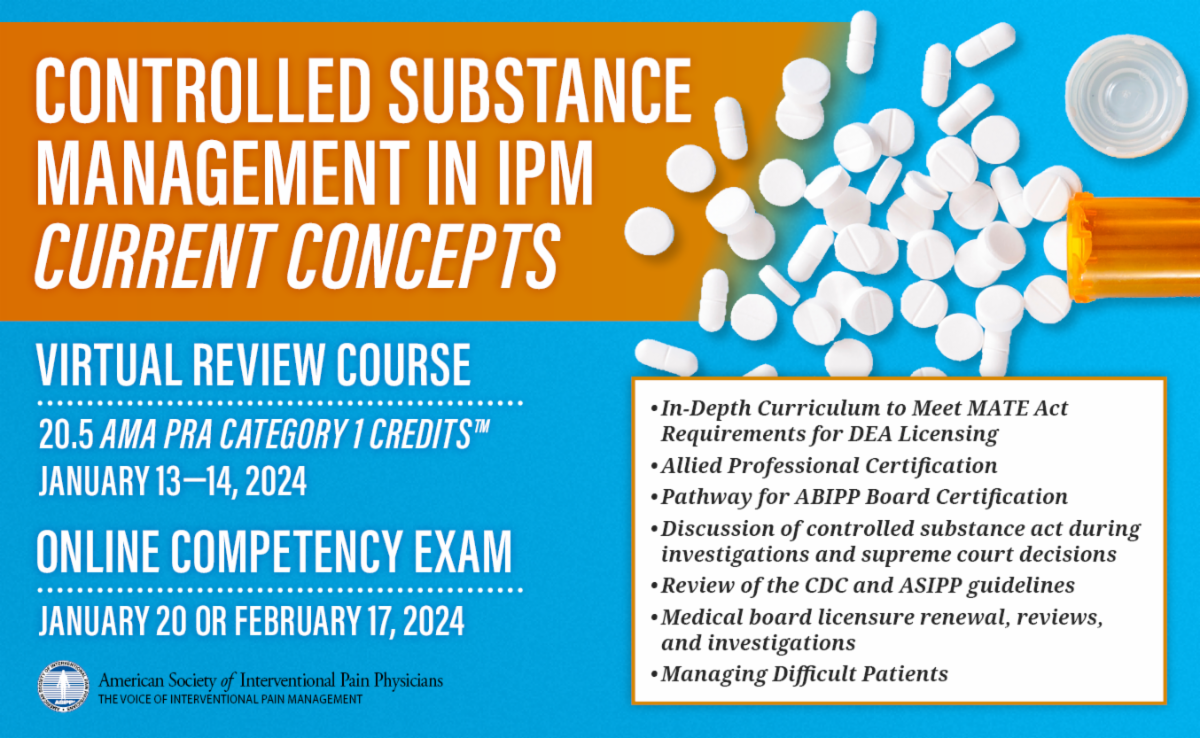
Virtual
January 20, 2024
ABIPP Part I; ABIPP Path - Combined DCCPM/CSM virtual exam;
ABIPP Competency Exam in IPM; ABIPP Competency Exam in Regenerative Medicine;
Controlled Substance Management (CSM) Competency Exam
February 17, 2024
ABIPP Part I; ABIPP Path - Combined DCCPM/CSM virtual exam;
ABIPP Competency Exam in IPM; ABIPP Competency Exam in Regenerative Medicine;
CSM Competency Exam; DCCPM Competency Exam
In Person
October 18, 2024
ABIPP Part II - Practical Examination
Lab Venue: MERI, 44 S. Cleveland Street, Memphis, TN 38104
| |
|
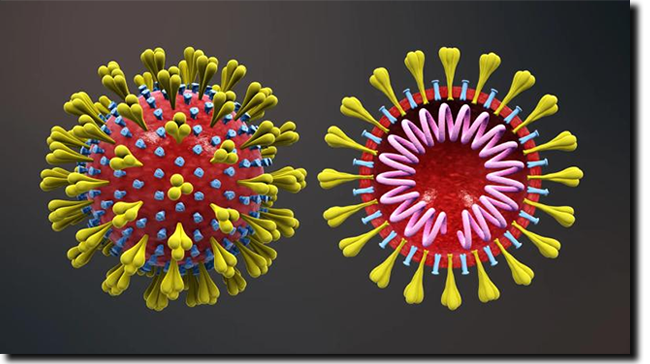
New Tests May Finally Diagnose Long COVID
One of the biggest challenges facing clinicians who treat long COVID is a lack of consensus when it comes to recognizing and diagnosing the condition. But a new study suggests testing for certain biomarkers may identify long COVID with accuracy approaching 80%.
Effective diagnostic testing would be a game-changer in the long COVID fight, for it’s not just the fatigue, brain fog, heart palpitations, and other persistent symptoms that affect patients. Two out of three people with long COVID also suffer mental health challenges like depression and anxiety. Some patients say their symptoms are not taken seriously by their doctors. And as many as 12% of long COVID patients are unemployed because of the severity of their illness and their employers may be skeptical of their condition.
Quick, accurate diagnosis would eliminate all that. Now a new preprint study suggests that the elevation of certain immune system proteins are a commonality in long COVID patients and identifying them may be an accurate way to diagnose the condition.
Read More
| |
 | |
Award Specifics:
- Annual Research Grant awarded to two (2) residents in the amount of $2,500 each; and two (2) fellows in the amount of $5,000 each for one-year project in IPM.
- Projects must be IRB approved, submitted or in pending status
- Mentor supervised by an ASIPP member in good standing.
- Must not overlap with current ongoing studies.
Application Requirements:
-
Applicant and mentor curriculum vitae (CV current, and updated within 4 weeks of the application date)
- Project proposal should include: title, abstract, specific aims, research approach (Background, Methods, Statistical Analysis, Timeline)
- Detailed budget
- Detailed mentorship plan by the mentor
- Specify the role of any collaborators/co-investigators that might be involved in the study.
- Applicant must be ASIPP member (in good standing) and Recipients must maintain ASIPP membership for at least 3 years post-award.
Application Deadline: January 31st, 2024
Recipients will be notified at ASIPP's 2024 Annual Meeting in Dallas, Texas.
Program Administration:
Inquiries about the Manchikanti Grant should be directed to: Melinda Martin
For more information, click here.
| |
|
Caffeine’s Impact on Decision-Making
A new study reveals that caffeine consumption can improve the accuracy of football passes, but it negatively affects players’ decision-making and tactical skills.
The study involved 12 young footballers who completed tasks measuring passing accuracy and decision-making, both with and without caffeine intake. While caffeine enhanced short- and long-pass accuracy, it reduced decision-making ability and performance in the Loughborough Soccer Passing Test, which assesses complex gameplay skills.
This study highlights the nuanced effects of caffeine on athletes and suggests that its impact varies based on the complexity of the task and the specific role of the player in the game.
Read More
| |
|
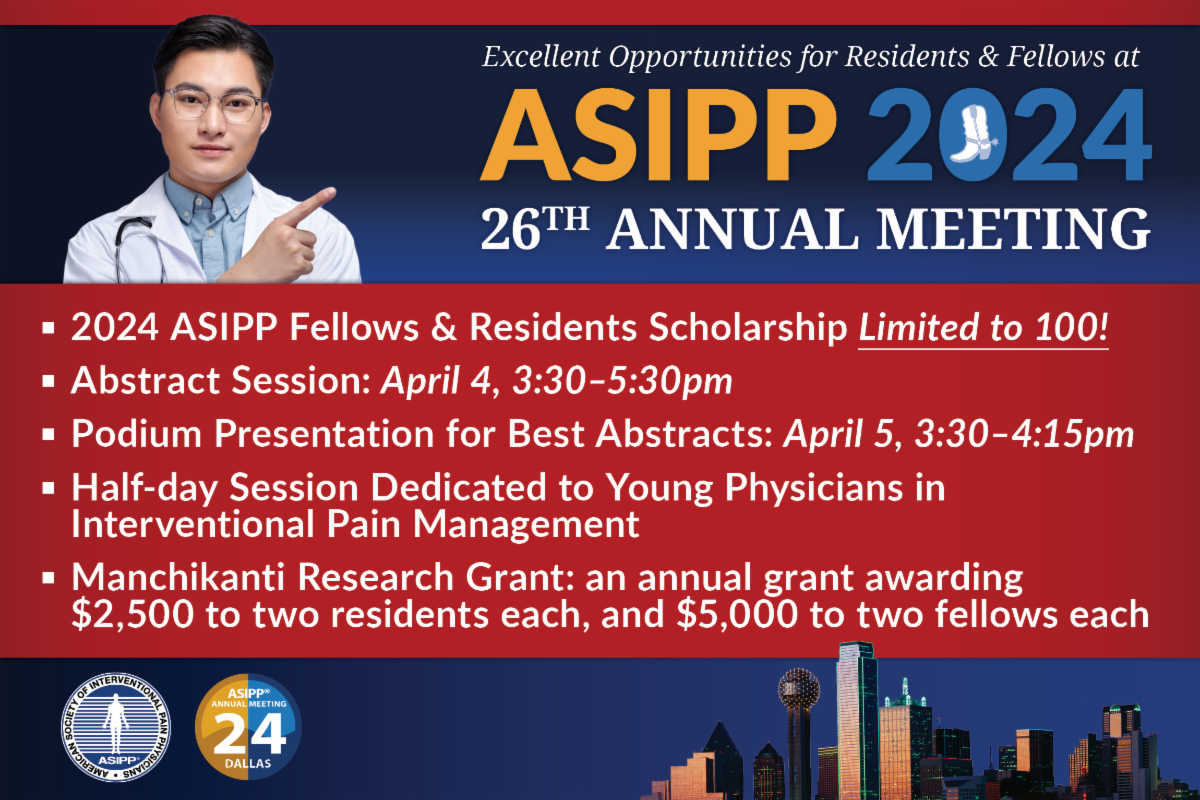
Excellent opportunities for Residents & Fellows
at ASIPP's 2024 Annual Meeting:
-
Resident & Fellow Scholarship — Limited to 100
- Abstract Session (April 4, 3:30–5:30pm) and Podium Presentation for Best Abstracts during General Session (April 5, 3:30–4:15pm)
- Half-Day Session dedicated to Young Physicians in Interventional Pain Management
-
Manchikanti Research Grant, awarding $2,500 to two residents each, and $5,000 to two fellows each
| |
|
Some Reasons to Get Off the Fence About COVID Booster
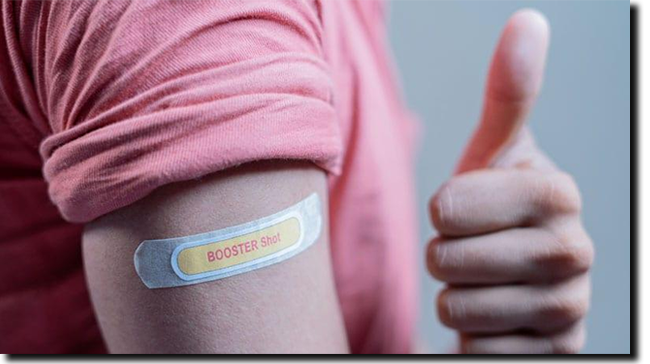
Though many people remain on the fence about getting the latest COVID vaccine booster, new research suggests a strong argument for getting the shot this winter: It sharply reduces the risk for COVID.
Researchers found that getting vaccinated led to a 69% reduction in long-COVID risk among adults who received three vaccines before being infected. The risk reduction was 37% for those who received two doses. Experts say the research provides a strong argument for getting the vaccine, noting that about 10% of people infected with COVID go on to have long COVID, which can be debilitating for one-quarter of those with long-lasting symptoms.
The data come from a systematic literature review and meta-analysis published in October in Antimicrobial Stewardship & Epidemiology. Researchers examined 32 studies published between December 2019 and June 2023, involving 775,931 adults. Twenty-four studies, encompassing 620,221 individuals, were included in the meta-analysis.
Read More
| |
|
New COVID Variant JN.1 Could Disrupt Holiday Plans
No one planning holiday gatherings or travel wants to hear this, but the rise of a new COVID-19 variant, JN.1, is concerning experts, who say it may threaten those good times.
The good news is recent research suggests the 2023-2024 COVID-19 vaccine appears to work against this newest variant. But so few people have gotten the latest vaccine -- less than 16% of U.S. adults -- that some experts suggest it’s time for the CDC to urge the public who haven’t it to do so now, so the antibodies can kick in before the festivities.
“A significant wave [of JN.1] has started here and could be blunted with a high booster rate and mitigation measures,” said Eric Topol, MD, professor and executive vice president of Scripps Research in La Jolla, CA, and editor-in-chief of Medscape, WebMD’s sister site.
Read More
| |
Abstract submissions are open for
ASIPP's 2024 Annual Meeting!
The submission deadline is January 22, 2024.
Don't miss your chance to be part of an exceptional event,
sharing insights and discoveries that shape the future of pain management.
| |
|
His baby daughter melts his heart. Scientists say she's changing his brain, too.
It was only 10 a.m., but Dalton Hessel had been awake for hours caring for his newborn, Mia.
Hessel, 28, sat on the couch with his wife, watching their daughter lie on the garden-themed playmat during tummy time. The baby's eyes darted back and forth between the shapes and colors before her attention was finally caught by a carrot dangling in her face.
As she reached for the soft toy, Mia paused and skillfully rolled over onto her back. Hessel was in awe. He had just witnessed one of her first milestones.
If it hadn’t been for his eight-week paternity leave, the teacher from Hayward, Wisconsin, would have been going over simple math problems with his second graders at this hour.
Read More
| |
|
Spinal Cord Stimulation Questioned for Chronic Pain
Independent studies suggested no benefit, but industry-funded critics cast doubt on the findings
Independent studies suggested that spinal cord stimulation improved chronic pain no more than placebo, but industry-funded critics cast doubt on these findings, researchers said.
Recently published papers "found evidence of no benefit on pain and risk of harms," wrote Adrian Traeger, PhD, of the University of Sydney in Australia, and Lisa Bero, PhD, of the University of Colorado in Aurora, in a JAMA Internal Medicine viewpoint article. "Authors funded by the spinal cord stimulator industry were swift to respond."
"The responses to recent research on spinal cord stimulation illustrate how corporations continue to undermine independent science," Traeger and Bero observed. "At a minimum, readers should recognize that attacks on independent science are often sustained and repetitive industry tactics to protect profits and should discount these criticisms."
Read More
| |
|
Save $250 on Your TOBI Conference Registration
by Completing Our Quick Survey
| | |
|
|
TOBI is dedicated to providing the best possible experience for our conference attendees—we ask that you complete this 60-second survey for us to better understand your preferences.
Those who complete the survey will receive a $250 discount on their TOBI Conference registration as our thanks!
*Discount unavailable for fellows, residents, and medical students
| |
- ASIPP Members Only Site Information - | |
-
To log in for the first time you will need to click “forgot password” at the bottom of the login window.
- Check your email and then log in as directed.
-
If you have problems logging into your account, click here.
| |
Pain Medicine Case Reports (PMCR) and Editor-in-Chief Alaa Abd-Elsayed, MD, PhD would like to invite you to submit case reports and case series to the PMCR journal. Your article will be published free of charge.
Open access journals are freely available online for immediate worldwide open access to the full text of published articles. There is no subscription fee for open access journals. Open access journals are no different from traditional subscription-based journals: they undergo the same peer-review and quality control as any other scholarly journal.
Interested in becoming a member of the PMCR Editorial Board?
Editorial board members are asked to review 2-6 manuscripts per year. Please submit your most up-to-date CV to sgold@asipp.org for consideration.
For more information or to submit your articles, click here.
| |
|
| CASE REPORT |
Deep Gluteal Pain Secondary to Pelvic Wall Endometriosis- A Case Report
Mohamed Rabie, FRCA
Abstract
BACKGROUND: Chronic pelvic pain is a common condition that affects up to 26% of patients according to a recent systematic review. The clinical history and presentation are widely variable. Diagnosis is difficult and often delayed.
CASE REPORT: A 44-year-old woman presented to the pain clinic with a 5-year history of unexplained deep left buttock pain. The pain symptoms initially suggested entrapment of the left pudendal nerve. A subsequent magnetic resonance imaging showed an abnormal mass in the left ischiorectal fossa. Further biopsy confirmed endometriosis of the lateral pelvic wall, a rarely reported finding. Her pain symptoms considerably improved 70% after initiating medical therapy.
CONCLUSIONS: The diagnosis of chronic pelvic pain can be difficult and often delayed. The presence of unexplained pain symptoms, with a cyclical pattern in a child-bearing age, should raise the suspicion toward endometriosis.
KEY WORDS: Gluteal pain, chronic pelvic pain, endometriosis, central sensitization, pelvic, pudendal, case report
Read More
| |
|
| RETROSPECTIVE STUDY |
Assessment of Radiation Exposure with Mandatory Two Fluoroscopic Views for Epidural Procedures
Laxmaiah Manchikanti, MD, Rachana Pasupuleti, MD, Vidyasagar Pampati, MSc, Mahendra R. Sanapati, MD, and Joshua A. Hirsch, MD
Abstract
BACKGROUND: Various regulations and practice patterns develop on the basis of Local Coverage Determination (LCD), which are variably perceived as guidelines and/or mandated polices/ regulations. LCDs developed in 2021 and effective since December 2021 mandated a minimum of 2 views for final needle placement with contrast injection which includes both anteroposterior (AP) and lateral or oblique view.
Radiation safety has been a major concern for pain physicians and multiple tools have been developed to reduce radiation dose, along with improvement in technologies to limit radiation exposure while performing fluoroscopically guided interventional procedures, with implementation of principles of As Low As Reasonably Achievable (ALARA).
The mandated 2 views of epidural injections have caused concern among some physicians, because of the potential of increased exposure to ionizing radiation, despite application of various principles to minimize radiation exposure. Others, including policymakers are of the opinion that it reduces potential abuse and improves safety.
OBJECTIVE: To assess variations in the performance of epidural procedures prior to the implementation of the new LCD compared with after the implementation of the new LCD by comparing time and dosage for all types of epidural procedures.
STUDY DESIGN: A retrospective, case controlled, comparative evaluation of radiation exposure during epidural procedures in interventional pain management.
SETTING: An interventional pain management practice and a specialty referral center in a private practice setting in the United States.
METHODS: The study was performed using the Strengthening the Reporting of Observational Studies in Epidemiology (STROBE) criteria. The main outcome measure was radiation exposure time measured in seconds and dose measured in mGy-kG2 (milligray to kilogray squared per procedure).
RESULTS: Changes in exposure and dose varied by procedural type and location. Exposure time in seconds increased overall by 21%, whereas radiation dose mGy-kG increased 133%. Fluoroscopy time increased most for lumbar interlaminar epidural injections of 43%, followed by 29% for cervical interlaminar epidural injections, 20% for caudal epidural injections, and 14% for lumbar transforaminal epidural injections. In contrast, highest increases were observed in the radiation dose mGy of 191% for caudal epidural injections, followed by 173% for lumbar interlaminar epidural injections, 113% for lumbar transforaminal epidural injections, and the lowest being cervical interlaminar epidural injections of 94%.
This study also shows lesser increases for cervical interlaminar epidural injections because an oblique view is utilized rather than a lateral view resulting in a radiation dosage increase of 94% compared to overall increase of 133%, whereas the duration of time of 29% was higher than the overall combined duration of all procedures which only increased by 21%.
LIMITATIONS: A retrospective evaluation utilizing the experience of a single physician.
CONCLUSION: The results of this study showed significant increases in radiation exposure time and dosage; however, increase of dosage was overall 21% median Interquartile Range (IQR) compared to 133% of radiation dose median IQR. In addition, the results also showed variations for procedure, overall showing highest increases for lumbar interlaminar epidural injections for time (43%) and caudal epidural injections for dosage (191%).
KEY WORDS: Spinal interventional procedures, cervical epidural injections, lumbar epidural injections, caudal epidural injections, lumbar transforaminal epidural injections, radiation exposure time, radiation dose
Read More
| |
|
| PILOT STUDY |
Output Current and Efficacy of Pulsed Radiofrequency of the Lumbar Dorsal Root Ganglion in Patients With Lumbar Radiculopathy: A Prospective, Double-blind, Randomized Pilot Study
Jae Ni Jang, MD, Soyoon Park, MD, Ji-Hoon Park, MD, PhD, Yumin Song, MD, Young Uk Kim, MD, PhD, Dong Seong Kim, MD, Jeong Eun Sohn, MD, PhD, and Sukhee Park, MD
Abstract
BACKGROUND: Lumbar radicular pain (LRP) is a common but challenging clinical symptom. Pulsed radiofrequency (PRF), a neuromodulation technique that uses short pulses of radiofrequency current, is effective in treating various pain disorders. However, few studies have been conducted on the effects of PRF and its modifying parameters.
OBJECTIVES: Our study aimed to determine the intraoperative parameters of PRF of the lumbar dorsal root ganglion (DRG) that are related to clinical effects in patients with LRP unresponsive to transforaminal epidural steroid injections (TFESI).
STUDY DESIGN: Prospective double-blind randomized controlled trial, pilot study.
SETTING: Single medical center in the Republic of Korea.
METHODS: Patients were allocated to one of 2 groups, high-voltage (60 V) or standard-voltage (45 V), according to the preset maximum voltage at which the active tip temperature does not exceed 42°C. Intraoperative parameters, such as output current, sensory threshold, and impedance, were measured. The primary outcomes were radicular pain intensity, physical functioning, global improvement and satisfaction with treatment, and adverse events. The assessments were performed up to 3 months postprocedure.
RESULTS: The patients in the standard-voltage group showed significant improvements in the Numeric Rating Scale pain score (P = 0.007) and Oswestry Disability Index (ODI) (P = 0.008) scores at 3 months post-PRF; however, no difference was observed in the high-voltage group. Among the intraoperative parameters, the output current showed a significant negative linear relationship with analgesic efficacy. The output current also showed a significant association with pain intensity (P = 0.005, R2 = 0.422) and ODI score (P = 0.004, R2 = 0.427) at 3 months postprocedure in a multiple regression analysis. The optimal cut-off value of the output current to lower pain intensity after 3 months was 163.5 mA with a sensitivity of 87.5%, specificity of 100%, and an area under the receiver operating characteristic curve value of 0.92 (95% CI. 0.76 – 1.00).
LIMITATIONS: Limitations of our study include an imbalance of baseline characteristics, small sample sizes, and short follow-up periods
CONCLUSIONS: Lower output currents during PRF application to the lumbar DRG were associated with greater analgesic effects in patients who did not respond to therapeutic TFESI.
KEY WORDS: Lumbar radicular pain, pulsed radiofrequency, dorsal root ganglion
Read More
| |
|
ASIPP is now in collaboration with Curi Medical Liability Program
| |
|
Since this malpractice insurance program officially launched in November 2018, ASIPP has signed up hundreds of providers with an average savings of 30%. This is professional liability insurance tailored to our specialty and will stand up for us and defend our practices.
Curi is a full-service advisory firm that serves physicians and their practices. Their valued advice is grounded in your priorities and elevated in your outcomes. They are driven by a deep understanding of your specific circumstances in medicine, business, and life. To read a few important points to keep in mind about the program, including discounts, administrative defense, cyber coverage, aggressive claims handling, and complimentary risk management CME activities, visit our website.
| | |
|
Group Purchasing Organization Offer Better Pricing and Creates Added Value
ASIPP has formed a partnership with Henry Schein and PedsPal, a national GPO that has a successful history of negotiating better prices on medical supplies and creating value-added services for independent physicians. Working with MedAssets, PedsPal provides excellent pricing on products like contrast media that alleviate some of the financial pressures you experience today.
Learn More
| | |
|
ASIPP, Fedora Billing,
and Revenue Cycle Management Partnership
ASIPP is now offering our members the benefit of a unique revenue cycle management/ billing service.
We have received a tremendous amount of interest in the ASIPP® billing and coding program.
Click here to learn more about the negotiated rate for practices and more!
| |
|
Like and follow ASIPP® on Facebook, X, and LinkedIn for the most
up-to-date news related to you, your practice, and your patients!
| | | | |