|
The Telehealth Modernization Act of 2024, a bipartisan, bicameral legislation, is progressing through Congress, which includes the following:
- Extension of certain telehealth flexibilities removing geographic requirements, expanding origination sites for telehealth services, and extending them through the end of December 31, 2026 (was scheduled to expire 12/31/2024).
- This legislation also allows and extends audio-only telehealth services, through December 31, 2026 (was scheduled to expire 12/31/2024).
This is great news for patients and providers to maintain access, convenience, and provide cost-effective established evaluation and management services. The legislation has been sponsored by bipartisan members of Congress. If you recall, Dr. Larry Bucshon, a member of the Committee on Energy and Commerce, and Congressman James Comer, Chairman of the Committee on Oversight and Accountability, discussed this extensively and worked on extending it further. While ASIPP has spearheaded to make this a reality, numerous organizations have worked tirelessly led by AMA.
The only deficiency is that it is not yet permanent. We will continue to work on this issue.
| |
ASIPP State Society Meeting: | |
|
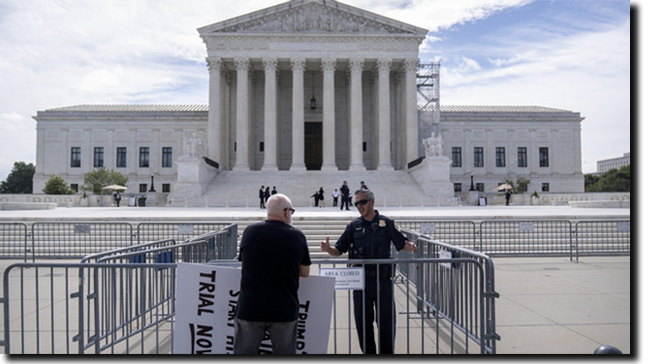
The Supreme Court in a 6-3 ruling overturned a 40-year-old legal precedent known as Chevron deference, the Washington Post reported June 28.
Chevron deference, which emerged from a 1984 court case, stipulated that when disputes arise over regulation of an ambiguous law, judges should defer to federal agency interpretations so long as those interpretations are reasonable.
Chief Justice John Roberts wrote for the majority that the framework has proved "unworkable" and allowed federal agencies to change course even without Congress' discretion, according to the report.
Read More
| |
|
A Tampa jury recently found the now-defunct Lung Institute in Tampa guilty of engaging in “deceptive or unfair practices” while it offered customers “valueless” stem cell therapy to treat incurable lung disease.
Industry insiders call the unanimous verdict, which was handed down earlier this month in Tampa, a landmark case in the fight to end misleading, unregulated and potentially risky stem cell therapy.
“I’m very happy because I do hope that nobody else is swindled the way I was,” said 85-year-old Marilyn Mazza in response to the verdict.
Ten years ago Mazza, who suffers from Chronic Obstructive Pulmonary Disease or COPD, spent nearly $20,000 on stem cell treatments at the Institute after hearing an advertisement about it on television. Mazza is one of three named plaintiffs in the class action lawsuit, which was originally filed against the company back in 2016.
Read More
| |
|
The high court’s ruling could hamper enforcement efforts at agencies across the federal government.
The Supreme Court’s newest rebuke of the Securities and Exchange Commission is threatening to unleash chaos throughout the federal government, creating uncertainty about the limits on agencies’ power to punish law-breakers.
The 6-3 ruling held that the Constitution’s 7th Amendment guarantee to a trial by jury applies when the SEC seeks civil penalties for securities fraud. But legal experts said it raises questions about a wide range of agencies’ ability to impose fines for violations of a host of laws and rules, including those protecting consumers, workers and the environment.
Agencies that suddenly face new potential challenges to their decades-old enforcement powers include the Environmental Protection Agency, the Consumer Financial Protection Bureau, the Labor Department and the National Labor Relations Board, lawyers and former agency officials told POLITICO.
Read More
| |
|
Virtual
August 31 & September 28
Click here for the complete list of upcoming exams.
ABIPP Part I; ABIPP Path - Combined DCCPM/CSM virtual exam;
ABIPP Competency Exam in IPM; ABIPP Competency Exam in Regenerative Medicine;
CSM Competency Exam; DCCPM Competency Exam
In Person
October 18, 2024
ABIPP Part II - Practical Examination
Lab Venue: MERI, 44 S. Cleveland Street, Memphis, TN 38104
| |
|
Posttraumatic stress disorder (PTSD) may enhance the risk for obstructive sleep apnea (OSA) in older male veterans, the results of a cross-sectional twin study suggested. However, additional high-quality research is needed and may yield important mechanistic insights into both conditions and improve treatment, experts said.
In the trial, increasing PTSD symptom severity was associated with increasing severity of OSA, even after controlling for multiple factors.
“The strength of the association was a bit surprising,” said study investigator Amit J. Shah, MD, MSCR, Emory University, Atlanta, Georgia. “Many physicians and scientists may otherwise assume that the relationship between PTSD and sleep apnea would be primarily mediated by obesity, but we did not find that obesity explained our findings.”
Read More
| |
Registration is open for
ASIPP's 2025 Annual Meeting
We would love it if you would register and join us in Orlando!
| |
|
Amazon Clinic will be consolidated and rebranded to Amazon One Medical’s Pay-per-visit telehealth service, the company announced this morning. Specifically, this effort marks the company’s desire to focus on straightforward pricing and transparency across its clinical service lines. The cost structure is simple for the pay-per-visit service: messaging visits will cost $29, and video visits will cost $49, per the press release. At less than $50 per visit, this is one of the most competitive telehealth services on the market currently.
Amazon Clinic was introduced nearly a year and a half ago for customers to have quick and easy access to healthcare services. Simultaneously, the company also rapidly ramped up One Medical, the primary care service which provides customers with telehealth or in-person visits. Now, Amazon seems to be slowly consolidating its various offerings to provide customers with a streamlined platform to receive on-demand clinical care under the flagship One Medical umbrella.
Neil Lindsay, senior vice president of Amazon Health Services, explains that the goal behind Amazon’s healthcare ecosystem is to provide affordable and personal care to patients. “It’s simply too hard to get the medical care you need, when you need it, and affordably—long waits, high costs, and impersonal care make it unnecessarily difficult for many patients today… Amazon One Medical’s Pay-per-visit telehealth service makes it simpler for customers looking for care to see a provider, with fewer clicks and even lower per-visit pricing.”
Read More
| |
|
The Supreme Court on Thursday rejected a controversial settlement that would have billions of dollars to treatment programs and victims of the nation's opioid epidemic but also shielded the Sackler family future lawsuit depite the fact that it made its fortune selling prescription opioids.
Justice Neil Gorsuch wrote the opinion for a 5-4 majority.
“The Sacklers seek greater relief than a bankruptcy discharge normally affords, for they hope to extinguish even claims for wrongful death and fraud, and they seek to do so without putting anything close to all their assets on the table,” Gorsuch wrote. “Describe the relief the Sacklers seek how you will, nothing in the bankruptcy code contemplates (much less authorizes) it.”
Read More
| |
ASIPP State Society Meeting: | |
- ASIPP Members Only Site Information - | |
-
To log in for the first time you will need to click “forgot password” at the bottom of the login window.
- Check your email and then log in as directed.
-
If you have problems logging into your account, click here.
| |
|
Physician burnout has been a long-standing issue in the medical community. After skyrocketing to a record-high 62.8% in 2021, exclusive survey data from the AMA show doctor burnout has fallen below 50% for the first time since 2020.
The shift marks a milestone in the ongoing battle against physician burnout, but the fight is far from over. Continued efforts are essential to address the root causes of physician burnout and ensure that doctors receive the support they need to thrive.
As the leader in physician well-being, the AMA is reducing physician burnout by removing administrative burdens and providing real-world solutions to help doctors rediscover the Joy in Medicine™.
More than 12,400 responses from physicians across 31 states were received from 81 health systems and organizations who participated in the AMA Organizational Biopsy® between Jan. 1 and Dec. 31, 2023. The AMA national physician comparison report—which is exclusive data to the AMA that is not published anywhere else—reflects 2023 trends in six key performance indicators—job satisfaction, job stress, burnout, intent to leave an organization, feeling valued by an organization and total hours spent per week on work-related activities (known as “time spend”).
Read More
| |
|
Pain Medicine Case Reports (PMCR) and Editor-in-Chief Alaa Abd-Elsayed, MD, PhD would like to invite you to submit case reports and case series to the PMCR journal. Your article will be published free of charge.
Open access journals are freely available online for immediate worldwide open access to the full text of published articles. There is no subscription fee for open access journals. Open access journals are no different from traditional subscription-based journals: they undergo the same peer review and quality control as any other scholarly journal.
Interested in becoming a member of the PMCR Editorial Board?
Editorial board members are asked to review 2-6 manuscripts per year. Please submit your most up-to-date CV to sgold@asipp.org for consideration.
For more information or to submit your articles, click here.
| |
|
Lucendia Adams, MD, and Raheleh Rahimi Darabad, MD
Abstract
BACKGROUND: Effects of chronic shoulder pain are suffered by millions each year. What options are there for patients who were nonresponsive to conservative treatments and are deemed nonsurgical candidates?
CASE REPORT: We present an 82-year-old woman with chronic left shoulder pain secondary to rotator cuff injury. She was nonresponsive to attempts at conservative treatment and pharmacotherapy and was not deemed a surgical candidate. The patient underwent peripheral nerve stimulator (PNS) placement targeting suprascapular and axillary nerves. She participated in a survey 24 months post-PNS placement that evaluated her chronic pain and response to PNS and reported an 80% reduction in pain.
CONCLUSIONS: This case illustrates positive short-term reduction in overall chronic shoulder pain after PNS placement, but also highlights the effects of the PNS device 24 months after stimulator placement. As this is just one case highlighted, continued validated research is needed to further support use of PNS devices in this patient population.
KEY WORDS: Peripheral, nerve, stimulator, shoulder, pain, chronic, relief
Read More
| |
|
Yixuan Wang, MD, Niti Shrestha, MD, Ying Shen, MD, and Fang Luo, MD
Abstract
BACKGROUND: Flupentixol and melitracen are being investigated for their potential effectiveness in managing persistent idiopathic facial pain (PIFP), based on their mechanisms of action as dopamine receptor antagonists and noradrenaline/serotonin reuptake inhibitors, respectively. The efficacy and safety of flupentixol and melitracen (FM) tablets in treating PIFP were retrospectively analyzed at our hospital.
OBJECTIVES: The aim of this study is to determine the effectiveness and safety of FM tablets in treating PIFP.
STUDY DESIGN: Retrospective unicentric cohort design.
SETTING: An academic university hospital.
METHODS: A retrospective analysis was conducted on a cohort comprising 128 patients with a definite diagnoses of PIFP who were treated with FM tablets (flupentixol 0.5 mg and melitracen 10 mg tablet, >= 4 tablets/d) from January 2022 through May 2023 at an academic university hospital. Baseline conditions were statistically described, and Numeric Rating Scale (NRS-11) scores of pain levels before and during treatment were collected. Pain relief rates were calculated. Differences in baseline characteristics between responsive and unresponsive patients were evaluated using statistical tests. Additionally, the side effects experienced during treatment were summarized.
RESULTS: Among the included 128 patients, 105 (82.0%) patients achieved pain relief (pain NRS-11 score reduction rate >= 50%). The median treatment onset time was 3 (1-7) days. NRS-11 scores of responsive patients at week 2, week 4, week 8, and week 12 were significantly lower than the baseline NRS-11 scores (P < 0.001), regardless of their Hamilton Depression Rating Scale score. Pain duration was the only factor that related to responsiveness (Wilcoxon rank sum test, P < 0.001; logistic regression, P = 0.001). No serious side effects that could affect patients’ lives were observed during the first week of treatments.
LIMITATIONS: Due to its retrospective nature, this study is limited by its lack of a randomized control. The lack of data on nonresponders who did not achieve significant pain relief hinders assessing overall change and the placebo effects’. Patients previously treated with antidepressants were excluded, making it hard to determine if FM tablets were a better treatment for PIFP. Additionally, the small sample size in a single center may be influenced by chance variation in pain relief.
CONCLUSIONS: FM tablets showed its potential in the management of PIFP with considerable efficacy and safety. Early administration of FM tablets after a PIFP diagnosis may result in a high possibility of pain relief.
KEY WORDS: Flupentixol and melitracen, persistent idiopathic facial pain (PIFP), effectiveness, serotonin and norepinephrine reuptake inhibition (SNRIs)
Read More
| |
|
Donghua Liu, MD, Tianlin Wen, MD, PhD, Xingxuan Li, BS, Zongjun Xie, MD, Mingzhu Wei, MD, Yi Wang, MD, Hao Tang, MD, and Zhiwei Jia, MD, PhD.
Abstract
BACKGROUND: Numerous meta-analyses and systematic reviews have explored the differences between percutaneous vertebroplasty (PVP) and percutaneous balloon kyphoplasty (PKP) for treating osteoporotic vertebral compression fractures (OVCFs), however, their final conclusions have been inconsistent. The inconsistent conclusions drawn from these meta-analyses create uncertainty among clinicians about the best treatment approach for OVCFs.
OBJECTIVE: The aim of this study was to conduct a cross-sectional analysis of overlapping meta-analyses comparing PVP and PKP treatments for OVCF in order to help clinicians have access to the best available evidence and provide treatment recommendations based on the best available evidence.
STUDY DESIGN: A cross-sectional analysis of overlapping meta-analyses.
METHODS: We conducted a comprehensive search of meta-analyses published up to February 2023 in PubMed, Embase, Cochrane Library and Web of Science databases to identify relevant studies. The methodological quality of these studies was assessed using the Assessment of Multiple Systematic Reviews tool (original AMSTAR) and the Oxford Centre for Evidence-based Medicine Levels of Evidence. Two researchers independently extracted the data and assessed the quality of these meta-analyses. To determine which meta-analyses represented the best evidence, we employed the Jadad decision algorithm.
RESULTS: Seventeen meta-analyses were included in the study, with AMSTAR scores ranging from 4 to 9, with an average of 7. After rigorous scrutiny, the Zhu et al study was determined to provide the best evidence. According to their findings, both PVP and PKP effectively alleviate pain and improve function in the treatment of OVCFs, without any statistically significant differences between them. In addition, PKP can reduce the risk of polymethylmethacrylate leakage compared to PVP.
LIMITATIONS: This study analyzed published overlapping meta-analyses, inherently confining our investigation to the meta-analysis level. Furthermore, based on the AMSTAR scores, several included studies exhibited lower methodological quality.
CONCLUSIONS: Currently, the best evidence indicates that PVP and PKP are equally effective at alleviating pain and enhancing function in the treatment of OVCFs, but PKP had a lower incidence of polymethylmethacrylate leakage. However, there is still a need for high-quality randomized controlled trials to provide higher levels of evidence regarding other aspects of the differences between the 2 procedures.
KEY WORDS: Osteoporotic vertebral compression fractures, percutaneous vertebroplasty, balloon kyphoplasty, systematic review, meta-analyses
Read More
| |
|
ASIPP is now in collaboration with Curi Medical Liability Program
| |
|
Since this malpractice insurance program officially launched in November 2018, ASIPP has signed up hundreds of providers with an average savings of 30%. This is professional liability insurance tailored to our specialty and will stand up for us and defend our practices.
Curi is a full-service advisory firm that serves physicians and their practices. Their valued advice is grounded in your priorities and elevated in your outcomes. They are driven by a deep understanding of your specific circumstances in medicine, business, and life. To read a few important points to keep in mind about the program, including discounts, administrative defense, cyber coverage, aggressive claims handling, and complimentary risk management CME activities, visit our website.
| | |
|
Group Purchasing Organization Offer Better Pricing and Creates Added Value
ASIPP has formed a partnership with Henry Schein and PedsPal, a national GPO that has a successful history of negotiating better prices on medical supplies and creating value-added services for independent physicians. Working with MedAssets, PedsPal provides excellent pricing on products like contrast media that alleviate some of the financial pressures you experience today.
Learn More
| |  |
|
ASIPP, Fedora Billing,
and Revenue Cycle Management Partnership
ASIPP is now offering our members the benefit of a unique revenue cycle management/ billing service.
We have received a tremendous amount of interest in the ASIPP® billing and coding program.
Click here to learn more about the negotiated rate for practices and more!
| |
|
Like and follow ASIPP® on Facebook, X, and LinkedIn for the most
up-to-date news related to you, your practice, and your patients!
| | | | |