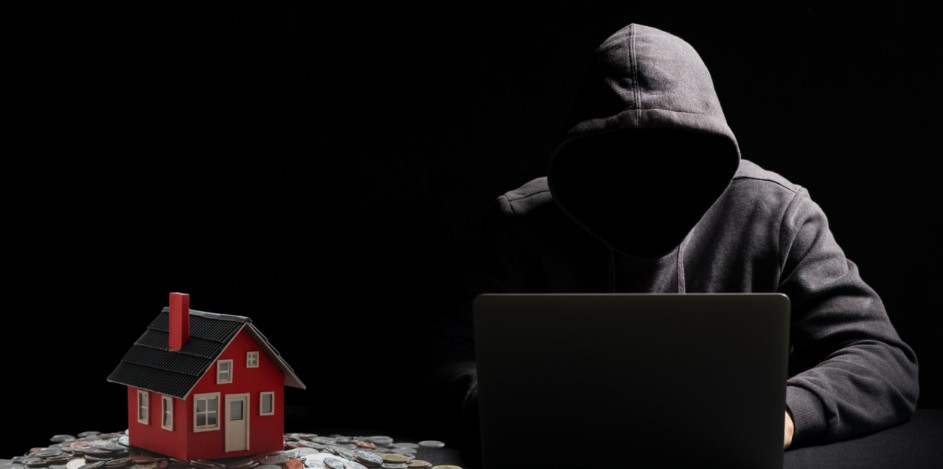
According to the report, at least 10% of Americans are targeted for real estate fraud, and one in 20 (5%) suffer losses as a result of real estate fraud.
More than one factor explains the increase in wire fraud specific to the real estate industry, but these three combined create an ideal environment for fraudsters:
- Advanced technology
- Socioeconomic factors that create pressure to close quickly
- Lack of awareness of—and education on—the risks of real estate fraud
Report provides a detailed examination of wire fraud in the real estate industry, highlighting the latest threats, the general lack of consumer awareness, and the consequent rise of real estate fraud, resulting in $446M in annual losses.
#1—TECHNOLOGY IS ONLY AS HELPFUL AS YOUR AWARENESS OF ITS WEAKNESSES
The very technology that makes our lives easier and facilitates smooth real estate transactions is also a tool fraudsters are using to impersonate agents and target consumers who are blissfully unaware of their tactics.
Blissfully, that is, until their money disappears without a trace.
Real estate transactions are notoriously complicated, involving multiple parties (up to 10) and lacking an established and closed system to both verify and protect payments.
Meanwhile, fraudsters have the following in their favor:
- Data on property listings is publicly available (including the list price).
- Real estate transactions involve large amounts of money.
- Up to 10 people are involved and discussing the terms of the transaction.
Real estate scammers have also become skilled at breaching broker and title agency systems, at which point they can deploy AI-enabled tactics to impersonate real estate professionals through email, text, social media, and phone calls.
Consumers who are unaware of these tactics (and the technology behind them) make easy targets.
#2—BUYERS, SELLERS, AND AGENTS ARE UNDER PRESSURE TO CLOSE QUICKLY
Last year’s difficult market conditions—from low inventory to high mortgage rates and rising home prices—have increased pressure on both agents and their buyer and seller clients to close quickly.
Scammers are capitalizing on that situation, playing on the fears of buyers who just want the sale to close already so they know they don’t have to start the home search all over again.
Cybercrime rings have taken aim at U.S. real estate transactions at an alarming rate. Consumers and their real estate service providers need to take extra precautions in every transaction, including verifying identity and banking details, to ensure payments are made securely and safely. Katie Pierce
Assistant to the Special Agent In Charge, Global Investigative Operations Center (GIOC) at the U.S. Secret Service
#3—LACK OF FRAUD AWARENESS AND EDUCATION IS HURTING EVERYONE INVOLVED
Wire fraud is not a new thing. Yet, according to CertifID’s report, one in two (51%) surveyed consumers admitted they were insufficiently aware of the risks of real estate fraud prior to closing.
That’s roughly equivalent to the level of education provided to buyers and sellers by their agents, title agencies, and attorneys: 60% indicated they received little to no education on the risks of real estate fraud from the industry professionals involved in their transaction.
The lesson here: Never assume your client knows the risks. And be prepared to have this conversation with them before they become a target