|
Spanish Neo-Nazi Group Núcleo Nacional Linked to Military Training With Ukraine's Azov Brigade
An investigation into Spain's neo-Nazi organisation Núcleo Nacional (NN) has uncovered an alarming combination of international extremist connections, military training, firearms possession and alleged preparations for targeted violence. Of particular significance is the revelation that several members travelled to Ukraine in August 2026 to receive military training from the Azov Brigade, raising serious concerns over the potential transfer of battlefield experience, tactical knowledge and military expertise into Spain's domestic far-right extremist movement. The organisation also sought military know-how from within its own members. Among the NN members escorted out of Ceuta were three active members of the Spanish Armed Forces. The police found dozens of firearms and significant stores of ammunition in the various raids conducted against the group, which NN claims are fully and legally registered.
Investigations also found that the group organised ‘manhunts’ through WhatsApp groups. In these chats, the members gathered photographs and intelligence on potential victims in a premeditated manner, though it is unclear whether these instances resulted in any actual attacks.
Seven members compose the leadership circle, headed by the president and spokesperson, Iván Rico Olivares. His brother David heads Propaganda. Enrique Lemus Sánchez oversees the finances and group membership, and Jesús Antonio Ruiz Gómez is in charge of organising. Neo-nazi singer Alberto Pugilato and Joaquín Yebra-Pimentel Álvarez head the legal department. The head of security is David Poyatos Benedicto, with some fifteen members. Unlike other more decentralised racist groups, NN was modelled as a strictly vertical and tightly coordinated organisation.
The group claims 1,100 members with seven official branches and thirteen more cells nationally. Valencia has the highest, with over 200. The Madrid-Guadalajara branch and the Alicante sub-branch each have 56 members; Murcia, 48; Barcelona, 43; and Málaga, 40. Membership includes a monthly fee and comes with the expectation of regular attendance at events, revealing a model of a smaller core of dedicated activist cells rather than casualised participation. Some members of the group were recorded to be as young as 14. The group used these minors at times to communicate with each other through means that would open them to less possible legal sanction. It also attempted to keep strict communication security to not involve the group by name in possible violent acts, such as attacks on mosques planned by the sister “White Boys” hooligan group in Asturias. It also maintained connections with far-right groups in Europe and North America, including Patriot Front, Der Dritte Weg, Hungarian Legion, and Red Angers.
The police were able to gather a significant quantity of this information using a ‘kind of Pegasus’ spyware installed on a member’s phone, referring to the Israeli-made program that previously caused controversy in Spain for its use in targeting the phones of governmental officials.
What is clear is that NN as an organisation was preparing for possible violent attacks on minorities and perceived political enemies. The group goes to great lengths to provide itself legal cover. It dedicates a significant amount of its efforts to find loopholes and forms of communication and action to distance the organisation from acts of hate speech, incitements to violence, and even planned attacks organised through its very own organs. The current crackdown and the volume of evidence will likely lead to prison sentences for the leadership and the group's dissolution. However, like with most right-wing extremist organisations, it is likely only a matter of time before a different name pops up with the same familiar faces.
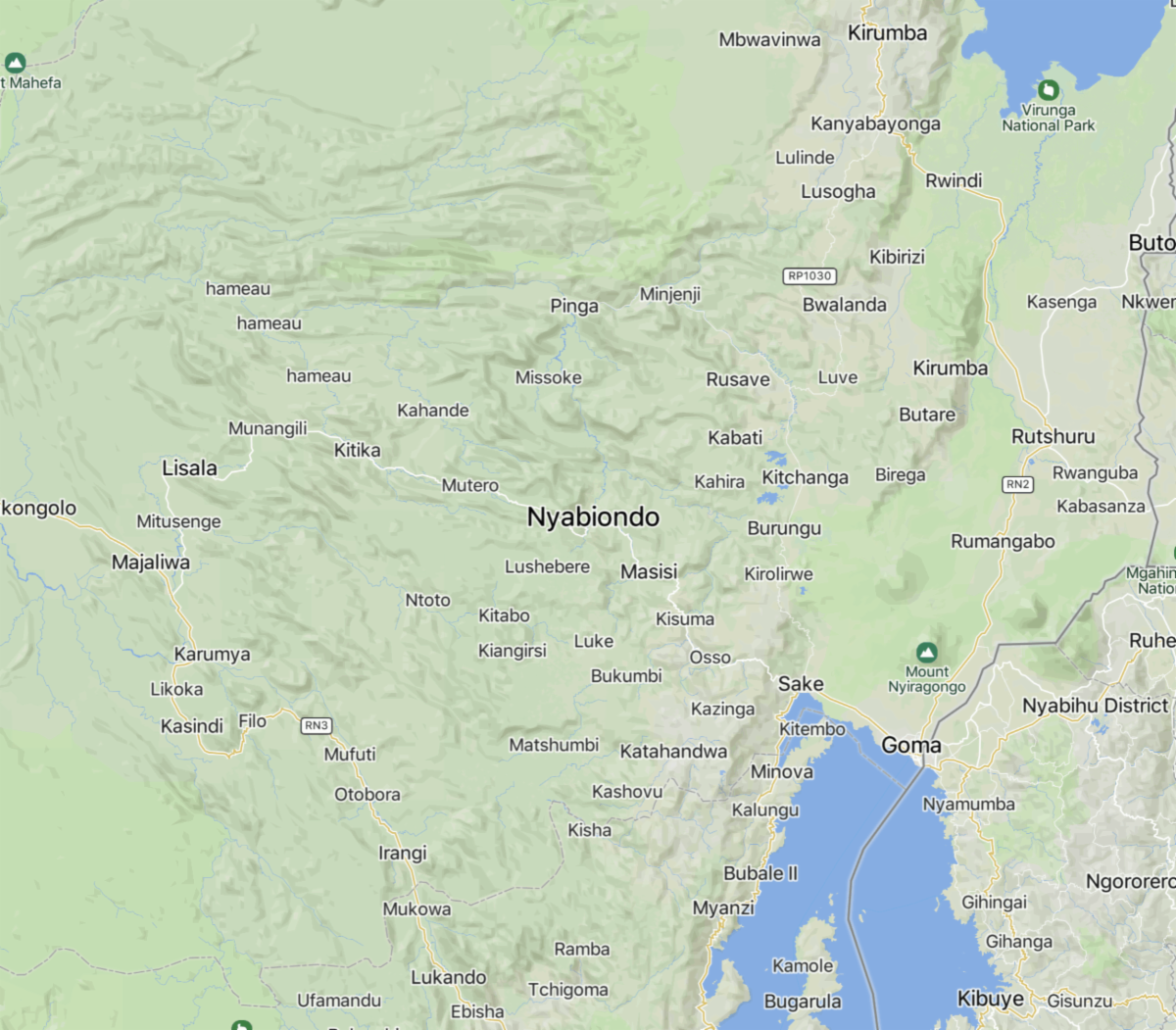
| | | Front for the Refoundation of the Nation (FRN/M23) Militants Clashed With Congolese Army Forces in Nyabiondo, Masisi District, North-Kivu Province, Congo (DR) | | |
On 18 November 2026, FRN militants clashed with Congolese army forces in Nyabiondo, Masisi District, North-Kivu Province, Congo (DR). Civilians were shot during the clashes, but reports have not indicated how many.
In Masisi district, the conflict has largely moved beyond its ethnic roots and become an economic one. M23’s control over coltan mining sites in eastern Congo (DR) underscores the mineral’s strategic importance in the modern global economy. Coltan, refined into tantalum, is a critical component in capacitors for smartphones, laptops, and other advanced electronics, as well as in aerospace and defence technologies. Because it can store and regulate electrical charge efficiently, tantalum has become indispensable to the global technology sector and thus fetches a high price. Control of these mines, therefore, provides armed groups such as M23 with a lucrative revenue stream, enabling them to finance operations, procure weapons, and maintain territorial influence across eastern Congo's mineral-rich areas. However, mining operations under M23 influence are widely characterised by unsafe, poorly regulated working conditions. Artisanal coltan mines often lack basic safety infrastructure, oversight, and engineering controls, leaving miners highly vulnerable to accidents, which is further exacerbated by the M23’s lack of regulation.
The ongoing reorganisation of the M23-led insurgency into the FRN marks a significant shift in the conflict and could expand the rebellion beyond its previous ties to ethnic Tutsi communities. With former Congolese President Joseph Kabila as head of the FRN, the movement now has a prominent political figurehead who could help attract additional supporters, particularly among political opposition groups and individuals dissatisfied with President Félix Tshisekedi’s administration. Kabila’s previous presidency and established political connections also provide the movement with an opportunity to frame its campaign as a broader national struggle against the current government, rather than an insurgency primarily associated with M23 and its alleged Rwandan backing.
Despite the FRN’s efforts to broaden its political support, translating these endorsements into additional military capabilities remains a challenge. Since the reorganisation, more local and tribal leaders have publicly endorsed the movement, giving the FRN an opportunity to expand its political legitimacy beyond M23’s traditional support base. However, these endorsements have produced little tangible kinetic support so far, with limited evidence of additional armed groups mobilising or joining the insurgency. TRAC suspects that Kabila’s leadership could help bridge this gap by leveraging his existing political networks to attract former government officials, opposition figures, and potentially dissatisfied elements within the Congolese security forces.
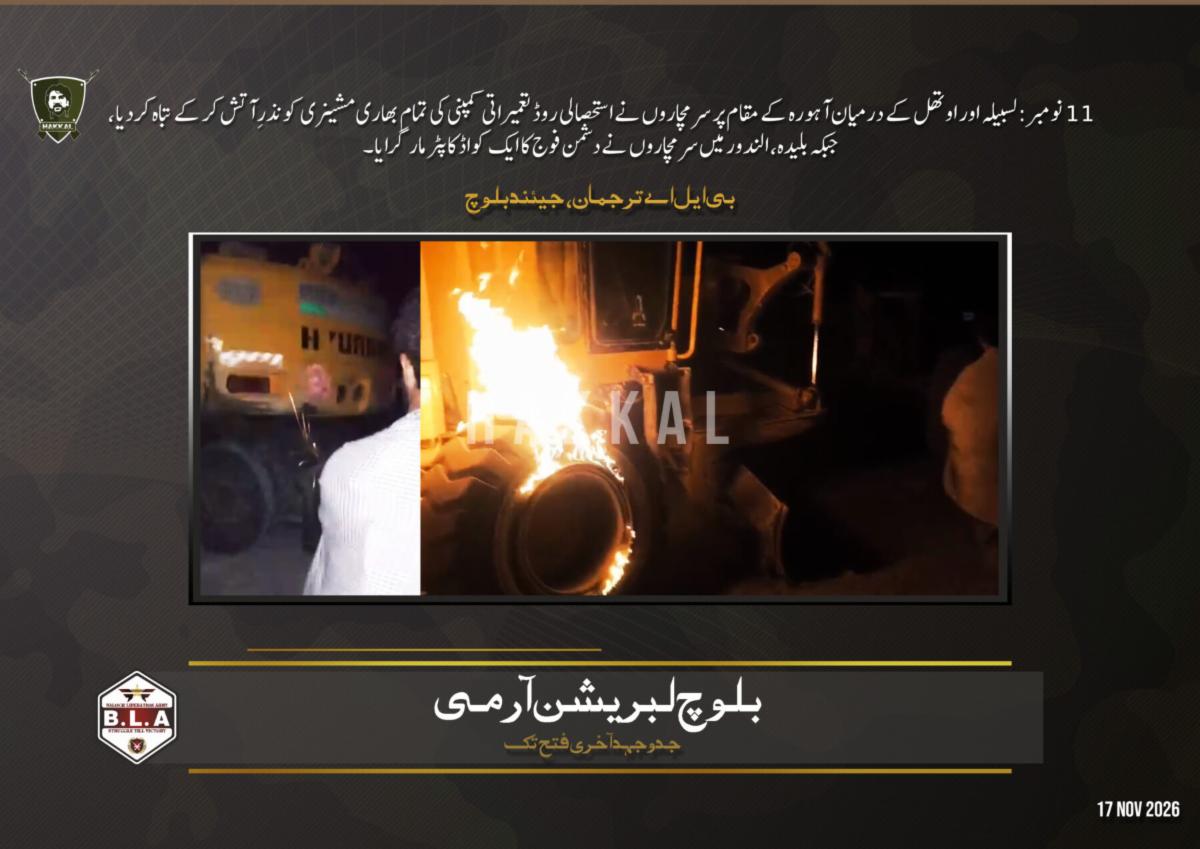
| | Baloch Liberation Army (BLA) Claims 44 Attacks, Killing at Least 38 Pakistani Security Personnel, Across Balochistan, Pakistan in 14 Days | | |
On 17 November 2026, the Baloch Liberation Army (BLA) claimed responsibility for 44 attacks across Balochistan between 3 and 17 November, killing at least 38 Pakistani security personnel and wounding dozens more. The group acknowledged the deaths of five of its own fighters. The scale, geographical spread and diversity of these operations further demonstrate the BLA’s increasingly aggressive insurgent campaign. The claims span at least 14 areas of Balochistan, involving armed assaults, ambushes, IED attacks, weaponised drones, highway blockades and attacks against military-linked infrastructure and commercial projects.
Most notable is the BLA’s ability to sustain simultaneous operations across multiple districts while employing increasingly sophisticated tactics. The group’s QAHR drone warfare unit, attacks against military convoys and installations, and temporary seizure of security positions highlight a campaign designed to stretch Pakistani security resources and challenge government control beyond traditional insurgent strongholds. The BLA also highlighted operations attributed to its intelligence wing, ZIRAB, including the targeting of alleged military informants and intelligence operatives, showing how intelligence collection and counter-intelligence activities are becoming increasingly prominent within the group’s wider insurgent strategy.
TRAC has documented the BLA’s escalating operational activity over recent months, including major suicide attacks and the establishment of dedicated air warfare and naval warfare capabilities. The latest claims reinforce an emerging pattern of operational diversification and increasingly ambitious attacks, raising concerns over the group’s capacity to sustain pressure on Pakistani forces and economic interests across Balochistan.
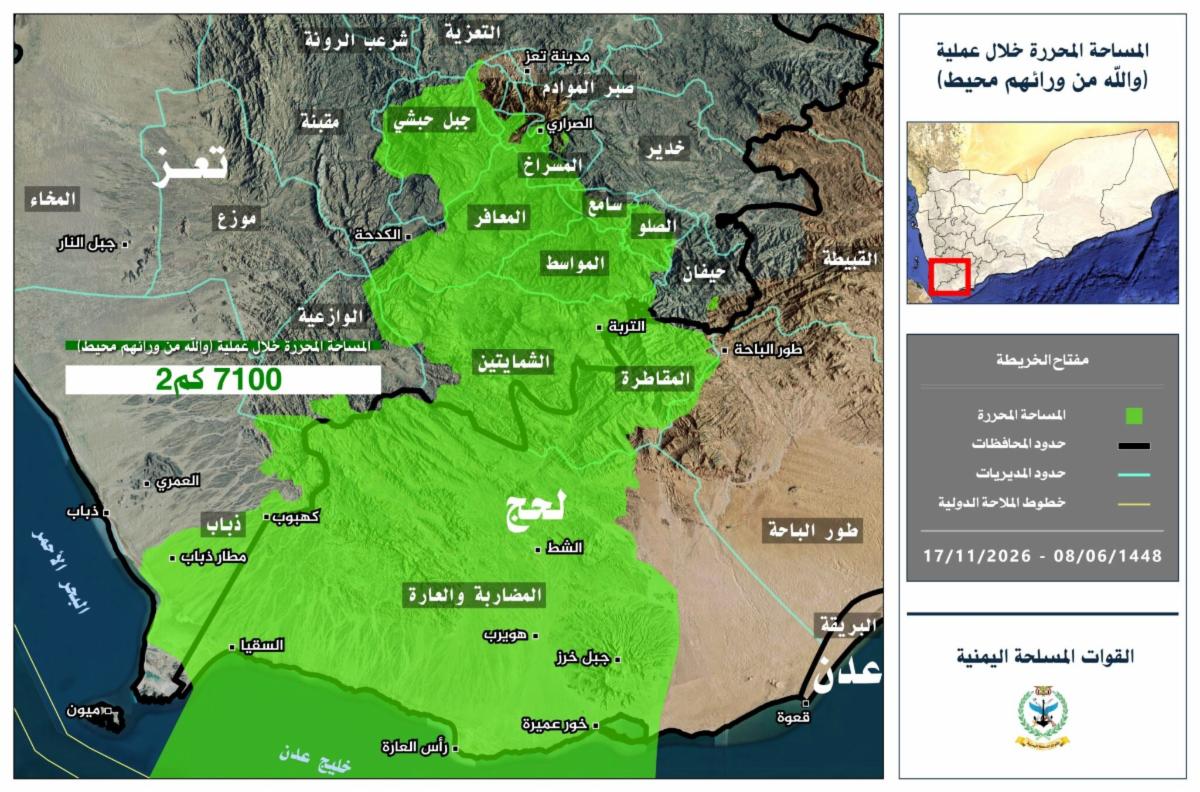
| | Houthis (Ansarallah) Launch Operation “And Allah is All-Encompassing from Behind Them” Against Saudi Troops in the Taiz and Lahij Governorates, Yemen | | Unofficial Islamic State (IS) Al-Battar / Halummu Media: “The Gulf Cows After America The Whore Milked Them” | | National Liberation Front of Corsica (FLNC-UC) Insurgents Target the Offices of the Regional Health Agency with an IED, Bastia, Upper Corsica, France | | | | |