June 2026

WATERSHED DIGEST
monthly newsletter
 

Update from the Hudson River Watershed Alliance

WaveMaker Awards Benefit:

Congratulations to the WaveMaker Awardees!

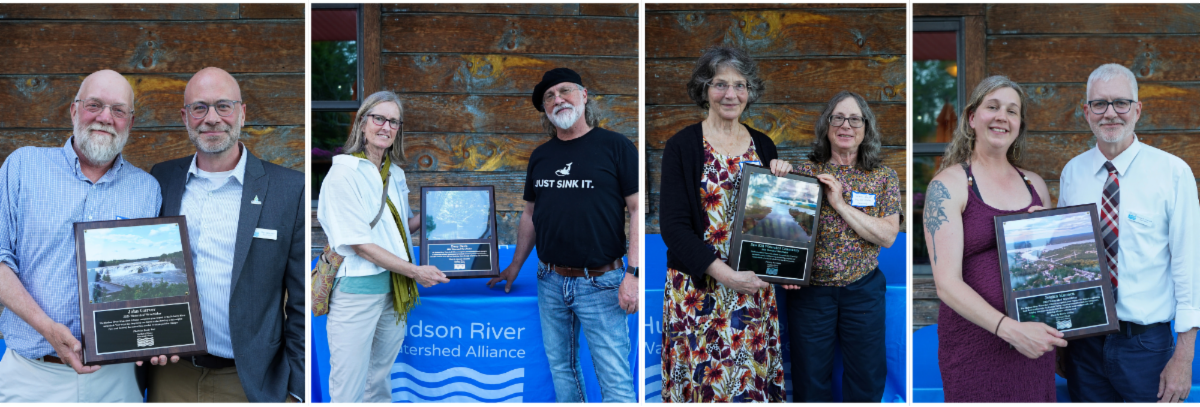
2026 WaveMaker awardees, from left to right: John Garver, Dany Davis (accepted by Beth Reichheld and Mark Vian), Saw Kill Watershed Community, and Jessica Kuonen.

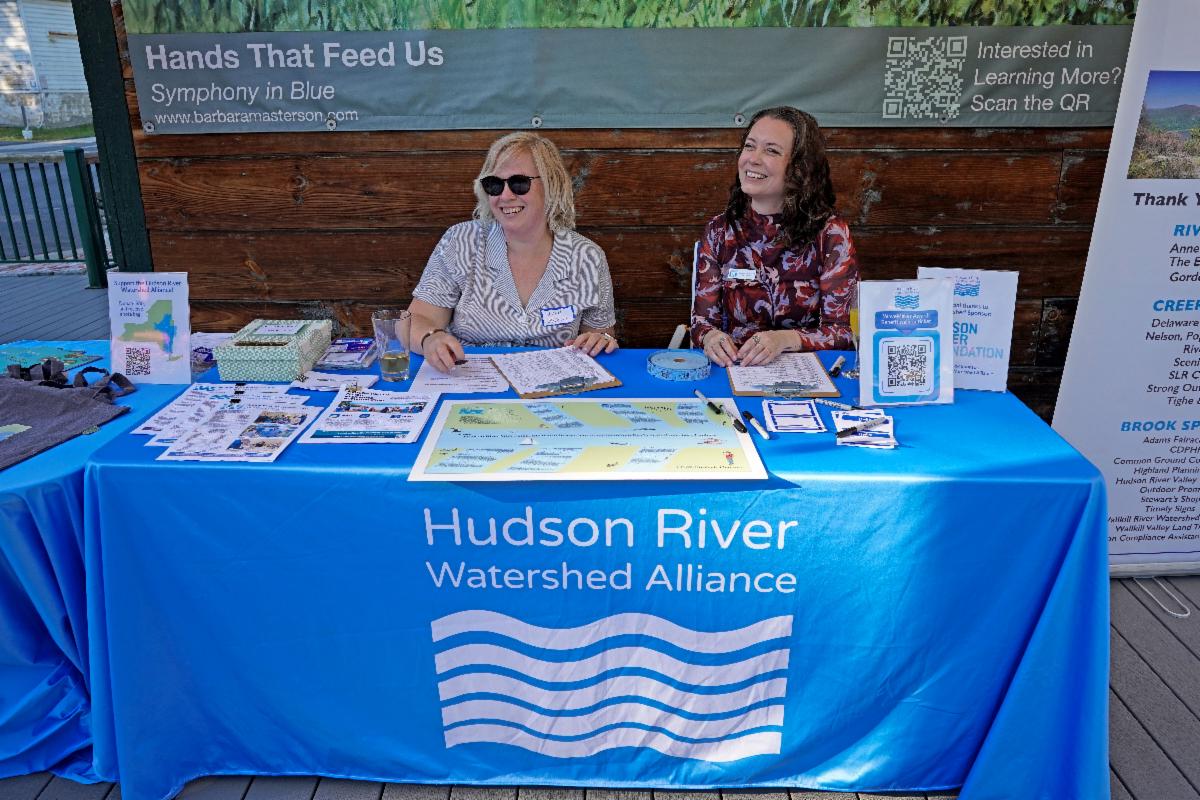
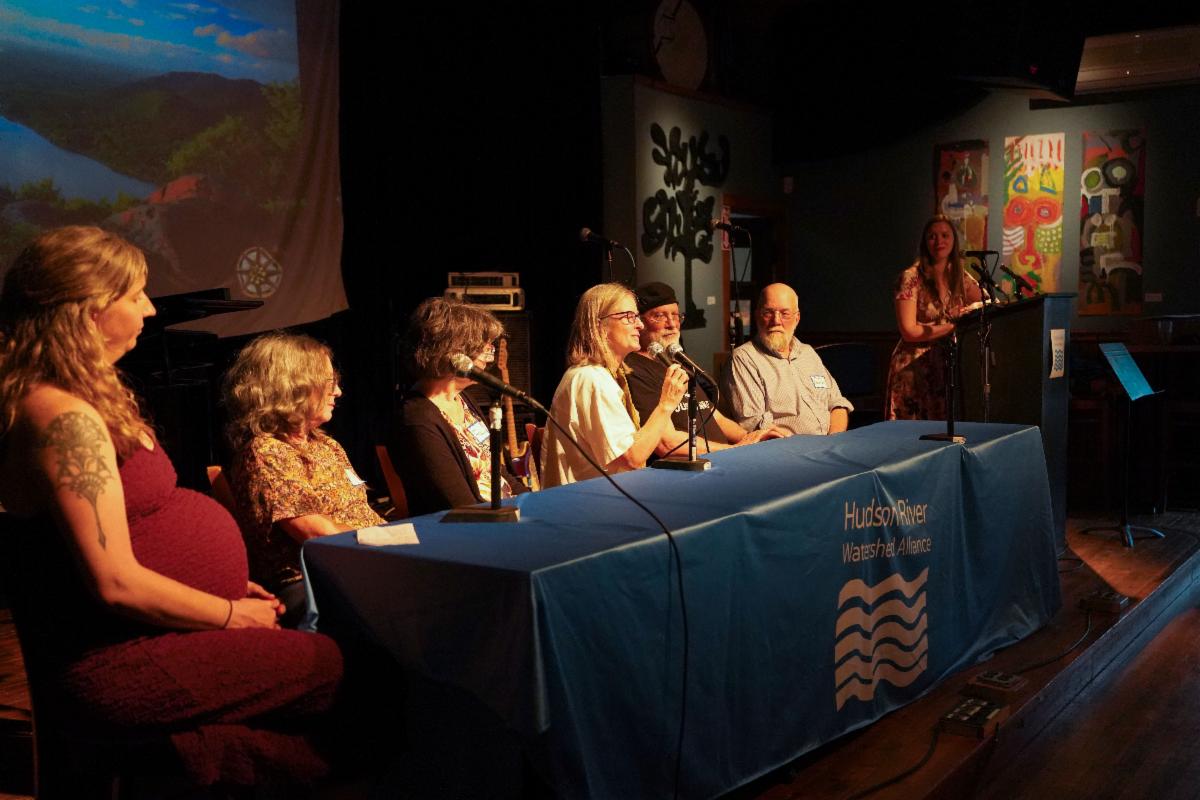
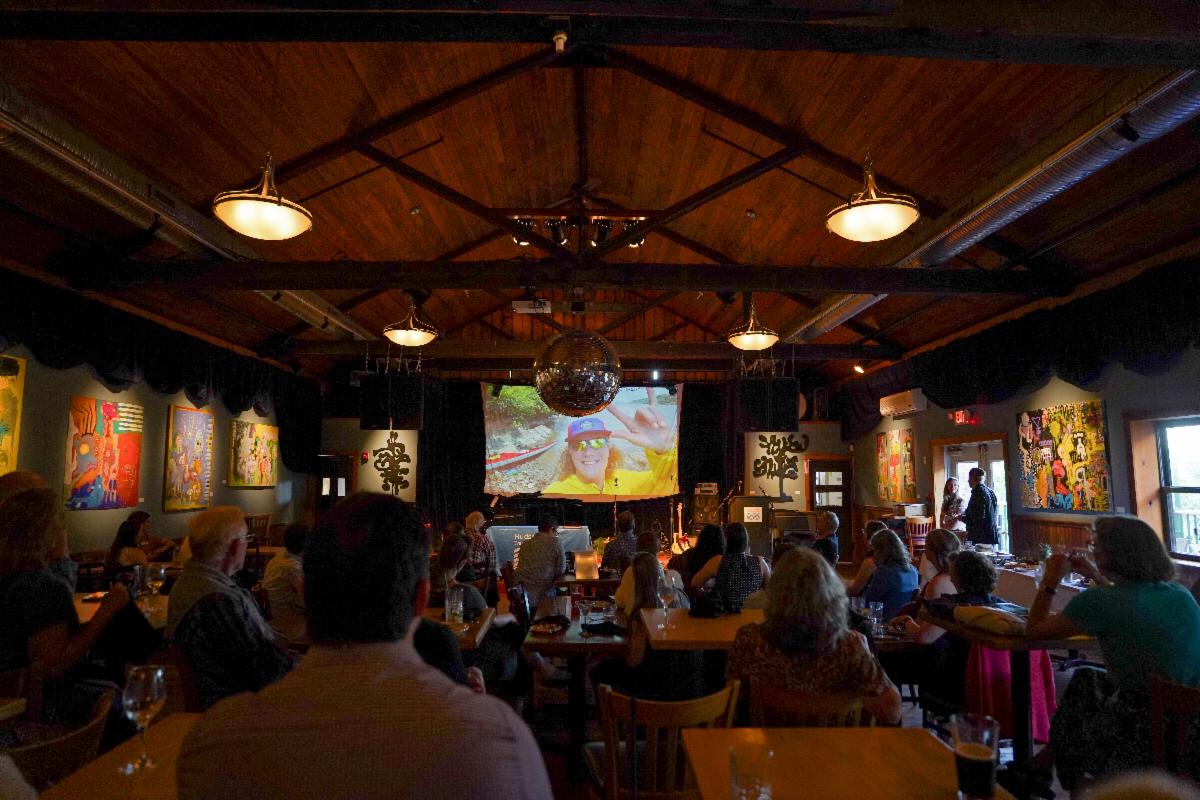
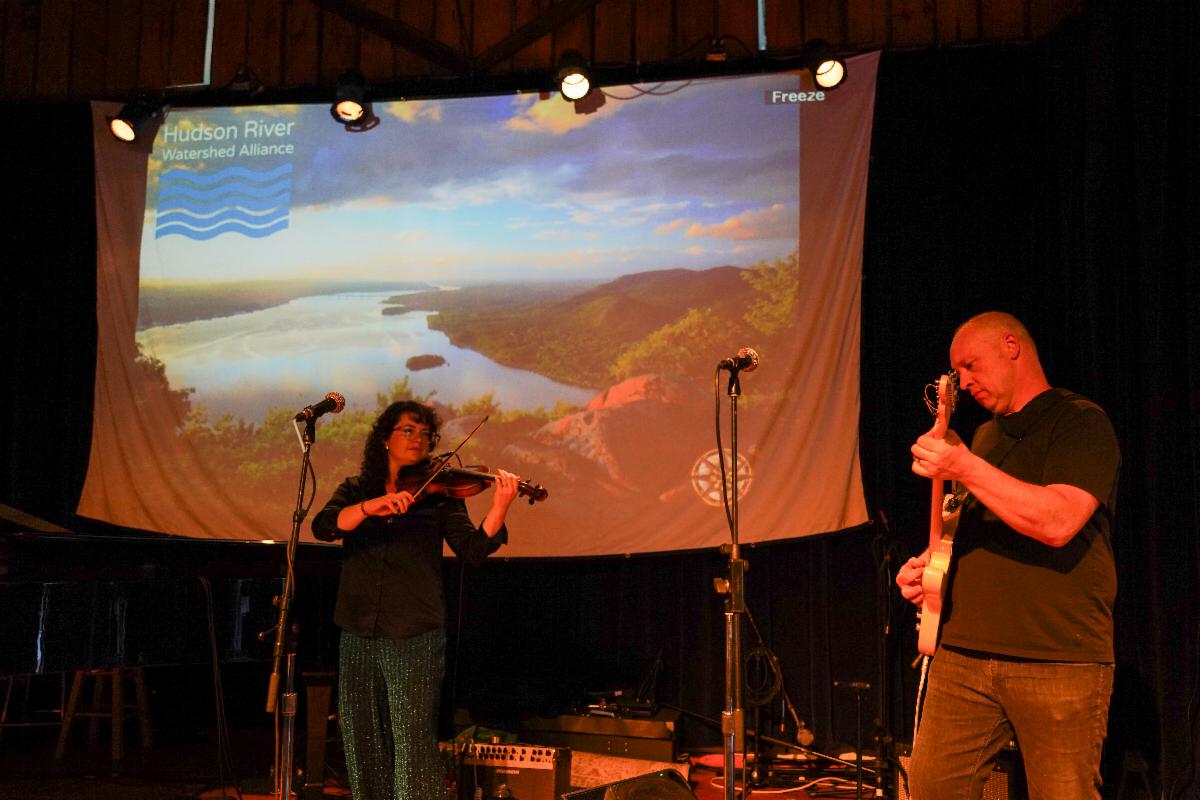
The Hudson River Watershed Alliance hosted the WaveMaker Awards Benefit at The Falcon in Marlboro on June 3. We were honored to recognize the impact of this year's awardees: John Garver from Union College, Dany Davis from New York City Department of Environmental Protection (award accepted by Beth Reichheld and Mark Vian), the Saw Kill Watershed Community from Red Hook, and Jessica Kuonen from New York Sea Grant. 


The WaveMakers have made a real difference, from a small watershed in Dutchess County, to the Hudson River Estuary, and from the Catskills watersheds that provide drinking water to 9 million New Yorkers, to the mighty Mohawk River. You can learn more about each awardee from the awards presentation videos and panel discussion, available on the Hudson River Watershed Alliance's YouTube channel.


We are grateful for your support and the opportunity to come together in celebration of another year of inspiring watershed work. Our gratitude also goes to our event sponsors, A World of Science for playing music, and the staff at The Falcon for making the event possible.


Photos from the event are available in an album on Google Photos. (You do not need a Google account to view, and if you’re prompted, you can continue as a guest without signing in.) 


All photos by Jack Torry, Marist University '26.

The WaveMaker Awards Benefit raises critical funds for the Hudson River Watershed Alliance to continue our work to unite and empower communities to protect our shared waters.


It’s thanks to supporters like you that any of our work is possible.


If you would like to make a donation to sustain our work, you can do so on our secure website here: https://hudsonwatershed.org/donate/

Thank You To Our Sponsors!

Watershed Sponsor

River Sponsors

Anne & Fred Osborn III / The EASTER Foundation

Gordon & Svenson LLP


Creek Sponsors

Delaware Engineering, DPC

Nelson, Pope & Voorhis, LLC

Riverkeeper

Scenic Hudson

SLR Consulting

Strong Outcomes, LLC

Tighe & Bond


Brook Sponsors

Adams Fairacre Farms

CDPHP

Common Ground Consulting, LLC

Fishkill Creek Watershed Alliance

Highland Planning, LLC

Hudson River Valley Greenway

Outdoor Promise

Stewart’s Shops

Timely Signs

Wallkill River Watershed Alliance

Wallkill Valley Land Trust

Water Action Compliance Assistance and Planning LLC

This event is made possible through the generosity of our sponsors. Sponsors help fund the program and enable more of our hard-working volunteers to attend and be recognized. More broadly, your support allows us to provide more direct assistance to watershed groups, convene communities to support flood resilience, and develop innovative educational programming.

Recap: Capacity-Building Presentation at River Rally

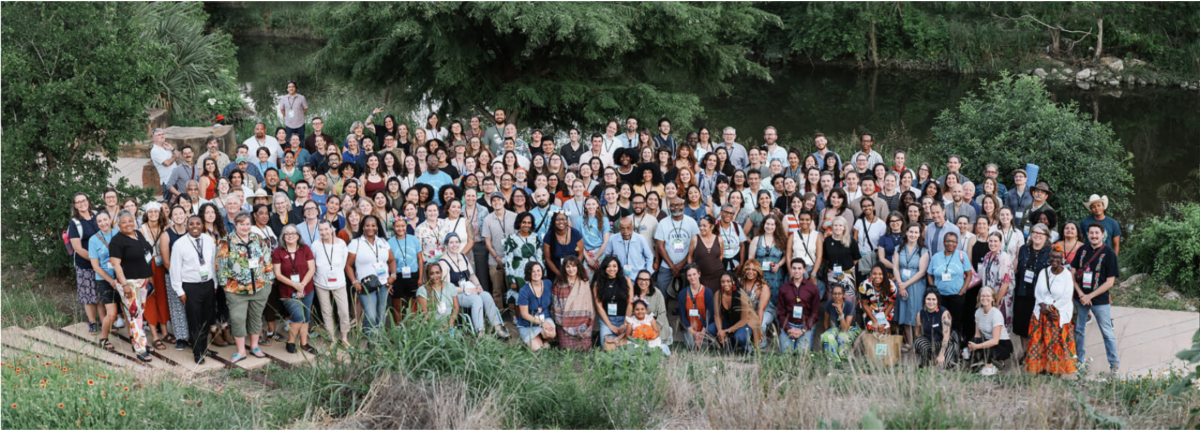
River Rally attendees along the San Antonio River at Confluence Park. (Photo: River Network)

Last month, 390 members of the nation-wide River Network gathered in San Antonio, Texas for River Rally. The Hudson River Watershed Alliance was invited to attend this conference to present on our innovative watershed group capacity-building programs. These programs are helping Hudson Valley watershed groups develop strong organizations and leaders to better achieve their missions.


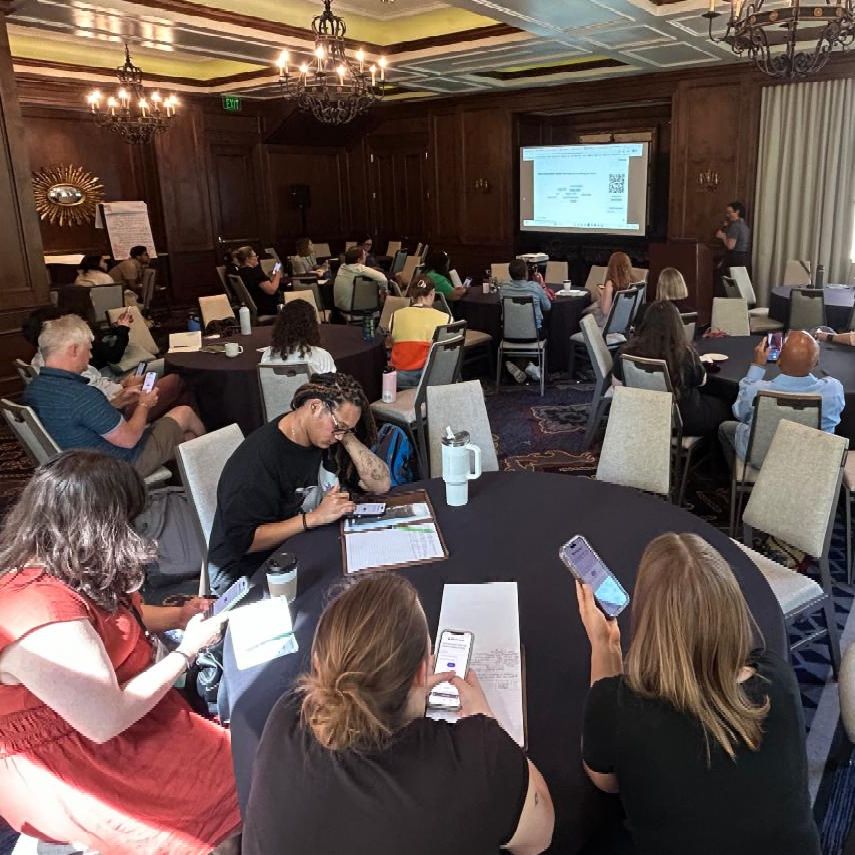
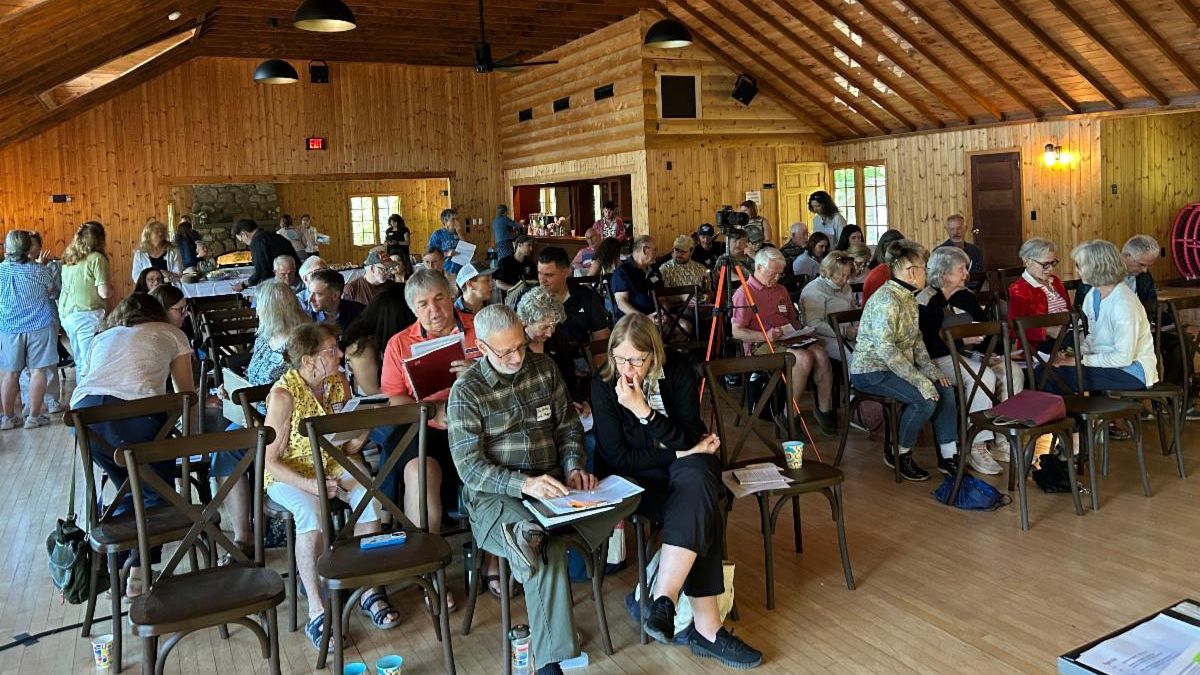
Emily Vail, Executive Director of the Hudson River Watershed Alliance, with Hannah Mico, Resilient Communities Manager at River Network, presented on "Unpacking 'Capacity Building:' The What, Why, and How of our Sector’s Most Overused Phrase." We were excited to have a full, engaged breakout room with people from across the country working on similar challenges. (Note that they are all on their phones in the photo, because they were completing an interactive prompt!)


It was an honor to represent the Hudson River watershed at this convening. Other highlights: exploring inspiring examples of river restoration and stormwater management, learning from Indigenous water artists and activists, celebrating river hero awardees, and experiencing the San Antonio River through a guided paddle. We returned to the Hudson Valley energized by new ideas and conversations to strengthen local watershed stewardship.


Check out a recap of River Rally and view recordings of the conference plenary sessions​ ‌‍‍in River Network's newsletter here.​‌‍‌‌‌‍‌​​‍​‍‌

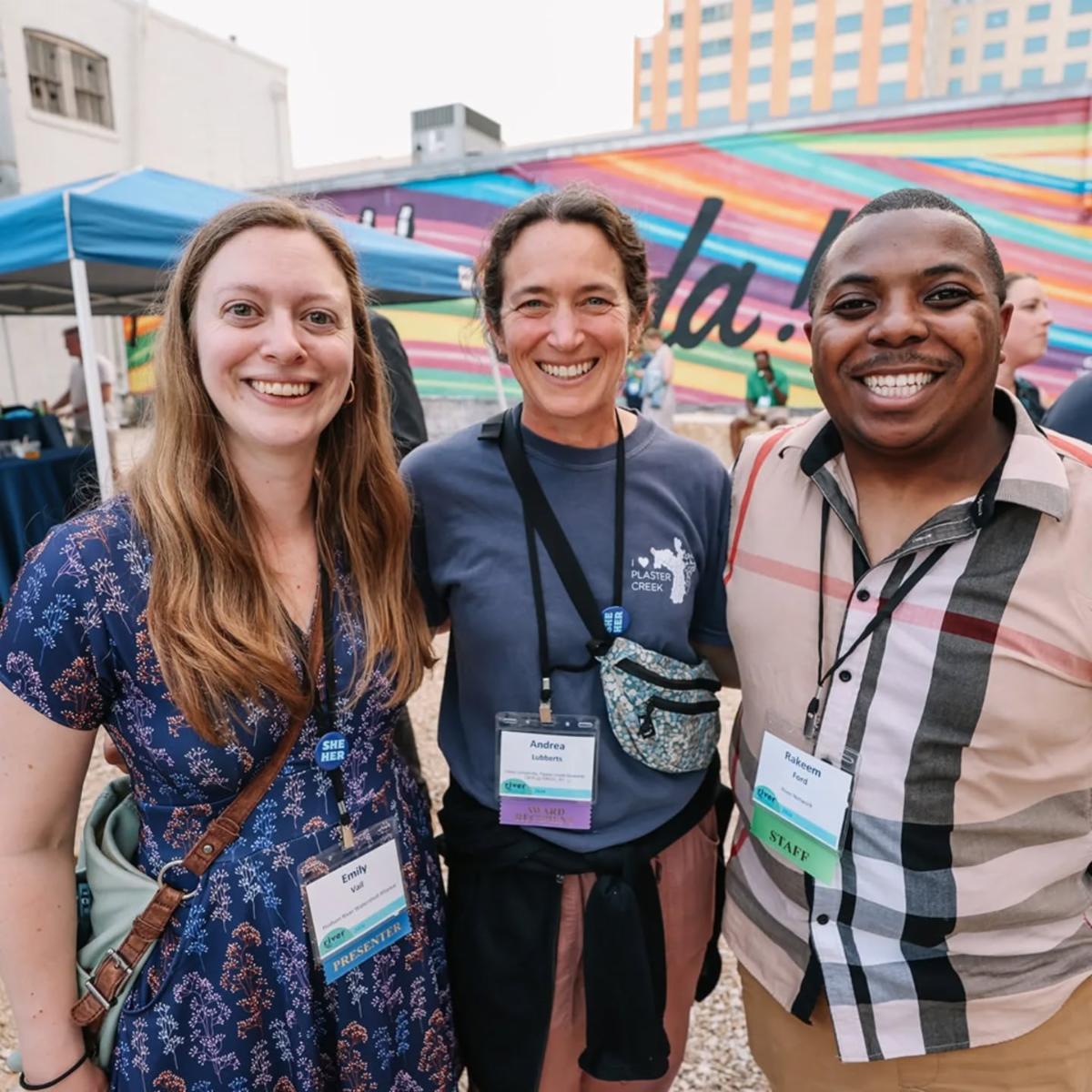
Left: River Rally welcome session, with Emily Vail, Hudson River Watershed Alliance; Andrea Lubberts, Plaster Creek Stewards in Michigan; and Rakeem Ford, River Network (photo by River Network);

Right: Hudson River Watershed Alliance & River Network presentation on capacity-building. 

Recap: Action through Connection at Lakes Conference

Hudson River Watershed Alliance's interactive session at the Lower Hudson Lakes conference.

On Friday, June 5, the Lower Hudson Lakes New York State Federation of Lake Associations (NYSFOLA) Regional Conference was held at the Sedgewood Club, on the shore of China Pond in Kent. Emily Vail from the Hudson River Watershed Alliance was invited to present a 45 minute session on "Action through Connection."


While there are some differences, many lake associations have similar organizational development and planning challenges as watershed groups that focus on rivers and streams. The presentation walked through planning to implementation, and how clear communication and good systems throughout these processes can make it easier for people and partners to work together to move projects forward.


The presentation included an interactive session, using worksheets developed by Strong Outcomes, LLC for the Hudson River Watershed Alliance's Watershed Characterization & Planning Workshop. Each worksheet provides a self-assessment for people at different stages in planning processes to identify specific next steps. Whether you're working on a lake management plan, a watershed plan, or another type of plan, these worksheets are available on the Hudson River Watershed Alliance's website for all to use.


The Lower Hudson Lakes NYSFOLA Regional Conference is presented by NYSFOLA, Cornell Cooperative Extension of Putnam County, Putnam County Soil & Water Conservation District, Town of Kent Lakes Association, and the Sedgewood Club.

Hudson Valley Flood Resilience Network Program Updates

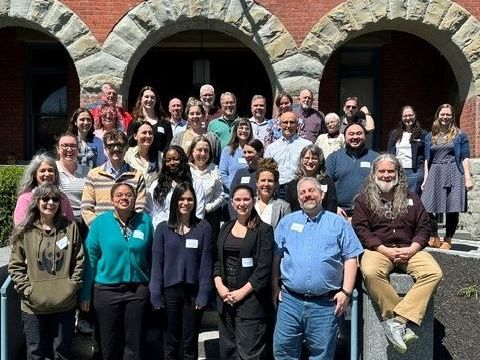
2026 Flood Resilience Network LULA cohort

The Hudson Valley Flood Resilience Network (FRN) connects local governments committed to taking actionable steps to manage current and future flood risks. The Network helps municipal governments from throughout the Hudson Valley access resources and navigate complex processes, while providing a platform for peer learning and support around flooding. The Hudson River Watershed Alliance is a co-facilitator of the Hudson Valley Flood Resilience Network, with New York Sea Grant.

Land Use Leadership Alliance training

The Hudson River Watershed Alliance, New York Sea Grant, and Pace University’s Land Use Law Center brought the award-winning Land Use Leadership Alliance (LULA) training program to members of the Hudson Valley Flood Resilience Network this spring.


The 2026 cohort included the Town of North Greenbush, Town of New Lebanon, Town of Hurley, Town of Stanford, Rockland County, and Ulster County. This group convened at the Hudson Area Library in Hudson, NY for three full days in April and May for training.


The Pace Land Use Law Center provided participating municipalities with a set of potential strategies to consider using the Resilience Implementation and Strategic Enhancements (RISE) Local Assessment Tool, developed by FEMA and EPA. The Pace team reviewed each municipality’s current zoning and comprehensive plan to understand how the community is currently addressing resilience, along with opportunities to refine laws and policies in a way that improves resilience and helps achieve local goals. Each municipality left the program with a trained leadership group and an implementation plan for next steps on flood resiliency. 


This program was supported by funding from The Nature Conservancy's Climate Resilience Grant Program.

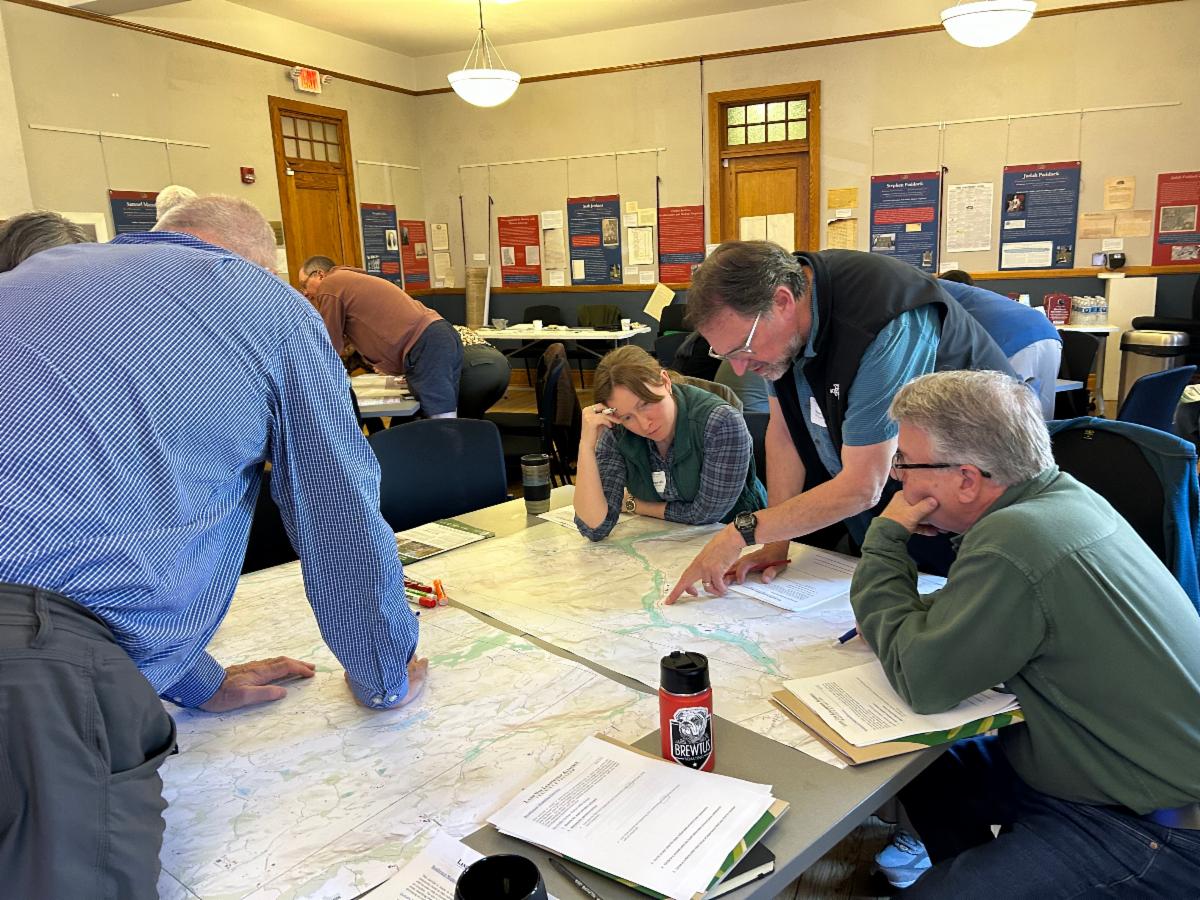
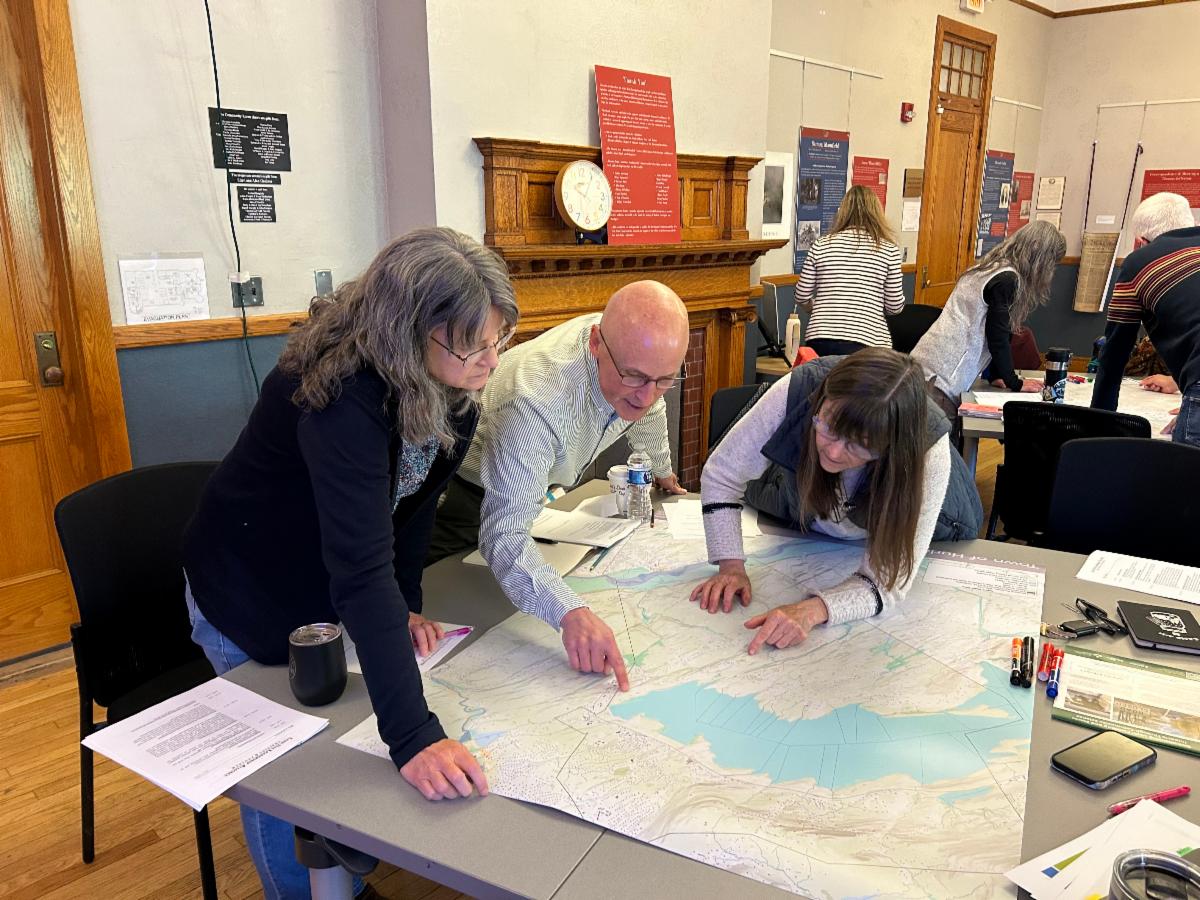
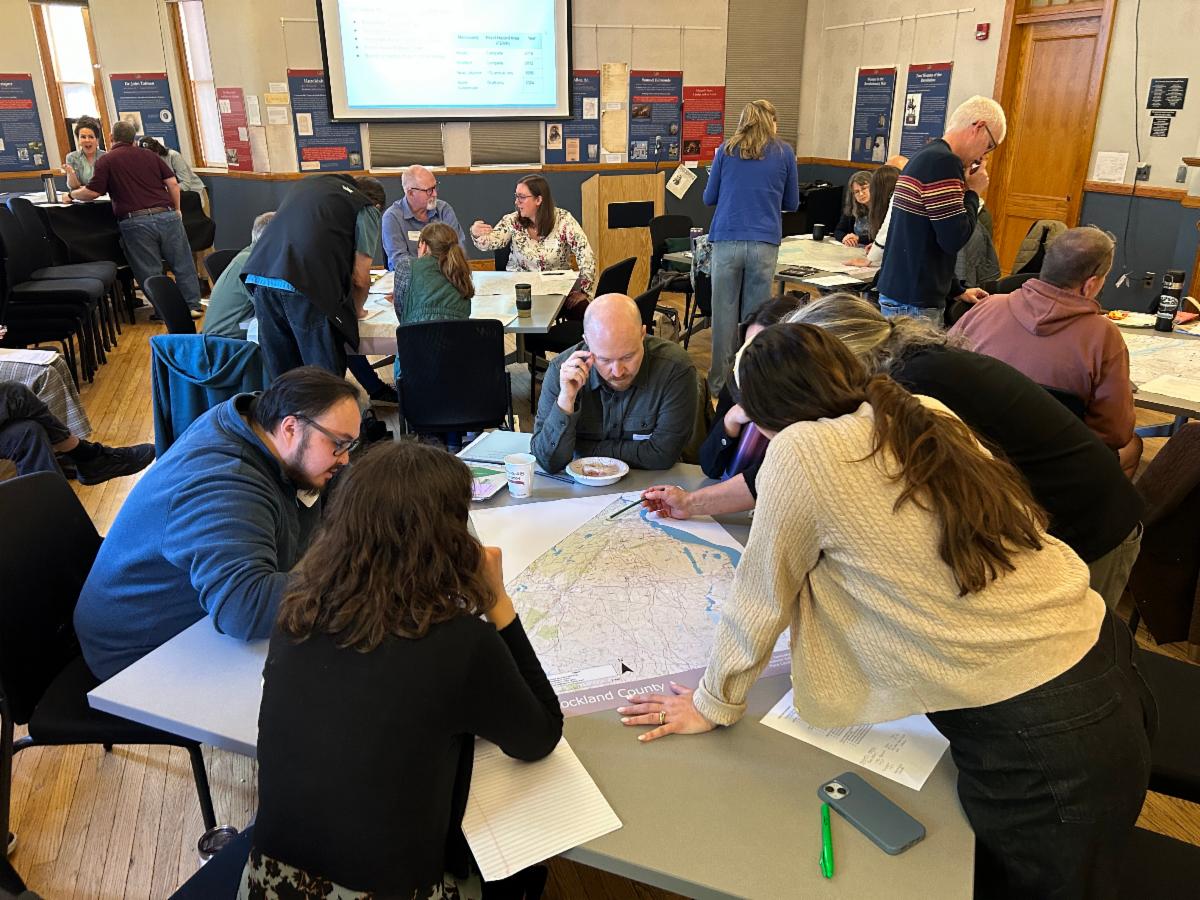
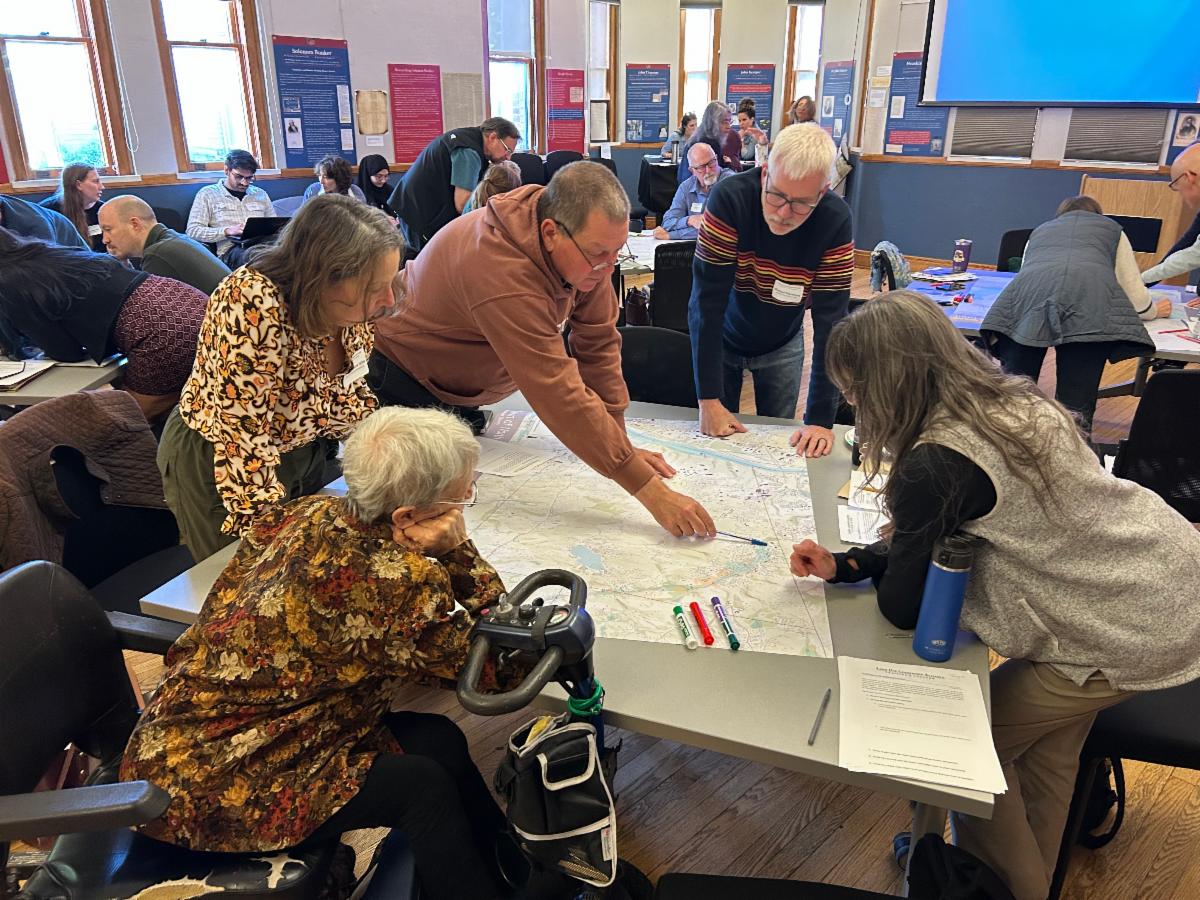
Mapping flood vulnerability at the LULA training, clockwise from top left:

Town of New Lebanon, Rockland County, Town of North Greenbush, and Town of Hurley.

Bard College Center for Environmental Policy projects

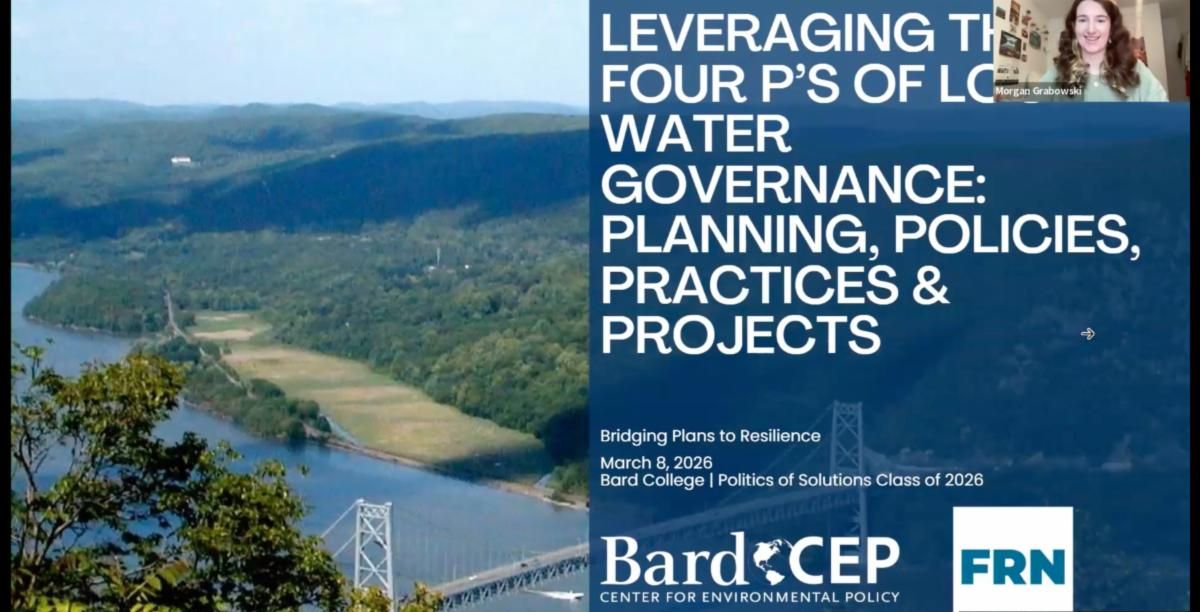
In spring 2026, the Hudson Valley Flood Resilience Network partnered with the Bard College Center for Environmental Policy’s Politics of Solutions class. The students conducted original research and interviews with FRN Members and Partners.


On 5/8/26, graduate students from this class presented findings from two projects to help advance Hudson Valley Flood Resilience Network goals: 

  • Environmental Policy students worked to better understand how municipalities across the Hudson Valley are using different types of plans to address flood risk, moving from planning to implementation, and addressing challenges. 
  • Climate Science and Policy students focused on better understanding what information/data are available for municipalities to use in long-term and real-time planning for flood resilience.


A recording of their presentation is available on the Hudson Valley Flood Resilience Network's YouTube channel.

Lunch & Learn Workshop: Building Trust through Community-Led Flood Resilience Planning

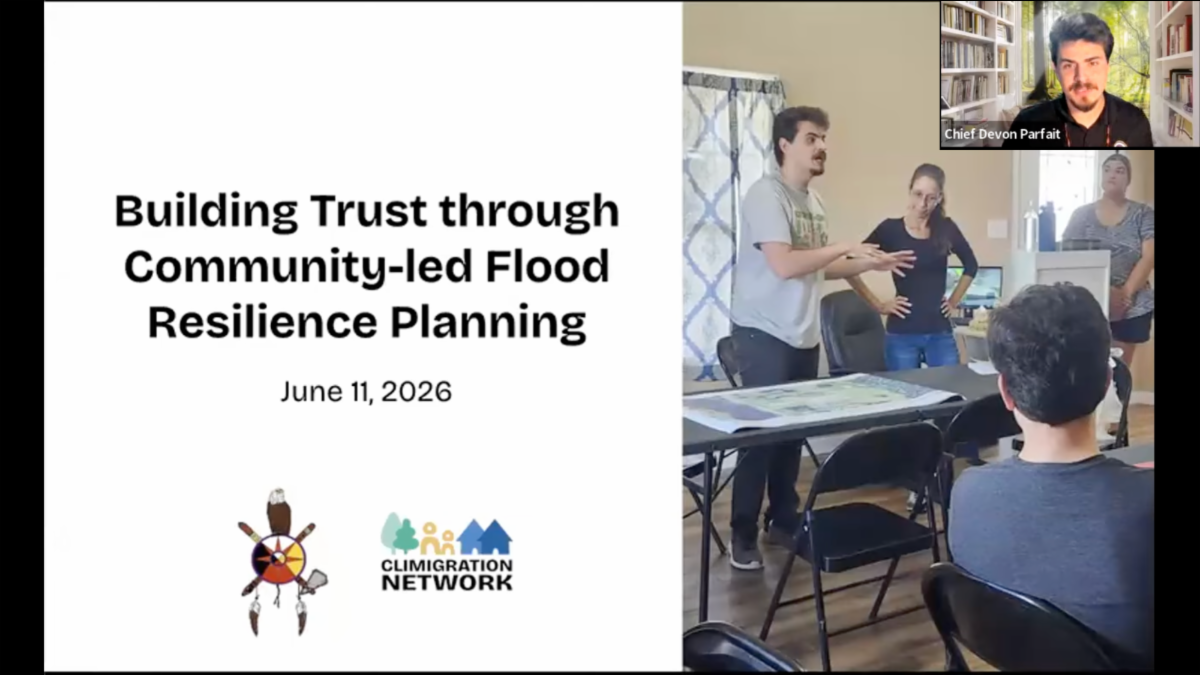
On 6/11/26, the Hudson Valley Flood Resilience Network hosted an interactive virtual workshop with presentation from Chief Devon Parfait, Grand Caillou/Dulac Tribe, and facilitation from Kristin Marcell, Climigration Network. 


If adaptation and resilience planning does not consider a wide range of community and institutional knowledge and engagement, the process can damage relationships, sow distrust, or fail due to a lack of energy and support from residents, local government, and thought leaders. Co-designing projects with residents and community partners, and creating space for them to guide and lead, can create challenges, but it can also dramatically and positively shift perspectives and priorities, while opening up new opportunities to advance shared goals.


This interactive virtual workshop began with insights and perspectives from Devon Parfait, the Tribal Chief of the Grand Caillou/Dulac Tribe in coastal LA, moved into group workshopping on partnership values and strategies, and wrapped up with practical insights and tools the Tribe is using to overcome common barriers to resilience planning, including approaches transferable to local leaders in New York. 

The Climigration Network and the Grand Caillou/Dulac Tribe are partnering to support a community-led resilience planning process for rural communities within the state-recognized Tribe’s boundaries in coastal Louisiana.


A recording of the presentations and shared resources are available on the Flood Resilience Network website here.


This program was supported by funding from The Nature Conservancy's Climate Resilience Grant Program.

Join the Network to attend our upcoming programs! 


To join the Network and gain access to upcoming spring programs, visit our website and complete the Member or Partner form based on your role. The Network is free to join. 

Hudson Valley Flood Resilience Network programs are open to Members and Partners. Members are representatives from municipal and county governments in the Hudson River estuary watershed. This includes elected and appointed officials, staff, and volunteers. Partners are staff from agencies, regional organizations, or private-sector consulting firms working in the Hudson River estuary watershed that support Members’ flood resilience goals.


The Flood Resilience Network is co-facilitated by New York Sea Grant and the Hudson River Watershed Alliance.


This program is supported by funding from the Hudson River Estuary Program, NYS Department of Environmental Conservation, with support from the New York State Environmental Protection Fund, in cooperation with the New York State Water Resources Institute.

Opportunities

GRANTS & TECHNICAL ASSISTANCE:


NYS DEC & NYS EFC: Resilient Watersheds Grant

Deadline: June 26

More information

$60 million of Environmental Bond Act funding is available for implementation of flood mitigation projects across New York State through the Resilient Watersheds Grant (RWG) Program. Applicants to RWG must either be a recipient of a Resilient NY flood study or possess a DEC-approved comparable study, and prepared to supply a 10% match. Eligible RWG projects include dam, bridge, culvert and other barrier removal, culvert replacements, stream and floodplain restoration, streambank stabilization and property buyouts.


NYS DOS: Community Resilience and Flood Risk Reduction Grant Program

Deadline: June 26

More information

$40 million is available through DOS in two categories — $20 million for Coastal Rehabilitation and Resilience, which includes projects that will strengthen climate resiliency within, and draining into, the New York State Coastal Area and the Coastal Nonpoint Source Boundary; and $20 million for Inland Flooding and Local Waterfront Revitalization Program Implementation, which includes climate resiliency projects for eligible communities that have participated in the DOS Local Waterfront Revitalization Program (LWRP). 


NYS DEC: Environmental Justice Community Impact Grants

Deadline: July 1

More information

$7 million is now available for community-based organizations for projects that address exposure of communities to multiple environmental harms and risks. Eligible applicants are Tribal Organizations and not-for-profit (NFP) community-based organizations having 501(c)(3) status. Eligible projects must address a community's exposure to multiple environmental harms and risks and include a new research component that will be used to expand the knowledge of the affected community.


New York State Pollution Prevention Institute (NYSP2I): Community Impact Accelerator Grant Program 

Deadline: July 1

More information

The New York State Pollution Prevention Institute (NYSP2I) is now accepting proposals for its new Community Impact Accelerator Grant (CIAG) Program—a funding opportunity designed to support scalable, community-led pollution prevention initiatives across New York State. The CIAG Program advances awareness, understanding, and adoption of pollution prevention (P2) practices at the local level while supporting implementation projects that can be replicated across organizations and communities statewide. Funded projects are intended to generate measurable environmental and public-health benefits that extend well beyond the direct grant investment.


FEMA: Building Resilient Infrastructure and Communities (BRIC) Program

Deadline: July 23

More information

The BRIC grant program makes federal funds available for proactive hazard mitigation activities. This program prioritizes investment in infrastructure and construction projects that deliver immediate, measurable risk reduction to communities that are vulnerable to natural hazards. This includes the adoption and enforcement of modern building codes. The maximum award available is $150MM.


NYS DEC: Water Quality Improvement Project (WQIP) Program

Deadline: July 31

More information

The Water Quality Improvement Project (WQIP) program is a competitive, statewide reimbursement grant program that funds projects that directly improve water quality or habitat, promote flood risk reduction, restoration, and enhanced flood and climate resiliency, or protect a drinking water source. Eligible project types include: Wastewater Treatment Improvement, Nonagricultural Nonpoint Source Abatement and Control, Vacuum Trucks in Municipal Separate Storm Sewer System (MS4) Areas, Land Acquisition for Source Water Protection, Salt Storage and Road Salt Reduction, Dam Safety Repair/Rehabilitation and Removal, Aquatic Connectivity, Marine District Habitat Restoration, Fish and Wildlife Habitat Restoration and Enhancement, and Landfill Leachate Treatment.


NYS DEC: Non-Agricultural Nonpoint Source and MS4 Planning Grant

Deadline: July 31

More information

The Non-Agricultural Nonpoint Source and MS4 Planning Grant (NPG) is a competitive, reimbursement grant program that funds planning reports for nonpoint source water quality improvement projects and mapping of Municipal Separate Storm Sewer Systems (MS4s). The program aims to prepare nonpoint source projects for construction and application for implementation funding. Grant funding will also be available for regulated MS4 Operators to complete comprehensive stormwater system maps and stormwater management program planning. 


NYS DEC: Climate Smart Communities Grant Program

Deadline: July 31

More information

The Climate Smart Communities (CSC) Grant program provides grants to cities, towns, villages, counties, Indian Nations, local public authorities, and local public benefit corporations of the State of New York for eligible climate change mitigation, adaptation, and planning and assessment projects. The Grant program includes two different project categories: implementation and certification. The implementation category is divided into three subcategories: greenhouse gas mitigation, climate change adaptation, and engineering feasibility studies. 


NYS DOS: Local Waterfront Revitalization Program

Deadline: July 31

More information

The Local Waterfront Revitalization Program (LWRP) provides grants to communities to develop community-driven waterfront revitalization plans that cultivate a vision for their waterfront; identify projects to implement that vision; and provide coastal policies to guide future planning, development and infrastructure. The LWRP also funds Watershed Management Plans (WMPs), which protect and restore water quality and watersheds. 


NYS DOS: Smart Growth Community Planning Grant Program

Deadline: July 31

More information

The Smart Growth Community Planning Program provides grants to communities to develop municipal and county-wide comprehensive plans, targeted area plans and zoning ordinances.


NYS DOS: Brownfield Opportunity Area Program

Deadline: July 31

More information

The Brownfield Opportunity Area (BOA) Program transforms brownfield sites—neighborhoods or areas within a community negatively affected by real or perceived environmental conditions—from blighted liabilities to vibrant community assets.


New York State Office of Parks, Recreation & Historic Preservation (OPRHP): Environmental Protection Fund Grants Program for Parks, Preservation and Heritage

Deadline: July 31

More information

EPF Parks, Preservation and Heritage (PPH) grant funding is available for the acquisition, planning, development, and improvement of parks, historic properties, and heritage areas located within the physical boundaries of the State of New York.


NYS DEC: Advancing Forest Markets Grant Program

Deadline: August 5

More information

DEC’s Advancing Forest Markets (AFM) grant program is designed to help remove key barriers to large-scale tree planting efforts by increasing access to high-quality, locally grown seedlings for reforestation, afforestation, and climate resilience projects. It also seeks to strengthen New York State’s forest economy by expanding access to critical resources for producers of forest commodities like wood and maple syrup and other forestry businesses through projects that encourage innovation and expansion in product development, capacity, and market access.


NYS DEC: Urban and Community Forestry Grants

Deadline: August 12

More information

DEC recently released $10 million in grant funding through the Urban and Community Forestry Program to municipalities, nonprofits, Tribes, and other community-based organizations for creating urban forest management plans and utilizing new technology to make data-driven decisions for their urban forests.


Land Trust Alliance: Forest Conservation Easements for Land Trusts Program

Deadline: August 13

More information

Eligible, accredited land trusts may apply for up to $350,000 to purchase conservation easements on privately owned forested land in New York State. The grants are administered by the Land Trust Alliance in coordination with DEC. To apply, a land trust must be accredited by the Land Trust Accreditation Commission. A 25% match is required. Projects selected for FCELT grants should further goals and/or strategies identified in the New York State Open Space Conservation Plan, the New York State Wildlife Action Plan, the New York State Forest Action Plan, and/or other local, regional, or statewide land protection plans.


NYS DEC: Regenerate New York Forestry Cost Share Grant Program

Deadline: August 31

More information

This grant program provides financial assistance to private landowners establishing new forests, improving the health of existing forests, and restoring forests that are heavily impacted by factors such as deer browse, invasive pests, or fragmentation. Portions of the grant funds will be reserved until March 11, 2026, for priority applicants, including new forest landowners, active military service members and veterans, and State or federally recognized Tribes and Indian Nations. Funds will also be reserved for priority projects, including planting trees on a large scale or restoring forests significantly impacted by invasive pests or diseases.


NYS DEC: Harmful Algal Bloom (HAB) Research Grant Program

Deadline: September 15

More information

The Harmful Algal Bloom Research Grant program is a competitive, statewide reimbursement grant program that funds projects to advance research goals of the DEC HAB Roadmap and the DEC HABs Research Guide through improved understanding of HAB drivers and reduce impacts to health and recreation across New York State.


U.S. Fish & Wildlife Services: Partners for Fish and Wildlife FY26

Deadline: September 30

More information

The U.S. Fish and Wildlife Service (Service) Partners for Fish and Wildlife (PFW) Program helps private landowners restore and protect habitats for fish and wildlife. It offers both technical assistance and financial support, mainly through cooperative agreements.


USDA: Circuit Rider Program - Technical Assistance for Rural Water Systems

Deadline: Rolling

More information

This program provides technical assistance to rural water systems that are experiencing day-to-day operational, financial, or managerial issues. Circuit Riders can assist with board training, management/finance, operation/maintenance, leak detection, water treatment, regulatory compliance, facility security, loan application and reporting, and disaster and emergency assistance. Technical assistance is provided through the New York Rural Water Association (NYRWA). Assistance is provided on an as-needed basis.


U.S. Fish & Wildlife Service: National Fish Passage Program

Deadline: Rolling

More information

This program provides financial and technical assistance to support projects that improve the ability of fish or other aquatic species to migrate by reconnecting habitat that has been fragmented by a barrier such as a dam or culvert. Please contact your local Fish and Wildlife Conservation Office to begin the application process.


NYS Homes & Community Renewal: Resilient Retrofit program

Deadline: N/A

More information

New York State Homes and Community Renewal has expanded the Resilient Retrofit program and will make available a combination of low-interest loans and grants to low and moderate income single-family homeowners whose homes are located in flood-prone areas or have been damaged due to heavy rainfall, enabling them to render their homes more resilient to flood damage.


NYS DEC/DOH: Septic System Replacement Fund

Deadline: Rolling; county dependent

More information

This program provides funds to counties to help homeowners replace cesspools and septic systems that are adversely impacting designated water bodies. Eligible projects include replacement of a cesspool with a septic system, installation, replacement, or upgrade of a septic system, or installation of enhanced treatment technologies. Participating counties: Dutchess, Putnam, Rockland, Sullivan, Ulster, Westchester.

JOB POSTINGS


Bronx River Alliance: Director of Environmental Justice (Bronx, NY)

More information


Friends of the Walkway: Program Manager (Poughkeepsie, NY/hybrid)

More information


Groundwork Hudson Valley: Community Adaptation Program Manager (Yonkers, NY)

More information


Groundwork Hudson Valley: Program Director (Yonkers, NY)

More information


Hudsonia, Ltd: Biologist (Red Hook, NY/hybrid)

More information


NEIWPCC: Environmental Analyst - Mohawk River Basin Program (Albany, NY)

More information


NEIWPCC: Environmental Analyst - Source Water Protection (Albany, NY)

More information


New York State Federation of Lake Associations (NYSFOLA): CSLAP Coordinator (presence in the Syracuse region preferred)

More information


Town of Poughkeepsie: Planner (Poughkeepsie, NY)

More information


Orange County Water Authority: Conservation Educator

More information


Rockefeller Institute of Government: Richard P. Nathan Public Policy Fellowship (in-person in Albany or remote)

More information


Sarah Lawrence College Center for the Urban River at Beczak: Community Engagement and Environmental Science Fellow (Yonkers, NY)

More information


Scenic Hudson: Natural Resources Monitoring Coordinator - Hudson Highlands Fjord Trail (Beacon, NY)

More information


Scenic Hudson: Urban Planner-Project Manager/Senior Planner-Project Manager (Poughkeepsie, NY)

More information


The Hudson River Watershed Alliance unites and empowers communities to protect our shared waters.

 
Facebook  Instagram  Youtube  LinkedIn