June 8, 2026 | Issue #22

Facebook  Instagram  LinkedIn  X

Support of the Monday Morning Update

For 2026 please consider a donation to help support delivery of the Monday Morning Update to your email every week by 5:30 am. Our distribution of this update is over 11,000 and growing. Your consideration is greatly appreciated. Thank you!

Every Child Care Dollar Should Reach a Child

by Rev. Gina M. Fromer, Ph.D.; President & CEO, GLIDE Foundation & President of Thriving Families CA (TFC) Foundation 


At a time when California families are facing rising costs, economic uncertainty, and increasing pressure on their household budgets, one principle should unite everyone in the early learning and care community: every available child care dollar should reach children and families.


The challenges before us are too significant to allow administrative barriers, bureaucratic delays, or disagreements within the field to distract from our shared responsibility.


Today, more than 1.8 million income-eligible children in California remain without access to subsidized child care.


Families sit on waiting lists while parents struggle to work, pursue education, and provide stability for their children.


The need is not theoretical. It is immediate and growing.


In Los Angeles County alone, the Child Care Resource Center recently reported that approximately 35,000 children

remain on a waiting list for affordable child care. Similar stories exist throughout California.


That is why it is deeply concerning that the Governor's May Revision proposes eliminating approximately 6,800 funded child care spaces while citing administrative challenges and delays in implementation. These reductions conflict with the Legislature's intent to expand access and serve more children and families.


The answer to administrative barriers should never be fewer children served.


The answer should be fixing the barriers.


For years, California's child care system has struggled with contracting delays, fragmented funding structures, and administrative inefficiencies that slow the delivery of services. Those challenges should motivate system improvements—not justify reducing opportunities for families.


At the same time, advocates, providers, agencies, educators, labor partners, and policymakers must recognize that this moment requires unity.


There will always be differing views on policy solutions. Healthy debate is part of advocacy. But we cannot lose sight of the larger objective: ensuring that every available child care dollar serves as many children and families as possible.


Children do not benefit when funding sits unspent.


Families do not benefit when bureaucratic obstacles prevent enrollment.


Providers do not benefit when instability undermines the child care sector.


Employers do not benefit when parents cannot find reliable care and are forced out of the workforce.


California has already made historic investments in child care. The responsibility now belongs to all of us to ensure those dollars are deployed efficiently and effectively.


That is why California should adopt the Senate Democrats' proposal to fund 44,000 additional child care spaces, reject the proposed elimination of approximately 6,800 funded spaces, and prioritize strategies that maximize enrollment and access. The state should also continue moving toward a rate structure that reflects the true cost of providing care and provide all child care programs the same 4.31% super COLA proposed for Proposition 98-funded educators.


These are not simply budget decisions. They are workforce decisions, family stability decisions, and economic decisions. We have to stop balancing the budget on the backs of our babies!


Federal proposals continue to threaten supports that many working families depend upon. Providers face rising costs. Community-based agencies are being asked to do more with fewer resources. In this environment, affordable child care remains one of the most effective tools available to help families work, pursue education, and achieve economic stability.


Now more than ever, the child care community must come together around a common principle: every child care dollar matters, and every available dollar should be used to serve children and families.


California's families cannot afford division. They cannot afford delays. And they cannot afford to lose child care opportunities while funding remains available.


The goal is not simply appropriating funding. The goal is ensuring that every dollar appropriated by the Legislature reaches the children and families it was intended to serve.

California State Budget, Legislature & The Capitol

California Budget Updates


To support our field keeping up with budget related information, TFC will host updates and information on our Budget Page. If you have information you would like to have hosted, click here.


2026 Budget Negotiations Process

The Governor released his May Revision to the 2026–27 state budget on Thursday, May 14, advancing his final proposal before budget negotiations shift to the Legislature. Lawmakers must act by June 15 to pass a budget, with a final deadline of June 29 for the Governor’s signature on all budget bills. The outcome will set California’s spending priorities for the 2026–27 fiscal year, beginning July 1, 2026.


The Senate released their budget proposals, including a number on child care issues. Click here to read the approved proposals, with child care beginning on page 30. Last week, the Assembly will release their proposals. Click here to read the approved proposals. Budget reconciliation between the Senate and the Assembly will continue to June 15.


Budget Act of 2026 - AB 109 (Gabriel) / SB 109 (Laird)


Use this Excel document to track changes to child care program funding throughout the budget process, including the May Revision. It will be updated as our analysis continues and additional information becomes available.


Check TFC's Budget Page for timely updates, insights, and resources on the May Revise and ongoing budget process for the 2026-27 budget.


Upcoming Budget Hearings

  • None

Recent LAO Publications


The Rise of Remote Work: Effects on California's Labor Market


LAO upgrades revenue estimates by $25 billion


How Will the Changing Landscape Affect California’s Health Care System?


The 2026-27 Budget: K-12 Mandates


The 2026-27 Budget: Update on Local Control Funding Formula Costs


The 2026-27 Budget: Child Care and State Preschool

TFC's Highlighted Bills

SB 902 (Grayson) Childcare: Electronic signatures

Authorizes the use of electronic signatures in child care programs, aligning child care processes with longstanding practices already used in county-administered programs and everyday life.


Status: Referred to the Assembly Committee on Human Services and Assembly Judiciary Committee


Next Hearing: June 16 @ 1:30 p.m. in the Assembly Human Services Committee


Click here to sign the SB 902 (Grayson) coalition support letter

  • 30+ organizations signed on in support


Click here for a template support letter


Have questions about this bill or the support materials? Please email mckenzie@thrivingfamilies-ca.org

AB 2314 (Rogers) "The Child Care Stability and Modernization Act"

Maximizes use of existing child care funds to serve families, ensuring dollars are spent efficiently to reduce delays and reach families waiting to receive care.


Status: Passed the Assembly, Now in the Senate


Next Hearing: June 29 @ 3:00 p.m. in the Senate Human Services Committee


Click here to sign the AB 2314 coalition support letter


Click here for a template support letter


\Have questions about this bill or the support materials? Please email mckenzie@thrivingfamilies-ca.org

SB 1110 (Becker) Reimaging Child Care to Better Serve Families & Providers

Stabilizes the foundation of subsidized child care to move California towards universal child care/single rate structure. 


Status: Held on the Senate Appropriations Suspense File


Click here for a template support letter


Have questions about this bill or the support materials? Please email JTerry@ccrcca.org.

SB 1051 (Menjivar) Emergency Child Care Bridge: No Wrong Door

Permits Bridge Navigators to submit referrals to county welfare agencies to approve vouchers for an eligible foster child as another trusted partner and strengthen the original intent of the Bridge program.


Status: Referred to the Assembly Committee on Human Services


Next Hearing: June 16 @ 1:30 p.m. (tentative)


Click here for a template support letter


Have questions about this bill or the support materials? Please email JTerry@ccrcca.org.

TFC's Featured Bill of the Week

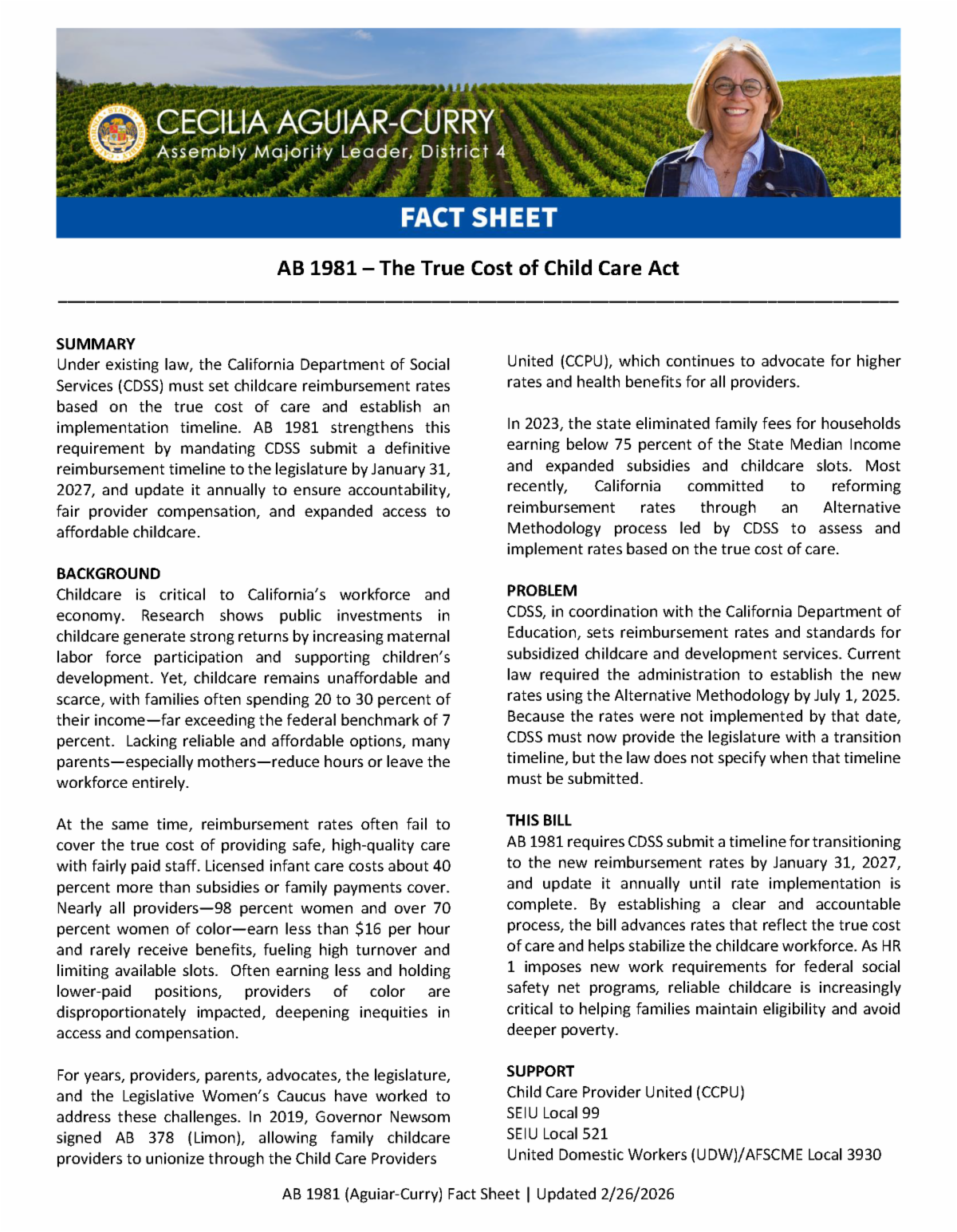
AB 1981 (Aguiar Curry) Subsidized childcare: reimbursement rates: reporting


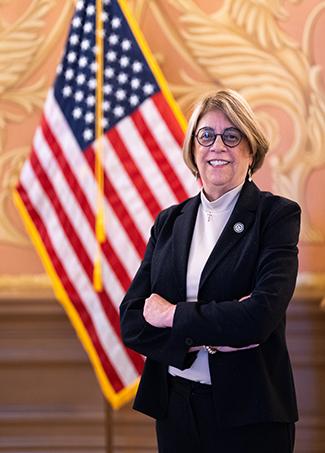
Author: Assemblymember Aguiar Curry


In November 2016, Cecilia Aguiar-Curry was elected to the California Assembly to represent the 4th District, which includes all of Napa, Lake, Yolo, Colusa Counties and part of Sonoma County.


Cecilia grew up in western Yolo County and has long served her community. After going to school and working in the Bay Area for several years, she moved back to her hometown of Winters, where she almost immediately became active in the local community and a regional leader on several issues. She first served as planning commissioner and then was elected to the city council, eventually serving as the first female mayor of Winters.

Important Dates, Deadlines,

Hearings, and Bills

Dates & Deadlines:

  • June 15 - Budget bill must be passed by midnight 
  • June 25 - Last day for a legislative measure to qualify for the Nov. 3 General Election ballot
  • July 2 - Last day for policy committees to meet and report bills. Summer Recess begins upon adjournment, provided Budget Bill has been passed.


This Week's Hearings for TFC-Tracked Bills:


Legislative Resources:

  • See the tentative 2026-27 Legislative Calendar here.
  • Visit TFC's Legislation Page to find a comprehensive list of bills of interest.
  • Visit TFC's Budget Page for full budget bill details, as well as budget hearing video archive links.
  • Click here to view all the bills that the Assembly and Senate introduced this legislative year.
  • Click here to view legislative committee information, rules, and position letter deadlines.

Did You Know?

Child Care Q&A's


NOTE: If you have a question you would like answered or researched, please email.


Question: How much paperwork do families often have to complete just to enroll a child in care?


Answer: Families enrolling a child in care are often required to complete dozens of pages of forms, many of which must be printed, signed by hand, and submitted in person. For working parents—especially those juggling jobs, transportation, and appointments—these paper-only requirements can delay enrollment and make it harder to secure care when they need it most.


Allowing families to complete and submit forms electronically can remove unnecessary barriers and help children access care faster. SB 902 (Grayson) would allow electronic signatures on child care forms so families can complete the forms wherever they are at.

Federal Update

Updates on CCDF and Federal Proposed Rule Posted to TFC's Webpage


Click here to be directed to our website page that will be continually updated with the latest news. The newest update includes:

Click here to read the most recent weekly federal update from the National Women's Law Center.


Federal Government Update  

After a marathon 18-hour vote, Senate Republicans advanced roughly $70 billion in funding for immigration enforcement agencies that had been carved out of an earlier funding deal to reopen the rest of the Department of Homeland Security. The funds would extend through the remainder of President Trump's time in the White House.


One Republican, Sen. Murkowski (AK), voted against it.


Democrats were hoping to force negotiations over reforms to immigration enforcement practices, including restrictions on face-coverings and a body camera mandate, after federal agents killed two American citizens in Minnesota earlier this year. The fight led to the longest agency shutdown in U.S. government history. The Department of Homeland Security was shuttered for 76 days.


The package now heads for a vote in the House of Representatives, which could happen as early as next week. More: Senate Republicans pass immigration funding after overnight vote : NPR 


There is still time to urge your Representative to reject this funding: Children's Advocates to Congress: Additional Funding for DHS is a Cruel Misuse of Public Funding and a Direct Attack on Children and Families

⇒ Take Action: Tell Congress: Support Families - Not ICE (NWLC)

⇒ As a reminder, there are lots of resources you can use for digital and in-person pushback to Members in the Not One More Dollar Resource Hub.


Fraud Narrative


This week, the US House voted on and passed a set of harmful child care bills on the House floor. 


Ahead of the vote, the Child Care for Every Family Network (CCEFN), NWLC, NAEYC, National Association for Family Child Care (NAFCC), MomsRising, and CLASP sent our sign-on letter and additional materials to every Representative. Thanks to your advocacy, together we limited the bipartisan support to only 4 Democrats.


More:


Take Action

From CLASP, CAP, NAEYC, and NWLC:


As you may have seen, on May 12th, the U.S. Department of Health and Human Services (HHS) issued a proposed rule for Head Start rescinding requirements from the 2024 final rule, which aimed to improve Head Start staff wages and benefits.


CLASP, CAP, NAEYC, and NWLC have developed a template to support the submission of a public comment in opposition of the proposed rule, which would undermine progress toward supporting the Head Start workforce, risk deteriorating the high standards Head Start is known for achieving, and strip access from some of the nation's most vulnerable families.


It is important that HHS hears from you about how this proposed rule may impact you and your state, and that you add your unique perspective to this comment so that HHS will count it as a distinct individual submission. To help with this, the template includes opportunities to modify and personalize your response. Comments are due by 11:59 pm Eastern Time on June 11th, 2026.  


Please also join us in signing a community letter opposing this proposed rule, particularly if you do not have the capacity to add your perspectives to the template. This will be open for organizations to sign on to but not individuals. Your organization can submit your own comment and sign on to other comments if you would like.  


Please see the link for the public comment, sign on, and instructions for submission below. The link to submit your comment can be found here, due by 11:59 pm Eastern Time on June 11th, 2026. 


Policy Brief - The Real Cost of Rolling Back Head Start Wage Requirements


From the National Institute for Early Education Research (NIEER):


A new NIEER policy brief concludes that rolling back Head Start wage requirements could reduce Head Start's capacity to fulfill its mission. On May 12, 2026, the Office of Head Start published a Notice of Proposed Rulemaking (NPRM) proposing to rescind 2024 Head Start teacher wage regulations. The regulations required the creation of wage scales and progress toward pay parity by 2031, with Head Start salaries reaching public pre-K levels or 90% of kindergarten teacher pay.


The new report, "The Real Cost of Rolling Back Head Start Wage Requirements," authored by NIEER’s Morgan Healy, Rachel Fidel, and Steve Barnett, sheds light on the relationships linking inadequate teacher pay to staff shortages, lower quality, and weaker child outcomes. It includes state-by-state data, including comparisons between Head Start and K-12 teacher salaries.


The Real Cost of Rolling Back Head Start Wage Requirements


 Brief - What’s at Stake for Families as Federal Child Care Funding Faces Cuts


From the Georgetown Center on Poverty and Inequality (GCPI):


This week, GCPI released “What’s at Stake for Families as Federal Child Care Funding Faces Cuts”. This brief explains the vital role of the Child Care and Development Fund (CCDF) in supporting working families who struggle with the high cost of child care in the United States. Amid recent federal proposals to cut funding and implement new restrictions, millions of families are forced into an impossible dilemma: needing to work to support their families while being unable to afford the care that allows them to work.


 Some of the key findings of the brief include: 

  • Child care in the U.S. is unaffordable for most families. 
  • The Child Care and Development Fund (CCDF) is the largest federal support for child care, but it serves far fewer families than need help due to funding and eligibility limits.
  • Recent federal actions—like funding freezes and new administrative burdens—threaten to make access even harder and destabilize providers.


This brief recommends strengthening the CCDF because of the program’s essential role in addressing such a substantial need for families across the country. 


This brief informs advocates and policymakers about the basic structure and function of CCDF, providing them with the timely information they need to understand recent and upcoming changes to the program. At a time when child care costs are skyrocketing, the piece makes the case for policymakers to bolster the program to help families overcome barriers to affordable child care. 

Most Viewed Bills of the Week:


1.H.R.4818 [118th] Treat and Reduce Obesity Act of 2023

2.H.R.3633 [119th] Digital Asset Market Clarity Act of 2025

3.H.R.1 [119th] An act to provide for reconciliation pursuant to title II of H. Con. Res. 14.

4.H.R.2616 [119th] Stopping Indoctrination and Protecting Kids Act

5.H.R.6644 [119th] 21st Century ROAD to Housing Act

6.H.R.22 [119th] SAVE Act

7.S.3516 [118th] A bill to impose a fee on certain remittance transfers to fund border security.

8.S.4487 [119th] Veterans Compensation Cost-of-Living Adjustment Act of 2026

9.H.R.5269 [119th] RESULTS Act

10.H.R.8046 [118th] Rosatom Sanctions Enforcement Act

R&R Network and Thriving Families CA Foundation 2026 Joint Annual Conference - Call for Presentations NOW OPEN! Submit before June 5th!

Call for Presentations NOW OPEN! Deadline extended until June 12th!


Submit a Workshop Proposal Today!

We invite you to submit a workshop proposal to this year's Joint Conference. Please see the 2026 Call for Presentations Announcement  for more information.


Please share this Call for Presentations email with others whose workshops would benefit conference attendees and in line with the guidelines and audience described in the document. 


Workshop proposals are due, Friday, June 12th.


2026 Conference

Save the Date and join your peers for an amazing 2026 Joint Conference!

After thoughtful consideration and reflection on participant and committee feedback, we will be moving to a 100% in-person format for 2026, rather than offering a hybrid option as in previous years. In-person gatherings continue to provide the highest levels of engagement, connection, and overall satisfaction—and we want to ensure the best possible experience for all attendees.


Over the past year, we also observed limited participation in the virtual offering. As a result, we’re focusing our efforts on delivering a dynamic, fully in-person event that maximizes learning, collaboration, and meaningful relationship-building.


To accommodate this shift, we are increasing overall in-person conference capacity.


We appreciate your understanding and partnership as we work to create an engaging and inclusive conference experience for all.


More details, including registration timelines, will be shared soon—we look forward to seeing you in person!


Visit the Conference Webpage for more information as it becomes available.

CDSS & CDE Upcoming Events

Early Childhood Policy Council Meeting Notice and Agenda


Greetings,

Please join us for our June meeting of the Early Childhood Policy Council.

Tuesday, June 9, 2026

10:00 a.m. – 12:00 p.m.

Physical Meeting Information:  

1000 G Street, Sacramento, CA 95814

WestEd, 5th floor, Capitol Room

Virtual Meeting Information:

Please use this Zoom link to register in advance for the meeting

After registering, you will receive a confirmation email containing information about joining the meeting

1. Introduction

  • Review meeting protocols
  • Welcome
  • Review of agenda

2. Provide Input to Draft Council Recommendations

  • Share draft Council recommendations under development
  • Seek input from Advisory Committee members

3. General Public Comment

4. Adjourn

CDSS & CDE Information & Updates

California Launches SUN Bucks for Summer 2026


The California Department of Social Services (CDSS) is deeply appreciative of our staff and many partners for their continued work in fighting childhood hunger. With this goal in mind, we are happy to announce the return of the SUN Bucks food program this summer!

Access Governor Gavin Newsom’s related news release in English and Spanish as well as a CDSS video message in English and Spanish.

SUN Bucks provides families $40 per month for food in June, July, and August ($120 total) when children have limited access to school meals.

SUN Bucks cards, which work just like CalFresh benefits, will begin arriving in late May and will continue to be delivered through this fall.

CDE: Eligibility and Priority Frequently Asked Questions


Attention: Executive Directors and Program Directors of All California State Preschool Programs and Other Interested Parties

The California Department of Education (CDE), Early Education Division (EED), has updated the Eligibility and Priority Frequently Asked Questions (FAQs) web page which can be accessed at https://www.cde.ca.gov/ci/gs/em/eligandpriofaq.asp.

The FAQs are regarding eligibility and priorities for enrollment in California State Preschool Programs (CSPP). Current topics included are:

  • Transfers between General Childcare and CSPP
  • 24-Month Eligibility
  • Children with Exceptional Needs Eligibility and Priority
  • Pilot Counties
  • CSPP Neighborhood School Eligibility Based on Neighboring Elementary Schools Free or Reduced-Price Meals Status
  • Eligibility and Priority
  • Priority Order for Head Start Collaborative Programs


The Eligibility and Priority FAQs web page can be accessed from the Contractor Information Resources web page, found at https://www.cde.ca.gov/sp/cd/ci/.

Social Media Spotlight

Follow TFC on social media!

We would love for you to tag us in your posts and use the hashtag #TFC2025

Facebook  Instagram  LinkedIn  X

On Our Reading List

CalFresh eligibility changes on June 1. Here's what to know

Beginning Monday, new requirements will be implemented for recipients of CalFresh as part of the federal government's new eligibility.


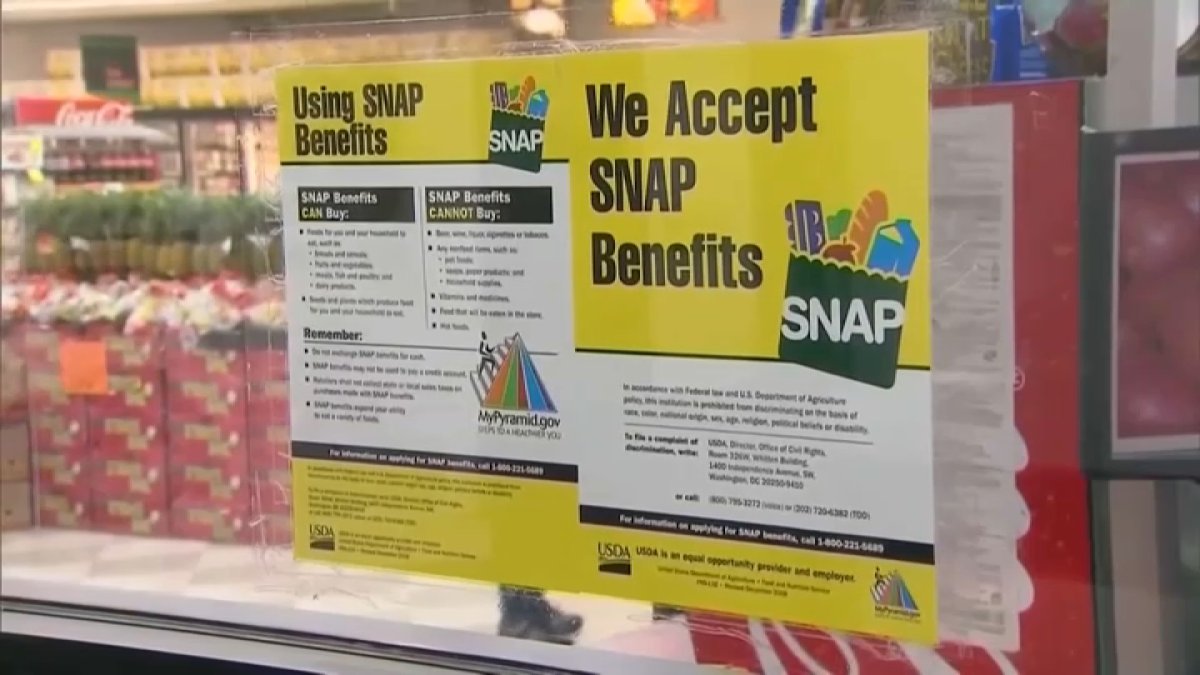
Applicants for CalFresh, the state’s Supplemental Nutrition Assistance Program (SNAP) program, will now have to satisfy certain work requirements to keep their benefits. The move comes under the Trump administration’s “One Big Beautiful Bill.”


The modified eligibility is for what the bill describes as able-bodied adults, or adults ages 18 to 64 whose physical or mental health does not interfere with their ability to work. Those applicants will be required to work or volunteer at least 20 hours a week to keep their benefits.


The new eligibility takes some things into consideration, making exceptions for the following individuals:

  • Caring for a person with a disability
  • Getting or applying for unemployment benefits
  • Going to school, college, or a training program at least half-time (although additional student eligibility rules may apply)

Information & Updates

Happening This Week, June 8 - 12, 2026: 


Tuesday, June 9th:

Wednesday, June 10th:

  • TFC Board Meeting from 8:30am-10:30am
  • Parent Voices & CCPU Day of Action 
    

Thriving Families CA Foundation is committed to supporting our field with a coordinated calendar. Click here to see our current calendar of events. If you have an event to add, email us and it will be added.

The Weekly Good

An uplifting way to start the week, for those of us who need a break from the chaos that is our lives.

During this time where we are all stressed, it would be great to celebrate the positive. Each week we will celebrate everyday heroes, inspiring movements and great things happening in our field. 

Quick Links


- Join TFC Today!

- Legislative Information

-Job Announcements

-TFC Website

-Support TFC

June 2026 Featured Member

Highlight


Human Response Network

Human Response Network is a private, community-based, nonprofit organization that serves Trinity County in Northern California with a wide array of social and educational services.

​

Established in 1980 by women determined to provide needed resources to families in Trinity County, HRN is dedicated to protecting each person's right to live in safety with dignity. The agency grew out of a grassroots movement to provide support to women and children who were victims of domestic violence, abuse, or sexual assault. Since then, HRN has expanded its role in the community to include a variety of services for children, individuals, and families of all types and sizes.  


Get to know them and the full scope of their work and how they are supporting the needs of family child care providers and families in Trinity county.

The Thriving Families CA (TFC) Foundation is dedicated to strengthening families via connections to child care and other essential services that are critical to breaking the cycle of poverty and achieving economic self-sufficiency. Our community-based programs and services are located in each of California’s 58 counties and are uniquely positioned to address the complex and evolving needs of underserved and marginalized populations. Every day, our membership verifies and provides subsidies for tens of thousands of impoverished working families to access child care needed to support employment and a robust workforce, as well as comprehensive wraparound supports—including food security, stable housing, transportation, mental health services, domestic violence intervention, home visiting, health care access, legal assistance, and immigration support. Learn more about our network of 70+ public and private community-based organizations here.

TFC Member Only Benefits


Not a member?

Find out how to join today!

TFC Weekly Member Connections via Zoom:

Our commitment to you is to have scheduled at least once per week a call wherein we can all connect. As questions arise, forward them to TFC so that we can address them on these calls. Look for a weekly email to register. Recording and Q&A will also be posted on the Member's Only page. 

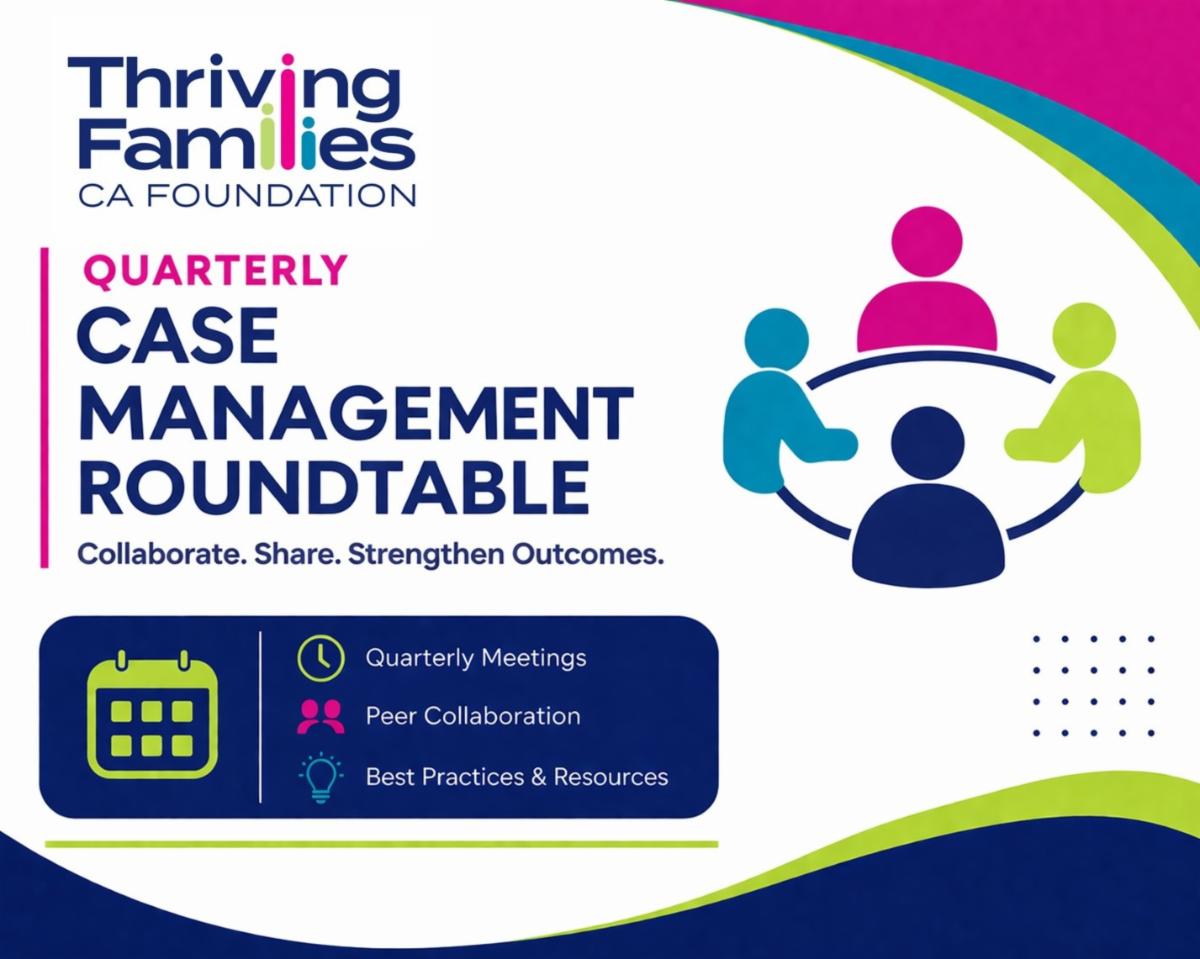
We’re excited to introduce a new member benefit designed to support connection, learning, and shared success across our network—our Quarterly Case Management Roundtable.

This interactive series brings together professionals from across the field (via Zoom) to engage in meaningful conversations, exchange ideas, and strengthen practices that support families and communities.


Email for more information and registration.

Job Descriptions and Salary Information

TFC has collected more than 85 job descriptions from member agencies that you can view and use when you create your agency's next job posting!


Visit the Member's Only website to view today!

Best Practices

TFC has been working on Best Practices and policies to support you.


Visit the Member's Only website to view today!

TFC's 2025-26 Board of Directors

PRESIDENT

Rev. Gina Fromer, Ph.D.

GLIDE


VICE PRESIDENT

Michelle Graham

Children's Resource & Referral of Santa Barbara County 


SECRETARY

LaVera Smith

Supportive Services, Inc. Fresno


TREASURER

Beth Chiaro

Child Care Resource Center


PAST PRESIDENT

Rick Richardson

Child Development Associates


PUBLIC POLICY CHAIR

Phillip Warner

Children's Council of San Francisco


MEMBERSHIP CHAIR

Adonai Mack

Child Action, Inc.


MEMBERS AT LARGE

Teri Sedrick

North Coast Opportunities, Inc.


Jeanne Fridolfs

Napa County Office of Education


Joie Owen

Valley Oak Children's Services


Karen Marlatt

Valley Oak Children's Services 


Jessica Kranz

Go Kids, Inc.


Mike Michelon


Daniel Johnson 

Davis Street Community Center


Denyne Micheletti

TFC CEO


The representation of the TFC Foundation board spreads across all agency types and sizes, and represents voices from nearly every region in California.

Click Here to see.

DSS & CDE Updates


May 11, 2026

CCB 26-13:

Fiscal Year 2026-27 Child Care And Development Support Initial Contract Award Allocations


CCB 26-12:

Fiscal Year 2026-27 (CAPP, CMAP, and CFCC) Voucher Based Child Care


CCB 26-11:

Fiscal Year 2026-27 Direct Service Child Care And Development Initial Contract Award Allocations


CCB 26-10:

Fiscal Year 2026-2027 California Work Opportunity And Responsibility To Kids Initial Contract Allocations

May 8, 2026:

CCB 26-09: Expiration of the Coronavirus Disease Of 2019 (Covid-19) TrustLine Retroactive Payment Limits Temporary Waiver

April 24, 2026


CCB 26-08: IMPLEMENTATION OF ASSEMBLY BILL (AB) 753


April 13, 2026

CCB 26-07:

Guidance For Reporting Dual Language Learner Data

March 24, 2026:

CCB 24-22E: Erratum to California Resource and Referral Monitoring Tool Implementation


March 17, 2026
CCB 26-06: PROCESS FOR CONTRACTING AGENCIES TO MOVE FROM PROVISIONAL CONTRACT TO CLEAR CONTRACT STATUS

March 4, 2026


CCB 26-03: ELIGIBILITY AND ENROLLMENT FOR MIGRANT CHILD CARE AND DEVELOPMENT PROGRAMS

Job Openings

Is Your Organization Hiring?

Post your job announcement here for thousands to see!

There is no charge for TFC members.


Non-members will be charged a fee of $75.

Please email us your posting!


--Child Care Case Manager & Support Specialist

--Child Care Case Manager

--Teacher Aide

--Primary Care Teacher

--Maintenance/

Facility Technician

Glenn County Office of Education


Multiple Opportunities Available

CDA San Diego


Provider Specialist (Spanish Speaking)
Hively


Multiple Positions Open
4Cs of Sonoma County


Urgent Hire - Mental Health Associate - Los Angeles, CA 90041 - Indeed.com

California Children’s Academy


Advocacy Manager Catalyst Family Inc.


--Resource and Referral Specialist I

--Clerical Assistant – Front Desk

--Family Services Specialist I

--Provider Services Specialist I

Solano Family & Children's Services


Center Director

Early Development Services, Santa Barbara County


-Finance Director

-Center Director at Roosevelt

Davis Street


-Child Care Case Manager & Support Specialist

-Child Care Case Manager

Glenn County Office of Education


Family Advocate

YMCA of San Diego County


Pathways LA- Multiple Job Openings

Nutritional Aid, Child Care Provider Training Coordinator, Child Care Case Worker,

Preschool Associate Teacher, Child Care Professional Dev. Coach and Payment Processor

Of Interest

Childcare Providers Begin Receiving Measure C Funds


California’s Persistent Poverty Crisis: 2024 Rates Remain Alarmingly High


Experts Talk Costs and Supply in California’s Child Care


Apprenticeships Aimed at Boosting Child Care Careers Have Been Flourishing


Childcare Costs and the Shifting Economic Landscape: Investment Opportunities in a Post-Pandemic World


Field Happenings and Resources


Recognizing how our agencies continue to engage and communicate with families and providers.


Del Norte Child Care Council March Newsletter


4Cs of Alameda Current Newsletter

Upcoming Valley Oak Children's Service Events


4Cs Sonoma Upcoming Events


Connections for Children Upcoming Events


Hively Upcoming Events

Become a Monday 

Morning Update Partner! 

Our Monday Morning Update supports our Early Learning & Child Care field with timely information about what is going on in California and nationally; as well as dates to be aware and upcoming events. 


Our weekly Monday morning distribution is to nearly 10,000 federal and state local agencies, resource and referrals, contractors, legislators and their staffs', centers, parents, providers, state departments and advocates. 


To help support the continuation of this resource and or advertise in the Monday Morning Update, click HERE.


To advertise in the update, click here.


The Thriving Families CA Foundation is a non-profit organization (501(c)3), Taxpayer Identification Number is 03-0521444. Your generous donation is tax deductible.

Thank You to Our Generous 2024-25 Thriving Families CA Foundation Champions!


Thank you to the following Champions who stepped up in 2024-25, with funding to enhance our ability to serve the field. These agencies have made it possible for TFC to support our field with more tailored support of individual organizations, ability to pay for legal, advocacy and social media supports, enhanced regional trainings, improving data collection, and more.

 
Facebook  Instagram  LinkedIn  X