|
AFWA Invasive Species Committee
Invasive Species Quarterly
Newsletter
Resources for Fish & Wildlife Managers | January – March 2026
Q1 2026
| | |
This quarterly update highlights key science, policy developments, tools, and events from early 2026 to support fish and wildlife managers addressing invasive species challenges.
We hope you enjoy this latest issue of our Invasive Species Quarterly Newsletter. As always, please email me if you have any questions, concerns, or would like to chat.
| |
Cheers,
Melanie Steinkamp
P.S. It's a long newsletter! To see the entire newsletter in your browser, you will need to click the View entire message link at the end.
| | |
⚠️ Action Item — Comment Deadline (past): April 13, 2026
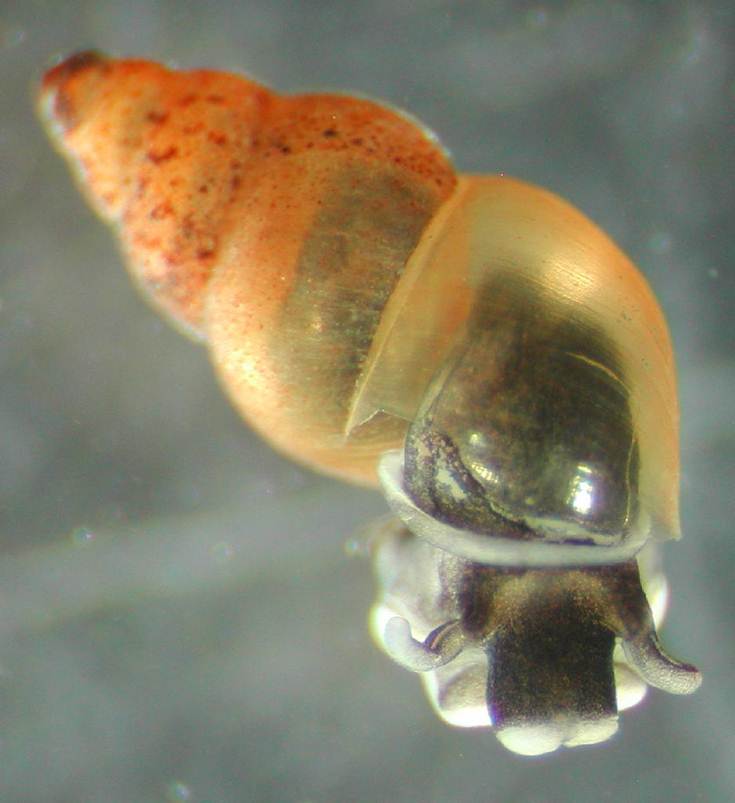
The U.S. Fish and Wildlife Service has announced the availability of the Draft Revised National Management and Control Plan for New Zealand Mudsnail in the Federal Register (published Feb. 26, 2026). The plan guides protection of uninfested U.S. waters through prevention, containment, and where feasible, suppression and eradication. Comments are due April 13, 2026 and can be submitted to the Aquatic Nuisance Species Task Force at anstaskforce@fws.gov. View the draft plan at: fws.gov
| | 🔬 Featured Publications — Q1 2026 | |
Selected peer-reviewed work of direct relevance to fish & wildlife managers. Full citations and additional titles appear in the Publications section below.
Basin-Based Management of Freshwater Invasives
Sun, J. et al. (2026) — Nature Reviews Biodiversity
Highlights the need for watershed-scale coordination in managing freshwater invasive species, emphasizing alignment of science, policy, and management across jurisdictions.
Invasive Species Policy in U.S. Islands
Brewington, L. et al. (2026) — BioScience
Synthesizes invasive species challenges across U.S. and affiliated islands, identifying policy gaps, coordination needs, and opportunities for improved federal-state-territorial collaboration.
Using Digital Data to Understand Invasions (iEcology)
Mikula, P. et al. (2026) — Methods in Ecology and Evolution
Demonstrates how online and digital datasets can be used to track invasive species behavior and spread, offering new tools for monitoring and early detection.
Social Success in Invasive Species Management
Graham, S. et al. (2026) — Conservation Science and Practice
Emphasizes that management success depends not only on ecological outcomes, but also on stakeholder engagement, adoption, and social acceptance — an important consideration for practitioner audiences.
Global Review of Water Hyacinth Management
Roberts, J. et al. (2026) — Weed Research
Comprehensive synthesis of the biology, spread, and control of water hyacinth, reinforcing the persistent challenges of managing high-impact aquatic plants globally.
| |
🏛️ Federal Policy & Budget Watch
| |
Army Corps Cancels $1.15 Billion Great Lakes Invasive Carp Barrier Project
April 10, 2026 | E&E Greenwire
The U.S. Army Corps of Engineers moved to cancel a $1.15 billion engineering project designed to prevent invasive carp from entering the Great Lakes through the Chicago waterway system.
Source: E&E Greenwire (subscription required)
Great Lakes Advocates Urge Reauthorization of EPA Restoration Program
April 16, 2026 | E&E Daily
A Congressional hearing this week spotlighted threats facing the Great Lakes, with invasive carp prominently featured in testimony. The hearing comes as the Great Lakes Restoration Initiative, a federal program that funds invasive species control, coastal restoration, and contamination cleanup, is set to expire. Advocates urged lawmakers to reauthorize the program, warning that lapsed funding would undermine years of progress on aquatic invasive species management and ecosystem rehabilitation.
Source: E&E Daily (subscription required)
Senate Committee Examines Great Lakes Restoration Priorities
April 13, 2026 | E&E Daily
The Senate examined Great Lakes restoration priorities this week, with invasive species identified as a key driver of rehabilitation needs alongside coastline restoration and contamination remediation. The hearing signals continued Congressional interest in the basin's health.
Source: E&E Daily (subscription required)
FY2027 Budget: $1 Billion Proposed for Great Salt Lake — Includes Invasive Species Removal
April 2026 | White House OMB / E&E News
The administration's FY2027 budget proposal includes $1 billion directed at the Great Salt Lake, proposing a comprehensive federal program to target water flows, restore ecosystems, remove invasive species, and address toxins in the exposed lakebed. The lake has faced significant decline due to persistent drought and overuse.
Source: Great Salt Lake Collaborative
Lee Introduces Bill to Study Hydropower and Invasive Species Risks at Glen Canyon Dam
January 29, 2026 | Senate Committee on Energy and Natural Resources
Legislation addressing hydropower performance at Glen Canyon Dam also includes provisions targeting invasive species in the region downstream of Lake Powell. The bill was taken up in Senate committee hearings in both January and February.
Source: Senate Committee on Energy and Natural Resources →
Grazing Lands in "Health Spiral" — Invasive Plants a Key Factor
March 27, 2026 | E&E Greenwire
A new assessment highlighted that federal grazing lands are increasingly infested with invasive plants rather than intact native plant communities, contributing to a broader decline in rangeland health across public lands.
Source: E&E Greenwire (subscription required)
Snails and Invasive Insects Threaten Southern Rice and Crawfish Farms
February 9, 2026 | E&E Climatewire / AP
Apple snails and other invasive arthropods are causing significant agricultural losses in Louisiana and other Southern states, threatening rice and crawfish farming operations and underscoring the economic stakes of agricultural biosecurity failures at a regional scale.
Source: E&E Climatewire / AP (subscription required)
| |
NISAW 2026: Record-Breaking Awareness Campaign Concludes
March 9, 2026 | NAISMA / PRWeb
NAISMA successfully concluded National Invasive Species Awareness Week 2026, themed "Defending Our Health by Stopping the Spread." The campaign produced over 702 media mentions reaching more than 3.5 million people, the most widely amplified in the event's history. Social media alone generated 32,439 interactions. A Congressional briefing on Capitol Hill convened legislative staff and federal partners to discuss science-based strategies and policy solutions. The estimated annual cost of invasive species to the U.S. is approximately $219 billion per year, affecting agriculture, fisheries, forests, and human health.
Source: PRWeb →
Interior Dept. Report Reveals Sci-Fi Tactics to Fight Invasive Species
March 9, 2026 | The Wildlife Society
A new U.S. Department of the Interior report reveals that federal wildlife managers are using advanced tools, including robotic bunny decoys, ultraviolet light, and lab-bred mosquitoes, to combat invasive species. The report introduced new SMART metrics to track management progress and also highlights use of drones, environmental DNA (eDNA), and platforms like iNaturalist and iMapInvasives.
Source: The Wildlife Society →
| |
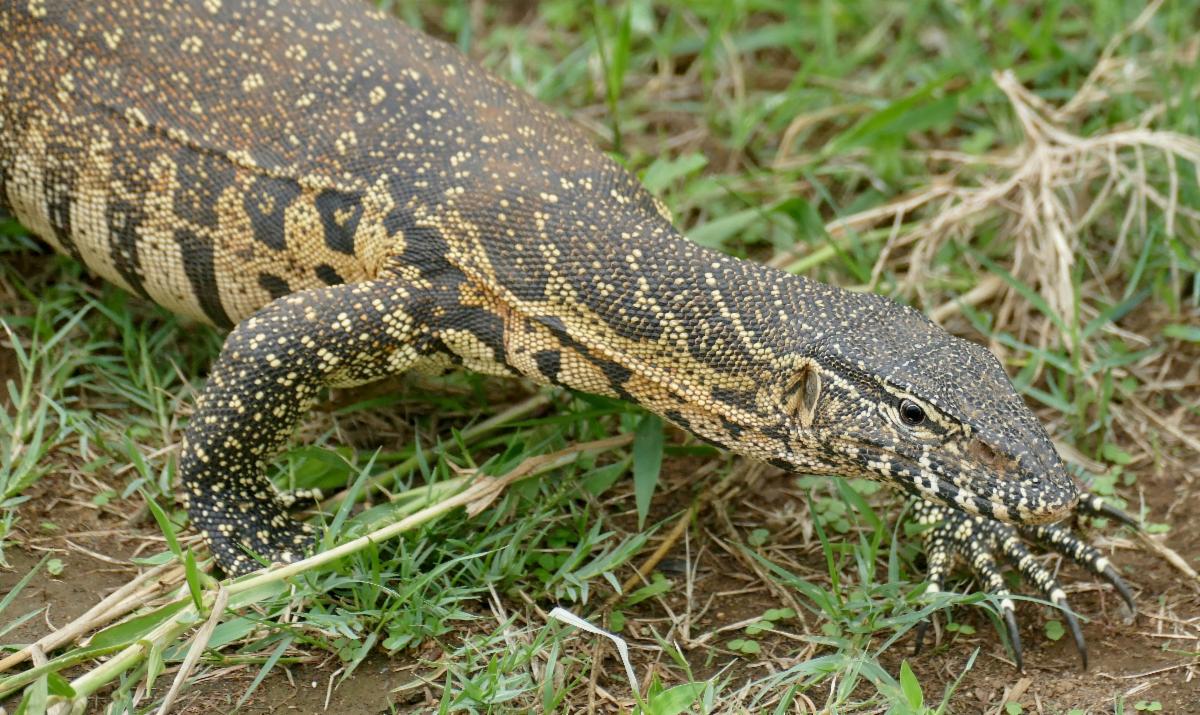
Nile Monitors Spreading Across South Florida
March 9, 2026 | Local 10
Nile monitors - large lizards capable of reaching 7 feet and 20 pounds - are spreading across Miami-Dade, Broward, Palm Beach, and Lee counties. Notoriously difficult to spot and capture, the Florida Fish and Wildlife Conservation Commission is monitoring local breeding populations with thousands of reported sightings, though only a handful have been caught since 2020.
Source: Local 10 →
New York State Awards $5M+ for Invasive Species Prevention Projects
March 30, 2026 | WAMC
New York Stateʻs Department of Environmental Conservation is distributing more than $5 million to 51 projects statewide to mitigate the impact of terrestrial and aquatic invasive species. In the North Country, the Town of Tupper Lake will receive $75,000 for a spread-prevention initiative involving boat stewards at high-risk aquatic entry points.
Source: WAMC →
California Golden Mussel Crisis: Spread Reaches Riverside County
January–February 2026 | Maven's Notebook
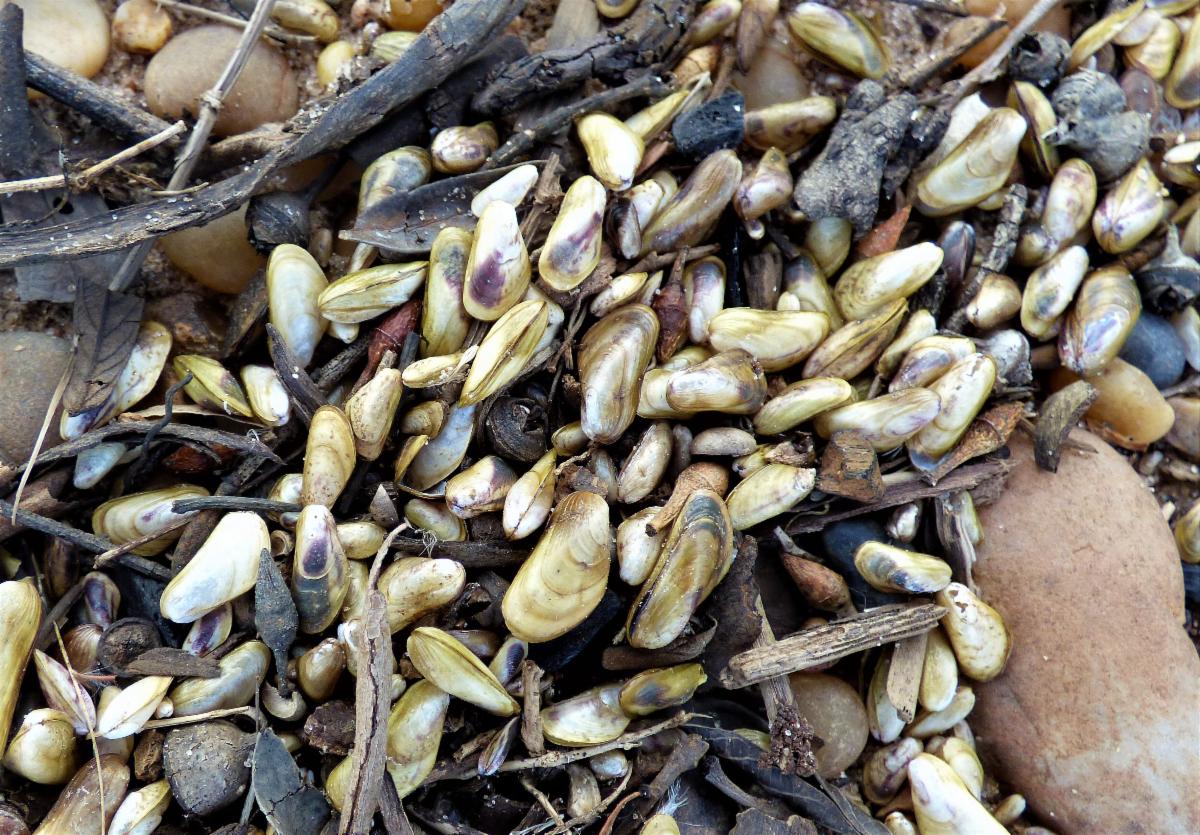
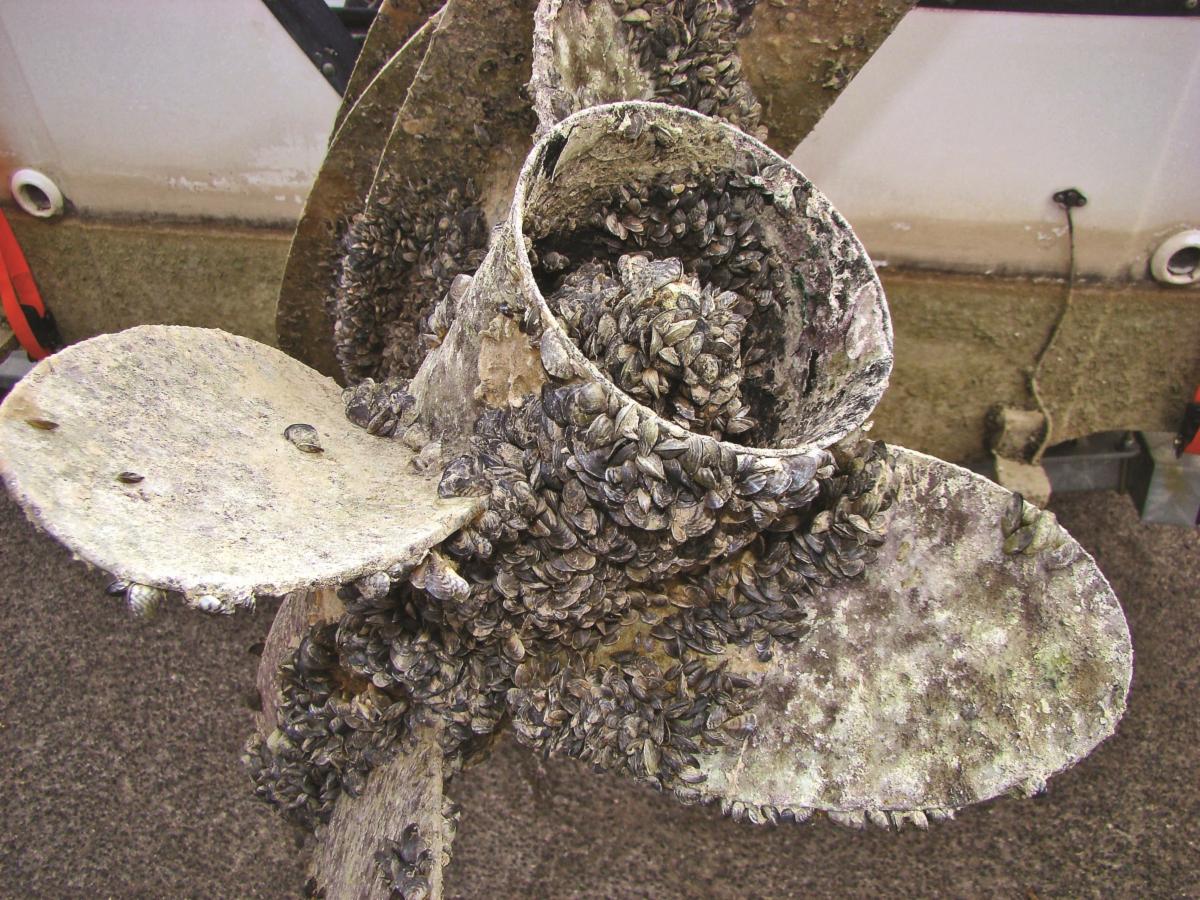
Since its first North American detection in Stockton in October 2024, the golden mussel (Limnoperna fortunei) has spread as far south as Riverside County. Eradication is now considered infeasible; the goal is to protect uninfested water bodies. Preventing mussel spread into the California Aqueduct system remains a major challenge, as currently available technology to prevent mussel transfer is limited. The California State Lands Commission adopted emergency ballast water management regulations in 2025 in response.
Source: Maven's Notebook →
California to Treat Delta Waterways for Invasive Water Hyacinth
March 6, 2026 | The Record
California is moving forward with treatment of Delta waterways near Stockton to control invasive water hyacinth (Pontederia crassipes), a floating aquatic plant that degrades water quality, obstructs navigation, and disrupts native ecosystems.
Source: The Record →
Hawaii Agriculture Officials Respond to Invasive Species Concerns
March 6, 2026 | Hawaii Public Radio
State agriculture officials publicly responded to growing concerns about invasive species threatening Hawaii's agriculture and natural resources, highlighting the ongoing challenges of island biosecurity.
Source: Hawaii Public Radio →
Crapo-Welch Bill to Streamline Boating Registration Fees
March 2026 | U.S. Senate
Senators Crapo and Welch introduced legislation (S.3985) to streamline boating registration fees. The bill restores states' authority to collect invasive species prevention fees at the point of boat registration, a development relevant to preventing the spread of invasive species through watercraft management. programs.
Source: Sen. Crapo's Office →
Virginia Enacts Package of Invasive Plant Laws
April 2026 |Virginia Conservation Network
Virginia's Governor signed four bills into law in April 2026, making Virginia one of the more active states this session on invasive plant policy. The legislation addresses the problem on multiple fronts:
- HB109 closes a longstanding loophole that had prevented the state from adding a plant to its Noxious Weeds List if it was already being commercially grown or sold in Virginia.
- HB88 requires the Virginia Department of Transportation to develop a plan for controlling invasive plants along the state's 63,000 miles of roadways.
- HB388 / SB89 (companion bills) expand the powers of local public service districts to include invasive plant treatment and control, giving localities a new funding mechanism to address the problem in their communities.
- SB163 allows trained volunteers to apply herbicides on state lands under authorization, extending a tool previously available only at the local level.
The package was driven by grassroots advocacy from regional invasive species partnerships and conservation groups. Invasive plants are estimated to cost Virginia up to $1 billion per year in economic losses.
Sources: Environment America & Virginia Legislative Information Session →
Southeast U.S. as an Arthropod Invasion Gateway
January 22, 2026 | Entomology Today
A new two-volume special issue of Florida Entomologist documents 450 adventive arthropod species detected in Florida from 1990–2023, including 291 never previously recorded on the continent or hemisphere. The issue calls for stronger regional research to keep pace with accelerating biological threats and outlines a modern biosecurity framework integrating prevention, early detection, sustainability, and integrated pest management.
Source: Entomology Today →
| |
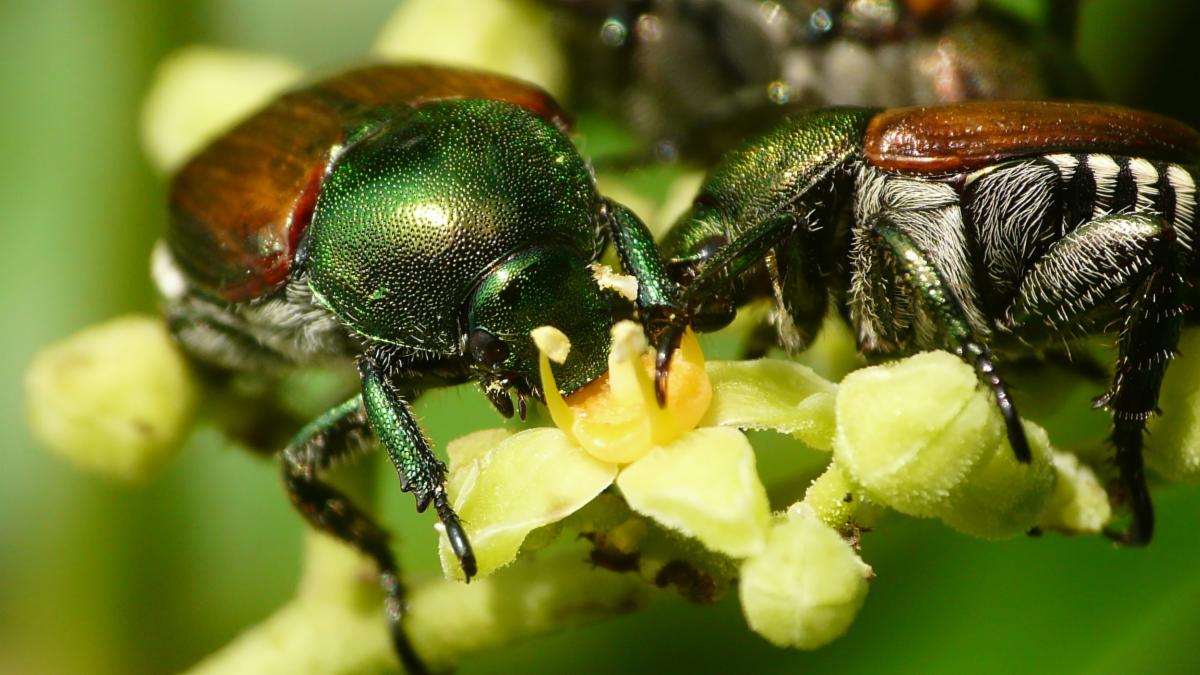
New Biocontrol Monitoring Techniques for Japanese Beetles
January 7, 2026 | Entomology Today
Researchers at Michigan State University refined qPCR techniques to improve the detection of Ovavesicula popilliae, a biocontrol parasite deployed against Japanese beetles at Midwest cargo airports since 2017 - as an effort to prevent westward spread into agricultural regions.
Source: Entomology Today →
Improved Assessment Framework for Invasive Species Ecosystem Impacts
March 11, 2026 | CNRS / myScience
An international team of scientists led by a CNRS researcher developed EEICAT (Extended EICAT), expanding the IUCN's existing Environmental Impact Classification of Alien Taxa standard by integrating 12 previously missing ecological impact types into the assessment framework, improving how managers can evaluate the full scope of invasive species impacts on ecosystems.
Source: myScience / CNRS →
| |
USGS EcoNews — Winter 2026 (Vol. 7, Issue 1) Now Available
Winter 2026 | USGS Biological Threats & Invasive Species Research Program
The USGS Biological Threats and Invasive Species Research Program's Winter 2026 edition of EcoNews is available, covering invasive species management and biological threats research updates from across the program.
Source: USGS →
USGS eDNA Research in Colorado River for Invasive Fish Detection
February 20, 2026 | USGS
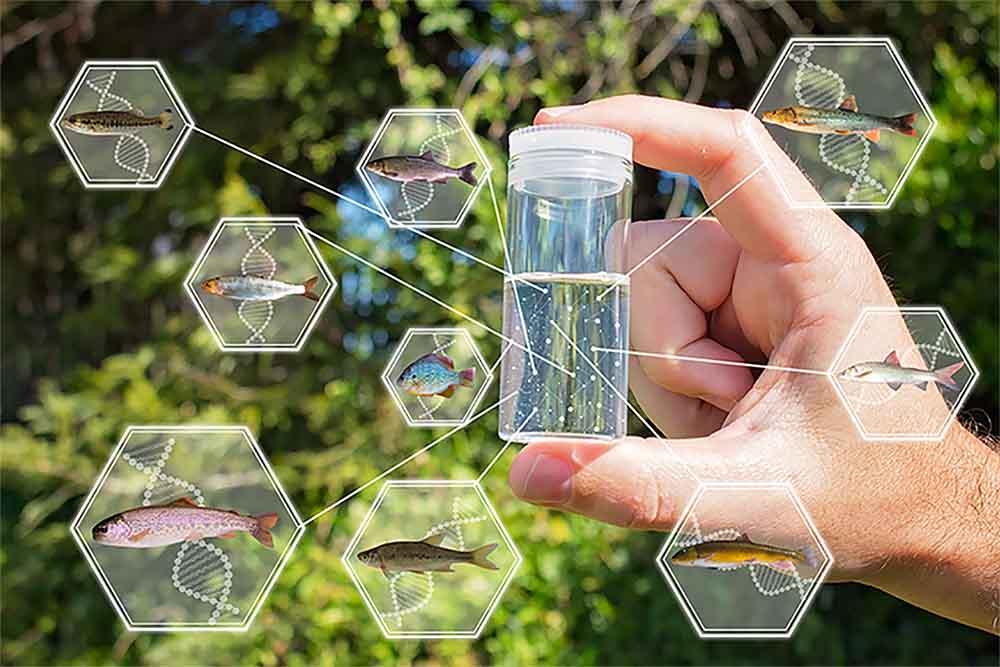
USGS and partners are conducting environmental DNA (eDNA) research in the Colorado River downstream from Glen Canyon Dam and in Lake Powell to detect invasive fish species before they become established. The effort demonstrates eDNA as a cutting-edge tool for early detection in vast or hard-to-survey environments.
Source: USGS →
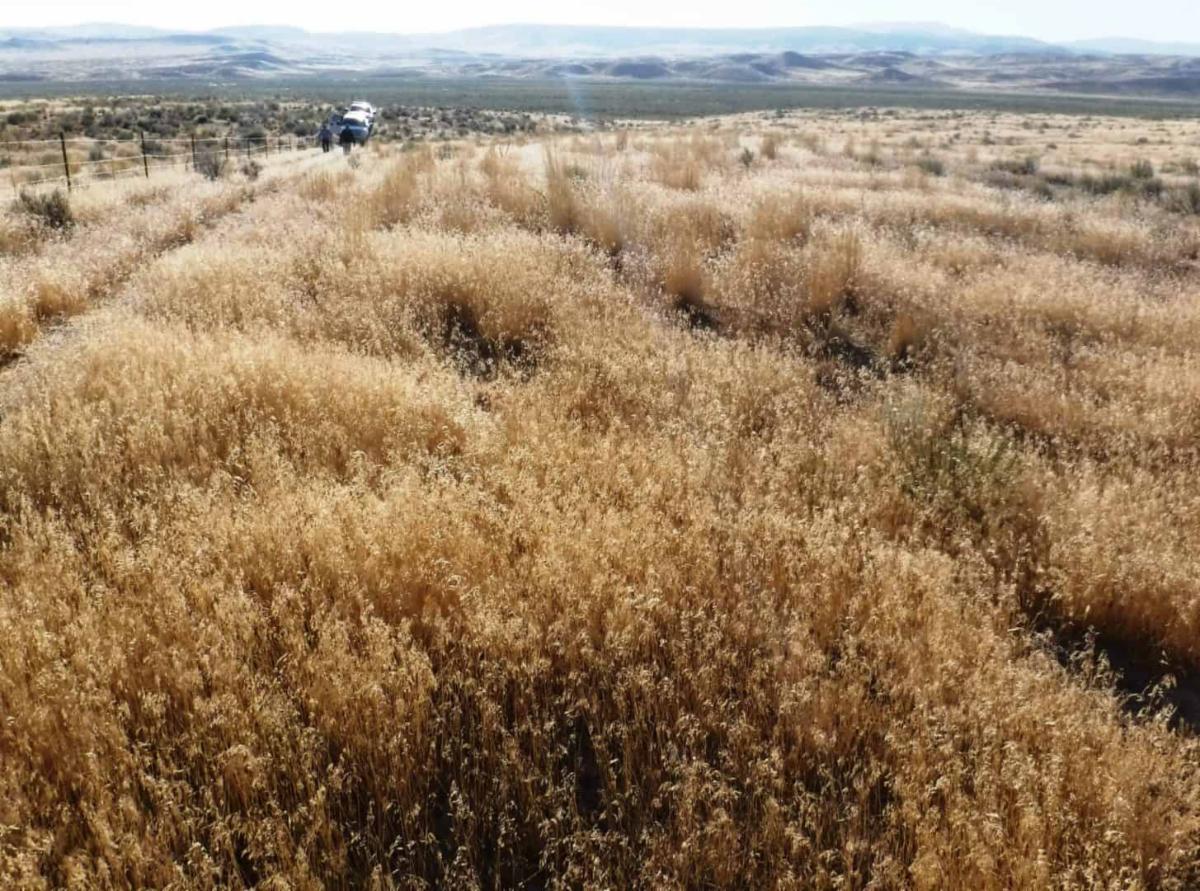
USGS Sagebrush Science: Three Key Invasive Grass Studies
2026 | USGS
USGS released three highly relevant sagebrush biome studies: (1) A matter of timing — sagebrush restoration seeding outcomes altered by species responses to warmer spring temperatures and interannual weather variation; (2) A regional simulation modeling framework for evaluating invasive annual grass management across the sagebrush biome; and (3) Annual grass invasion is transforming the sagebrush biome's songbird communities. All three are available on the USGS website.
Source: USGS →
| |
NAISMA Monthly News Archives — November 2025 through February 2026
NAISMA
NAISMA's monthly news archives are available online, including a November 2025 deep-dive on California's invasive species challenges centered on the golden mussel crisis.
naisma.org/category/invasive-species-news →
Cuyahoga Valley Wetlands Restoration — Nature Conservancy, Ohio
2026 | The Nature Conservancy
TNC Ohio is working on wetlands restoration in Cuyahoga Valley National Park, an effort with direct implications for invasive species management in restored habitats.
Source: The Nature Conservancy →
| | |
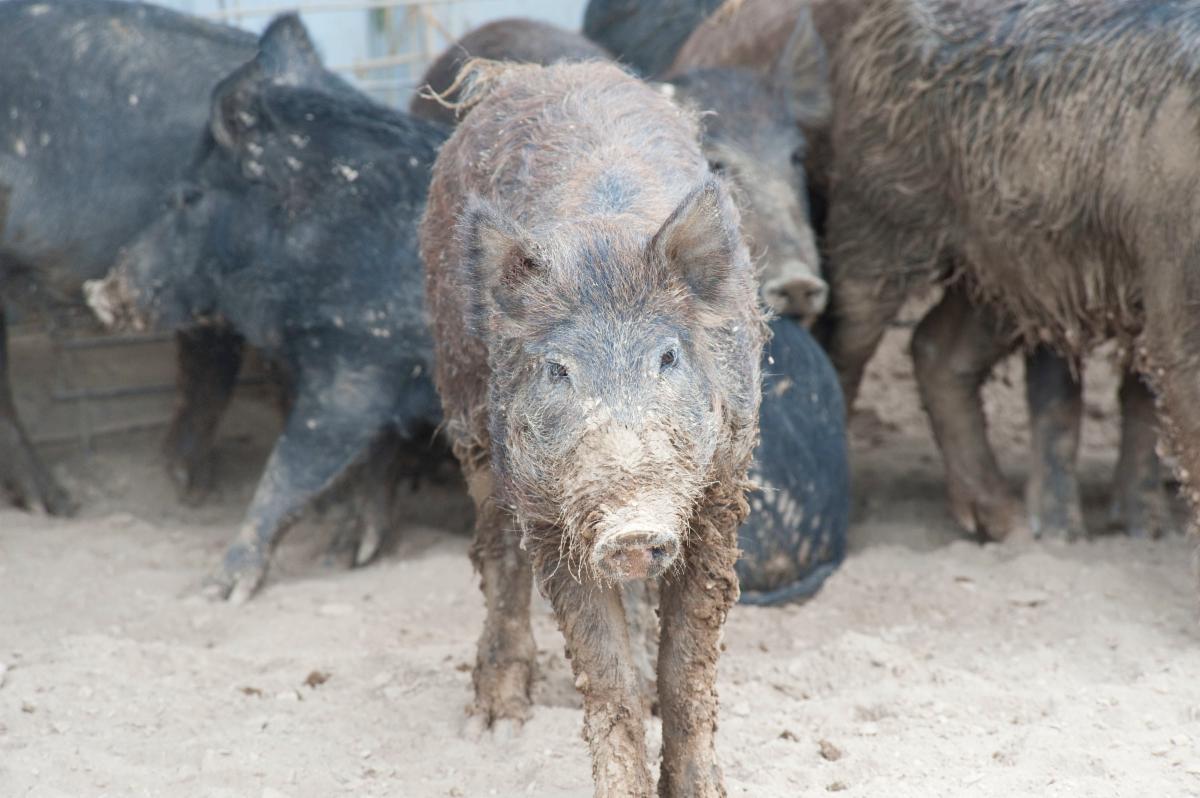
AFWA FERAL SWINE WORKING GROUP: REPORT TO INVASIVE SPECIES COUNCIL
The AFWA Feral Swine Working Group (AFWA FSWG) is now hosting virtual meetings to increase member participation and improve overall effectiveness of the working group. Virtual meetings will be held on the third Wednesdays in January, April, August, and November.
This year, the April virtual meeting will not occur. Instead, the AFWA FSWG will hold a joint in-person meeting with SEAFWA Wild Hog Working Group (SEAFWA WHWG) and the Midwest Feral Swine Working Group (MAFWA FSWG) at the International Wild Pig Conference on April 20 from 5-6pm. Members are encouraged to attend and participate.
The SEAFWA WHWG recently finished a draft position statement regarding wild hog control and eradication at the request of the SEAFWA Wildlife Resource Committee. This position statement, based on sound scientific evidence, strongly asserts that recreational hunting is an ineffective and counterproductive approach to reducing, controlling, and eradicating wild pigs.
The AFWA FSWG is seeking input on ways to strengthen collaboration and cooperation among national and regional working groups. Ideas include developing a comprehensive national/international contact list of wild pig and feral swine professionals and organizations to promote communication as well as holding joint meetings with regional working groups such as MAFWA FSWG and SEAFWA WHWG. Additional suggestions are welcome.
Visit our Website
| |
🎥 Webinars
Recordings may be available through the hosting organization's website or YouTube channel. Check the links below for availability.
| | |
Upcoming
Invasive Species & E-Commerce Virtual Symposium
April 29–30, 2026 | Hosted by GLDIATR (Great Lakes Detector of Invasive Aquatics in Trade)
Two-day virtual symposium on national trade of invasive species through e-commerce channels — an emerging and under-addressed pathway. The agenda does not include registration information. Contact GLC for additional information.
Agenda: glc.org/wp-content/uploads/GLDIATR-Invasive-species-and-ecommerce-forum-Agenda-4.1.426.pdf
| |
Upcoming
USFS R&D: Invasive Species in Eastern Forests — Six-Part Webinar Series
May 5–21, 2026 | U.S. Forest Service Research & Development | Free
A research-grounded series covering extent and impact of invasive species in eastern forests, with sessions on: invasive plant rapid adaptation, hemlock woolly adelgid biocontrol, emerald ash borer management, spongy moth economics, and emerging threats including Asian needle ant and beech leaf disease.
- May 5: Extent, Impact & Response
- May 7: Invasive Plants — Rapid Adaptation & Control
- May 12: Hemlock Woolly Adelgid
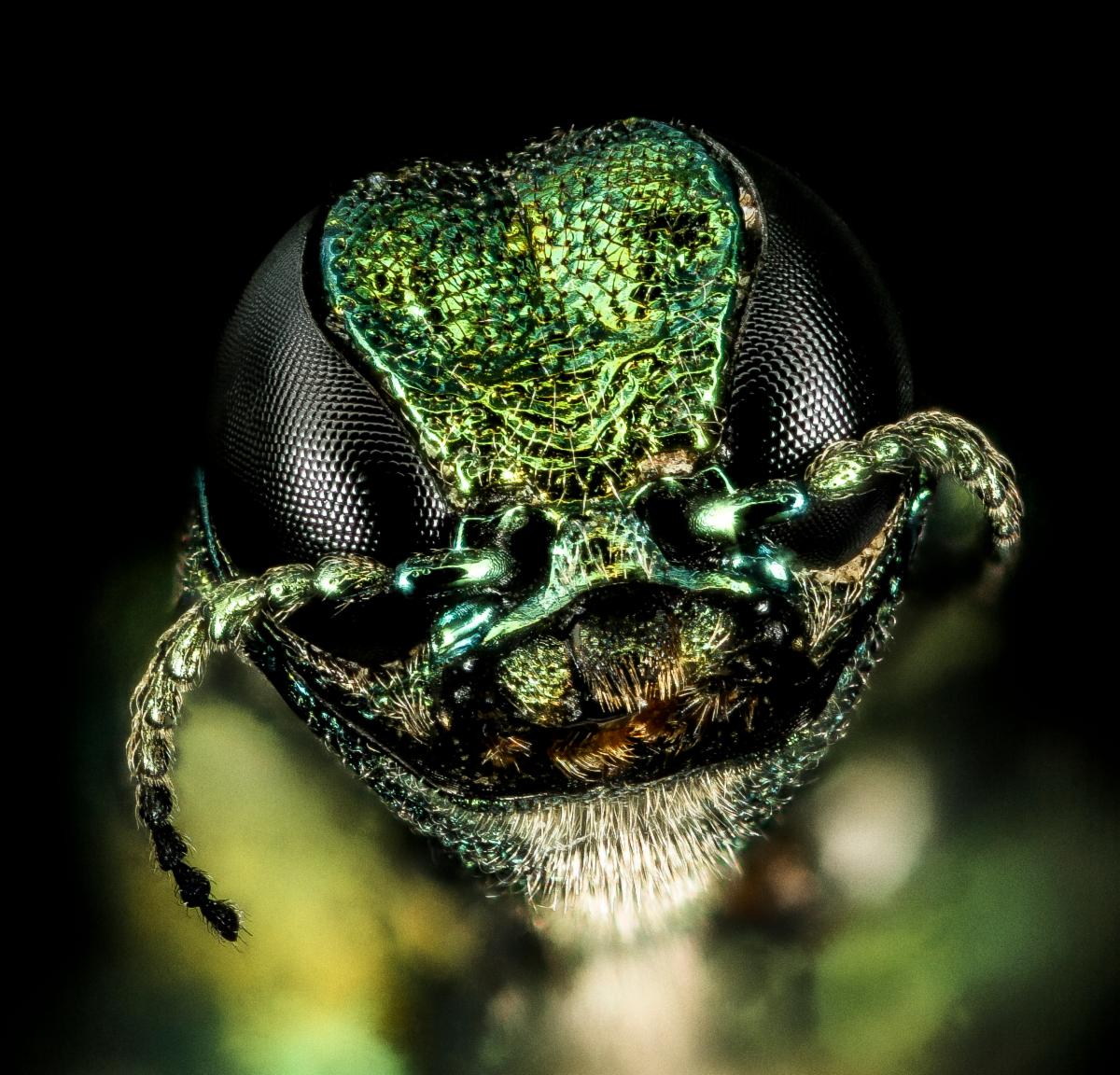
- May 14: Emerald Ash Borer
- May 19: Spongy Moth — Tracking & Economics
- May 21: Asian Needle Ant & Beech Leaf Disease
https://research.fs.usda.gov/nrs/invasivespecieseasternforests
Upcoming
NAISMA: Small Ants, Big Impacts — Managing Invasive Ant Species in North America
May 13, 2026 | 1:00–2:30 PM CDT |
NAISMA Webinar Series Covers little fire ants in Hawai'i, Argentine ant eradication in California island ecosystems, and the emerging threat of Asian needle ants. Speakers from Maui Invasive Species Committee, USFWS, and NC State.
Register at naisma.org/events
Upcoming
MN Aquatic Invasive Species Research Center Webinar Series (select sessions)
Free, open to broad audience including agency staff and lake managers:
Starry Trek: Mobilizing Volunteers for Early Detection of Aquatic Invasive Species
June 17, 2026 | 1:00–2:00 PM CDT | NAISMA Lessons from Minnesota's statewide volunteer early detection program — relevant for managers building or scaling citizen science programs.
Register at: naisma.org/events
Upcoming
Upper Midwest Invasive Species Conference
October 6-8 2026 | La Crosse
WisconsinBiennial conference that addresses all taxa of invasive species. In 2026, UMISC will celebrate 18 years of connecting the invasive species management, research, and policy community.
https://www.umisc.net/
Recorded
USGS: "Innovation for a Healthy Nation" (NAISMA/NISAW)
February 23, 2026
USGS scientists presented cutting-edge research including point-of-use eDNA tools for invasive species surveillance, the role of invasion biology in a One Health approach, and acoustic deterrents for invasive carp control, as part of NISAW 2026. Recordings may be available via NAISMA or the USGS website. https://naisma.org/events/
| |
Not Yet Posted
USGS Friday's Findings: Tackling Invasive Mussels with Science and Strategy
February 20, 2026
This USGS webinar covered dreissenid mussel (zebra and quagga) management and control, including the SWIM Project — a multi-agency effort investigating whether mussel removal can restore Lake Whitefish recruitment at Great Lakes spawning habitats.
Members Only
NISAW 2026 National Invasive Species Awareness Week
February 23–27, 2026 | NAISMA
Throughout the week, NAISMA hosted leading subject matter experts sharing emerging research, management innovations, federal initiatives, and real-world case studies addressing invasive plants, pests, pathogens, and wildlife. Topics included the marine biosecurity/public health intersection (Feb. 26). Check NAISMA for recordings. https://naisma.org/2026/03/06/national-invasive-species-awareness-week-2026/
Past Event
"Landscapes that Last" — Invasive Plant Identification & Management (NC Sea Grant)
February 27, 2026
Featured speaker Robbie Davis of Native Plants Matter NC provided an overview of how to identify common invasive plant species and apply practical management strategies across different property types and scales. NC Environmental Education Certification credits were available.
https://youtu.be/Z51Kv1V5HOU?si=PsK6-4wv8CXqqaTI
Past Event
Virginia Tech Invasive Species Collaborative — Spring Webinar Series
Monthly, January–April 2026 | Free & open to the public
This free monthly series covered: Invasive Species Management & State Agencies (Jan. 27), Mobilizing Volunteers & Communities (Feb. 24), Restoring Invaded Landscapes (March 24), and Invasion Pathways & Agricultural Biosecurity (April 28, featuring speakers from the Schmale Lab at Virginia Tech and the Lieurance Lab at Penn State).
https://invasivespeciesvt.org/outreach/events/
Past Event
NE RISCC: Inter-Basin Transfer of Non-Native Aquatic Species
January 21, 2026 | RISCC Management
This webinar focused on combining storm flood water level and topography data to prioritize inter-basin transfer risks of non-native aquatic species in the United States — directly relevant to state fish and wildlife managers monitoring spread pathways.
NE RISCC Events
Past Event
Invasive Species Affecting Finger Lakes National Forest Ponds (NY DEC / Finger Lakes Institute)
February 24, 2026
A virtual webinar covered how invasive species are affecting the unique ponds of New York's only National Forest, located between Seneca and Cayuga Lakes.
https://dec.ny.gov/get-involved/events/2026/2/addressing-invasive-species-in-the-finger-lakes-national-forest-ponds
Past Event
Invasive Species: Adaptations & Hybridization — Why Aquatic Invasives Are So Good at Being Bad (Adirondack PRISM / TNC)
March 26, 2026 | 10:00–11:30 AM ET | Online
This webinar will explore why invasive species are so good at spreading and displacing native plants and animals, with a focus on biological adaptations including hybridization.
https://www.adkinvasives.com/Events/Detail/6219
Ongoing
Invasive Species Centre (Canada) — Monthly Webinar Series (Ongoing)
Monthly | Free registration via email list
The Invasive Species Centre collaborates with experts to discuss different management, prevention, and monitoring topics each month. Past recordings cover Asian carp management, biological control of invasive plants, and more. invasivespeciescentre.ca →
| | |
Peer-reviewed articles, reports, and preprints of note. Open Access (OA) and subscription-required items are indicated where known.
Basin-based science and management of freshwater invasive species
Sun, J., Haubrock, P.J., Tarkan, A.S. et al.
Nature Reviews Biodiversity, 2026. https://doi.org/10.1038/s44358-026-00136-2
A basin-level framework for the science and management of freshwater invasive species, directly relevant to watershed-scale planning by state fish and wildlife managers.
Subscription Required
A Synthesis of Invasive Species Challenges and Policy Recommendations across US and US-Affiliated Islands
Brewington, L., Martin, C., Greenwood, L., Parsons, E., Hoffmann, B.D., Dulla, G.
BioScience, 2026. https://doi.org/10.1093/biosci/biaf201
A synthesis of invasive species management challenges and policy recommendations across U.S. and U.S.-affiliated island territories. Useful for policy planning and interstate/interagency coordination.
Subscription Required
Harnessing iEcology data to uncover invasive species behaviour
Mikula, P., Pipek, P., Bulla, M., et al.
Methods in Ecology and Evolution, 2026. https://doi.org/10.1111/2041-210x.70266
Explores how digitally derived ecological data ("iEcology") from online sources can be harnessed to reveal invasive species behavior, offering novel monitoring and management insights.
Realizing and assessing social successes in invasive species management
Graham, S., Atchison, J., Ma, Z., Howard, T., Gill, N., Miller, L., & Bach, T.
Conservation Science and Practice, e70229, 2026. https://doi.org/10.1111/csp2.70229
Addresses how to define and measure social dimensions of success in invasive species management, important context for practitioners working with landowners and communities.
The Biology, Ecology, Distribution and Future Management Challenges of Water Hyacinth (Pontederia crassipes): A Global Review
Roberts, J., Zulkeflee, Z., Nikkel, E., Clements, D.R., & Florentine, S.
Weed Research 66(1): e70058, 2026. https://doi.org/10.1111/wre.70058
A global review of water hyacinth biology, distribution, and management challenges.
Invasive alien species reduce terrestrial insect abundance and richness (Global Meta-Analysis)
[Author names pending full citation]
Nature Communications, January 2026.
A sweeping global meta-analysis found that invasive alien species reduce terrestrial insect abundance by 31% and species richness by 26%, with invasive animals causing stronger negative impacts than invasive plants, particularly on bees, wasps, ants, and true bugs.
Open Access
| |
A regional simulation modeling framework for evaluation invasive annual grass management across the sagebrush biome
Elizabeth K. Orning, Bryan C. Tarbox, Catherine S. Jarnevich, Lindy Garner, James R. Meldrum, Cameron L. Aldridge
Biological Conservation, March 2026. https://doi.org/10.1016/j.biocon.2026.111720
Invasive annual grasses (IAGs) threaten the sagebrush biome by degrading habitat, reducing forage, and increasing wildfire risk, yet the cumulative effects of management efforts across broad scales remain poorly understood. To address this, researchers co-developed a spatially explicit simulation model with natural resource managers to evaluate large-scale IAG management strategies, finding that targeting moderate-to-high IAG cover reduced full conversion but still left core sagebrush areas vulnerable to establishment, wildfire, and habitat loss.
The global geography of plant invasion risk under future climate and land-use changes
Omer, A., Dullinger, S., Wessely, J. et al.
March 2026, Nat Ecol Evol
A global analysis of nearly 10,000 invasive plant species finds that about a third of Earth's land surface is already vulnerable to significant invasion, with hotspots projected to expand modestly by 2100. However, these overall figures mask major geographic shifts — with invasions spreading into cooler regions while contracting in hotter, drier areas — and substantial changes in which species dominate regional invasion pools.
Open Access
Meta-analysis reveals negative but highly variable impacts of invasive alien species across terrestrial insect orders
Skinner, G.L.V., Cooke, R., Roy, H.E. et al.
January 2026, Nat Commun 17, 296)
A global meta-analysis of 52 studies finds that invasive alien species reduce terrestrial insect abundance by 31% and species richness by 26%, with impacts varying considerably across insect groups. Invasive animals cause greater harm than invasive plants, and true bugs and bees/wasps/ants are more severely affected than beetles - findings that help quantify insect vulnerability to biological invasions.
Open Access
Changes in breeding diet of Olrog's Gull in San Jorge Gulf in relation to Green Crab invasion
Cortés, J., Suárez, N., Marinao, C., Haro, L., & Yorio, P.
SSRN Preprint, 2026. https://ssrn.com/abstract=6295743
Documents how the invasion of European green crab in Argentine Patagonia is altering the breeding diet of threatened Olrog's Gull, illustrative of broader trophic cascade effects from aquatic invasive species.
| | 📅 Upcoming Events & Conferences | | 🎓 Training & Professional Development | |
⚠️ eDNA: Study Design, Implementation, and Application
April 20–24, 2026 | National Conservation Training Center, Shepherdstown, WV
Covers eDNA best practices for T&E and invasive species management in aquatic habitats. $2,190 for non-FWS participants; Contact: Chelsea Kross, DOI-NCTC (chelsea_kross@ios.doi.gov) | Registration: Michele Atha, FWS (michele_atha@fws.gov)
NAISMA Academy (formerly InvasivesU) — Online Learning Platform
Ongoing | North American Invasive Species Management Association
NAISMA has rebranded its InvasivesU platform as NAISMA Academy, offering a growing library of self-paced online courses, workshops, and certificate programs developed by leading invasive species experts. New content is continually added to reflect emerging threats, technologies, and best practices. NAISMA members receive exclusive discounts on most courses. Current offerings include:
- Foundations of Invasive Species Management - Certificate course providing a well-rounded basis in invasive species prevention and management
- Terrestrial Invasive Plant Management - Certificate course with in-depth coverage of noxious weed prevention and management
- Forest Pest and Pathogen Short Course ⭐ New - February 2026 - Self-paced introduction to forest invasive species, pathways of spread, early detection, and management using real-world case studies
- Biological Control Short Course - Science, application, and regulation of classical weed biocontrol
- NAISMA Mapping Standards Short Course - Implementing NAISMA's invasive species mapping data standards
- Certified Weed Free Products Inspector Certification - For professionals certifying forage, gravel, mulch, or compost to WFP international standards
Explore NAISMA Academy → academy.naisma.org
| | 🗂️ Key Journals & Ongoing Resources | |
-
NeoBiota (Open Access) — Recent articles on silver carp, Burmese pythons, invasive bees, and alien plant management: neobiota.pensoft.net
-
Biological Invasions (Springer) — Active "Management Innovations and Insights in Invasion Science" collection with new articles as of February 2026: link.springer.com/journal/10530
-
Management of Biological Invasions — Part of the INVASIVESNET open-access journal group: invasivesnet.org
-
ScienceDaily Invasive Species Feed — Daily aggregation of new invasive species research: sciencedaily.com
-
NAISMA Events Calendar — For current webinar listings and recordings: naisma.org/events
-
USGS Biological Threats & Invasive Species Research Program: usgs.gov
| | |
Invasive Species Committee — Quarterly Newsletter
Q1 2026 | January – March
This newsletter is distributed to fish and wildlife managers working on invasive species challenges and decision-making. To submit items for the next edition or update your subscription, contact Melanie Steinkamp
| | | | |