On May 6, NACD issued a response to the release of the interagency report, “Conserving and Restoring America the Beautiful,” regarding the proposed 30x30 initiative as announced in President Biden’s Executive Order 14008.
This preliminary report, a joint effort from the United States Department of Agriculture (USDA), Department of Interior, Department of Commerce and Council on Environmental Quality, is the Administration’s initial effort toward developing the Executive Order.
“We are pleased that the interagency leaders recognize the importance of locally-led conservation outlined in the report’s 'Principles for a Locally Led Effort to Conserve and Restore America the Beautiful,'” NACD President Michael Crowder said. “Conservation districts were created to work directly with landowners and local communities to implement conservation, and the goals of adding additional conservation across the country represent a significant opportunity to advance conservation on both private and public lands.”
NACD is developing more comprehensive formal comments on the preliminary report that will be reflective of the perspectives of the nation’s 3,000 conservation districts, and the association will also participate in informal discussions with the Administration and stakeholder groups.
“We appreciate this report’s focus on support for locally-led and designed conservation efforts and the opportunities that are championed by conservation districts,” Crowder said. “Conservation districts appreciate the report’s recognition of the important efforts of working lands conservation.”
The report clarifies an emphasis on conservation rather than preservation or protection as a means of achieving the Administration’s goals. While there are many opportunities to improve conservation on public lands, the opportunities are many times greater to increase conservation on private lands. Millions of private acres are actively in federal conservation programs or are being managed using effective conservation plans.
“We are encouraged that the preliminary report recognizes additional stakeholder input will be important to inform progress and urge the Administration to consider creating a formal public comment period for stakeholders to respond,” Crowder said. “We look forward to working with the National Climate Task Force and the interagency leaders to continue this dialogue, provide formal input, and convene stakeholders across the U.S. to ensure local perspectives are heard and incorporated into the initiative.”
|
NACD ANNOUNCES
2022 STEWARDSHIP
AND EDUCATION THEME
|
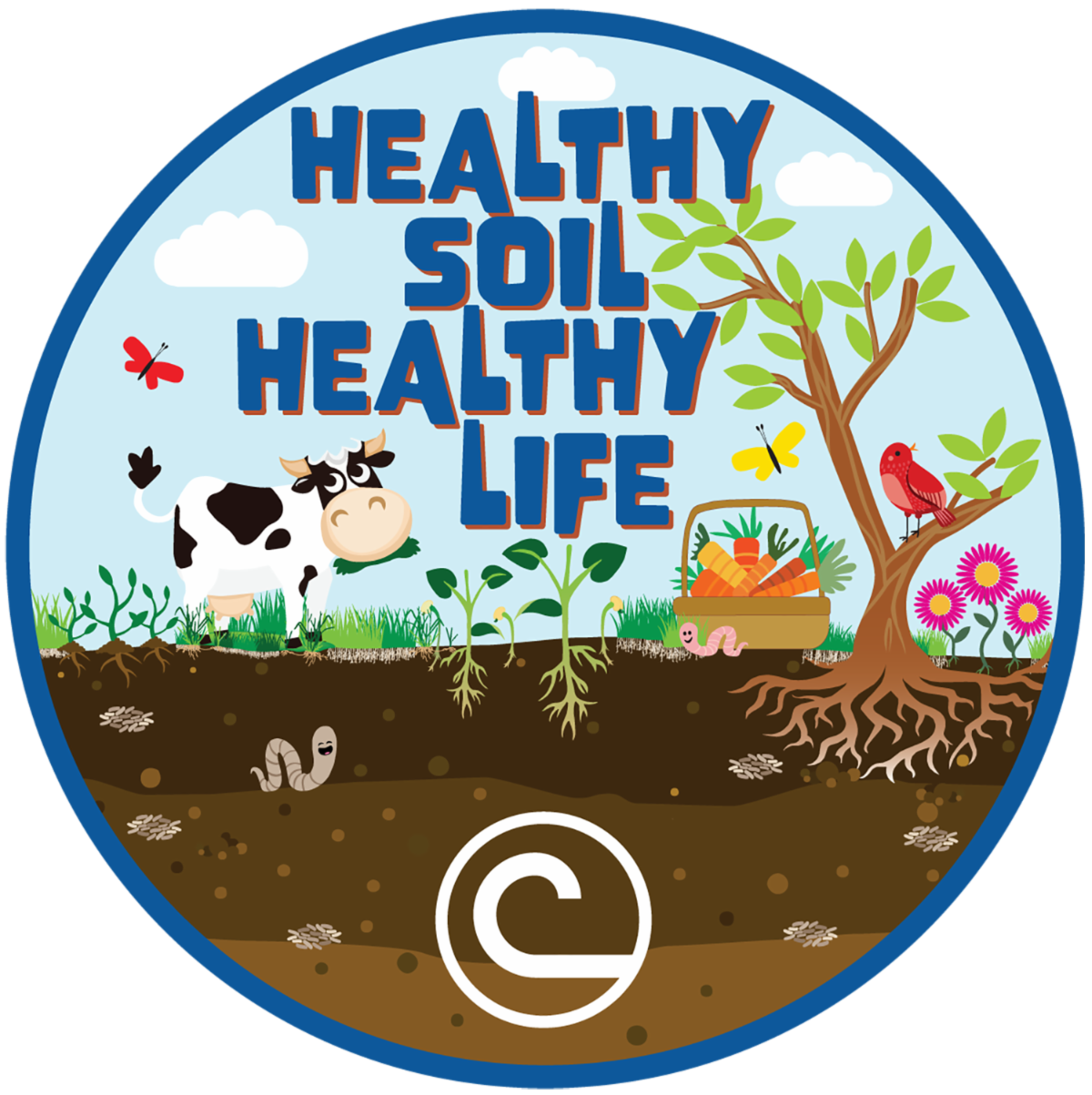
The NACD Stewardship and Education Committee is excited to announce the 2022 Poster Contest and Stewardship Week theme: “Healthy Soils: Healthy Life.”
Healthy soils are the foundation for all life on Earth. Soil is an important resource for everything from human health to agriculture to water filtration. The imperative benefit of healthy soil is food production. Healthy soils also give us clean air and water, plentiful crops and forests, diverse wildlife and beautiful landscapes. It is important that each of us recognize where our food comes and the farmers and ranchers who are dedicated to using responsible land-management practices to ensure a sustainable food supply and healthy land and soil for future generations.
Rules, entry forms and other resources for the 2022 NACD Poster Contest will be available for download later this summer.
The 67th Annual Stewardship Week will take place from April 22-May 1, 2022. For more information, visit our Stewardship Program webpage.
|
CONSERVING AND RESTORING "AMERICA THE BEAUTIFUL" |
On January 27, 2021, President Biden signed Executive Order (EO) 14008, Tacking the Climate Crisis at Home and Abroad. EO 14008 calls to conserve at least 30 percent of America’s lands and waters by 2030, which is also referred to as the 30x30 program. Below is language from EO 14008 regarding the 30x30 initiative.
It is the policy of my Administration to put a new generation of Americans to work conserving our public lands and waters. The Federal Government must protect America's natural treasures, increase reforestation, improve access to recreation, and increase resilience to wildfires and storms, while creating well-paying union jobs for more Americans, including more opportunities for women and people of color in occupations where they are underrepresented. America's farmers, ranchers, and forest landowners have an important role to play in combating the climate crisis and reducing greenhouse gas emissions, by sequestering carbon in soils, grasses, trees, and other vegetation and sourcing sustainable bioproducts and fuels. Coastal communities have an essential role to play in mitigating climate change and strengthening resilience by protecting and restoring coastal ecosystems, such as wetlands, seagrasses, coral and oyster reefs, and mangrove and kelp forests, to protect vulnerable coastlines, sequester carbon, and support biodiversity and fisheries.
On May 6, 2021, the National Climate Task Force released the long-anticipated Conserving and Resorting American the Beautiful, which outlines a ten-year recommendation for conserving and restoring America’s lands and waters. Special attention was given to agricultural producers and foresters throughout the report. The Biden Administration’s understanding and appreciation of these entities will be vital for achieving 30x30.
By supporting and accounting for existing and future conservation of public lands and waters, as well as collaborative and voluntary conservation efforts on working lands, tribal lands and state, local and private lands, the U.S. is well-positioned to achieve a 30 percent goal over the next decade.
|
In 2020, together with the Natural Resources Conservation Service (NRCS), NACD awarded funding through the Urban Agriculture Conservation (UAC) Grant Initiative to the Kitsap Conservation District (CD) in Washington State.
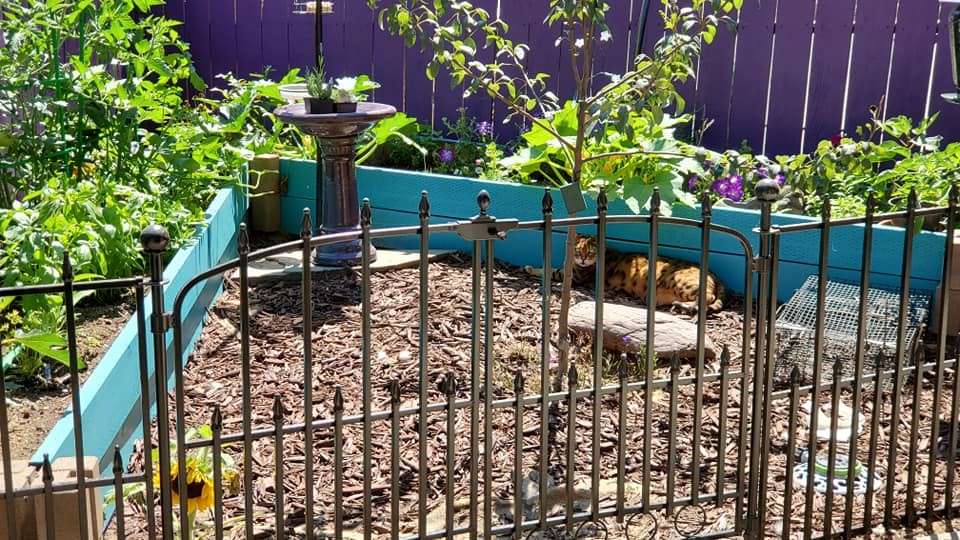
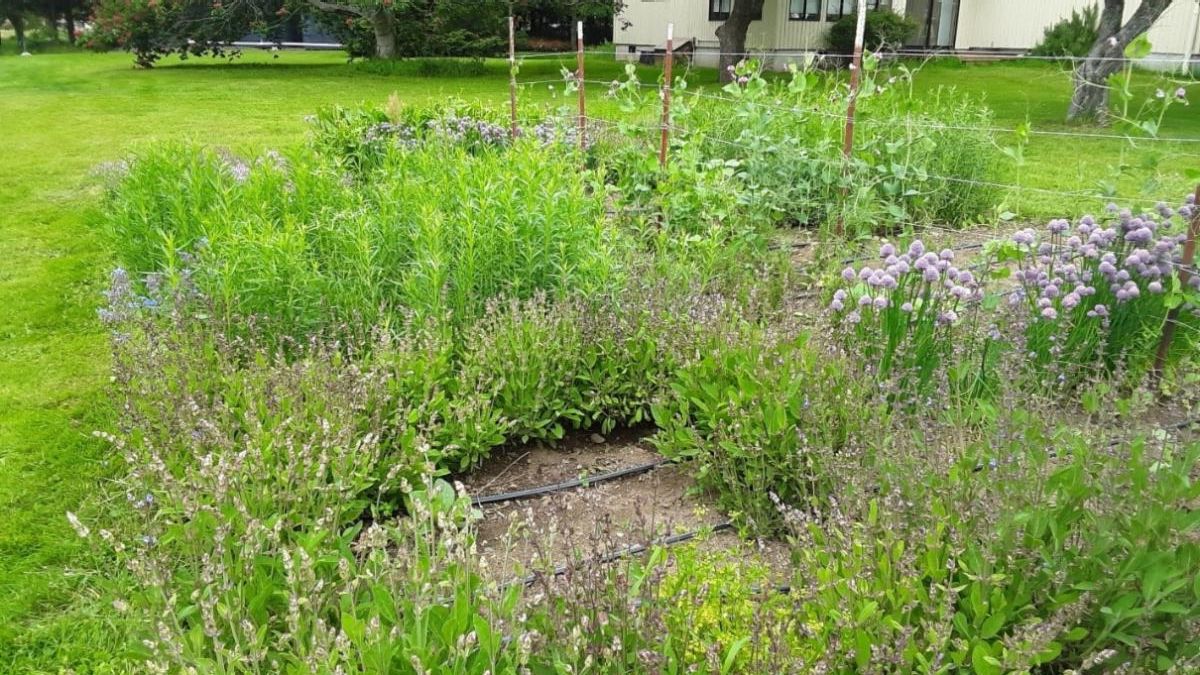
Kitsap CD’s Pollinator Planting Project promoted native pollinator conservation in urban environments by distributing herb garden kits that would provide pollinator habitat and with education and outreach.
The project addressed community hunger by providing fresh vegetables and herbs to local food banks and meal sites, providing people with dietary restrictions a healthy seasoning alternative. With a focus on urban food deserts, the district collaborated with community partners to provide nutrition education to help improve health outcomes.
“This project provided a unique 'feed' to our community that relates to natural resources,” said Joy Garitone, district supervisor. “The urgency to protect crops and food production improved with the knowledge from the pollinator grant.”
The COVID-19 (coronavirus) pandemic restricted planned activities, so Kitsap CD went virtual with workshops and webinars.
|
The district posted videos and resources on their webpage about planting and using herbs, seed saving, pollinator-friendly plants and information on native pollinators on their website and made weekly social media posts. Program staff distributed “Herb Garden in a Box” pollinator/herb garden kits to 47 food banks and community members, and donated 16,462 pounds of fresh vegetables and herbs to local food banks, including special Thanksgiving herb packets (parsley, sage, rosemary and thyme).
Leveraging community partnerships with extension, public health, food banks and the local gleaning network were key to the success of the project. Sharing web resources, promoting one another on social media, and collaborating on workshops magnified our message across multiple platforms reaching a diverse audience
Looking forward, the district continues to expand on-site demonstrations to support native pollinators. Kitsap CD now boasts a 525-foot pollinator hedgerow, a 3,000 square foot perennial herb garden, and culinary herb gardens at the GRACE Garden. Up next? A 4,300 square foot native pollinator meadowscape. The district is looking forward to having an open house to show it off.
|
|
CPBC Update:
2021 Sessions Canceled
|
Due to ongoing COVID-19 (coronavirus) concerns, Conservation Planning Boot Camp (CPBC) is canceled through 2021.
|
Submit Your Ideas:
NACD 2022 Annual Meeting Theme
|
NACD's 76th Annual Meeting is scheduled to be held Feb. 12-16, 2022 in Orlando, Fla.
Help us come up with a theme that celebrates conservation in the Sunshine State!
Click here to submit your theme. The winning submission will earn a complimentary full registration to the 2022 Annual Meeting.
|
Register Now:
Winds, Water And Wildfires Summits
|
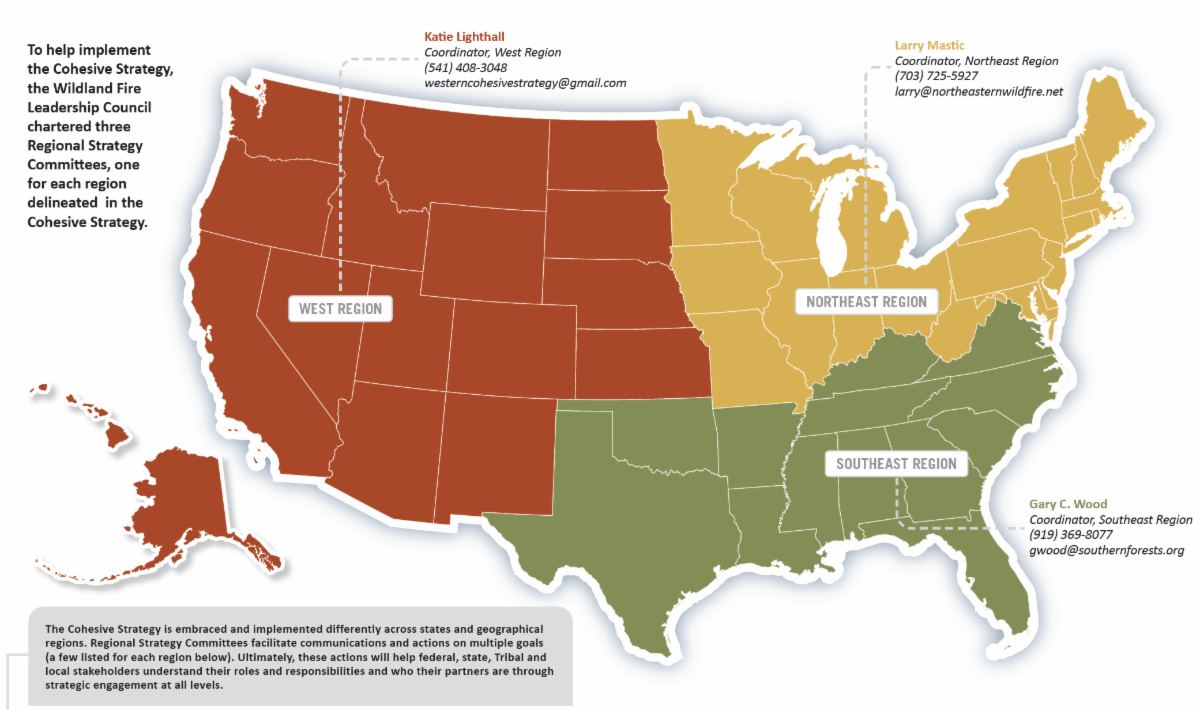
Join NACD for the upcoming Winds, Water and Wildfires Virtual Summits throughout this month, where we’ll host speakers discussing how disasters such as high winds, wildfires and flooding cause significant damage to natural resources in the South, North, East and West.
These needs are identified in the three goals of the National Cohesive Wildland Fire Management Strategy. The virtual sessions will be held over this month, and session dates coordinate with specific regions (Southeast and Northeast). Visit NACD's events webpage to register.
|
New SARE Video Centers on Social Sustainability
|
The Sustainable Agriculture Research and Education ( SARE)’s new “Social Sustainability” animation addresses the importance of human resilience, success and fulfillment in sustainable agriculture.
The fourth episode in SARE's "What is Sustainable Agriculture?" series introduces key components of social sustainability in agriculture and is intended to complement more detailed training materials.
Agriculture is a dangerous and demanding way of life, and farmers and ranchers often make the health of the farm their top priority. Access to affordable, high quality health care and mental health services for producers, their families and workers is crucial to the long-term vitality of agriculture. Equitable access to land, financing and technical assistance improves the strength of the food system nationwide.
|
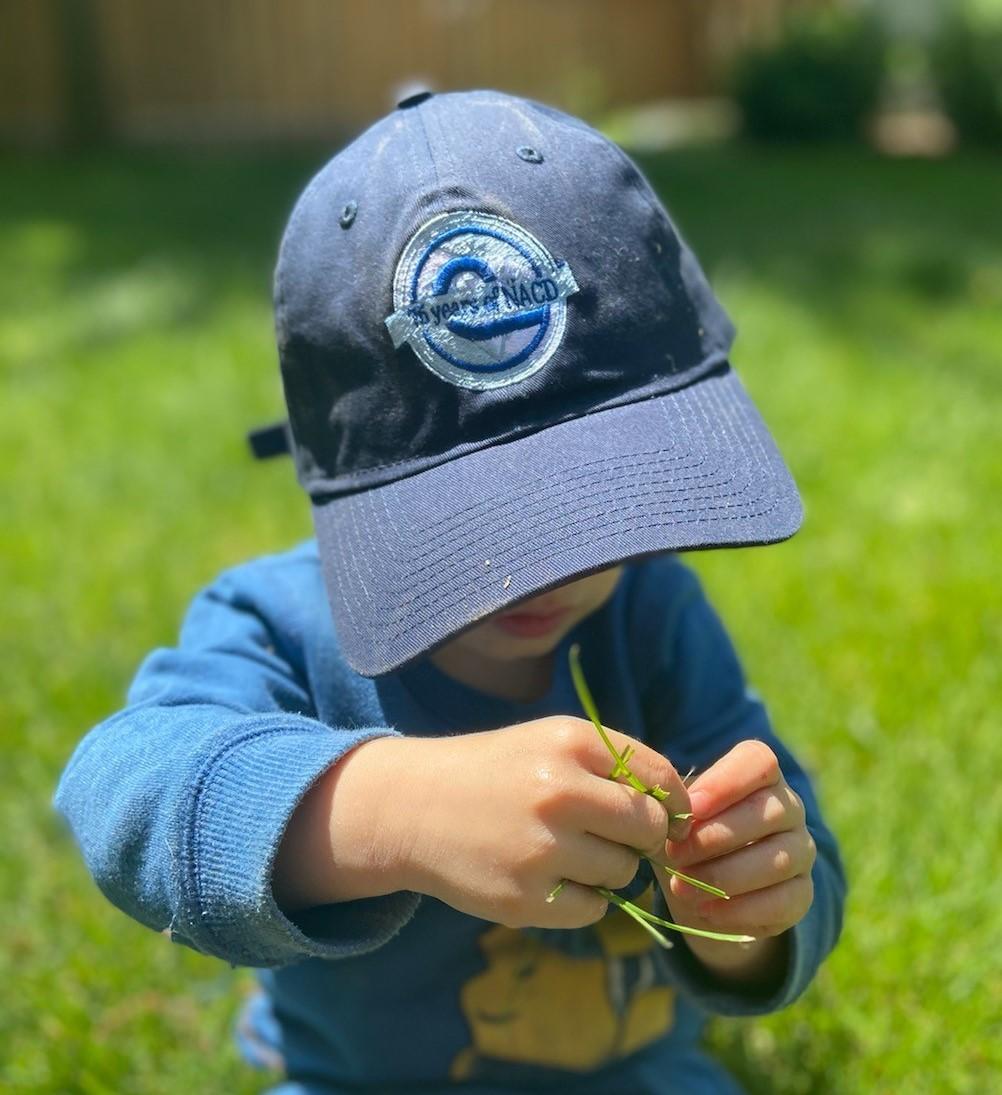
Become a Friend of NACD Today and Receive a Special 75th Anniversary Cap |
Looking forward to the summer sunshine? We've got you covered! Shade your eyes in style with a limited edition cap featuring NACD's 75th Anniversary logo, a "Diamond Out of the Dust."
What's the best thing about these caps? You'll receive one free if you donate $75 or more to Friends of NACD. To honor your support, "Friends of NACD" is custom embroidered on the back of each cap.
Your individual donation to Friends of NACD helps us celebrate 75 years by providing grant funding opportunities to conservation districts across the country through the Friends of NACD District Grants Program. Since 2020, this program has awarded $20,000 in grant funding to support innovative conservation district projects across the country.
|
NACD SHC
Blaine Hitchens
Awarded Agriculture Conservation Award
|
NACD Soil Health Champion Blaine Hitchens of Laurel, Del., was the recipient of the 2021 Governor's Conservation Awards - Agricultural Conservation Award for Sussex County.
Hitchens began his soil health journey with no-till over 15 years ago, adding cover crops over 10 years ago. More than five years ago he began planting green; now, every acre has a living root growing year-round.
To learn more about Hitchens, view this video created for his award. |
Promote your conservation district or state association's tree sale, annual meeting, webinar, field day or more on NACD's Calendar of Events!
|
|